Our verdict
Rye sits on Geary Street in San Francisco's Tenderloin-adjacent corridor, a neighborhood where serious drinking establishments have long operated outside the city's more polished dining districts. The bar occupies a tier defined by craft focus and neighborhood permanence rather than destination hype, and it draws a crowd that treats it as a regular rather than a reservation.

Pearl is the En Primeur Club membership app, where members save venues, book tables and use the concierge.

The Geary Street Corridor and What It Tells You About San Francisco's Bar Culture
San Francisco's cocktail scene has never organized itself neatly around a single neighborhood. Unlike New York's Manhattan-centric bar geography or Chicago's River North concentration, the city's most serious drinking establishments scatter across districts that don't always read as destination territory on first approach. Geary Street, running west from Union Square through the Tenderloin and into the Richmond, is a corridor that fits that pattern exactly. The blocks around 688 Geary sit in a zone the city has historically underwritten for nightlife: dense foot traffic, a mix of longtime residents and transient visitors, and rents that have historically allowed operators to run lean without surrendering ambition.
Rye occupies that address, and the location is itself a kind of editorial statement. Bars that open in neighborhoods like this one aren't chasing the same customer as the hotel lobby cocktail programs around Union Square, nor do they position against the design-forward operations that populate SoMa and the Mission. They operate on a different logic: regularity over occasion, craft over ceremony, neighborhood presence over destination franding.
Atmosphere as the Primary Language
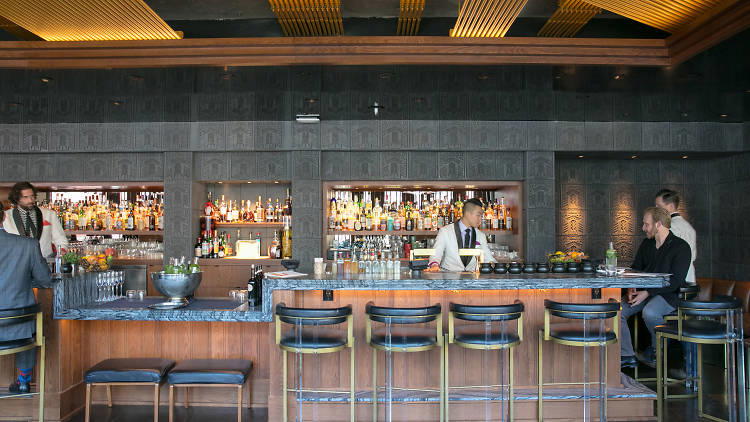
San Francisco's bar culture has moved through several distinct phases over the past two decades. The speakeasy-revival moment of the mid-2000s gave way to a more transparent, technique-forward era, and Geary Street establishments like Rye emerged in the space between those two registers. The physical environment at addresses like this one tends toward the intentionally dim: low lighting that makes the backbar bottles glow, wood surfaces that absorb sound rather than amplify it, and a general compression of the room that keeps conversations local rather than performative.
That sensory vocabulary is worth understanding because it shapes the kind of drinking that happens inside. Bars built around spectacle and discovery tend to encourage first visits and single-occasion use. Bars built around atmosphere and consistency tend to build the kind of repeat traffic that becomes a neighborhood institution over years. The distinction matters when you're deciding how to spend an evening in a city where the premium cocktail tier, represented by venues like Lazy Bear and the dining-adjacent bars attached to places like Atelier Crenn, operates at a different price point and with a different social contract.
Where Rye Sits in the San Francisco Drinking Hierarchy
The city's cocktail programs now occupy at least three visible tiers. At the leading, you have the dining-room bar operations attached to Michelin-recognized restaurants: the pre-dinner programs at Benu, Quince, and Saison, where the cocktail list is subordinate to the tasting menu and priced accordingly. Below that sits a mid-tier of destination cocktail bars that have earned editorial recognition and draw visitors specifically for their programs. And below that, doing some of the most consistent work in the city, are the neighborhood bars that don't require a reservation, don't operate on a seasonal menu cycle, and don't need a James Beard nomination to fill their seats on a Tuesday.
Rye occupies space in the lower portion of that second tier and the upper range of the third. Its Geary Street address places it away from the neighborhoods that generate the most food-media attention, which means it competes on quality and atmosphere rather than on location prestige or social-media adjacency. That's a harder position to maintain over time, but it also tends to produce more durable operations.
For broader context on how San Francisco's bar and restaurant scene organizes itself across neighborhoods, our full San Francisco restaurants guide maps the city's dining geography in detail.
The National Frame: Independent Bars in American Cities
What Rye represents in San Francisco finds parallels in other American cities where serious independent bars operate outside the fine-dining adjacency that generates the most press attention. Le Bernardin in New York City and Alinea in Chicago anchor the best of their respective city hierarchies, but the bars that sustain a city's drinking culture night after night tend to be the ones that don't appear in that conversation at all. Emeril's in New Orleans operates in a similar tension between destination dining and neighborhood permanence, and the same dynamic plays out across Providence in Los Angeles, Addison in San Diego, and Bacchanalia in Atlanta.
The bars and restaurants that survive the longest in American cities are rarely the ones that peaked loudest. They are the ones that built a room worth returning to and then defended it. Blue Hill at Stone Barns in Tarrytown, Single Thread Farm in Healdsburg, and The French Laundry in Napa have each built that kind of permanence at the top of their respective tiers. Rye works toward the same goal in a different register and at a different price point.
Internationally, the tension between destination recognition and neighborhood durability plays out in bars from Atomix in New York City to 8 1/2 Otto e Mezzo Bombana in Hong Kong, and even at dining institutions like The Inn at Little Washington, where the environment itself becomes the argument for the experience.
Planning Your Visit
688 Geary Street sits in a part of San Francisco that rewards some advance awareness. The Tenderloin-adjacent blocks of Geary are active at night, and visitors arriving by rideshare or on foot from Union Square should treat the walk as a five-to-ten minute commitment rather than a stroll. The neighborhood's density means parking is easier to approach from the Richmond side if you're driving in from the west.
Rye's position on Geary Street, away from the neighborhoods that drive the city's loudest dining narratives, is part of what defines it. That distance is a feature, not a limitation.
Quick reference: 688 Geary St, San Francisco, CA 94102. Verify hours and booking directly with the venue before visiting.
Frequently asked questions
What's the address for Rye?
Rye is located at 688 Geary St, San Francisco, CA 94102, San Francisco.
How does Rye compare to other Geary Street bars, and what makes its address significant in San Francisco's nightlife geography?
Geary Street has historically functioned as one of San Francisco's working nightlife corridors, distinct from the design-forward clusters in the Mission or the dining-room bar operations near Hayes Valley. Rye at 688 Geary sits in a Tenderloin-adjacent stretch that attracts a cross-section of the city rather than a single neighborhood demographic. That positioning separates it from bars that draw primarily from a surrounding residential pocket, giving the room a more varied nightly mix than you'd find in more geographically insular parts of the city.
What's the signature dish at Rye?
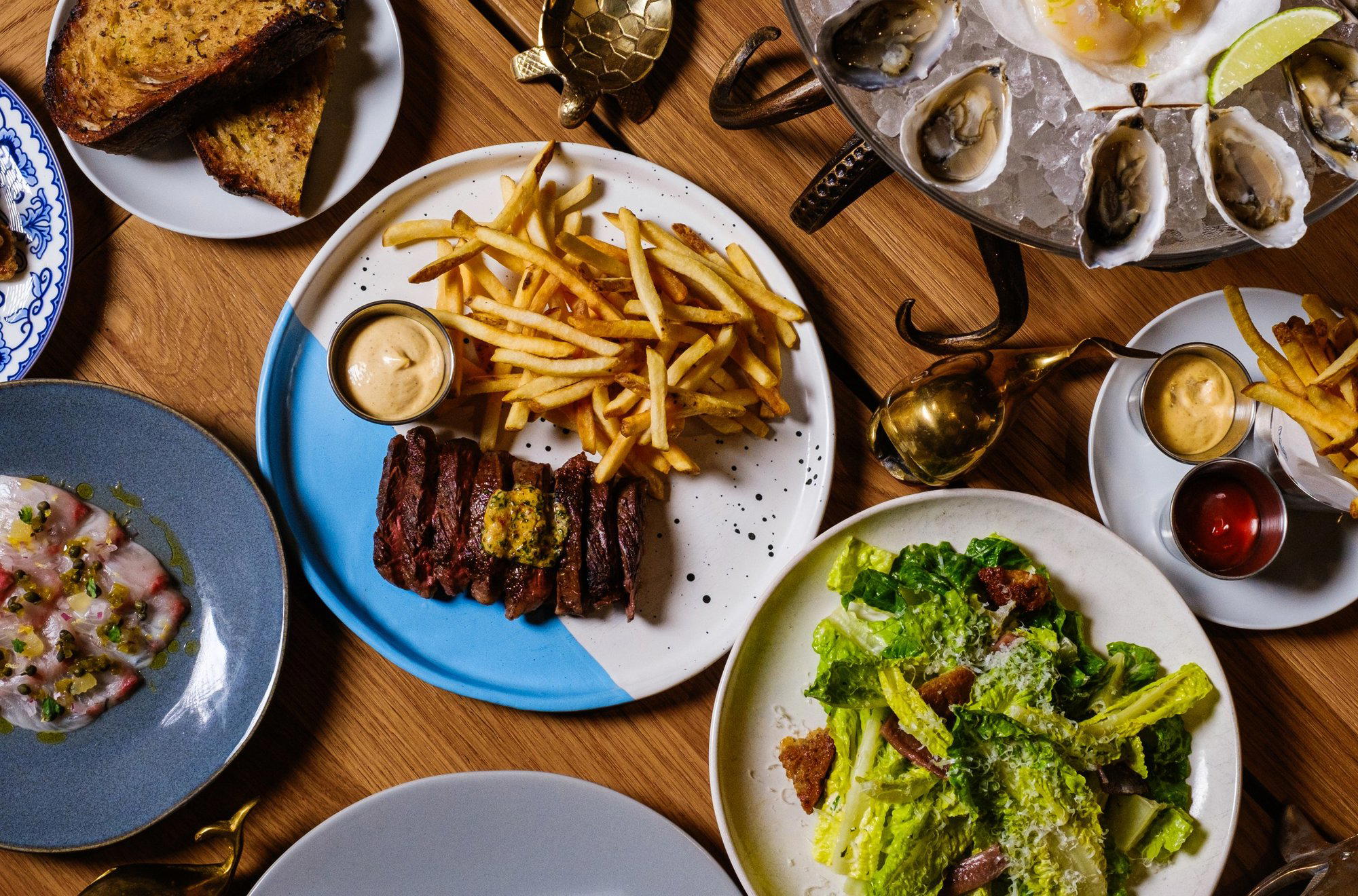
Rye operates primarily as a bar rather than a kitchen-forward restaurant, so the drink program is the main draw at 688 Geary St. Food offerings, if available, play a supporting role to the cocktail menu. For current food options, contacting the venue directly is the most reliable approach.
Do I need a reservation for Rye?
Rye sits in the tier of San Francisco independent bars where walk-in access is generally more available than at Michelin-adjacent dining rooms requiring weeks of advance booking. That said, the Geary Street corridor draws consistent late-night traffic, so arriving earlier in the evening gives you better odds at securing a spot.
What has Rye built its reputation on?
Rye's standing in San Francisco comes from neighborhood permanence and atmosphere consistency rather than from award cycles or rotating media attention. In a city where bars frequently pivot or close, holding a fixed identity on a working nightlife corridor like Geary Street carries its own credibility.
Can Rye adjust for dietary needs?
Reaching out to the bar directly before your visit is the only way to get a reliable answer on specific needs.
City Peers
Comparable venues nearby, for context on price, style, and recognition.
| Venue | Cuisine | Price | Notes |
|---|---|---|---|
| RyeThis venue (the venue you are viewing) | American Bar | Not listed | Not listed |
| Joe's Cable Car Restaurant | Classic American Burgers | Not listed | Outer Mission |
| Greenburger's | Locally-Sourced American Comfort Food | Not listed | Lower Haight |
| First Crush Restaurant & Wine Bar | New American with California Wines | Not listed | Union Square |
| Loveski Deli | Modern Jew-ish Deli | $20–30 | South of Market |
| Wilder | American Comfort Food | $30–50 | Marina |
Continue exploring
More in San Francisco
Restaurants in San Francisco
All restaurants in San Francisco →
Bars in San Francisco
All bars in San Francisco →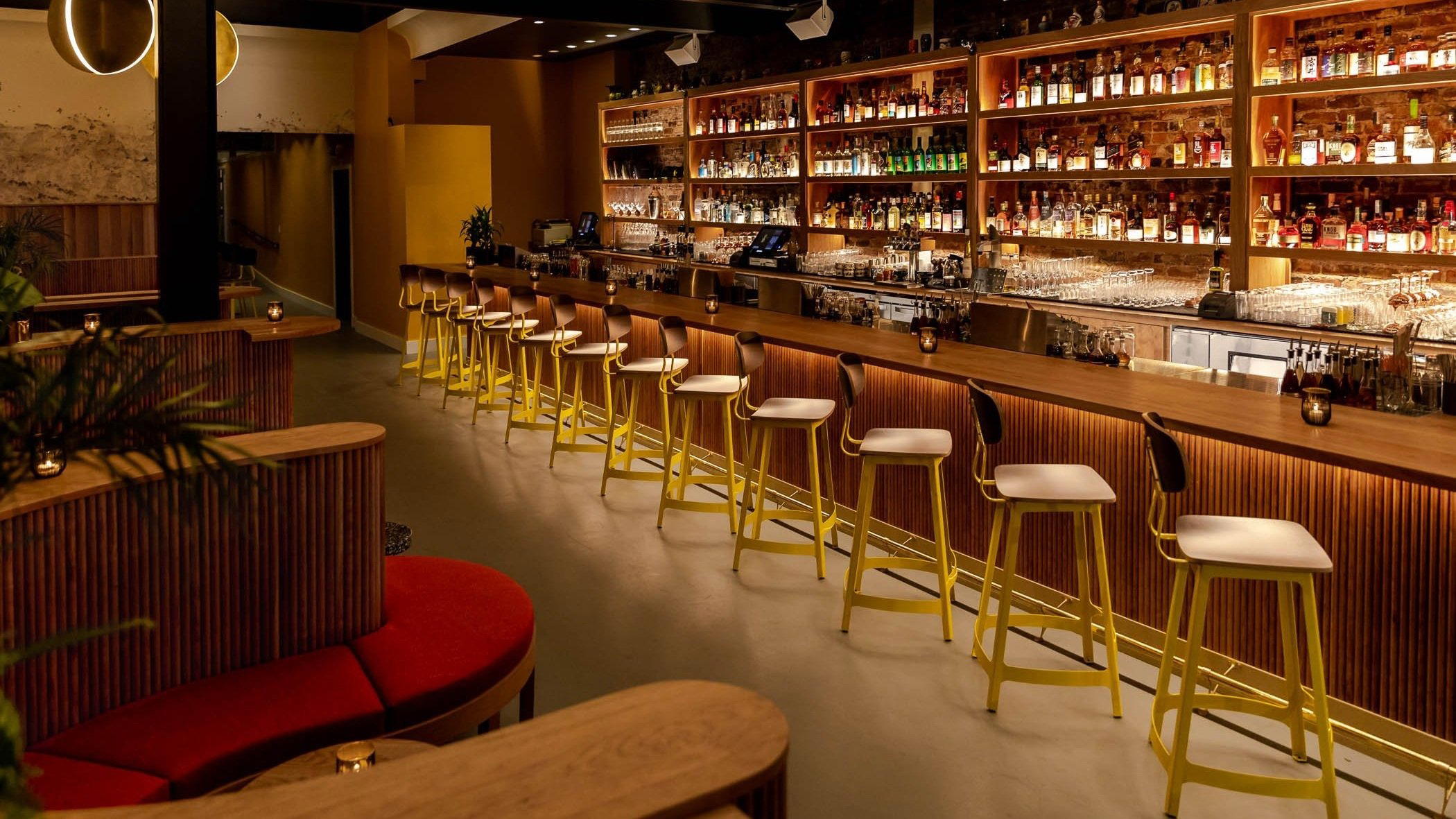

Details
- Lively
- Classic
- Intimate
- Casual Hangout
- After Work
- Late Night
- Craft Cocktails
- A La Carte
- Cocktails
- Beer
Current opening hours
- Monday
- 5:30 PM–1 AM
- Tuesday
- 5:30 PM–1 AM
- Wednesday
- 5:30 PM–1 AM
- Thursday
- 5:30 PM–1 AM
- Friday
- 5:30 PM–1 AM
- Saturday
- 5:30 PM–1 AM
- Sunday
- 5:30 PM–1 AM
Hours can change for holidays and private events. Hours as of .
Classic bar atmosphere with full bar service, open late into the evening.