Native Co.
Our verdict
Native Co. occupies a Sutter Street address in San Francisco's Financial District, positioning itself within a city that has made farm-to-table sourcing a baseline expectation rather than a selling point. The cooking draws on Northern California's ingredient density, placing it in the same broad conversation as the city's most serious contemporary kitchens. Confirmation of current hours and booking availability is best sought directly with the venue.
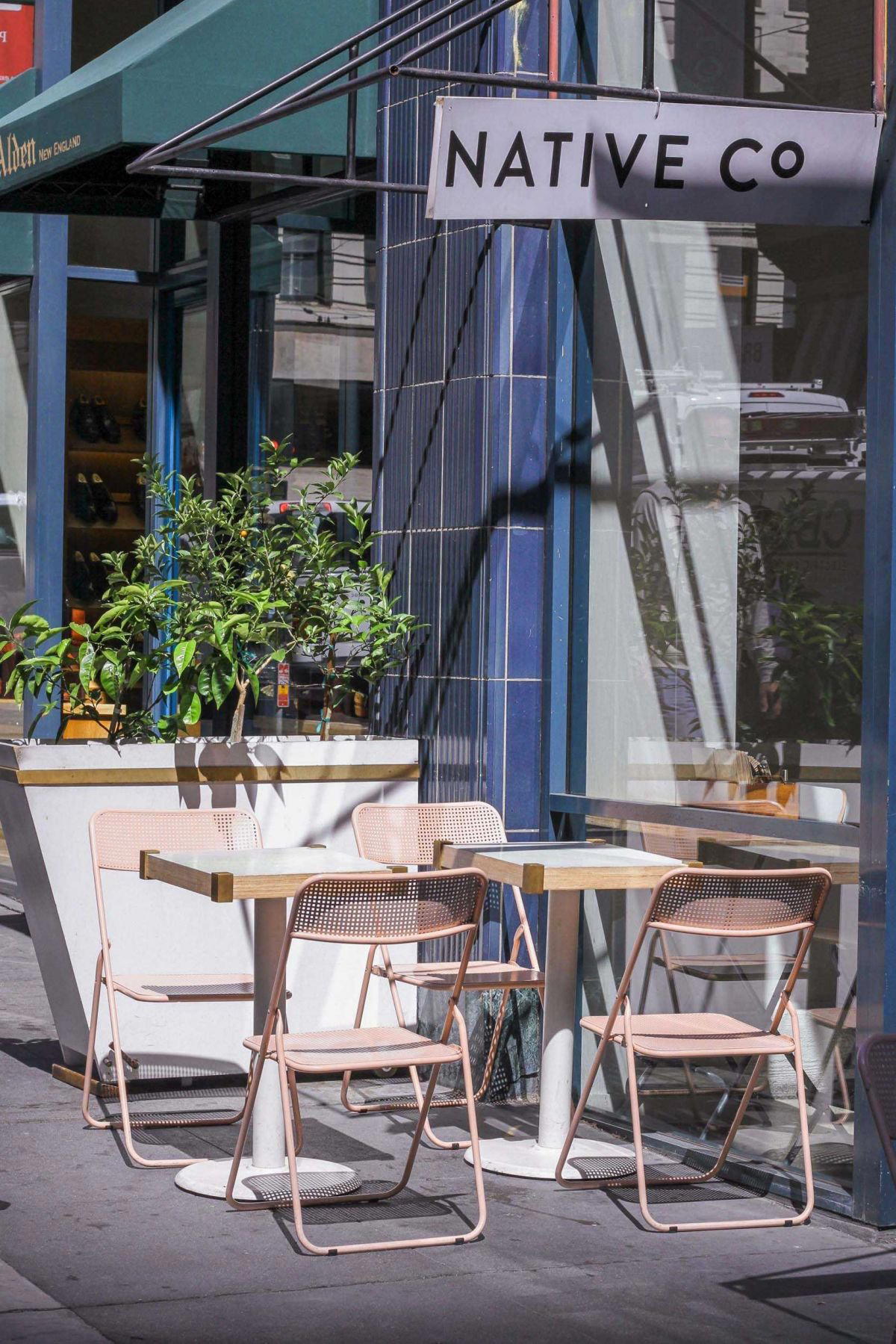
The menu
What to order
- Smashed Avocado Toast
- You've Got Kale Smoothie
Sutter Street and the Weight of Context
The Financial District block that holds Native Co. at 168 Sutter Street carries a particular kind of pressure. San Francisco's downtown dining corridor sits minutes from some of the most scrutinized restaurant tables in the United States, a city where Benu holds three Michelin stars for its French-Chinese tasting format, where Atelier Crenn operates a poetic, produce-led French kitchen in the Marina, and where Lazy Bear turned the progressive American dinner party format into a reservation that books weeks in advance. To open in this environment and carry a name like Native Co. is to position deliberately: local, grounded, rooted in place rather than imported prestige.
That positioning matters because San Francisco has moved through several distinct dining phases in the past two decades. The farm-to-table wave that defined the early 2000s has since matured into something more demanding. Sourcing from Northern California producers is no longer a differentiator at the serious end of the market; it is a baseline. What separates the kitchens that hold attention now is how they interpret that sourcing, how the ingredient story translates into something on the plate that could not have been made anywhere else. The name Native Co. signals an answer to that question before a single dish arrives.
The Atmosphere of a Financial District Table
Financial District dining in San Francisco occupies a specific register. The lunch trade is dense with expense-account meals and quick turnovers; the dinner hours carry a quieter, more deliberate energy as the office towers empty and the rooms shift to a smaller crowd that has made a considered choice to be there. The Sutter Street corridor, specifically, sits close enough to Union Square retail to draw visitors but is not saturated with tourist-facing operations. The buildings here are older, the street-level facades more compressed, and the restaurants that work in this environment tend to be ones with a clear sense of purpose rather than spectacle.
Walking into a room at this address, the expectation is calibration over theatre. San Francisco's most enduring contemporary kitchens, from Quince in Jackson Square to Saison on Townsend, have built their atmospheres around restraint: materials that age well, lighting that reads warm without effort, acoustics managed rather than ignored. That aesthetic approach has become a signal of seriousness in itself, a way of saying that the room will not distract from the food.
Northern California as a Culinary Argument
The phrase "native" in a California dining context carries specific weight. The state's ingredient calendar is one of the most generative in North America, running from spring alliums and stone fruit through summer tomatoes and corn, into the long autumn citrus season that extends well into winter. The restaurants that have built lasting reputations in this tradition, including Single Thread Farm in Healdsburg and Blue Hill at Stone Barns on the East Coast, have done so by treating sourcing as an editorial decision, not a marketing note. The menu becomes a calendar. What arrives at the table in February is a direct argument about what that month means in this particular place.
At the broader American level, kitchens working this territory range from The French Laundry in Napa and Smyth in Chicago to Providence in Los Angeles and Addison in San Diego, each making a version of the argument that place-specific sourcing and culinary technique are inseparable. The California approach, more than most, leans on the idea that intervention should follow the ingredient rather than precede it. The leading moments in these kitchens arrive not when technique is most visible, but when it disappears entirely behind the clarity of what was grown or caught nearby.
Where Native Co. Sits in the City's Current Conversation
San Francisco's restaurant community has contracted and reconfigured meaningfully since 2020. Several ambitious operations closed or restructured, and the kitchens that rebuilt tend to have done so with tighter formats and clearer propositions. The casual-fine line has shifted; rooms that once required full tasting-menu commitment have opened into more flexible formats, and the dining public has responded by distributing attention more widely. Native Co.'s Sutter Street position places it in the part of the market that draws from office-adjacent lunch traffic, neighbourhood dinner regulars, and visiting diners who are willing to eat one level below the obvious Michelin anchors in exchange for something less ceremonial.
That tier has produced some of the city's most consistent cooking in recent years, precisely because it operates without the expectation management that surrounds the starred rooms. The comparison set matters here: where Le Bernardin in New York, Atomix, or The Inn at Little Washington operate with the weight of institutional reputation behind every course, a kitchen in the Financial District with a name rooted in locality has a different kind of freedom. It can be direct, seasonal, and unpretentious in ways that the headline rooms cannot easily afford to be.
Across the country, that directness has become a genre of its own. Frasca Food and Wine in Boulder, Emeril's in New Orleans, and internationally, Atelier Moessmer Norbert Niederkofler in Brunico, each occupy versions of the same position: technically serious, place-specific, and deliberately outside the maximalist tasting-menu arms race. Native Co.'s name suggests an alignment with that tendency.
For a fuller map of where Native Co. sits within San Francisco's dining options, the EP Club San Francisco restaurants guide covers the city's current range from the starred rooms to the neighbourhood anchors.
Do I need a reservation for Native Co.?
If you are visiting on a weekday evening or during a busy lunch window in the Financial District, securing a table in advance is advisable. San Francisco's serious restaurant tier, even below the starred rooms, runs at capacity during peak hours, and a Sutter Street address with office-adjacent foot traffic is subject to the same pressure.
What is Native Co. leading at?
The kitchen's name positions it toward place-specific cooking, which in a San Francisco context means Northern California sourcing handled with technique that steps back rather than forward. That approach, when executed well, produces food that reads as honest and seasonal rather than constructed. The credential to watch for in rooms like this one is consistency across the full menu rather than a single standout dish.
Is Native Co. good for vegetarians?
California's ingredient depth makes plant-forward cooking a natural strength in San Francisco restaurants at every price point. A kitchen operating under a locally sourced identity would be expected to handle vegetable-led dishes with care, but specific menu confirmation should come from the venue directly, particularly for guests with dietary requirements. The city's dining standards generally make vegetarian accommodation a baseline expectation rather than an exception.
How does Native Co. compare to other San Francisco restaurants at a similar level?
The Financial District and adjacent neighbourhoods support a tier of contemporary kitchens that operate with serious culinary intent without the full tasting-menu architecture of the starred rooms. Native Co.'s Sutter Street address places it in that mid-to-upper bracket, where the comparison set includes kitchens known for seasonal California cooking rather than elaborate multi-course formats. Diners who have worked through the city's Michelin-anchored options and want something less ceremonial tend to find this tier more flexible in format while still serious in execution.
Frequently asked questions
Where is Native Co. in San Francisco?
Native Co. is located at 168 Sutter St, San Francisco, CA 94104, San Francisco.
How does Native Co. fit into San Francisco's post-2020 restaurant scene?
San Francisco's restaurant community contracted and reconfigured meaningfully after 2020, with several ambitious operations in the Financial District closing or restructuring. A kitchen at 168 Sutter Street operating with a place-specific California identity is entering a leaner, more selective dining environment where sourcing transparency and seasonal credibility carry real weight with the city's current dining public.
What's the best thing to order at Native Co.?
Follow the kitchen's current seasonal focus. At 168 Sutter Street in San Francisco's Financial District, a kitchen operating under a 'native' identity will typically rotate its menu around Northern California's ingredient calendar, so dishes tied to the immediate season are the ones the kitchen is most committed to. Ask your server what arrived that week.
Do I need a reservation for Native Co.?
For weekday evenings and peak lunch windows in the Financial District, booking ahead is the sensible move. San Francisco's downtown dining corridor runs on a dense midday trade and fills competitive dinner slots quickly. Walk-ins are a risk that depends on the day and time of year.
What's Native Co. best at?
The name positions the kitchen toward place-specific cooking, which in a San Francisco context means Northern California sourcing handled with technical intent. California's ingredient calendar is one of the most generative in North America, giving a kitchen at this address real material to work with across every season.
Is Native Co. good for vegetarians?
California's ingredient depth makes plant-forward cooking a natural strength in San Francisco restaurants at every price point. A kitchen operating under a native-sourcing philosophy in Northern California has access to year-round produce that supports serious vegetable-driven cooking without treating it as an afterthought.
Where It Fits
| Venue | Cuisine | Price | Awards | Notes |
|---|---|---|---|---|
| Native Co.This venue (the venue you are viewing) | Health-Focused Cafe | Not listed | Not listed | Not listed |
| Lazy Bear | Modern American Tasting Menu | Not listed | 2 Michelin Stars · World's 50 Best #25 | Progressive American, Contemporary |
| Atelier Crenn | Contemporary French Fine Dining | $300–500 | 3 Michelin Stars · World's 50 Best #44 | Modern French, Contemporary |
| Benu | Modern Asian Fusion Fine Dining | $150–200 | 3 Michelin Stars · World's 50 Best #33 | French - Chinese, Asian |
| Quince | Contemporary Californian | $300–500 | 3 Michelin Stars · World's 50 Best #48 | Italian, Contemporary |
| Saison | Modern Fire-Forward Fine Dining | $300–500 | 2 Michelin Stars · World's 50 Best #22 | Progressive American, Californian |
Continue exploring
More in San Francisco
Restaurants in San Francisco
All restaurants in San Francisco →
Bars in San Francisco
All bars in San Francisco →




Details
- Modern
- Trendy
- Casual Hangout
- Solo
- Standalone
- Local Sourcing
- Organic
- A La Carte
- Fresh Juices
- Smoothies
- Coffee
- Vegetarian Friendly
- Vegan Options
Bright, casual counter-service environment with a crisp storefront aesthetic designed for quick, on-the-go dining.