Bluestem Brasserie
Bluestem Brasserie occupies a considered position in San Francisco's SoMa dining corridor, offering a brasserie format that sits between the city's high-commitment tasting-menu tier and its casual neighbourhood spots. Located at Yerba Buena Lane, it draws a mixed crowd of cultural-district visitors and downtown regulars looking for something more sustained than a quick lunch stop.
- Address
- 1 Yerba Buena Ln, San Francisco, CA 94103
- Phone
- +14155471111
- Website
- bluestemsf.com
- Directions
- Get directions
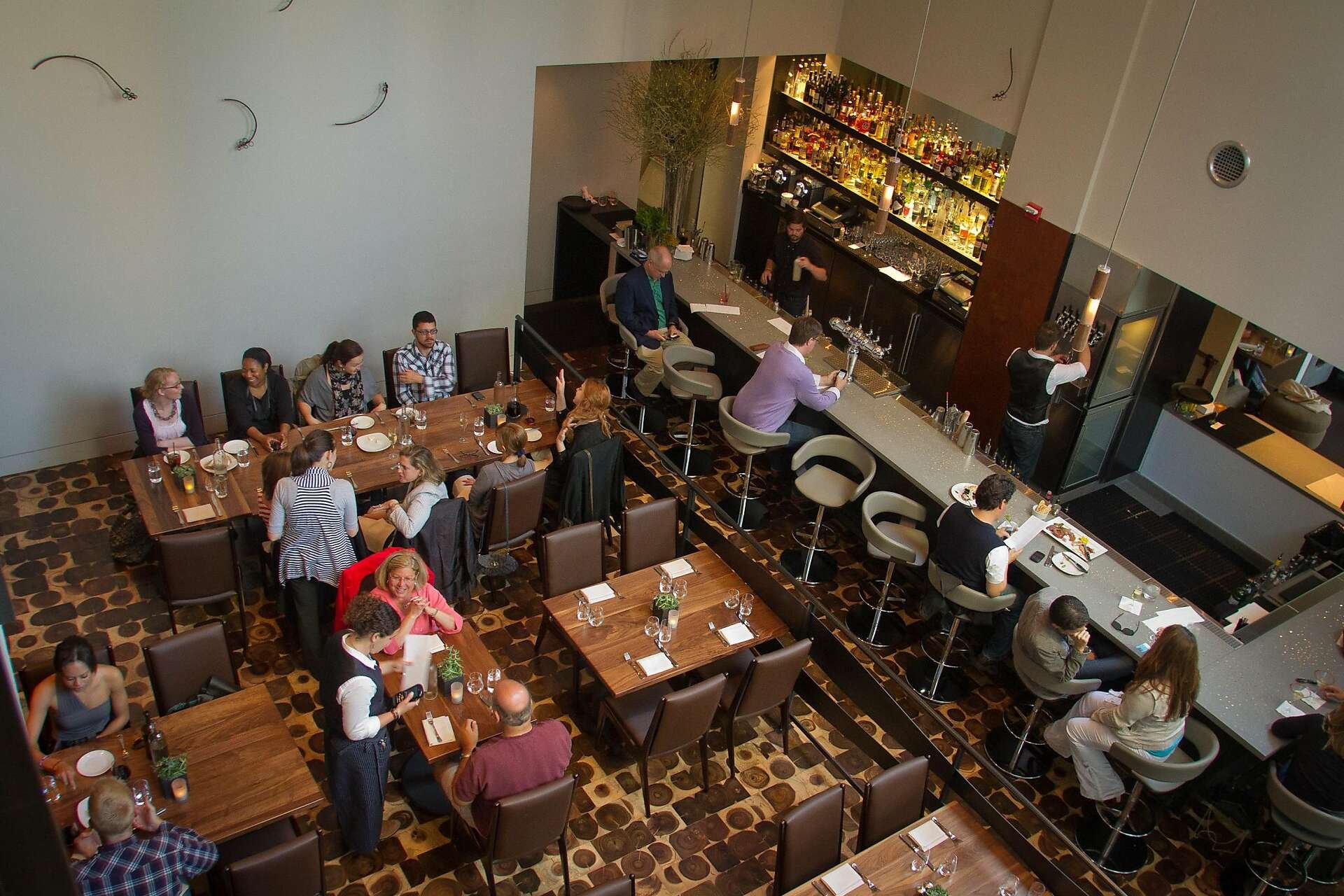
Where SoMa's Cultural District Meets the Brasserie Format
Yerba Buena Lane runs between Mission and Howard, threading through a block that holds the San Francisco Museum of Modern Art, the Moscone Convention Center, and a cluster of hotels that fill with a rotating cast of conference attendees and weekend visitors. Dining in this corridor has historically skewed toward convenience: lobby restaurants, fast-casual counters, and spots that trade on foot traffic rather than destination pull. Bluestem Brasserie is a permanently closed restaurant at 1 Yerba Buena Ln, San Francisco, known for Seasonal American Brasserie dining at about $35 per person. Bluestem Brasserie occupied a different register within that geography. The brasserie format itself has a specific logic in American cities: looser than a tasting-menu room, more structured than a gastropub, designed to support a longer table without requiring the full choreography of a $300 prix fixe. In San Francisco, where the upper end runs to places like Lazy Bear and Atelier Crenn, the brasserie tier fills a useful gap.
The Meal as a Sequence, Not a Single Dish
The brasserie format rewards thinking in terms of progression rather than a single standout plate. In French tradition, the brasserie emerged as a place where you could eat at any hour, move through courses at your own pace, and expect a kitchen that handles both a well-made steak and a composed first course with equal confidence. American brasseries have adapted that template, often layering in regional sourcing and seasonal menus without abandoning the underlying flexibility. The structure tends to open with something cold or cured, an oyster selection, a vegetable preparation, a charcuterie component, before moving into heartier mid-course territory and settling into a protein-forward main. Dessert, in this format, is usually optional rather than obligatory, which changes the pacing considerably compared to a tasting room like Benu or Quince, where the arc is predetermined.
At Bluestem, that progression framework shapes the experience in a way that suits the SoMa location. The cultural district draws people before or after museum visits, between convention sessions, and on weekday lunch breaks, all of which favour a format where you can eat two courses or four depending on your schedule. The kitchen's ability to hold that range across a shifting day is part of what the brasserie model demands, and it's what distinguishes a competent brasserie from a restaurant merely using the label.
San Francisco's American Brasserie in Competitive Context
San Francisco's fine-dining tier is defined by a handful of restaurants that have shaped national conversation: Saison with its live-fire Californian approach, Atelier Crenn's poetic French framework, and Lazy Bear's communal progressive American format. Below that tier, the city has a strong casual scene but a thinner middle register. That's the space where a well-run brasserie has real value. It answers the question of where to eat a serious meal without committing to a two-hour tasting menu or a multi-month reservation window.
The comparison holds nationally too. In New York, Le Bernardin and Atomix represent the upper stratum, but the mid-tier brasserie category is densely populated. In Chicago, Smyth anchors the progressive end. In Los Angeles, Providence holds a comparable high-end anchor position. Against all of those cities, San Francisco's middle-format options have historically been underserved relative to the density of its fine-dining conversation. Bluestem's position at Yerba Buena addresses that gap for the cultural district specifically.
Further afield, places like Frasca Food and Wine in Boulder and Addison in San Diego illustrate how serious cooking outside major metropolitan centres operates, often with sharper focus on wine programs and regional sourcing precisely because they can't rely on location-driven foot traffic. That discipline is instructive. The leading American brasseries and mid-format restaurants tend to compensate for lower profile with higher consistency, since their regulars are choosing them deliberately rather than falling in by proximity.
Yerba Buena Lane: What the Location Means Practically
The address at 1 Yerba Buena Lane places the restaurant within walking distance of SFMOMA and the Yerba Buena Gardens. BART's Powell Street and Montgomery Street stations are both within walking distance, making the location accessible from much of the city without a car. The Moscone Center's proximity means the restaurant operates against a backdrop of conference cycles: expect heavier lunch traffic during major tech and trade events, lighter midweek dinner crowds in quieter periods. For visitors staying in the Union Square or SoMa hotel cluster, Bluestem is an on-foot option that doesn't require a rideshare or transit planning, a meaningful practical advantage in a city where the leading restaurants often scatter across neighbourhoods from the Mission to the Richmond.
The wider SoMa dining context is worth noting. The neighbourhood has gentrified and contracted repeatedly over the past two decades, and its restaurant mix reflects that instability. Long-running spots carry a certain credibility in SoMa simply by virtue of surviving the neighbourhood's economic cycles, convention-centre dependence, and the disruptions of the last several years. Longevity in that specific block signals operational discipline more than it might elsewhere. For comparable destination-scale operations in the region, Single Thread Farm in Healdsburg and The French Laundry in Napa represent the wine-country end of the Northern California dining spectrum, drawing on agricultural sourcing that urban brasseries approximate but cannot fully replicate.
Planning Your Visit
The Quick Read
Comparable venues nearby, for context on price, style, and recognition.
| Venue | Cuisine | Price |
|---|---|---|
| Bluestem BrasserieThis venue — the venue you are viewing | Not listed | $$ |
| Rye | Nob Hill, American Bar | $$ |
| Ballast Point Brewing | Mission Bay, American Brew Pub | $$ |
| Ironwoods | Presidio, New American | $$ |
| Wise Sons - Square HQ | South Beach, Jewish Deli | $$ |
| Mel's Drive-In | Van Ness, Classic American Diner | $$ |
Continue exploring
More in San Francisco
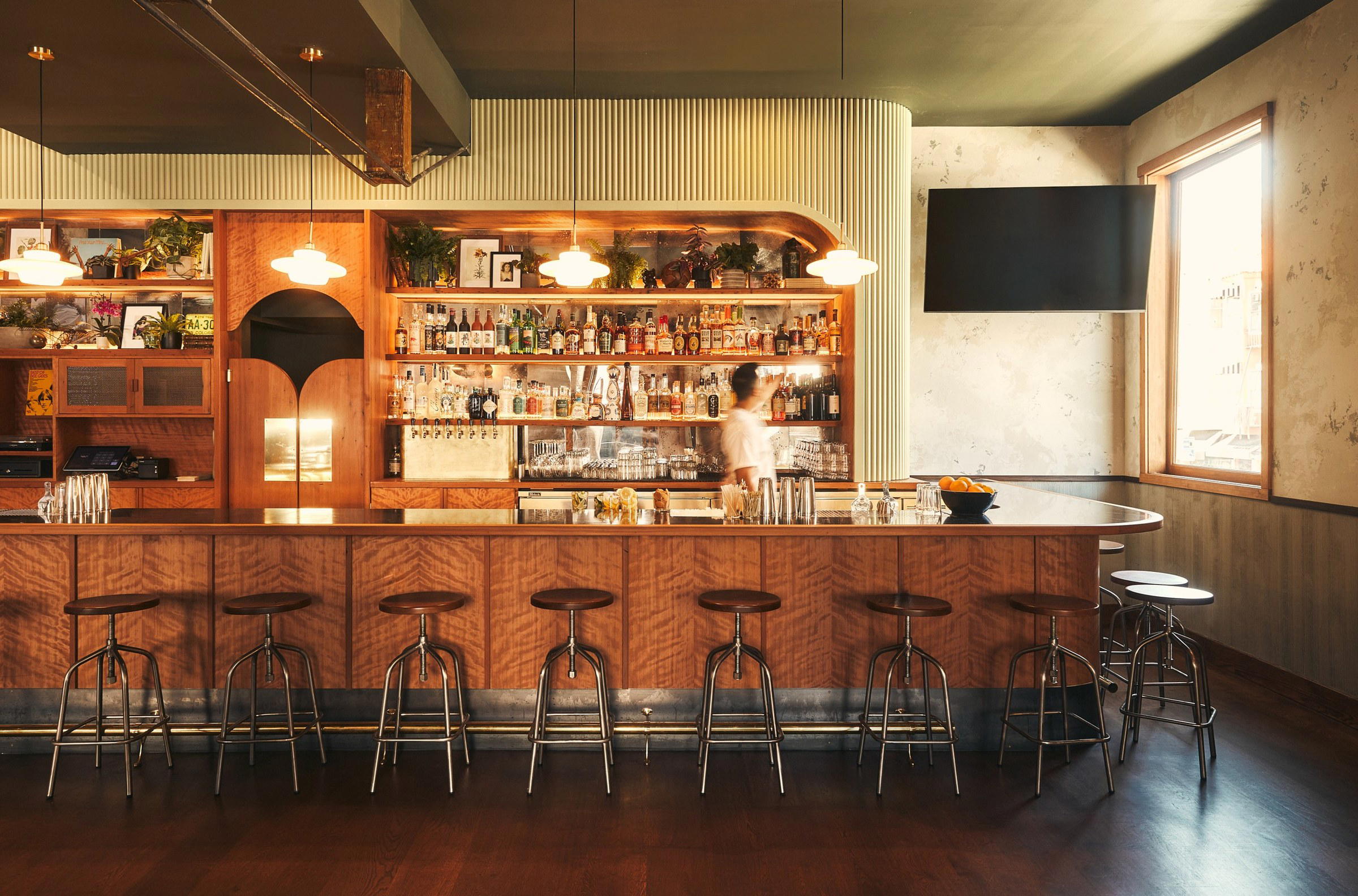
Restaurants in San Francisco
Browse all →
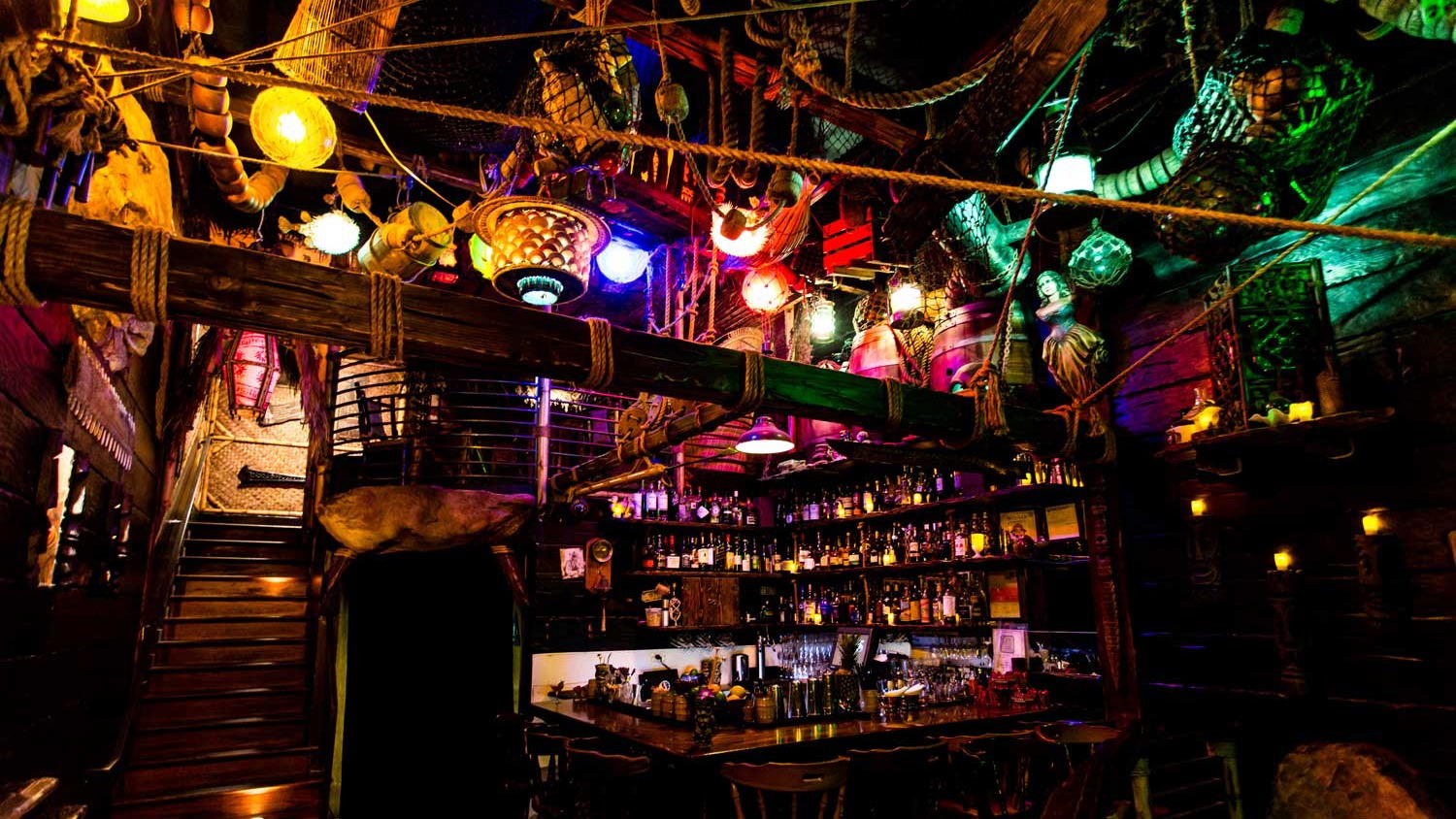
Bars in San Francisco
Browse all →
Hotels in San Francisco
Browse all →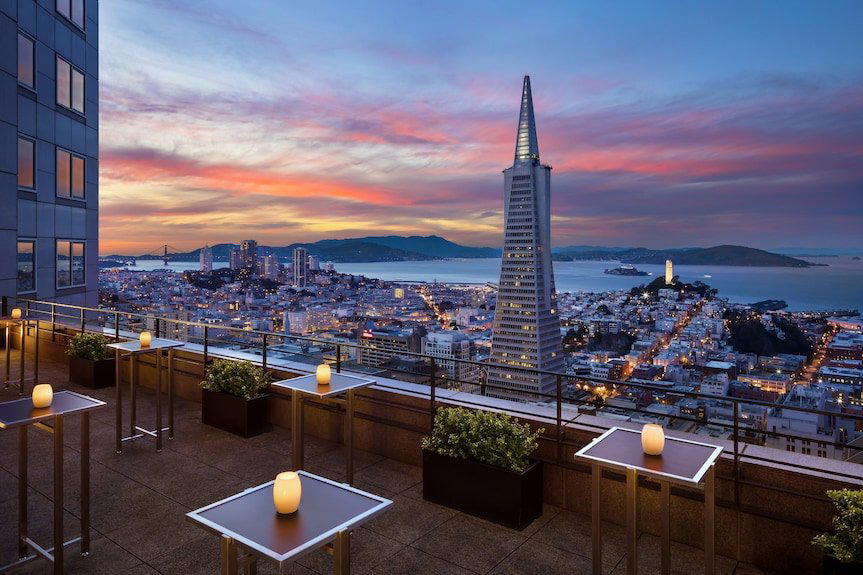
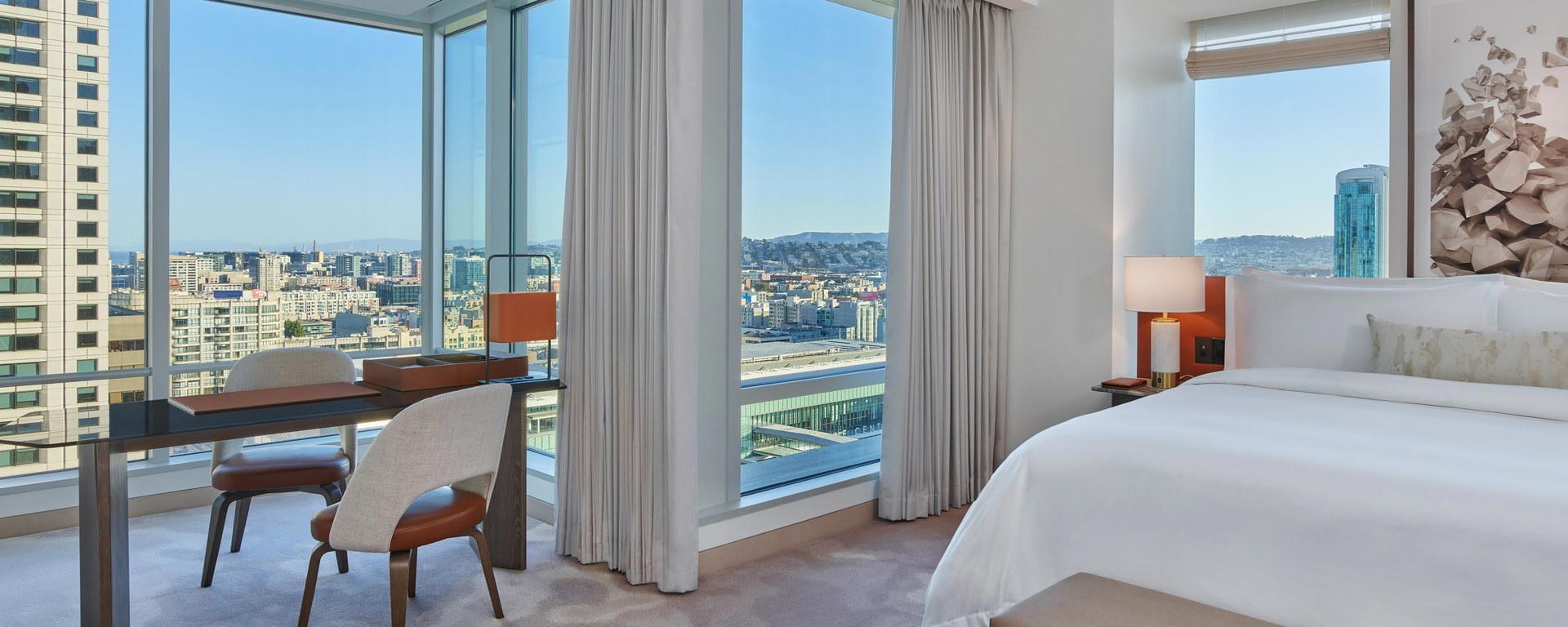
At a Glance
- Lively
- Modern
- Cozy
- Brunch
- Rooftop
- Open Kitchen
- Extensive Wine List
- Local Sourcing
- Sustainable Seafood
- Street Scene
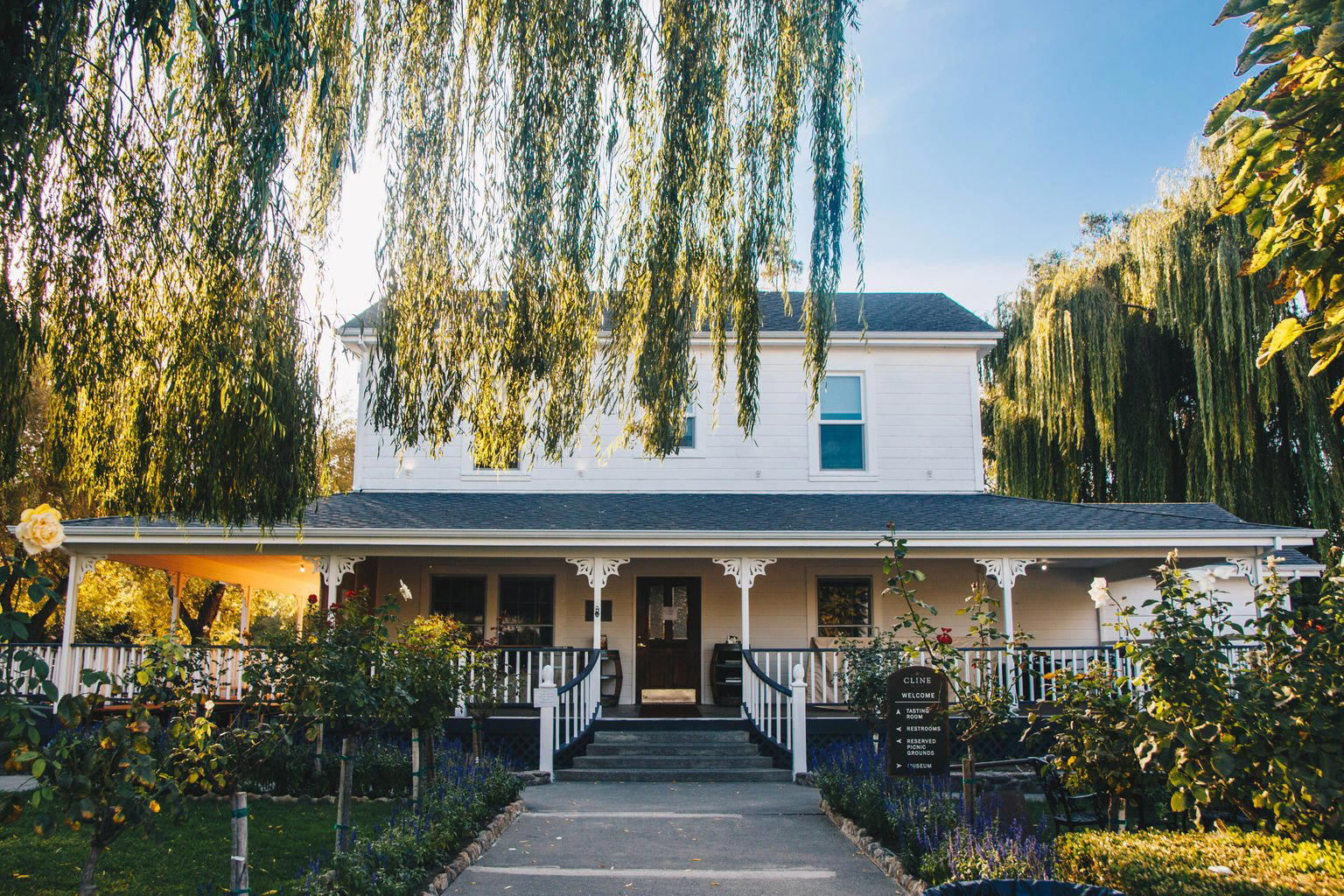
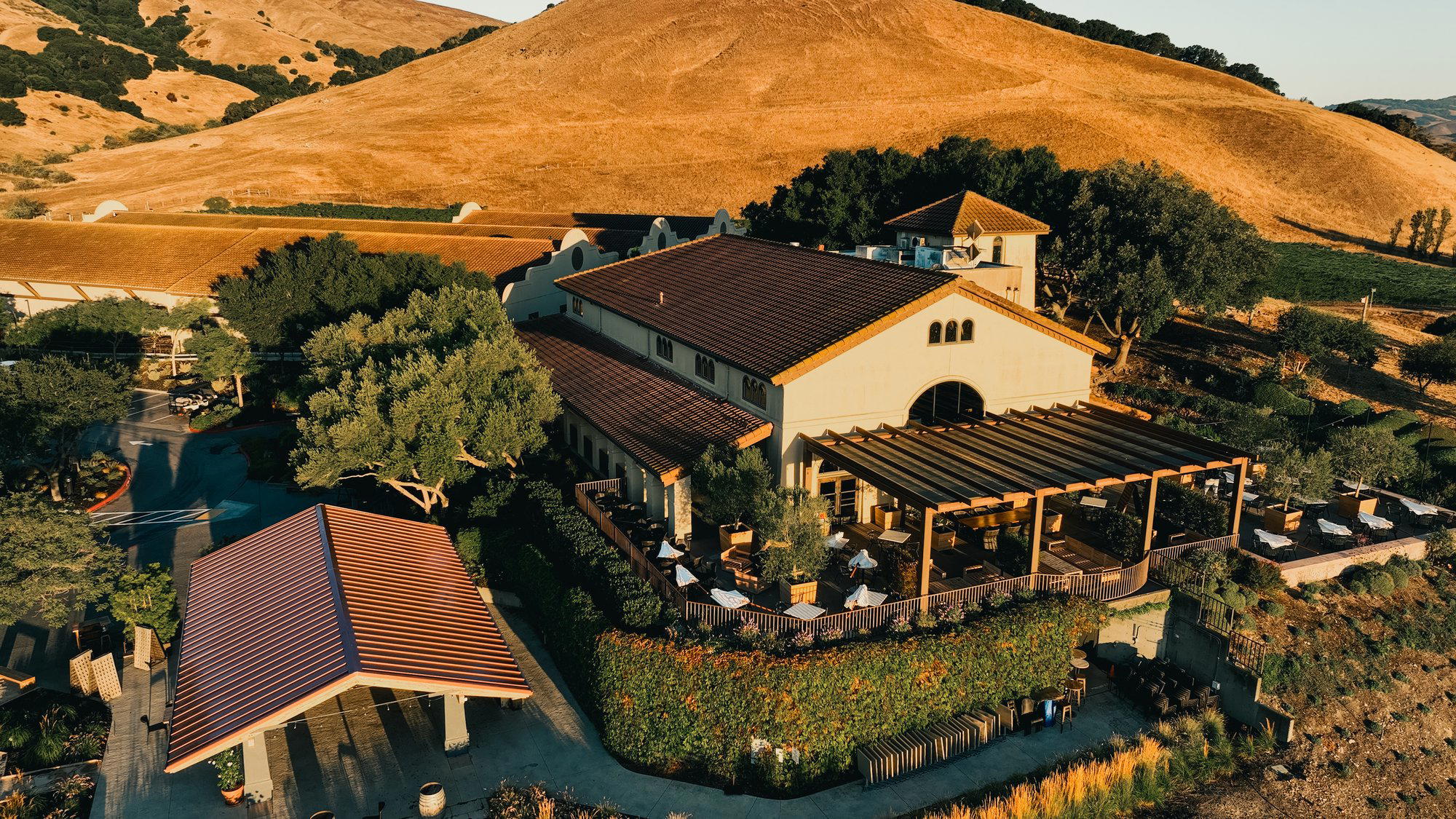
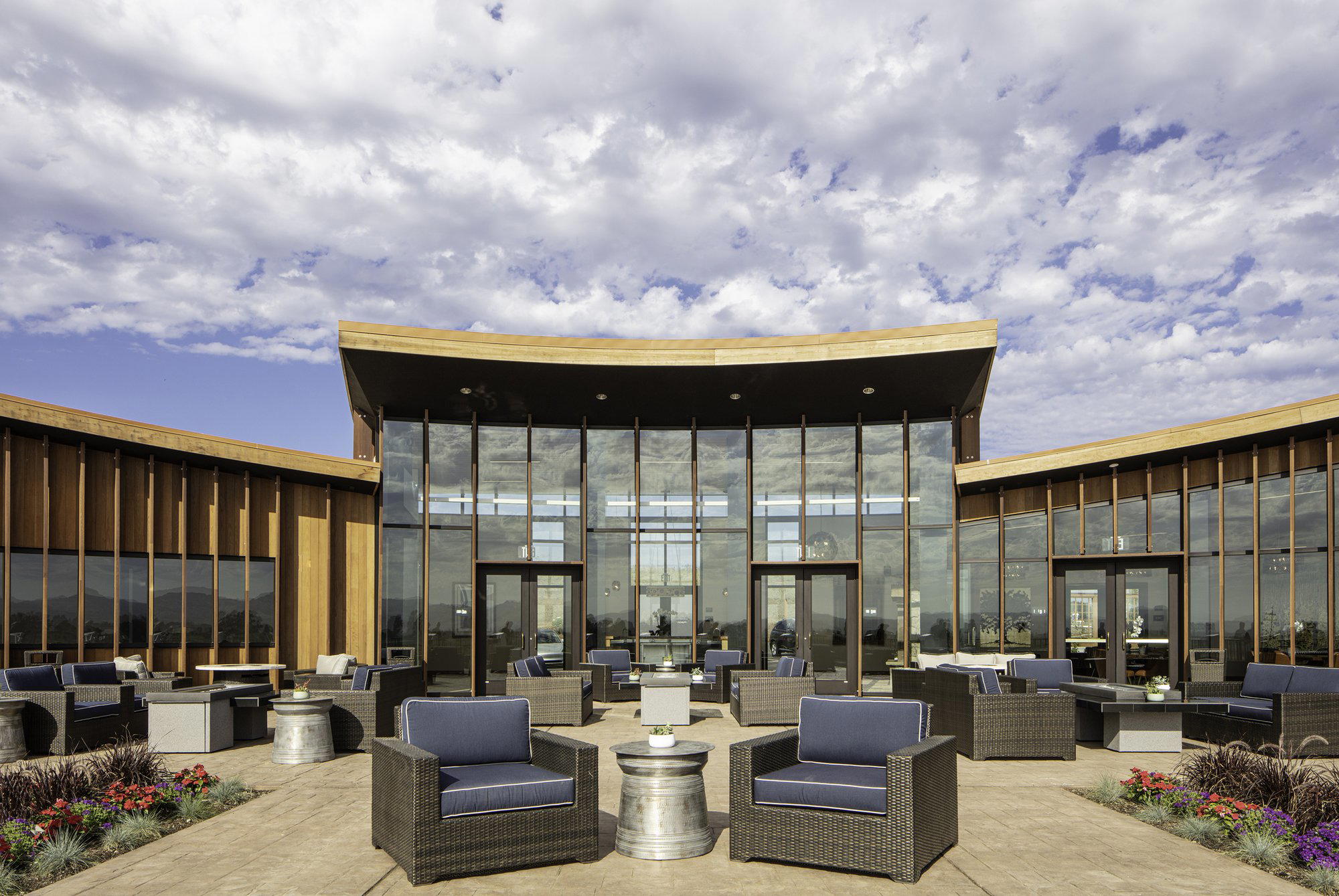
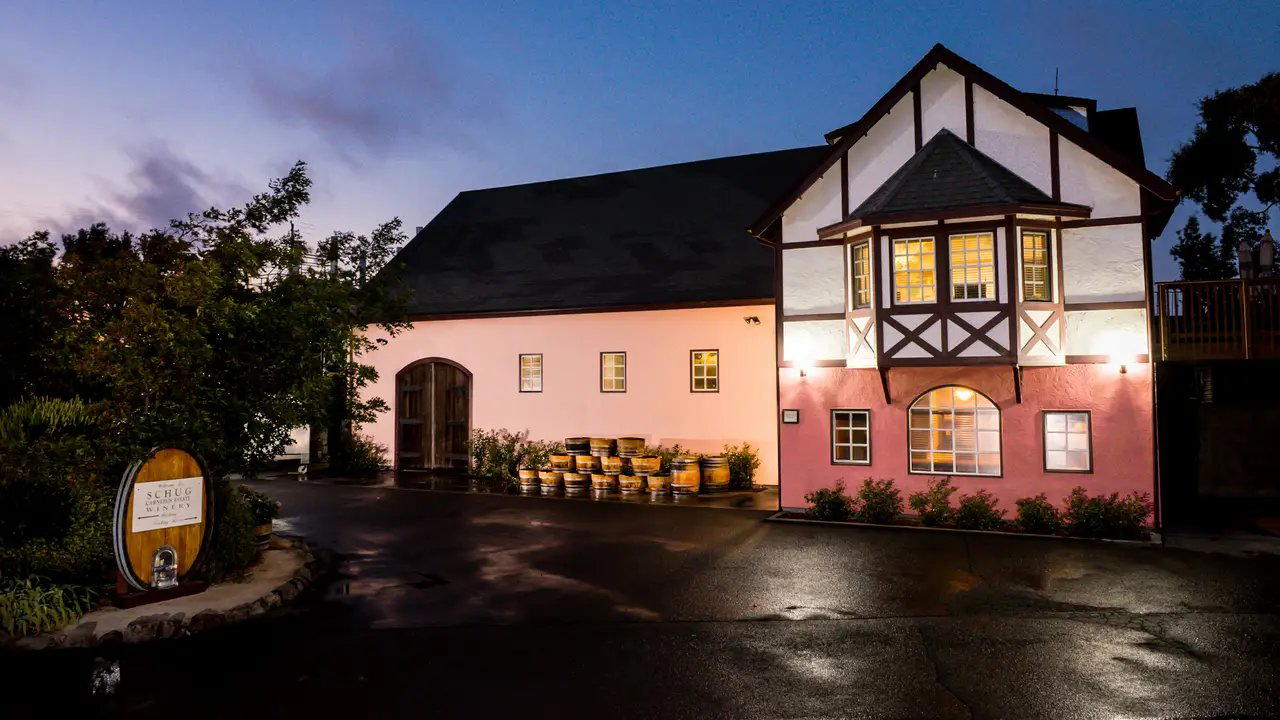
Lively urban brasserie atmosphere designed by mod-master Olle Lundberg, featuring comfortable neighborhood comfort with modern touches.