Holloway Model Bakery
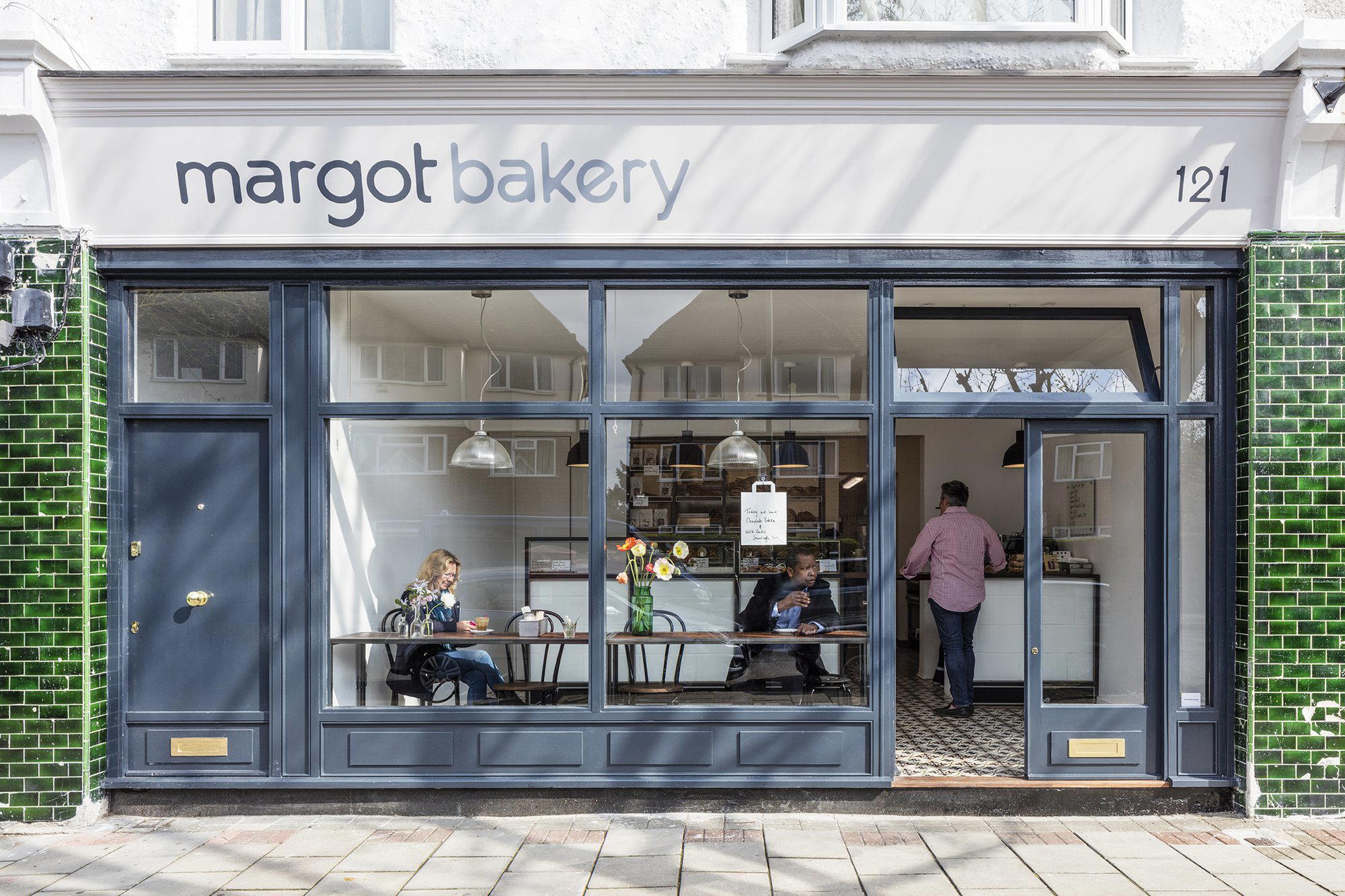
A neighbourhood bakery on Georges Road in Holloway, north London, Holloway Model Bakery has built a following around babka and sourdough produced at a small, focused scale. The address places it within N7's shifting food scene, where independent bakeries have quietly become anchors of local food culture. It operates in a tier defined by craft and regularity rather than spectacle.
 Discover on Pearl
Pearl is the En Primeur Club membership app — saves, bookings, and concierge access live there. Same editors, same standards.
Bread as a Daily Practice: North London's Neighbourhood Bakery Tradition
The stretch of north London between Holloway Road and Caledonian Road has been slowly renegotiating its food identity for the better part of a decade. The pattern is familiar to anyone who has tracked similar shifts in Peckham, Clapton, or Walthamstow: independent producers move into lower-rent railway-adjacent streets, a handful establish consistent quality, and the neighbourhood gradually recalibrates around them. Holloway Model Bakery, at 66 Georges Road, sits inside this pattern. It is a neighbourhood bakery that derives authority from daily repetition and a tightly defined product range.
This distinction matters when considering where specialist bakeries sit in London's wider food ecosystem. The city's premium dining tier, operations like CORE by Clare Smyth, The Ledbury, or Sketch, The Lecture Room and Library, operates on a logic of scarcity, long booking windows, and elaborate formats. A neighbourhood bakery runs on an entirely different axis: proximity, routine, and the kind of trust built through a customer collecting the same loaf on the same morning each week. Both formats are serious about their craft; the metrics of success are simply different.
The Menu Argument: What Babka and Sourdough Tell You About a Bakery
Holloway Model Bakery's known output centres on two categories: babka and sourdough. That pairing is not accidental, and it tells you something about the bakery's position within London's craft baking scene. Sourdough has been the default signal of serious independent baking in the UK since roughly 2012, when Bermondsey and Borough operations began establishing the template that spread outward across the city's postcodes. A bakery that includes sourdough in its core range is declaring alignment with a lineage of slow fermentation, flour sourcing, and crust-to-crumb ratios taken seriously as craft decisions.
Babka is a more specific commitment. The enriched, laminated Jewish-heritage bread, traditionally associated with Eastern European communities and later with New York's Lower East Side, arrived in London's independent bakery scene in meaningful numbers during the late 2010s. Its presence on a menu signals something particular: the baker is comfortable working with enriched doughs, which behave very differently from lean sourdough and require a separate technical vocabulary. A bakery that handles both categories with consistency has covered a substantial range of what bread-making actually demands. The menu architecture here, even reduced to those two items, implies a deliberate scope rather than an accidental one.
Contrast this with the broader tasting-menu logic at somewhere like Restaurant Gordon Ramsay or Dinner by Heston Blumenthal, where menu architecture is about narrative sequence across eight or twelve courses. A bakery's menu architecture works differently: it is about depth within a narrow range. The fewer the items, the higher the implicit standard each one is held to. A babka-and-sourdough operation with a small output is essentially arguing that these two things, done well, are enough.
Georges Road in Context: N7 and the Logic of the Independent Bakery District
The N7 postcode covers a broadly working-class north London geography that has attracted successive waves of independent food producers, partly because commercial rents in the area have remained lower than in Stoke Newington or Islington proper. This has created conditions similar to those that produced Bermondsey's food scene a decade earlier: space for operations that require room and lower overheads to function, including bakeries that need production space rather than simply retail frontage.
Georges Road specifically is a residential street feeding off the main Holloway Road artery, which means the bakery's primary audience is, by geography, local. This is not a destination built for visitors arriving by Tube with a list of stops; it is a place that sustains itself through the loyalty of the surrounding neighbourhood. That model has proved durable across London's best-regarded independent bakeries, many of which began with local footing before attracting wider attention through word of mouth and social media. The progression from neighbourhood staple to city-wide reference point has become a recognisable arc in London's food culture.
For readers exploring London's food scene more broadly, the EP Club guides to London restaurants, London bars, London hotels, London experiences, and London wineries offer a fuller picture of the city's range. Comparable independent neighbourhood operations can be found in cities further afield: Corner Shop in Glasgow and The Highland Laddie in Leeds operate in similarly community-anchored formats, while Franc in Canterbury represents the same impulse toward focused, locally rooted food production at small scale.
How to Approach a Visit
Holloway Model Bakery is located at 66 Georges Road, London N7 8HX, in the London Borough of Islington. The address is most practically reached via Holloway Road (Piccadilly line) or Caledonian Road stations, placing it within a short walk of both. For visitors making a dedicated trip rather than a local errand, it fits naturally into a wider north London session: the area around Holloway Road has enough independent food and coffee operations to occupy a morning or an afternoon without requiring the kind of advance planning that a tasting-menu booking demands.
No phone number or website is currently listed for the bakery, which is consistent with the operating model of many small independent producers in this tier, they tend to communicate primarily through social media channels and in-person trading. Visiting early in the day is advisable for the full range of baked goods; production at small bakeries of this type is typically limited by daily output rather than demand. For reference on what comparable small-production bakeries in other cities look like at scale, the EP Club profiles of Le Bernardin in New York City, Lazy Bear in San Francisco, Atomix in New York City, Emeril's in New Orleans, and Alain Ducasse at Louis XV in Monte Carlo offer useful points of comparison for understanding how craft food operations position themselves across different city contexts and price tiers.
Credentials Lens
Comparable venues nearby, for context on price, style, and recognition.
| Venue | Cuisine | Price | Awards | Notes |
|---|---|---|---|---|
| Holloway Model BakeryThis venue — the venue you are viewing | Sourdough Bakery | $$ | , | |
| Phoenix Arts Club | British Pizza & Cabaret | $$ | , | St Giles |
| Botanist Broadgate Circle | Modern British with Asian Influence | $$ | , | Shoreditch |
| Honest Burgers Oxford Circus | British Gourmet Burgers | $$ | , | Fitzrovia |
| Hereford Road | Seasonal British Gastropub | $$ | , | Bayswater |
| Café Bloom | British Gastropub Comfort Food | $$ | , | Angel |
Continue exploring
More in London
Restaurants in London
Browse all →
Bars in London
Browse all →
Hotels in London
Browse all →
Wineries in London
Browse all →
At a Glance
- Cozy
- Rustic
- Casual Hangout
- Brunch
Cozy bakery atmosphere filled with the aroma of freshly baked sourdough and pastries.