
Hokusai Sabo makes a strong case for Tokyo’s low-cost sweets counter as a serious dining format, not a consolation prize beneath omakase and kaiseki. In Kamezawa, Sumida, it pairs Japanese sweets-cafe culture with kakigori and kamameshi at a price tier that keeps the experience casual while its Tabelog 100 selections signal real local traction.
Pearl is the En Primeur Club membership app — saves, bookings, and concierge access live there. Same editors, same standards.
- Address
- 4 Chome-8-5 Kamezawa, Sumida City, Tokyo 130-0014, Japan
- Phone
- +81 3-5610-5331
- Website
- instagram.com
 Saves & bookings on Pearl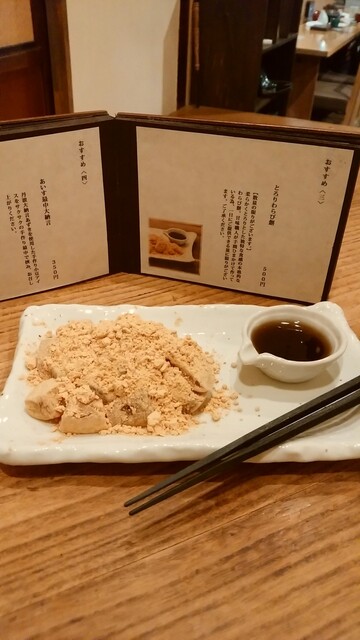
Approaching Kamezawa from Kinshicho, the shift is immediate: central Tokyo’s polished dining circuitry gives way to Sumida’s quieter grid of workshops, apartment blocks, small shops and neighborhood eating rooms. That setting matters. Tokyo’s sweets cafes are not destination tasting counters; their rhythm is shorter, more domestic and often more democratic. Hokusai Sabo belongs to that tradition, where modest spend can still carry specialist-kitchen discipline.
For travelers measuring Tokyo by sushi counters and kaiseki rooms, the value equation is different. The category is cafe featuring Japanese sweets, kakigori and kamameshi, placing the venue between afternoon tea room, shaved-ice stop and light-meal address. It is not competing with Ginza omakase or hotel dining, but with the city’s serious everyday specialists, where repeat local use matters as much as destination traffic.
Sumida sweets culture at a price that still feels local
Tokyo’s Japanese sweets cafes occupy a useful middle tier: accessible enough for an unplanned afternoon, yet the stronger examples show the format discipline that defines more expensive dining. Hokusai Sabo’s average spend is around JPY 1,000 to JPY 1,999, with lunch below JPY 999, a band where quality, speed and portion logic must do more work than luxury signals.
The comparison is instructive. In Tokyo, a casual room such as shake tree burger&bar sits in a similar JPY 1,000 to JPY 1,999 bracket, while Jun Teuchi Sanuki Udon Goro comes in below JPY 999. At a more formal counter such as Tori Ki, spend rises to JPY 10,000 to JPY 14,999. Hokusai Sabo sits in that gap: a specialist Japanese sweets format without the decision-making, time commitment or bill of a long dinner.
Recognition gives the value claim weight. The venue was selected for Tabelog 100 in the Tokyo Japanese traditional sweets and Japanese sweets cafe category in 2023, and appeared in Tabelog Sweets Tokyo selections in 2022 and 2020. These are not global trophy signals, but in Tokyo’s crowded, price-sensitive and deeply local sweets field, they matter. A 3.75 Tabelog score reinforces the same point: this is a neighborhood-format address with broader demand.
The menu categories explain why the room works across the day. Kakigori gives it afternoon pull, Japanese sweets anchor it in the wagashi-cafe tradition, and kamameshi makes it more flexible than a dessert-only stop. That helps in Sumida, where visitors may pair the area with museum time, walks toward Ryogoku or a detour from Kinshicho rather than build an evening around one meal.
A small room, limited supply and the logic of going early
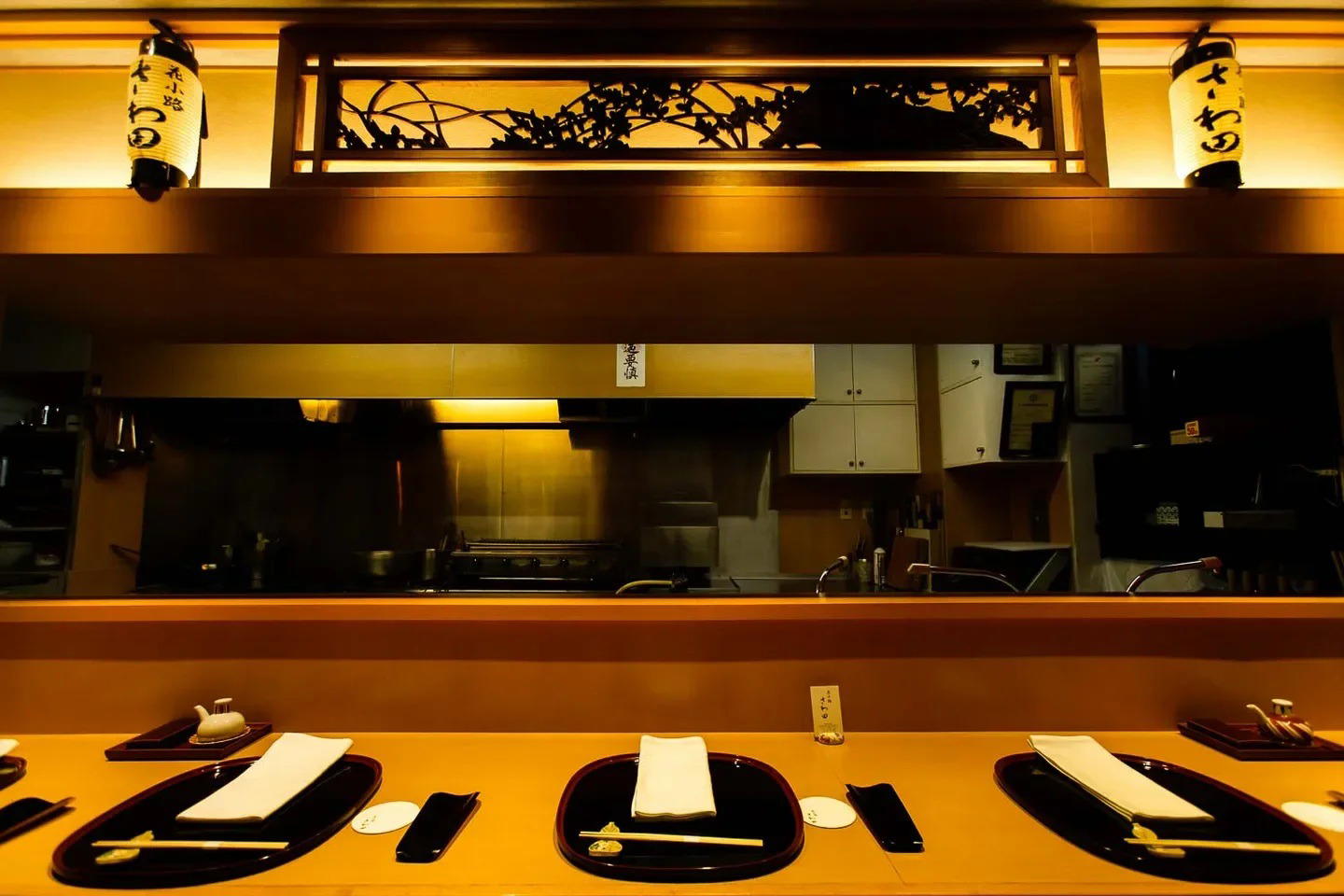
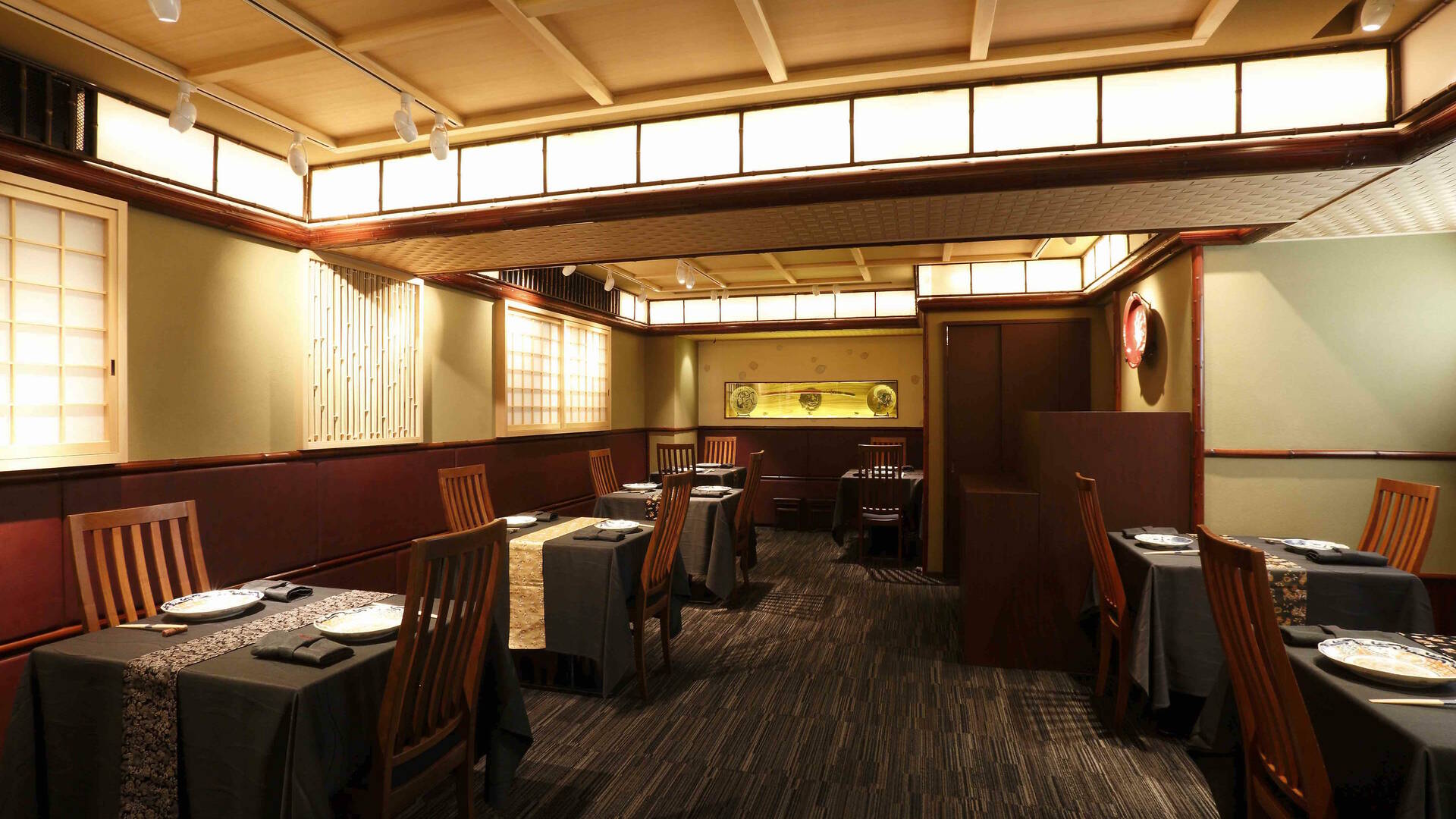
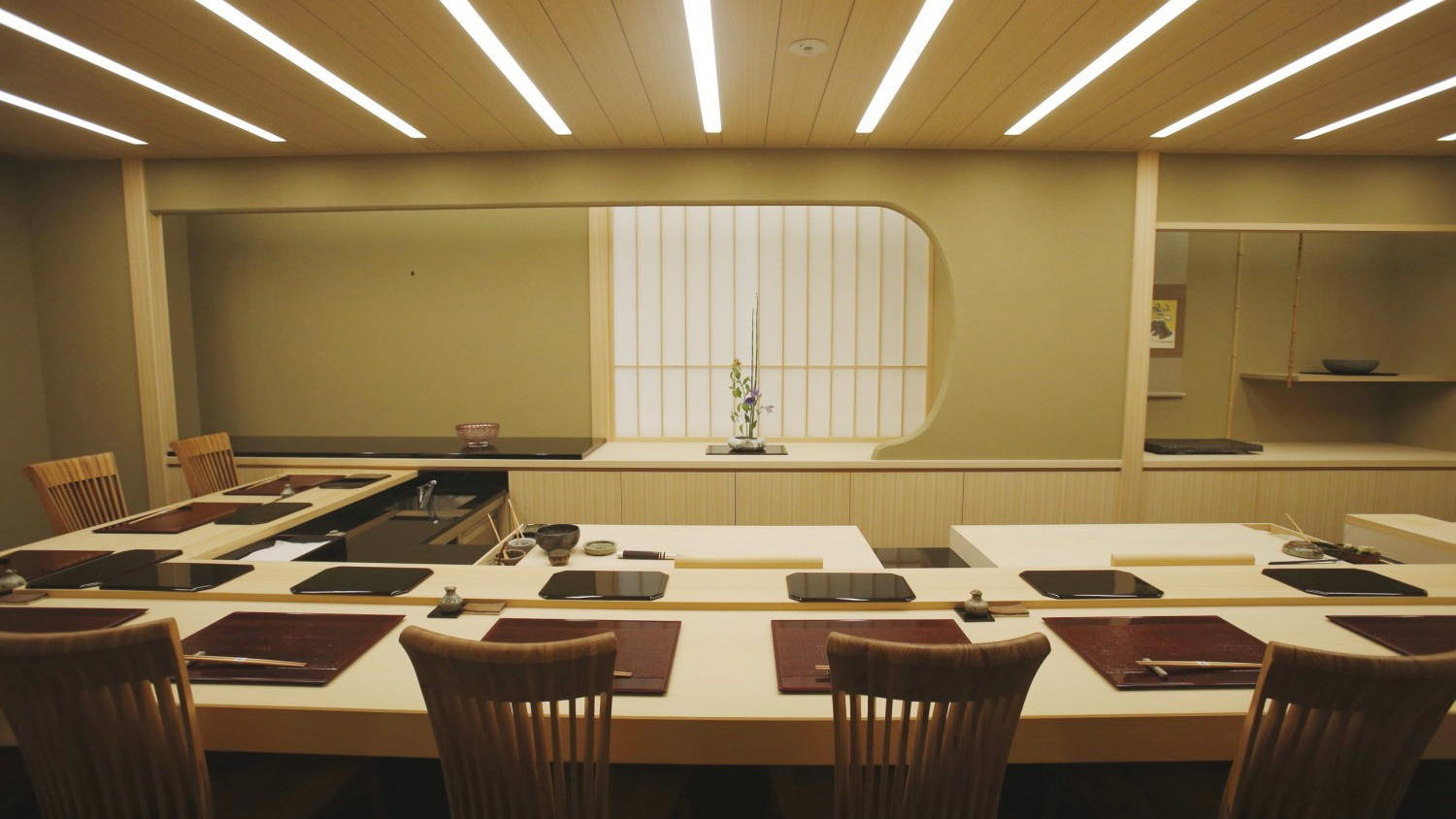
The physical format is compact: 25 seats, including counter, table and tatami room seating. That scale shapes the experience more than decoration. Counter seats and tatami put solo visitors, friends, families and regulars in close proximity without turning the room into a high-volume chain setting.
Timing matters. Warabimochi is listed as available while supplies last, making earlier arrival safer for anyone focused on it. This is not a booking-driven luxury problem, but the older Tokyo problem of small production meeting daily demand. Once a limited sweet is gone, the format moves on.
Reservations are unavailable, so planning means choosing the right moment rather than securing a table weeks ahead. The listed opening pattern is daytime service, closed Tuesday, with Monday also shown as closed in the detailed business-hours listing. For travelers, the restaurant works better as a daytime Sumida stop than a spontaneous evening fallback. The nearest station is Kinshicho, the address is in Kamezawa, and parking is unavailable, so rail-and-walk is the practical assumption.
Payment flexibility is stronger than at many small traditional sweet shops: credit cards, transportation IC cards, iD, QUICPay and PayPay are listed. The room is non-smoking, take-out is available, and children are welcome, broadening its usefulness for mixed itineraries. Semi-private seating is listed, but private use is not, so it is not for engineering a secluded group meal.
How to place it in a Tokyo eating itinerary
The reason to come is not spectacle, but to see how Tokyo treats affordable specialization with seriousness. In a city where one dining day can swing from a sub-JPY 1,000 noodle counter to a five-figure-yen yakitori dinner, a sweets cafe like this fills the softer middle: shorter, cheaper, but not careless.
It is especially useful as a counterweight to reservation-heavy dining. A day around Akihabara or eastern Tokyo could pair broader casual eating with places such as . 鮪と炭火焼き うお炭 秋葉原店, while Shinjuku-bound travelers may compare a different city rhythm at 12/10 Shinjuku ten. For grilled-skewer context, 124. KAGURAZAKA (Yakitori) sits in another Tokyo lane; for visual cafe culture, 2D Cafe shows how the city can turn a cafe into a graphic environment; and 3 Chome no Curry Ya San covers another low-to-mid-cost comfort-food register.
For wider planning, use Our full Tokyo restaurants guide alongside Our full Tokyo hotels guide, Our full Tokyo bars guide, Our full Tokyo wineries guide and Our full Tokyo experiences guide. Travelers extending the same value-first lens across Japan can compare formats with -Grilled beef Sukiyaki- KAMAKURA TANUKIAN 鎌倉 たぬき庵 in Kamakura.cafe in Osaka.know in Kumamoto, (Shoku) Vietnam in Kawasaki, [Curry Senmon Ten] Maruyama Kyoju. in Sapporo and [ki:] in Kyoto. Outside Japan, Jōdo Saké Bar in Los Angeles and Onigiri Time in Pasadena show how Japanese food formats translate when distance changes the economics.
The editorial case for the restaurant is simple: it converts low spend into a focused Tokyo food experience, backed by category recognition rather than hype. For visitors with limited meals, it works when Sumida is already part of the day and Japanese sweets, kakigori or a light kamameshi meal are the point. It is less compelling as a cross-city pilgrimage on a tight schedule. Its strength is proportion: modest price, compact room, serious category credentials and a format showing how Tokyo can make everyday eating exacting without making it formal.
Where the Accolades Land
Side-by-side context: comparable cuisine and price.
| Venue | Cuisine | Price | Notes |
|---|---|---|---|
| Hokusai SaboThis venue — the venue you are viewing | Japanese sweets café & kakigori | $ | Not listed |
| Taniya | Sanuki udon noodle shop | $ | Chūō |
| Seijuken | Traditional Japanese wagashi & dorayaki shop | $ | Chūō |
| Usagiya Chuo dori ten | Traditional Japanese Wagashi & Dorayaki Shop | $ | Chūō |
| Kagaribi | Handmade Shoyu Ramen Counter | $ | Chūō |
| American | Classic Ginza kissaten & sandwich café | $ | Chūō |
Recognition history
Dated appearances from independent guides and award organizations, with the underlying list record or original source where available.
Tabelog 100 #79 · No. 79
Tabelog · Tabelog 100 - Japanese traditional sweets / Japanese sweets cafe - TOKYO - 2023





At a Glance
- Cozy
- Classic
- Solo
- Casual Hangout
- Family
- Brunch
- Standalone
- Design Destination
Current opening hours
- Monday
- 11 AM–5:30 PM
- Tuesday
- Closed
- Wednesday
- 11 AM–5:30 PM
- Thursday
- 11 AM–5:30 PM
- Friday
- 11 AM–5:30 PM
- Saturday
- 11 AM–5:30 PM
- Sunday
- 11 AM–5:30 PM
Hours can change for holidays and private events. Last verified .
Atmosphere is that of a quiet neighborhood Japanese sweets café: warm wood tones, counter and table seating plus a small tatami area, with a calm, unhurried feel where many guests linger over kakigori and other wagashi rather than full meals.