
Michelin Plate
Our verdict
Hokkien Huay Kuan occupies the fifth floor of Xintiandi Style I, bringing Fujian-rooted culinary tradition into central Shanghai's polished retail district. The dining room references Fujian's architectural vocabulary, setting the stage for regional ingredients and techniques that still run through contemporary Shanghainese dining even as Cantonese and international formats dominate the city's fine-dining conversation.

Pearl is the En Primeur Club membership app, where members save venues, book tables and use the concierge.
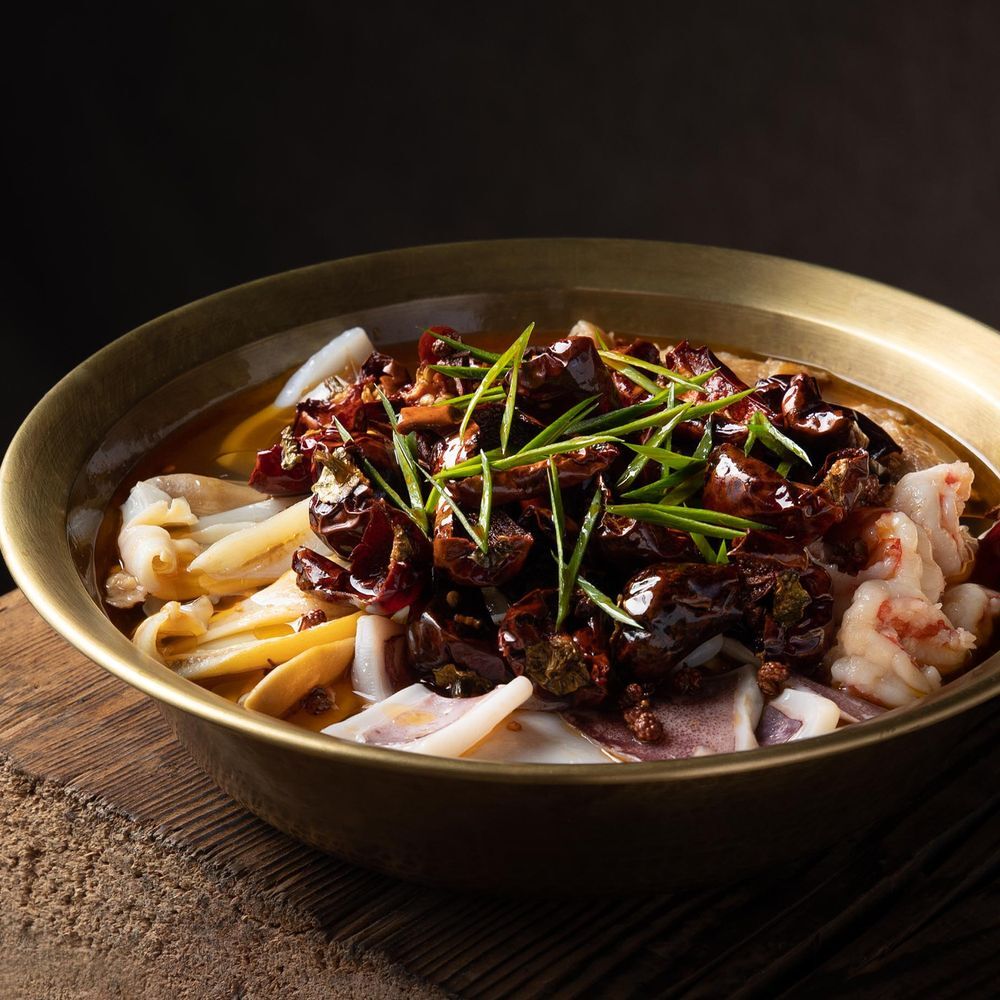
The menu
What to order
- Shuizhu seafood trio
- Buddha Jumps Over the Wall
- Red-fermented rice crispy sea bass
- Braised abalone with seaweed jelly
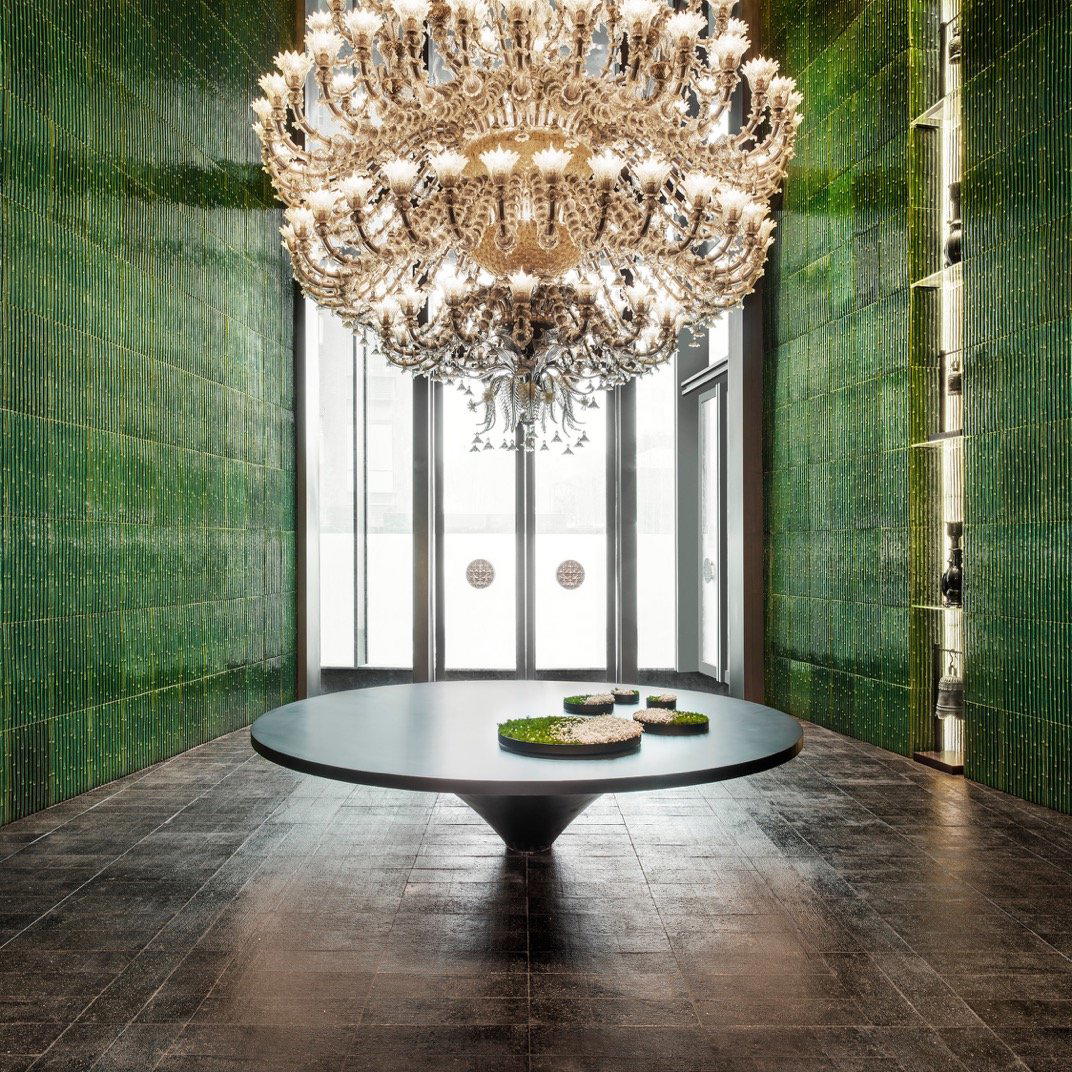
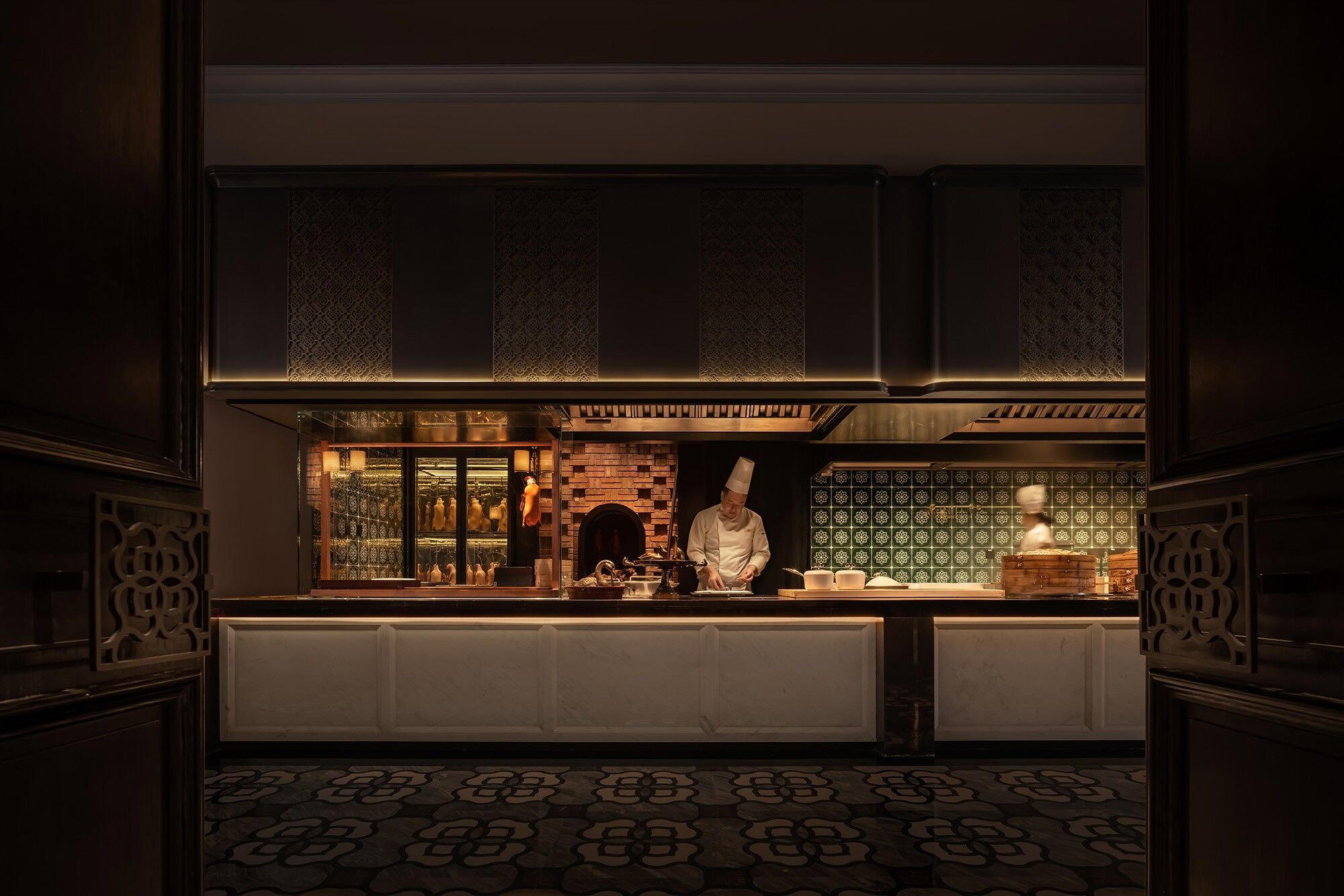
Step off the escalator onto the fifth floor of Xintiandi Style I and the polished retail sprawl gives way to a dining room that channels Fujian province through dark timber screens, carved lattice panels, and calligraphy scrolls mounted on silk backing. Shanghai's fine-dining conversation tends to circle Cantonese haute cuisine, French technique, and omakase imports, but Hokkien Huay Kuan sits inside a quieter culinary lineage, one tied to the coastal Fujian diaspora that shaped much of Shanghai's mercantile and culinary identity over the past two centuries. The interior design nods to Fujian's historic guildhalls and clan associations, and the kitchen mines the same regional playbook: fermented shrimp pastes, preserved radish, rice wine–laced stocks, and an ingredient supply chain that still runs back to Xiamen's wholesale fish docks and the mountain terraces inland.
Fujian's Ingredient Logic in a Shanghai Context
Fujian cuisine, often called Min cuisine after the region's classical name, operates on different principles than the ginger-scallion clarity of Yè Shanghai or the refined Cantonese seafood idiom of T'ang Court. The Fujian kitchen prioritizes umami layering through fermentation and preservation, builds soups and broths over hours rather than minutes, and treats seafood with minimal heat to preserve texture. Dried oysters, rehydrated and braised until plush; braised sea cucumber in a ginger-scented master stock; fish balls hand-pounded from Spanish mackerel until they achieve a tight, springy bite; stir-fried razor clams with fermented black beans and chili; slow-braised pork belly in a red yeast rice sauce that stains the fat a deep garnet, these are the structural dishes of the tradition, and they map directly onto the sourcing corridors that connect Shanghai to Fujian's coast and interior hills.
The ingredient supply chain matters here. Fujian's coastline yields razor clams with a sweeter profile than those from northern Chinese waters, and the province's mountain tea farms produce the oolong varietals that often appear in braises and marinades. Red yeast rice, a fermented grain product essential to many Fujian braises, comes from specific production towns in the interior. The kitchen at Hokkien Huay Kuan works within these material constraints, relying on overnight freight from Xiamen and direct purchasing relationships with processors who still handle dried seafood and fermented condiments according to multi-generation protocols. This isn't farm-to-table rhetoric; it's the logistical reality of cooking a regional cuisine in a city two provinces away.
The Dining Room and Service Format
The space reads formal but not rigid. Tables are set with ceramic teaware and lacquered serving spoons, and the service team moves through the room with a measured cadence that aligns with the long cook times many of these dishes require. There's no tasting-menu structure here, guests order from a menu organized by cooking technique and ingredient category, which allows flexibility but also demands some fluency in the idiom. If you arrive without prior knowledge of Fujian cuisine, the service team will walk you through the menu's architecture, flagging signature preparations and adjusting portions for table size.
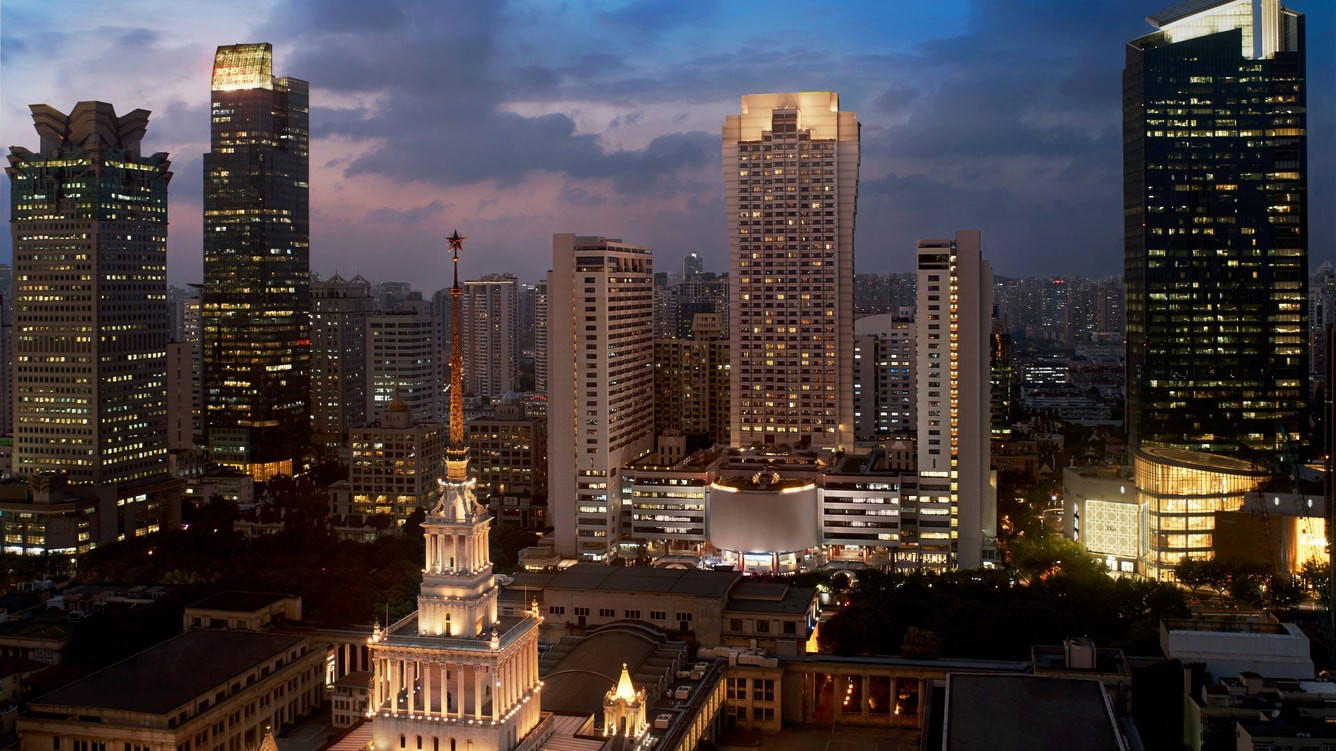
Location inside Xintiandi Style I situates the restaurant within Shanghai's high-traffic retail corridor, a few blocks south of Huangpu's museum quarter and directly accessible from the Xintiandi metro interchange. The building draws a steady flow of corporate lunches and evening dinners tied to the surrounding office towers and hotels, which means the dining room operates at a consistent pace throughout the week. The fifth-floor perch offers some insulation from street noise, and floor-to-ceiling windows along the northern wall bring in daylight during lunch service.
Shanghai's dining landscape has seen a broad shift toward Cantonese and international formats over the past decade, with venues like 102 House and 100 Century Avenue Cantonese anchoring the premium Cantonese tier and steakhouses such as 1515 West Chophouse claiming the corporate-entertainment niche. Hokkien Huay Kuan operates in a different register, one that appeals to diners with either Fujian heritage or an interest in the regional cuisines that still shape Shanghai's culinary vocabulary beneath its globalized surface. The restaurant doesn't chase awards or press attention, but it holds a steady position among Shanghai's Fujian-focused dining rooms, competing on ingredient quality and technique rather than innovation or spectacle.
For a broader view of Shanghai's dining options across price tiers and formats, see our full Shanghai restaurants guide. Complementary explorations of the city's bar, hotel, and cultural programming can be found through our full Shanghai bars guide, our full Shanghai hotels guide, and our full Shanghai experiences guide.
Hokkien Huay Kuan delivers a focused expression of Fujian culinary tradition in a city where that tradition often gets flattened into generic "coastal Chinese" or overlooked entirely in favor of Cantonese refinement. The kitchen's reliance on ingredient sourcing from Fujian and adherence to slow-cooked, umami-driven technique makes it a useful reference point for understanding the culinary pathways that still connect Shanghai to the southern coast. It's not a reinvention or a contemporary take, it's the tradition itself, transported and maintained with care.
Frequently asked questions
Is Hokkien Huay Kuan a family-friendly restaurant?
The formal dining room on the fifth floor of Xintiandi Style I can accommodate families, though the lacquered table settings and multi-course Fujian format lean toward adult diners. The pacing and ingredient complexity assume familiarity with regional Chinese technique.
What is the atmosphere like at Hokkien Huay Kuan?
The interior draws on Fujian architectural motifs, pairing ceramic teaware and lacquered serving pieces with a layout that balances ceremony and accessibility. Tables are spaced to allow unhurried service, and the staff move through the room with the precision expected in Shanghai's polished dining quarter.
What distinctions does Hokkien Huay Kuan have?
Hokkien Huay Kuan has received recognition including: The interior is inspired by Fujian-style....
What's the address for Hokkien Huay Kuan?
Hokkien Huay Kuan is located at 5F, Xintiandi Style I, 177 Madang Road, Huangpu, Shanghai, Shanghai Municipality, CHN, Shanghai.
Is Hokkien Huay Kuan reservation-only?
The location at 177 Madang Road in Xintiandi places Hokkien Huay Kuan in a high-traffic retail and dining precinct, but advance booking is recommended given the formal service format and limited fifth-floor capacity. Walk-in availability depends on season and day of week.
What do critics highlight about Hokkien Huay Kuan?
Commentary centers on the restaurant's commitment to Fujian ingredient logic in a city where Cantonese and Shanghainese kitchens dominate. The interior's Fujian-inspired design elements and the focus on regional technique distinguish it within the Xintiandi dining corridor.
Quick Comparison
Comparable venues by cuisine and price in the same metro.
| Venue | Cuisine | Price | Awards |
|---|---|---|---|
| Hokkien Huay Kuan | Modern Fujian Fine Dining | Not listed | Michelin Plate · Black Pearl 1 Diamond |
| Wei Xiang Zhai (Yandang Road) | Shanghai Sesame Sauce Noodles | $1–10 | Michelin Plate |
| T’ang Court (Shanghai) | Classic Cantonese Fine Dining | $150–200 | 2 Michelin Stars · Forbes 4-Star |
| Bottega | Authentic Neapolitan Pizza & Italian Classics | $50–100 | Gambero Rosso 3 Spicchi |
| Polux | French Bistro | $30–50 | Michelin Bib Gourmand |
| Yè Shanghai | Modern Shanghainese Cuisine | Not listed | Michelin Plate |
Recognition history
Dated appearances from independent guides and award organizations, with the underlying list record or original source where available.
Michelin Plate
Michelin
Continue exploring
More in Shanghai
Restaurants in Shanghai
All restaurants in Shanghai →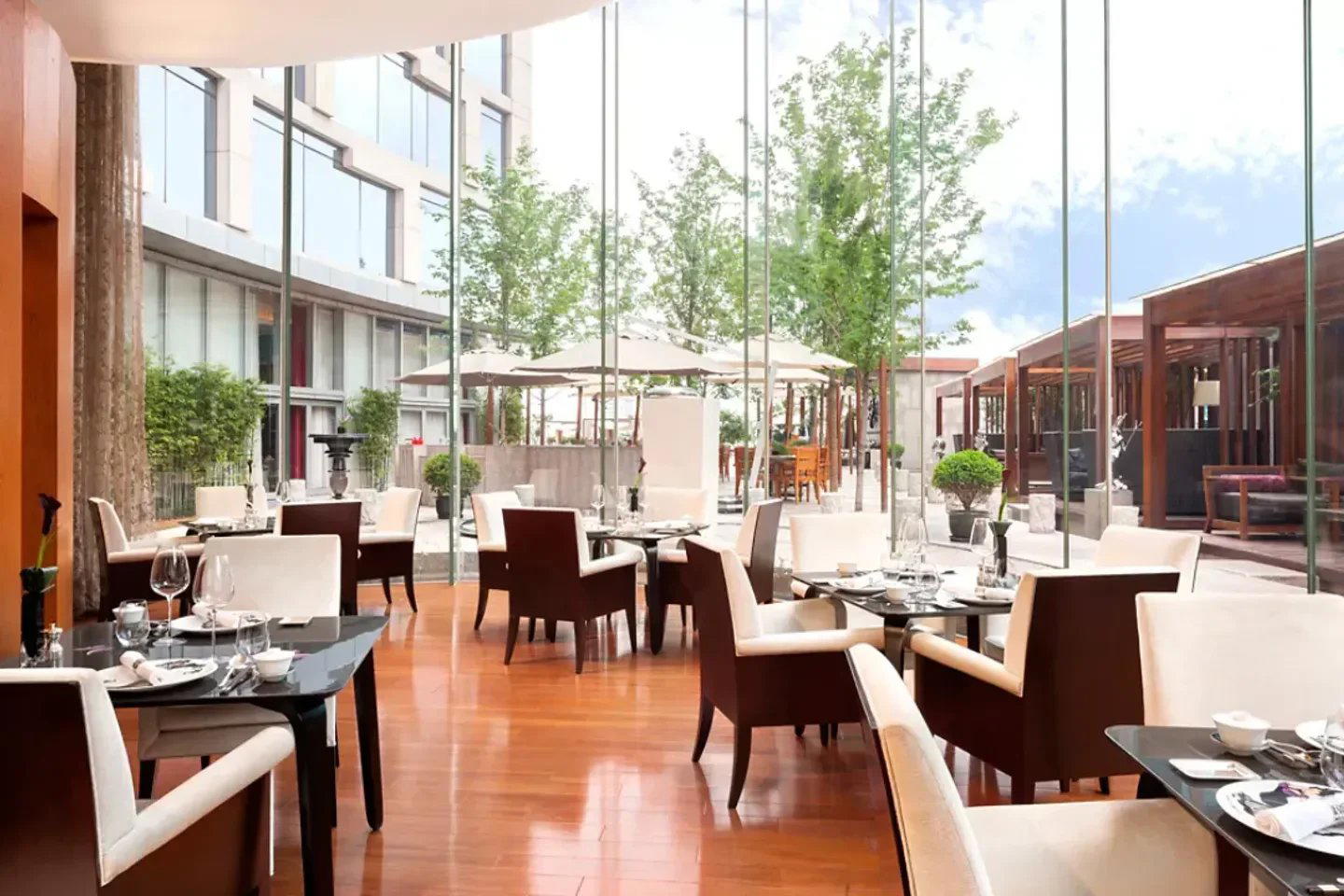
Bars in Shanghai
All bars in Shanghai →
Details
- Elegant
- Modern
- Sophisticated
- Cozy
- Business Dinner
- Special Occasion
- Group Dining
- Date Night
- Design Destination
- Standalone
- A La Carte
- Tasting Menu
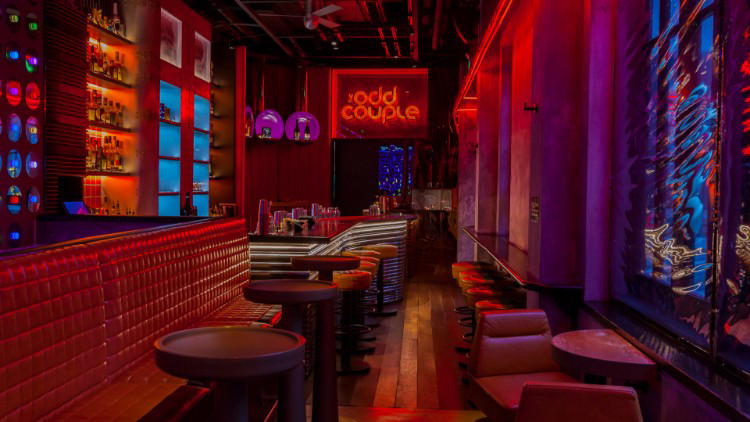
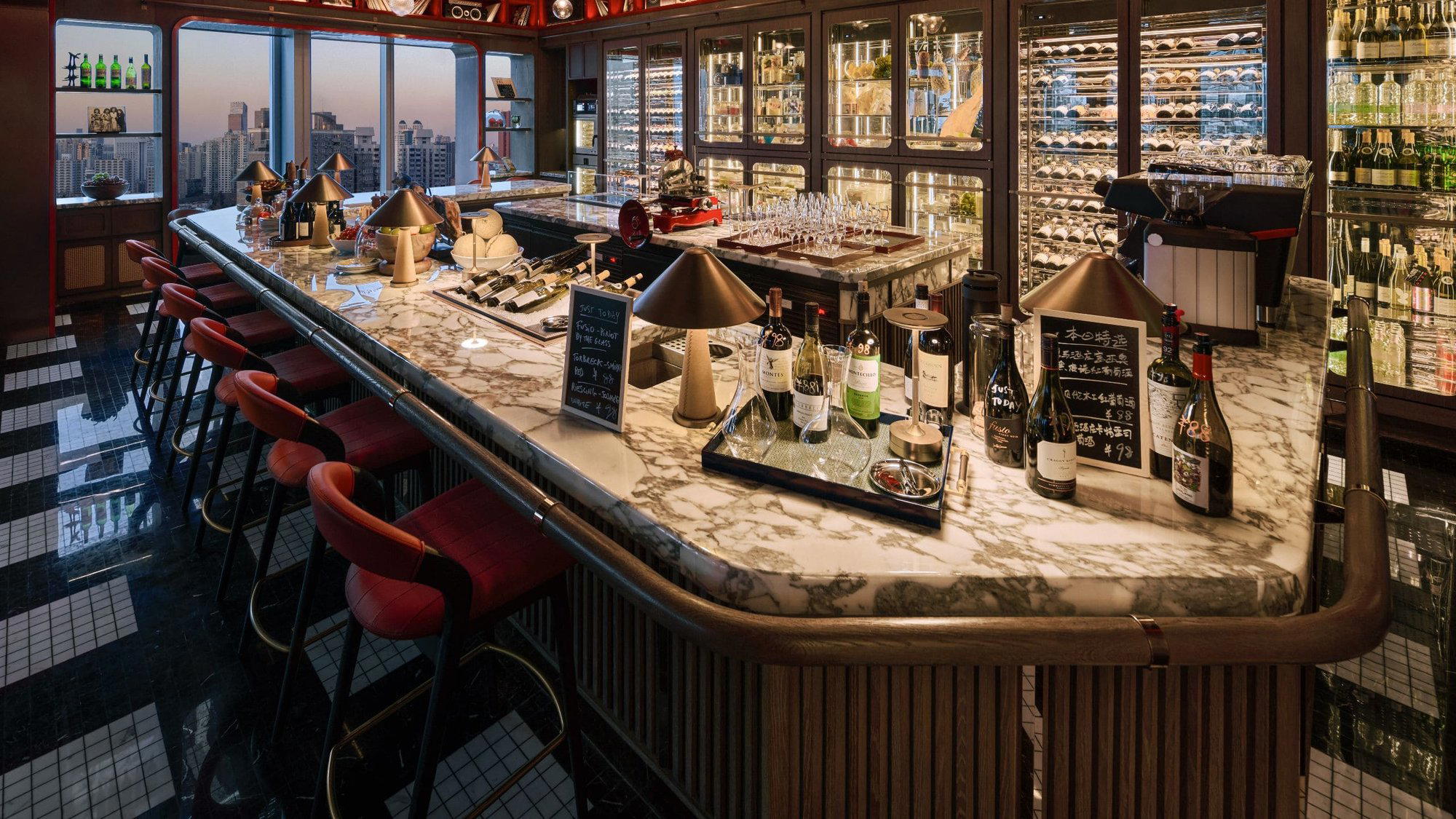
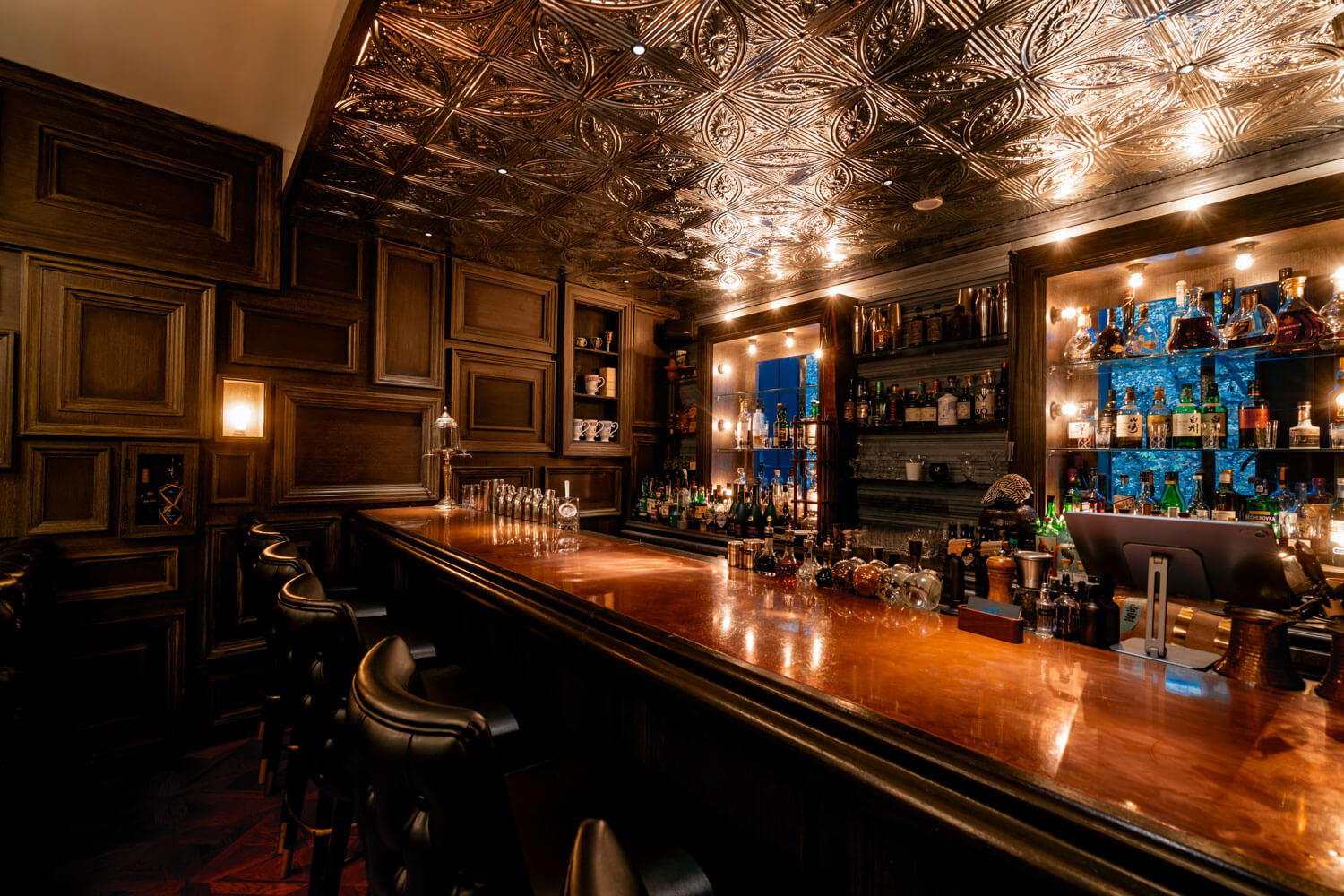
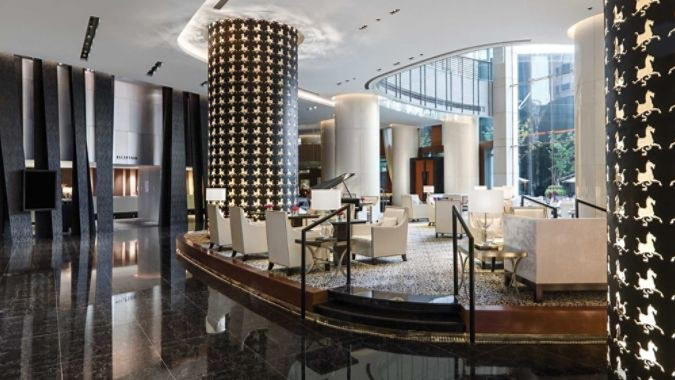
The dining room is refined and serene, echoing the quiet poetry of Fujian ink paintings, with modern, high-style design, soft lighting, and a calm, polished atmosphere suited to business dinners and special occasions.