Hitoshi Ishiganto Ten

Ishigaki’s izakaya culture is inseparable from the island’s fishing economy, and this address sits in that conversation rather than in the polished resort-dining lane. Hitoshi Ishigantou ten is a Tabelog 100 Izakaya WEST 2025 selection with an Okinawa cuisine and seafood focus, making it a strong read on how casual island dining earns serious recognition.
Pearl is the En Primeur Club membership app — saves, bookings, and concierge access live there. Same editors, same standards.
- Address
- 197-1 Okawa, Ishigaki, Okinawa 907-0022, Japan
- Phone
- +81 980-88-5807
- Website
- instagram.com
 Saves & bookings on Pearl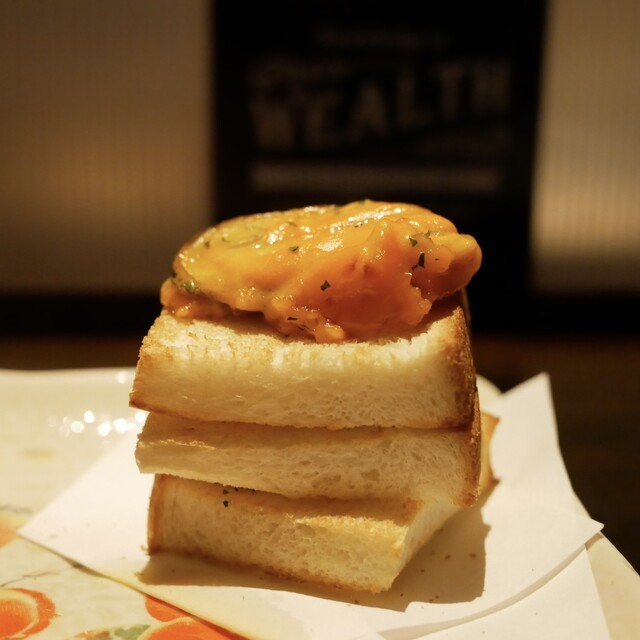
Approaching an Ishigaki izakaya at dinner time, the mood is usually less about ceremony than momentum: families, groups of friends, fish-led ordering, and drinks that move between nihonshu, shochu, and wine without forcing the meal into a single script. In a city where the sea is not a backdrop but an economic fact, the stronger izakaya tables tend to be measured by how confidently they handle local seafood and Okinawan cooking rather than by luxury signifiers.
Hitoshi Ishigantou ten belongs in that island category. Its recognition as a Tabelog 100 Izakaya WEST 2025 selection gives it a formal marker inside a genre that is often judged informally by repeat local demand, group suitability, and confidence with fish. The point is not fine dining masquerading as a tavern. It is the opposite: a Japanese-style tavern format substantial enough to be evaluated alongside serious izakaya across western Japan.
Fish-led Okinawan izakaya cooking, not resort dining
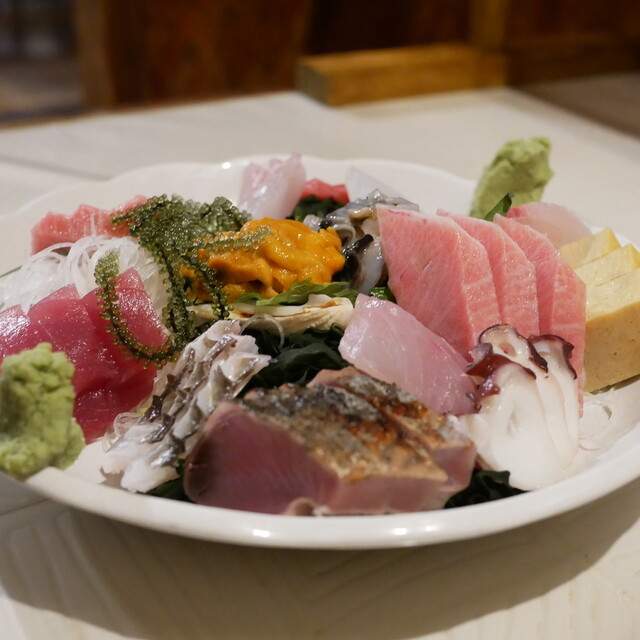
Ishigaki’s dining identity often splits in two. One side serves visitors looking for branded beef, grills, and a clean vacation narrative; the other side is built around the practical pleasures of island produce, seafood, and drinking food. The latter is where this restaurant’s category matters. Its listed focus spans izakaya cooking, Okinawa cuisine, and seafood, with a stated particular attention to fish. That combination places the meal closer to local evening eating than to destination tasting-menu choreography.
Ingredient sourcing is the useful lens here because Ishigaki rewards kitchens that treat fish as the organizing principle, not a supporting act. Okinawan izakaya cooking can move from shareable plates to drinking snacks, from seafood to regional preparations, and from counter eating to tatami or sunken seating without changing its essential purpose. The format is social, but the food still has to carry scrutiny. Tabelog’s 2025 izakaya selection signals that this is not merely a convenient stop in town; it has been pulled into a broader, ranked-by-attention conversation around Japanese tavern cooking.
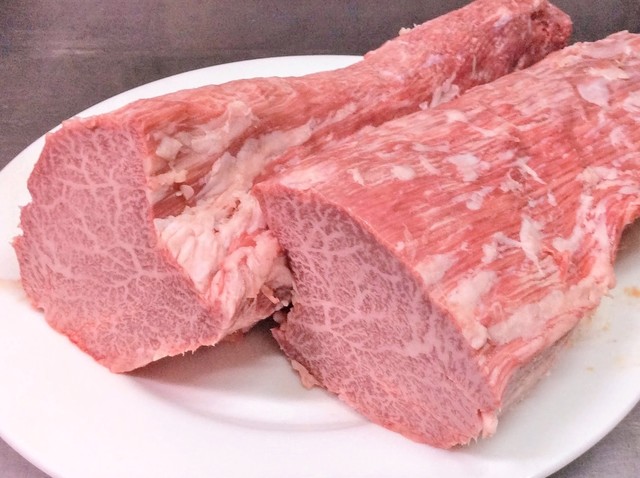
Compared with the island’s meat-focused addresses, the value proposition sits differently. Steak Restaurant Papoiya and Sumibi Yakiniku Yamamoto occupy higher-spend beef territory, while Corners Grill operates at a lower casual-grill level. Hitoshi Honten shares the same price band as this branch, which helps explain the appeal of the format: seafood-oriented izakaya dining can remain relatively accessible while carrying more regional specificity than generic drinking food. For travelers sorting the city by category, that distinction matters more than chasing a single famous dish.
A large, mixed-seating room built for groups and repeat demand
The room format tells its own story. A 100-seat izakaya with counter seats and table seats is not built like a hushed chef’s counter. It is designed for flow, groups, and different rhythms of eating. Private rooms are listed for parties of 10 to 20, and the space also includes tatami and sunken seating, which puts it firmly in the Japanese tavern tradition rather than the small-plate wine-bar model now common in bigger cities.
That scale does not make it anonymous. In island cities, the stronger large izakaya often become gathering infrastructure: a place that can absorb families, visiting friends, and local diners without abandoning a food identity. Children are explicitly welcome, and the occasion signals lean toward family and friends. That makes it a practical counterweight to smaller reservation-only counters where the experience can depend on strict timing and silence.
The practical friction is part of the read. Reservations are available by phone only, and the restaurant is described as popular enough to require planning. Payment is cash only, with credit cards, electronic money, and QR payments not accepted. There is also a small appetizer charge. These details place the restaurant in a recognizably local operating mode: serious enough to plan around, casual enough to bring a group, and not optimized for frictionless tourist spending.
Where it fits in an Ishigaki eating itinerary
For a first serious dinner in Ishigaki, this is a better match for travelers who want a fish-forward izakaya table than for those seeking a choreographed luxury meal. The drink list categories, nihonshu, shochu, and wine, support that reading. The strongest order is likely to come from treating the meal as shared izakaya dining rather than trying to impose a course-by-course structure. The editorial bet is simple: in Ishigaki, a recognized seafood-and-Okinawan izakaya says more about the city than another polished international room.
Readers building a wider city plan can start with Our full ishigakishi restaurants guide, then match dinner with Our full ishigakishi hotels guide, Our full ishigakishi bars guide, Our full ishigakishi wineries guide, and Our full ishigakishi experiences guide. For broader Japan and seafood-adjacent planning, compare the format with . 鮪と炭火焼き うお炭 秋葉原店 in Tokyo, Jōdo Saké Bar in Los Angeles, and Onigiri Time in Pasadena. Other Japan references in the EP Club directory include -Grilled beef Sukiyaki- KAMAKURA TANUKIAN 鎌倉 たぬき庵 in Kamakura, .cafe in Osaka, .know in Kumamoto, (Shoku) Vietnam in Kawasaki, [Curry Senmon Ten] Maruyama Kyoju. in Sapporo, [ki:] in Kyoto, #肉といえば松田 奈良本店 in Kashihara, 1/3 HAMBURGER FACTORY in Kanazawa, 1000 in Yokohama, and 1000mヒュッテ 1000m Hut in Kutchan.
In Context: Similar Options
Comparable venues by cuisine and price in the same metro.
| Venue | Cuisine | Price | Awards | Notes |
|---|---|---|---|---|
| Hitoshi Ishigantou tenThis venue — the venue you are viewing | Tuna-specialty Okinawan Izakaya | $$ | , | |
| 北のうまいもん碧水 | 北海道ローカルフード | $$ | , | 支笏湖温泉 |
| Goya | Okinawan Izakaya | $$ | , | Hirara Nishizato |
| DINING | Japanese Kaiseki and Teppanyaki | , | , | Osaka |
| 琴平酒房 焼鳥・骨付鳥 田中屋 | さぬき名物 骨付鳥居酒屋 | $$ | , | 琴平町 |
| Rekka (烈火) | Yamagata-Style Mazesoba Ramen | $$ | , | 庄内 |
Continue exploring
More in ishigakishi
Restaurants in ishigakishi
Browse all →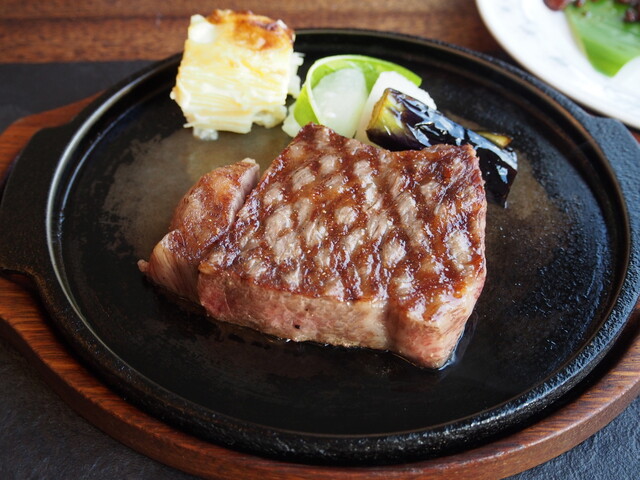
At a Glance
- Lively
- Energetic
- Cozy
- Group Dining
- Casual Hangout
- After Work
- Late Night
- Celebration
- Standalone
- Sake Program
- Beer Program
Bustling, izakaya-style house restaurant with around 100 counter and table seats, a casual atmosphere, and the lively energy of a very popular local spot focused on seafood and drinks.[4][7]