Alma

Our verdict
On University Avenue SE in Minneapolis's Dinkytown-adjacent corridor, Alma occupies a position that most American cities can't quite replicate: a restaurant operating at the intersection of classical European technique and the Upper Midwest's genuinely distinctive agricultural identity. The menu draws from local farms and regional producers, processed through a kitchen sensibility closer to fine dining's continental traditions than to casual farm-to-table. It reads as one of the more serious addresses in a Minneapolis dining scene that has quietly matured over the past decade.

Pearl is the En Primeur Club membership app — saves, bookings, and concierge access live there. Same editors, same standards.
- Address
- 528 University Ave SE, Minneapolis, MN 55414
- Phone
- (612) 379-4909
- Website
- almampls.com
- Directions
- Get directions
- Booking
- Book on Tock

The menu
What to order
- Sweet_corn_soup
- Pork_belly
- Scallop
- Tagliatelle_lamb_ragu
University Avenue and the Question of Technique
University Avenue SE sits in a transitional Minneapolis zone where student density, light-industrial holdovers, and a growing concentration of serious independent restaurants have coexisted for years. It is not the neighbourhood you arrive in expecting the kind of kitchen discipline more commonly associated with the Warehouse District or the North Loop. And yet the dining pattern in American cities has repeatedly shown that the most technically rigorous cooking often migrates away from prestige addresses precisely because the economics permit greater focus on the plate. Alma, at 528 University Ave SE, fits that pattern: a room that invites underestimation and a kitchen that rewards the visit.
The broader context worth understanding is that Minneapolis has developed one of the more coherent farm-driven dining scenes in the American interior over the past fifteen years. The Upper Midwest's agricultural profile is specific enough to matter: heritage pork operations, cold-climate root vegetables, wild rice from tribal and independent producers, freshwater fish from regional lakes, and a dairy tradition that extends well beyond industrial commodity cheese. The question that defines the leading kitchens here is what technique you bring to those materials. Owamni answers it by stripping European method away almost entirely and centering Indigenous ingredients and preparation. Spoon & Stable channels those same regional materials through a confident New American idiom. Alma's answer has historically leaned toward classical European structure applied with genuine attention to what the region produces.
The Intersection That Defines the Menu
The editorial angle that matters most for understanding Alma is not any single dish but rather the philosophy of importation: taking a methodological tradition developed in European kitchens, whether French classical, Italian regional, or the broader fine-dining grammar that those traditions generated, and asking what it produces when the raw materials are Upper Midwestern rather than Norman or Burgundian. This is not a new idea. Blue Hill at Stone Barns built an entire national reputation around a version of it. Single Thread Farm in Healdsburg applies Japanese kaiseki precision to Sonoma County's agricultural calendar. Smyth in Chicago runs a version of the same exercise with Illinois and Great Lakes sourcing. What distinguishes the Minneapolis iteration is the particular character of what the Upper Midwest offers: a shorter growing season that forces genuine seasonality rather than aspirational seasonality, and a set of indigenous and heritage ingredients that have no direct European analog.
In that context, a kitchen that can hold classical technique in one hand and genuine regional identity in the other is doing something that takes years to calibrate. The restaurants that get it wrong either let the technique overwhelm the ingredients, producing food that could have come from anywhere, or let regional pride overwhelm the craft, producing food that is earnest but underdisciplined. The leading version of what Alma has represented in Minneapolis dining is a kitchen that avoids both failures.
Where Alma Sits in the Minneapolis Competitive Set
Minneapolis dining has produced a range of serious addresses across different registers. 112 Eatery operates in a late-night, ingredient-forward Italian-leaning mode. Hai Hai, a James Beard-nominated restaurant, brings Southeast Asian technique to the same regional sourcing conversation from a different cultural direction. The steakhouse tier, represented by addresses like Kincaid's and Manny's, operates on a separate axis entirely, trading on cut quality and theatre rather than seasonal precision.
That peer group also benchmarks nationally against restaurants like Lazy Bear in San Francisco, Providence in Los Angeles, and Addison in San Diego, all of which operate in the same territory where fine-dining ambition meets a coherent regional identity. The comparison with Le Bernardin in New York City or The French Laundry in Napa is less useful because those addresses have accumulated institutional weight that places them in a different conversation. Alma is interesting precisely because it operates at the level where the work has to speak for itself without that institutional scaffolding. Internationally, the closest structural analog may be something like Atelier Moessmer Norbert Niederkofler in Brunico, where Alpine ingredients meet rigorous fine-dining method in a location that demands the kitchen earn its reputation on merit rather than geography.
Planning a Visit
Alma sits on University Avenue SE, accessible from downtown Minneapolis and well within range of the University of Minnesota campus. For anyone building a Minneapolis dining itinerary, it pairs logically with a visit to Owamni for a direct comparison of how different culinary frameworks engage the same regional ingredient base. The restaurant is a sit-down dinner format; specific booking details, current hours, and pricing are best confirmed directly through current channels, as these can shift seasonally. For a broader orientation to the city's restaurant landscape, our full Minneapolis restaurants guide maps the dining scene across neighbourhoods and price tiers. Those approaching from out of state and building a Midwest circuit should also note that Smyth in Chicago and Emeril's in New Orleans occupy adjacent positions in the regional-technique conversation, offering useful comparative reference points. See also 4801 S Minnehaha Dr for another Minneapolis address worth including on a serious itinerary. For those considering similar programming further afield, The Inn at Little Washington and Atomix in New York City both demonstrate how the imported-technique-meets-local-ingredient framework operates at different scales and in different cultural registers.
Frequently asked questions
What is the signature dish at Alma?
What is the ideal way to book Alma?
What is the defining idea at Alma?
How does Alma handle allergies and dietary restrictions?
Is a meal at Alma worth the investment?
How does Alma compare to other long-running fine-dining addresses in Minneapolis, and what has sustained its position?
The Essentials
| Venue | Cuisine | Price | Awards | Notes |
|---|---|---|---|---|
| AlmaThis venue — the venue you are viewing | Seasonal American Fine Dining | $50–100 | Not listed | Not listed |
| Kincaid’s | Classic Seafood & Steaks | $50–100 | Not listed | Steakhouse |
| Brasa Rotisserie | American Creole Rotisserie | $20–30 | Not listed | American Creole |
| Lobby Bar at the Peninsula | Contemporary American | Not listed | Wine Spectator Best of Award of Excellence | Modern American |
| Punch Neapolitan Pizza | Authentic Neapolitan Pizza | $20–30 | Not listed | Pizzeria |
| Manny’s Steakhouse | Classic American Steakhouse | $100–150 | Wine Spectator Best of Award of Excellence · Esquire Best Martinis in America | Steakhouse |
Recognition history
Dated appearances from independent guides and award organizations, with the underlying list record or original source where available.
World Culinary Awards United States' Best Hotel Restaurant 2025 #1
World Culinary Awards
Continue exploring
More in Minneapolis
Restaurants in Minneapolis
Browse all →
Bars in Minneapolis
Browse all →




Details
- Elegant
- Cozy
- Sophisticated
- Intimate
- Date Night
- Special Occasion
- Celebration
- Open Kitchen
- Extensive Wine List
- Farm To Table
- Local Sourcing
- Prix Fixe
- Tasting Menu
- Vegetarian Friendly
- Vegan Options
- Gluten Free Options
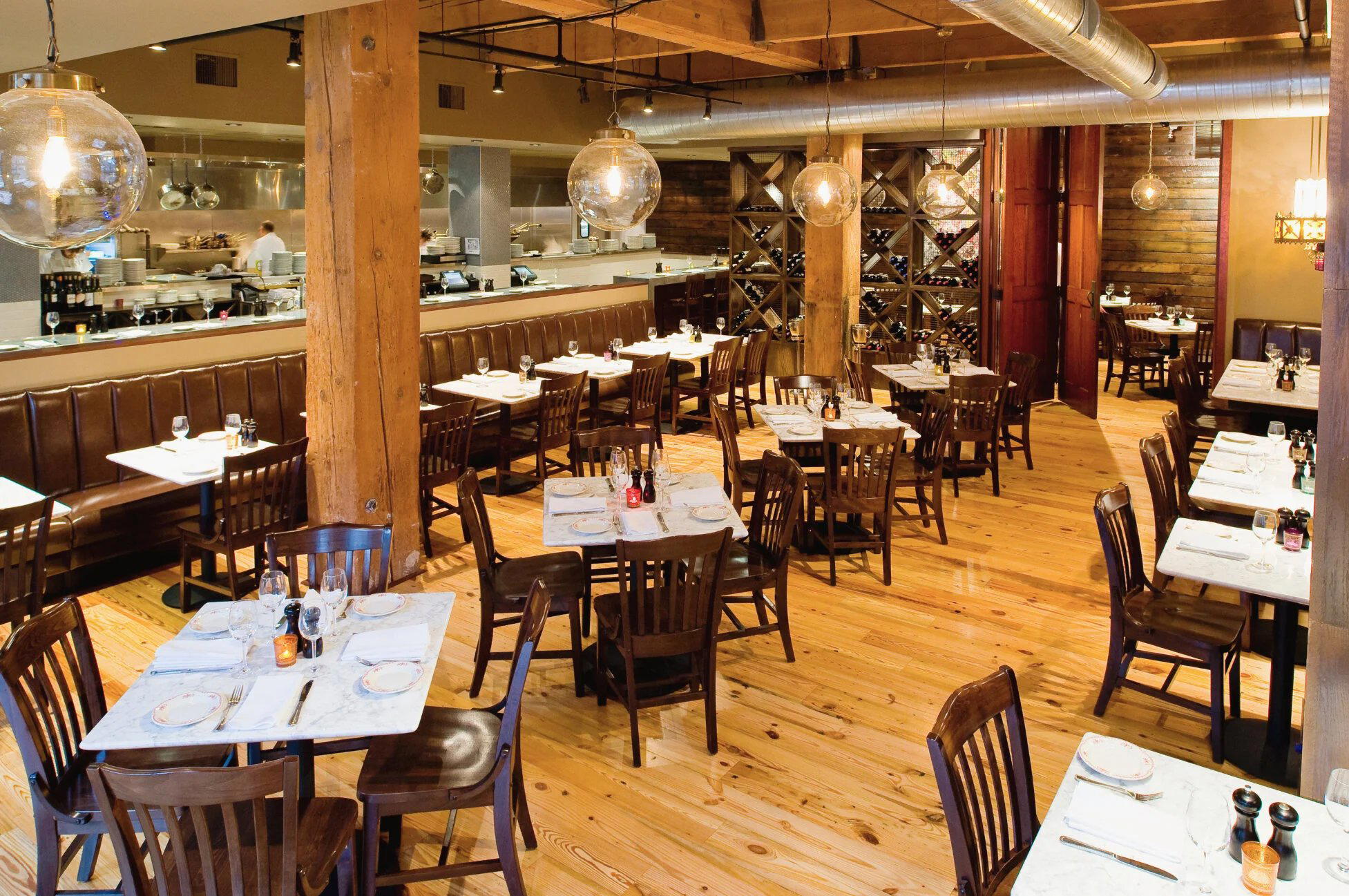
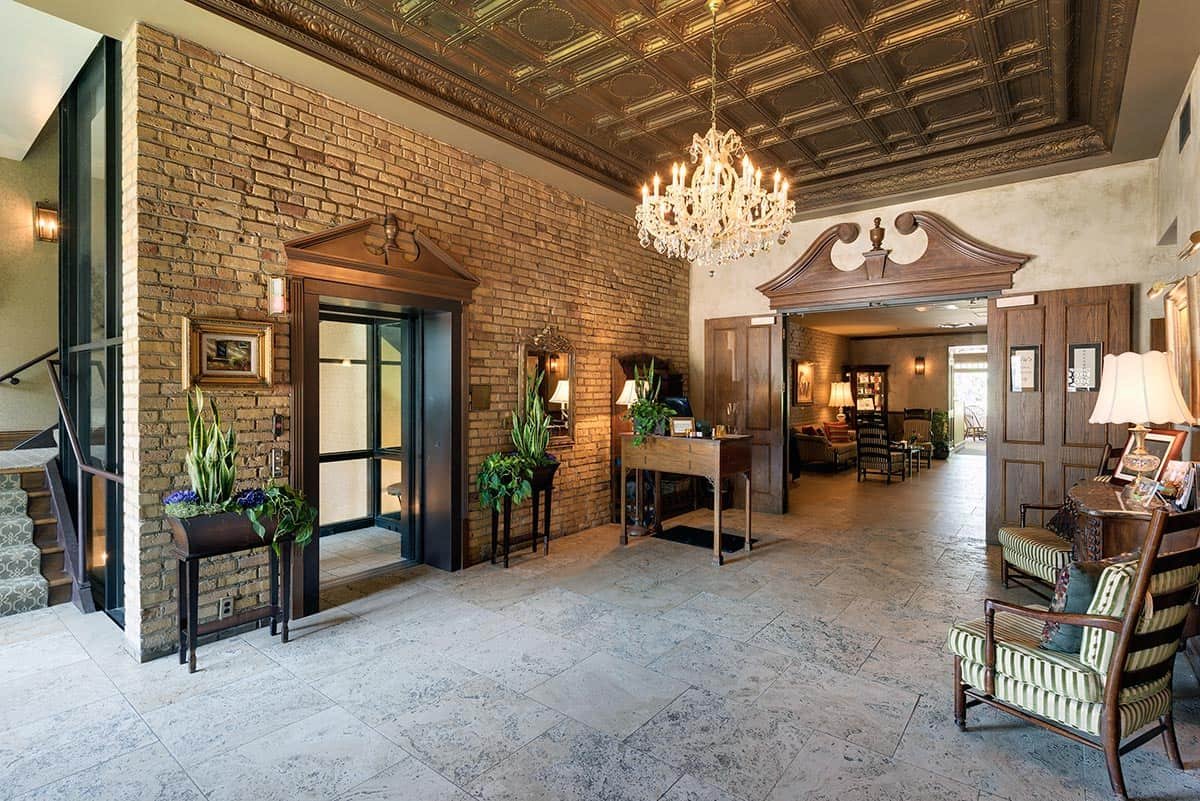
Casually elegant atmosphere with warm lighting, beautiful interiors, and a sense of intimate privacy ideal for special occasions.