Bär & Schaf Wirtschaft


Bär & Schaf Wirtschaft holds consecutive Michelin Plates for 2024 and 2025, placing it among the small tier of recognised regional restaurants in Carinthia's southern corridor. At a €€€ price point for Völkermarkt, it represents the town's most decorated dining option, with a focus on regional cuisine that draws from the agricultural character of the Carinthian countryside.
Pearl is the En Primeur Club membership app — saves, bookings, and concierge access live there. Same editors, same standards.
- Address
- 2. Mai-Straße 18, 9100 Völkermarkt, Austria
- Phone
- +43 660 2100498
- Website
- baerundschafwirtschaft.at
- Directions
- Get directions
 Saves & bookings on Pearl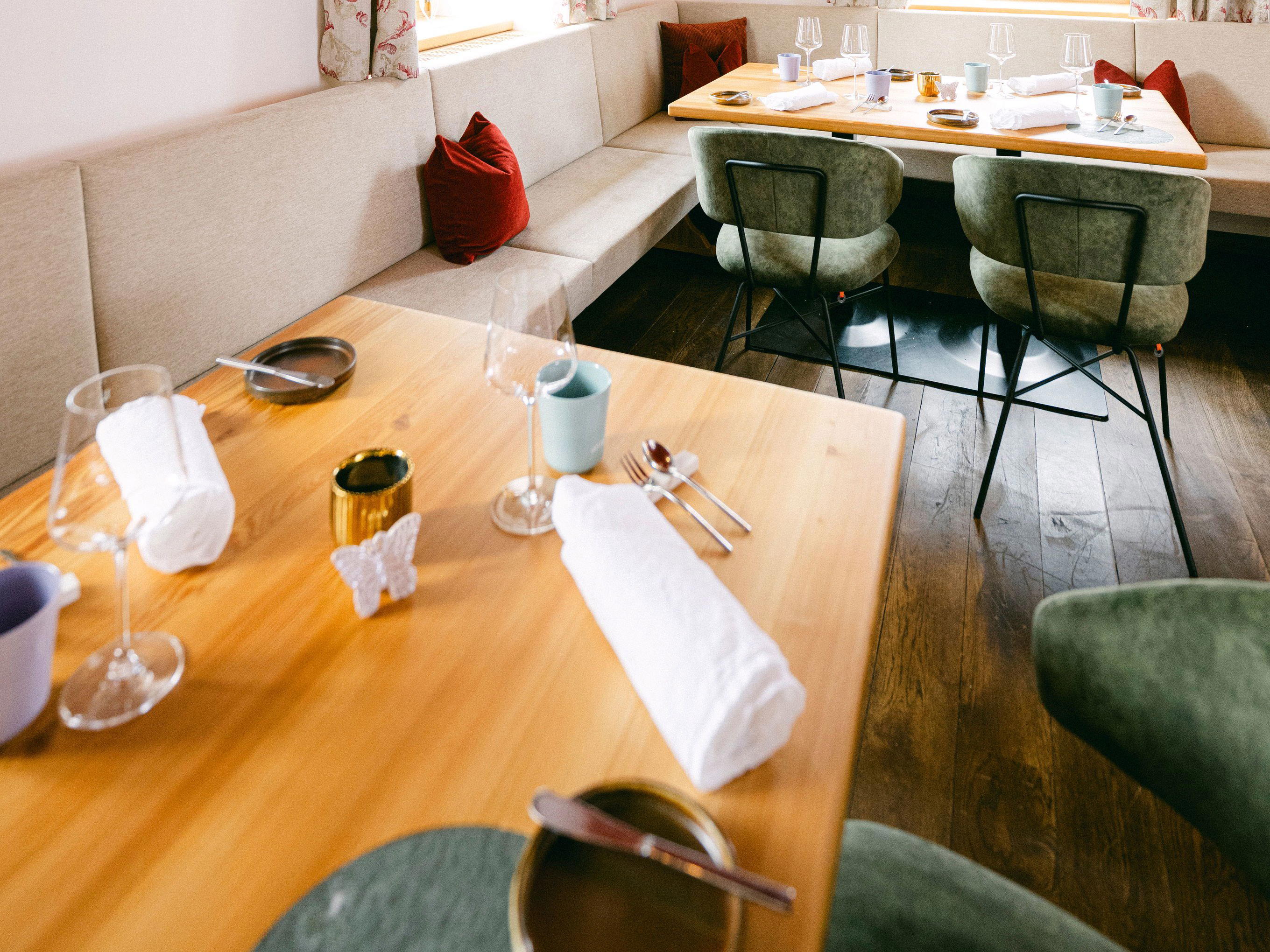
Carinthia's Regional Table: What the Southern Corridor Offers
Austria's regional restaurant scene divides roughly into two camps: the urban fine-dining axis anchored by Vienna and Salzburg, where venues like Steirereck im Stadtpark in Vienna or Ikarus in Salzburg operate at the €€€€ tier with international recognition; and a quieter set of provincially rooted restaurants that work closer to the land and price accordingly. Völkermarkt sits firmly in the second category. Völkermarkt in southern Carinthia, positioned near the Slovenian border, has not historically appeared on Austria's restaurant map the way Golling or Werfen have, where Döllerer and Obauer draw destination diners. What it does have is an agricultural hinterland, a strong Carinthian food identity, and, on the 2. Mai-Straße, a Wirtschaft that Michelin has seen fit to plate twice in succession.
The term Wirtschaft matters here. It signals something specific in Austrian dining culture: a place with roots in the tavern tradition, where the expectation is hearty, locally grounded food served without ceremony. When Michelin awards a Plate to a Wirtschaft, it is recognising execution within that tradition rather than departure from it. Bär & Schaf earns its recognition by staying inside the genre and doing it well, which is a different kind of achievement than the multi-course progressive menus at Landhaus Bacher in Mautern an der Donau or Gourmetrestaurant Tannenhof in Sankt Anton am Arlberg.
Where the Ingredients Come From and Why That Shapes the Plate
Carinthia's food identity is rooted in its geography: a landlocked province of lakes, mountain valleys, and farmland that has historically fed itself from within. The ingredients that define traditional Carinthian cooking, from freshwater fish pulled from the Wörthersee and its surrounding lakes to the beef and pork raised on upland pastures, have given regional kitchens a relatively short supply chain by European standards. For a Wirtschaft operating at the €€€ level in a town like Völkermarkt, that proximity to source is not a marketing position but a structural reality. The vegetables arrive from nearby farms because they always have. The meat follows seasonal and regional slaughter patterns that predate the current enthusiasm for provenance-led menus in urban restaurants.
This is the tradition that connects Bär & Schaf to a broader strand of Austrian regional cooking, one that other Michelin-recognised regional venues in the country, from Kräuterreich by Vitus Winkler in Sankt Veit im Pongau to Gannerhof in Innervillgraten, each interpret through their own regional lens. In Carinthia's southern corridor, with its cross-border influences from Slovenia and the former Yugoslav kitchen traditions, the regional palette can include preparations and flavour combinations that differ from the Tyrolean or Salzburg Alpine norm. Bär & Schaf's name, which translates directly as bear and sheep, suggests a vernacular identity that sits comfortably within that Carinthian specificity.
Ingredient sourcing in this context means the menu will shift with what the region produces seasonally. Carinthian spring kitchens historically lean on wild herbs, lamb, and early vegetables; autumn brings game, mushrooms, and root preparations.
Positioning and Price in Context
At €€€, Bär & Schaf sits above the casual Heuriger price point but below the €€€€ tier where Austria's most-starred addresses operate. For Völkermarkt, that positioning makes it the town's most serious dining address. The consecutive Michelin Plates for 2024 and 2025 represent Michelin's acknowledgment of consistent quality, a signal that the kitchen is executing at a level the guide considers worth flagging for travellers even if it is not yet at star level. In Austria's Michelin geography, southern Carinthia is not densely covered, which makes a Plate here more notable than the same award in a Vienna neighbourhood where multiple starred restaurants operate within walking distance.
Comparison with peer regional venues across Austria is instructive. Ois in Neufelden, Schwarzer Adler in Hall in Tirol, and Restaurant 141 by Joachim Jaud in Mieming each represent regional restaurants that have earned recognition without operating at the upper-tier metropolitan price point. Fahr in Künten-Sulz and Griggeler Stuba in Lech occupy comparable territory in different Alpine contexts. What links them is the commitment to a specific place, expressed through the plate rather than through a programmatic tasting menu format. Bär & Schaf belongs to this cohort.
The Physical Experience: Wirtschaft Atmosphere in Practice
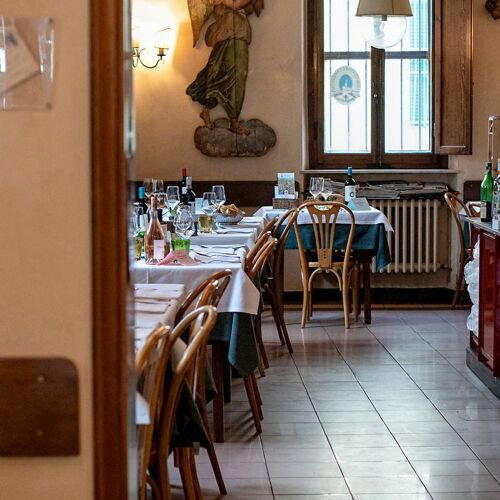
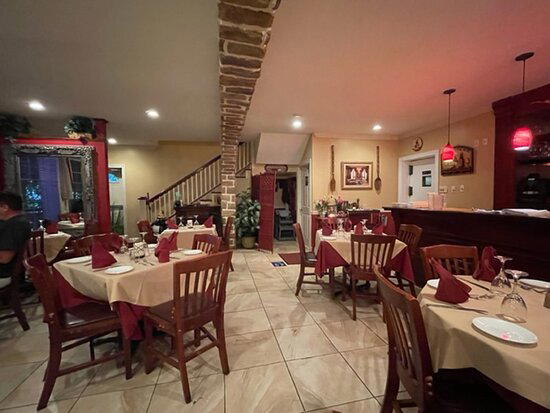
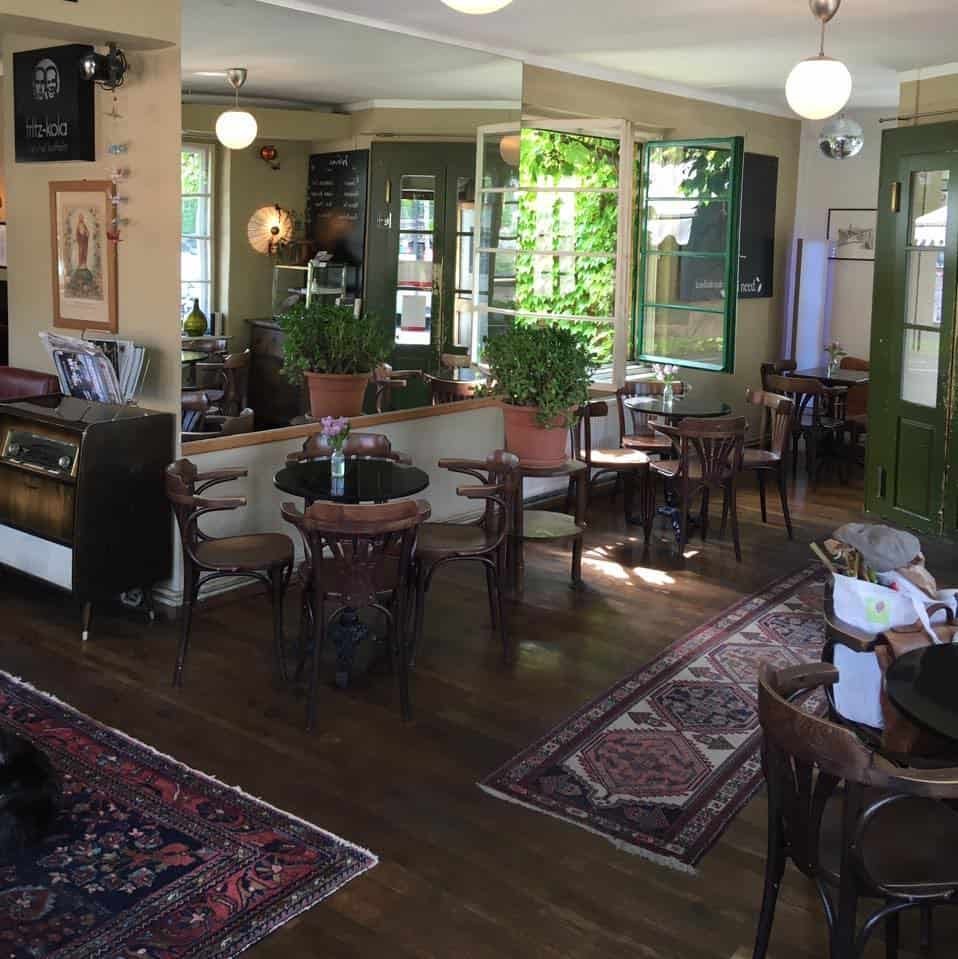
The Wirtschaft format carries its own atmospheric grammar. The address on 2. Mai-Straße in Völkermarkt's town centre places the restaurant in a working provincial context, not a resort setting or a converted farmhouse on a hillside designed for destination visitors. The physical environment of a Wirtschaft typically runs to wooden furniture, ceramic or stone surfaces, and a room temperature calibrated for the pace of a long lunch or convivial dinner rather than a silent tasting counter. These are rooms built for conversation, and the sound profile reflects that.
The restaurant is located at 2. Mai-Straße 18, 9100 Völkermarkt. Advance reservation is recommended.
How Völkermarkt Fits the Broader Carinthian Dining Picture
Travellers building an itinerary around Carinthia's food scene will find the region underrepresented in most international travel guides relative to the quality of what exists. Völkermarkt does not compete with Klagenfurt for volume or variety, but for a town of its size it has a dining anchor worth the detour. Those exploring the area can find further options in our full Völkermarkt restaurants guide, and can round out a stay with context from our Völkermarkt hotels guide, bars guide, wineries guide, and experiences guide. The town's position near the Slovenian border also opens options for cross-border day trips that would pair well with a dinner reservation here.
In Context: Similar Options
Comparable venues nearby, for context on price, style, and recognition.
| Venue | Cuisine | Price | Awards | Notes |
|---|---|---|---|---|
| Bär & Schaf Wirtschaft | Regional Austrian Seasonal | $$$ | Michelin Plate | Völkermarkt |
| Gasthof Goldgasse | Traditional Austrian with Baroque Recipes | $$$ | Michelin Plate | Linke Altstadt |
| Gasthaus Csencsits | Modern Austrian Wood-Fired Cuisine | $$$ | Michelin Plate | Kohfidisch |
| Aurea | Modern Austrian | $$$$ | Michelin Plate | central Villach |
| Zum Goldenen Hirschen | Contemporary Austrian with Alpine Influences | $$$ | Michelin Plate | Gmunden city center |
| Rauchkuchl | Traditional Austrian Alpine | $$$ | Michelin Plate | Stuhlfelden |
Recognition history
Dated appearances from independent guides and award organizations, with the underlying list record or original source where available.
Falstaff Restaurant - 92 Falstaff Points
Falstaff
Michelin Plate
Michelin
Michelin Plate
Michelin
Michelin Plate
Michelin
Continue exploring
More in Völkermarkt
Restaurants in Völkermarkt
Browse all →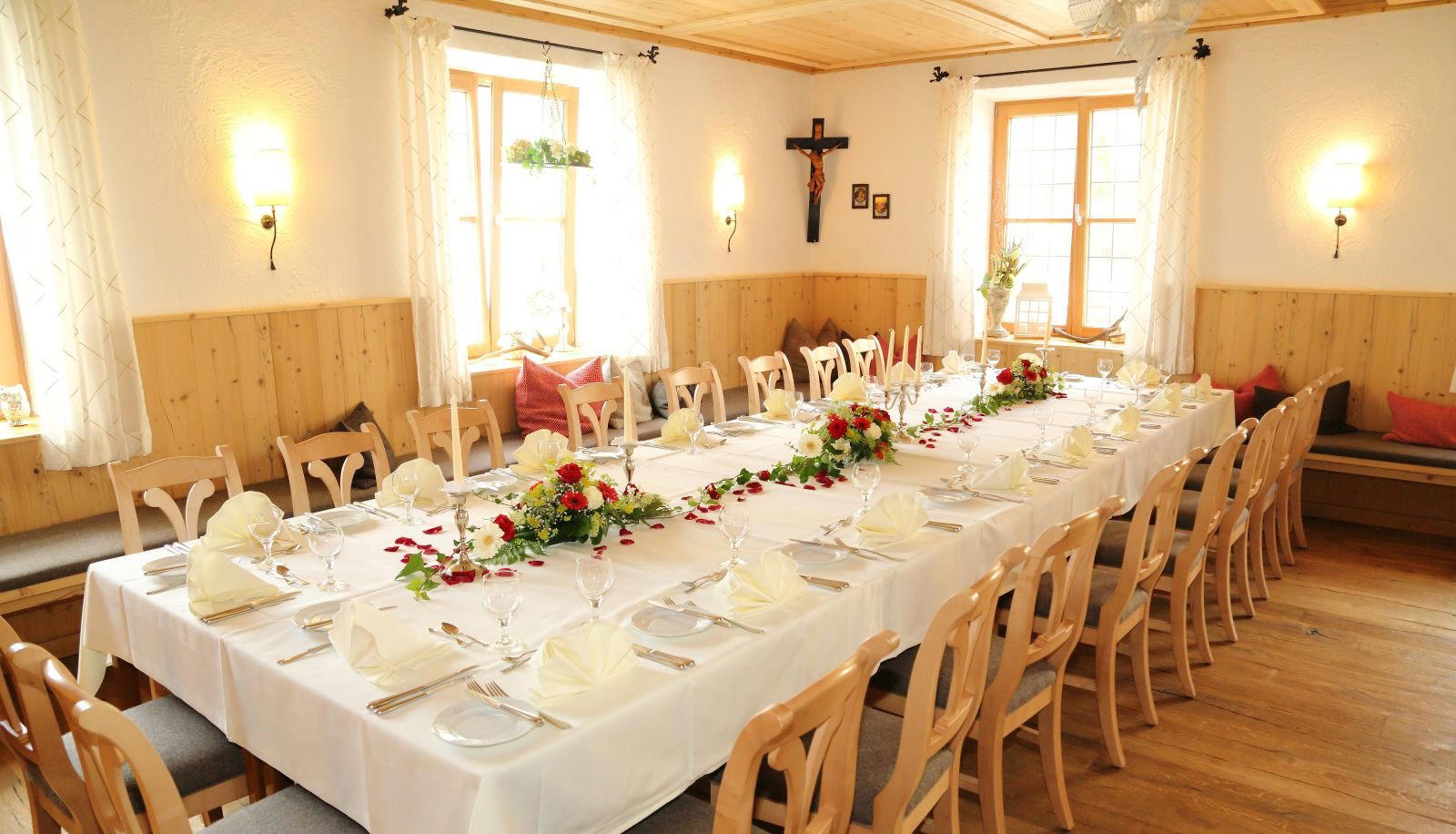
Bars in Völkermarkt
Browse all →
At a Glance
- Cozy
- Rustic
- Intimate
- Special Occasion
- Historic Building
- Natural Wine
- Farm To Table
- Local Sourcing
- Organic
Cozy historic atmosphere with old wooden floors, simple wooden benches, and contemporary art preserving the centuries-old inn's charm.