Our verdict
At Landesgerichtsstraße 12 in Vienna's first district, Hemma occupies a city address where the Austrian tradition of convivial, rooted dining meets a quieter, less performative register than the capital's Michelin-chasing upper tier. For travellers oriented toward Vienna's broader dining culture rather than its trophy table circuit, it represents a considered alternative worth understanding in context.

Pearl is the En Primeur Club membership app — saves, bookings, and concierge access live there. Same editors, same standards.
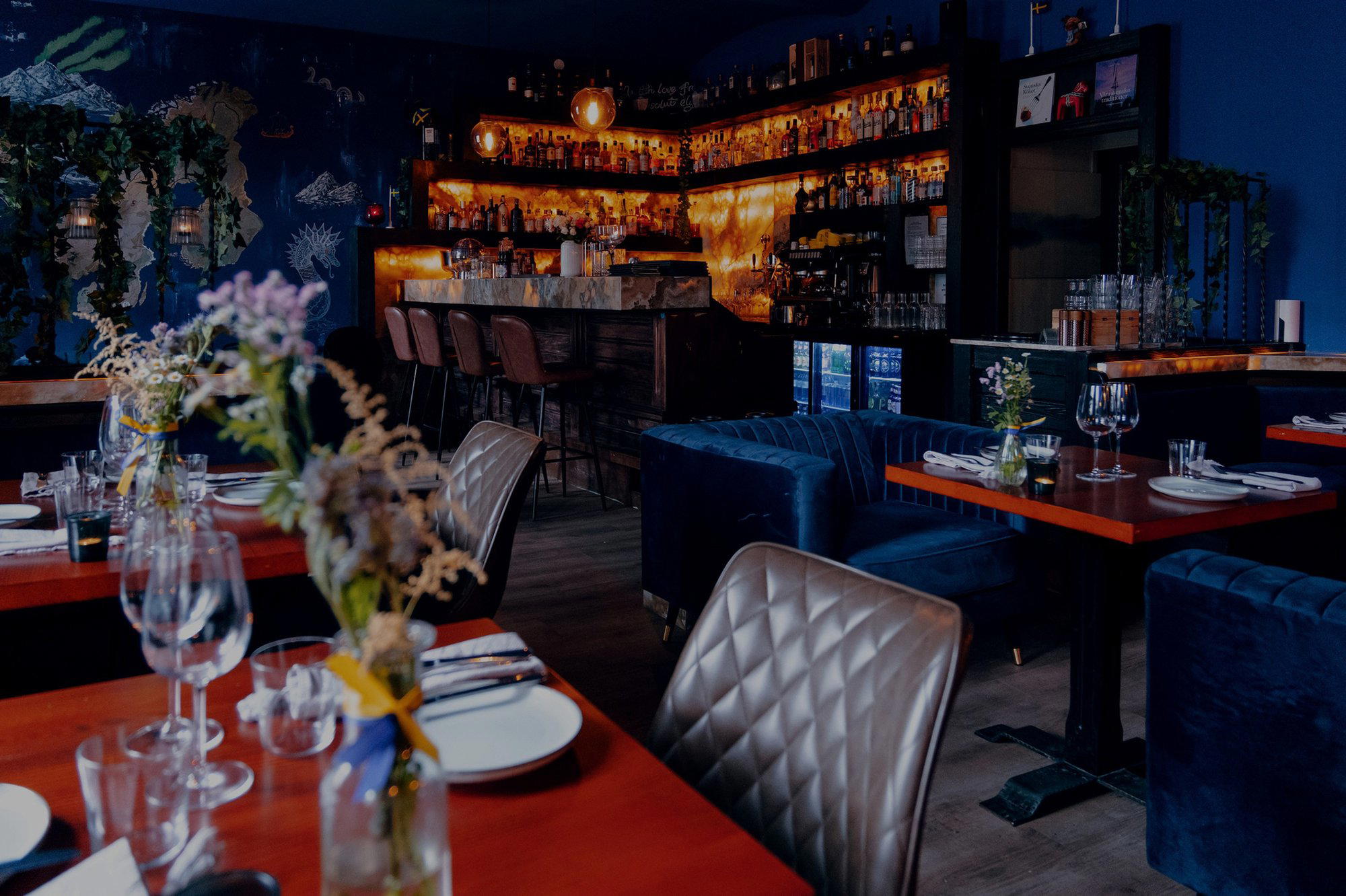
The menu
What to order
- HEMMAS KÖTTBULLAR
- HEMMAS TOAST SKAGEN
- BIFF STOCKHOLM
Vienna's Dining Register and Where Hemma Sits
Vienna has long operated two distinct dining modes in parallel. The first is the grand-gesture tier: tasting menus running to a dozen or more courses, formal room choreography, and a competitive set that includes Steirereck im Stadtpark, Amador, Konstantin Filippou, and Mraz & Sohn, all operating at the €€€€ mark with Michelin recognition and international attention to match. The second mode is quieter, more embedded in the city's social fabric: the kind of room where the food earns its authority through consistency and cultural rootedness rather than critical spectacle. Hemma, at Landesgerichtsstraße 12 in the first district, belongs to a conversation about that second register.
The address itself carries weight. The first district is not a neighbourhood that accommodates casual or accidental operators; rents and expectations both run high. A venue positioned here without the armour of awards and international press coverage is making an implicit argument: that the food and the room are enough, on their own terms. That argument is worth taking seriously.
The Cultural Roots of Austrian Dining in the Capital
Understanding any Vienna table means understanding what Austrian cuisine has been negotiating for decades. The country's culinary identity is not simply a Central European variant of German cooking. It carries the residue of the Habsburg Empire's geographic reach: Bohemian pastry traditions, Hungarian spice sensibilities, northern Italian produce influences, and Balkan fermentation habits all folded into a recognisably Viennese vernacular. The Wiener Schnitzel, the Tafelspitz, the Mehlspeisen tradition of sweet flour-based desserts — these are not museum pieces. They are living reference points that serious Vienna kitchens either work within or consciously push against.
The creative tier, represented by venues like Doubek and the broader wave of modern Austrian kitchens, tends to treat those reference points as raw material: sourcing the same regional produce, applying current technique, and placing the result inside a contemporary tasting format. The more grounded segment of the market does something different. It treats those reference points as the destination itself, asking only that they be executed with precision and served in a room that feels like it belongs to the city rather than a hospitality design studio.
That cultural tension — between Vienna's imperial culinary inheritance and its contemporary ambitions, plays out differently across the country. Austria's regional fine-dining circuit, which includes destinations like Döllerer in Golling an der Salzach, Obauer in Werfen, and Landhaus Bacher in Mautern an der Donau, tends to lean into Alpine and Danube Valley terroir with a directness that urban kitchens sometimes trade for sophistication. In the capital, the conversation is more layered.
The First District Context
Landesgerichtsstraße sits in a part of the first district that carries less tourist foot traffic than the Innere Stadt's core, the Stephansplatz corridor, the Naschmarkt adjacency, while remaining firmly within the ring road. The street itself runs near the Rathaus and the legal district's government buildings, which historically generated a lunch-and-dinner clientele of professionals and local regulars rather than visitors working from a guidebook. That demographic shapes what a room at this address tends to become: somewhere that earns loyalty through repetition rather than destination dining occasions.
For the traveller approaching Vienna through its dining culture, this part of the city rewards a different kind of attention than the trophy-table circuit. The experience is less about a single spectacular evening and more about reading what the city actually eats, away from the tasting-menu format that international food media tends to amplify. Rooms in this register rarely make headlines, but they carry the kind of accumulated local trust that Michelin's Bib Gourmand category was theoretically designed to recognise, though that recognition does not always follow.
Placing Hemma in the Broader Austrian Picture
Austria's serious dining is not confined to Vienna. The Alpine west produces a concentration of technically accomplished kitchens at remarkable altitude: Griggeler Stuba in Lech, Gourmetrestaurant Tannenhof in Sankt Anton am Arlberg, and Kräuterreich by Vitus Winkler in Sankt Veit im Pongau all operate within that Alpine fine-dining idiom. Salzburg's Ikarus and the more rural Ois in Neufelden extend the map further. Schwarzer Adler in Hall in Tirol and Restaurant 141 by Joachim Jaud in Mieming round out a regional circuit that rivals the capital in ambition if not in density.
Vienna's contribution to that picture is different in kind. The city's dining culture is urban and layered, shaped by centuries of trade, migration, and imperial appetite. A venue in the first district is not competing with the Alpine kitchens on terroir or altitude drama. It is competing on urbanity: on the quality of a room, the precision of a kitchen, and the coherence of an experience within a city that has always taken the table seriously. Internationally, the comparison point might be the way Le Bernardin in New York or Atomix in New York City anchor a culinary identity to a specific urban register rather than a landscape or a single ingredient tradition.
For a full orientation to Vienna's dining options across price tiers and neighbourhoods, the EP Club Vienna restaurants guide covers the city's competitive set in detail.
Know Before You Go
Address: Landesgerichtsstraße 12, 1010 Wien, Austria
District: First district (Innere Stadt), near the Rathaus and legal quarter
Phone: Not publicly listed, check current sources before visiting
Website:
Awards:
Price range: Not confirmed, budget accordingly based on first-district context
Dress code: Not specified
Frequently asked questions
What part of town is Hemma in?
Hemma is located at Landesgerichtsstraße 12, 1010 Wien, Austria, Vienna.
Is Hemma a good option for lunch near Vienna's courthouse and legal district?
Landesgerichtsstraße 12 places Hemma directly within Vienna's legal and governmental quarter, a short walk from the Landesgericht courthouse and several law firms and public offices. That positioning makes it a natural candidate for a working lunch away from the heavier tourist flow of the Innere Stadt core. EP Club does not hold confirmed hours for Hemma, so verifying lunch service before arrival is advisable.
What should I order at Hemma?
EP Club does not hold confirmed menu data for Hemma, so pinning down specific dishes would mean guessing rather than advising. What the Landesgerichtsstraße 12 address does suggest is a venue serving the first district's working and professional population, where kitchens in that category tend toward grounded, product-focused cooking rather than elaborate tasting formats. Check current menus directly with the venue before visiting.
What's the best way to book Hemma?
For a first-district Vienna address, particularly one in the quieter legal quarter rather than the high-traffic Stephansplatz corridor, walk-in availability can vary significantly by day and hour. Searching current local listings or Google Maps for up-to-date contact details is the most reliable first step.
What's the defining dish or idea at Hemma?
In that context, Austrian dining at this kind of address tends to prioritise honest, ingredient-led cooking over theatrical plating. The concept reads less as destination dining and more as serious neighbourhood table.
Awards and Standing
Comparable venues nearby, for context on price, style, and recognition.
| Venue | Cuisine | Price | Notes |
|---|---|---|---|
| HemmaThis venue — the venue you are viewing | Scandinavian Fine Dining | $30–50 | Not listed |
| KELSEN im Parlament | Modern Austrian | $50–100 | Hofburg |
| Materia | Modern Italian Tasting Menus | $50–100 | Josefstadt |
| NENI am Wasser | Modern Levantine Mediterranean | $50–100 | Praterstern Wien Nord |
| Meliá Vienna | Modern Mediterranean with Spanish Influences | $50–100 | Kaisermuehlen |
| Restaurant Béla Béla | Modern Mediterranean & Austrian | $30–50 | Stephansdom |
Continue exploring
More in Vienna
Restaurants in Vienna
All restaurants in Vienna →
Bars in Vienna
All bars in Vienna →


Details
- Cozy
- Romantic
- Trendy
- Intimate
- Date Night
- Special Occasion
- Group Dining
- Craft Cocktails
- A La Carte
- Set Menu
- Cocktails
- Vegetarian Friendly
- Vegan Options
Current opening hours
- Monday
- Closed
- Tuesday
- 5–11 PM
- Wednesday
- 5–11 PM
- Thursday
- 5–11 PM
- Friday
- 5–11 PM
- Saturday
- 5–11 PM
- Sunday
- Closed
Hours can change for holidays and private events. Last verified .
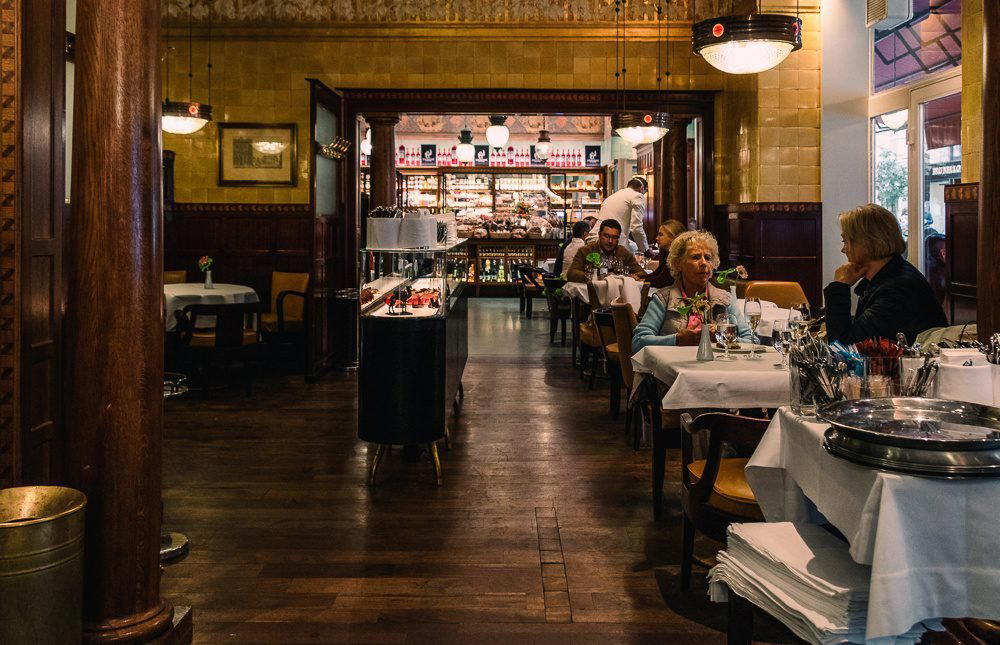
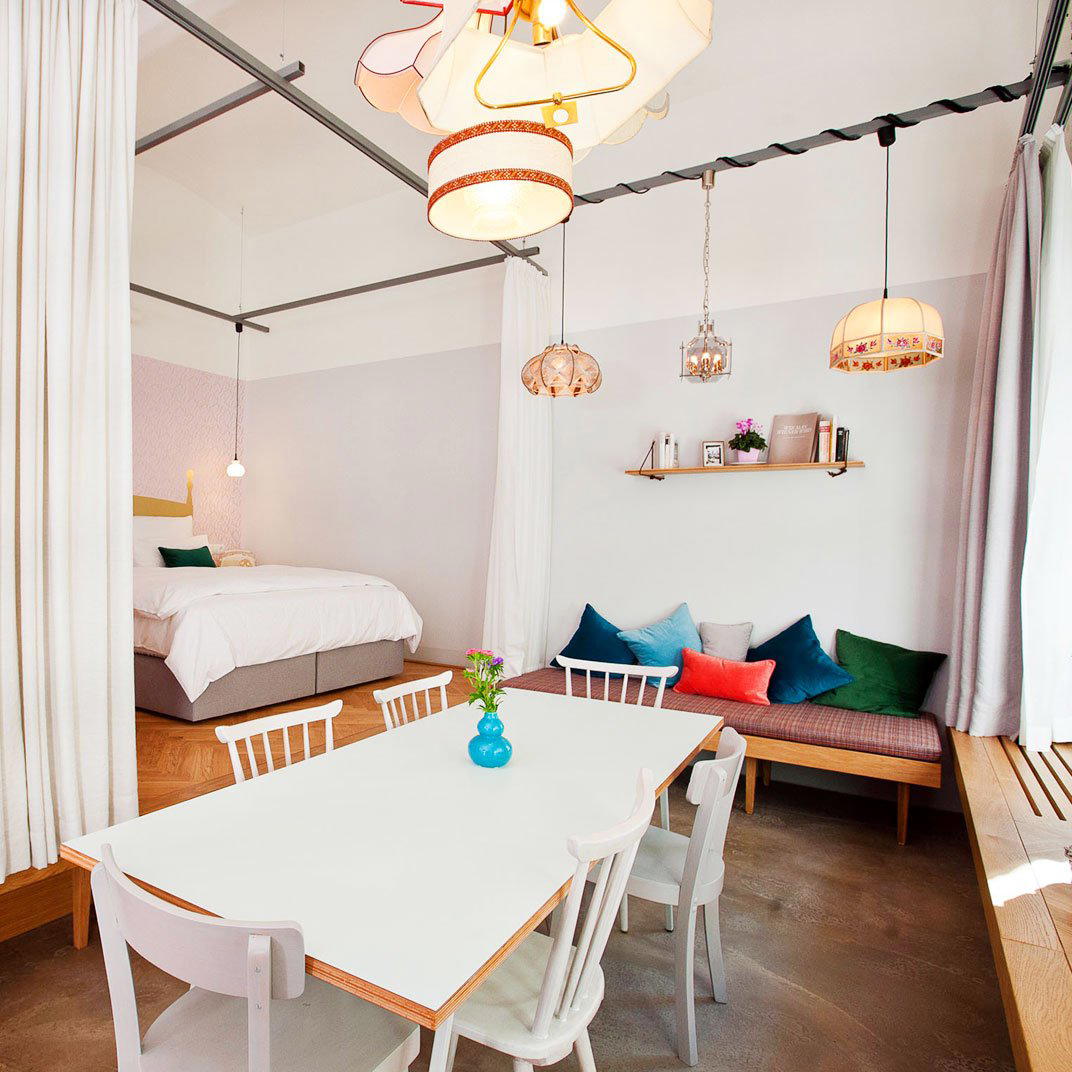
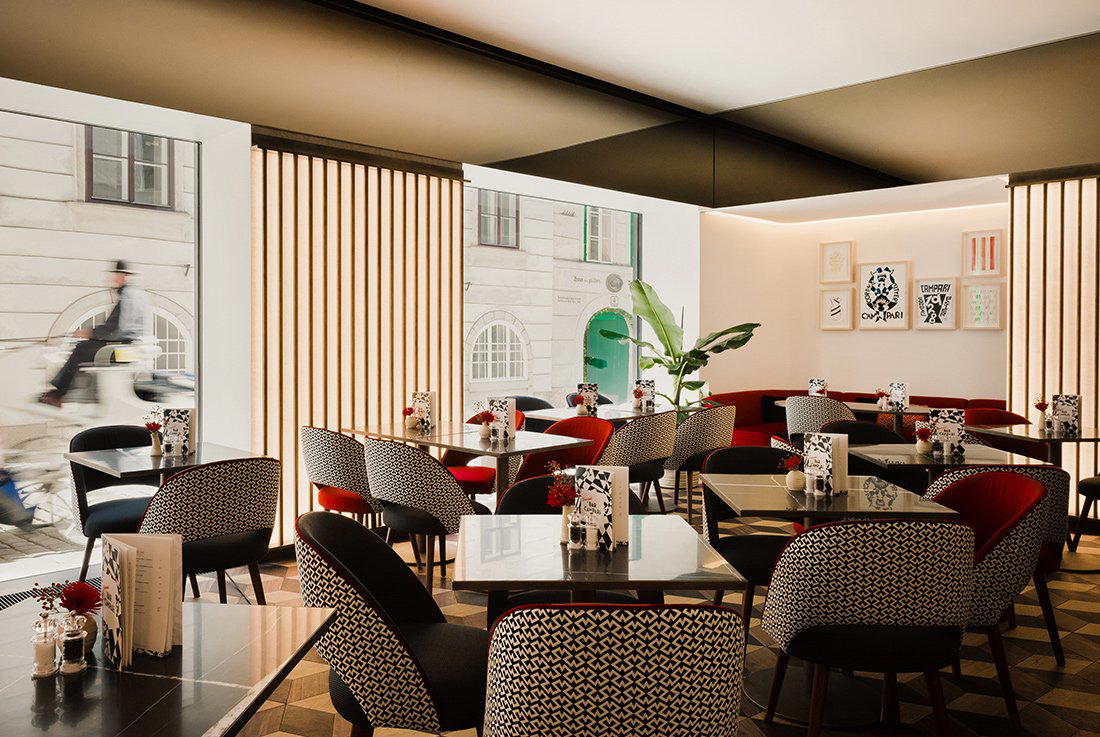
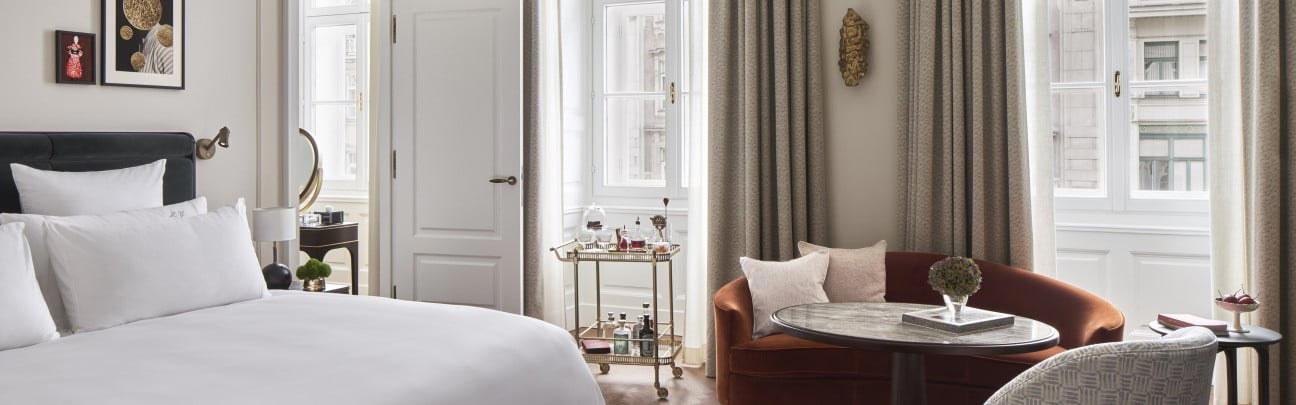
Charming and cozy interior with beautiful decor, good music, and a welcoming Scandinavian flair that makes guests feel at home.