Helmand Kabobi
Our verdict
On the edge of Baltimore's Remington and Charles Village neighborhoods, Helmand Kabobi at 855 N Wolfe St brings Afghan cooking to a city more often associated with crab cakes and pit beef. The kitchen works the charcoal-grilled register that defines kabobi tradition, placing it in a small but committed tier of Middle Eastern and Central Asian restaurants reshaping how Baltimore eats beyond its Chesapeake defaults.

Pearl is the En Primeur Club membership app, where members save venues, book tables and use the concierge.
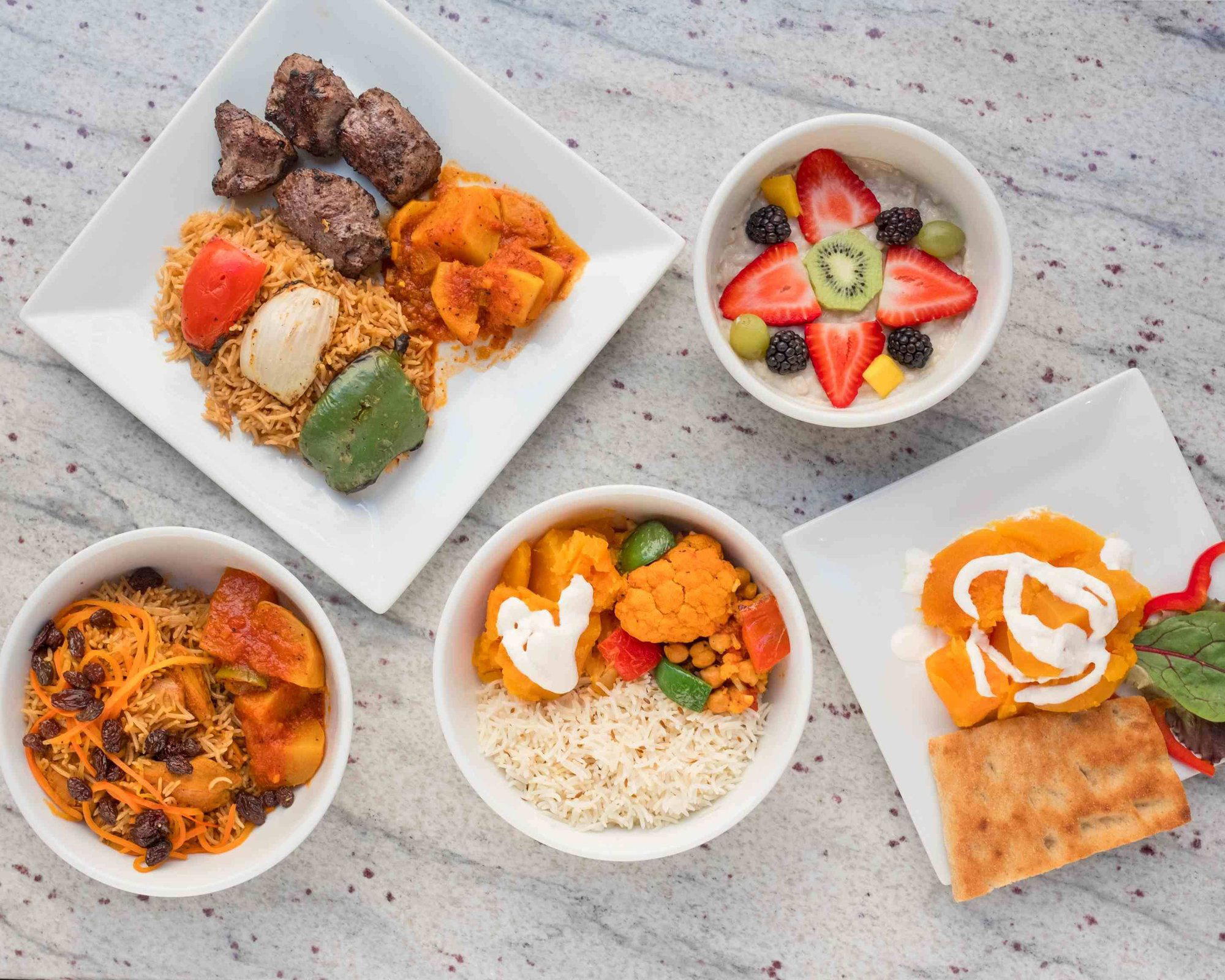
The menu
What to order
- Chicken Kabob
- Seekh Kabob
- Kaddo Borani
Charcoal and Spice on North Wolfe Street
There is a particular sensory logic to restaurants built around the grill. Before a menu arrives, before a dish lands, the smell does the work: charcoal, rendered fat, and the slow bloom of warm spice that clings to everything in a room where the kitchen runs hot. Helmand Kabobi, on North Wolfe Street in Baltimore, operates inside that logic. The address sits in the corridor between Remington and Charles Village, a stretch of the city where eating options range from corner carryouts to the kind of neighborhood spots that accumulate loyal regulars over years. Afghan kabobi cooking belongs to a specific subcategory of grilled-meat tradition, one shaped by the marinades, skewer techniques, and spice profiles that distinguish it from Turkish or Persian parallels. In a city with a relatively thin Afghan restaurant presence, the category itself is part of what defines the experience here.
What Afghan Kabobi Tradition Actually Means
The word kabobi, in Afghan culinary use, covers a range of grilled preparations, typically lamb, beef, or chicken marinated in combinations of yogurt, onion, and spices before being shaped onto flat skewers and cooked over live fire. The technique favors direct heat and timing over saucing or finishing in a pan. The result is a style of cooking that rewards attention to sourcing and the precision of the grill rather than complexity at the plate. Afghan cuisine more broadly draws from the geography of the region: wheat-forward breads, rice preparations like qabili pulao with caramelized carrots and raisins, and the accumulated influence of Central Asian, South Asian, and Persian traditions that have layered onto each other over centuries. Restaurants that represent this cooking in American cities occupy a different competitive position than, say, the South Asian subcontinental genre, which has far deeper penetration in most urban markets. Baltimore's Middle Eastern and Central Asian dining tier is comparatively small. Akbar holds the Indian end of that broader regional category, and Turkish cooking has a presence at dede, but Afghan specifically remains a relative rarity in the city's dining fabric.
The Atmosphere the Grill Builds
Kabobi restaurants tend toward a particular kind of informality, one that has less to do with price point and more to do with the primacy of the food itself. The grill is not background equipment here; it is the organizing principle of the room. Sound enters the equation too: the hiss of fat hitting coals, the ambient warmth that changes the texture of the air when a kitchen is running at pace. These are not restaurants that lean on design as a first impression. They build atmosphere through function, through the evidence of a kitchen working the way it was designed to work. In that sense, the experience at Helmand Kabobi is closer in spirit to the grill-forward, low-intervention category than to the plated, composed formats that dominate Baltimore's upper tier at places like Cindy Wolf's Charleston or the more structured neighborhood dining at 16 On The Park. The comparison is not a ranking exercise; it is a way of placing Helmand Kabobi accurately in the city's dining spectrum. It serves a different function, operates on a different register, and measures itself against a different set of expectations.
Baltimore's Broader Dining Moment
Baltimore is a city that has historically organized its dining identity around local seafood and a handful of long-standing neighborhood institutions. The past decade has pushed that identity outward, with new restaurants adding range across cuisines, formats, and neighborhoods. Pizza at Angeli's Pizzeria represents one strand of that expansion; the natural wine and small-plates format at LE COMPTOIR DU VIN another; the Afghan grill tradition at Helmand Kabobi a third. What connects these additions is not a single culinary trend but a city developing more textured options for residents who eat with curiosity and expect specificity. Afghan cooking is well-suited to that moment. It is neither obscure for novelty's sake nor a cuisine that requires significant cultural translation for American diners. Grilled meat, spiced rice, and flatbread are accessible entry points that happen to carry real depth when executed well. For readers who also follow the high end of American fine dining, whether at Le Bernardin in New York City, Alinea in Chicago, or The French Laundry in Napa, Helmand Kabobi sits at a different coordinate entirely. It is not competing in that tier and does not need to. Its value proposition is specificity of tradition and the reliability of a grill run properly.
Planning a Visit to 855 N Wolfe Street
The North Wolfe Street address places Helmand Kabobi within walking distance of Johns Hopkins Medical Campus and within a short drive or rideshare from the Inner Harbor and Mount Vernon. The surrounding neighborhood is dense with students, medical workers, and longtime residents, a mix that tends to produce restaurants focused on consistency over spectacle. Specific hours, pricing, and booking policy were not available at the time of publication; contacting the restaurant directly before visiting is advisable, particularly for groups. The restaurant does not appear in major awards databases at this time, which is not uncommon for kabobi-format restaurants in smaller urban markets where the Michelin footprint is limited and the James Beard committee tends to focus on different format tiers. That absence should not be read as a quality signal either way. For a fuller map of where Helmand Kabobi sits relative to the city's other dining options, our full Baltimore restaurants guide covers the range from neighborhood staples to the most formally recognized tables in the city. Readers planning time in the broader mid-Atlantic region may also find useful reference points in destinations like The Inn at Little Washington in Washington or, further afield, Blue Hill at Stone Barns in Tarrytown and Atomix in New York City, though these operate in an entirely different format and price register.
Frequently asked questions
Where do I go for Helmand Kabobi?
Helmand Kabobi is located at 855 N Wolfe St, Baltimore, MD 21205, Baltimore.
Is Helmand Kabobi a good dining option near Johns Hopkins Medical Campus in Baltimore?
The N Wolfe Street address places Helmand Kabobi within walking distance of Johns Hopkins Medical Campus, making it one of the few Afghan grill options in that immediate corridor. In a Baltimore dining scene dominated by seafood-focused institutions, a charcoal kabobi kitchen at this location fills a specific and underserved niche. For anyone based at or visiting the medical campus, it represents a substantively different direction from the area's standard options.
What's the best thing to order at Helmand Kabobi?
The menu centers on Afghan kabobi tradition, which means grilled preparations of lamb, beef, and chicken marinated in yogurt, onion, and spice blends before hitting charcoal. The lamb preparations are the structural core of this style and the logical starting point for a first visit to 855 N Wolfe St.
Do I need a reservation for Helmand Kabobi?
Given the proximity to Johns Hopkins Medical Campus and the area's active weekday foot traffic, arriving early during peak meal hours is a reasonable precaution. Contacting the restaurant directly before a visit is the most reliable approach.
How does Helmand Kabobi handle allergies?
Afghan kabobi preparations commonly involve yogurt-based marinades, meaning dairy is a factor worth raising directly with the kitchen. Guests with dietary restrictions should contact the restaurant at 855 N Wolfe St, Baltimore, before visiting.
Comparable Venues
Comparable venues nearby, for context on price, style, and recognition.
| Venue | Cuisine | Price | Notes |
|---|---|---|---|
| Helmand KabobiThis venue (the venue you are viewing) | Authentic Afghan | $20–30 | Not listed |
| Iggies | Neapolitan Pizza | $20–30 | Mount Vernon |
| Marie Louise Bistro | Classic French Bistro | $30–50 | Mount Vernon |
| Poets Modern Cocktails & Eats | Modern American Gastropub | $30–50 | Mount Vernon |
| Matsuri | Modern Japanese Sushi & Robata | $30–50 | Federal Hill |
| Iron Rooster | All-Day Breakfast & Comfort Food | $10–20 | Canton |
Continue exploring
More in Baltimore
Restaurants in Baltimore
All restaurants in Baltimore →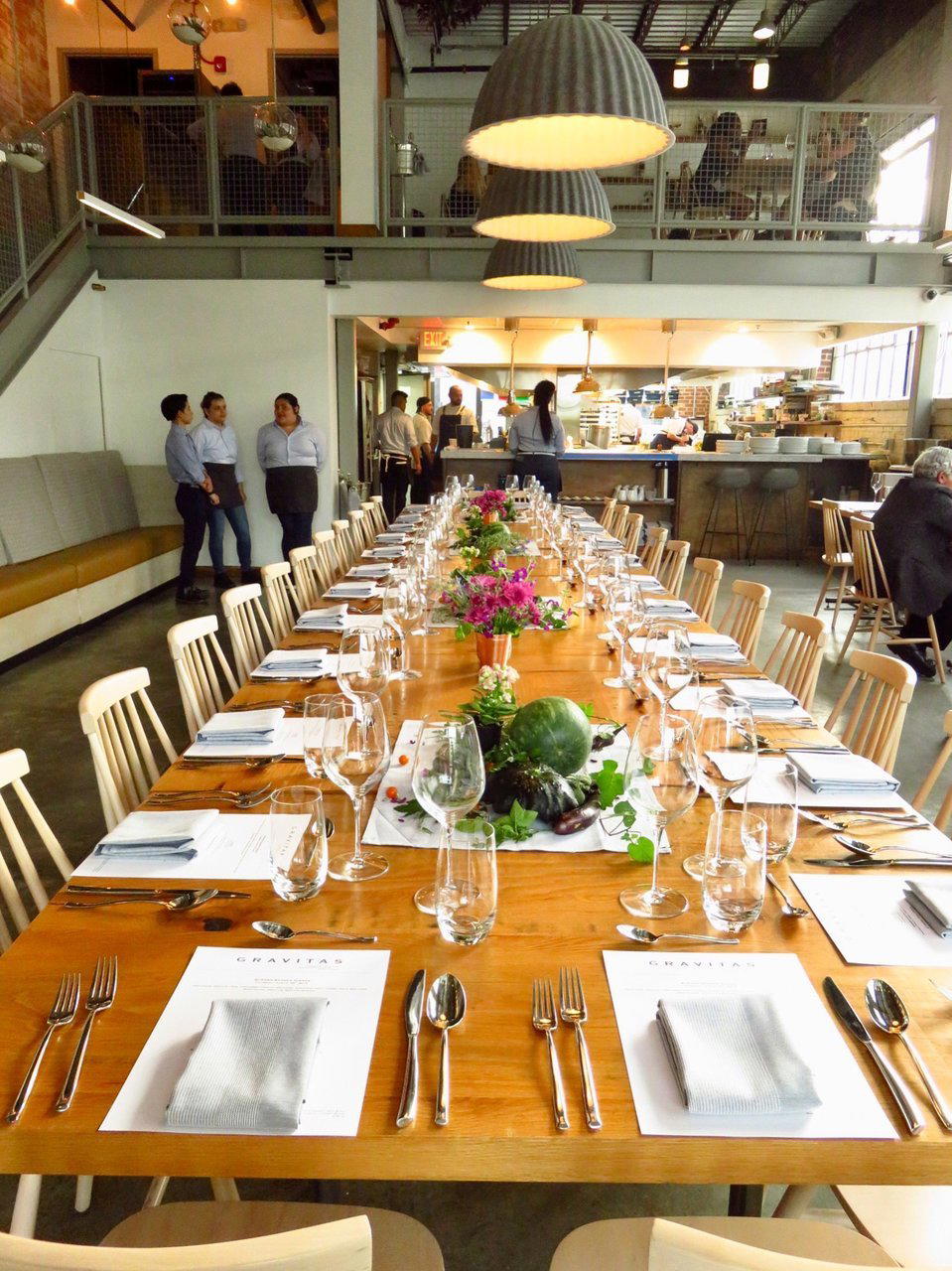
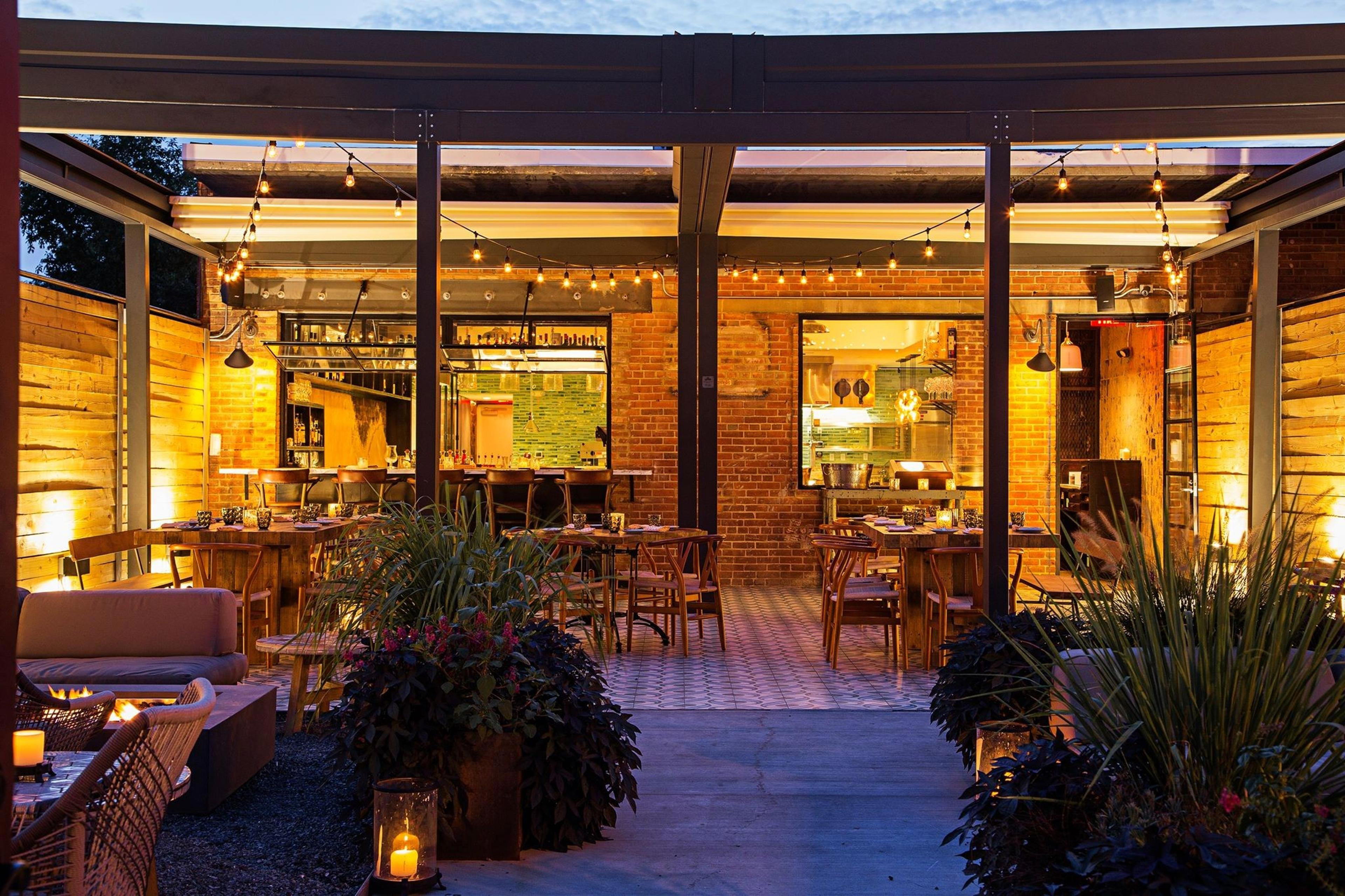
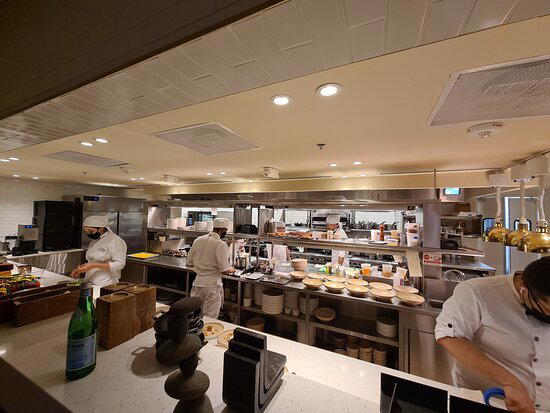
Bars in Baltimore
All bars in Baltimore →
Details
- Cozy
- Classic
- Casual Hangout
- Family
- Standalone
- A La Carte
- Vegetarian Friendly
- Vegan Options
Current opening hours
- Monday
- 11 AM–8 PM
- Tuesday
- 11 AM–8 PM
- Wednesday
- 11 AM–8 PM
- Thursday
- 11 AM–8 PM
- Friday
- 11 AM–8 PM
- Saturday
- 10 AM–3 PM
- Sunday
- Closed
Hours can change for holidays and private events. Hours as of .
warm and inviting with a casual bistro atmosphere