
Tabelog 100 #38
Our verdict
hectopascal belongs to Yokohama’s quieter pizza conversation: small-format, ingredient-led Italian rather than port-city spectacle. Its Tabelog Pizza 100 selections in 2023 and 2025, wine focus, take-out option, and house-restaurant setting place it in a more specialist lane than the city’s casual everyday tables.

Pearl is the En Primeur Club membership app, where members save venues, book tables and use the concierge.
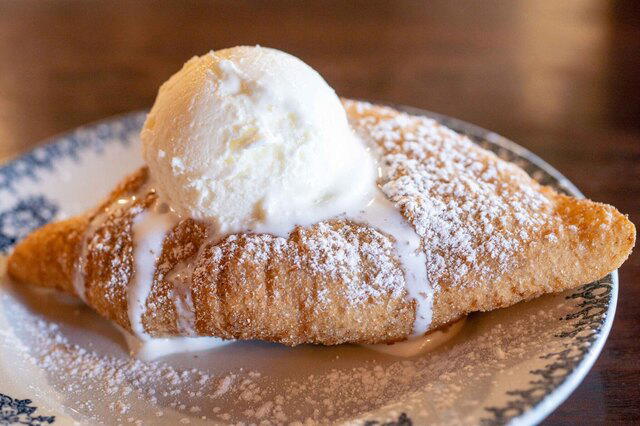
The menu
What to order
- Naples-style pizzas
- Lasagna
- Fennel sausage from the oven
- Dessert pizzas
- Burrata appetizers
Approaching Yokohama for a meal at hectopascal, the city changes register from postcard expectations to a more deliberate kind of dining. The waterfront image drops away; local Yokohama takes over, with everyday streets and the sort of dining rooms that rely less on passing traffic than on intentional trips. That setting matters for pizza. In Japan, serious pizza is no longer confined to central Tokyo or conspicuous urban dining districts. The stronger pizzerias increasingly operate as destination rooms, where flour, fermentation, oven management, cheese, tomato, oil, and wine selection can carry more weight than décor theatrics.
hectopascal sits inside that shift. The restaurant is listed for Pizza and Italian, selected for Tabelog Pizza 100 in 2025, and rated 3.92 on Tabelog. Those signals put it in a narrower category than Yokohama’s everyday cheap-eats circuit, where places such as Suzukiya Honten, Ice Kobo Meria, Chinese Kyoka Rou, Silk Road Ryori Budouen, and Yokohama Tonton answer a different brief: quick, low-cost, familiar, and local. Here the proposition is more specific: pizza treated as a craft format, with enough seriousness to justify crossing town.
Pizza in Yokohama has moved beyond the waterfront postcard
Yokohama’s dining identity is often flattened into Chinatown, port nostalgia, and date-night dining by the water. That misses the more interesting current: specialist restaurants dispersed across the city, where the cooking is not trying to perform Yokohama-ness for visitors. Pizza fits that pattern particularly well. It rewards small rooms, repeat regulars, disciplined purchasing, and tight production rhythms. The difference between a casual pie and a serious one is rarely a single luxury ingredient; it is the cumulative control of dough, heat, moisture, acidity, and pacing.
The ingredient question is central. Japanese pizza culture, especially at the higher end, has become a negotiation between Italian reference points and local supply chains. Imported flour and pantry staples may define part of the grammar, while domestic produce and seasonal accents can shape the actual personality of the table. A restaurant does not need to publish a manifesto for sourcing to make that clear. A pizza-focused Italian restaurant in Yokohama is already working within a format where ingredient quality is exposed, because pizza leaves little room to hide poor tomato, tired cheese, or slack dough.
That is why the Tabelog Pizza 100 selection carries useful weight. The list is category-specific, not a broad popularity badge, and it puts a Yokohama pizzeria into conversation with Japan’s specialist pizza field rather than with general Italian dining. For travellers using Our full Yokohama restaurants guide, this is the kind of address that explains how the city eats when it is not performing for the harbourfront camera.
The format favours intention over spectacle
The available listing places hectopascal in the Pizza and Italian category, which is enough to frame the visit without overloading it with invented details. This is not a generic all-purpose stop; it belongs to a more focused Yokohama dining route, where a single format can justify the trip. The point is less about spectacle than precision: dough, heat, toppings, timing, and the balance between simplicity and craft.
That focus separates this kind of meal from quick-service pizza or an easy convenience bite. At a serious pizzeria, acid, salt, fat, char, and dairy all have to be managed closely, because there is nowhere for weak execution to hide. In a city with many inexpensive, fast, excellent casual options, hectopascal’s recognition helps explain why this table belongs to a different evening.
For visitors building a Yokohama itinerary, that distinction matters. A day can move from old-school local eating to specialist cooking without leaving the city’s orbit. Nearby dining research might include other Yokohama dining rooms, each useful for reading a different side of the city’s appetite. For broader planning beyond restaurants, the city also rewards checking Our full Yokohama hotels guide, Our full Yokohama bars guide, Our full Yokohama wineries guide, and Our full Yokohama experiences guide.
Where it fits for a serious food trip
hectopascal is a strong case for leaving the obvious dining map. Yokohama is not only a city of first-time visitor routes and harbourfront meals; its better specialist addresses are not all clustered around tourist movement. The practical trade-off is intentionality. This is a planned meal, not a convenient add-on between landmark stops.
Its selection for Tabelog Pizza 100 in 2025 confirms that the format has recognition beyond ordinary neighbourhood visibility. For an EP Club reader, the appeal is not merely that Yokohama has pizza. It is that pizza here can operate with the seriousness usually reserved for more formal Japanese formats: limited focus, ingredient exposure, and a clear reason to travel across the city for a meal.
If the wider trip extends beyond Yokohama, useful contrasts can be found across other dining scenes without needing to force direct comparisons. The thread is not cuisine type; it is specificity. The stronger food trips are built from rooms that know exactly what they are for, whether in Yokohama or elsewhere, and hectopascal belongs in that conversation because its category, rating, and Tabelog Pizza 100 recognition point to a focused specialist address.
Frequently asked questions
Where do I go for hectopascal?
Yokohama.
Is hectopascal expensive?
Pricing at hectopascal is listed as Dinner: JPY 8,000 - JPY 9,999; Lunch: JPY 3,000 - JPY 3,999.
Should I book hectopascal in advance?
The available venue data does not provide confirmed booking details, so check the current reservation route before going.
What is hectopascal known for?
hectopascal was selected for Tabelog Pizza 100 in 2025. It is a Pizza and Italian address in Yokohama with a Tabelog score of 3.92.
Can hectopascal adjust for dietary needs?
The available venue data does not list special dietary arrangements, so the clearest confirmed details are the Pizza and Italian focus. For specific needs, check directly before booking.
Can I bring kids to hectopascal?
The available venue data does not confirm child-specific arrangements, so check directly with the restaurant before visiting with children.
Quick Comparison
Comparable venues at a glance for context.
| Venue | Cuisine | Price | Awards | Notes |
|---|---|---|---|---|
| hectopascalThis venue (the venue you are viewing) | Modern Neapolitan Pizza & Italian in a House-Restaurant Hideout | $50–100 | Tabelog 100 #38 | Not listed |
| CAMBUSA | Wood-fired Italian with Neapolitan pizza and Sicilian-influenced cuisine | $50–100 | Tabelog 100 #5 | Kanagawa |
| PRIMO | Italian Fine Dining | $100–150 | Tabelog 100 #91 | Naka |
| クローチフィッソ | Authentic Sicilian Italian | $50–100 | Tabelog 100 #6 | Kanagawa |
| Yakitori Hifumi | Omakase Yakitori | $50–100 | Tabelog 100 #20 | Naka |
| Yakitori Midori | Yakitori Omakase | $50–100 | Tabelog 100 #97 | Naka |
Recognition history
Dated appearances from independent guides and award organizations, with the underlying list record or original source where available.
Tabelog 100 #38 · No. 38
Tabelog · Tabelog 100 - Pizza - 2025
Continue exploring
More in Yokohama
Restaurants in Yokohama
All restaurants in Yokohama →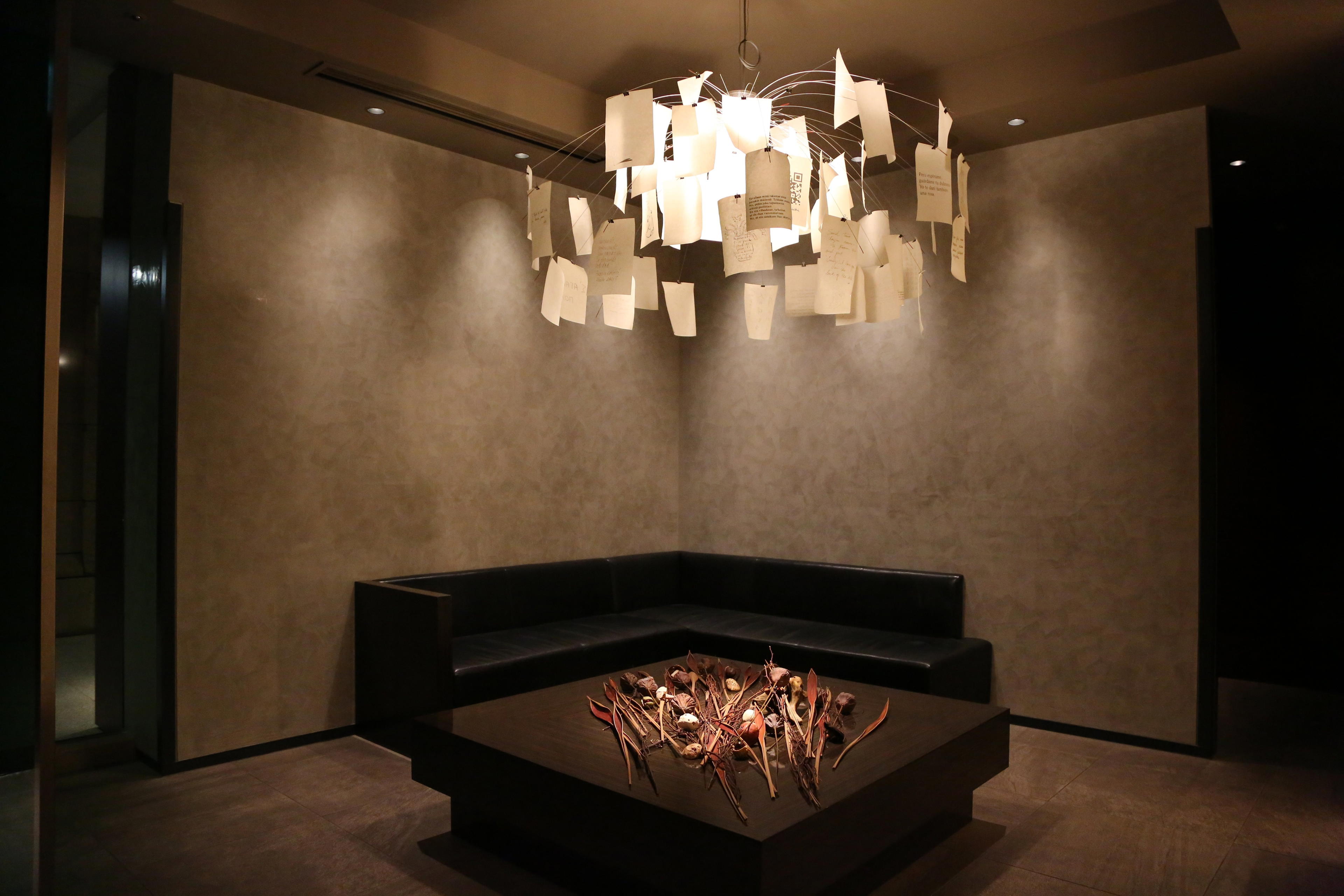

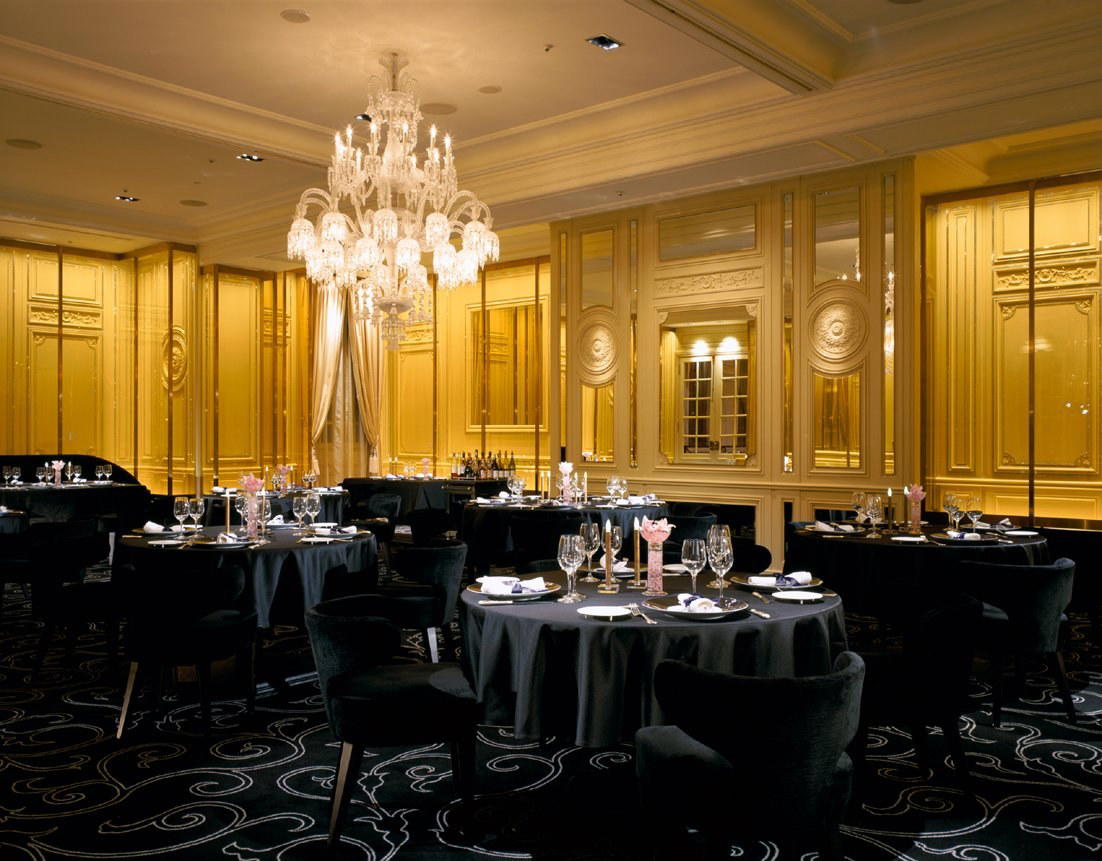


Bars in Yokohama
Browse all →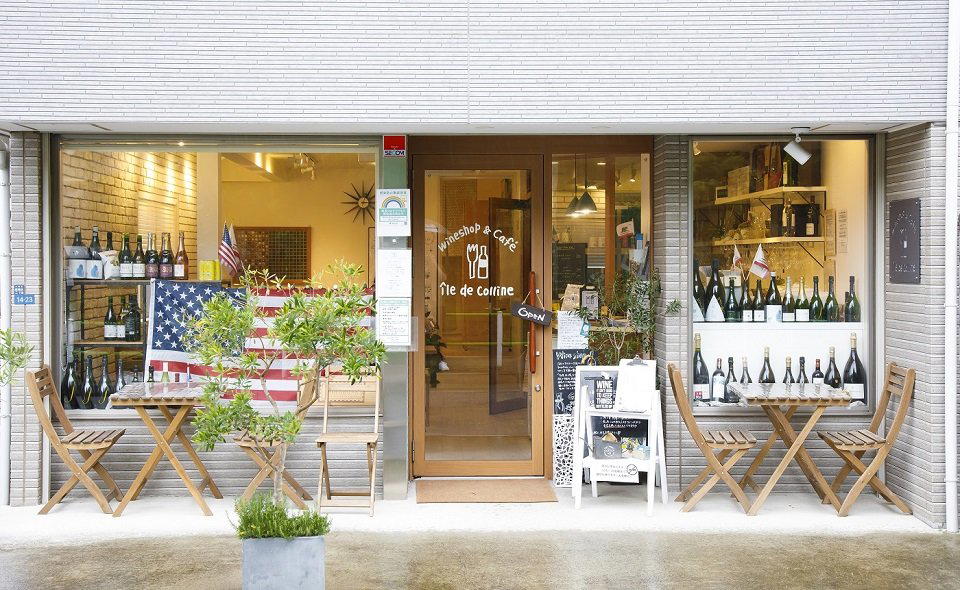





Details
- Modern
- Cozy
- Trendy
- Date Night
- Family
- Casual Hangout
- Group Dining
- Special Occasion
- Open Kitchen
- Terrace
- Standalone
- Extensive Wine List
- A La Carte
- Counter Dining
- Wine
- Beer
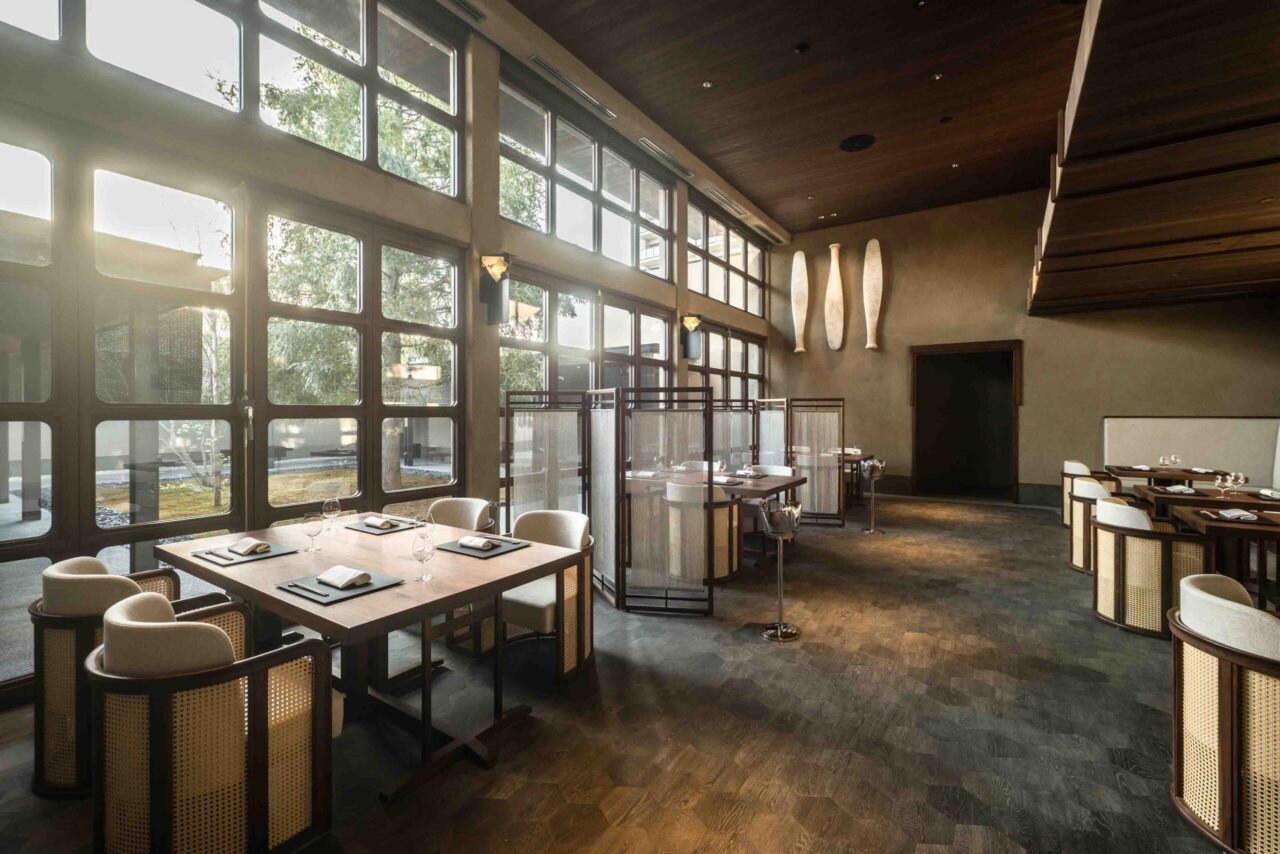
A stylish, house-restaurant hideout with spacious, relaxed seating and counter seats, non-smoking throughout, and a cozy neighborhood feel rather than a formal dining room.