Skip to Main Content

UpcomingDrink over $25,000 of Burgundy at La Paulée New York

← Collection
Brixlegg, Austria

Sigwart's Tiroler Weinstuben

CuisineClassic Cuisine
LocationBrixlegg, Austria
Michelin

A Michelin-starred address in a small Tyrolean market town, Sigwart's Tiroler Weinstuben earns its 2024 star through classic cuisine rooted in the agricultural produce of the Inn Valley and surrounding Alpine terrain. The €€€ price point sits a tier below Austria's most celebrated destination kitchens, making it one of the more accessible entry points into serious Tyrolean fine dining. Rated 4.6 across 174 Google reviews, it carries consistent local endorsement to match its national recognition.

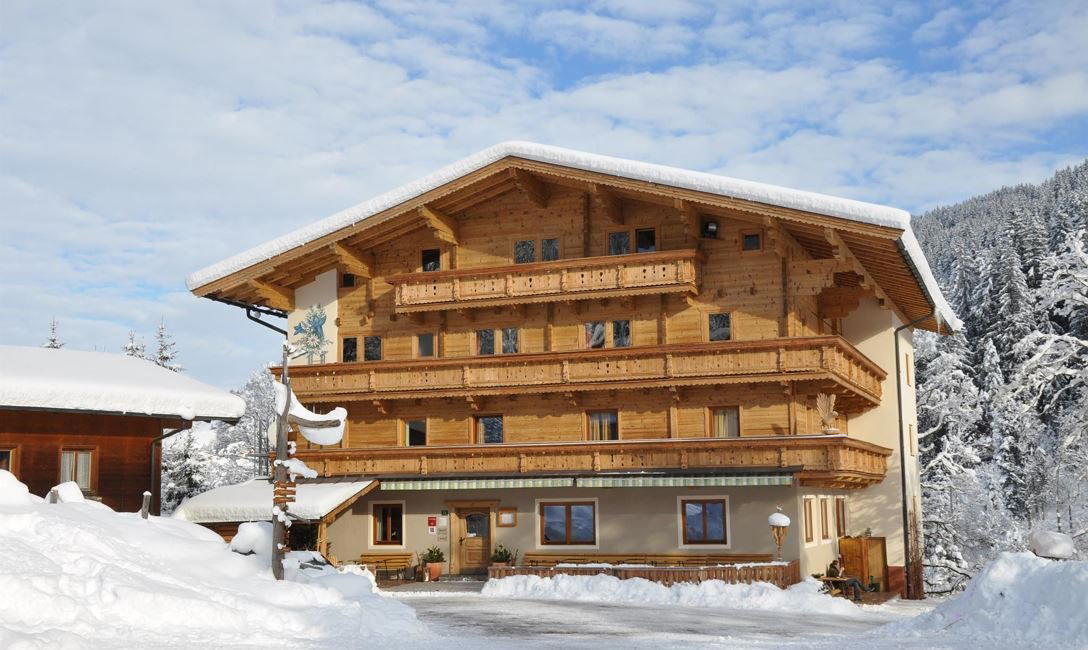
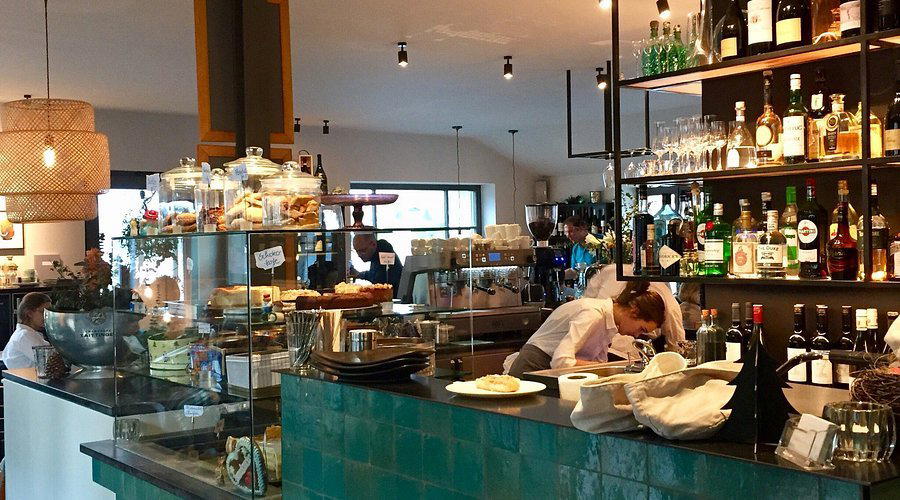
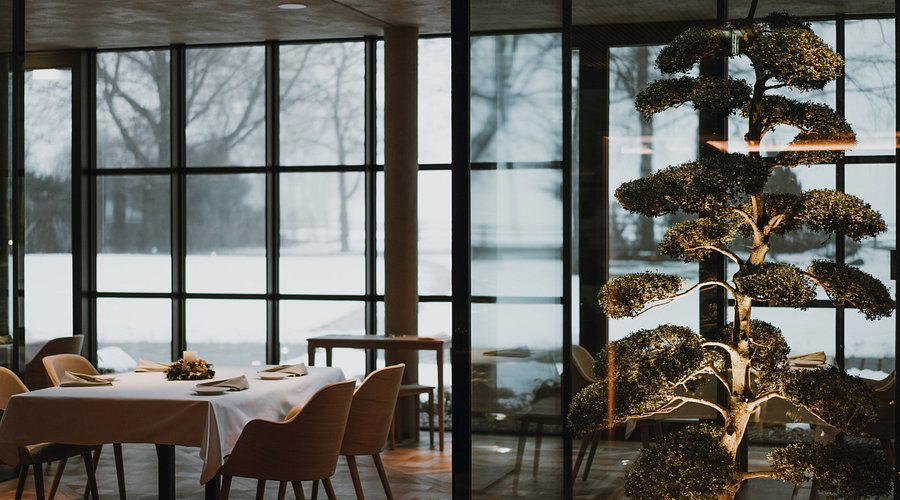
Sigwart's Tiroler Weinstuben restaurant in Brixlegg, Austria
About

A Weinstube at the Edge of the Inn Valley

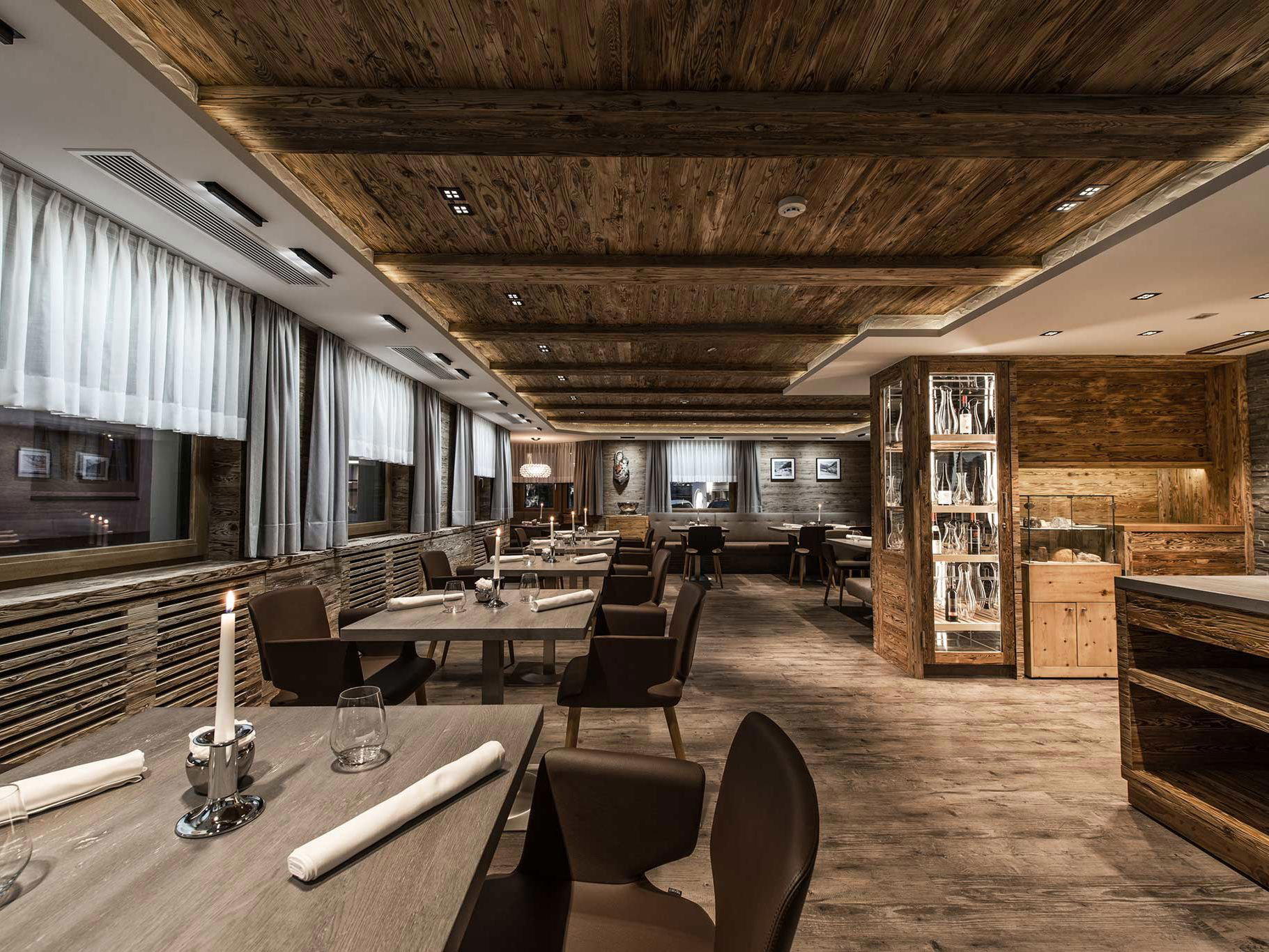
Brixlegg sits in the lower Inn Valley, roughly midway between Innsbruck and the Tyrolean border with Salzburg, a market town with a copper-smelting past and a modest main street that gives little warning of what awaits at Marktstraße 40. The format here is a Weinstube, a category that in the Alpine German-speaking world sits somewhere between a serious wine tavern and a proper restaurant, with wood-panelled walls, a focus on regional produce, and an assumption that the wine list will carry as much weight as the kitchen. That framing matters when reading the 2024 Michelin star: this is not a modernist tasting-menu destination in the mould of Ikarus in Salzburg or the creative Austrian cooking at Steirereck im Stadtpark in Vienna. It is a room that looks and feels like a traditional Alpine inn and earns its star through classical discipline and sourcing rigour.

What Alpine Sourcing Actually Means in Tirol

The editorial angle most useful for understanding this kitchen is the one that runs through the leading of Austrian regional cooking: where the ingredients come from, and whether the kitchen has the relationships to obtain them at their peak. In Tirol, that means the Inn Valley's dairy farms, the butchers who work with mountain-grazed cattle, the market gardeners operating in the valley floor's relatively mild microclimate, and the alpine dairy cooperative structure that produces cheeses and cream at a quality level most urban kitchens have to import at considerable cost.

Classic cuisine in this register is not conservatism for its own sake. At restaurants like Obauer in Werfen or Döllerer in Golling an der Salzach, the classical European framework functions as a delivery mechanism for produce that would otherwise be overwhelmed by elaborate technique. A sauce built on regional veal stock, a preparation of Tyrolean mountain cheese, or a dessert using late-season alpine berries — these are not nostalgic gestures; they are the point. The Michelin inspectors who award a star to a Weinstube rather than a contemporary tasting room are signalling that execution and sourcing at the classical level deserve equal recognition.

For the broader region, Sigwart's sits in a category that has become less common over the past two decades. Tyrolean fine dining has largely followed the European trend toward the modern tasting menu format, as seen at Gourmetrestaurant Tannenhof in Sankt Anton am Arlberg or Griggeler Stuba in Lech. The persistence of the classical Weinstube format at Michelin level is not an accident of geography; it reflects a deliberate positioning.

Positioning Within the Austrian Fine Dining Tier

The €€€ price range at Sigwart's places it a full bracket below the €€€€ kitchens that dominate the Michelin-starred layer of Austrian gastronomy. Obauer, Döllerer, and Steirereck all operate at the higher tier. That gap is meaningful for the traveller trying to calibrate an itinerary: a meal here costs substantially less than at the peer set of starred Austrian addresses, while the Michelin credential establishes a quality floor that the 4.6 rating across 174 Google reviews supports from a consistency standpoint.

The comparison with Schwarzer Adler in Hall in Tirol, a short drive west along the Inn Valley, is instructive. Both operate in historic Tyrolean settings with a classical orientation. That geographic cluster of serious cooking in the Inn Valley, extending through to Restaurant 141 by Joachim Jaud in Mieming, suggests the region supports a dining culture that extends well beyond its ski-season reputation.

For travellers who want a point of reference outside Austria, the classic cuisine format at this level has analogues in France. Maison Rostang in Paris operates in a similar classical register at the starred level. Equally, KOMU in Munich represents the classic cuisine approach in the nearest major German-speaking city. What distinguishes the Tyrolean version is the directness of the Alpine supply chain: the ingredients do not travel far before they reach the kitchen.

The Weinstube Atmosphere

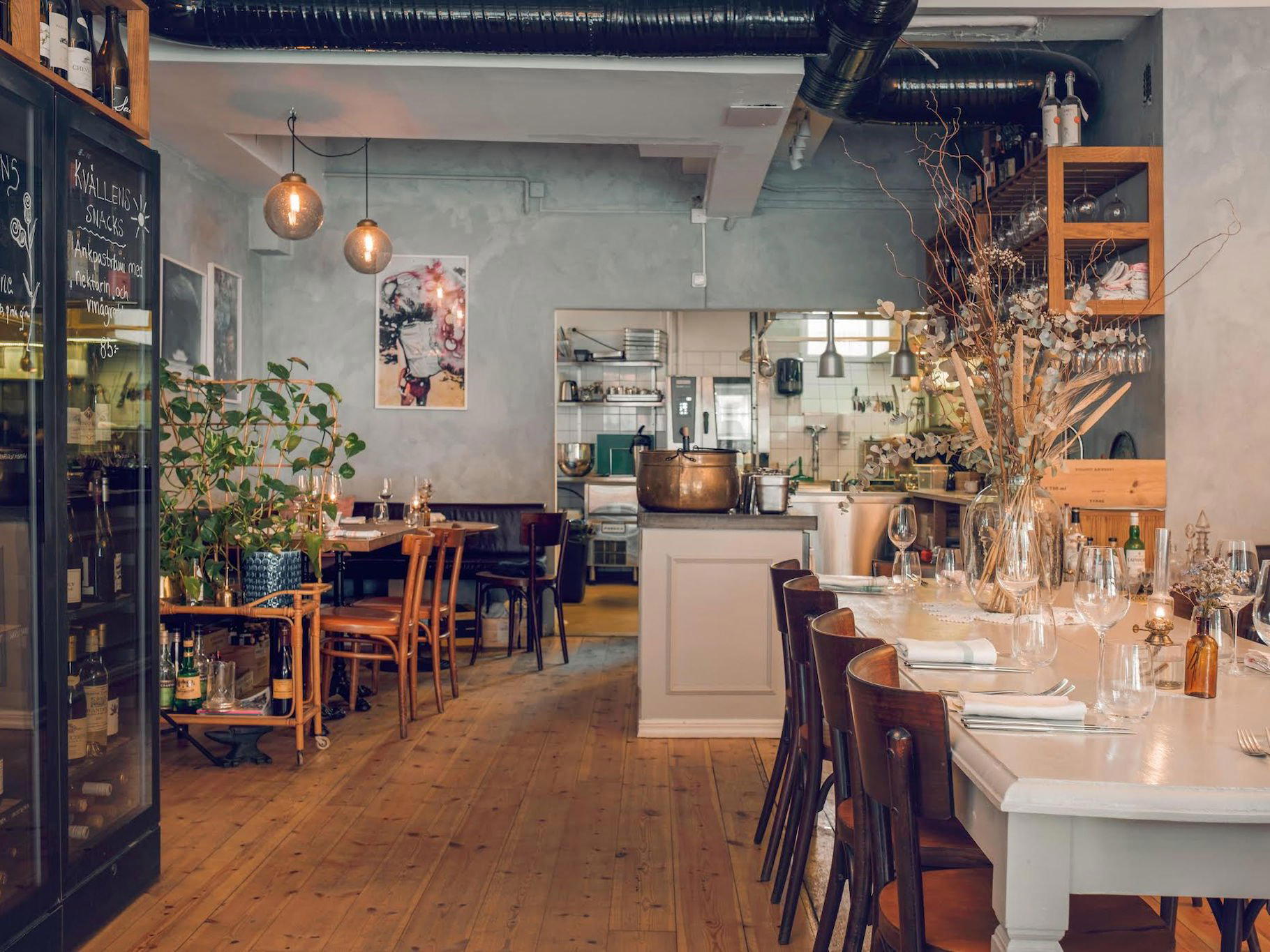
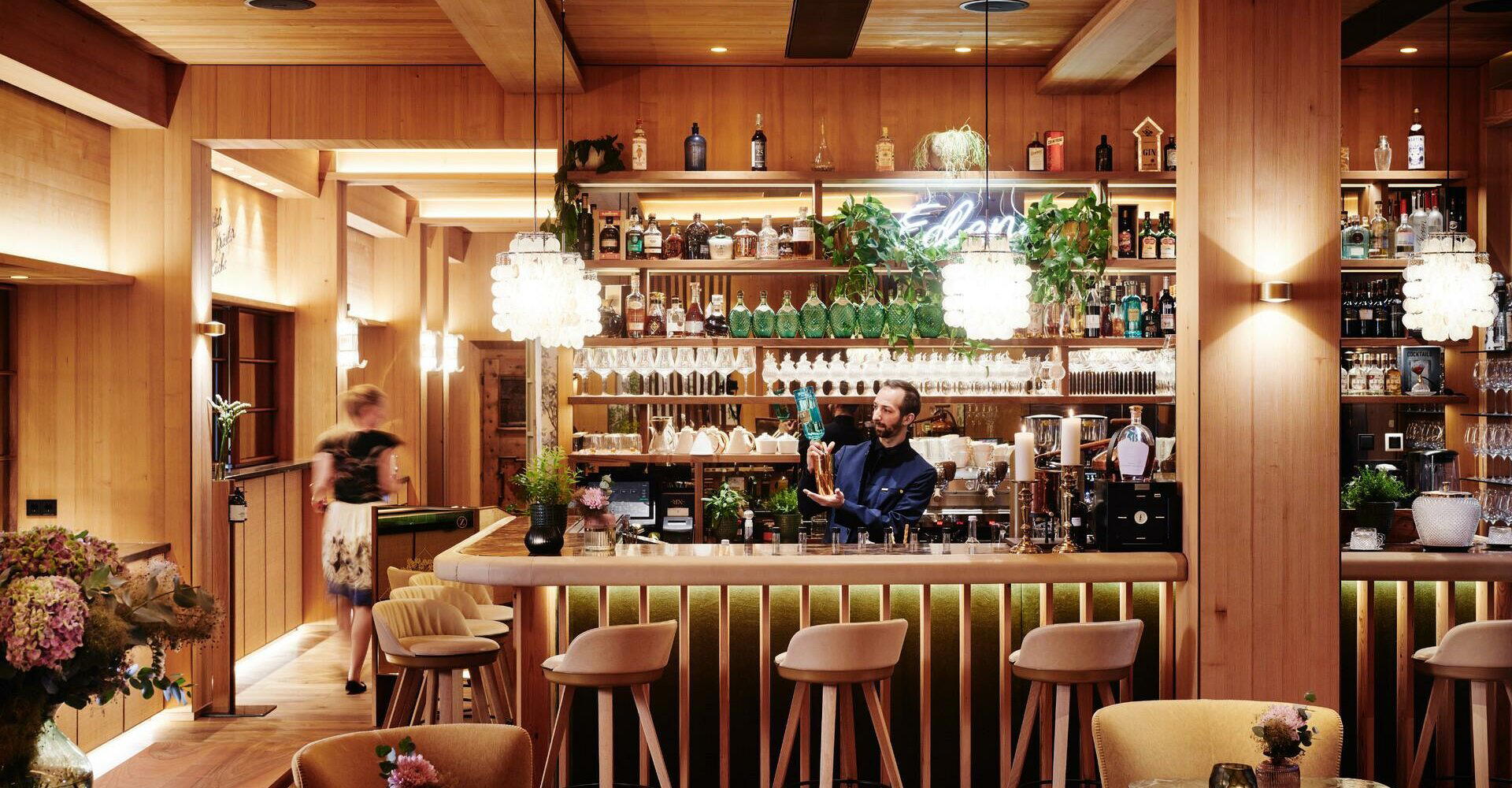
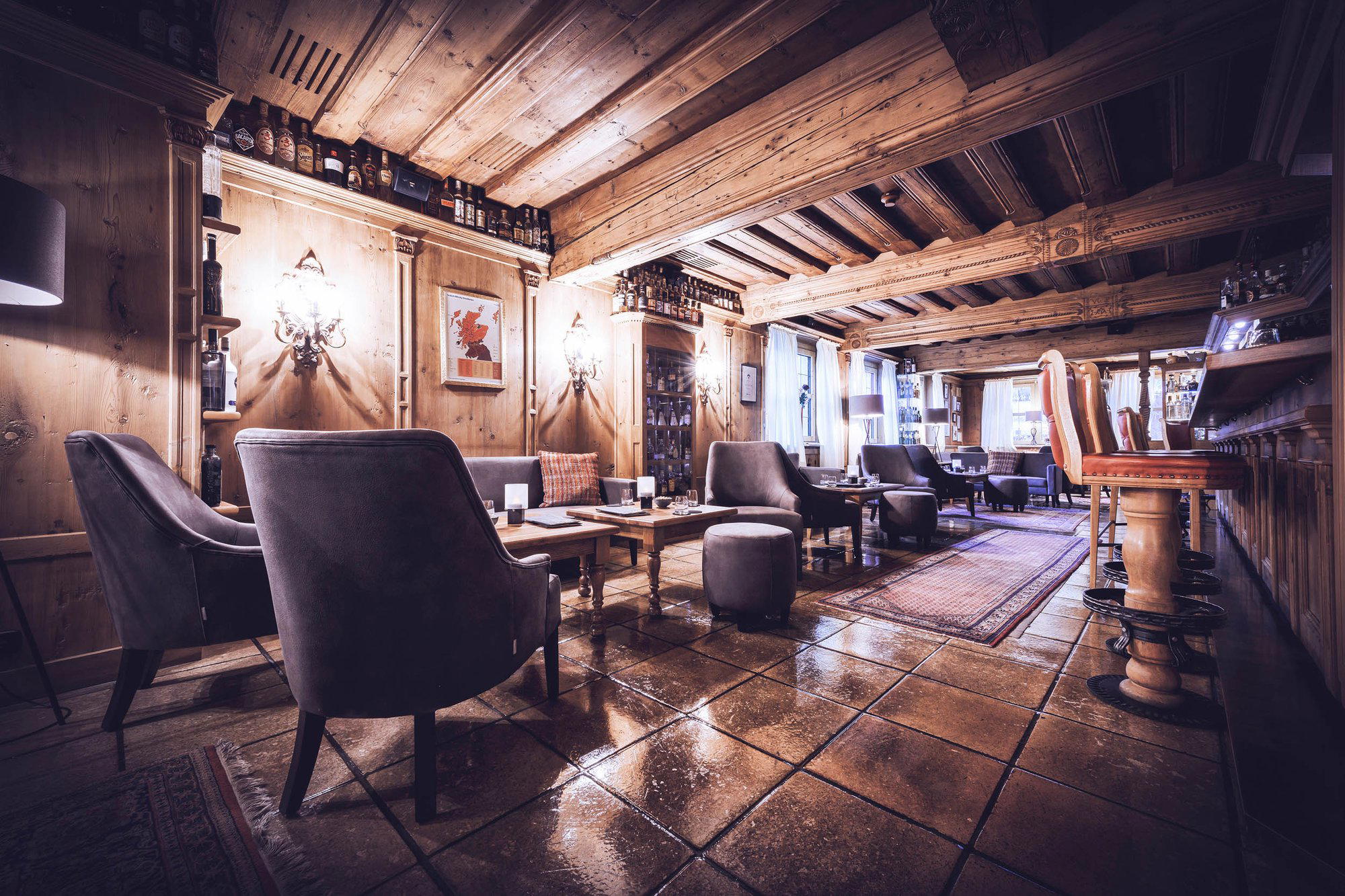
The Weinstube as a format sets specific expectations: warmth over formality, wood and ceramic over linen minimalism, a wine list that is expected to perform rather than merely accompany. In the Austrian Alpine context, this often means a selection weighted toward Austrian producers, with Tyrolean and Styrian bottles alongside the Wachau and Burgenland wines that Austrian restaurants of any ambition tend to carry. The room at Marktstraße 40 is a market-town address, not a resort annexe, which gives the experience a different texture than the ski-destination kitchens further west along the Tyrolean corridor. The clientele is more likely to be local or regional than international, which shapes both the pace of service and the way the menu positions itself.

For those considering where Sigwart's sits within a broader Tyrolean visit, the full Brixlegg restaurants guide covers the town's dining in greater depth. The Inn Valley's growing recognition as a serious dining region — separate from its alpine leisure identity , is also worth tracking through resources covering hotels in Brixlegg, bars in Brixlegg, wineries near Brixlegg, and experiences in and around the town.

Planning a Visit

Brixlegg is reachable by train from Innsbruck in under an hour, and from Salzburg in approximately two hours, placing it within range as either a standalone destination or a stop within a broader Tyrolean itinerary. The €€€ price point and the Weinstube format suggest a dinner-primary visit, though the absence of confirmed hours in the public record makes direct contact with the restaurant advisable before travelling. Reservations at a Michelin-starred address in a small market town are not a formality: the dining room will not be large, and a star brings out-of-region visitors who compete for the same tables. Book ahead, confirm current opening days, and consider that this is the kind of address where a mid-week visit typically offers more attentive pacing than a Friday or Saturday evening.

For the wider Austrian starred circuit, comparisons with Kräuterreich by Vitus Winkler in Sankt Veit im Pongau, Ois in Neufelden, and Stüva in Ischgl help calibrate what the different corners of the Austrian alpine dining scene are doing and at what price tier. Sigwart's occupies a specific corner of that map: classical, regional, accessible relative to its credential, and located in a town that most international visitors pass through rather than pause in. That combination is, in practice, what makes the case for stopping.

Frequently Asked Questions

Is Sigwart's Tiroler Weinstuben okay with children?

The Weinstube format in Austria generally accommodates families more readily than a formal tasting-menu restaurant would. That said, Sigwart's holds a Michelin star and operates at the €€€ price tier, which implies a dining room where extended tasting menus or multi-course meals are the norm. Children who are comfortable with a slower, more formal pace of service are likely to be fine; toddlers or very young children would make the experience difficult for neighbouring tables in what is almost certainly a compact room. If you are travelling with children, contact the restaurant directly to confirm format and suitability before booking.

What should I expect atmosphere-wise at Sigwart's Tiroler Weinstuben?

The Weinstube format signals warmth and regionalism rather than the cool minimalism associated with some contemporary starred kitchens. In a market town like Brixlegg, away from the resort circuit, the room will almost certainly feel more local than destination-oriented. Given the €€€ price point and the 2024 Michelin star, expect a service register that is attentive without being theatrical. The physical environment in a traditional Tyrolean Weinstube tends toward wood panelling, ceramic ware, and a wine-focused atmosphere , a setting that rewards the classic cuisine on the plate.

What's the leading thing to order at Sigwart's Tiroler Weinstuben?

No specific dishes are confirmed in the public record, so recommending a named plate would be speculation. What the Michelin classification as classic cuisine does tell you is where to direct your attention: preparations built on Alpine produce, regional proteins, and classical technique rather than avant-garde flourishes. In a Tyrolean kitchen at this level, dishes drawing on local dairy, mountain-grazed meat, and seasonal valley vegetables tend to represent the kitchen's strongest ground. Order according to what reads as most regional on the menu that evening; that is where classic cuisine awards are typically earned.

Collector Access

Need a table?

Our members enjoy priority alerts and concierge-led booking support for the world's most difficult tables.

Access the Concierge