Hearth
On 17th Street in the Castro, Hearth occupies the quieter register of San Francisco neighbourhood dining, a contrast to the tasting-menu formalism that defines much of the city's fine-dining conversation. The address has evolved alongside the Castro's own shifting character, making it a useful lens for understanding how the city's mid-register restaurant culture reinvents itself outside the Michelin spotlight.
- Address
- 3985 17th St, San Francisco, CA 94114
- Phone
- +1 415 800 6765
- Website
- hearthsf.com
- Directions
- Get directions
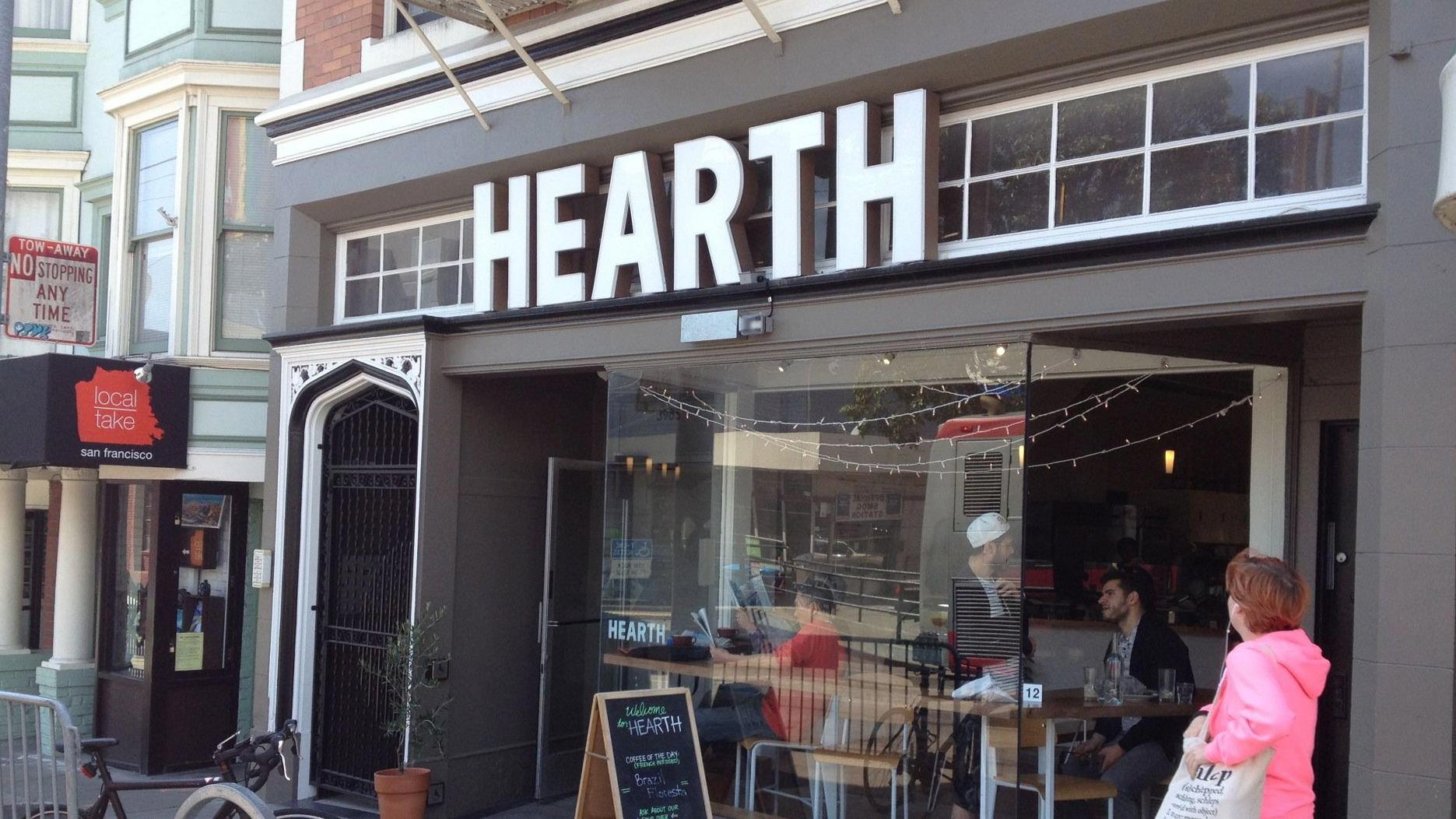
A Street-Level View of San Francisco Dining
The Castro has never been San Francisco's most obvious address for serious food. That designation has drifted between SoMa, the Financial District, and the Ferry Building corridor, where the city's most decorated tables, Lazy Bear, Atelier Crenn, and Benu, have anchored San Francisco's claim on the national fine-dining conversation. But the neighbourhood restaurants that fill in around those anchor points tell a different and more instructive story about how a city actually eats. Hearth, at 3985 17th Street, belongs to that second category: a local address in a residential neighbourhood, operating at a remove from the tasting-menu apparatus that has come to define San Francisco's premium tier.
San Francisco's mid-register dining has undergone a sustained recalibration over the past decade. The forces that reshaped the city, rising rents, pandemic-era closures, shifting demographics in neighbourhoods like the Castro, pushed many neighbourhood restaurants toward consolidation or reinvention. The ones that survived that pressure generally did so by becoming more specific about what they were, rather than less. Hearth on 17th Street sits inside that pattern.
The Castro Context
17th Street runs through one of San Francisco's most historically layered neighbourhoods, and the dining that lines it reflects that layering. The Castro's food scene has always mixed casual standby institutions with places that punch above their address in terms of ambition. The street itself is walkable, residential in character, and draws a local crowd that values return visits over destination dining. For a restaurant at this address, that dynamic shapes everything: the format, the pricing signals, the degree of formality, and the pace of change over time.
That neighbourhood dynamic also explains why the evolution of a place like Hearth is worth tracking. Restaurants in residential San Francisco neighbourhoods don't pivot in the same way a downtown flagship might. Change here tends to be incremental, a shift in sourcing emphasis, a menu narrowed or broadened, a price point adjusted to meet the room. Comparing that trajectory to the grander reinventions at places like Quince or Saison clarifies just how differently ambition expresses itself across San Francisco's restaurant tiers.
How the Category Has Shifted
The evolution of American neighbourhood dining over the past fifteen years has followed a recognisable arc. A first wave of farm-to-table enthusiasm gave restaurants like this one their original vocabulary, sourcing credentials, seasonal menus, a casual aesthetic layered over serious technique. A second wave, post-2015, saw that vocabulary become so widespread as to lose its distinction. The restaurants that retained relevance through that flattening were the ones that found a more specific identity: a tighter format, a more defined cuisine point of view, or a depth of wine programming that gave regulars a reason to return beyond the menu itself.
Across the country, this pattern recurred in cities with strong neighbourhood restaurant cultures. Smyth in Chicago navigated a version of it by pressing further into tasting-menu territory. Blue Hill at Stone Barns in Tarrytown leaned deeper into the farm relationship as its differentiator. Frasca Food and Wine in Boulder built its durability on a specific regional cuisine and a wine program with genuine depth. The lesson across those examples is consistent: specificity outlasts ambiguity in a market that rewards commitment.
San Francisco's own neighbourhood tier has seen the same sorting. The Castro addresses that have persisted are the ones that made a clearer bet on what they were. For Hearth at 17th Street, the question of what that bet looks like in practice is the more interesting one to sit with.
Positioning Against San Francisco's Premium Set
Understanding Hearth requires placing it accurately in San Francisco's restaurant hierarchy. The city's top tier, the quartet of Lazy Bear, Atelier Crenn, Benu, and Quince, operates at the $$$$ tier with advance booking windows measured in weeks or months. Saison occupies a similar register, with wood-fire technique and hyper-local sourcing as its defining commitments. Against that backdrop, a 17th Street address in the Castro signals a different proposition: lower formality, neighbourhood regulars over destination visitors, and a format built around accessibility rather than occasion dining.
That positioning is not a lesser one. Particularly consistent cooking in any city happens at addresses that don't carry the overhead burden of a Michelin-targeting operation. The trade-off is visibility: neighbourhood restaurants rarely generate the critical momentum that propels a place onto lists alongside Providence in Los Angeles, Addison in San Diego, or The French Laundry in Napa. They earn their reputation through repetition and word of mouth rather than event-driven coverage.
The Broader American Hearth Tradition
The name itself carries a set of associations worth taking seriously. Across American restaurant culture, the hearth, the wood fire, the open flame, the radiating heat of a central cooking source, has served as both a literal technique and a rhetorical stance. It implies warmth, directness, and a rejection of the technicist refinement associated with the French tradition. Restaurants from Le Bernardin in New York to The Inn at Little Washington define the classical pole of that spectrum. The hearth-driven end defines a different set of values: rusticity as a positive choice, smoke and char as primary flavour tools, and an aesthetic that reads as unpretentious even when the technique underneath is anything but.
That tradition has counterparts internationally. Atelier Moessmer Norbert Niederkofler in Brunico built its reputation on Alpine produce and fire-forward cooking that rejects metropolitan finesse in favour of regional specificity. Closer to home, Single Thread Farm in Healdsburg integrates the farm relationship so completely that the hearth becomes one node in a larger sourcing argument. The question for any San Francisco restaurant invoking that tradition is what specific position it occupies within it, and whether the Castro address and neighbourhood-dining format sharpen or blur that identity over time.
Planning a Visit
Hearth is at 3985 17th Street in the Castro, a neighbourhood accessible by Muni metro (Castro Station on the K, L, and M lines) and a reasonable walk from the 16th Street BART station. The address is residential, with street parking available at standard San Francisco difficulty levels. Comparable neighbourhood-anchored programmes at Emeril's in New Orleans and Atomix in New York offer a useful reference frame for what sustained neighbourhood dining ambition looks like when it finds its lane and commits.
At a Glance
Comparable venues nearby, for context on price, style, and recognition.
| Venue | Cuisine | Price | Notes |
|---|---|---|---|
| HearthThis venue — the venue you are viewing | Not listed | $$ | Not listed |
| Max's Opera Cafe | Western Addition, Classic American Diner | $$ | Not listed |
| Precita Park Cafe & Grill | Bernal Heights, American Cafe & Grill | $$ | Not listed |
| Firefly | Not listed | $$ | Noe Valley, Seasonal American Comfort Cuisine |
| Mission Cheese | Mission, American Cheese Bar | $$ | Not listed |
| Hamburguesa Bar | Not listed | $$ | Financial District/South Beach, Smashburgers |
Continue exploring
More in San Francisco
Restaurants in San Francisco
Browse all →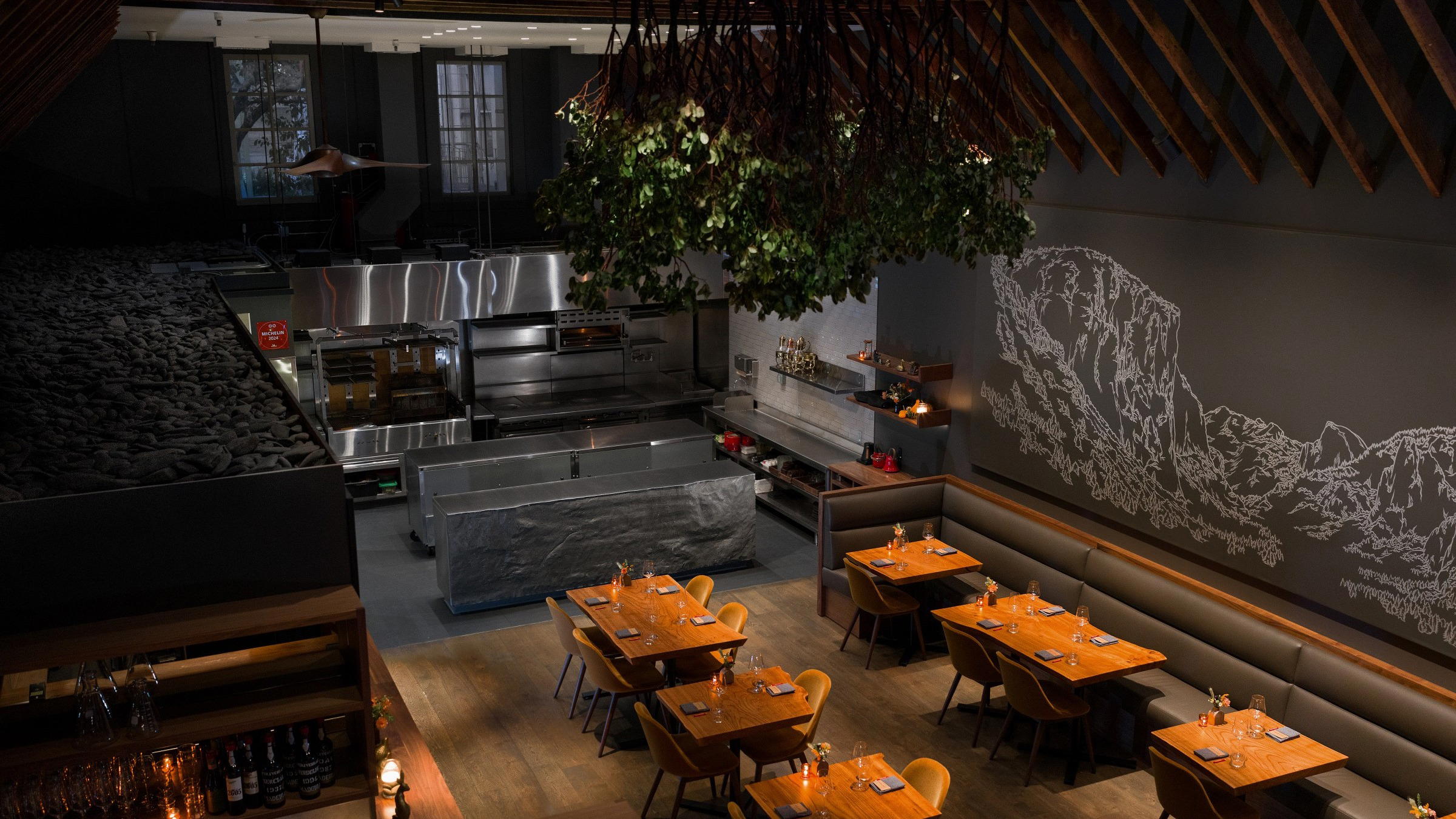
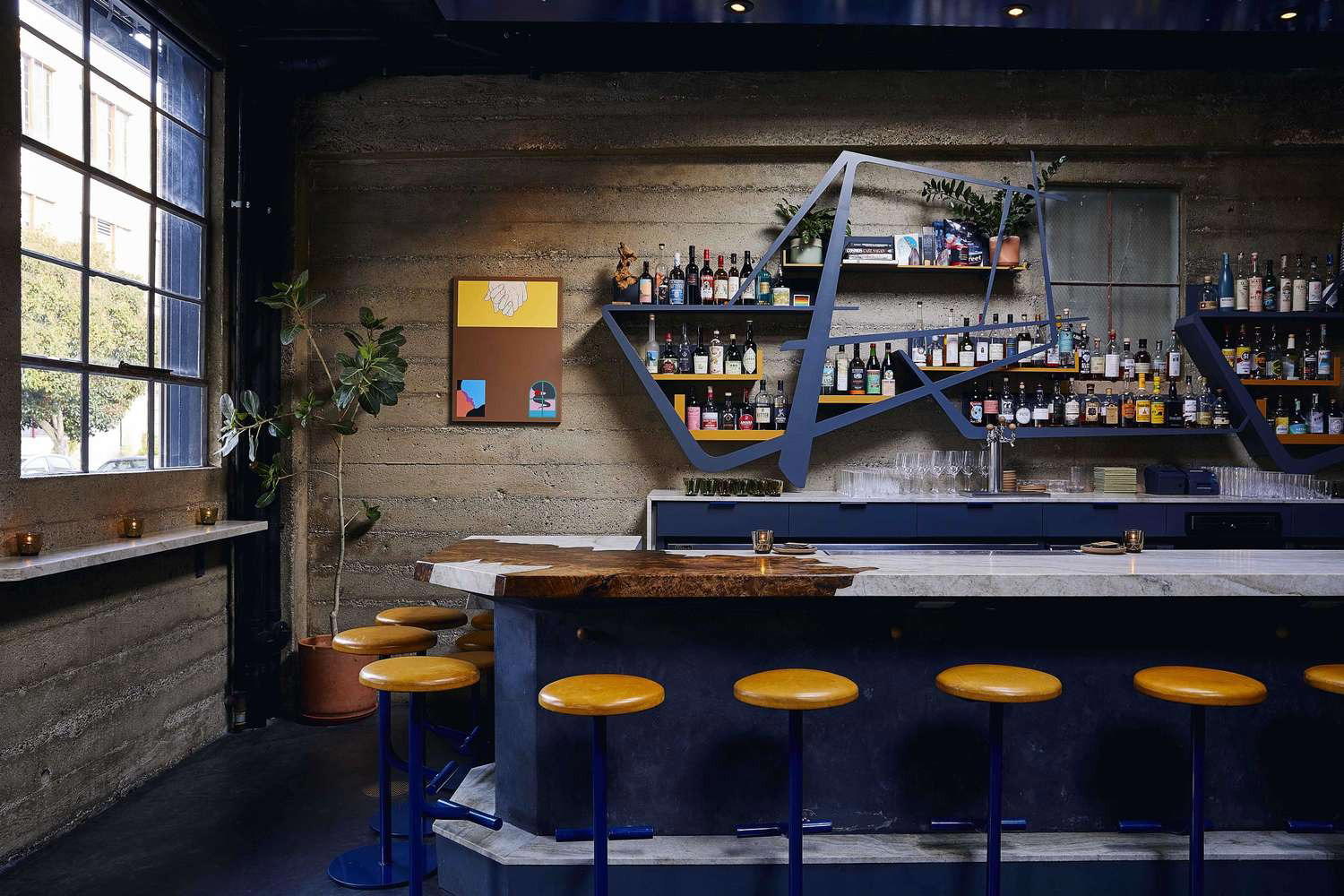
Bars in San Francisco
Browse all →
Hotels in San Francisco
Browse all →
At a Glance
- Cozy
- Warm
- Lively
- Casual Hangout
- Special Occasion
- Open Kitchen
- Craft Cocktails
- Local Sourcing
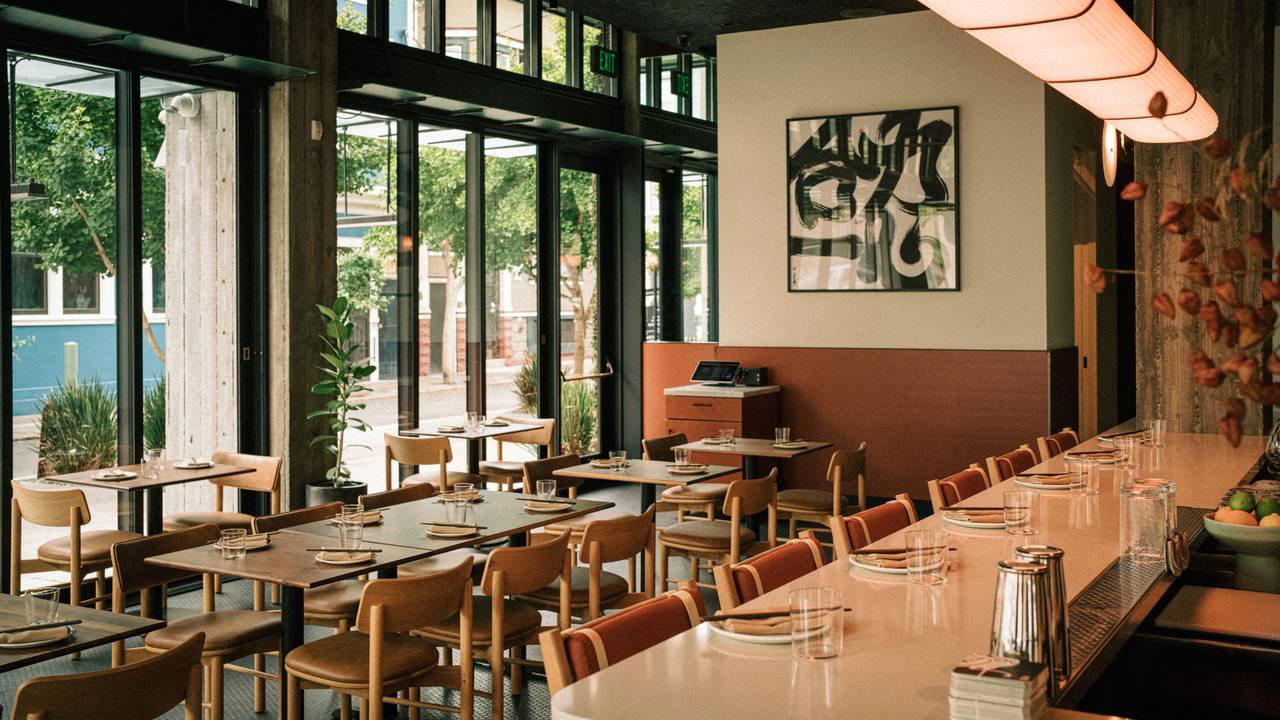
Warm and inviting with a convivial, home-like feel.