Mission Cheese
On Valencia Street in San Francisco's Mission District, Mission Cheese occupies a position that few American cheese counters do: a dedicated shop and bar format that treats artisan domestic producers with the same seriousness European fromageries reserve for AOC-certified wheels. It sits well outside the city's Michelin-tier dining circuit, operating instead as a specialist retail and hospitality hybrid where the sourcing argument does the editorial work.
- Address
- 736 Valencia St, San Francisco, CA 94110
- Phone
- +1 415 553 8667
- Directions
- Get directions
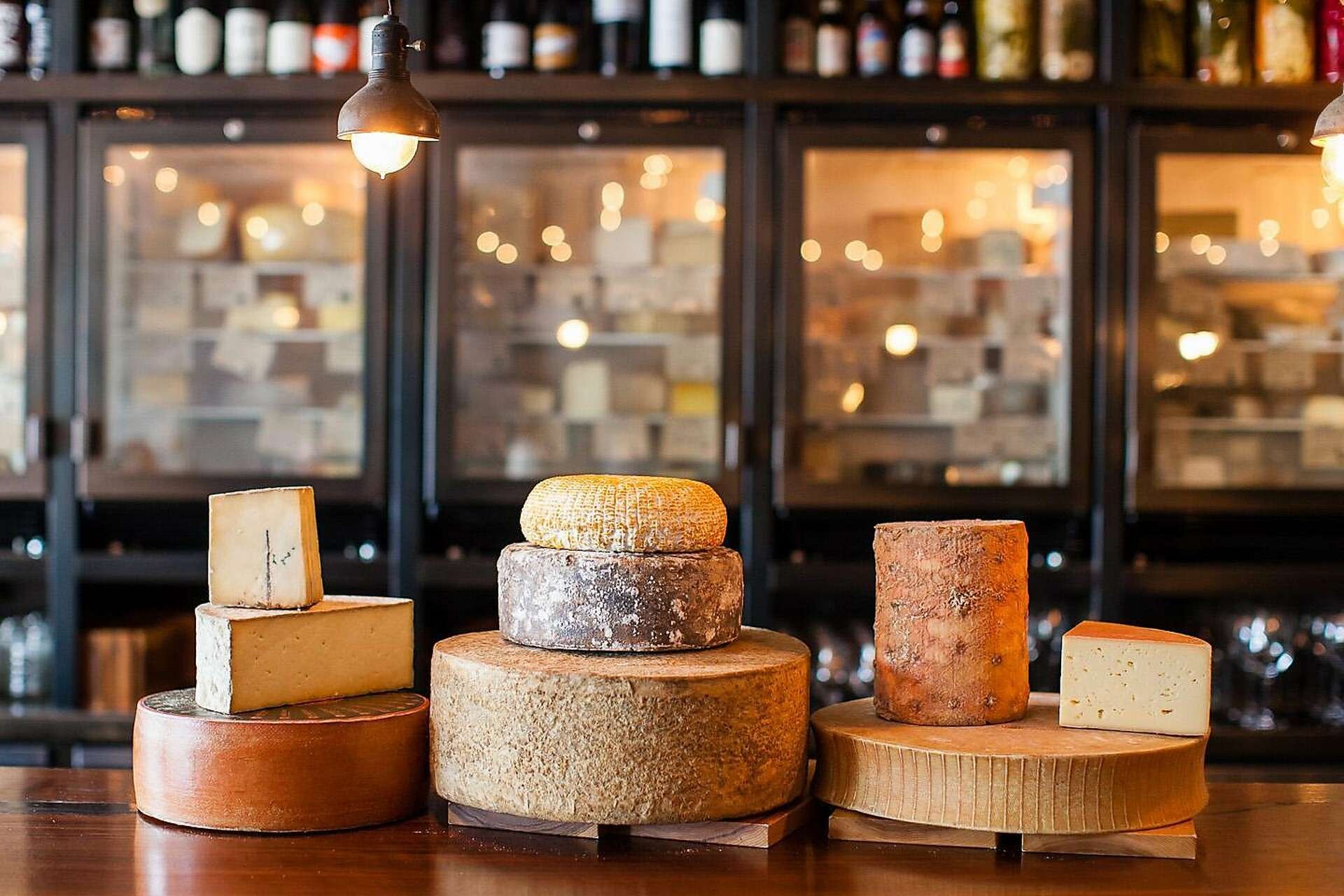
Valencia Street and the Case for Domestic Cheese
The Mission District's main commercial drag runs through one of San Francisco's most food-literate neighbourhoods, where the density of serious independent operators on a single street rivals most American cities' entire dining scenes. Within that context, Mission Cheese at 736 Valencia St addresses a gap that the city's fine-dining tier, counters like Lazy Bear, Atelier Crenn, and Benu, largely leaves unfilled. Those restaurants source cheese as one component among many. Mission Cheese organises its entire premise around it.
The format is part bottle shop, part cheese counter, part casual bar. That combination is common in France, Belgium, and parts of Northern Italy, where the fromagerie doubles as an informal gathering place and the selection is weighted toward the region's own producers. In the United States, that model has been slower to take hold. Where it has appeared, it tends to concentrate in cities with strong farmers' market cultures and a producer base close enough to supply consistently, San Francisco qualifies on both counts.
Where the Cheese Comes From
Sourcing argument at Mission Cheese runs along a specific axis: American artisan production, with a pronounced emphasis on California and the broader West Coast supply chain. This positioning is deliberate rather than parochial. California's dairy geography, from the coastal Sonoma and Marin counties through the Central Valley, produces a range of milk types, fat profiles, and aging conditions that support genuine stylistic variety. A shop committed to domestic sourcing in this city has raw material advantages that a comparable operation in, say, a landlocked Midwestern market would not.
American artisan cheese movement has matured considerably since the early 2000s, when a handful of producers were doing serious work against a backdrop of industrial commodity output. Today, the comparable set includes operations whose wheels compete credibly against imported benchmarks. The sourcing posture the restaurant takes reflects that maturation: it is not a novelty argument or a locavore gesture but a claim that domestic production at the artisan tier has reached a point where a specialist programme built entirely around it is editorially defensible. For comparison, restaurant programmes at properties like Single Thread Farm in Healdsburg and Saison apply similar sourcing logic to their broader menus, the restaurant applies it exclusively to one category.
That exclusivity sharpens the curation. A shop that carries everything from everywhere must spread its buying relationships thin. A shop that focuses on domestic artisan production can go deeper with individual creameries, track seasonal milk variation, and rotate stock in response to aging conditions rather than import logistics. The result is a selection shaped by focused buying relationships and seasonal rotation.
The Bar Format and What It Does for the Argument
Cheese bars operate on a different logic than retail shops. The sit-down format creates space for pairing, for guided selection, and for the kind of incremental discovery that sends customers home with producers they would not have found by scanning a retail display alone. In American cities that have developed serious cheese bar cultures, New York being the obvious parallel, the format has proven durable because it converts passive retail browsers into educated repeat customers.
San Francisco's dining scene has many operations working the farmer-to-table sourcing story across full menus. Quince applies it to Italian-inflected contemporary cooking; Blue Hill at Stone Barns, though in New York's Tarrytown, set the national template for farm-driven sourcing narratives in fine dining. The restaurant applies the same underlying logic at a lower price point and narrower category focus, which makes the sourcing argument easier to follow and easier to act on. You are tasting one category of product across multiple producers, milk types, and aging regimes, a more controlled comparison than a full tasting menu allows.
The beer and wine programme that typically accompanies cheese bar formats in this tier functions as support rather than destination. The pairings at operations like this are designed to illuminate the cheese, not compete with it, a reversal of the usual priority in a wine-forward restaurant like Frasca Food and Wine in Boulder or Le Bernardin in New York, where the food-beverage relationship runs in the other direction.
Where Mission Cheese Sits in the City's Broader Dining Map
San Francisco's high-end dining tier operates at a price point and formality level that positions it alongside operations like The French Laundry in Napa, Providence in Los Angeles, and Addison in San Diego. The restaurant does not compete in that tier. It serves a different function in the city's food ecology: accessible specialist retail and casual hospitality that deepens a visitor's or resident's engagement with a specific category of American food production.
That function is not minor. Cities with mature food cultures tend to support multiple tiers of specialist operation, the destination fine-dining room, the neighbourhood bistro, the specialist producer-retailer. The third category is often the least visible to outside visitors, who default to Michelin-listed properties, but it is frequently where one direct connection to regional production happens. Valencia Street's density of independent food businesses reflects that pattern at the neighbourhood scale.
A stop at the restaurant offers a complementary angle: the sourcing story in retail form, at a pace that allows attention to each producer rather than the compressed discovery of a tasting course. Comparable operations exploring ingredient-first narratives in American dining include Emeril's in New Orleans and The Inn at Little Washington, though both operate in entirely different formats. At the research and discovery end, Atomix in New York represents what deep ingredient-sourcing commitment looks like at the tasting menu tier.
Before You Go
- Address: 736 Valencia St, San Francisco, CA 94110
- Neighbourhood: Mission District
- Format: Cheese bar and retail shop
- Focus: American artisan cheese, domestic sourcing
- Price tier: About $25 per person
Compact Comparison
Comparable venues nearby, for context on price, style, and recognition.
| Venue | Cuisine | Price | Notes |
|---|---|---|---|
| Mission CheeseThis venue — the venue you are viewing | Mission, American Cheese Bar | $$ | Not listed |
| First Crush Restaurant & Wine Bar | Not listed | $$ | Union Square, New American with California Wines |
| Palomino | Not listed | $$ | Rincon Hill, California-Style American with Italian Influences |
| Firefly | Not listed | $$ | Noe Valley, Seasonal American Comfort Cuisine |
| Early To Rise, Scratch Made Brunch | Not listed | $$ | Lone Mountain/USF, Scratch-Made Southern-Influenced Brunch |
| Wilder | Marina, American Comfort Food | $$ | Not listed |
Continue exploring
More in San Francisco
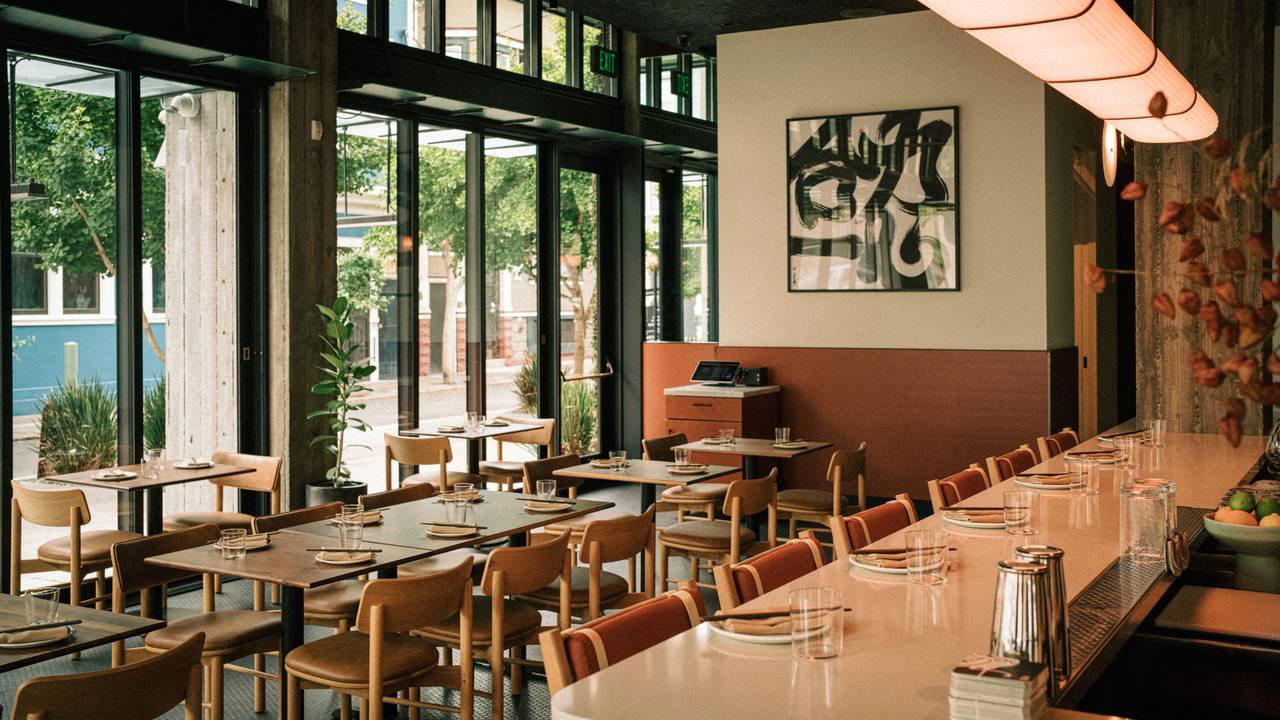
Restaurants in San Francisco
Browse all →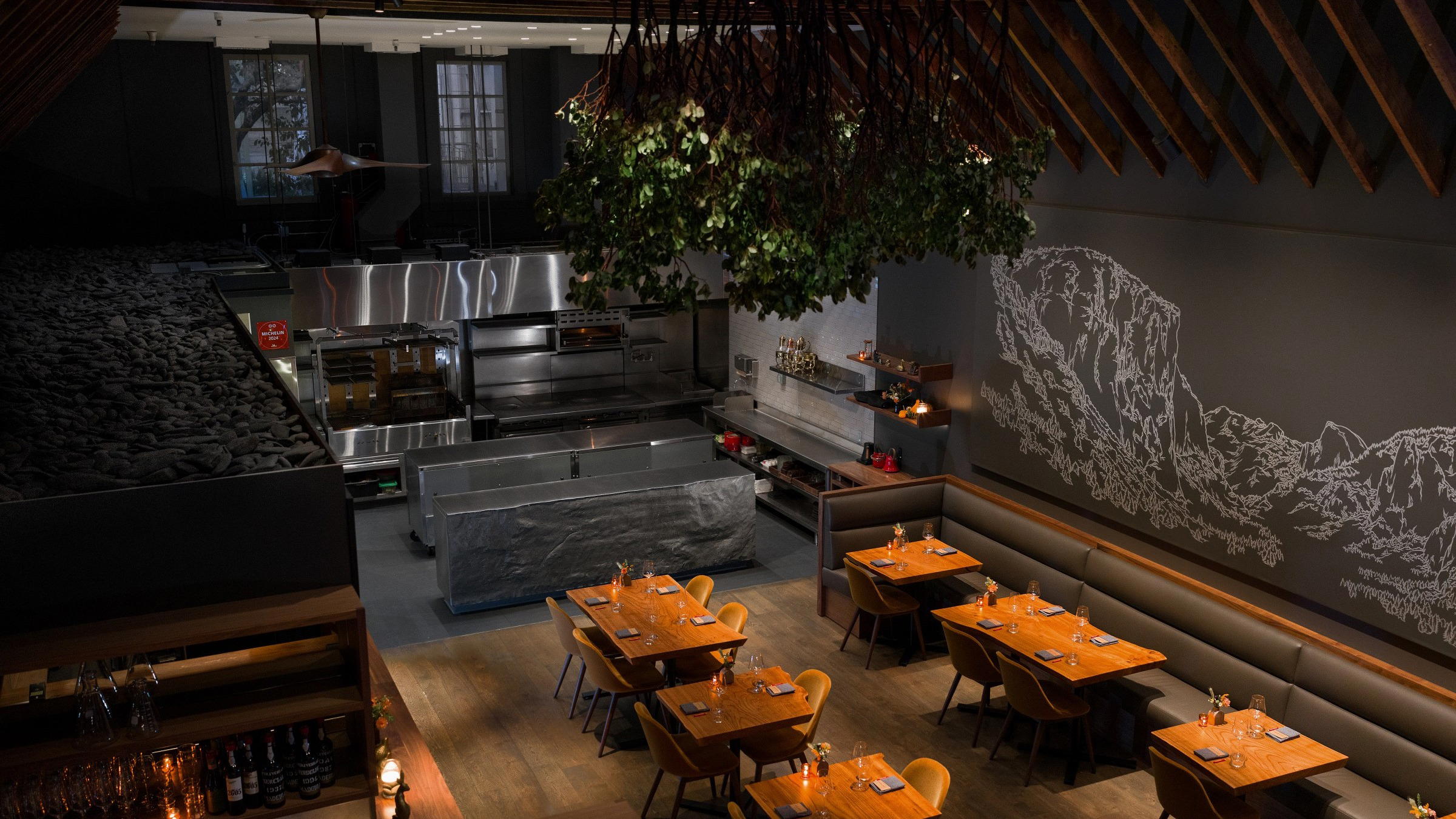
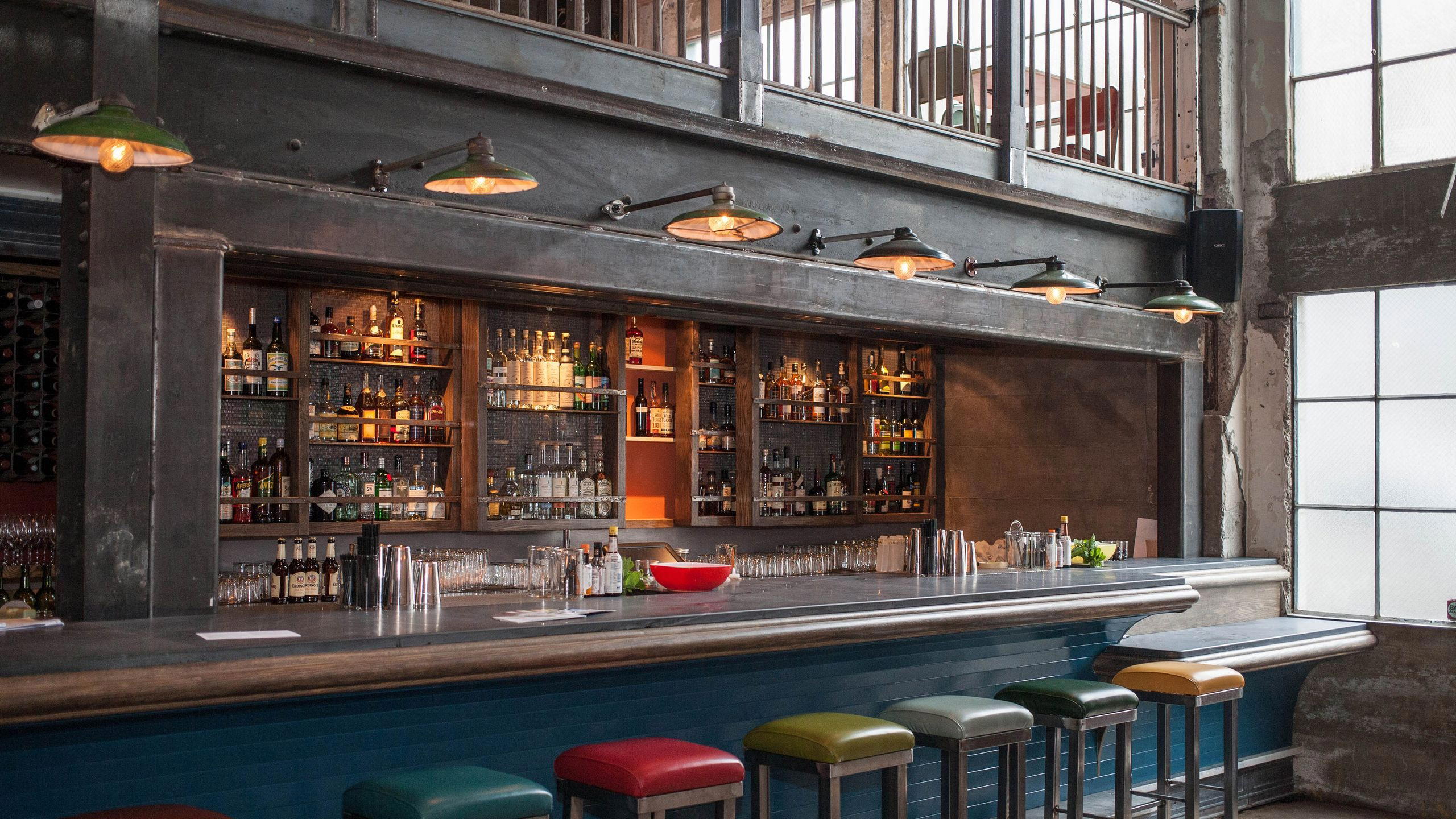
Bars in San Francisco
Browse all →
Hotels in San Francisco
Browse all →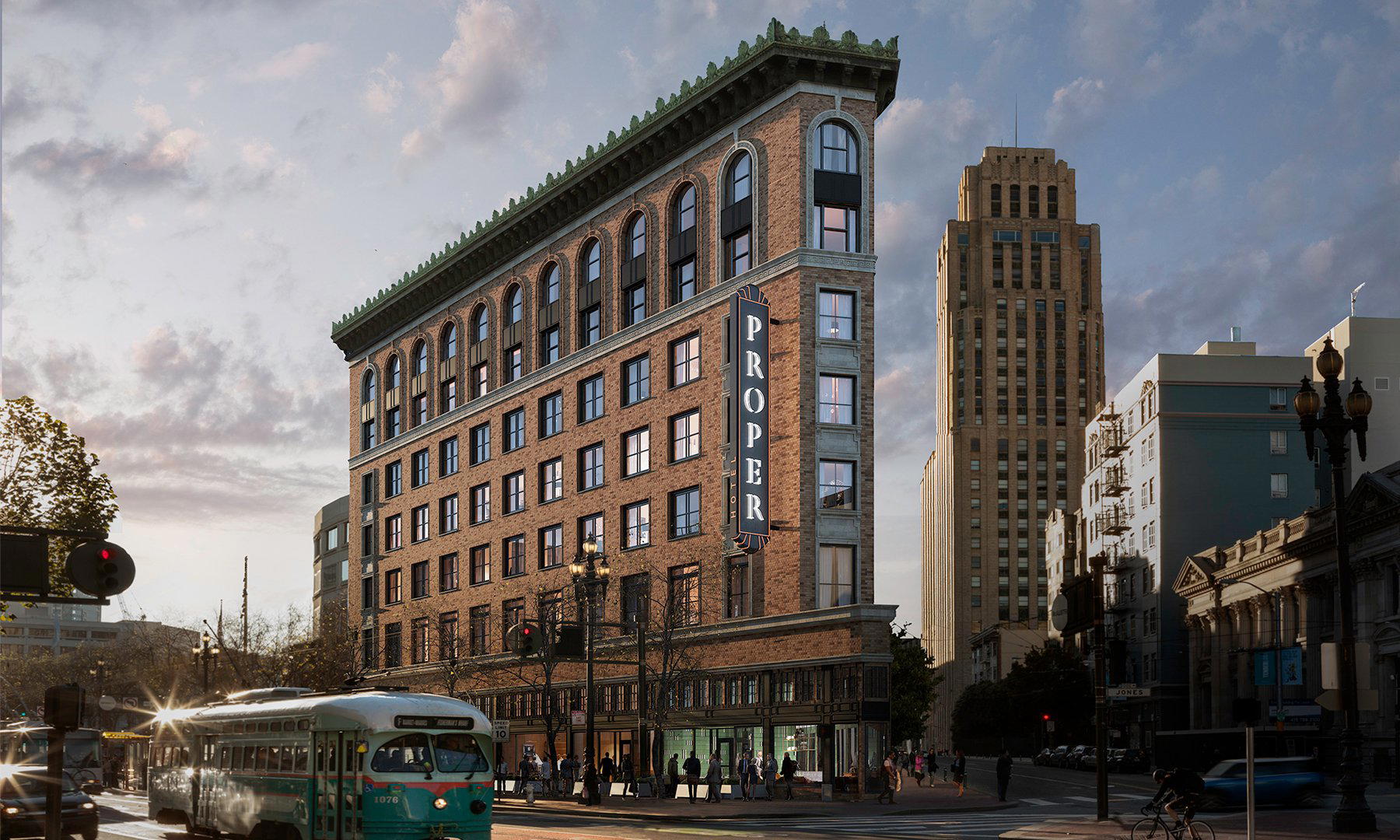
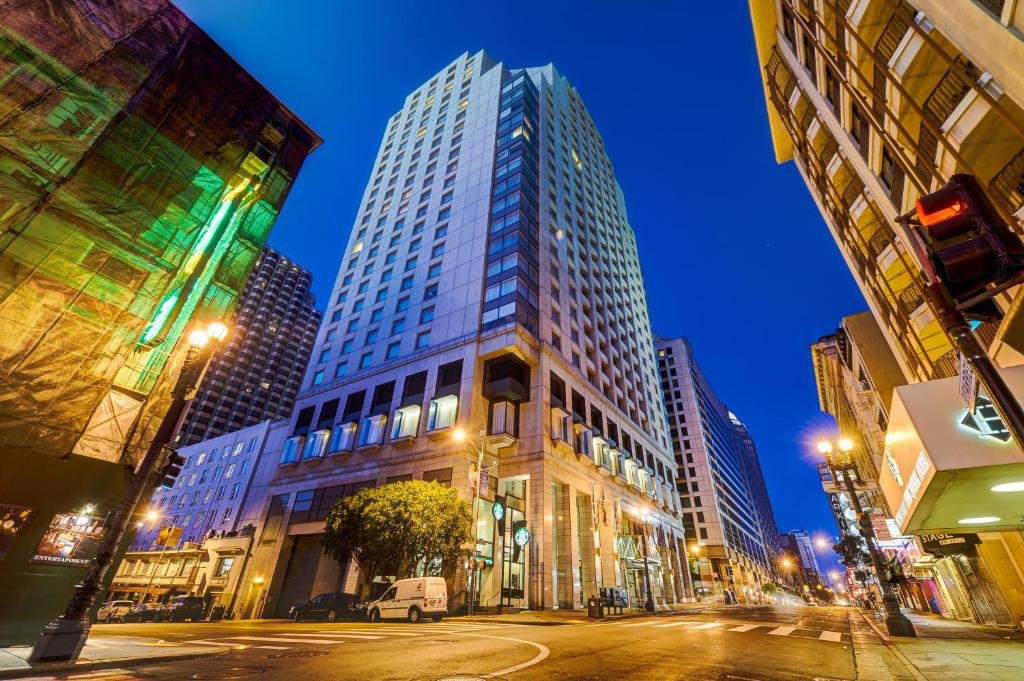
At a Glance
- Cozy
- Modern
- Industrial
- Casual Hangout
- Open Kitchen
- Natural Wine
- Local Sourcing
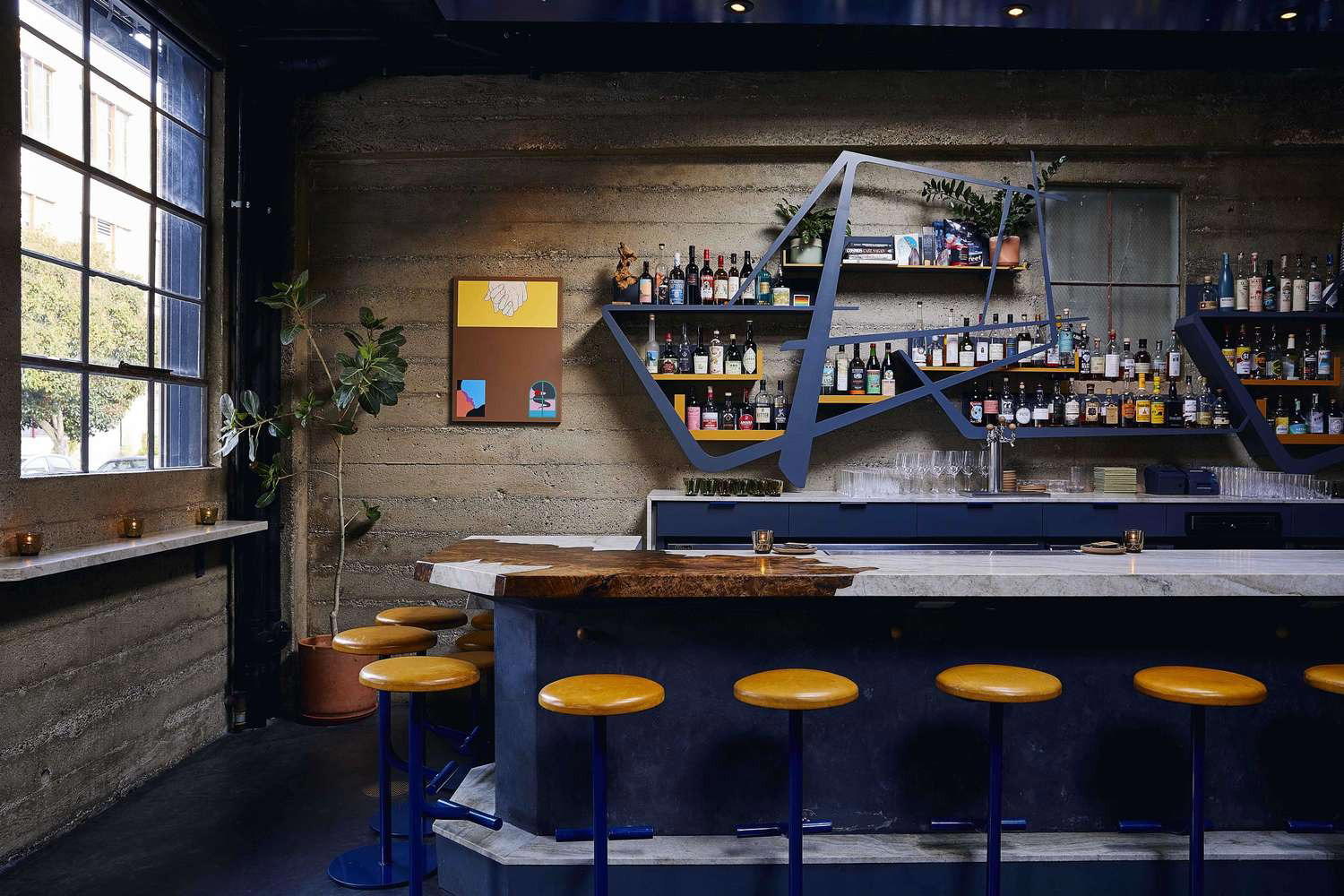
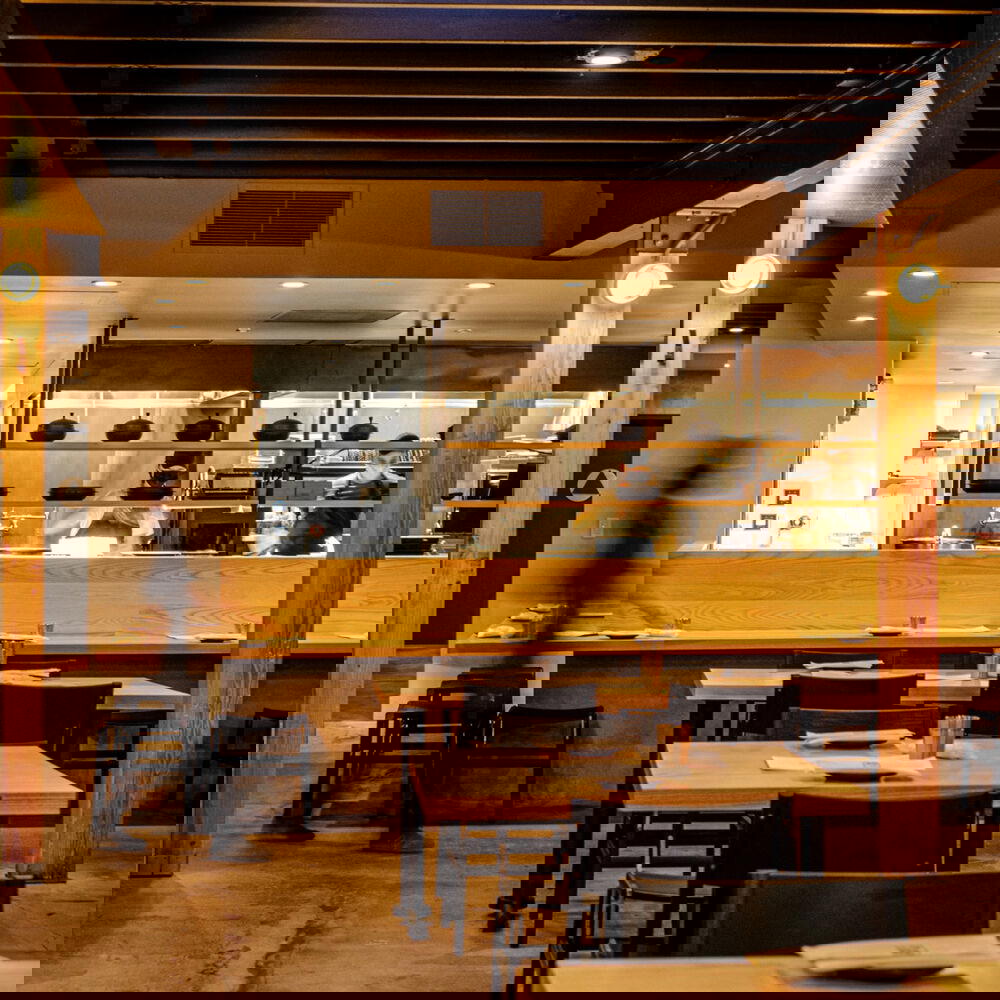
Stark cement walls and modern metal doors warmed by colorful flowers on austere tables, creating an industrial yet cozy atmosphere.