Fushimi Times Square
Our verdict
Fushimi Times Square sits at 311 W 43rd St in the heart of Midtown, where the density of international dining concepts is higher than almost anywhere else in the city. The address places it within walking distance of the Theater District's pre-show crowd and the broader Midtown West dining corridor, a zone that rewards restaurants capable of holding attention in one of New York's most competitive stretches.

Pearl is the En Primeur Club membership app, where members save venues, book tables and use the concierge.
The menu
What to order
- Chu-Toro Three Ways
- Signature special rolls
- Spicy tuna
Midtown West and the Pressure of a High-Traffic Address
The block of West 43rd Street between Eighth and Ninth Avenues sits inside one of the most demanding dining environments in New York. Midtown West runs on pre-theater traffic, tourist volume, and the occasional expense-account dinner, and restaurants here face a sorting mechanism that is less about culinary philosophy and more about execution under pressure. The venues that hold their ground in this corridor tend to be either category specialists with a clear identity or large-format operations built to absorb volume. Fushimi Times Square at 311 W 43rd St occupies that charged address, and the context matters before anything else does.
For reference, the premium end of Manhattan dining sits a few corridors away. Le Bernardin on West 51st has spent decades defining what French seafood technique looks like at its most exacting. Per Se at the Time Warner Center operates in a different register entirely, with Thomas Keller's tasting menu format commanding the upper price bracket.
The Intersection of Imported Technique and Local Appetite
New York's most interesting dining development over the past decade has not been the arrival of more starred French rooms. It has been the proliferation of restaurants that take non-Western culinary frameworks, apply precision technique drawn from global training pipelines, and then calibrate the result for a New York audience that has become increasingly fluent in those reference points. Atomix in NoMad represents the most decorated version of this pattern, with its modern Korean tasting format earning recognition that places it alongside the city's legacy fine-dining rooms. Masa in the Time Warner Center takes Japanese omakase tradition and prices it at the top of the New York market, a signal that non-French frameworks can anchor the city's most expensive dining tier.
This is the broader current that venues drawing on Japanese or pan-Asian culinary vocabulary operate within in New York. The question for any restaurant in this space is where technique meets product and how deliberately that intersection is managed. The restaurants that have earned the most sustained attention in this category tend to be those where the sourcing logic is as considered as the cooking method, where local or domestic ingredients are worked through methods developed elsewhere, producing something that neither tradition would have arrived at independently. Blue Hill at Stone Barns in Tarrytown has made this the explicit subject of its entire program, with the farm supplying the kitchen's raw material and the cooking serving as translation. Eleven Madison Park has made similar arguments about local sourcing within a French-influenced framework.
What the Times Square Corridor Demands
Restaurants in the immediate Times Square orbit operate under constraints that do not apply in the same way to venues in the West Village, NoMad, or the East 50s. The demographic mix is wider, the expectation of speed is higher, and the margin for the kind of deliberate pacing that fine-dining formats require is narrower. Concepts that succeed here generally either lean into the energy of the neighborhood, offering something that reads as an event in itself, or establish enough of a local repeat-customer base to insulate themselves from the tourist churn.
Across the United States, the restaurants that have found ways to hold both registers simultaneously tend to share certain characteristics. Lazy Bear in San Francisco built a ticketed dinner-party format that controls the room dynamic from the start. Smyth in Chicago operates a downstairs bar alongside its tasting menu room, giving the address two modes of engagement. Single Thread Farm in Healdsburg integrates an inn with its restaurant, locking in a captive audience. Each of these represents a structural solution to the problem of maintaining a coherent dining identity in an environment with competing pressures.
Placing Fushimi Times Square in the Broader American Scene
The American fine-dining and premium-casual landscape has developed a number of strong regional anchors that illuminate what sustained investment in technique and sourcing can produce. The French Laundry in Napa remains the reference point for the tasting-menu format on the West Coast. Providence in Los Angeles has built a durable case for California seafood within a fine-dining framework. Addison in San Diego operates at the luxury end of Southern California's dining tier. Emeril's in New Orleans and The Inn at Little Washington represent the kind of chef-anchored destination dining that has defined American fine dining's institutional tier for decades. In Colorado, Frasca Food and Wine in Boulder demonstrates how a narrow regional focus, in this case the Friulian wine and food tradition, can sustain a serious restaurant far from a major urban center.
Internationally, the conversation about local ingredients worked through imported technique has produced some of the most discussed restaurants of the past decade. Atelier Moessmer Norbert Niederkofler in Brunico has made Alpine product the organizing principle of a three-Michelin-star program. Dal Pescatore in Runate sustains a family-run Lombard kitchen at a level that has held Michelin recognition for decades. Both cases suggest that the most durable restaurants in this space are those with a clear and specific product identity, not just a technique.
Planning Your Visit
Frequently asked questions
How does Fushimi Times Square compare to other Japanese-influenced restaurants in Midtown Manhattan?
Midtown Manhattan's Japanese-influenced dining tier spans a wide range, from the omakase format at the top of the market, where venues like Masa set the price ceiling, to more accessible formats closer to the Times Square corridor. Fushimi Times Square at 311 W 43rd St occupies a Midtown West address that places it within reach of both the theater district audience and the broader Midtown business crowd.
Fast Comparison
Comparable venues nearby, for context on price, style, and recognition.
| Venue | Cuisine | Price | Awards | Notes |
|---|---|---|---|---|
| Fushimi Times SquareThis venue (the venue you are viewing) | Modern Japanese Fusion Sushi | $50–100 | Not listed | Not listed |
| Omakase Room by Mitsu | Traditional Edomae Omakase | $200–300 | Not listed | West Village |
| Sugiyama | Traditional Japanese Kaiseki | Not listed | Not listed | Midtown West |
| Kumiko Room | Modern Japanese Cocktail Bar & Omakase | $100–150 | Not listed | West Loop |
| Sushi Sho | Modern Japanese Omakase | $300–500 | 3 Michelin Stars · La Liste Top Restaurants | Midtown East |
| Rei Restaurant | Modern Japanese Kaiseki | $150–200 | Not listed | Greenwich Village |
Continue exploring
More in New York City
Restaurants in New York City
All restaurants in New York City →
Bars in New York City
All bars in New York City →
Details
- Trendy
- Lively
- Modern
- Sophisticated
- Elegant
- Date Night
- Business Dinner
- Celebration
- Late Night
- Open Kitchen
- Craft Cocktails
- Sake Program
- A La Carte
- Small Plates
- Sake Program
- Cocktails
- Vegetarian Friendly
- Vegan Options
- Gluten Free Options
Current opening hours
- Monday
- 11:30 AM–10:45 PM
- Tuesday
- 11:30 AM–10:45 PM
- Wednesday
- 11:30 AM–10:45 PM
- Thursday
- 11:30 AM–11:30 PM
- Friday
- 11:30 AM–11:30 PM
- Saturday
- 11:30 AM–11:30 PM
- Sunday
- 11:30 AM–10:45 PM
Hours can change for holidays and private events. Hours as of .
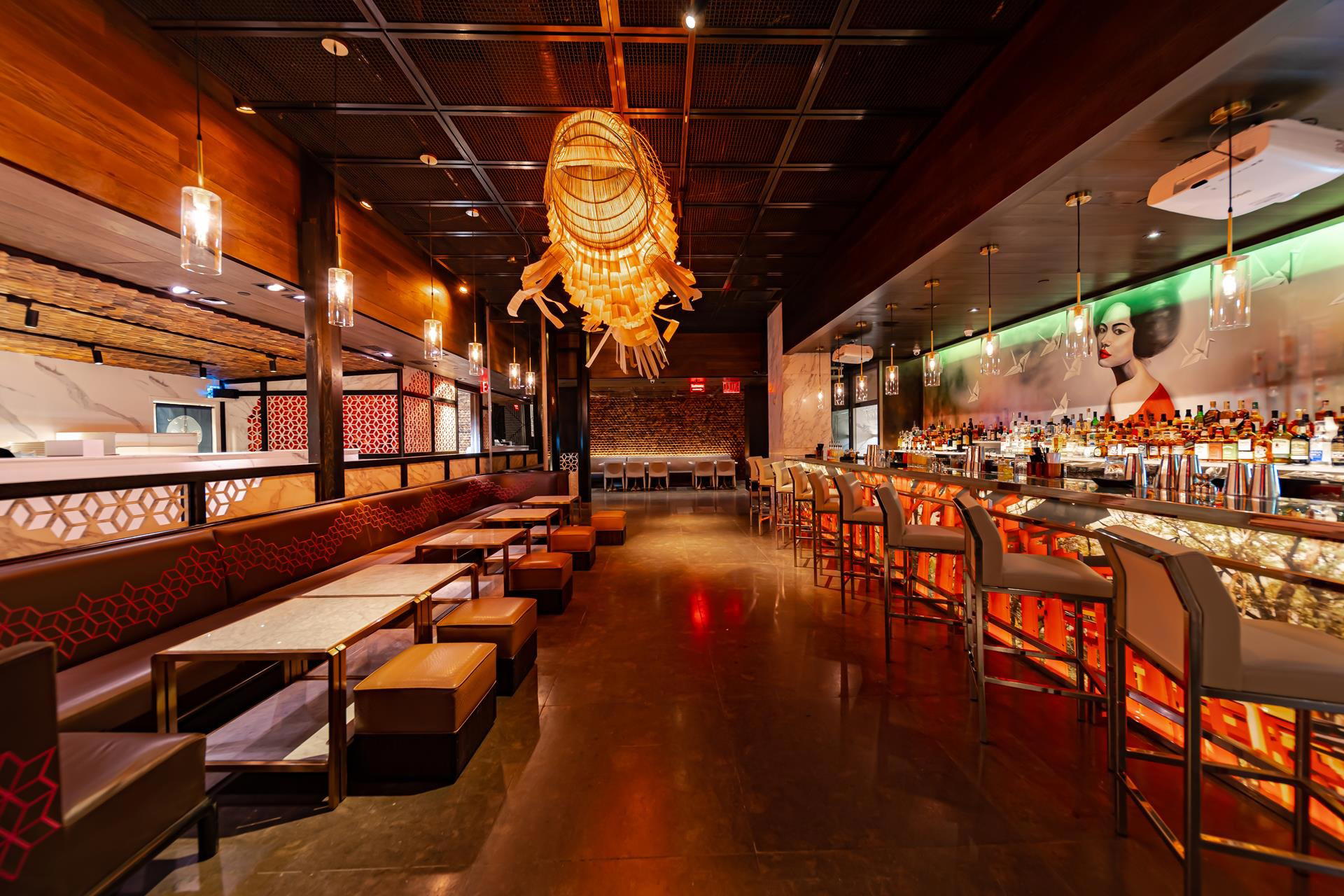
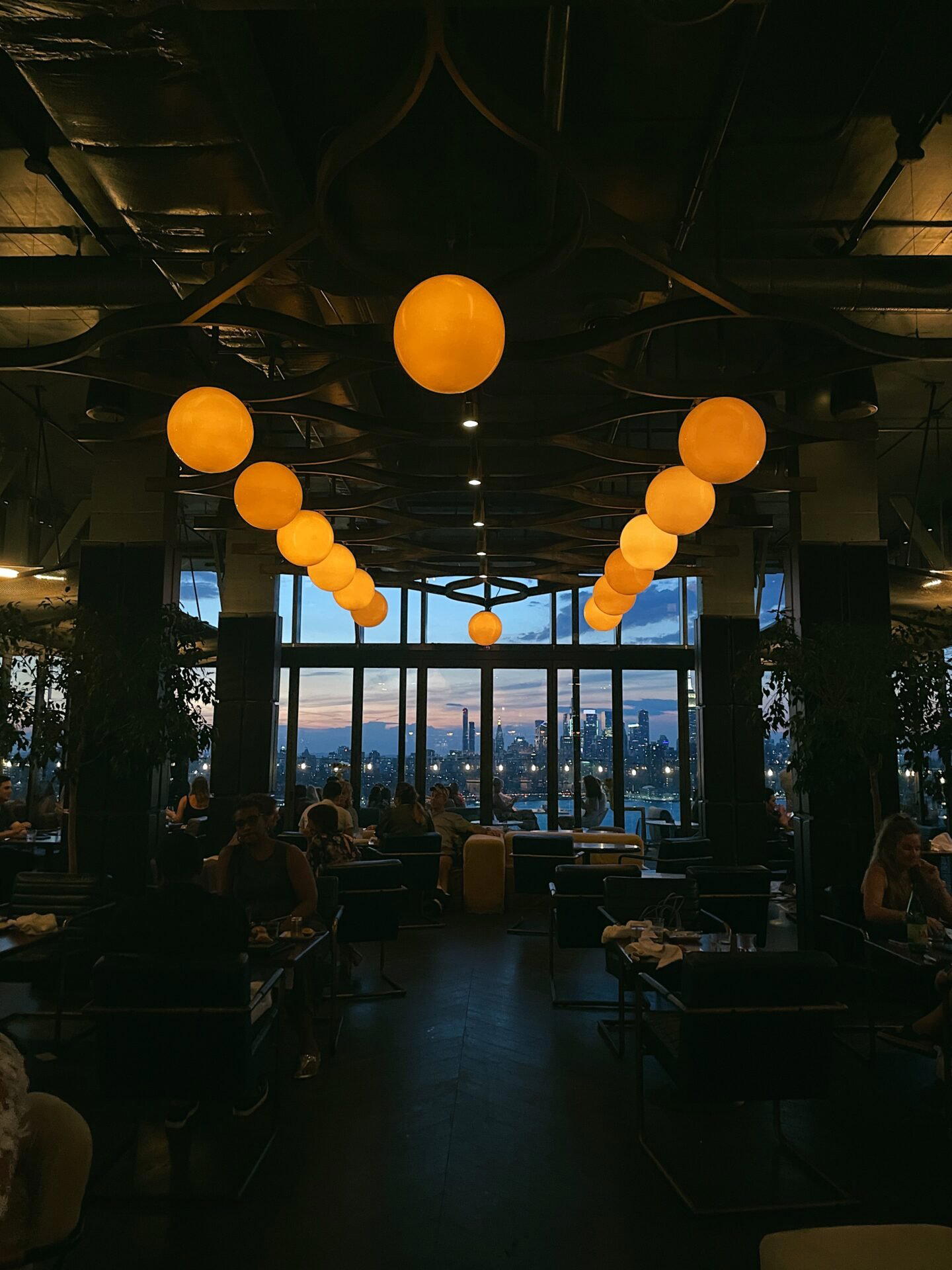
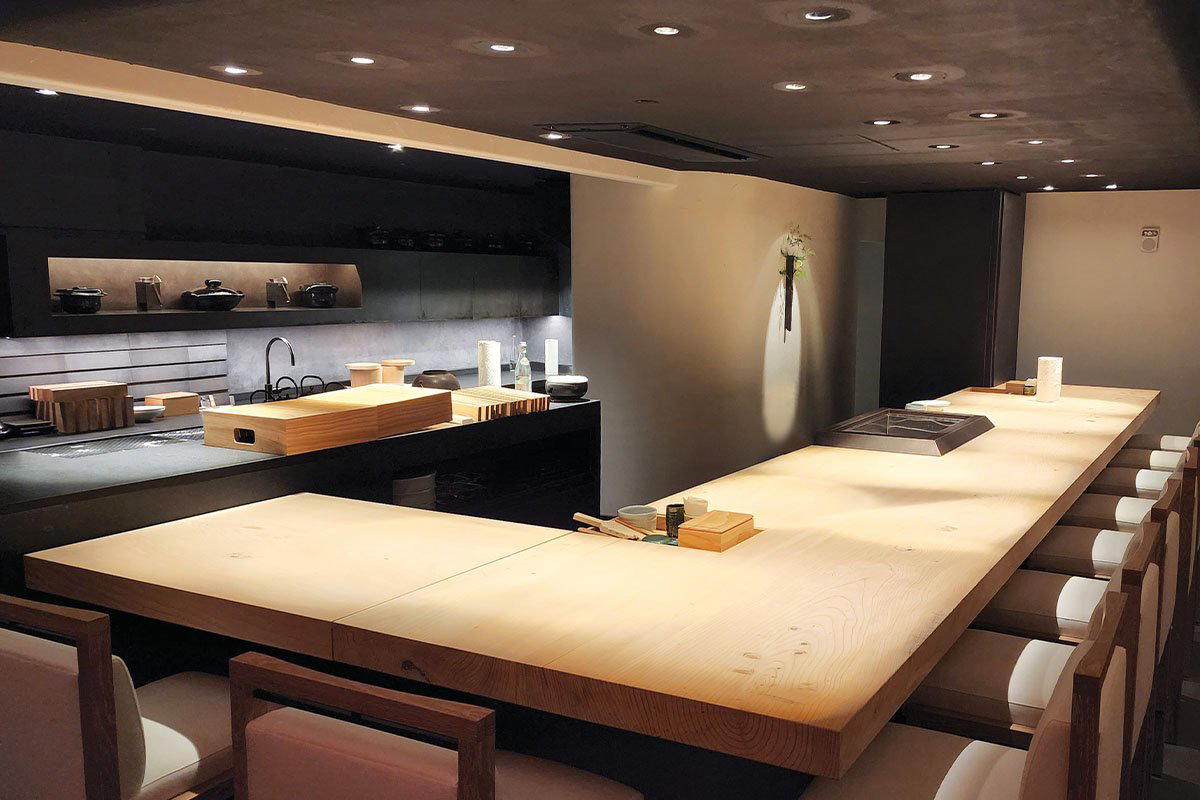
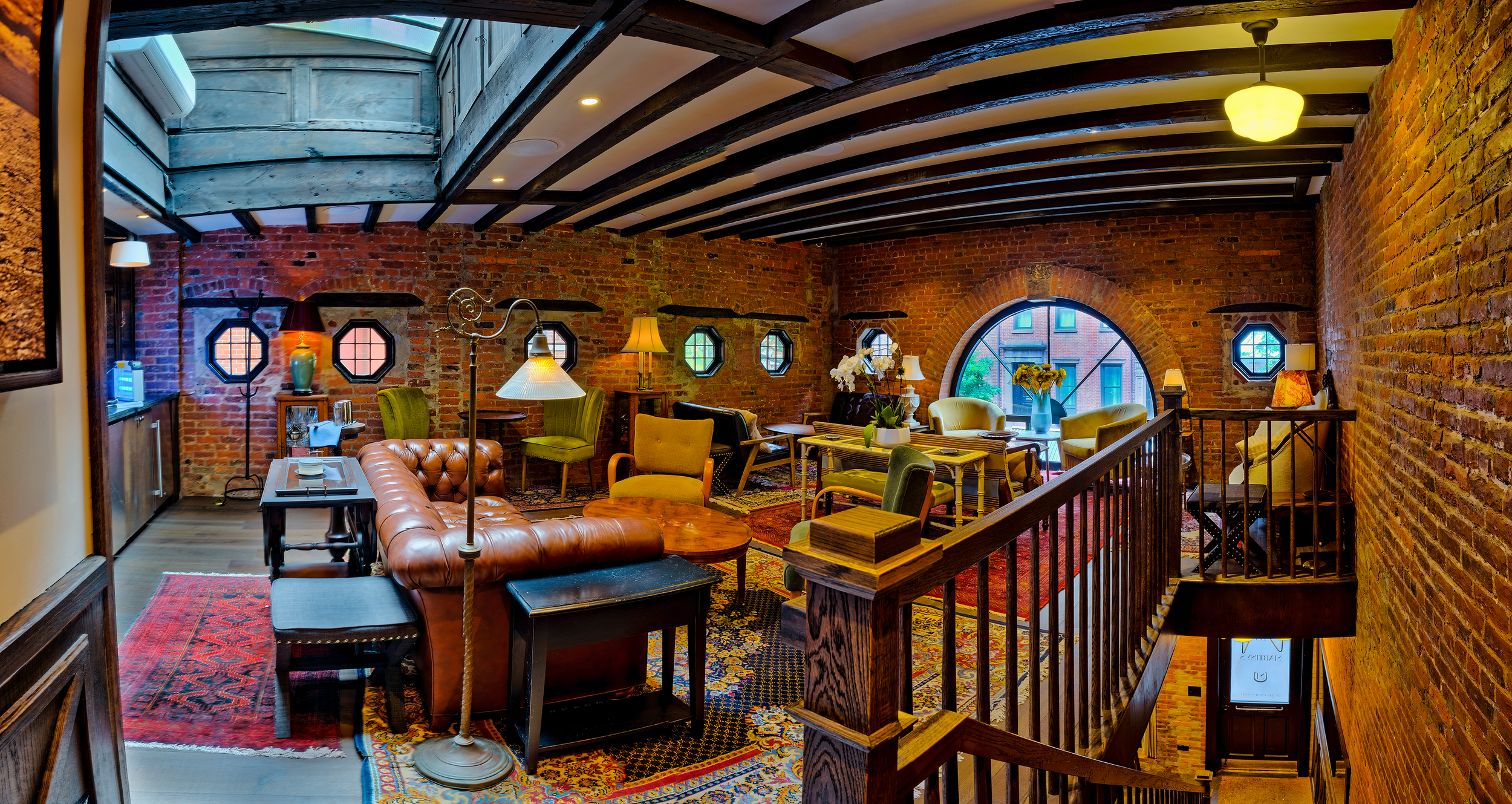
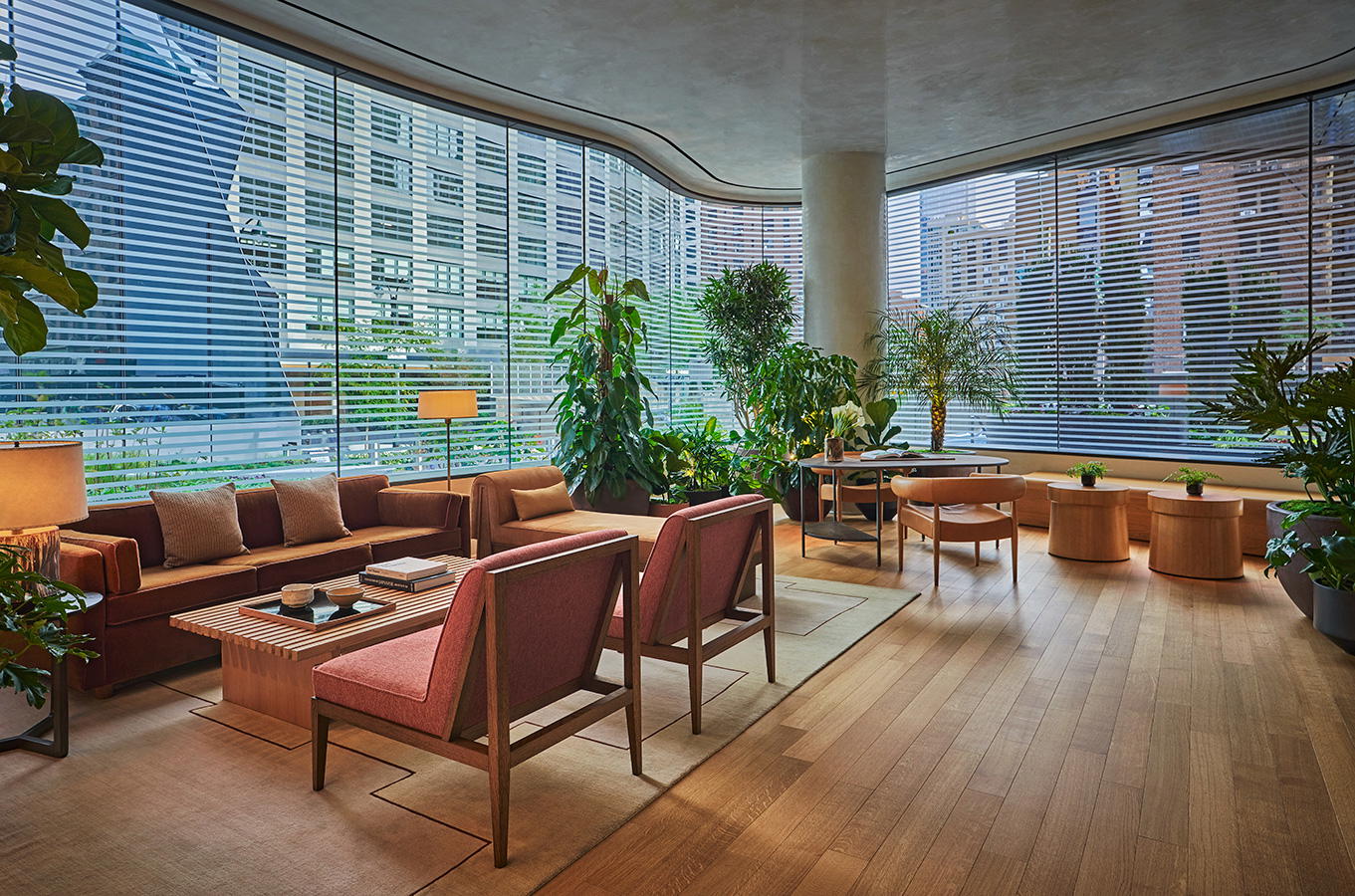
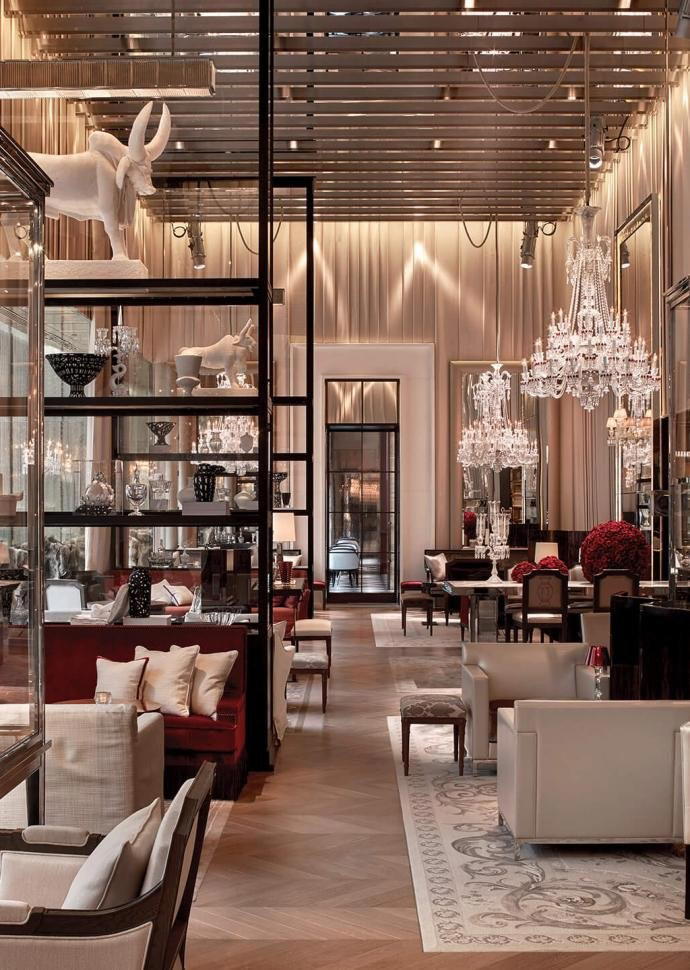
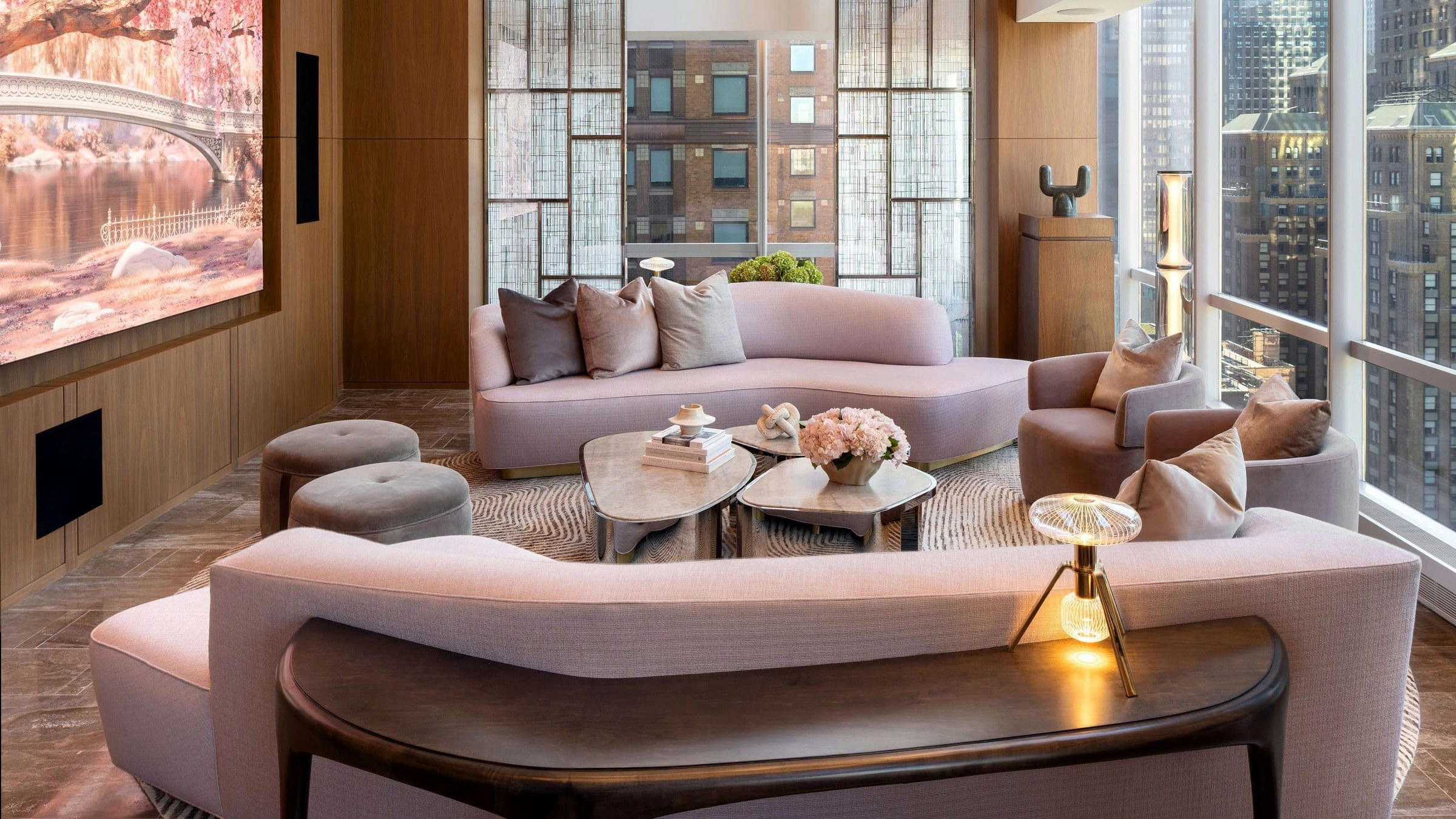
Sophisticated urban vibe with glossy striking decor, Japanese minimalism, sleek contemporary aesthetics, sake barrels, whimsical fish ceiling fixture, and busy lounge atmosphere.