Our verdict
Black Sheep occupies the third floor of a Liberty Village address, positioning itself within a Toronto neighbourhood that has shifted steadily from industrial past to a dense residential and dining district. For regulars, the draw is less about occasion dining and more about the kind of room you return to on rhythm, a space that rewards familiarity. Check EP Club's full Toronto guide for how it fits the broader dining picture.

Pearl is the En Primeur Club membership app, where members save venues, book tables and use the concierge.
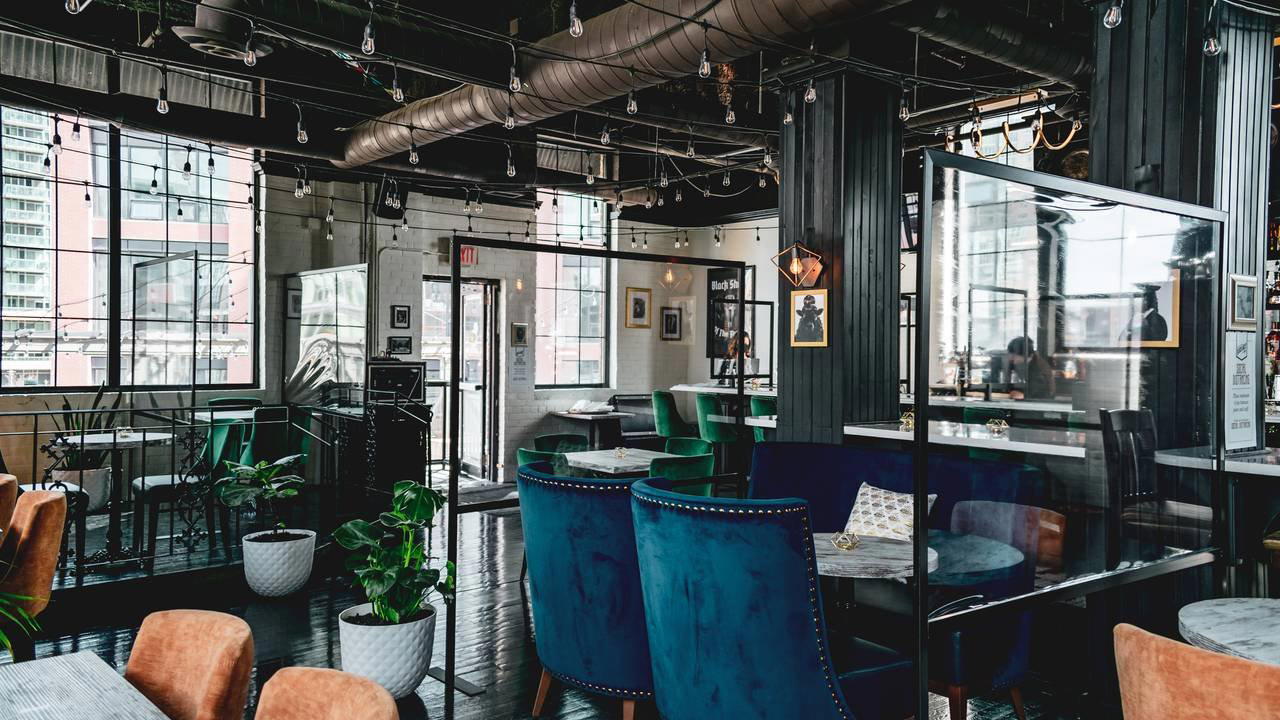
The menu
What to order
- The Big Ram
- Choripan
- Black Sheep Burger
Liberty Village's Third Floor
Toronto's Liberty Village has undergone the kind of transformation that makes urban dining historians pay attention. What was once a stretch of Victorian-era factories and warehouses is now one of the city's denser residential pockets, and with that density has come a dining and bar scene that reads less like a destination strip and more like a neighbourhood with its own internal logic. The third floor at 165 East Liberty Street, where Black Sheep operates, is a useful lens on that shift. Venues that occupy upper floors in converted industrial buildings tend to attract a specific kind of loyalty: the people who found them first and kept coming back, not the ones chasing a reservation spike from a review cycle.
That regulars-first dynamic shapes how a room like this functions in practice. The city's headline dining tier, places like Alo (Contemporary) or Sushi Masaki Saito (Sushi, Japanese), operates on scarcity and formality, with months-out booking windows and prix-fixe commitments that make spontaneity impossible. Black Sheep sits at a different register. The room's Liberty Village address places it in a neighbourhood where the ambient expectation is comfort and consistency, not ceremony.
What Keeps the Regulars Coming Back
In Toronto's mid-tier dining scene, the venues that accumulate genuine repeat business tend to share a few structural qualities: a room that doesn't exhaust you, a menu that doesn't demand a briefing, and a staff cadence that recognises a familiar face. These are not qualities that show up in award citations, but they are the ones that determine whether a venue becomes a neighbourhood anchor or a one-visit curiosity. For the clientele that has settled on Black Sheep as a return address, those unwritten criteria likely carry more weight than any single dish.
Liberty Village regulars occupy a demographic that Toronto's restaurant industry has increasingly oriented around: younger professionals, residents of the high-density towers that have filled the neighbourhood over the past decade, people who want a credible dining experience on a weeknight without the production of a downtown tasting menu. The venues that serve this cohort well, and hold their loyalty, tend to offer something that functions as a reliable anchor in a city where new openings arrive at a pace that makes it easy to lose track. Compared to the formality of Aburi Hana (Kaiseki, Japanese) or the occasion-dining positioning of Don Alfonso 1890 (Contemporary Italian, Italian), a neighbourhood room with a third-floor perch and a regulars-oriented rhythm operates in an entirely different competitive frame.
Toronto's Neighbourhood Dining Pattern
The gap between Toronto's destination dining tier and its neighbourhood dining tier has widened over the past several years. At the upper end, tasting menus have pushed into the $250–$400 per person range at the most decorated counters, a bracket that DaNico (Italian) also occupies with its own contemporary Italian approach. That compression at the leading has pushed a distinct mid-tier to define itself more clearly: rooms that are not trying to be the city's most talked-about table, but are instead trying to be the table you come back to every few weeks without a special occasion as justification.
This pattern is not unique to Toronto. Across Canada's major dining cities, the most durable mid-tier venues tend to cluster around neighbourhoods in transition, places where the built environment has changed faster than the cultural identity has settled, and where a reliable room fills a gap that a flashier concept would leave open. Tanière³ in Quebec City and Jérôme Ferrer - Europea in Montreal anchor their respective cities at a more formal register, while venues like AnnaLena in Vancouver show what neighbourhood loyalty looks like in a west coast context. Liberty Village's dining scene is still finding its footing relative to those precedents, but the logic is the same.
Further afield, places like Eigensinn Farm in Singhampton and Restaurant Pearl Morissette in Lincoln represent the Ontario dining tradition at its most deliberate and destination-oriented, properties where the journey is built into the experience and the regulars are, by definition, committed. The Pine in Creemore operates at a similar remove from the city. Black Sheep, by contrast, is for the person who does not want to drive two hours. It is a city room, a neighbourhood room, and the distance between those two modes of dining is worth keeping clear.
Seasonal Rhythms in Liberty Village
Liberty Village's dining scene has a pronounced seasonal tempo. The neighbourhood's density of residential towers means that foot traffic through late autumn and winter remains steadier than in more tourist-dependent districts, and venues that have built a regular clientele benefit from that insulation. Spring and summer shift the dynamic: the area's proximity to the waterfront and the relative openness of its streetscape draws a broader sweep of the city's population westward, and rooms that have maintained their regulars through the quieter months often find that the warmer season stretches their capacity in both directions.
For a venue on the third floor of a converted building, seasonal rhythm also plays out differently than it does at ground level. The remove from street noise that an upper-floor position provides tends to appeal to a guest who is already committed to the visit, someone who has been before, or who has come on a recommendation specific enough to justify the stairs. That is a self-selecting clientele, and it tends to be a loyal one. Venues elsewhere in Canada that have built on this kind of geography-driven loyalty, Fogo Island Inn Dining Room in Joe Batt's Arm, for instance, or Cafe Brio in Victoria, demonstrate that physical context shapes guest relationship as much as any menu decision. Even Narval in Rimouski and Busters Barbeque in Kenora illustrate that durable dining loyalty is a Canadian pattern that transcends market size. For international comparison, the shift from occasion-dining to neighborhood-anchor positioning is visible at venues like Lazy Bear in San Francisco and, at a more formal extreme, Le Bernardin in New York City, two rooms that have each, in different ways, built a permanent place in their city's dining consciousness.
Planning Your Visit
Black Sheep is located at 165 East Liberty Street, third floor, Toronto, ON M6K 3K4. Liberty Village is accessible by TTC streetcar on King Street West, with a short walk east into the neighbourhood. Reservations: Dress: No dress code is listed; the neighbourhood context suggests casual to smart-casual. Budget: For a broader picture of where Black Sheep sits in the Toronto dining picture, see our full Toronto restaurants guide.
Frequently asked questions
Where exactly is Black Sheep?
Black Sheep is located at 165 E Liberty St 3rd Floor, Toronto, ON M6K 3K4, Canada, Toronto.
Is Black Sheep suitable for a group dinner in Toronto's Liberty Village?
Black Sheep's third-floor address at 165 East Liberty Street positions it above street-level foot traffic, which tends to make the room quieter and more conducive to group conversation than ground-floor Liberty Village spots. Groups planning a sit-down dinner in the neighbourhood should confirm capacity directly with the venue, as third-floor rooms in Toronto's converted industrial buildings vary considerably in table configuration.
What dish is Black Sheep famous for?
Toronto neighbourhood rooms at this tier typically build their repeat business around a short, focused menu that rotates with seasonal availability rather than a single marquee plate. Visiting on a weeknight gives a clearer read on the everyday menu versus the weekend-optimised offering.
Should I book Black Sheep in advance?
For weekend evenings in Liberty Village, booking ahead is the prudent call. The neighbourhood's residential density means Friday and Saturday services fill with local regulars rather than walk-in tourists, which compresses available tables quickly. A weeknight visit at 165 East Liberty Street, third floor, carries less risk for those without a reservation.
City Peers
| Venue | Cuisine | Price | Awards | Notes |
|---|---|---|---|---|
| Black SheepThis venue (the venue you are viewing) | Gourmet Burgers | $20–30 | Not listed | Not listed |
| Alo | Modern French Fine Dining with Asian Influences | $200–300 | 1 Michelin Star · La Liste Top Restaurants | Contemporary |
| Sushi Masaki Saito | Edomae-Style Omakase | $500+ | 1 Michelin Star · La Liste Top Restaurants | Sushi, Japanese |
| Aburi Hana | Modern Japanese Kyō-Kaiseki | $300–500 | 1 Michelin Star · The Best Chef One Knife | Kaiseki, Japanese |
| Don Alfonso 1890 | Modern Italian Fine Dining | $200–300 | 1 Michelin Star · La Liste Top Restaurants | Contemporary Italian, Italian |
| Edulis | Mediterranean Seafood Tasting Menu | $150–200 | 1 Michelin Star · World's 50 Best #25 | Canadian, Mediterranean Cuisine |
Continue exploring
More in Toronto
Restaurants in Toronto
All restaurants in Toronto →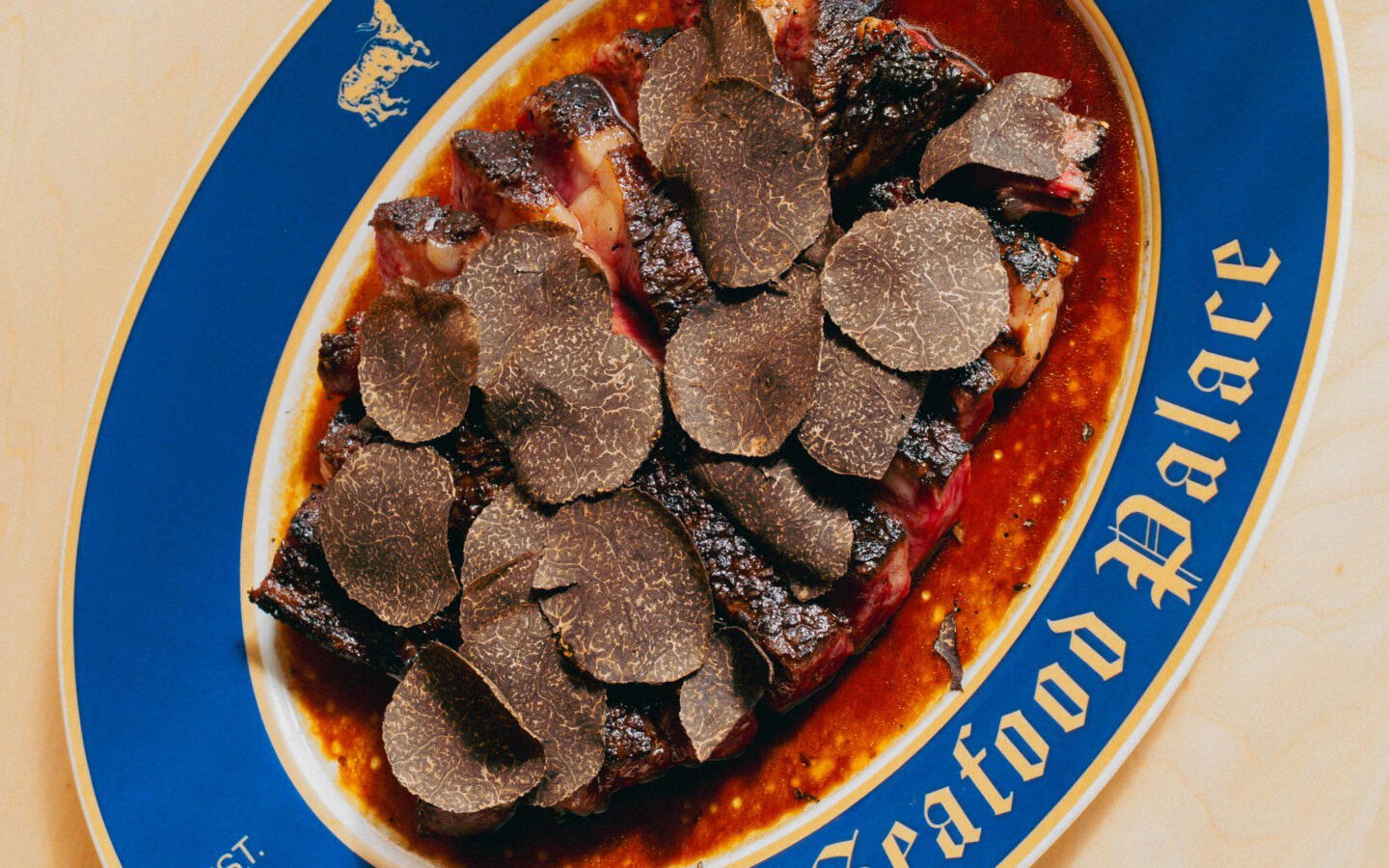
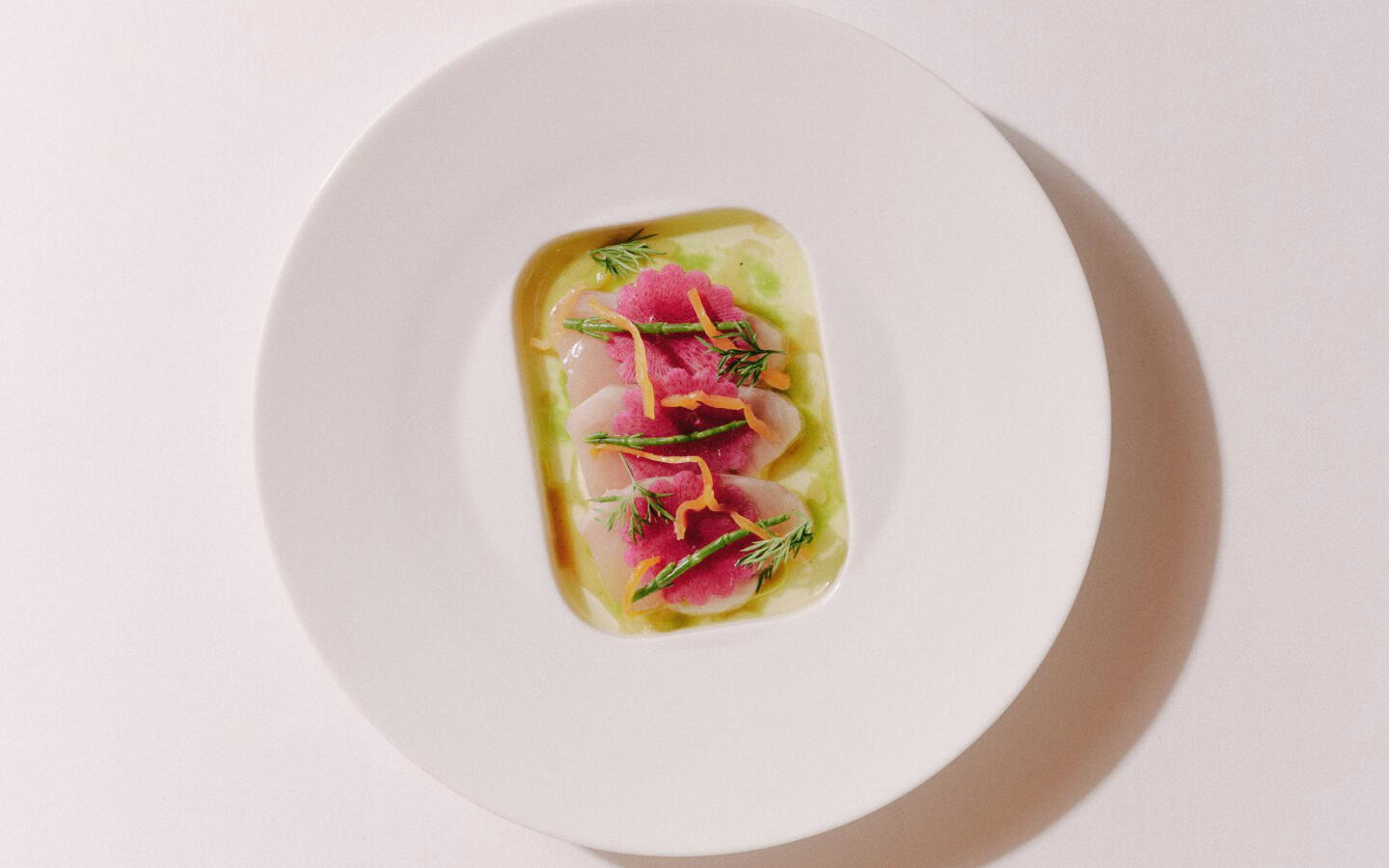
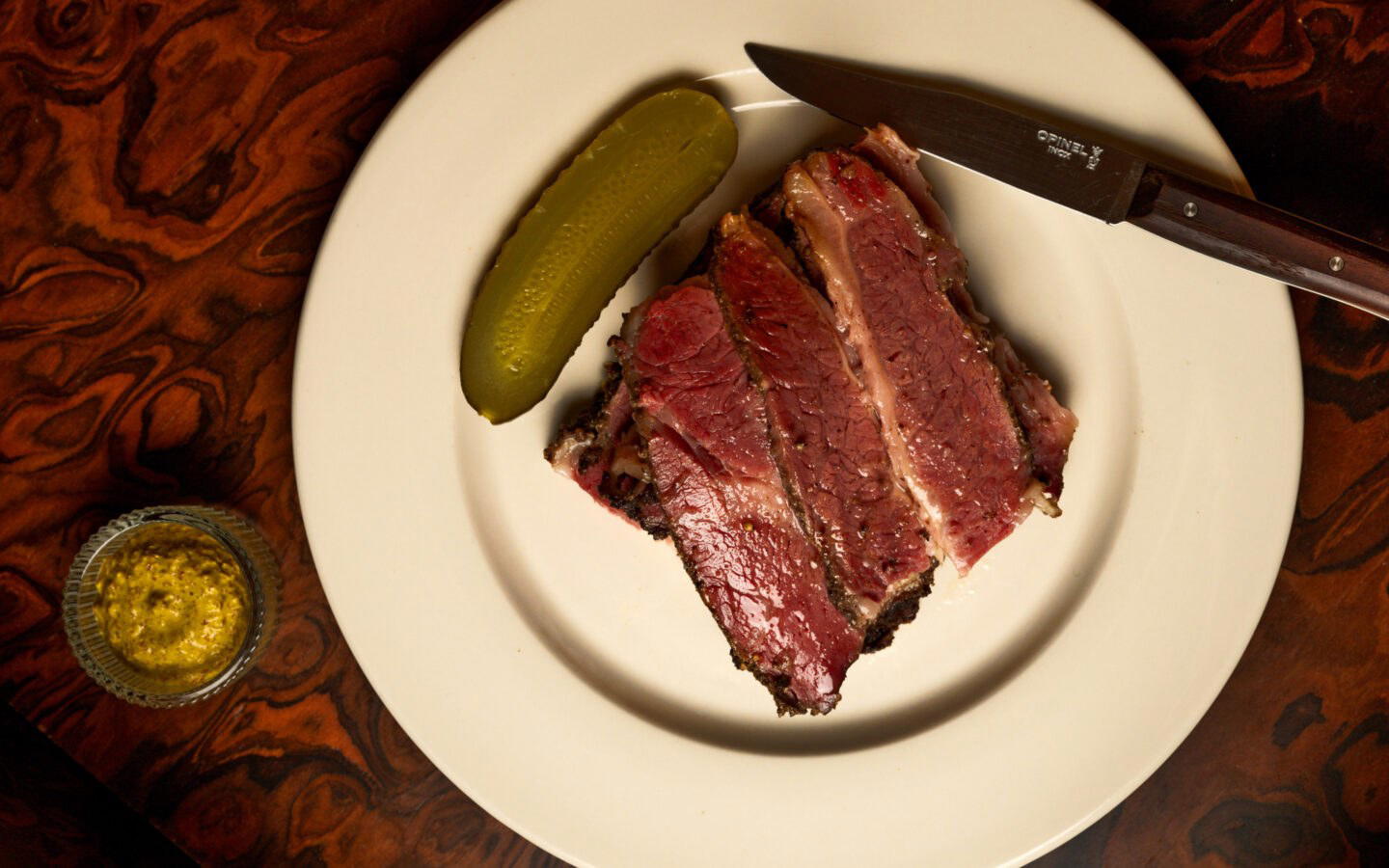
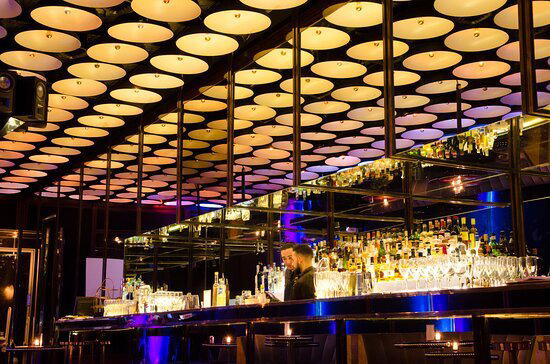
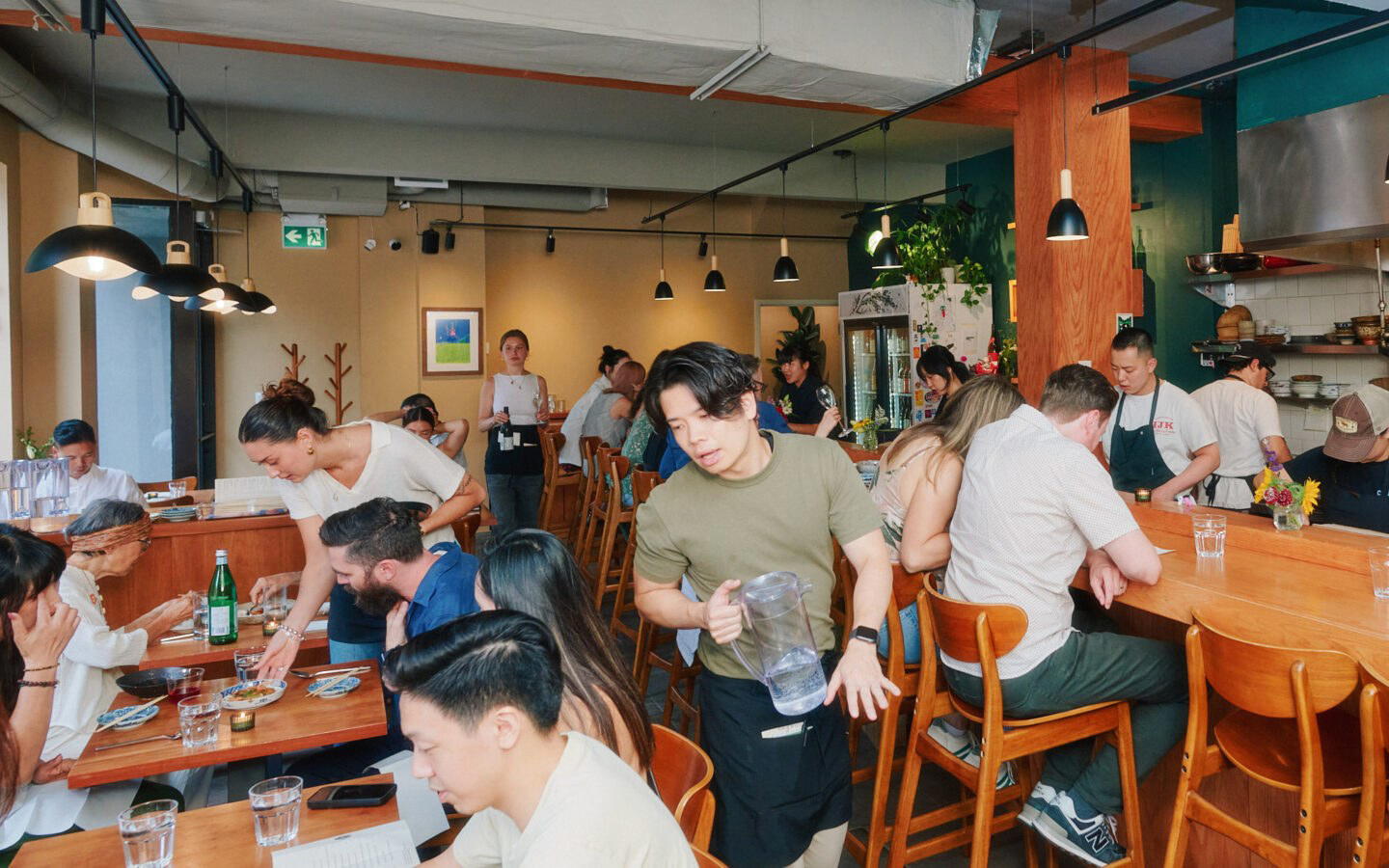
Bars in Toronto
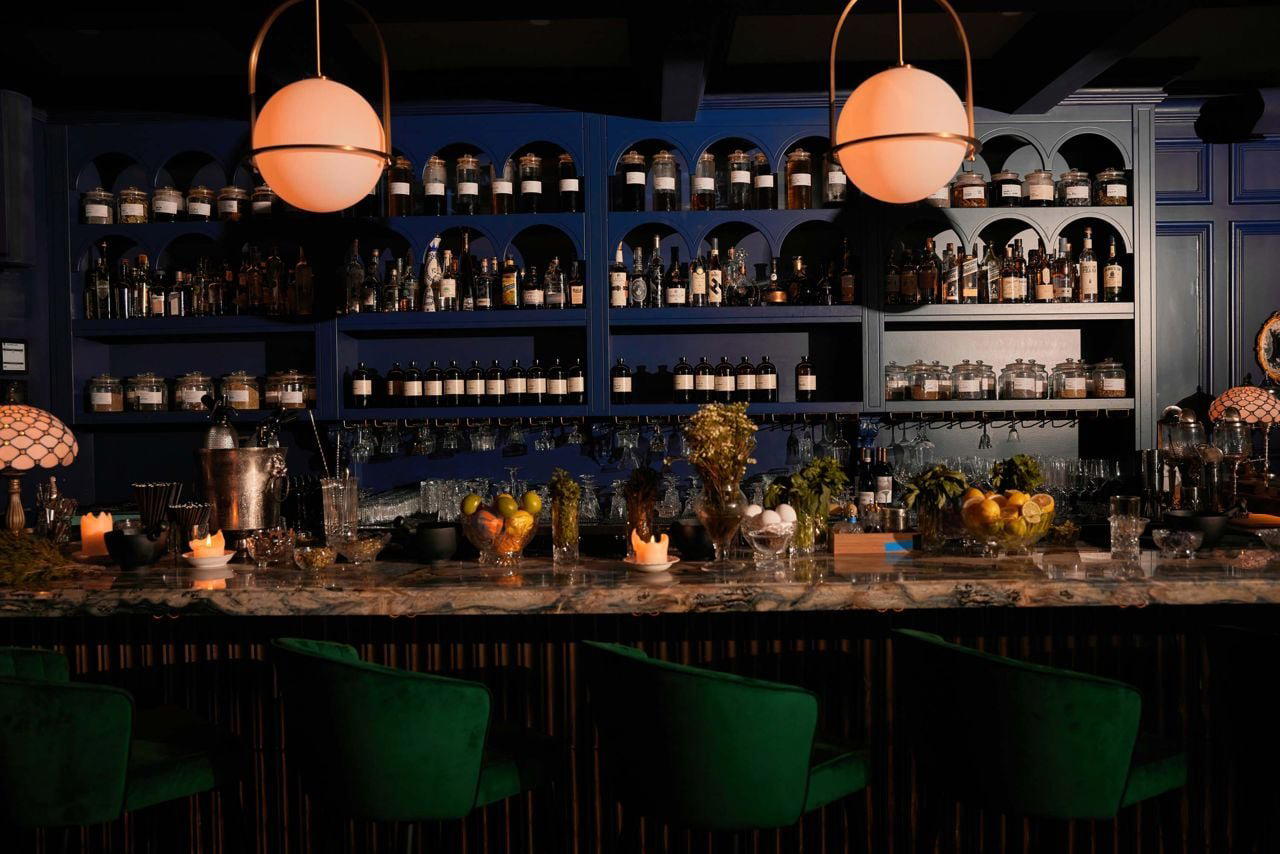
All bars in Toronto →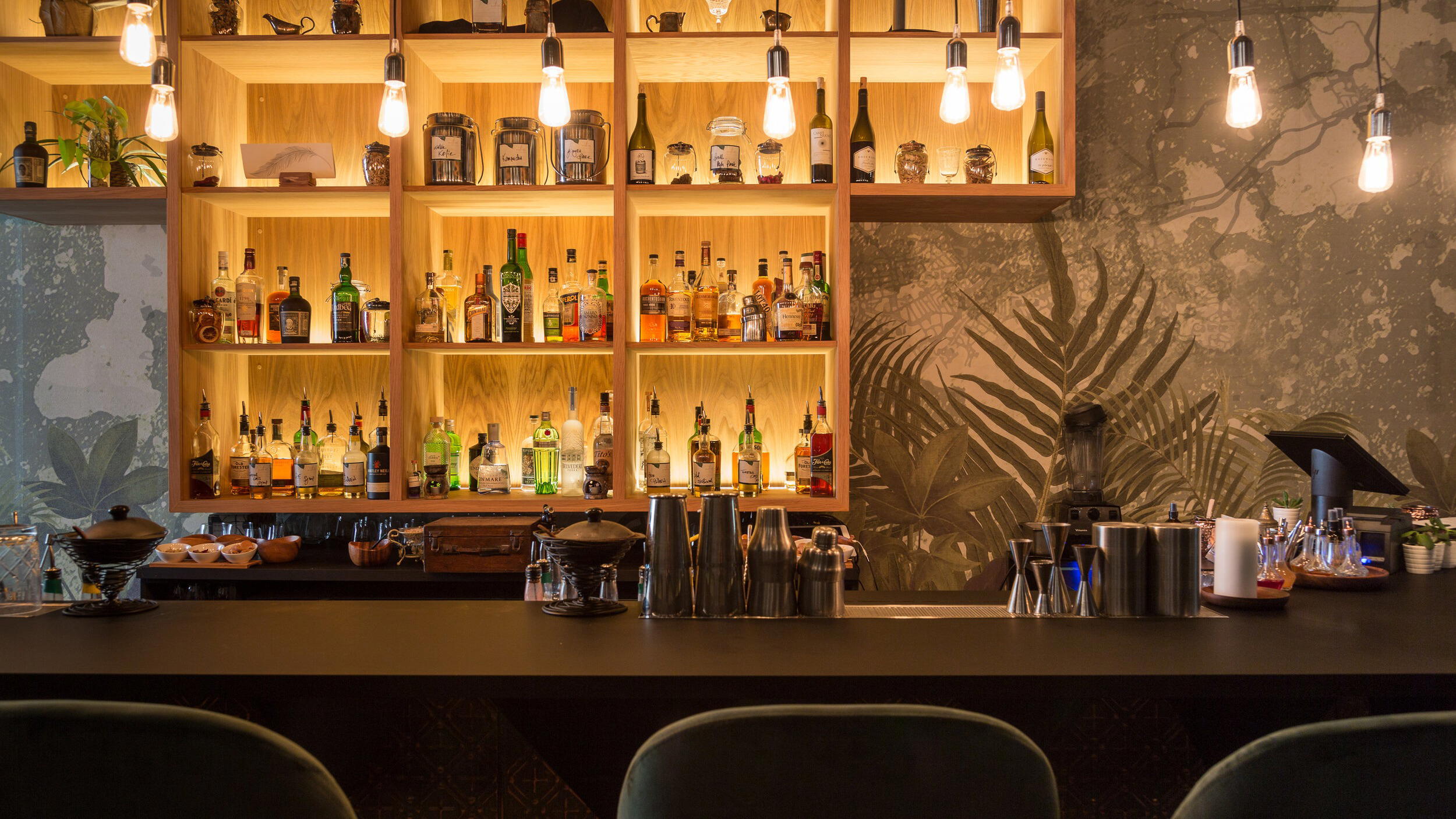

Details
- Lively
- Trendy
- Casual Hangout
- Group Dining
- Beer Program
- A La Carte
- Vegetarian Friendly
Current opening hours
- Monday
- Closed
- Tuesday
- Closed
- Wednesday
- 5 PM–2 AM
- Thursday
- 5 PM–2 AM
- Friday
- 5 PM–2 AM
- Saturday
- 5 PM–2 AM
- Sunday
- Closed
Hours can change for holidays and private events. Last verified .
Casual pub atmosphere focused on comfort food and takeout.