320 Guest Ranch
The property places guests inside a tradition of Western ranch hospitality that predates the modern luxury outdoor category by decades, offering a counterpoint to the curated glamping formats that now dominate the region's lodging conversation.

Pearl is the En Primeur Club membership app — saves, bookings, and concierge access live there. Same editors, same standards.
- Address
- 205 Buffalo Horn Creek Rd, Gallatin Gateway, MT 59730
- Phone
- (406) 995-4283
- Website
- 320ranch.com
- Directions
- Get directions
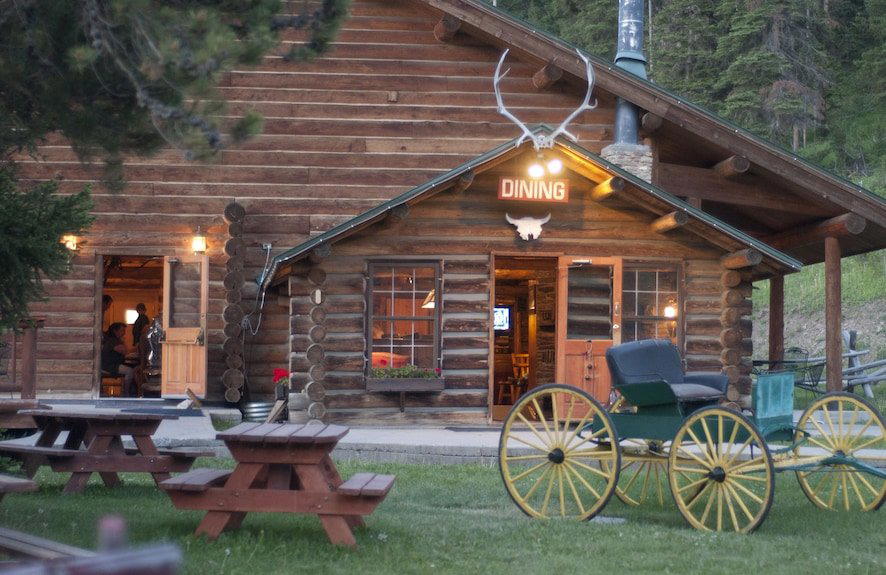
Ranch lodging in the American West has split into two distinct formats. One is the curated glamping model, polished to the point of abstraction, where the landscape is framed through floor-to-ceiling glass and the "ranch" element is largely aesthetic. The other is the working or semi-working property where the land use is genuine, the rhythms are dictated by season and terrain, and the guest experience is organized around actual outdoor engagement rather than passive scenery. 320 Guest Ranch belongs to the second tradition.
What the Service Structure Actually Looks Like
Ranch hospitality at this tier operates differently from hotel service culture. The staff-to-guest ratio at working ranch properties is typically structured around activity guides and wranglers rather than concierge desks and turndown service, and the guest relationship with staff reflects that. At a property like 320 Guest Ranch, the primary contact points are the people who lead you into the field: the fishing guide who reads the river, the wrangler who matches you to a horse, the cook who times meals around return from the backcountry. This is anticipatory service in a different register from what you find at, say, Aman New York in New York City or The Fifth Avenue Hotel in New York City, where personalization is delivered through digital preference profiles and pre-arrival notes. Here, it is built through the guide's read of a guest's physical capability and comfort level over the course of a morning on the water.
That model rewards repeat guests disproportionately. The ranch can calibrate to returning visitors in ways that are almost impossible to replicate on a first stay, which explains why multi-generational family loyalty is common across this category. Properties like Alpine Falls Ranch in Superior operate in a similar framework, where institutional memory of guest preferences becomes part of the service asset over time. The mid-range of that spectrum has been squeezed as both ends have grown: Bozeman's urban hotel inventory has expanded substantially since 2018, while the luxury outdoor tier has attracted significant investment from brands like Under Canvas, whose Sage Lodge in Pray offering a more boutique interpretation of the category along the Yellowstone River. 320 Guest Ranch represents a longer-established, less design-forward point in the same regional arc.
The comparable set at the national level includes properties like Amangani in Jackson Hole and Amangiri in Canyon Point, though both of those sit in a higher price bracket and carry international brand recognition. Domestically, the ranch-and-nature category also includes properties as varied as Post Ranch Inn in Big Sur and Canyon Ranch Tucson in Tucson, each oriented toward a different version of restorative outdoor access. 320 Guest Ranch's proposition is more historically grounded and less aesthetically mediated than any of those. Fall offers cooler temperatures, reduced crowds, and the elk rut, which draws a different guest profile oriented toward wildlife viewing and hunting rather than fishing or riding. Winter access to the canyon remains possible but the activity slate shifts substantially, with snowmobiling and proximity to Big Sky Resort becoming the primary draws.
Guests coming primarily for fly-fishing should look at June and September as the two periods that balance water conditions, insect activity, and manageable lodge density. Guests interested in horseback riding and the broader ranch experience will find July and August offer the most programming depth, though reservation lead times in that window are proportionally longer.
Travelers comparing ranch formats across the American West may also find value in reviewing SingleThread Farm Inn in Healdsburg and Bernardus Lodge & Spa in Carmel Valley as counterpoints that trade the working-ranch framework for agricultural and wine-country hospitality models. For those whose interest extends to island and coastal isolation formats, Little Palm Island Resort & Spa in Little Torch Key and Kona Village, A Rosewood Resort in Kailua Kona operate in a structurally similar register of managed seclusion, though with entirely different terrain and activity frameworks.
Cuisine-First Comparison
| Venue | Price | Awards |
|---|---|---|
| 320 Guest RanchThis venue — the venue you are viewing | $200–300 | Not listed |
| Aman New York | Not listed | 3 Michelin Keys · World's 50 Best #87 |
| Amangiri | $1,000–1,500 | 3 Michelin Keys · World's 50 Best #45 |
| Hotel Bel-Air | $750–1,000 | 3 Michelin Keys · World's 50 Best #57 |
| The Beverly Hills Hotel | Not listed | 3 Michelin Keys · World's 50 Best #65 |
| The Carlyle, A Rosewood Hotel | $1,500–2,500 | 2 Michelin Keys · World's 50 Best #64 |
Continue exploring
More in Gallatin Gateway
Hotels in Gallatin Gateway
Browse all →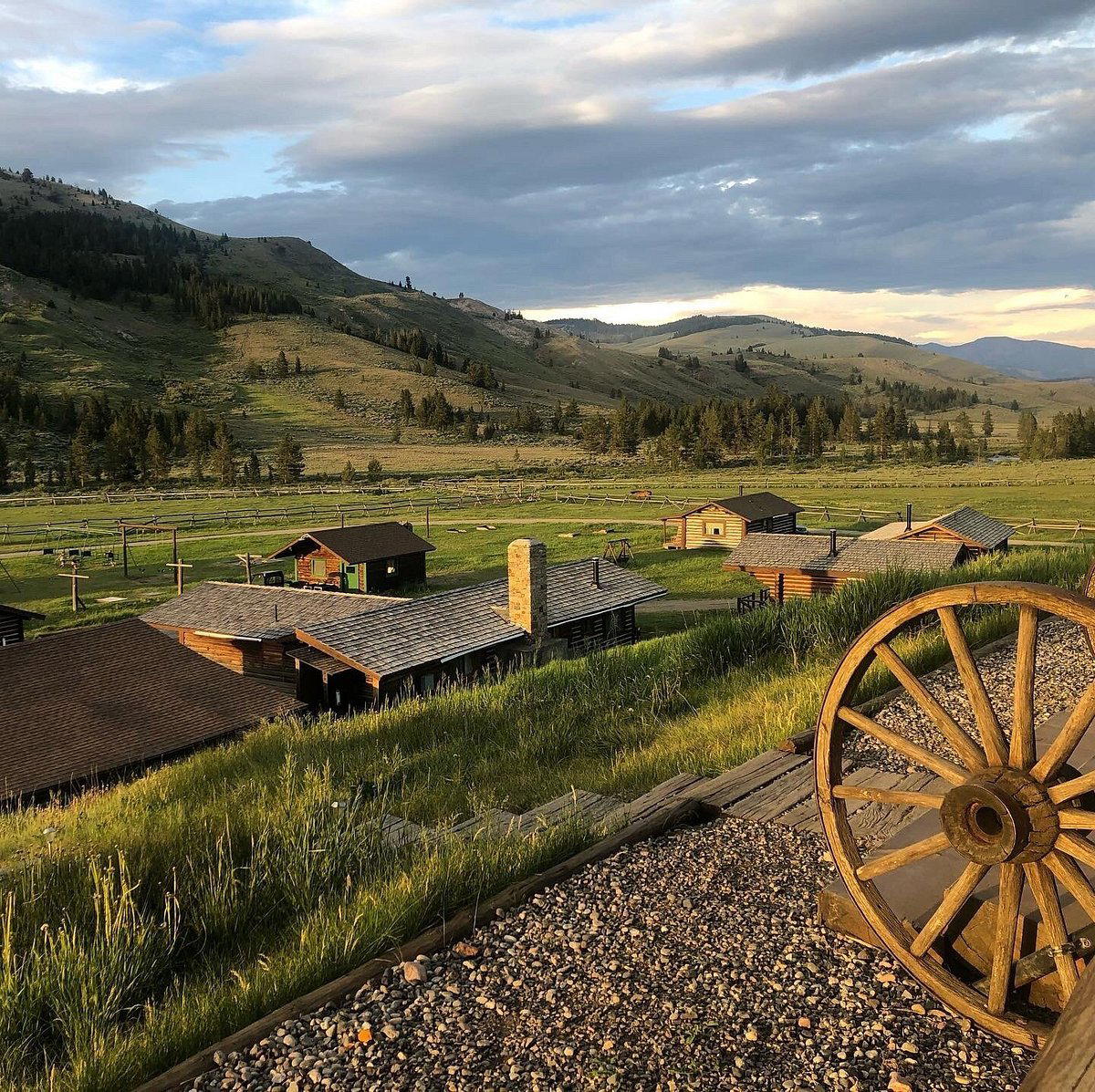
Bars in Gallatin Gateway
Browse all →

Details
- Rustic
- Scenic
- Cozy
- Family Vacation
- Romantic Getaway
- Group Retreat
- Destination Wedding
- Waterfront
- Historic Building
- Wi Fi
- Pool
- Fitness Center
- Concierge
- Mountain
- Waterfront
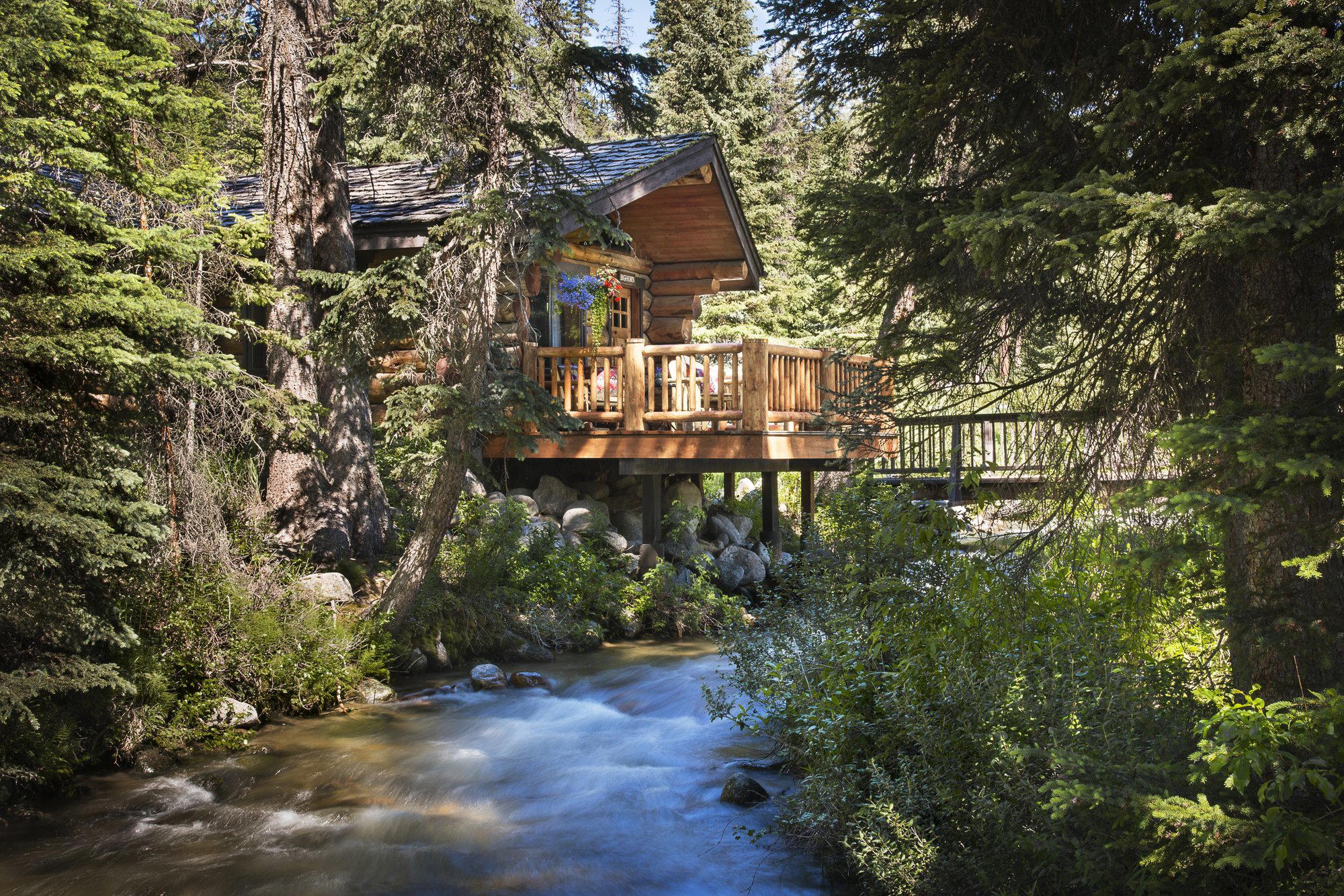
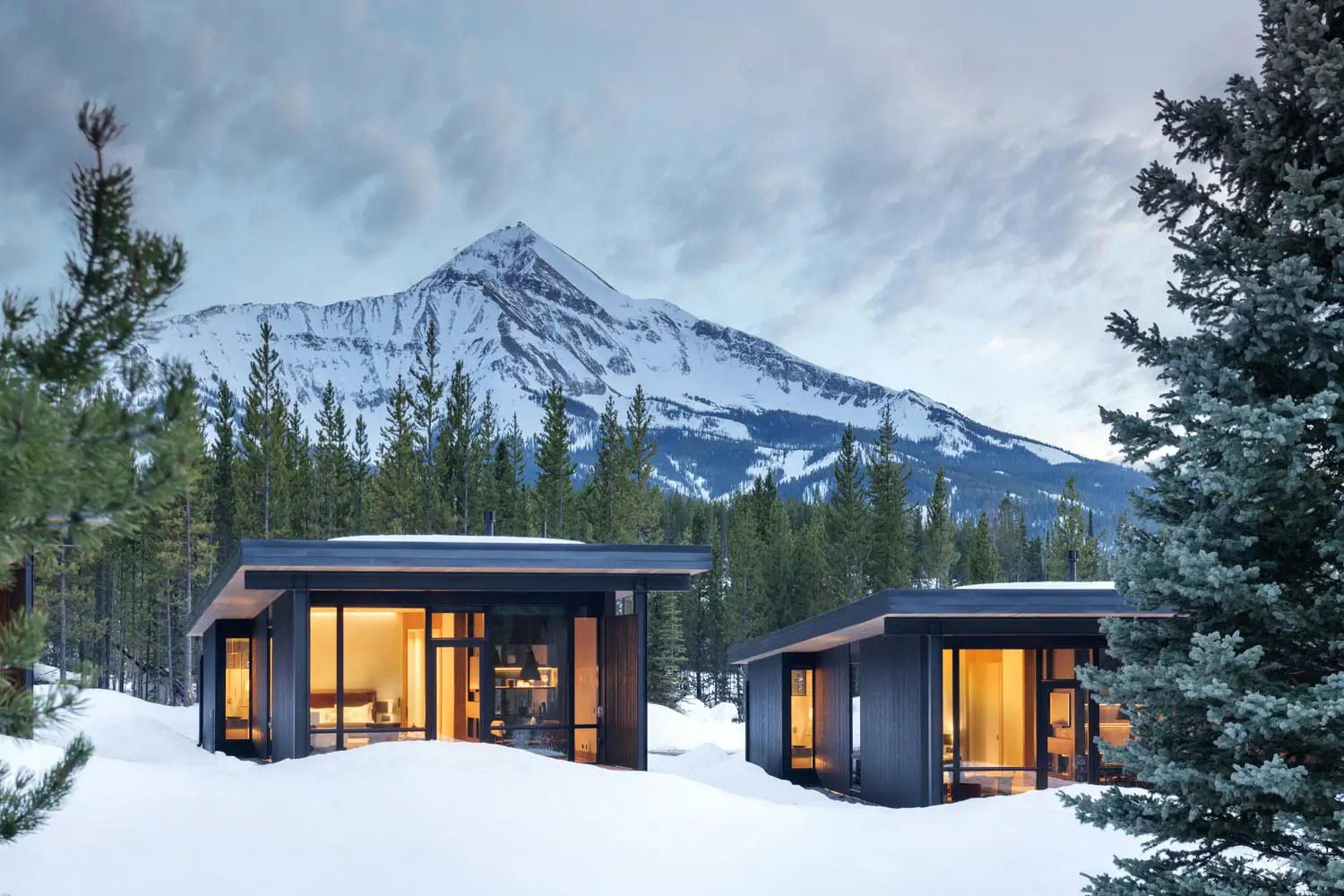
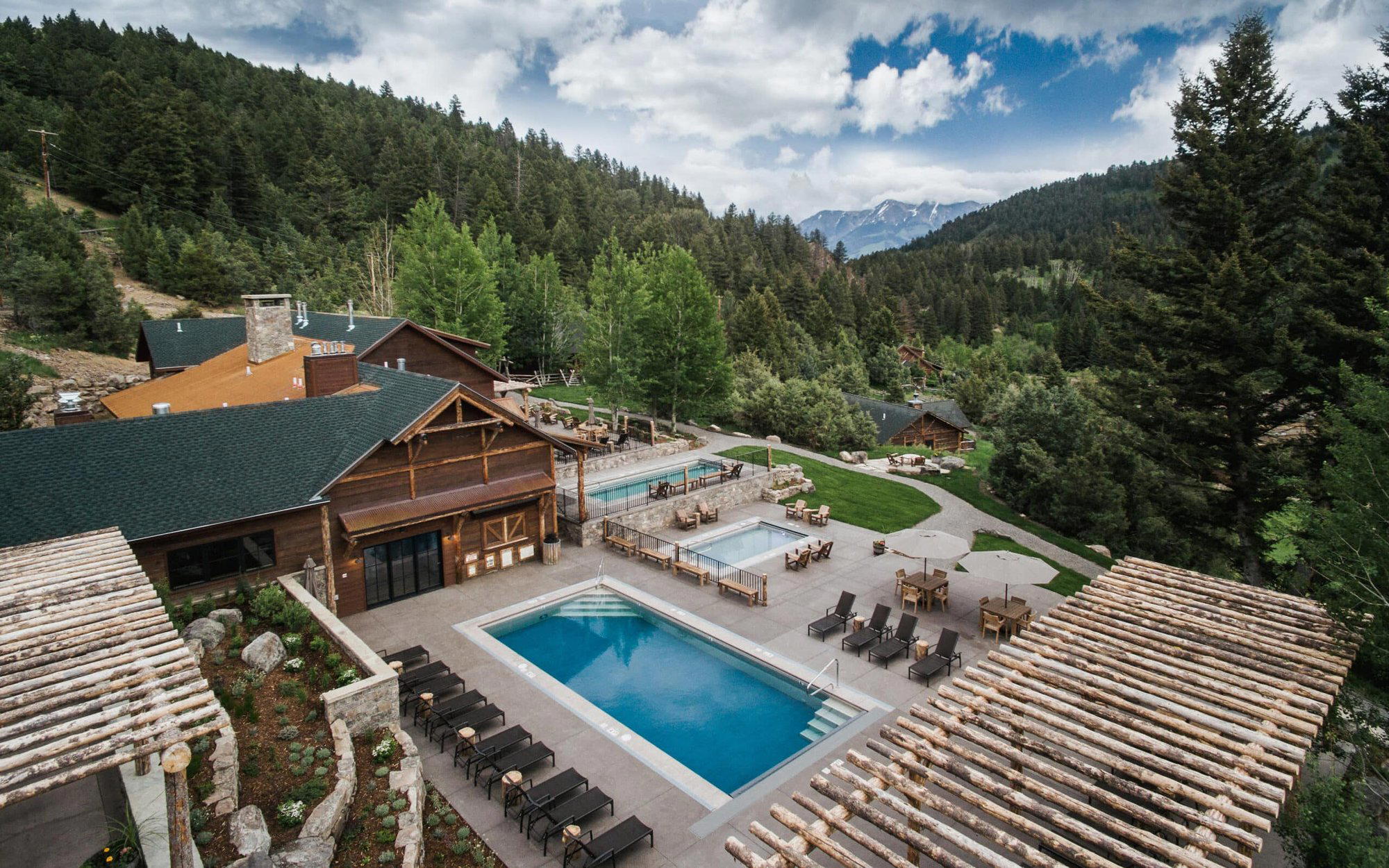
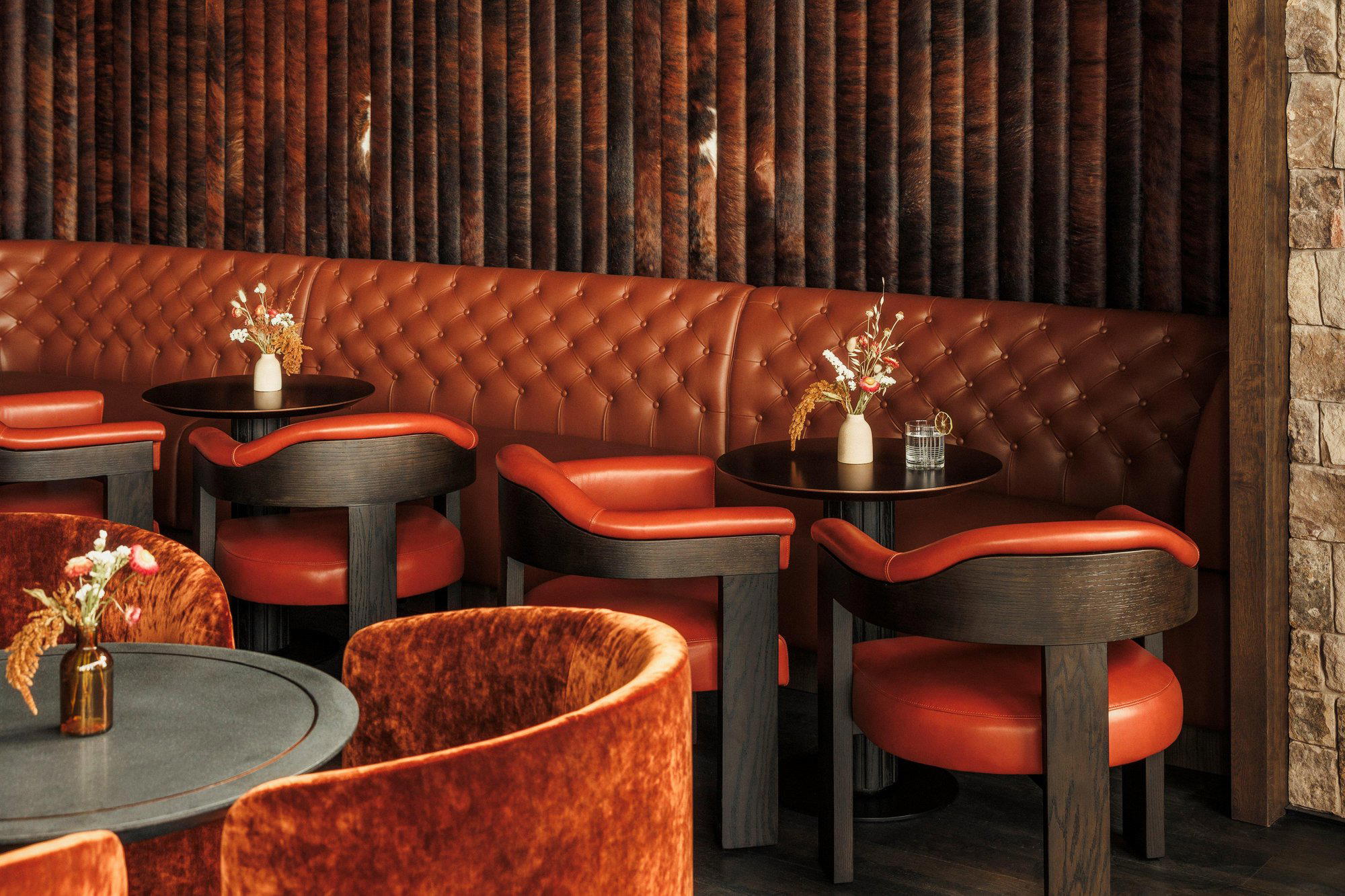
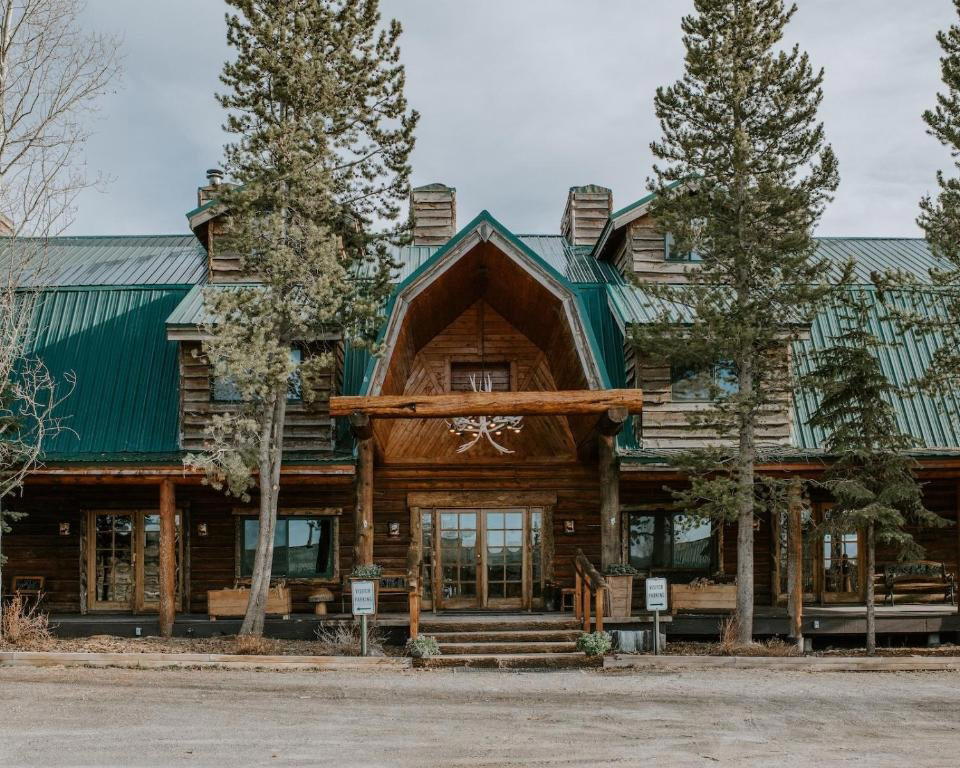
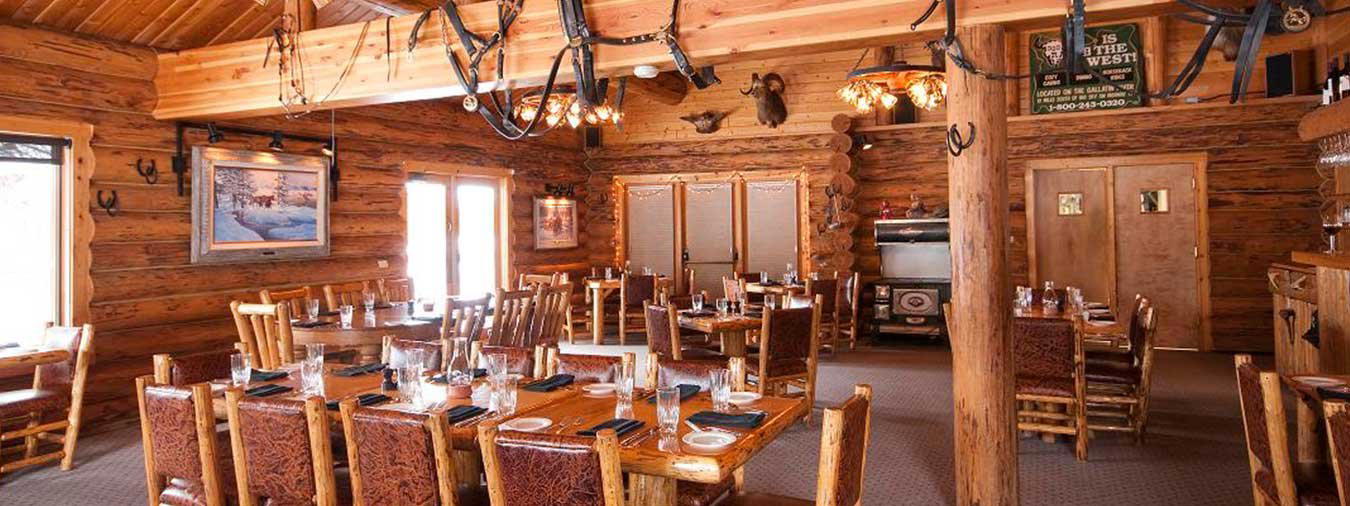
Rustic Western charm with log cabins, wood-burning fireplaces, private porches overlooking river and mountains, and peaceful natural surroundings.