Iron Horse Bar and Grill
Our verdict
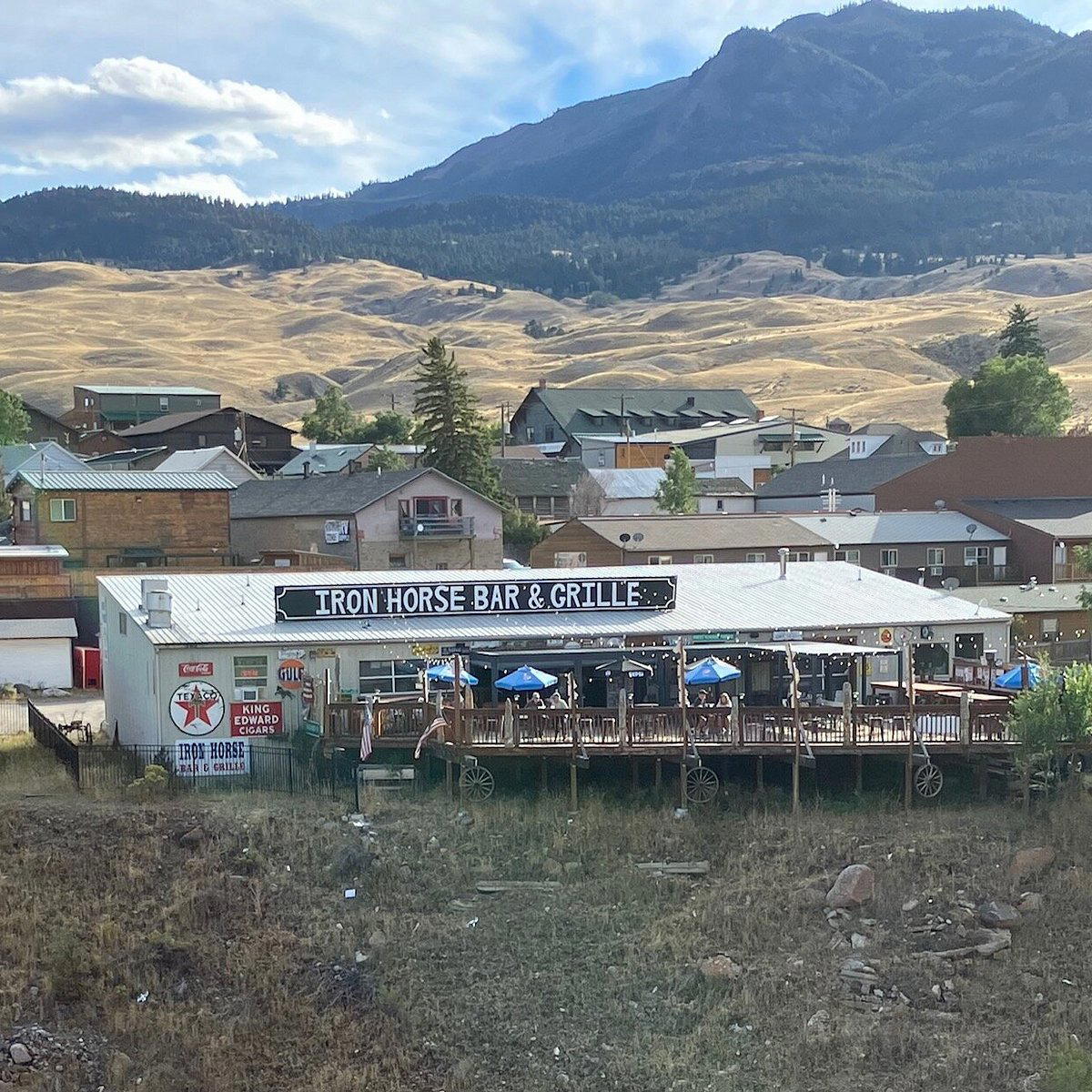
Iron Horse Bar and Grill on Spring Street sits at the working edge of Gardiner, the gateway town to Yellowstone's north entrance. The kitchen draws from Montana's ranching and agricultural traditions, making it a grounded option for travelers moving between the park and the region's broader high-country terrain. Practical, unpretentious, and rooted in the local food culture that defines small-town Montana dining.

Pearl is the En Primeur Club membership app, where members save venues, book tables and use the concierge.
The menu
What to order
- Bison Burger
- BBQ Brisket Sandwich
- Huckleberry BBQ Pulled Pork Sandwich
Gateway Country, Gateway Kitchen
Gardiner occupies a particular position in the American West that shapes every restaurant operating inside its boundaries. At roughly 900 residents, it is less a town than a threshold: the last commercial strip before Yellowstone's Roosevelt Arch, and the first stop for travelers coming down from Paradise Valley on US-89. The dining culture here is not shaped by urban food trends but by the practical demands of a ranching and outfitting community that feeds real workers alongside a steady seasonal stream of park visitors. Iron Horse Bar and Grill, at 212 Spring Street, operates inside that tradition.
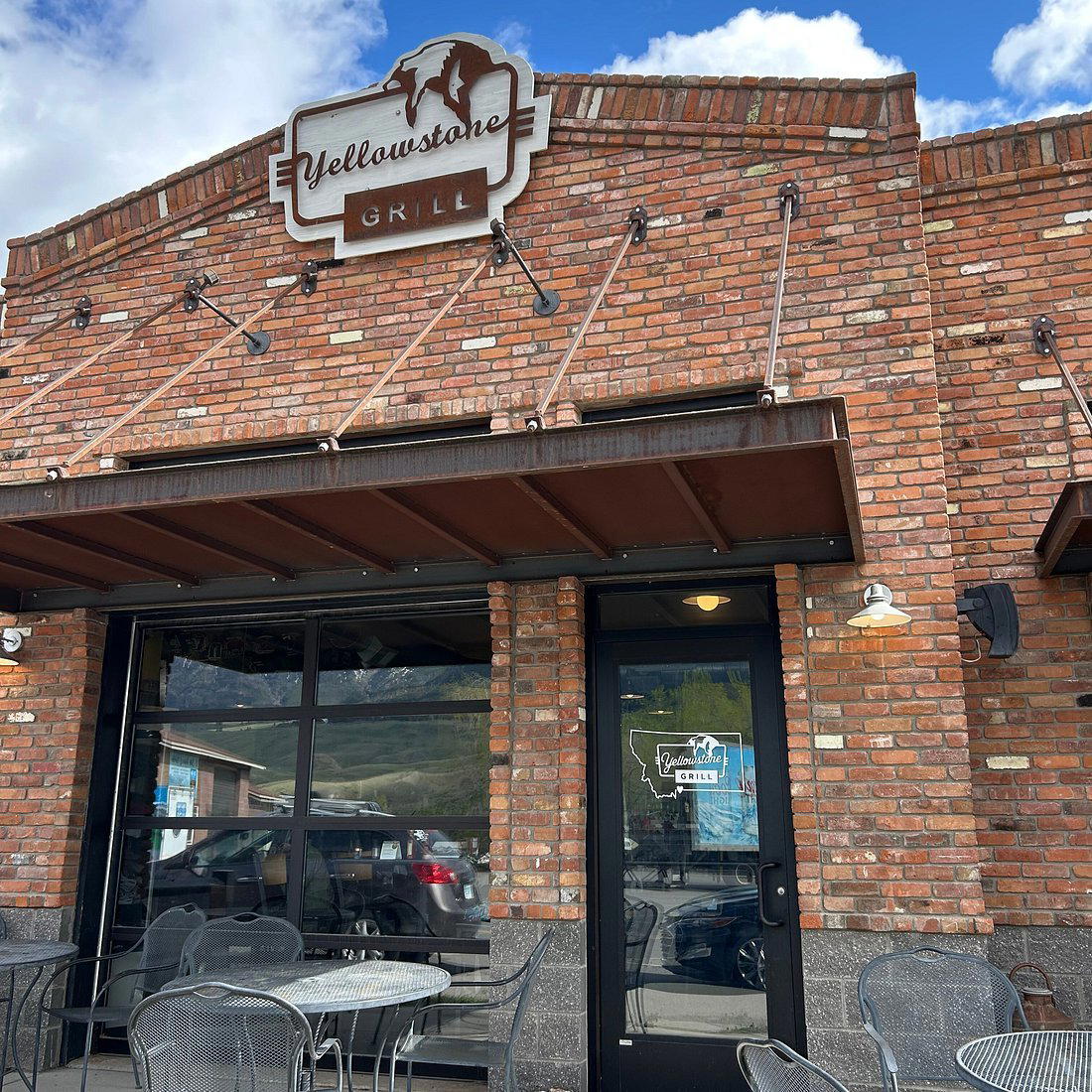
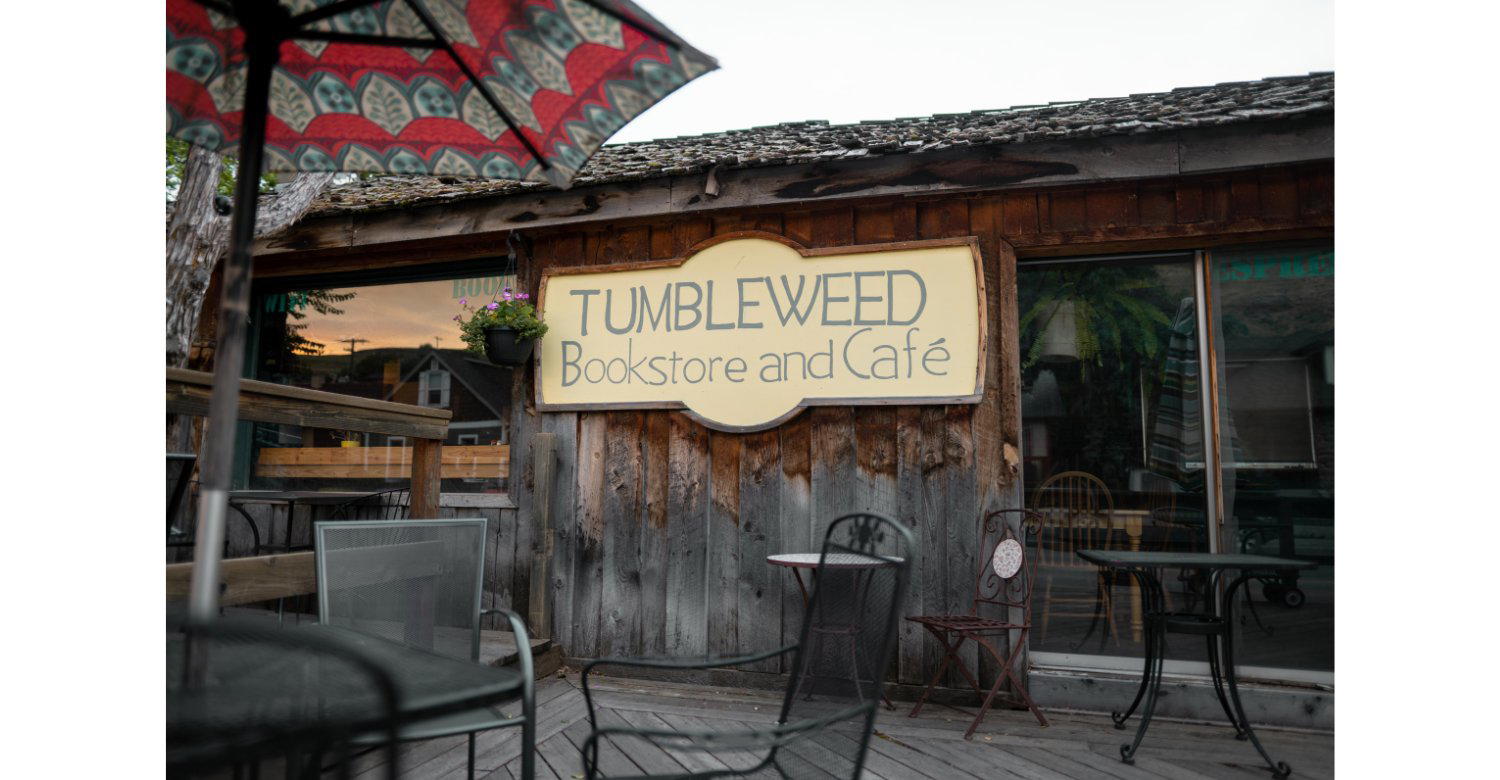
The building sits on the kind of main-drag block that defines small Montana towns: low-slung, functional, without architectural pretension. Walking toward it, you are in a town where the Yellowstone River runs close enough to be audible on quiet mornings, where the Absaroka Range fills the eastern horizon, and where the average dinner conversation is as likely to cover elk season or trail conditions as anything on a menu. That context is not incidental to the food. Across Gardiner's dining scene, which includes K-Bar Restaurant, Tumbleweed Cafe, Scott St W, Two Bit Saloon, and Yellowstone Grill, the through-line is an ingredient base drawn from the surrounding region. That is not marketing language here; it is the direct result of geography and supply chain reality in a place two hours from any major distribution hub.
What Montana Ranching Country Puts on the Plate
The ingredient-sourcing argument for Montana dining is worth making carefully, because it differs from the farm-to-table branding that has become a cliche in urban restaurant culture. In Gardiner and the surrounding Park County, the proximity to working cattle ranches, bison operations, and wild game hunting grounds means that the protein on a bar-and-grill menu has often traveled a fraction of the distance that a comparable cut would cover on its way to a city kitchen. That is a structural advantage, not a talking point. Beef raised in Paradise Valley, for instance, enters the regional food system at a scale and freshness that most metropolitan kitchens cannot match on comparable menu categories.
This matters when thinking about what a bar-and-grill format delivers at this latitude and altitude. The category across Montana tends toward grilled proteins, hearty starches, and direct preparation, because the clientele demands fuel as much as finesse. Places like Blue Hill at Stone Barns in Tarrytown or Single Thread Farm in Healdsburg have made ingredient provenance the centerpiece of a refined tasting format. In Gardiner, the same sourcing logic operates at a completely different register: the ingredient quality is real, the price point is accessible, and the format is designed for a table that spent the day on a trail or behind a steering wheel. Neither approach is inferior; they serve different demands within the same broad argument about eating close to the source.
Across the American West, this category of regional bar-and-grill has become increasingly relevant to serious food travelers who have spent time at places like Lazy Bear in San Francisco, Smyth in Chicago, or Providence in Los Angeles and are now curious about what the same sourcing values look like when filtered through a completely different economic and cultural context. The answer, in towns like Gardiner, is that the food is honest about what it is: regional protein, local grain, and preparation that respects the ingredient without aestheticizing it.
Where Iron Horse Sits in the Gardiner Dining Order
Gardiner's restaurant scene is small enough that each venue occupies a fairly distinct position. The town does not have the density to support much overlap. The bar-and-grill format places Iron Horse in a peer group that leans toward the social, informal end of the spectrum, a natural stopping point for early-evening arrivals from the park rather than a destination for a longer, more considered meal. Travelers planning a more deliberate evening might compare options across the full Gardiner dining set before committing; the full Gardiner restaurants guide covers the range.
The Spring Street address puts Iron Horse close to the town's commercial center, walkable from the main lodging corridor. That positioning is practical: after a day in Yellowstone, the distance between parking and a meal matters. The bar component of the format also serves a genuine local function in a town where the line between visitor-facing and community-serving hospitality is thin. On any given evening, the room is likely to contain a mix of park workers, fishing guides, and travelers passing through on their way deeper into Montana or back toward Bozeman.
The Broader Argument for Eating in Small Western Towns
The most ambitious sourcing-driven restaurants in the country have spent the past decade making the case that proximity to agriculture is the foundation of serious cooking. The French Laundry in Napa, Addison in San Diego, Le Bernardin in New York City, and The Inn at Little Washington have all built identities around ingredient relationships that require either rural proximity or exceptional supply chain discipline. In towns like Gardiner, that proximity is simply a given, embedded in the local economy before any kitchen makes a deliberate choice about it.
What restaurants in these gateway communities sometimes lack in technical refinement, they often compensate for in material honesty. A burger built from Park County beef in a Gardiner bar has a different baseline than the same menu item in a city gastropub sourcing from a national distributor. That is not a romantic claim; it is a function of distance, handling time, and the scale at which regional agriculture operates. For the food traveler who has spent time at Emeril's in New Orleans, Atomix in New York City, or Atelier Moessmer Norbert Niederkofler in Brunico, understanding that the sourcing argument operates across the full price and format spectrum is part of developing a complete picture of how ingredient provenance actually functions in real food systems.
Planning Your Visit
Iron Horse Bar and Grill is located at 212 Spring Street, Gardiner, MT 59030, in the commercial center of town and within easy walking distance of the main lodging options on the north Yellowstone approach corridor. Gardiner is roughly 80 miles south of Bozeman via US-89, and the town's compact layout means most venues, including Iron Horse, are accessible without a car once you have parked.
Frequently asked questions
Where is Iron Horse Bar and Grill in Gardiner?
Iron Horse Bar and Grill is located at 212 Spring St, Gardiner, MT 59030, Gardiner.
Is Iron Horse Bar and Grill a good option for groups visiting Yellowstone's north entrance?
The bar-and-grill format at Iron Horse, located at 212 Spring Street in central Gardiner, is structurally well-suited to groups: the format accommodates varied orders and does not require the synchronized pacing of a prix-fixe setting. Gardiner's commercial center is compact and walkable from the north entrance lodging cluster, which reduces logistics for larger parties. For groups with mixed appetites after a long park day, a grill-format venue in a small western town covers more ground than a single-cuisine restaurant would.
Do I need a reservation for Iron Horse Bar and Grill?
Gardiner's permanent population of roughly 900 swells considerably during Yellowstone's peak summer season, which runs late May through early September, and dining demand tracks that visitor surge closely. A bar-and-grill format generally turns tables faster than a reservation-only dinner concept, but arriving during peak evening hours in summer without a plan carries real wait risk. Calling ahead or arriving early in the dinner window is the more reliable approach when you're coming straight off a day in the park.
In Context: Similar Options
| Venue | Cuisine | Price |
|---|---|---|
| Iron Horse Bar and GrillThis venue (the venue you are viewing) | American Grill with Wild Game | $20–30 |
| K-Bar Restaurant | American Pizza Dive Bar | Not listed |
| Tumbleweed Cafe | American Cafe | $10–20 |
| Two Bit Saloon | American Saloon Fare | Not listed |
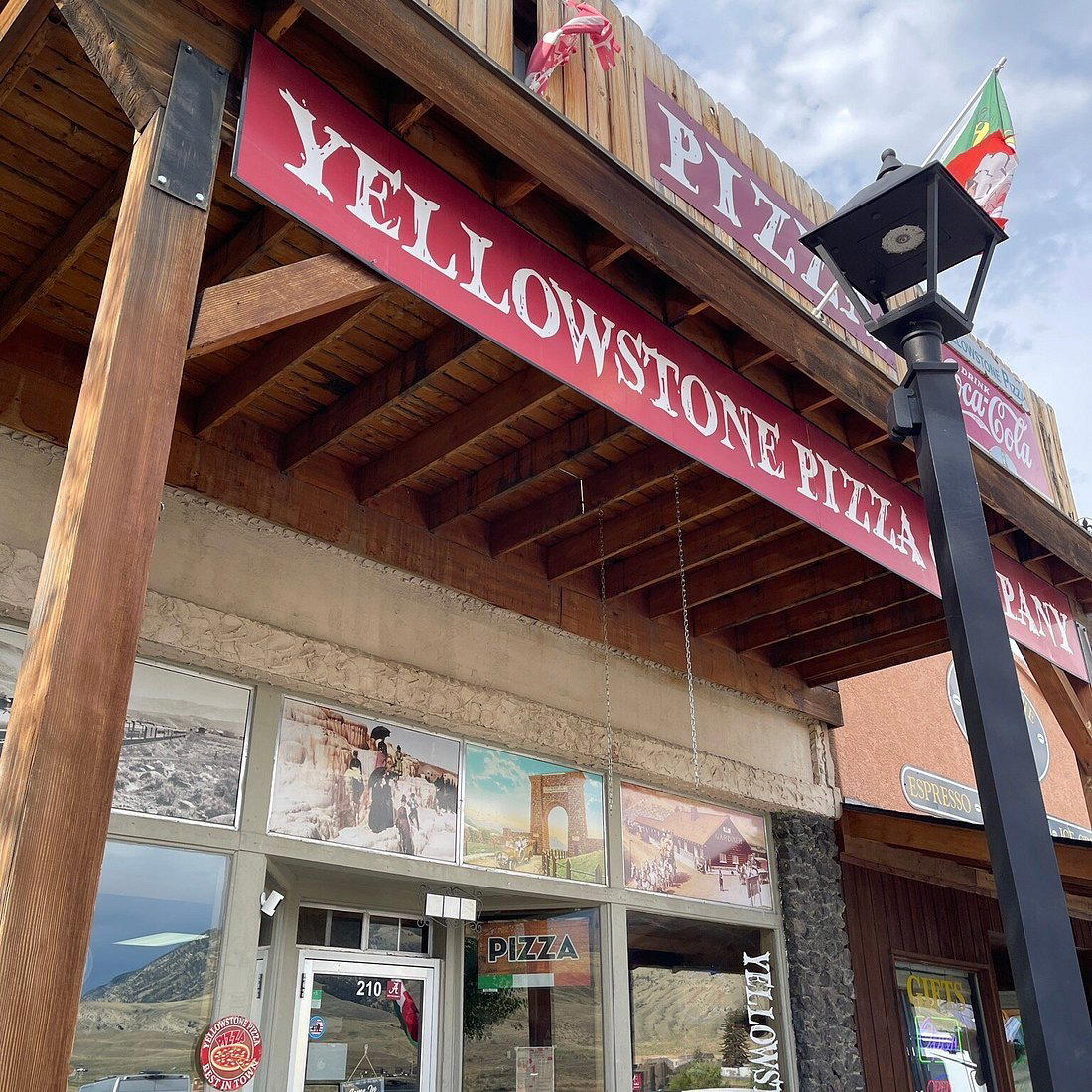
| Yellowstone Pizza Company | Traditional Neapolitan Pizza | $20–30 |
Continue exploring
More in Gardiner
Restaurants in Gardiner
All restaurants in Gardiner →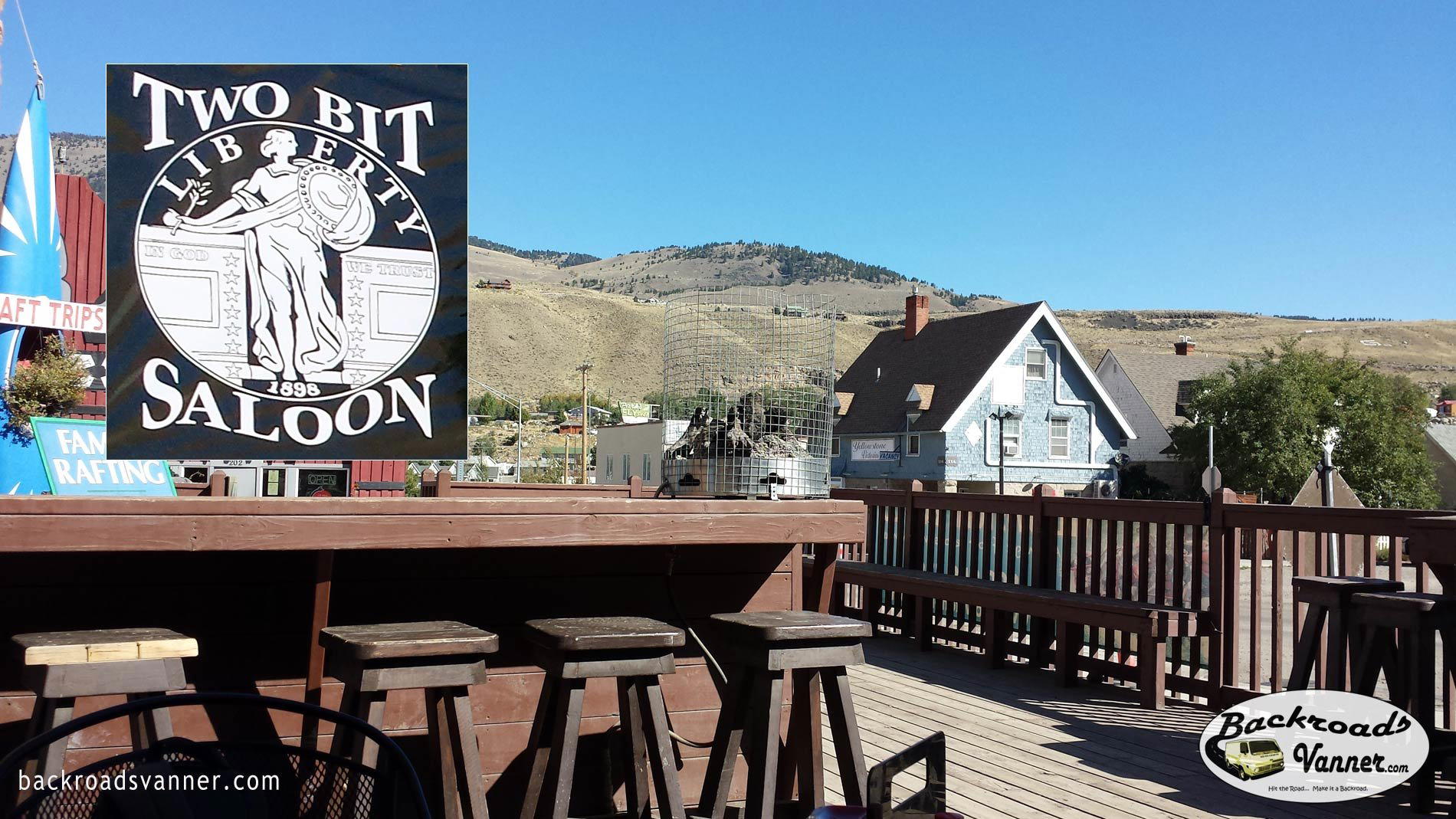
Bars in Gardiner
All bars in Gardiner →
Details
- Rustic
- Lively
- Cozy
- Casual Hangout
- Family
- Late Night
- Live Music
- Waterfront
- Craft Cocktails
- Beer Program
- Local Sourcing
- Waterfront
- Mountain
- A La Carte
- Craft Beers
- Specialty Cocktails
- Vegetarian Friendly
Current opening hours
- Monday
- 11 AM–9 PM
- Tuesday
- 11 AM–9 PM
- Wednesday
- 11 AM–9 PM
- Thursday
- 11 AM–9 PM
- Friday
- 11 AM–9 PM
- Saturday
- 11 AM–9 PM
- Sunday
- 11 AM–9 PM
Hours can change for holidays and private events. Hours as of .
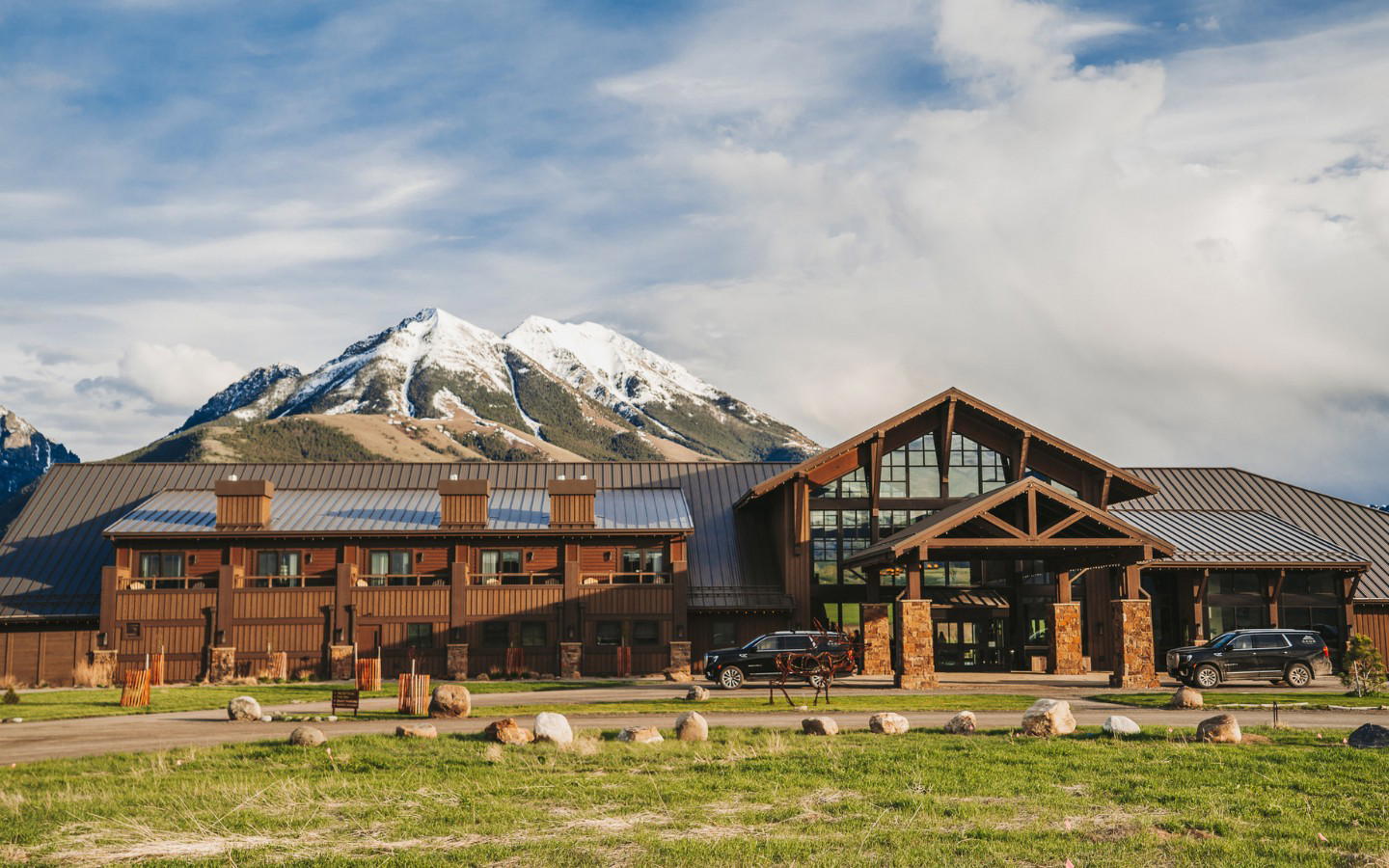
Rustic western decor with memorabilia, historical photos, and oddities on walls and ceiling, paired with a lively fun atmosphere and scenic outdoor deck.