Under Canvas West Yellowstone


Michelin Selected · Mr & Mrs Smith Seal of Approval
Under Canvas West Yellowstone sits at 890 Buttermilk Creek Road, placing guests within reach of one of North America's most active geothermal landscapes. The camp format positions itself inside a growing tier of upscale outdoor hospitality where canvas walls, wood-burning stoves, and proximity to national park terrain replace conventional hotel infrastructure. It draws travellers who want structured access to wilderness without trading away comfort entirely.

Pearl is the En Primeur Club membership app — saves, bookings, and concierge access live there. Same editors, same standards.
- Address
- 890 Buttermilk Creek Road, West Yellowstone, MT 59758
- Phone
- (888) 496-1148
- Website
- undercanvas.com
- Directions
- Get directions
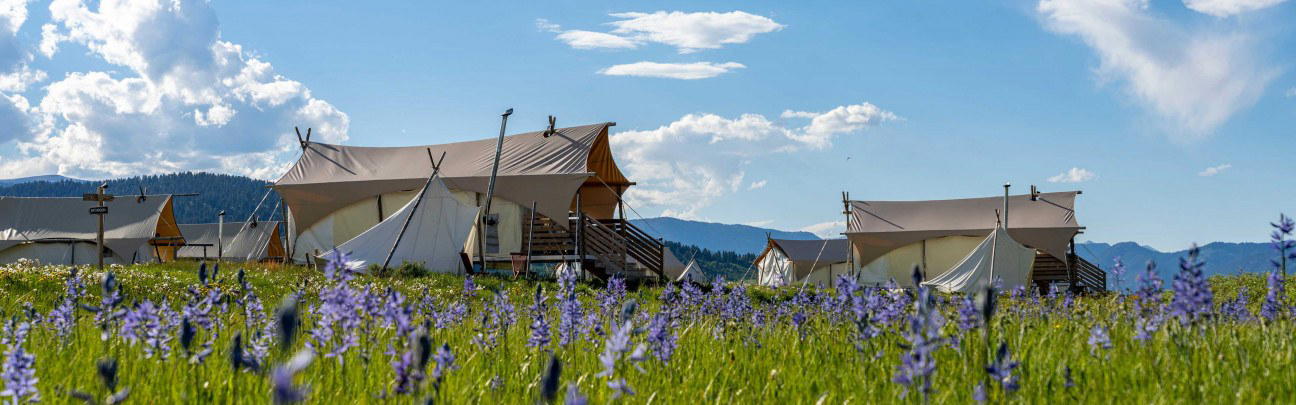
Where Glamping Becomes a Serious Category
The American West has long sustained two distinct hospitality modes: the full-service luxury lodge, positioned deep in a resort corridor, and the raw backcountry camp, where self-sufficiency is the price of admission. Over the past decade, a third format has consolidated between those poles. Upscale tented camps, led by operators like Under Canvas, have established that canvas-walled accommodations with ensuite facilities, curated food programming, and professional site management can command the attention of travellers who also book properties like Amangiri in Canyon Point or Amangani in Jackson Hole. Under Canvas West Yellowstone, at 890 Buttermilk Creek Road in Gallatin County, Montana, operates inside that tier.
The format carries specific logic in this location. Yellowstone National Park is one of the most visited national parks in the United States, drawing over four million visitors annually in recent years, yet overnight options within and directly adjacent to the park remain sharply limited. The West Yellowstone gateway sits at the park's western entrance, and the camp's placement on Buttermilk Creek Road keeps guests close to that access point without placing them inside the park's own lodging infrastructure, which runs from historic but utilitarian to fully booked well in advance of peak season. Choosing the Under Canvas format here is partly a logistical decision, and it's worth treating it as one.
Comparing Under Canvas West Yellowstone against conventional hotel benchmarks misreads the category. Those properties offer permanent structures, full dining rooms, and activity programming built around the ranch or river experience. Under Canvas operates on a different compact: the tent is the room, and the landscape is the amenity. That framing places it closer to properties like Ambiente, A Landscape Hotel in Sedona, where the physical environment is treated as primary infrastructure rather than backdrop.
Within Gallatin County's broader hospitality offering, the Under Canvas format occupies a distinct niche. For travellers who want something outside the standard lodge format but are not ready to commit to a full wilderness camp, it provides a calibrated middle position. The Howlers Inn B&B; and Wolf Sanctuary represents the region's more intimate, owner-operated end of the market. Under Canvas sits in a different register: a multi-site operator with standardized infrastructure that makes the experience replicable and predictable in ways that smaller properties cannot guarantee.
Food and Drink at Camp: What the Format Allows
The dining programme at upscale tented camps is where the category's ambitions are most frequently tested. Under Canvas properties typically anchor their food and beverage operations around a central gathering structure, with morning coffee service, campfire programming, and meals designed to work at the intersection of open-air cooking and sourced ingredients. The format does not support the kind of kitchen infrastructure that drives a property like SingleThread Farm Inn in Healdsburg or Auberge du Soleil in Napa, nor does it try to. What it offers instead is food programming scaled to the outdoor context: communal, ingredient-led, and timed around the rhythms of a camp day rather than a restaurant service schedule.
In the broader conversation about where outdoor hospitality is heading, this positioning is deliberate. Properties that have tried to import full fine-dining infrastructure into a tented format often find the result feels forced in both directions: too polished for guests seeking genuine wilderness contact, too rough for guests expecting resort-standard service. The cleaner play, which the Under Canvas model reflects, is to commit to camp-appropriate food that does its job well rather than attempting to compete with lodge dining rooms or chef-driven destination restaurants. For travellers who want both the landscape access and serious culinary programming under one stay, the model may not fully satisfy, and it's more honest to acknowledge that than to oversell what the format delivers.
Accessing Yellowstone: The Practical Calculus
West Yellowstone is the primary western gateway into Yellowstone National Park, and the town functions almost entirely around park access. The camp's location on Buttermilk Creek Road keeps guests within a short drive of the west entrance, which opens into the park's Madison corridor and onward to the Lower and Upper Geyser Basins, including Old Faithful. Yellowstone's geothermal features are distributed across the park rather than concentrated at one point, which means early starts and routing decisions matter significantly. Guests staying at the West Yellowstone camp are well-positioned for full-day loops into the park's interior without the longer drive times that affect accommodations farther from the entrance.
Montana's high season for Yellowstone access runs from late May through early September, with July and August carrying the highest visitor volumes and the warmest overnight temperatures. Shoulder season visits in May or September offer reduced crowding at the park's major thermal features but require preparation for cold nights, which is where the wood-burning stove configurations common to Under Canvas tents become a functional rather than atmospheric detail. Booking lead times for summer stays extend months ahead, consistent with the pattern across all premium accommodations in the West Yellowstone gateway zone.
Travellers comparing gateway options should note that the Jackson Hole corridor offers access to Yellowstone's southern entrance but adds significant drive time to the park's central and western features. West Yellowstone's positioning on the western edge remains the more direct entry point for the park's most visited geyser basins. Properties like Alpine Falls Ranch in Superior serve the broader Montana experience but sit outside the immediate Yellowstone gateway geography.
Placing the Camp in a Broader West Context
The premium outdoor hospitality category has expanded considerably across the American West. Properties like Post Ranch Inn in Big Sur and Canyon Ranch Tucson approach the landscape-as-amenity premise from different angles and with different infrastructure scales. Under Canvas West Yellowstone occupies the end of the spectrum where portability and proximity to national park terrain take precedence over permanence and full resort programming. For travellers whose primary goal is park access with comfortable overnight accommodations and a food programme that handles breakfast and evening meals competently, the camp format delivers that proposition efficiently. For travellers seeking the deeper culinary or wellness programming found at properties like Bernardus Lodge and Spa in Carmel Valley or Kona Village, A Rosewood Resort, the format will feel limited. Knowing which category of stay you are booking matters more here than at most properties. See our full Gallatin County restaurants guide for broader dining context in the region.
Price and Recognition
| Venue | Price | Awards |
|---|---|---|
| Under Canvas West YellowstoneThis venue — the venue you are viewing | Not listed | Michelin Selected · Mr & Mrs Smith Seal of Approval |
| Aman New York | Not listed | 3 Michelin Keys · World's 50 Best #87 |
| Amangiri | $1,000–1,500 | 3 Michelin Keys · World's 50 Best #45 |
| Hotel Bel-Air | $750–1,000 | 3 Michelin Keys · World's 50 Best #57 |
| The Beverly Hills Hotel | Not listed | 3 Michelin Keys · World's 50 Best #65 |
| The Carlyle, A Rosewood Hotel | $1,500–2,500 | 2 Michelin Keys · World's 50 Best #64 |
Recognition history
Dated appearances from independent guides and award organizations, with the underlying list record or original source where available.
Michelin Selected
Michelin
Mr & Mrs Smith Seal of Approval
Mr & Mrs Smith
Continue exploring
More in West Yellowstone
Hotels in West Yellowstone
Browse all →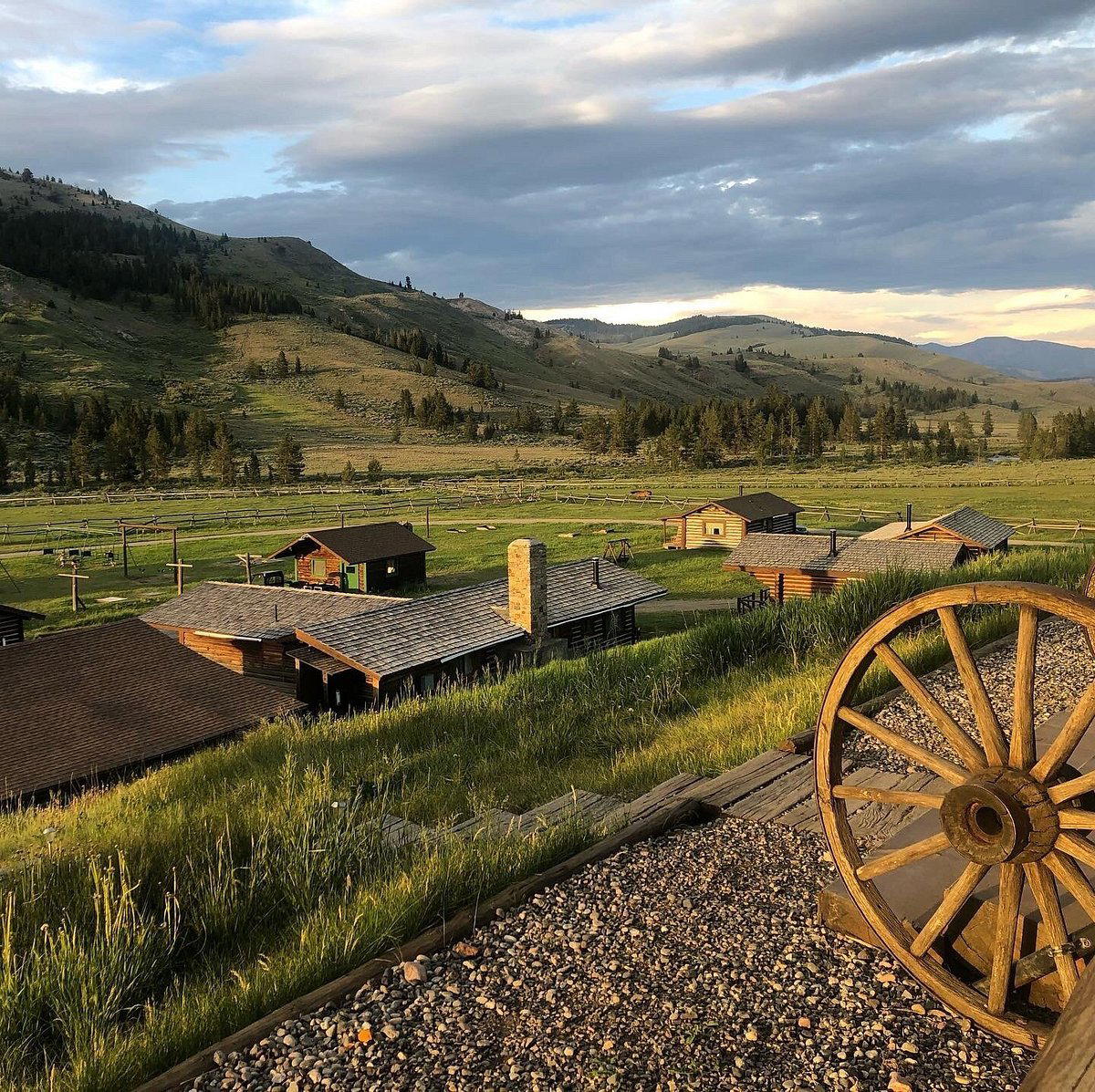
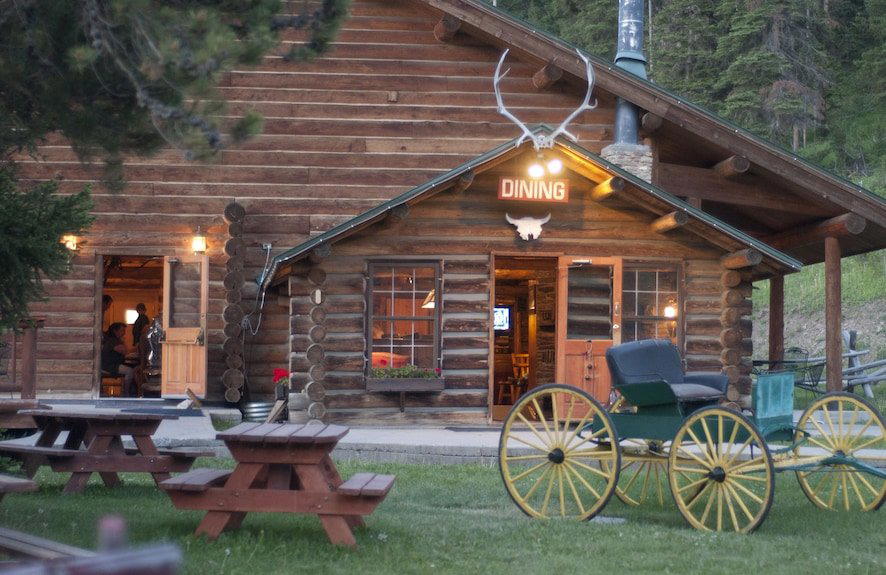
Bars in West Yellowstone
Browse all →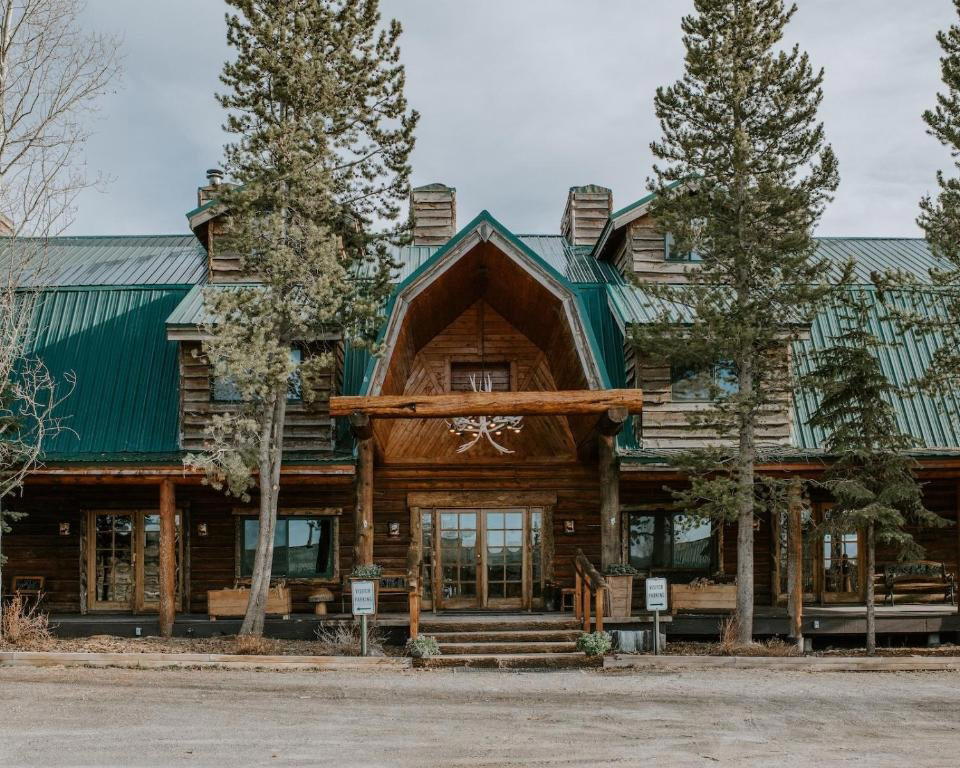
Details
- Scenic
- Rustic
- Cozy
- Family Vacation
- Romantic Getaway
- Weekend Escape
- Panoramic View
- Wi Fi
- Mountain
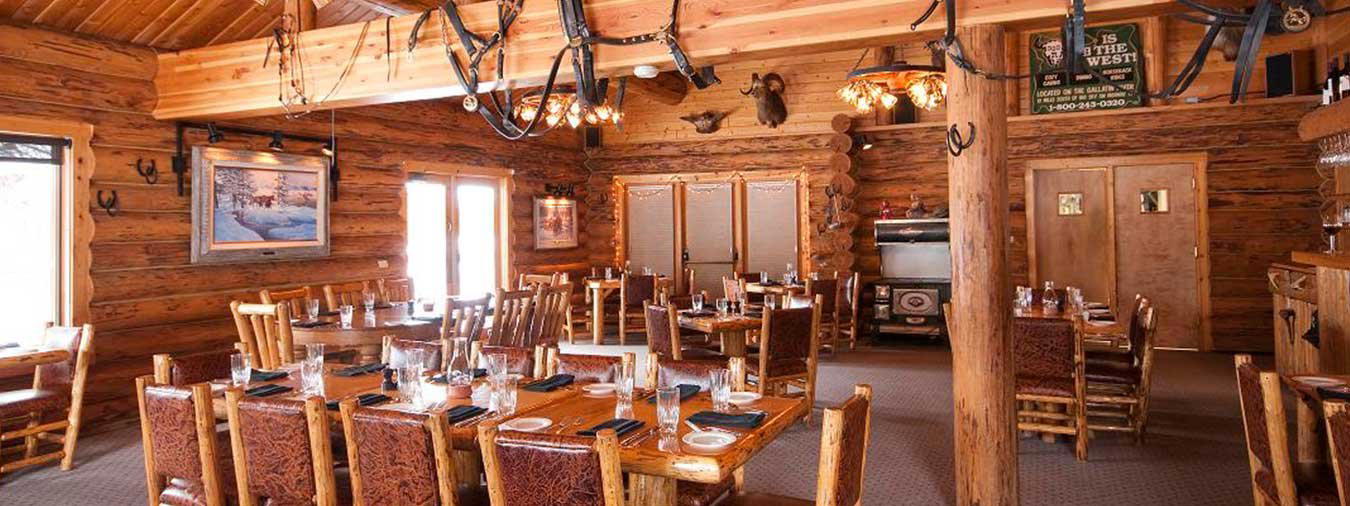
Cozy canvas tents with rustic West Elm furnishings, warm wood stoves, fire pits, and star-filled skies create a serene, nature-immersed atmosphere.