The Wine Group

The Wine Group is less a pastoral tasting-room fantasy than a large-scale Livermore wine and beverage company, shaped by production, packaging, and consumer occasion rather than estate romance. Its significance lies in scale: 125+ brands, 15,000+ vineyard acres, 145M+ global cases, and a market position built around access, value, and industrial wine innovation.
Pearl is the En Primeur Club membership app — saves, bookings, and concierge access live there. Same editors, same standards.
- Address
- Livermore, Vereinigte Staaten
- Directions
- Get directions
 Saves & bookings on Pearl
Approach The Wine Group in Livermore with the right expectations and the venue reads less like a leisure-first tasting stop and more like a window into the corporate side of the wine business. The profile points to an industrial, modern setting shaped by production, innovation, brand building, and facilities where craftsmanship and technology matter. That makes it a different kind of entry in a venue guide: useful not because it promises a detailed public tasting format, but because it frames wine as an organized system of consumer occasions, production choices, and brand communication.
For readers comparing Livermore wine-related stops, the key distinction is atmosphere. Its stated character is corporate, production-focused, and innovation-driven rather than centered on guest ambiance. That does not make it less relevant; it simply changes how the listing should be read. The strongest grounded takeaway is that this is a modern wine-company environment, not a page to use for specific menu, tasting, chef, vineyard, or appointment claims.
Livermore as an anchor, not a single-vineyard thesis
The location is Livermore, and that is the safest geographic frame. In practical editorial terms, that means the page should avoid presenting The Wine Group as a specific public tasting itinerary unless such a service is independently confirmed. What can be said is narrower but still meaningful: it belongs to Livermore’s broader wine landscape as a corporate and production-oriented presence.
That matters because not every wine venue is best understood through the same lens. Some places invite description through vineyard views, tasting flights, food pairings, or personal hospitality. The Wine Group’s profile points elsewhere: toward industrial and modern facilities, brand building, and the relationship between craftsmanship and technology. In other words, the relevant story is not an intimate table-by-table hospitality script. It is the role a large wine organization can play in shaping how wine is produced, positioned, and understood by consumers.
For a visitor or planner, that difference should guide expectations. If you are looking for a concise read on the venue’s character, the description is clear: corporate, production-focused, innovation-driven, industrial, and modern, with a stronger emphasis on business and production context than on a guest-centered tasting-room mood.
Packaging, occasion, and the modern mass-market wine brief
The strongest grounded editorial theme is consumer occasion. The facts state that the brand emphasizes consumer occasions and brand building. In a modern wine context, consumer occasions can mean thinking about when, why, and how people choose wine, and how a company presents wine for those moments. The venue’s profile supports that general reading, but not a claim about particular bottles, packaging technologies, or tasting experiences.
Innovation is also part of the description. Here, the safest interpretation is broad: the venue is associated with facilities where craftsmanship and technology matter. That phrase supports a production-aware view of wine, where quality and consistency may depend not only on romantic vineyard language but also on systems, tools, and operational discipline. It does not support naming proprietary processes, sustainability certifications, scores, awards, or product claims that are not in the record.
This is where restraint is important. A premium guide can be useful precisely by not overclaiming. The winery should not be padded with promises about private tastings, walk-in access, food pairings, parking, accessibility, pet policies, lunch, dinner, or takeout. The confirmed price indicator is $, but the public record does not verify a menu or purchase format. The confirmed atmosphere is corporate and industrial-modern, but the public record does not verify a specific visitor journey. Readers should treat the listing as a high-level venue profile rather than a complete planning page.
How to read this stop within a Livermore trip
Within a Livermore trip, the winery is best read as context for the production and brand side of the wine world. The useful planning note is expectation-setting: this is not presented here as a classic hospitality-first tasting room. It is presented as an industrial, modern, corporate environment with a production and innovation focus.
That makes the venue potentially interesting for readers who care about how wine moves beyond the romance of the cellar door and into broader consumer life. The facts support a story about brand building, consumer occasions, and facilities where technology and craftsmanship intersect. They do not support a story about awards, rankings, chef-led cuisine, exact hours, specific wines, or a detailed public tasting program.
The result is a deliberately leaner but more reliable guide entry. The winery in Livermore is a $ venue whose defining traits are corporate, production-focused, innovation-driven, industrial, and modern. Use that profile to decide whether it fits the kind of wine experience you want: not necessarily intimate or guest-centered, but clearly connected to the operational and brand-building side of contemporary wine.
Recognition history
Dated appearances from independent guides and award organizations, with the underlying list record or original source where available.
Falstaff Winery - Listed
Falstaff
Continue exploring
More in Livermore
Wineries in Livermore
Browse all →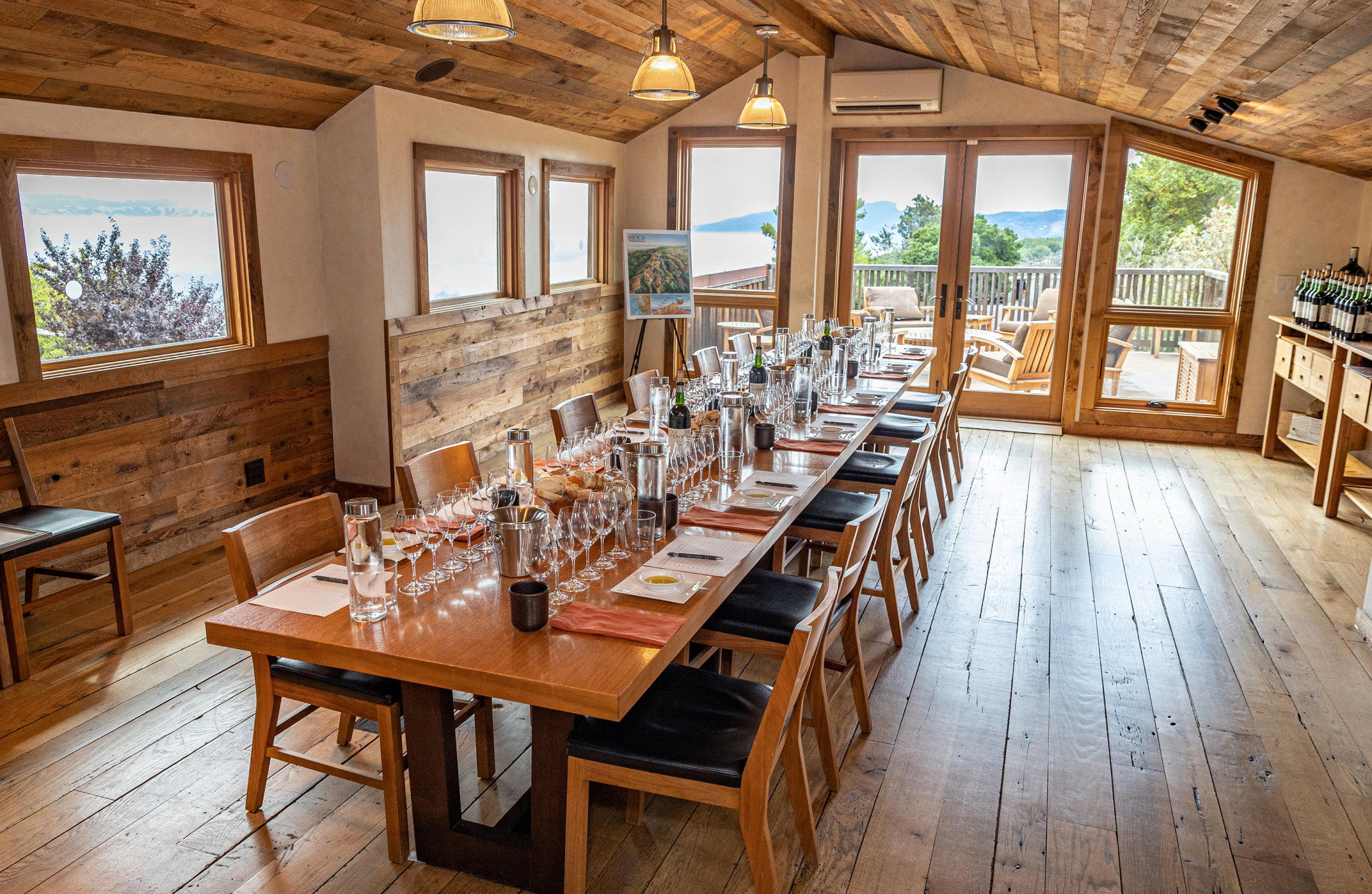
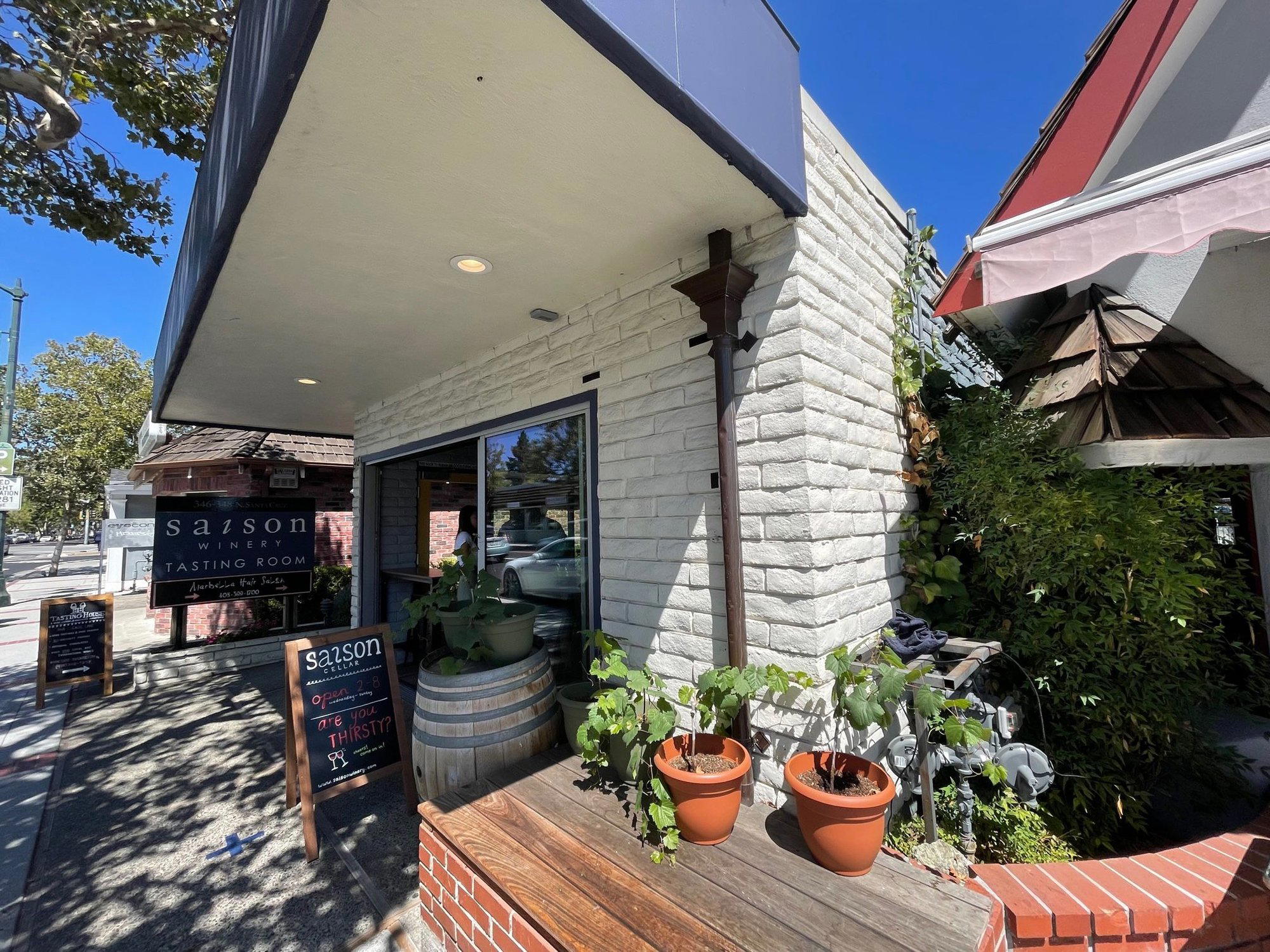
Bars in Livermore
Browse all →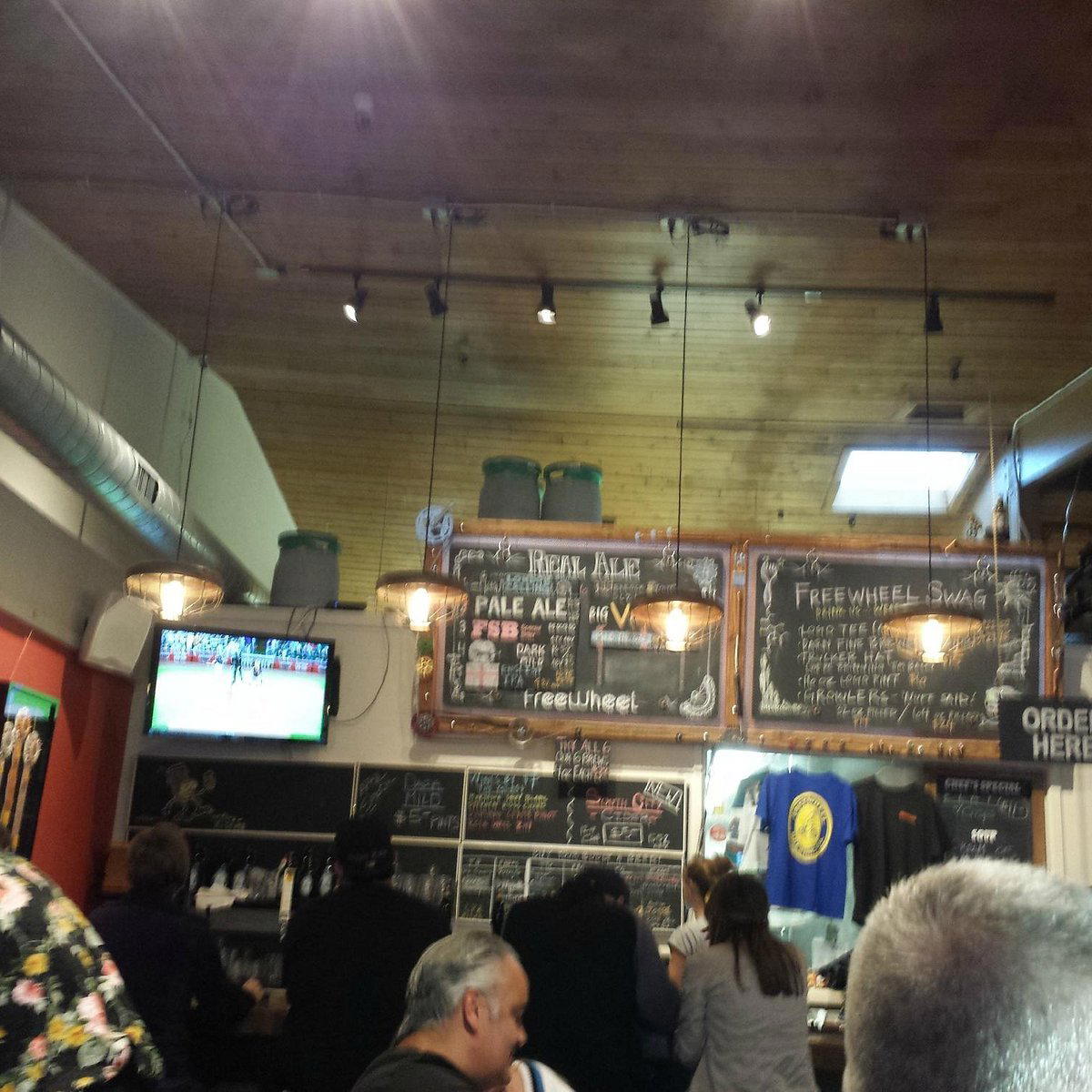
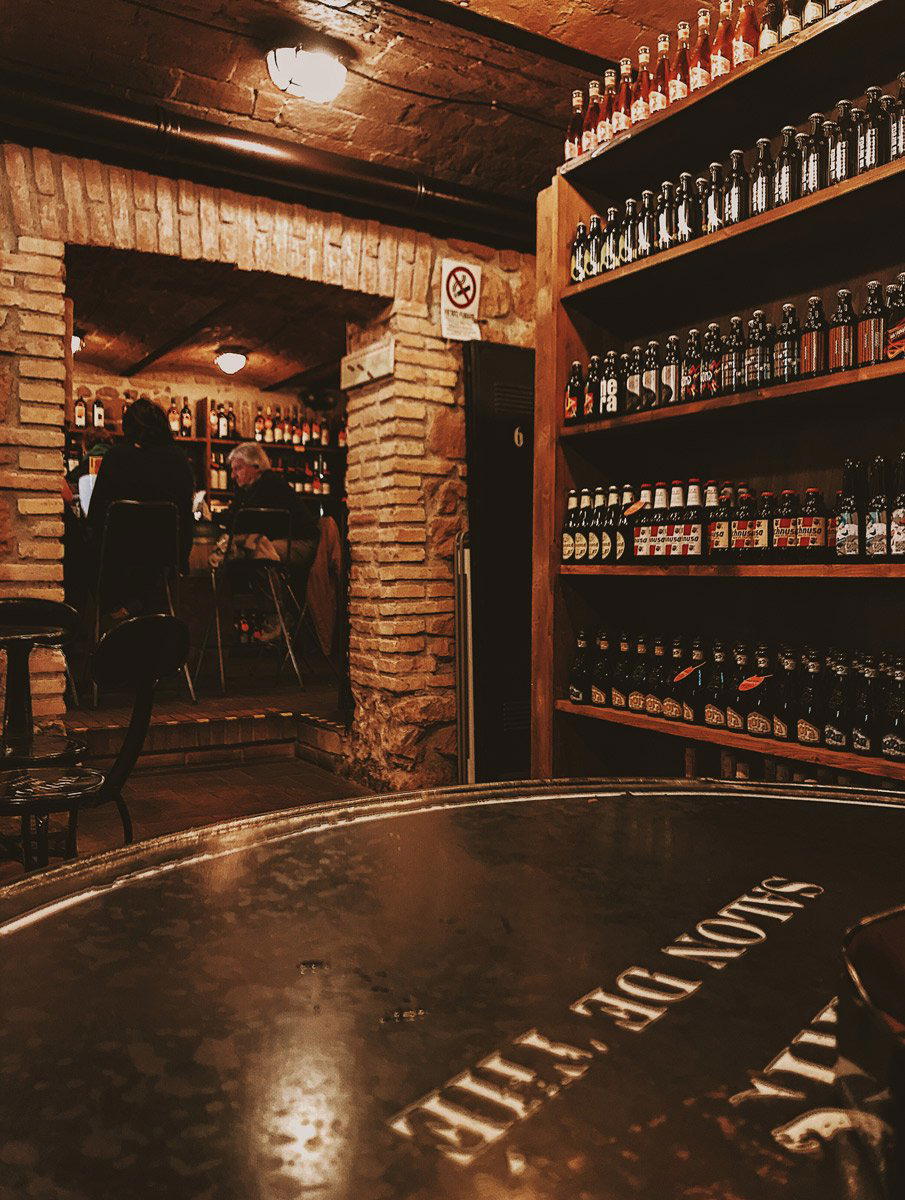

Restaurants in Livermore
Browse all →
At a Glance
- Industrial
- Modern
- Well Known
- Corporate Event
- Group Outing
- Wine Education
- Private Tasting
- Cabernet Sauvignon
- Chardonnay
- Merlot
- Pinot Grigio
- Pinot Noir
- Sauvignon Blanc
- Still Red
- Still White
- Still Rosé
- Private Tasting
Corporate, production-focused, and innovation-driven rather than a guest-centered tasting-room ambiance; the brand emphasizes consumer occasions, brand building, and facilities where craftsmanship and technology matter.