Kimpton Hotel Palomar Phoenix

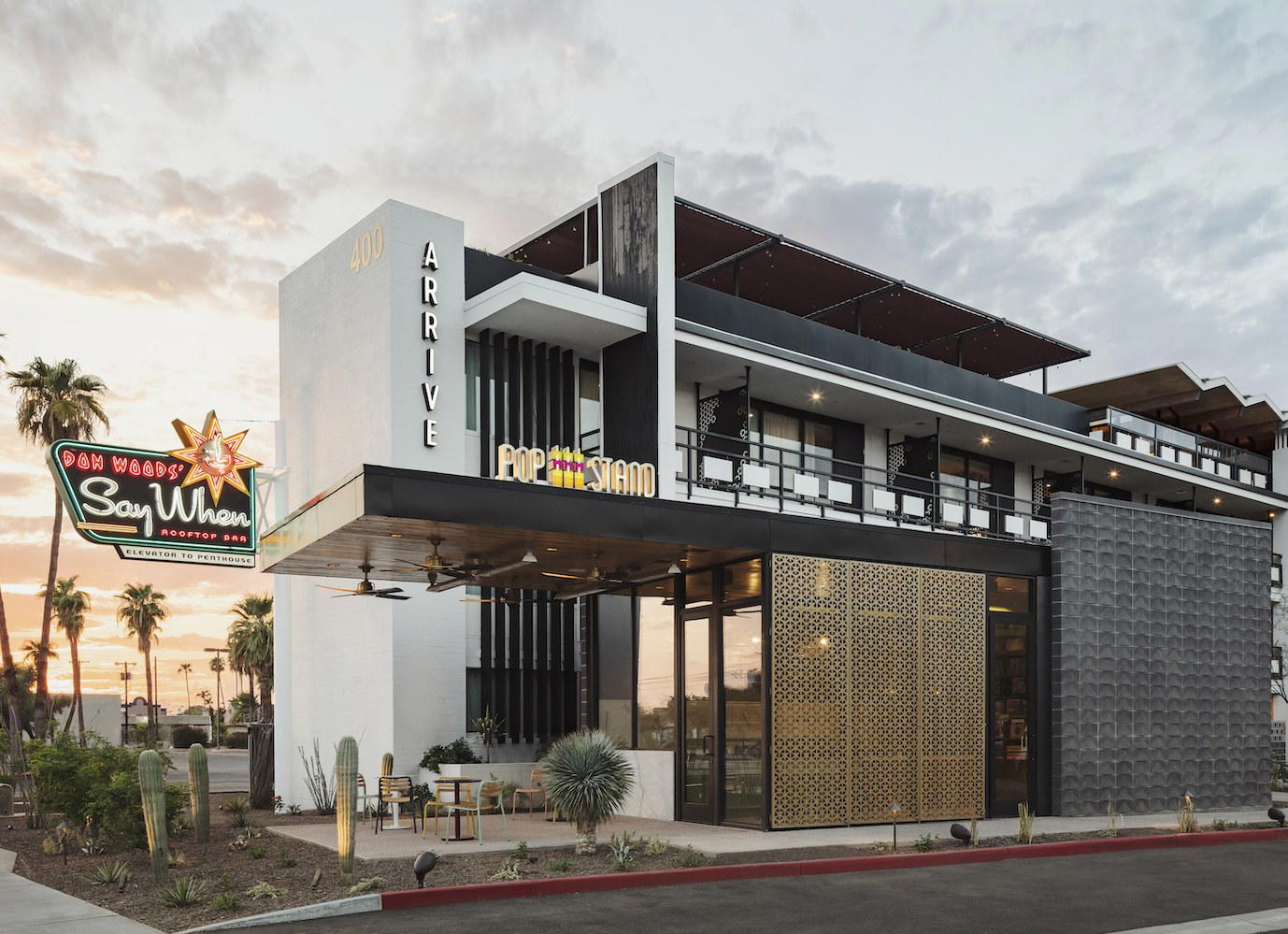
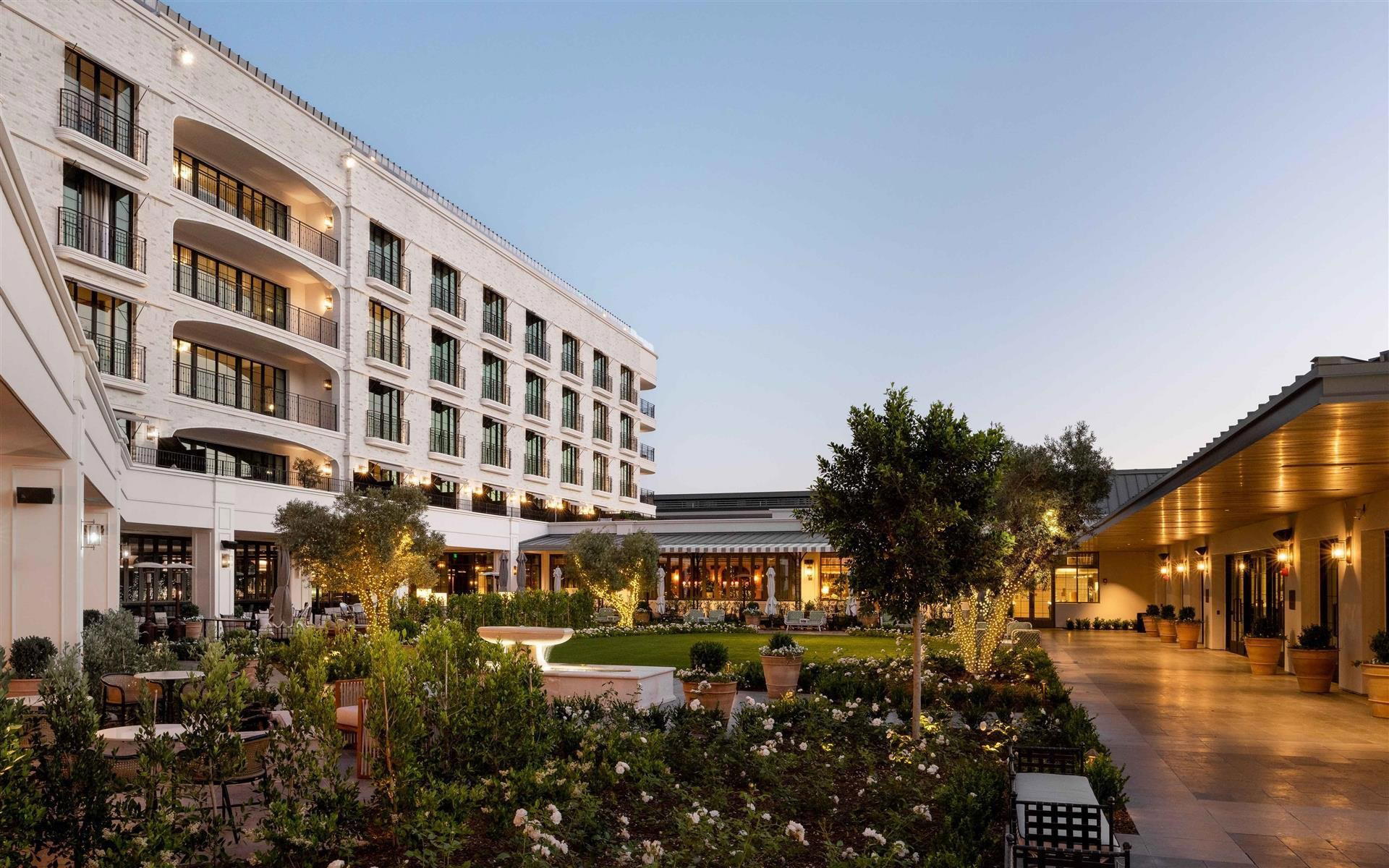
Kimpton Hotel Palomar Phoenix puts a design-conscious downtown address at 2 E Jefferson St against a backdrop where most Phoenix hotel options default to resort scale. The property fits the Kimpton pattern of urban boutique positioning, art-forward interiors, walkable proximity to the city's central business and cultural district, and a format that reads closer to a New York or Chicago design hotel than the valley's sprawling resort tier.
Pearl is the En Primeur Club membership app — saves, bookings, and concierge access live there. Same editors, same standards.
- Address
- 2 E Jefferson St, Phoenix, AZ 85004
- Phone
- +1 602 253 6633
- Website
- hotelpalomar-phoenix.com
- Directions
- Get directions
 Saves & bookings on Pearl
Downtown Phoenix and the Design Hotel Question
Phoenix's hotel market has long organized itself around two poles: the resort campus on the valley's periphery, with golf courses and spa acreage measured in acres, and the functional business hotel downtown with little aesthetic ambition. That binary has been slowly breaking apart.
The address places it in a different competitive conversation than properties like JW Marriott Phoenix Desert Ridge Resort and Spa or the Sheraton Grand at Wild Horse Pass, both of which operate at resort scale well outside the urban core. Even the Arizona Biltmore, LXR Hotels and Resorts, despite its architectural prestige, sits in a residential enclave with resort logic baked into its DNA. Palomar is a city hotel in the fullest sense: walkable, vertical, and calibrated for guests whose itinerary includes downtown Phoenix rather than departing from it.
The Kimpton Approach to Urban Design
Kimpton as a brand built its identity on the boutique design-hotel format before that format became a commodity category. Its properties typically invest in art programs and interior concepts that differentiate them from chain minimalism without tipping into the exhausting maximalism of some independent boutique brands. Palomar properties specifically, within the Kimpton portfolio, have historically emphasized bold architectural gestures and a design language that references local context rather than applying a generic template.
In Phoenix, that means engaging with the visual grammar of the Southwest, light, geometry, color influenced by desert materials, without defaulting to the turquoise-and-adobe shorthand that lesser properties lean on. The result, in the broader Kimpton Palomar family, has been interiors that read as contemporary and regionally anchored simultaneously. For a downtown Phoenix property specifically, that balance matters: the city's urban core is in active development, attracting a younger professional and creative-class resident base that responds to design-conscious hospitality rather than resort spectacle.
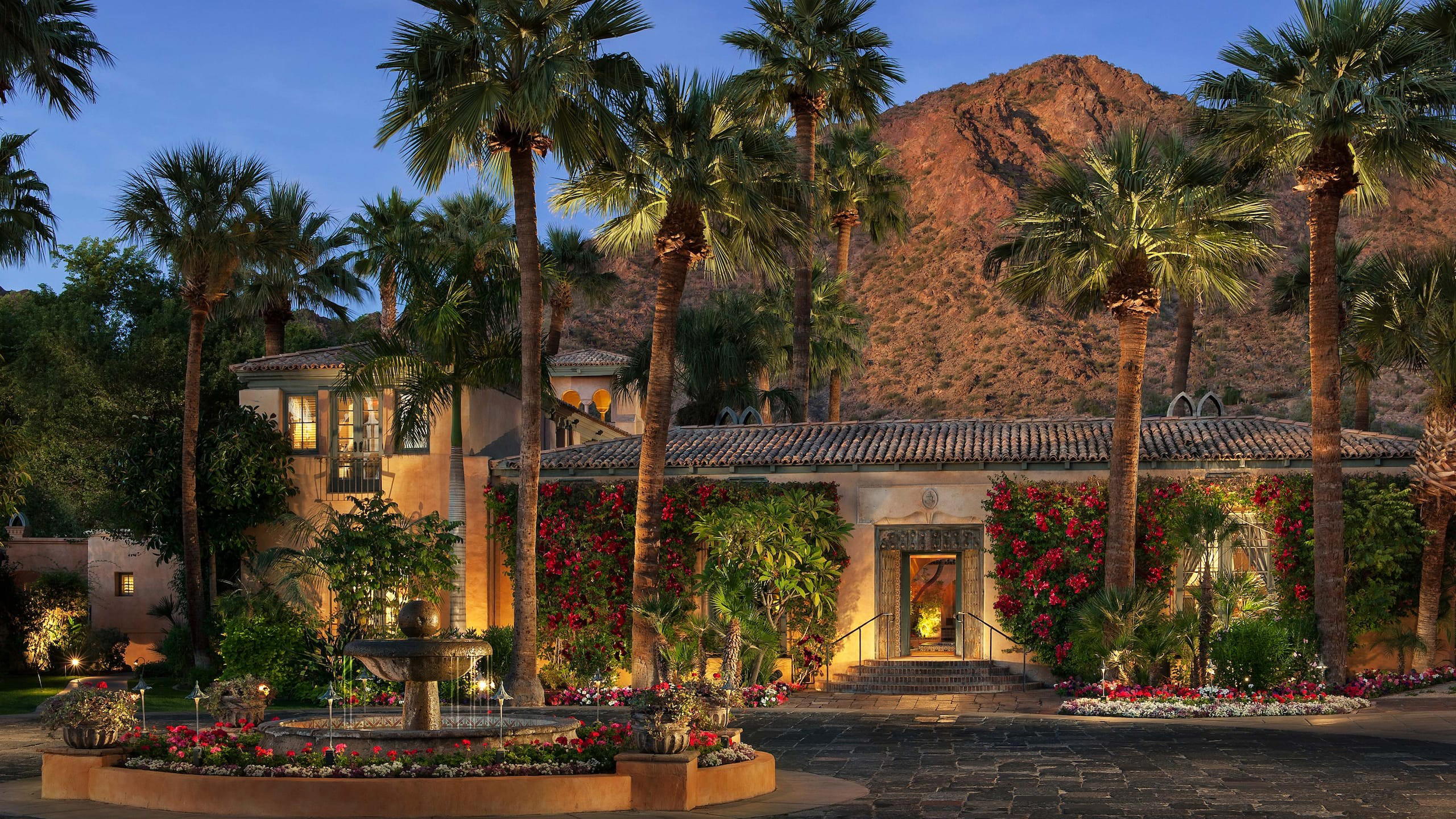
Guests comparing Palomar against other Phoenix options with design ambitions should note that The Camby, Autograph Collection occupies a similar urban boutique niche, while Royal Palms Resort and Spa and The Global Ambassador represent different axes of the Phoenix luxury conversation, Mediterranean-inflected resort romance and new-money glamour, respectively.
Location as Architecture
There is an argument that in a city like Phoenix, where the dominant hotel grammar is spatial sprawl and controlled environments, choosing a downtown address is itself an architectural statement. Palomar's position at Jefferson and Central puts guests within walking distance of the Roosevelt Row arts district, the Phoenix Art Museum, and the light rail network that connects downtown to Tempe and the broader valley. This matters for guests who actually want to engage with Phoenix as a city rather than experience it as climate-controlled backdrop.
The contrast with resort-model properties is worth stating plainly. At properties like JW Desert Ridge or Sheraton Grand at Wild Horse Pass, the grounds themselves are the destination; departure requires planning. At Palomar, the city is immediately accessible, which suits a different travel posture: the guest who wants dinner at a chef-driven restaurant on Roosevelt Row, followed by a show at a downtown venue, and a walkable return to the hotel. For comparison, the design-forward urban hotel format that Palomar represents in Phoenix has equivalents in other American cities, Chicago Athletic Association operates in a similar zone of historic architecture repurposed for contemporary boutique hospitality, and 1 Hotel San Francisco similarly prioritizes urban integration over isolated resort logic.
Planning and Context
Downtown Phoenix operates on a different seasonal rhythm than the resort corridor. The arts and cultural calendar, concentrated between October and April, drives demand for centrally located properties during the same high season that fills the valley's resorts. Phoenix First Fridays, the monthly arts walk through Roosevelt Row, draws significant foot traffic to the downtown core and can affect room availability around those dates. The NBA Phoenix Suns play at Footprint Center, a short walk from the Jefferson Street address, which means game nights in the October-through-April season create demand spikes worth accounting for when booking.
For guests whose frame of reference is boutique design hospitality in other markets, it helps to calibrate expectations: Palomar operates as an urban mid-scale design property, not at the category-ceiling price point of something like Aman New York or The Fifth Avenue Hotel in New York City. It sits closer to the accessible-design-hotel tier, the same general market position as Kimpton properties in other American downtowns. Guests wanting the Southwest's full luxury resort register should look at Amangiri in Canyon Point or Canyon Ranch Tucson for the immersive, remote end of the spectrum.
How Palomar Fits the Broader Kimpton Pattern
Kimpton's portfolio strategy has always been to plant design-led properties in urban cores where the boutique independent hotel market is underdeveloped relative to the city's size. Phoenix qualified: a major American city with a downtown in transition, limited high-quality boutique hotel supply, and a growing creative-professional resident and visitor base. The Palomar brand within Kimpton specifically targets markets where architectural identity can do marketing work, where the building and its design communicate positioning without requiring the resort amenity stack (pools measured in acreage, multiple dining venues, golf access) that larger property types depend on.
That makes Palomar legible within a national boutique design hotel conversation that includes properties like Troutbeck in Amenia, Raffles Boston, or SingleThread Farm Inn in Healdsburg, all properties where design specificity and address logic are the primary differentiators rather than scale.
Comparison Snapshot
Comparable venues nearby, for context on price, style, and recognition.
| Venue | Cuisine | Price | Awards | Notes |
|---|---|---|---|---|
| Kimpton Hotel Palomar PhoenixThis venue — the venue you are viewing | Newly renovated urban boutique hotel with desert-inspired design. | $$$ | 4-Star | Not listed |
| Sheraton Grand at Wild Horse Pass | Native American heritage-inspired luxury resort blending Pima and Maricopa cultural traditions with contemporary desert hospitality. | $$$$ | 5-Star | Ahwatukee |
| The Camby, Autograph Collection | Reimagined luxury retreat balancing classical elegance with contemporary desert-inspired design; formerly a Ritz Carlton transformed into a playful, sophisticated lifestyle hotel. | $$$$ | 5-Star | Biltmore Villas |
| JW Marriott Phoenix Desert Ridge Resort & Spa | Luxury desert resort with family-friendly waterpark and championship golf. | $$$$ | 4-Star | Paradise Valley |
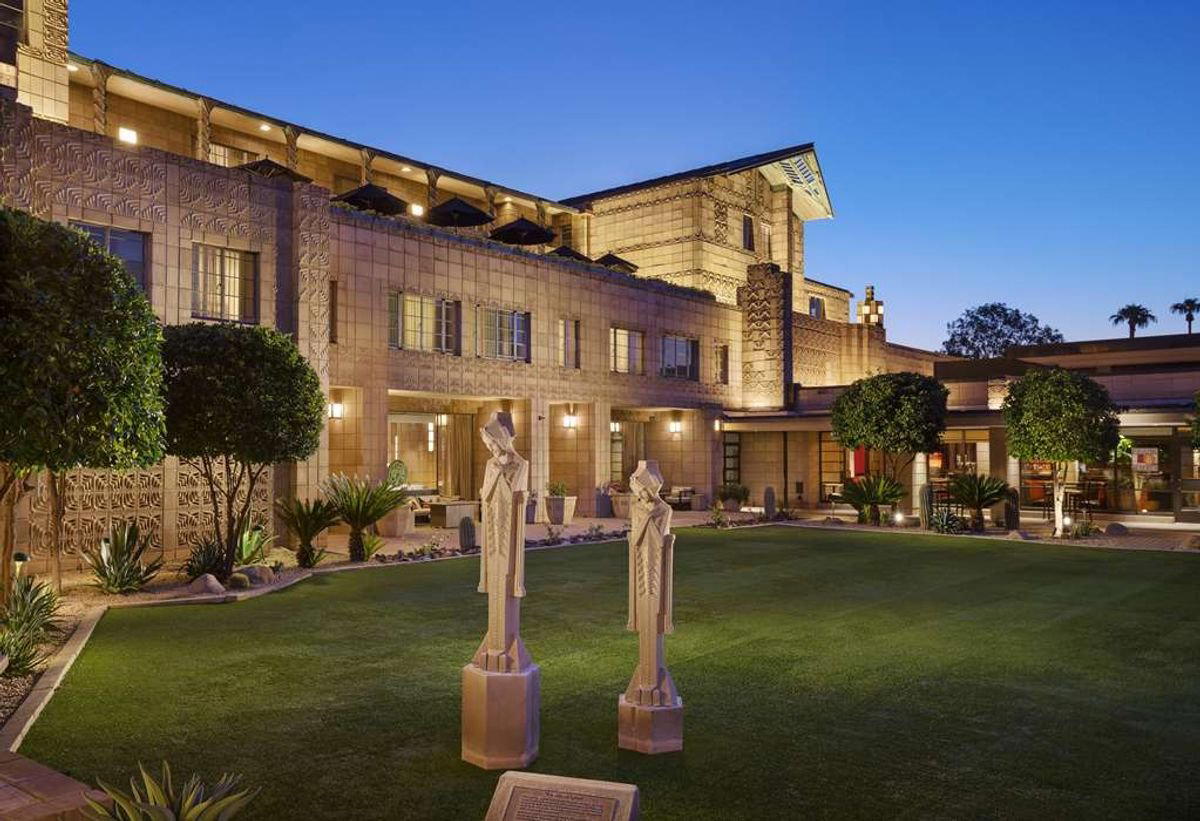
| Arizona Biltmore, LXR Hotels & Resorts | Luxury heritage resort blending Frank Lloyd Wright-inspired architecture with contemporary Waldorf Astoria service standards. | $$$$ | 4-Star | Biltmore Gates |
| Atari Hotel Phoenix | Large-scale experiential entertainment hotel that blends lodging with esports, concerts, and nightlife venues. | Not listed | Not listed | Roosevelt Row Arts District |
Recognition history
Dated appearances from independent guides and award organizations, with the underlying list record or original source where available.
Michelin Selected
Michelin

At a Glance
- Modern
- Trendy
- Sophisticated
- Business Trip
- Weekend Escape
- Rooftop Pool
- Panoramic View
- Pool
- Fitness Center
- Room Service
- Concierge
- Valet Parking
- Skyline
- Mountain
- Pool
- Fitness Center
- Room Service
- Concierge
- Valet Parking
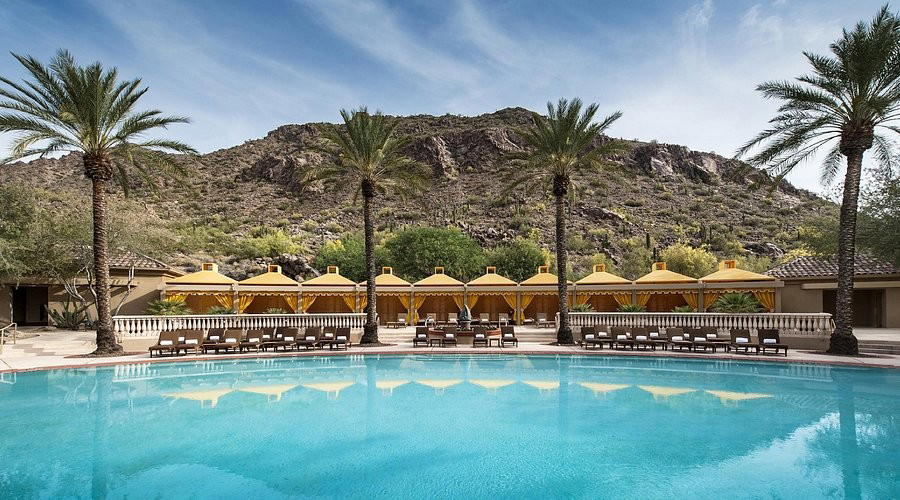
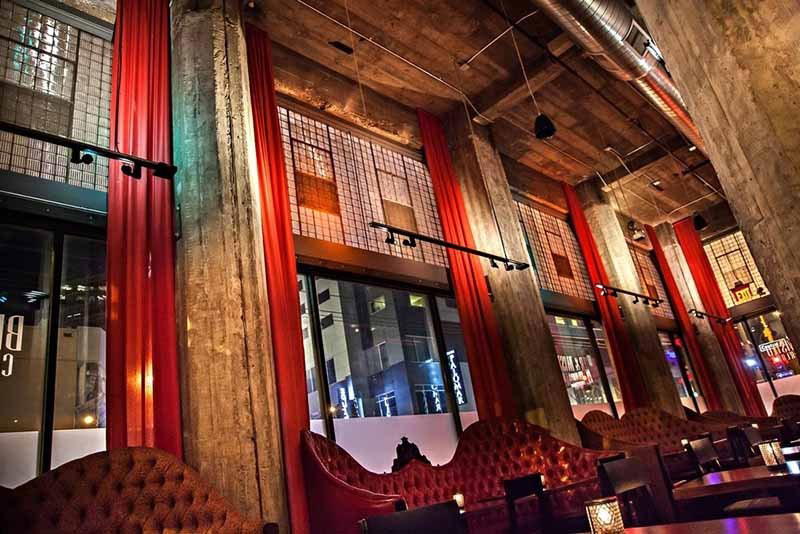
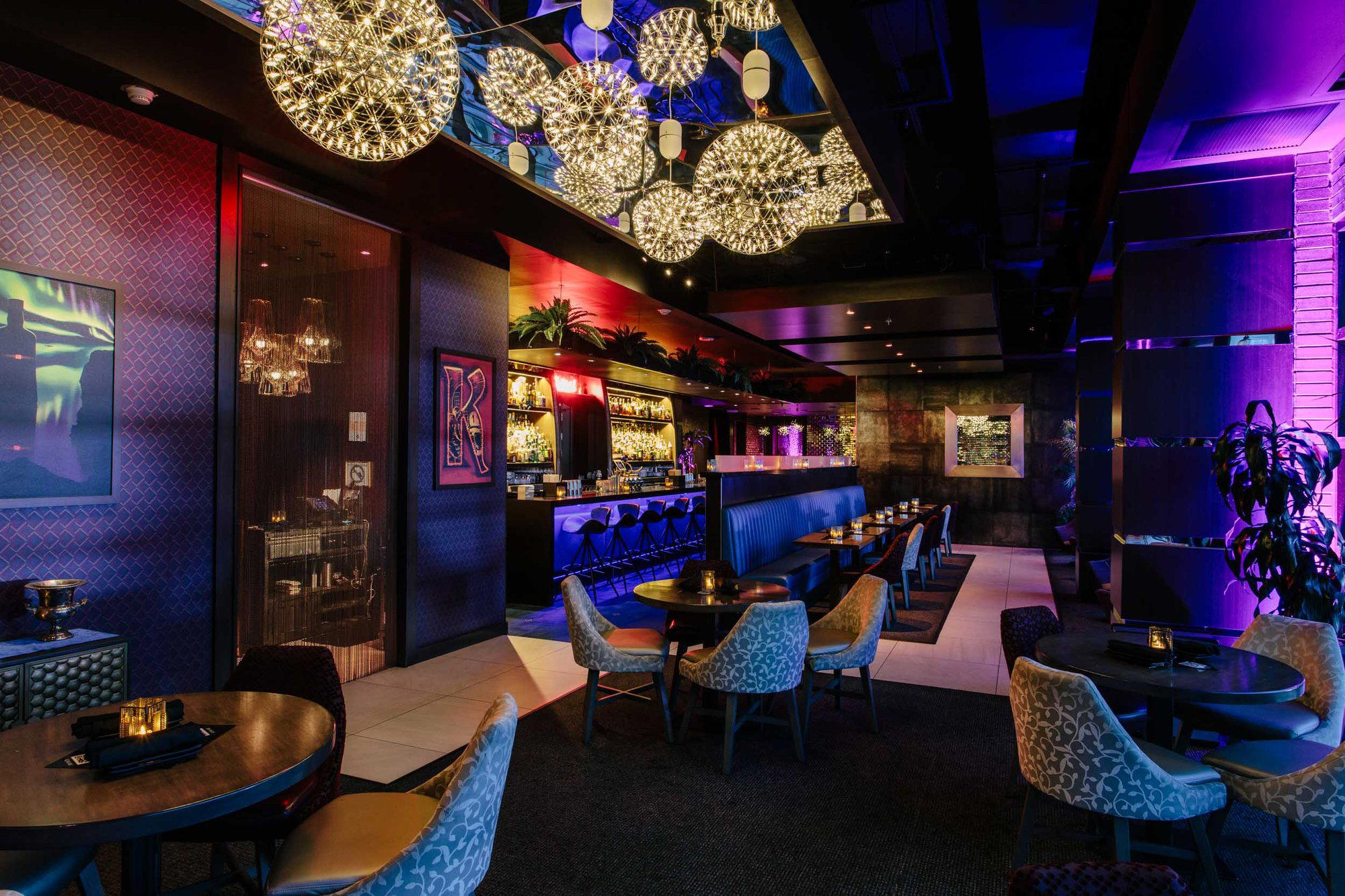
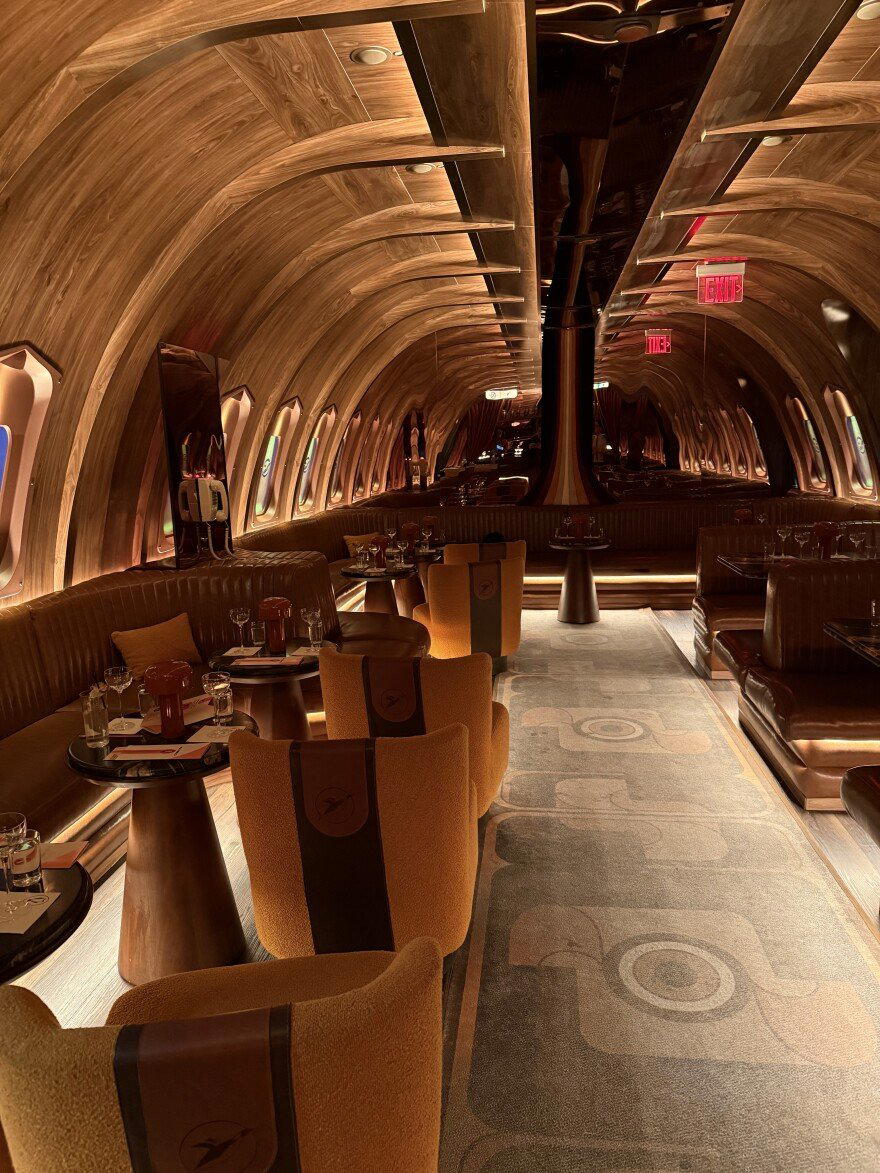
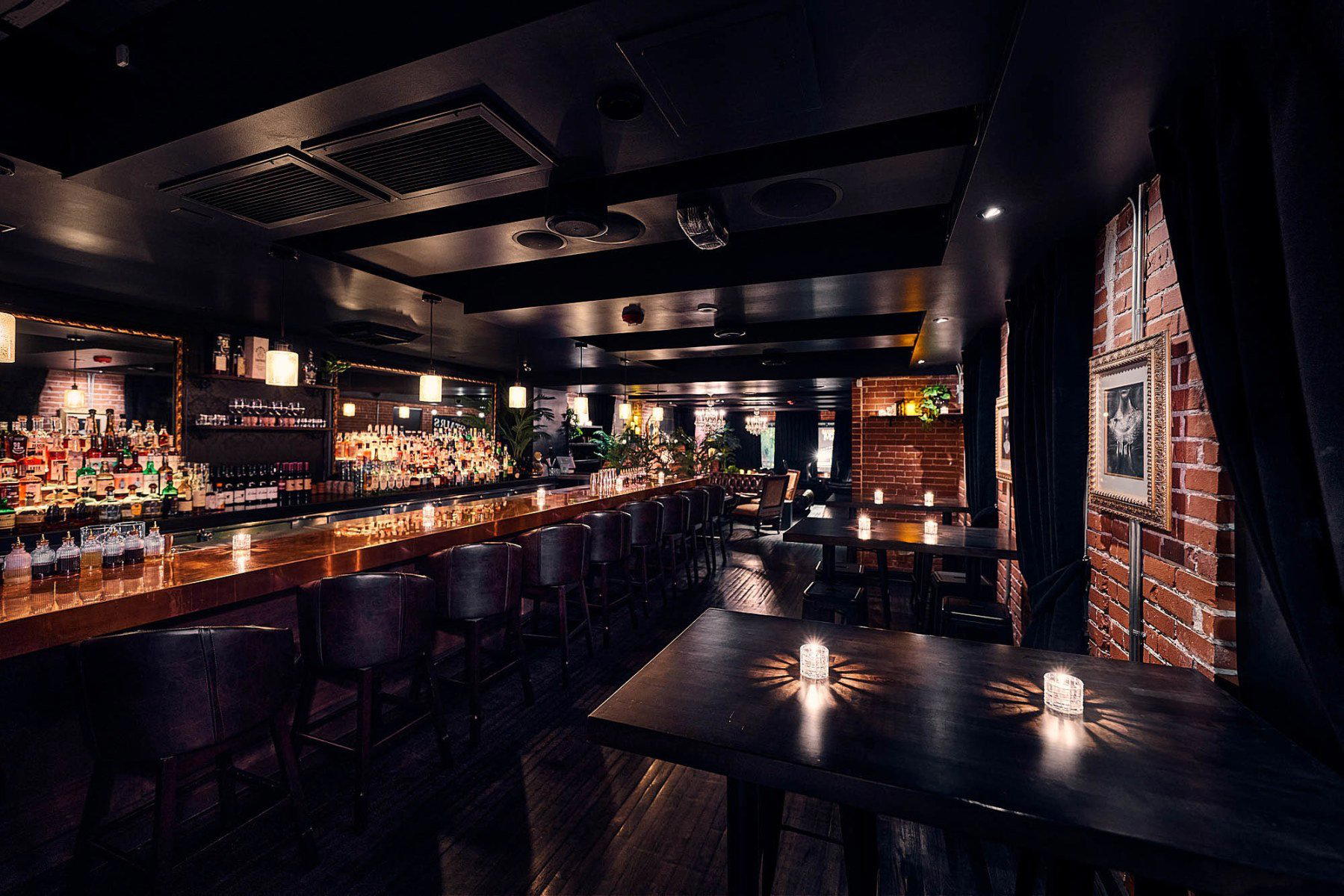
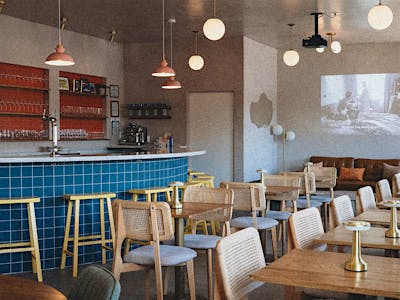
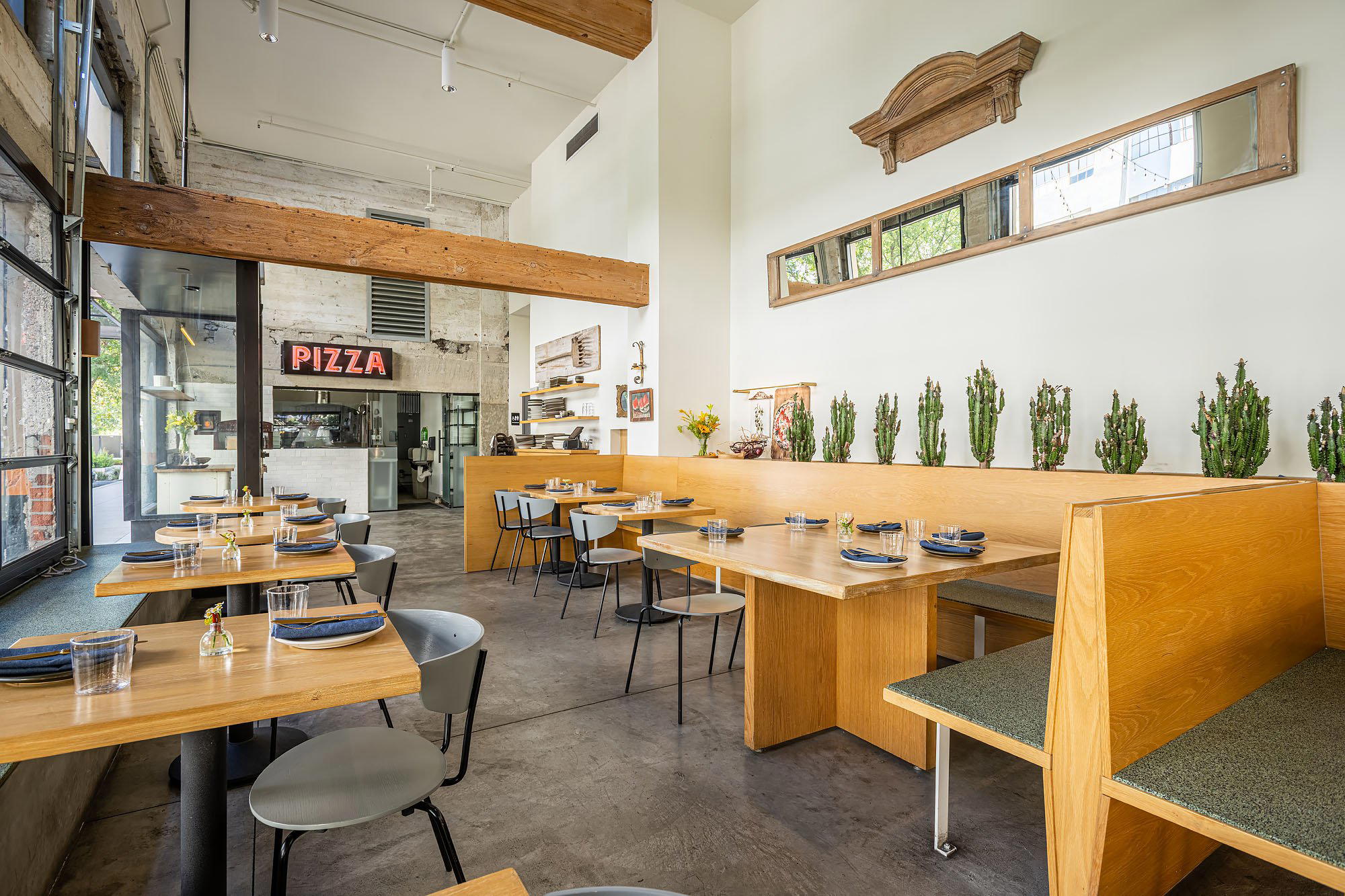
Trendy midcentury modern style with desert-inspired terracotta palette, warm lighting, and lively urban energy.