Ah-So Sushi & Steak
Ah-So Sushi & Steak occupies the north Phoenix dining corridor along Happy Valley Road, where Japanese steakhouse tradition and sushi-bar formats share a single address. The combination positions it within a local tier that serves suburban Phoenix diners seeking both raw fish and grilled protein under one roof, a format with deeper roots in Japanese-American dining culture than its suburban setting might suggest.
Pearl is the En Primeur Club membership app — saves, bookings, and concierge access live there. Same editors, same standards.
- Address
- 2450 W Happy Valley Rd, Phoenix, AZ 85085
- Phone
- +16238697700
- Website
- ahsoaz.com
- Directions
- Get directions
 Saves & bookings on Pearl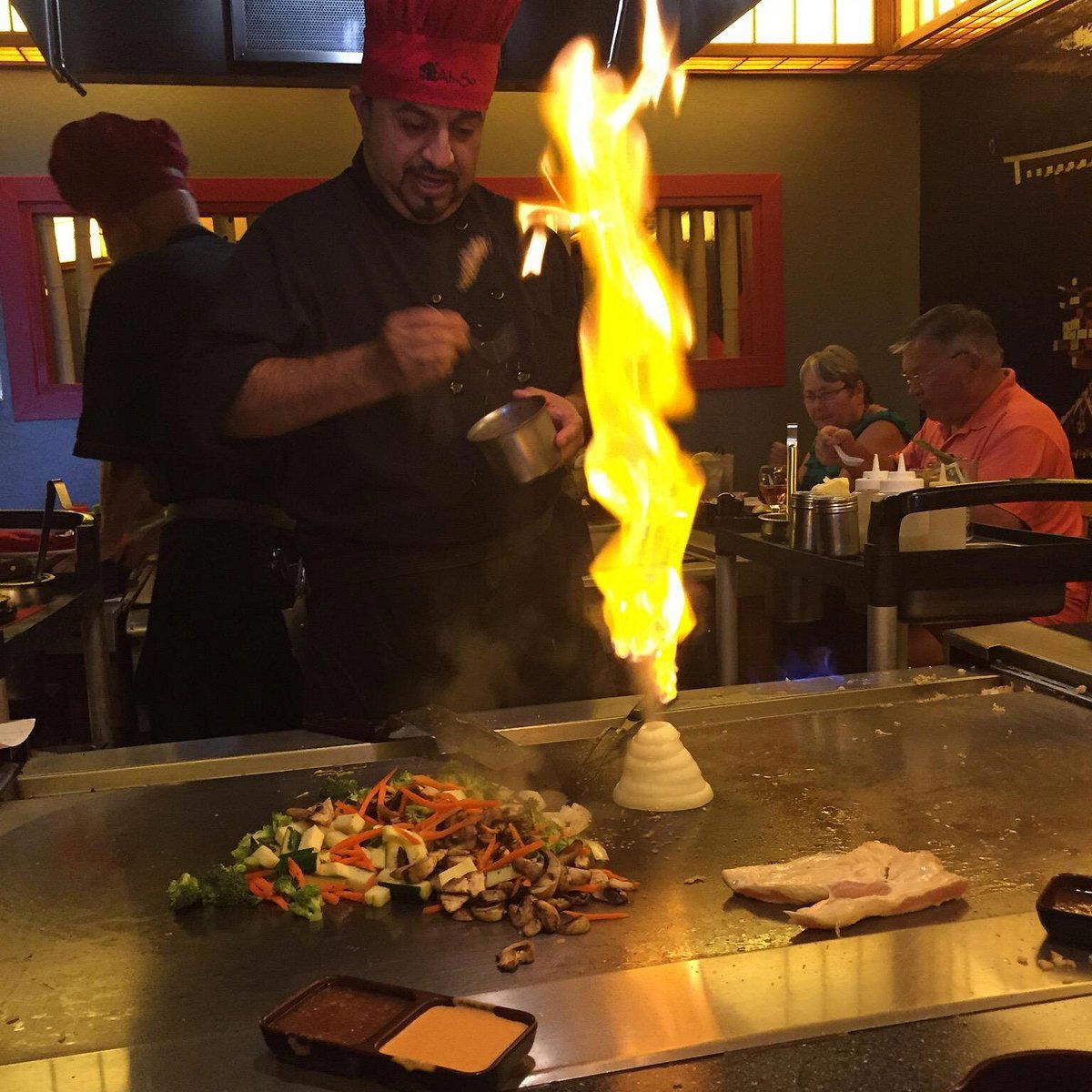
Where the Room Does the Work
North Phoenix's dining strip along Happy Valley Road is built for the car, not the flâneur. Strip plazas, wide lots, and anchor restaurants that depend on legibility from 45 mph, this is the spatial logic of suburban American dining, and most restaurants in it conform to the formula. Ah-So Sushi & Steak operates within this geography but draws on an interior spatial tradition that predates the suburban American steakhouse by several decades: the Japanese steakhouse format, in which the cooking surface is also the social surface, and the room is organized around performance as much as consumption.
That format has a specific American history. Benihana popularized teppanyaki-style tableside cooking for American audiences in the 1960s, translating a theatrical cooking tradition into a format that worked for group dining, birthday celebrations, and corporate dinners. What followed over the next half-century was a divergence: one branch stayed with the theatrical hibachi-style show, while another pulled toward the quieter register of Japanese-American sushi bars, where counter seating, chef-to-diner proximity, and the pace of omakase replaced the spectacle of flying shrimp. Ah-So sits at a point where both traditions are present in the same building, a combination that is more common in suburban American markets than in urban cores, where the two formats have largely separated into distinct venue types.
The Architecture of Combined Formats
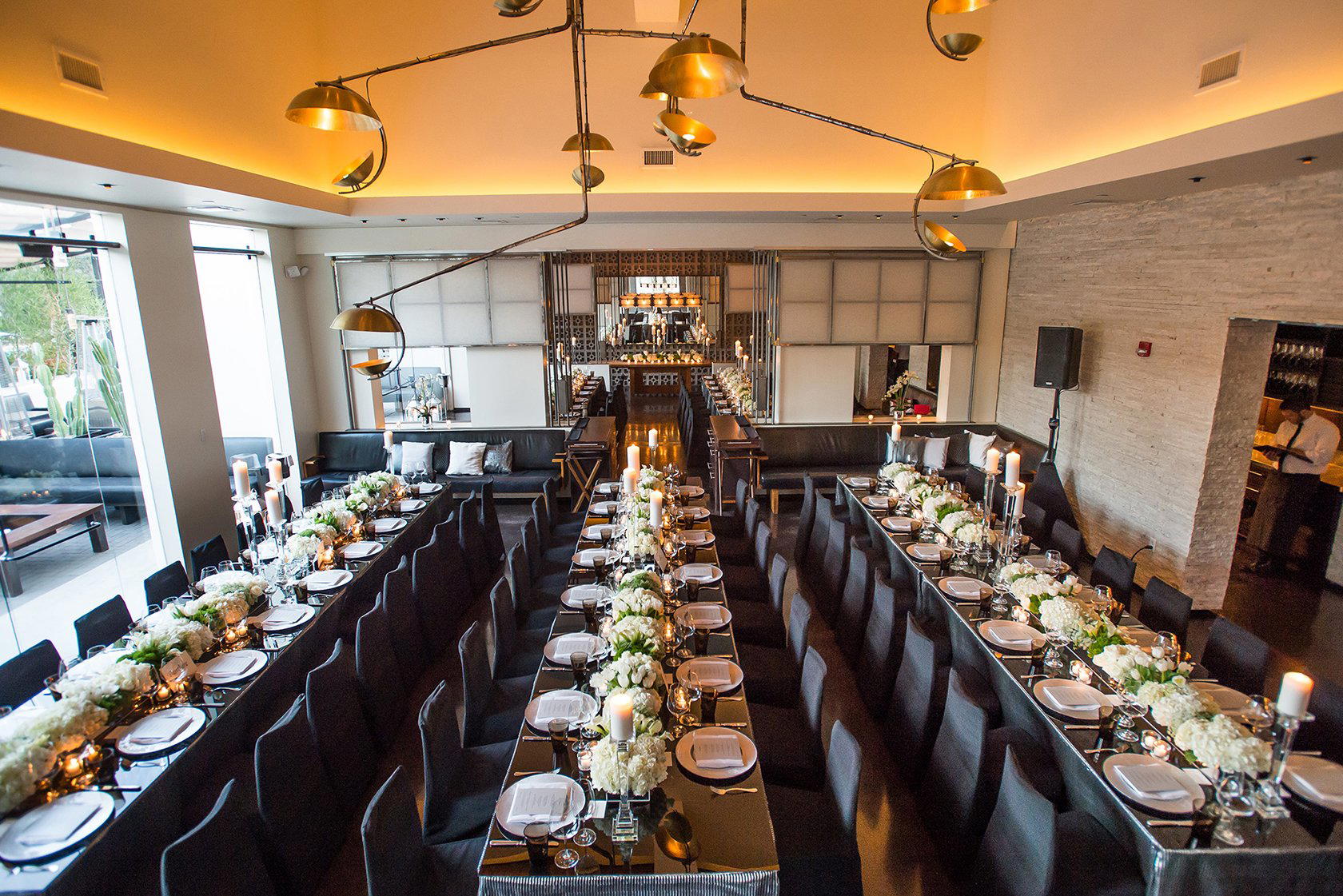
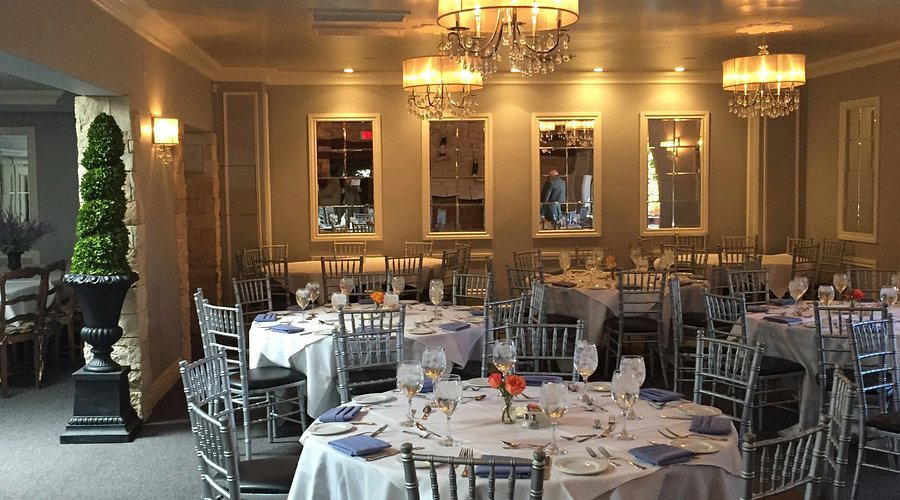
Venues that pair a sushi counter with a teppanyaki or steakhouse floor occupy a specific design problem: how do you give both formats enough spatial integrity that neither feels like an afterthought? The answer, in most successful examples, involves zoning the room so that counter seating along the sushi bar operates on its own acoustic and visual logic, while the hibachi tables or steakhouse section holds its louder, more communal energy without bleeding into the sushi side. Light levels, materials, and circulation patterns all carry weight in how well this separation holds in practice.
The Happy Valley Road address situates Ah-So within a broader north Phoenix dining cluster that includes options across multiple cuisine categories. For context on the range of what Phoenix's dining scene offers across its sprawling geography, the full Phoenix restaurants guide maps the city's distinct dining corridors and what defines each. North Phoenix in particular has developed a suburban dining density that rivals central-city neighborhoods in some cuisine categories, with Japanese-American restaurants among the more consistently represented formats.
The Sushi-Steak Combination in American Dining
The pairing of sushi and steak on a single menu is less a fusion conceit than a pragmatic American response to group dining dynamics. When a table splits between guests who want raw fish and guests who want grilled protein, a venue that handles both avoids the negotiation entirely. This logic has sustained Japanese-American steakhouses through decades of shifting dining trends, and it explains why the format remains viable in suburban markets where the alternative, choosing a pure sushi bar and hoping the steak-eaters adapt, is less likely to hold.
At the higher end of the American dining spectrum, the separation between raw fish programs and grilled protein has become more pronounced. Venues like Le Bernardin in New York City built a reputation on seafood precision with no concession to the steak-and-chop crowd, while the tasting-menu format at places like The French Laundry in Napa or Smyth in Chicago enforces a single culinary logic across every course. The combined sushi-steak model trades that coherence for accessibility, and in suburban dining markets, that trade is usually the right one.
For comparison within the Phoenix scene itself, the discipline of single-focus restaurants is visible across several formats. Bacanora runs a tight Sonoran Mexican program; Lom Wong holds to Northern Thai with similar focus; Vincent Guerithault on Camelback maintains a French Southwestern identity that has defined its positioning for decades. Ah-So's combined format occupies a different category, one where format breadth is the point rather than a compromise.
What the Format Signals to the Room
A venue that runs both a sushi operation and a steakhouse section is making a statement about its primary audience: groups with mixed preferences, occasions where consensus matters more than culinary precision, and suburban diners who want options without venue-hopping. This is not a criticism. The group-dining occasion is a distinct hospitality problem, and solving it well requires spatial generosity, staff flexibility, and a kitchen that can execute across multiple cooking traditions without either side suffering. Venues that manage this reliably, where the sushi is handled with actual technique and the steaks are cooked to temperature, are more useful to more people than a focused concept that leaves half the table underserved.
The contrast is instructive when set against single-concept venues at other price points and in other cities. Providence in Los Angeles and Addison in San Diego each commit to a singular culinary identity with the tasting-menu format as the organizing principle. Atomix in New York City applies the same discipline to Korean fine dining. The combined sushi-steak model that Ah-So represents is not competing with those venues; it is answering a different question entirely, one about occasion, group size, and suburban convenience.
Planning Your Visit
Ah-So Sushi & Steak is located at 2450 W Happy Valley Rd in Phoenix, placing it in the north Phoenix corridor accessible primarily by car. Given the venue's position in a suburban strip context, driving is the practical approach, with parking available as a matter of course in this part of the city. The combined format suits group visits and occasion dining more naturally than solo or couple dining, though the sushi counter format, if configured for individual seating, can support smaller parties looking for counter-style service without the full steakhouse commitment.
Compact Comparison
Comparable venues nearby, for context on price, style, and recognition.
| Venue | Cuisine | Price | Notes |
|---|---|---|---|
| Ah-So Sushi & SteakThis venue — the venue you are viewing | Deer Valley, Japanese Sushi & Teppanyaki | $$$ | Not listed |
| Tratto | Not listed | $$$ | Central Phoenix, Rustic Italian Trattoria with Southwestern Flair |
| Rodizio Grill - North Scottsdale | Not listed | $$$ | North Scottsdale, Brazilian Steakhouse Churrasco |
| Tomaso's on Camelback | Village on the Lakes, High-end Italian | $$$ | Not listed |
| Highball | Roosevelt Row, Cocktail Bar & Lounge | $$$ | Not listed |
| Valentine | Not listed | $$$ | Encanto, Modern Southwestern with Arizona Ingredients |
At a Glance
- Lively
- Modern
- Energetic
- Family
- Group Dining
- Date Night
- Casual Hangout
- Open Kitchen
- Sake Program
- Craft Cocktails
Current opening hours
- Monday
- 4–10 PM
- Tuesday
- 4–10 PM
- Wednesday
- 4–10 PM
- Thursday
- 4–10 PM
- Friday
- 12–11 PM
- Saturday
- 12–11 PM
- Sunday
- 12–10 PM
Hours can change for holidays and private events. Last verified .
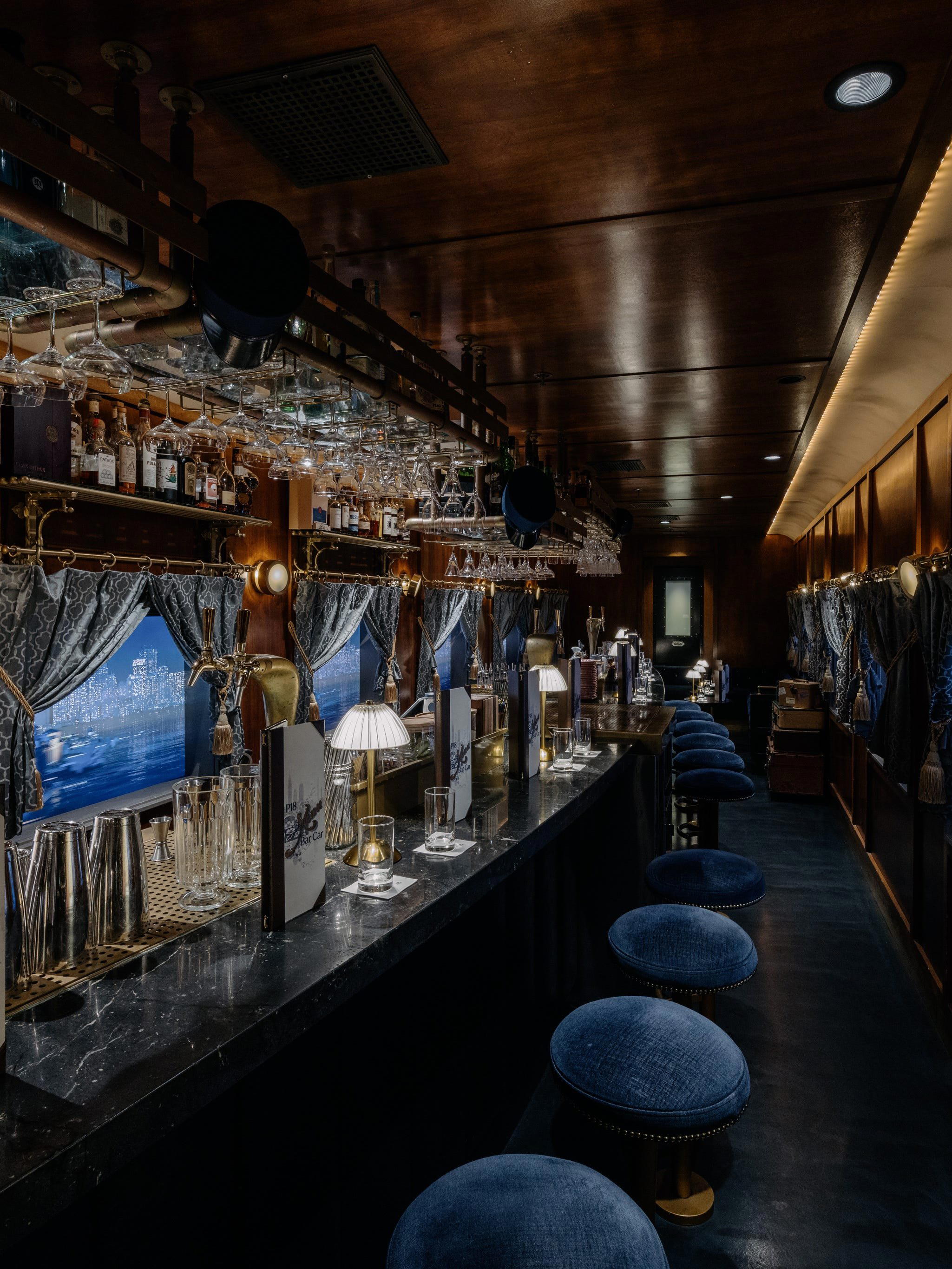
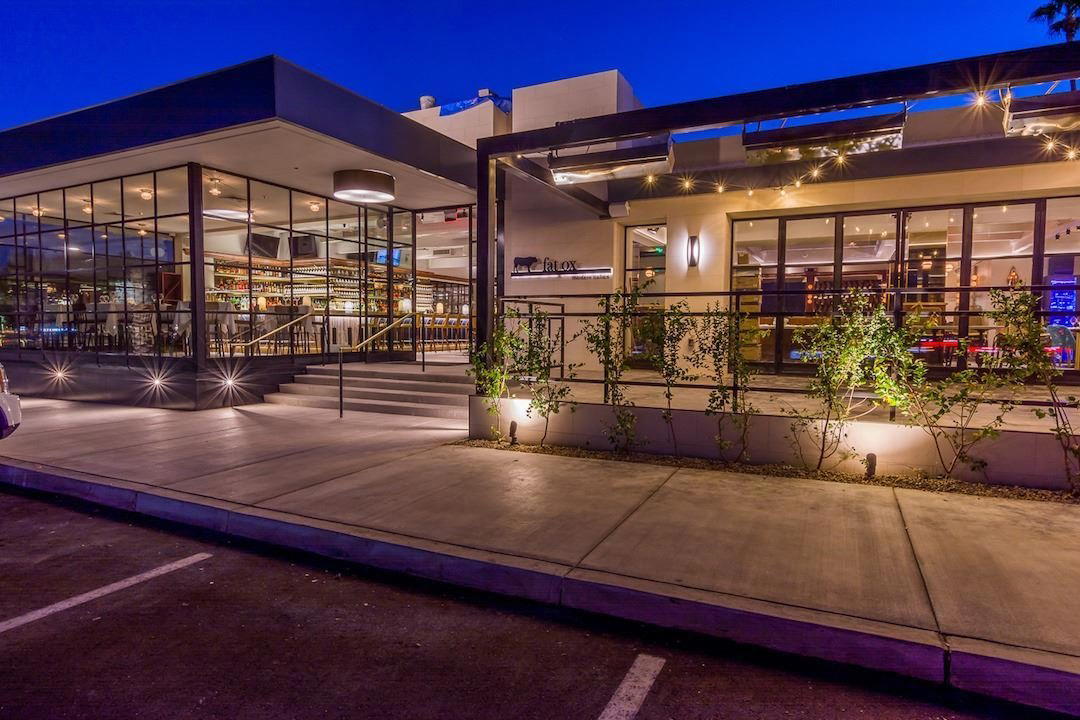
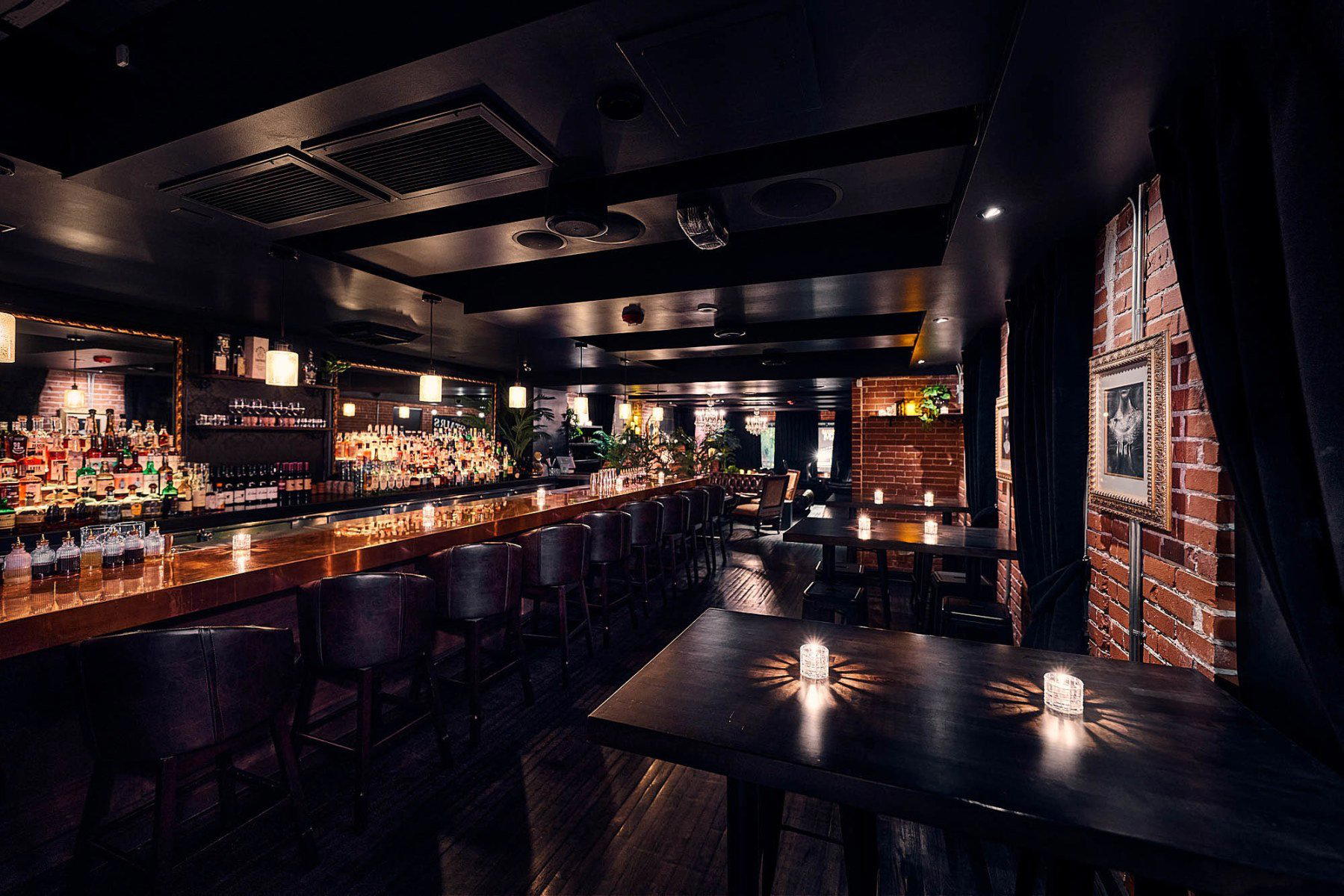
Contemporary setting with lively hibachi grill energy and sleek modern decor.