Bonsai
Bonsai brings Japanese sushi into a Phoenix dining scene better known for heat, sprawl, and strong neighborhood loyalty than for rigid coastal orthodoxy. The useful lens is not trophy dining, but seasonality, restraint, and how sushi technique can borrow from kaiseki’s sense of sequence without turning dinner into ceremony for ceremony’s sake.

Pearl is the En Primeur Club membership app — saves, bookings, and concierge access live there. Same editors, same standards.
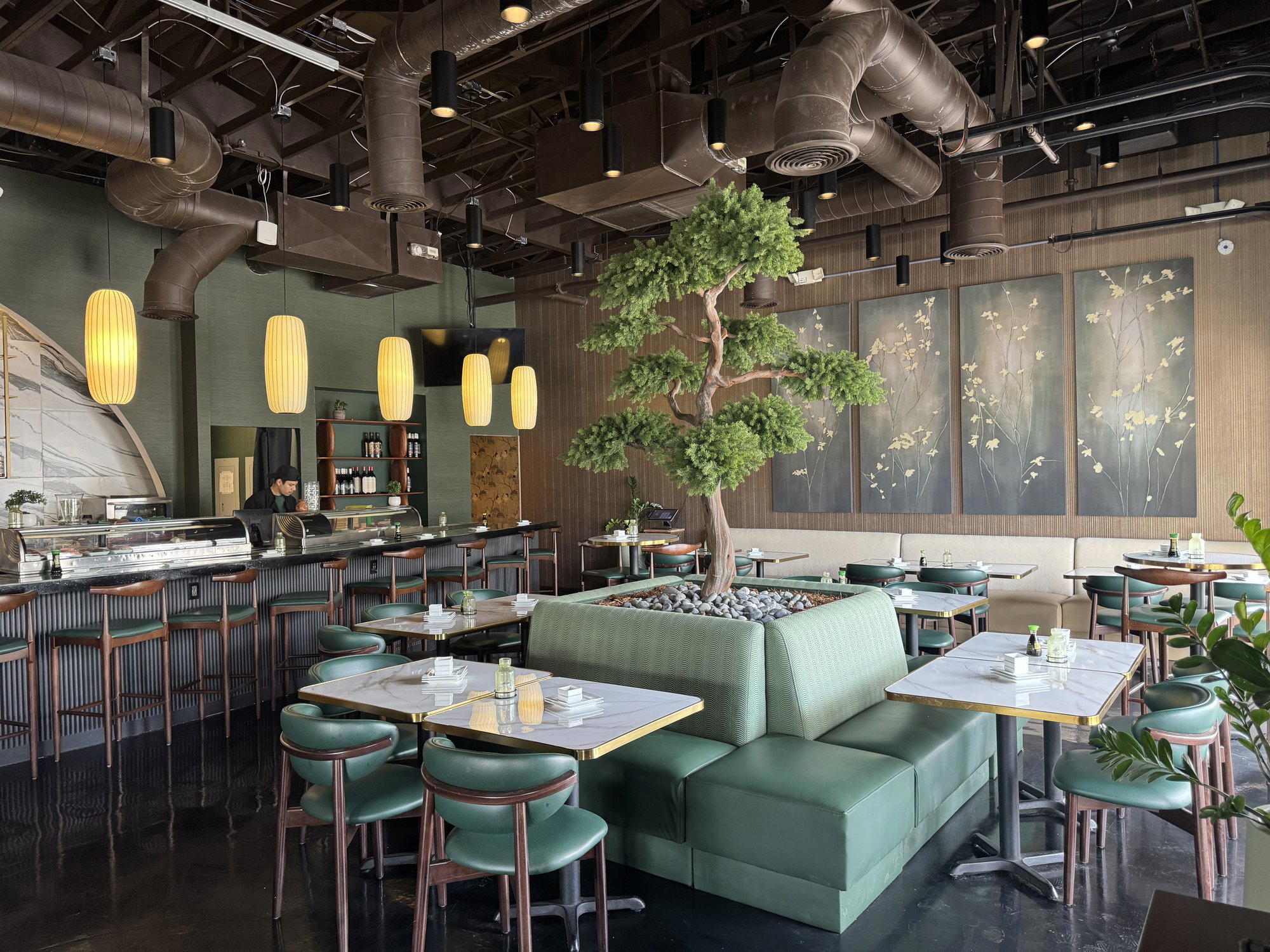
Phoenix changes the way Japanese dining reads before a plate arrives. The city’s low evening light, wide roads, and air-conditioned interiors create a different rhythm from the compact sushi districts of Tokyo, Los Angeles, or New York. A sushi meal here has to justify itself less through inherited prestige and more through pace, proportion, and the discipline of not overcomplicating good fish and rice. That is the useful frame for Bonsai: Japanese sushi in a desert city where restraint can feel sharper than spectacle.
Sushi in Phoenix works when sequence matters as much as fish
The strongest Japanese meals in American cities increasingly borrow from kaiseki without copying it outright. Kaiseki is not simply a parade of small courses; it is a way of organizing attention. Season, temperature, texture, and visual quiet all matter. Sushi can carry those ideas when the meal moves with intention: lighter pieces before richer ones, clean acidity before fat, rice seasoned to support rather than dominate. In Phoenix, where high-energy dining often favors abundance, that kind of control becomes a point of difference.
Bonsai sits inside that conversation as a Japanese sushi address rather than a broad pan-Asian catchall. That distinction matters. Sushi is a narrow craft with little room for vague luxury language: rice temperature, cut, seasoning, and pacing do more work than decor or menu length. When a restaurant chooses this lane, the reader should judge it by focus rather than range. A long menu is not automatically a virtue; a tighter Japanese sushi identity usually gives the kitchen fewer places to hide.
In cities with Michelin coverage or nationally ranked sushi counters, medals can become shorthand for the whole meal. Phoenix requires a more practical reading. Cuisine clarity, neighborhood fit, and format discipline carry more weight than trophy status. That does not lower the bar; it asks a different question. The relevant issue is whether the meal offers enough precision to make sushi feel considered in a market where diners have many casual Japanese options and fewer serious seasonal ones.
The kaiseki lesson: restraint is a structure, not a mood
Kaiseki’s influence is often misunderstood in American restaurant writing. It is not about hushed rooms or expensive ceramics. It is about order. A meal should move from appetite to concentration, then toward comfort, without exhausting the diner halfway through. Sushi can express that structure through progression rather than course count: clean white fish before stronger flavors, lean cuts before fattier ones, and a finish that leaves the palate settled rather than coated.
That perspective is especially useful in Phoenix because the city’s Japanese dining culture is fragmented across sushi bars, ramen shops, izakaya-style menus, and hybrid neighborhood restaurants. Some rooms lean social and loud; others lean into counter formality. Bonsai’s Japanese sushi identity places it closer to the precision side of that spectrum, at least in editorial terms, and that is where expectations should sit. Look for the meal’s internal logic: whether the kitchen treats sushi as a sequence, not just a list of pieces.
For travelers building a wider Phoenix dining map, the contrast can be instructive. The city can swing from diner nostalgia at 5 & Diner to cocktail-adjacent Japanese drinking culture at Across The Pond, downtown hotel dining at Adams Table, teppanyaki-sushi familiarity at Ah-So Sushi & Steak, and old-school business-lunch Italian at Alexi's Grill. Those addresses do not form a peer group for Bonsai; they show how varied Phoenix dining decisions can be within a single trip.
How to place it in a Phoenix itinerary
Japanese sushi usually works better as a focused evening than as a prelude to a long night of bar-hopping. The cuisine rewards attention, and kaiseki’s deeper lesson is that pacing has value. In Phoenix, that makes a sushi booking a useful counterweight to heavier Southwestern, steakhouse, or resort dining. It can also suit travelers who want a quieter meal after daytime heat, gallery visits, golf, or long drives across the metro area.
Because public-facing practical details are limited, planning should stay flexible. Treat Bonsai as a restaurant to confirm before anchoring an evening around it, particularly for group size, dietary needs, and timing. Vegetarian requests deserve advance notice at any sushi restaurant, since the kitchen’s core ingredients and prep flow may be built around fish, rice, and seafood-based components. Families should make the same calculation: a child comfortable with a measured Japanese meal will read the room differently from one expecting quick, highly customizable food.
Readers comparing Japanese dining across cities can use a broader map for context. Los Angeles has sake-bar culture represented by Jōdo Saké Bar in Los Angeles, Pasadena has compact Japanese comfort food at Onigiri Time in Pasadena, Austin’s sushi conversation includes Aburi TORA Sushi, Japanese sushi in Austin, and Europe’s Edomae tradition appears in a different register at Edomae Sushi Matsuki, Japanese Sushi in Bratislava. For non-Japanese contrast, the American regional spread runs from ¿Por Qué No? in Portland to 'Ai Love Nalo in Waimanalo Beach, 'āina in San Francisco, and 'Ama 'Ama in Kapolei.
For the rest of the city, use Our full Phoenix restaurants guide alongside Our full Phoenix hotels guide, Our full Phoenix bars guide, Our full Phoenix wineries guide, and Our full Phoenix experiences guide. Bonsai makes the strongest editorial sense for diners who want Japanese sushi judged by sequence and restraint rather than scene heat.
Reputation & Price
Comparable venues nearby, for context on price, style, and recognition.
| Venue | Cuisine | Price | Notes |
|---|---|---|---|
| BonsaiThis venue — the venue you are viewing | Not listed | $$ | Not listed |
| Greekfest | Not listed | $$ | Camelback East, Traditional Greek Mediterranean |
| Industry Standard | Not listed | $$ | Roosevelt Row, Modern American & Asian Fusion |
| The Collins Small Batch Kitchen | Not listed | $$ | Village on the Lakes, Contemporary American |
| Arriba Mexican Grill | Not listed | $$ | Midtown Phoenix, New Mexico-Style Mexican Grill |
| CIBO | Roosevelt Row, Neapolitan Pizzeria | $$ | Not listed |
At a Glance
- Modern
- Lively
- Trendy
- Casual Hangout
- Group Dining
- After Work
- Date Night
- Family
- Standalone
- Craft Cocktails
- Sake Program
- Beer Program
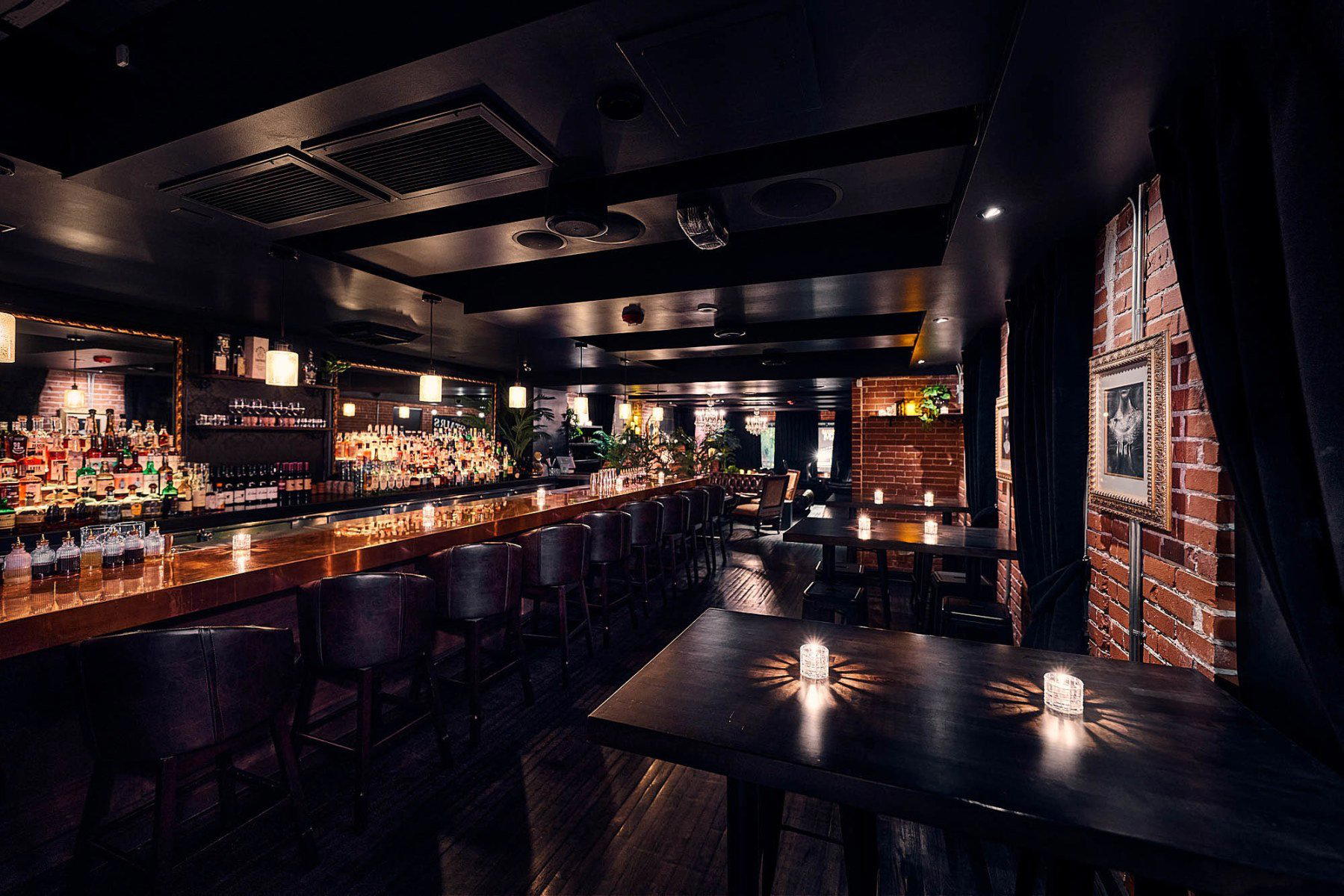
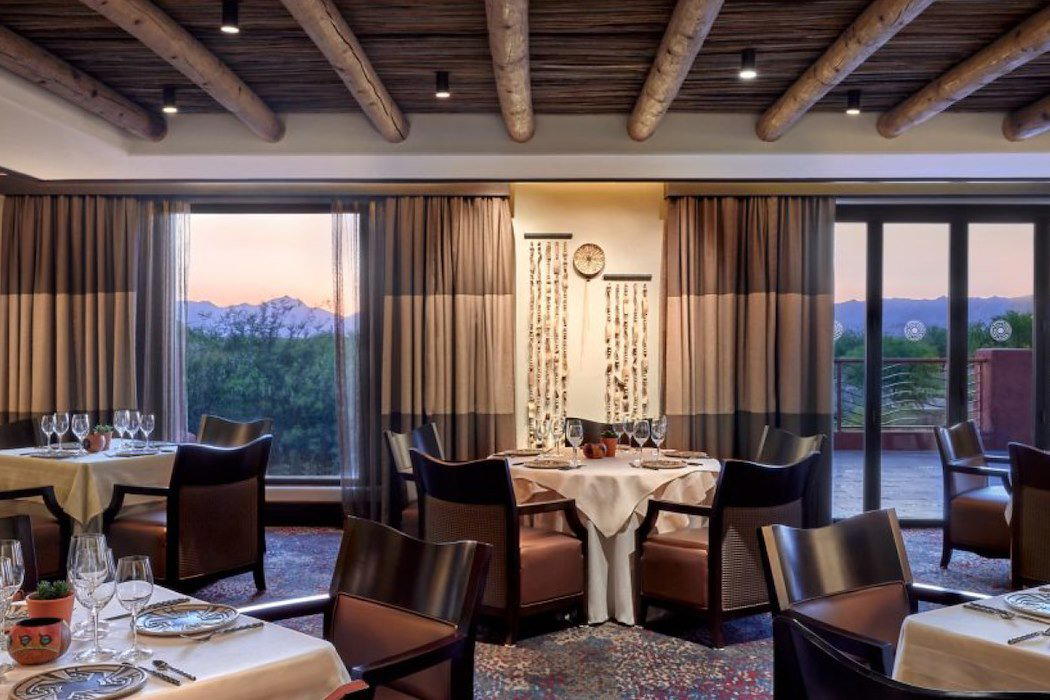
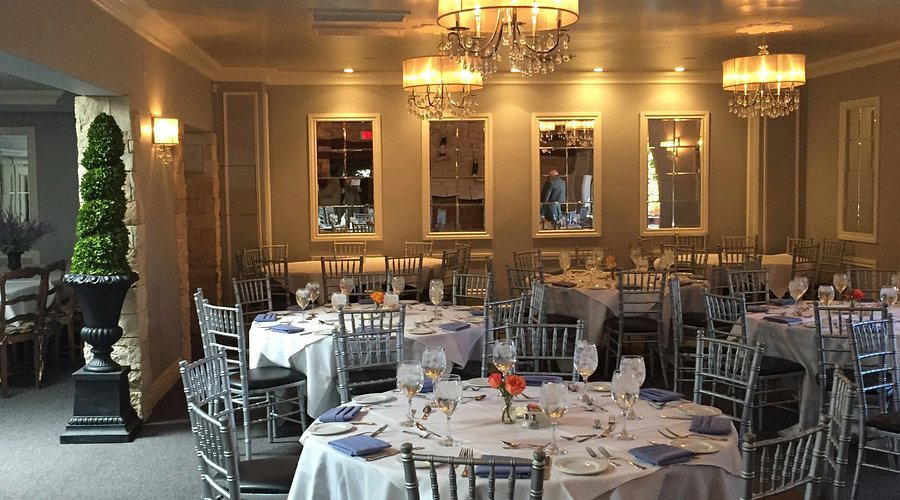
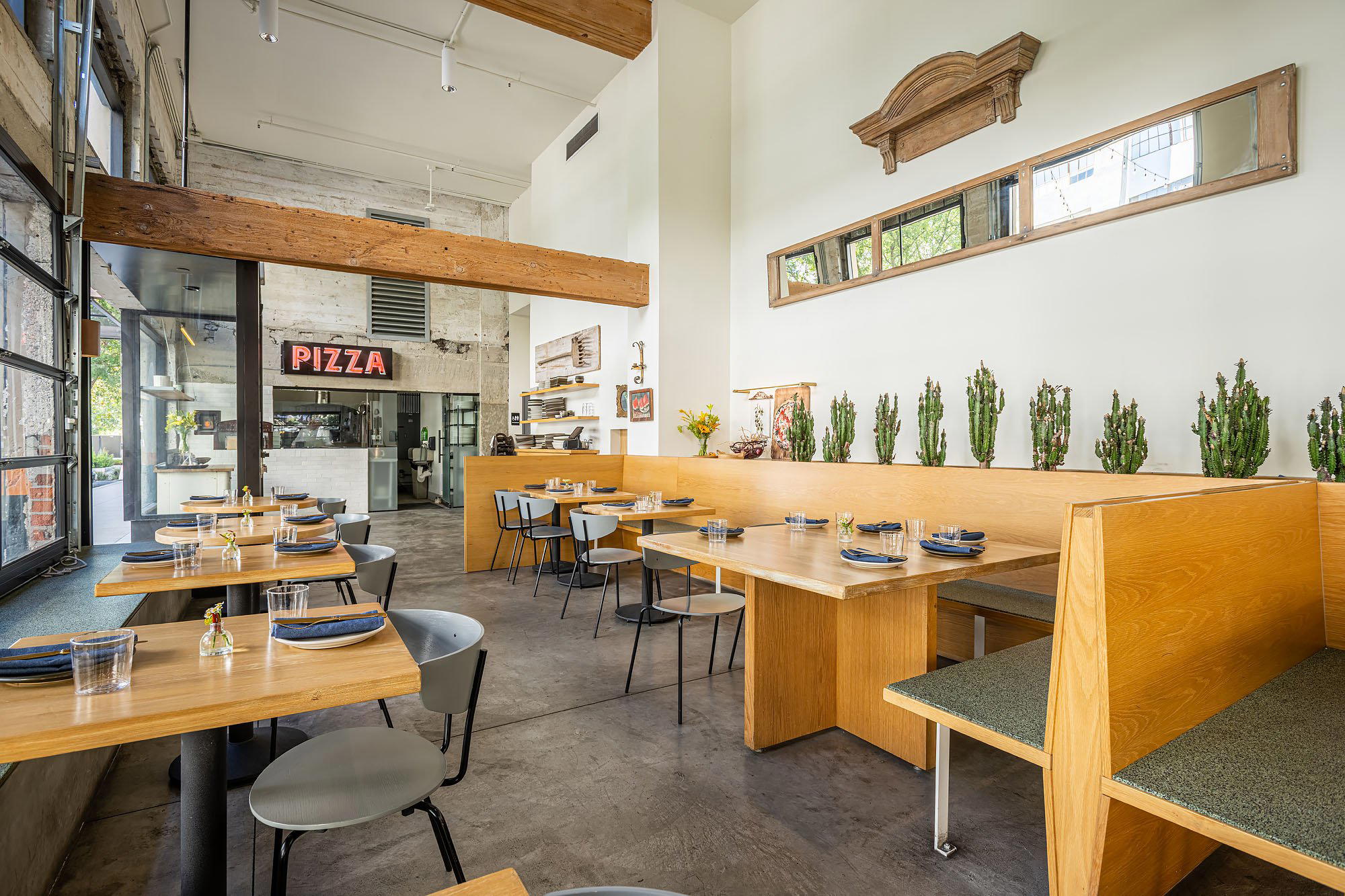
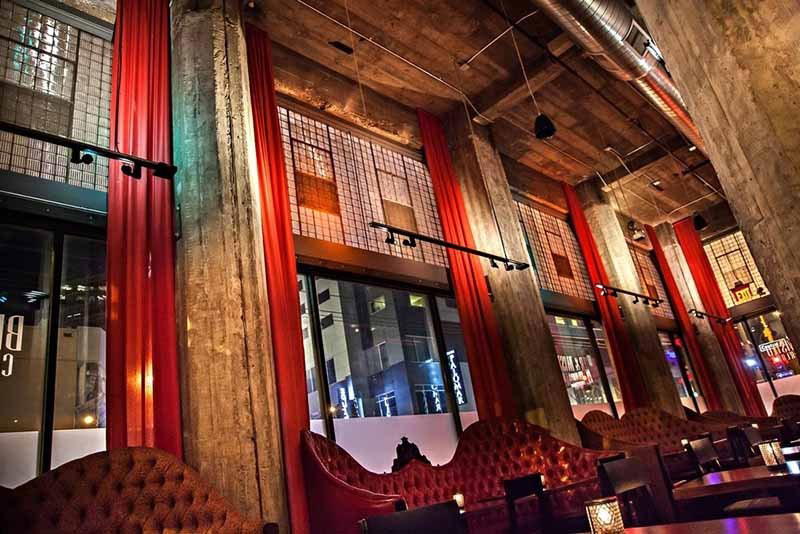
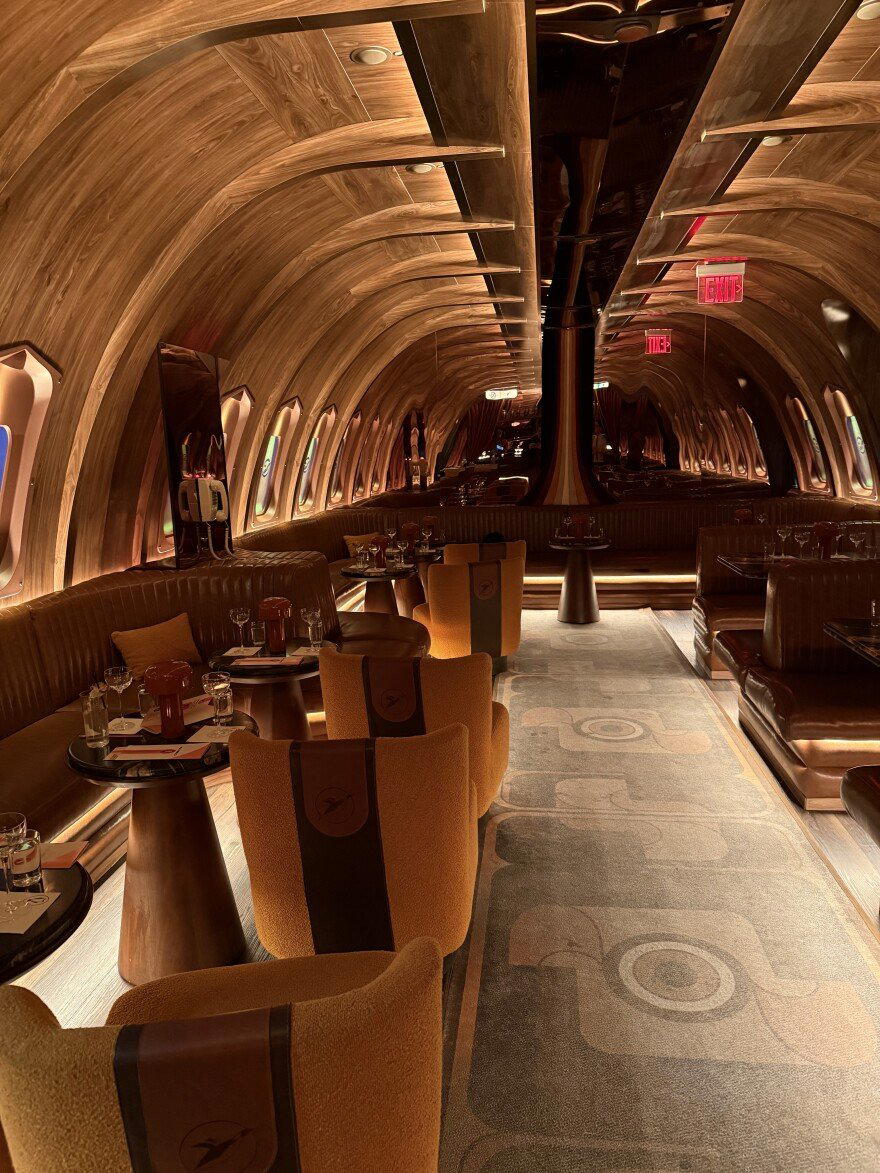
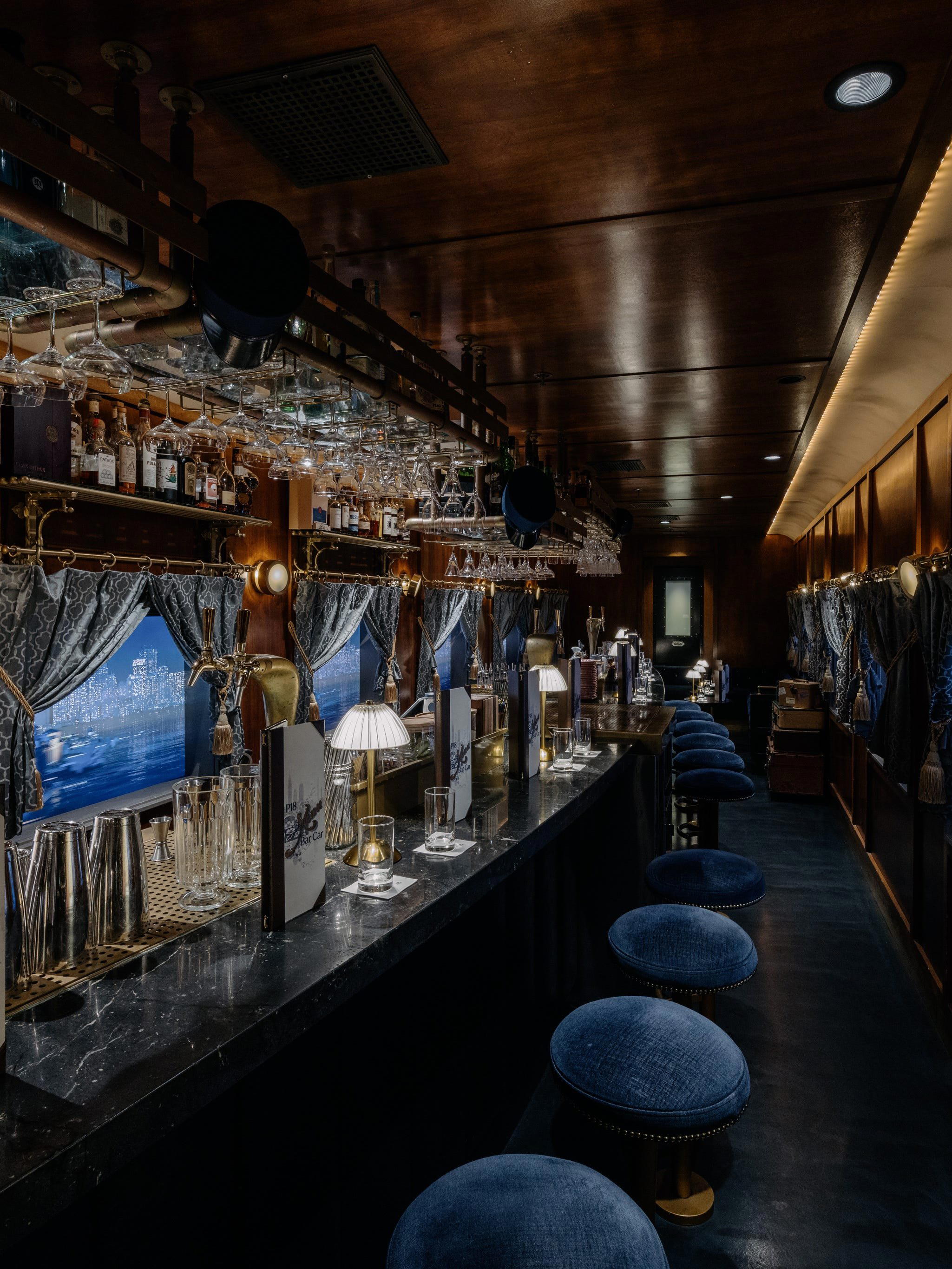
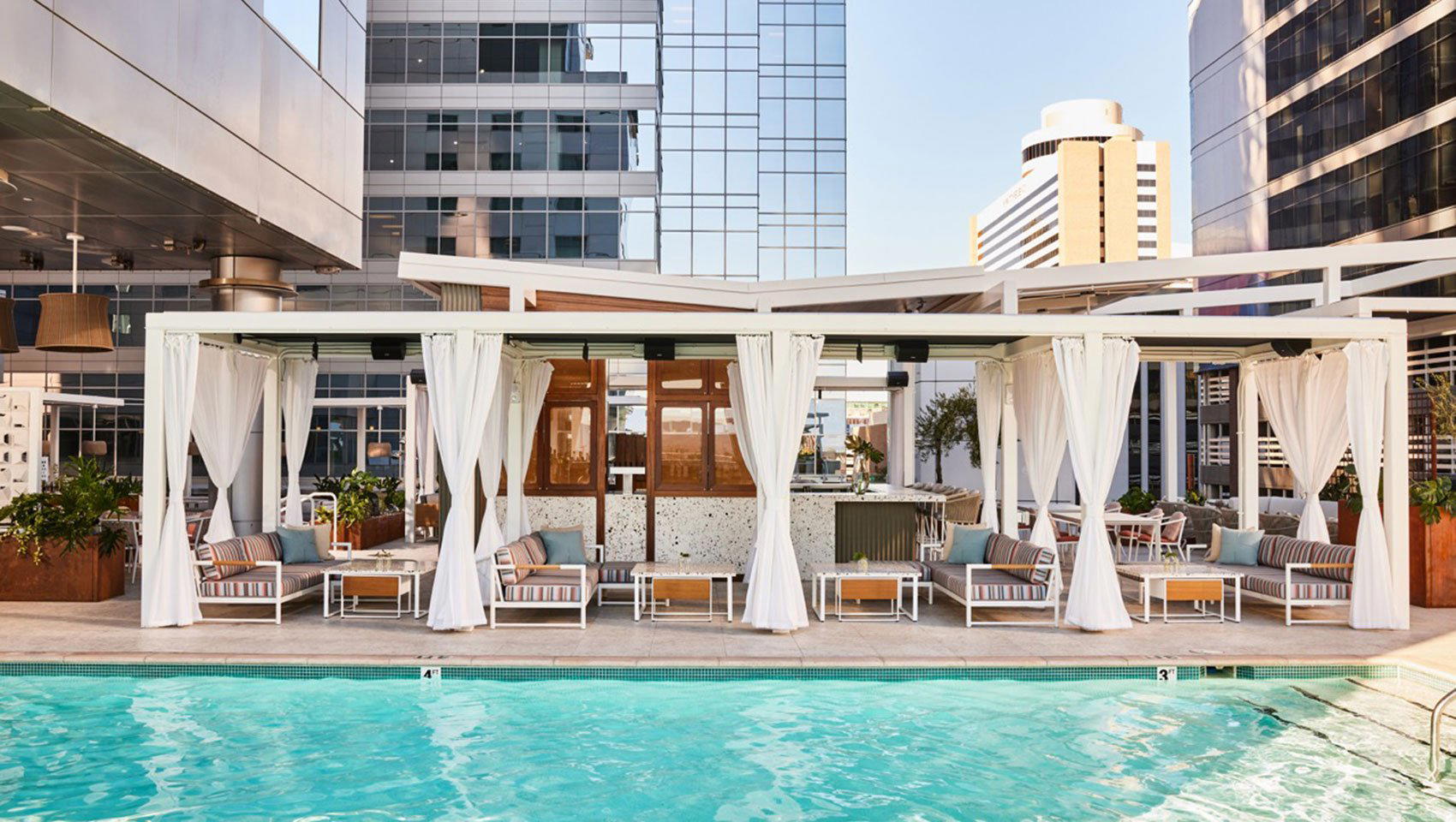
Casual-elegant, hip and modern atmosphere with a lively, social energy suited to groups and happy hour gatherings.