Han Dynasty Upper West Side
Han Dynasty's Upper West Side outpost brings the Sichuan and Dan Dan noodle reputation of the Philadelphia-born chain to a neighbourhood better known for French bistros and farm-to-table fare. The address on West 85th Street places it squarely in residential Manhattan, where the kitchen's heat-forward cooking offers a clear counterpoint to the dining room options that dominate the immediate blocks. A reliable mid-tier option for serious spice in a part of the city where that register is underserved.
Pearl is the En Primeur Club membership app — saves, bookings, and concierge access live there. Same editors, same standards.
- Address
- 215 W 85th St, New York, NY 10024
- Phone
- +1 212 858 9060
- Website
- handynasty.net
- Directions
- Get directions
 Saves & bookings on Pearl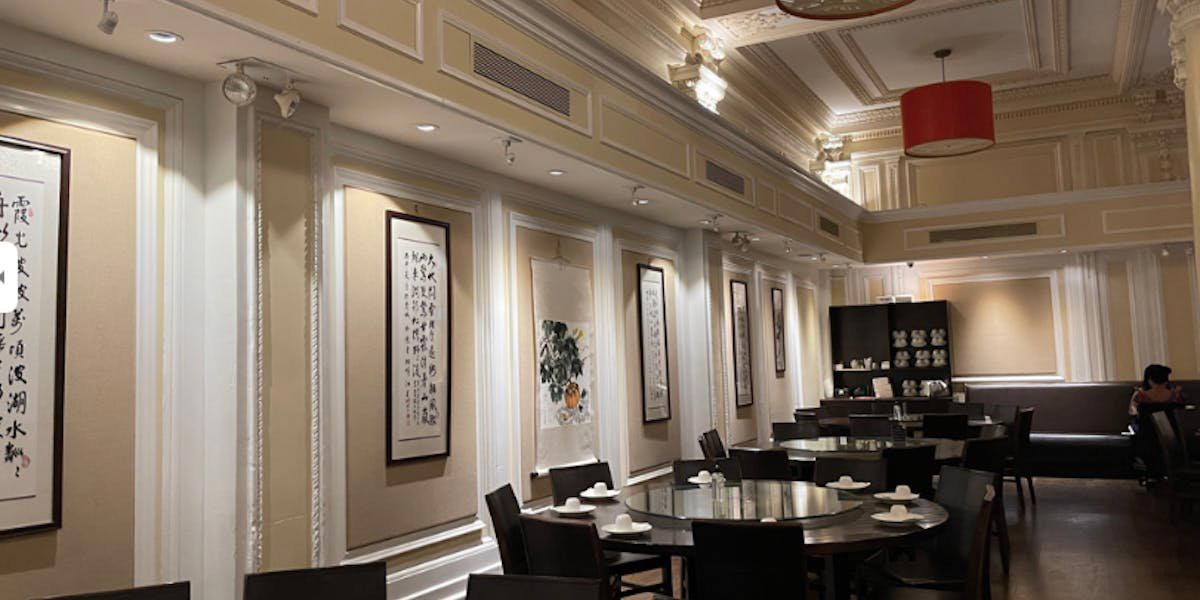
Where the Upper West Side Meets Sichuan Heat
The Upper West Side has long organised its dining identity around comfort and familiarity: French bistros on Columbus Avenue, Italian trattorias on Amsterdam, the kind of neighbourhood-institution format where regulars know the staff by name and the menu by heart. Han Dynasty Upper West Side is an authentic Sichuan Chinese restaurant at 215 W 85th St, New York, NY 10024, with a casual dress code, recommended reservations, and an average price of about $25 per person. Into that particular ecosystem, Han Dynasty arrived on West 85th Street carrying a different kind of heat altogether. The Sichuan and Hunanese cooking that defines the Han Dynasty brand sits at a significant remove from the butter-and-cream register that has historically dominated this stretch of Manhattan, and that contrast is part of what defines the experience here.
The Upper West Side is not historically a destination for Chinese regional cooking at any serious depth. Chinatown and Flushing handle the density end of that equation for New York, while Midtown absorbs high-end pan-Asian formats. The neighbourhood north of 72nd Street, by contrast, skews toward the kind of restaurants that serve a residential audience with disposable income but limited appetite for culinary risk. Han Dynasty's presence here is partly a function of that gap: when a kitchen arrives with a clear, heat-driven identity in a neighbourhood that lacks one, it tends to attract diners from beyond its immediate catchment area.
The Han Dynasty Format and What It Means on the Upper West Side
Han Dynasty operates as a small regional chain, with its origins in Philadelphia and a New York footprint that includes multiple Manhattan locations. That chain status matters editorially: it places the Upper West Side location in a different competitive register than a standalone independent. The format is consistent across locations, which gives regulars from other branches a clear sense of what to expect and provides newcomers with a brand shorthand that an unknown independent would not offer.
In the broader context of New York's mid-tier Chinese dining, Han Dynasty occupies a position that is neither the utilitarian efficiency of a Flushing food court nor the price point and formality of the city's few ambitious Chinese tasting-menu formats. It sits between those poles: a sit-down dining room with a menu organised around Sichuan staples, priced accessibly relative to the neighbourhood's French and contemporary American alternatives, but with enough heat and complexity to reward diners who come specifically for the food rather than the convenience.
Sichuan in Manhattan: A Scene Context
Sichuan cooking has been one of the more discussed regional Chinese cuisines in American dining over the past two decades, partly because its flavour architecture, built on the numbing compound in Sichuan peppercorns combined with dried chilies, creates sensory effects that are genuinely difficult to replicate at home and that sit outside the familiar spice registers most American diners encounter in other cuisines. The ma la (numbing-spicy) combination is the category's signature move, and it appears across the Han Dynasty menu in formats that range from the highly approachable to the genuinely challenging for heat-averse diners.
That specificity of flavour profile is what separates Sichuan-focused kitchens from the broader category of Chinese-American restaurants that modulate heat to local taste. A kitchen committed to the ma la register is making a guest selection decision: it will appeal strongly to diners who seek that experience and less strongly to those who do not. On the Upper West Side, where the ambient dining culture leans toward the accommodating end of the spectrum, that specificity is itself a signal worth noting.
The Dan Dan noodle is the dish most associated with Han Dynasty across its locations and press coverage. In Sichuan cooking, Dan Dan noodles are a street food format built on sesame paste, chili oil, preserved vegetables, and minced meat, served with thin wheat noodles. The version that Han Dynasty has made its calling card across multiple cities represents the accessible entry point into the menu for first-time visitors who want orientation before committing to the heat-heavy mains.
Placing Han Dynasty in New York's Broader Dining Map
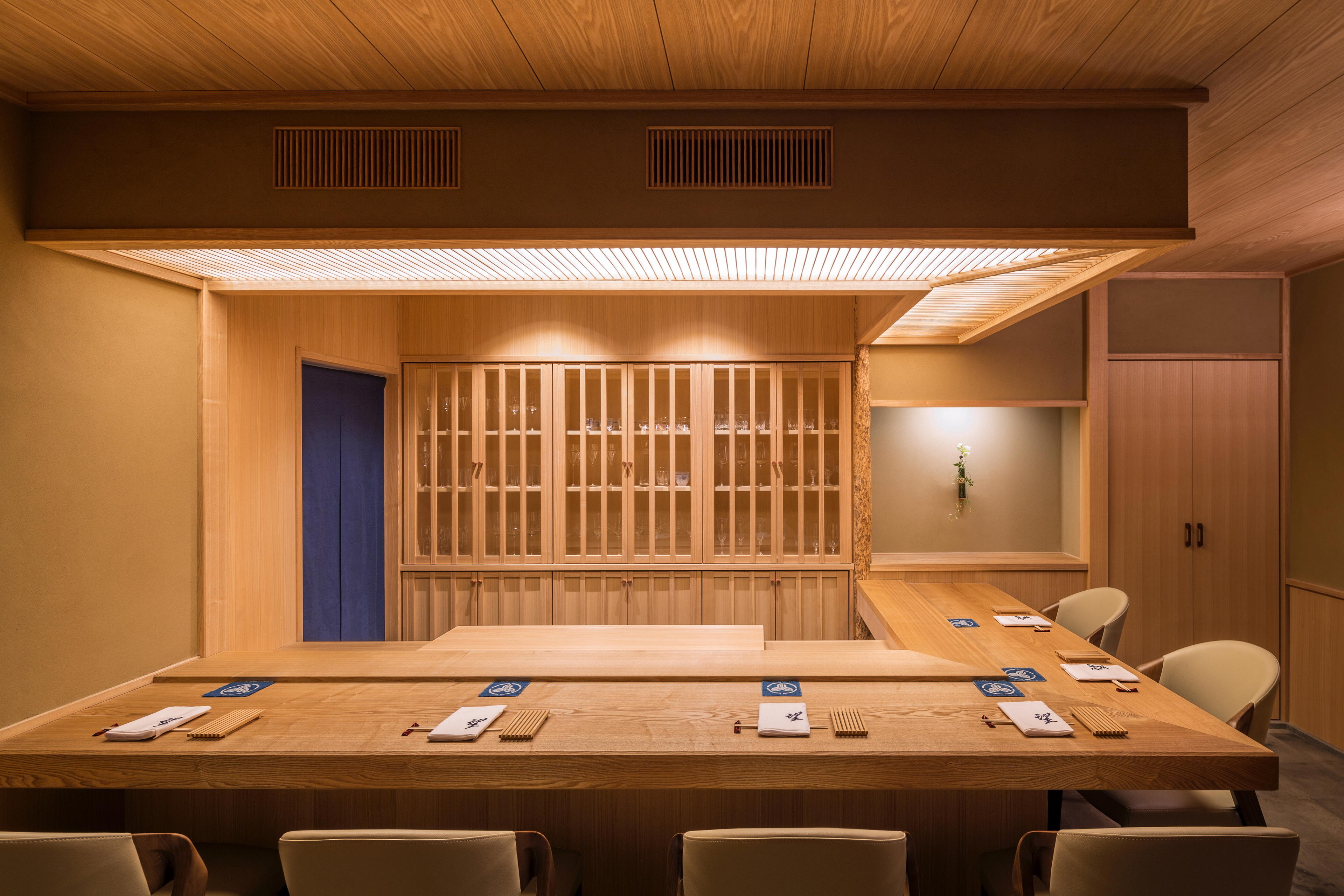
New York's most formally recognised restaurants operate at a different altitude. The city's Michelin-starred tier, represented by places like Le Bernardin, Atomix, Eleven Madison Park, Masa, and Per Se, occupies price and formality brackets that are several tiers above what Han Dynasty offers. That is not a criticism of Han Dynasty; it is simply a mapping of where the venue sits. The city's dining ecosystem needs mid-tier options that deliver specific, well-executed cuisine at accessible price points, and that is the function Han Dynasty fulfils on the Upper West Side.
Across other American cities, comparable mid-tier regional specialists operate in similar neighbourhood roles. Readers following serious dining beyond New York will find different versions of this dynamic at Lazy Bear in San Francisco, Emeril's in New Orleans, Smyth in Chicago, Providence in Los Angeles, and Addison in San Diego. For those whose dining range extends to destination restaurants outside major cities, The French Laundry in Napa, Blue Hill at Stone Barns in Tarrytown, Single Thread Farm in Healdsburg, The Inn at Little Washington, Frasca Food and Wine in Boulder, Atelier Moessmer Norbert Niederkofler in Brunico, and Dal Pescatore in Runate represent the formality tier above.
Planning Your Visit
| Detail | Han Dynasty Upper West Side | Comparable Mid-Tier (NYC) | Upper-tier NYC (e.g., Le Bernardin) |
|---|---|---|---|
| Price Range | Mid-tier (data not confirmed) | $$–$$$ | $$$$ |
| Booking Lead Time | Walk-in or short-notice typical for format | Days to weeks | Weeks to months |
| Cuisine Specificity | Sichuan / Hunanese regional focus | Varies | High (French, Japanese, etc.) |
| Neighbourhood | Upper West Side (residential) | Mixed | Midtown / Flatiron |
| Formality | Casual sit-down | Casual to smart casual | Formal |
Address: 215 W 85th St, New York, NY 10024. The restaurant is open daily from 11 AM to 1 AM, and reservations are recommended.
- Dan Dan Noodle
- Dry Pepper Chicken
- Mapo Tofu
- Pork Dumplings
- Cumin Lamb
- Spicy Tofu Fish
- General Han's Chicken
Style and Standing
Comparable venues nearby, for context on price, style, and recognition.
| Venue | Cuisine | Price | Notes |
|---|---|---|---|
| Han Dynasty Upper West SideThis venue — the venue you are viewing | Authentic Sichuan Chinese | $$ | Not listed |
| Wok In Duane | Modern Pan-Asian Wok | $$ | Tribeca-Civic Center |
| Hainan Chicken House | Malaysian Hainanese Chicken Rice | $$ | Sunset Park (East)-Borough Park (West) |
| Ming Mun | Authentic Cantonese Dim Sum | $$ | Downtown Brooklyn-DUMBO-Boerum Hill |
| Mimi Cheng’s | Taiwanese Dumplings | $$ | East Village |
| Land of Plenty | Authentic Sichuan | $$ | East Midtown-Turtle Bay |
Continue exploring
More in New York City
Restaurants in New York City
Browse all →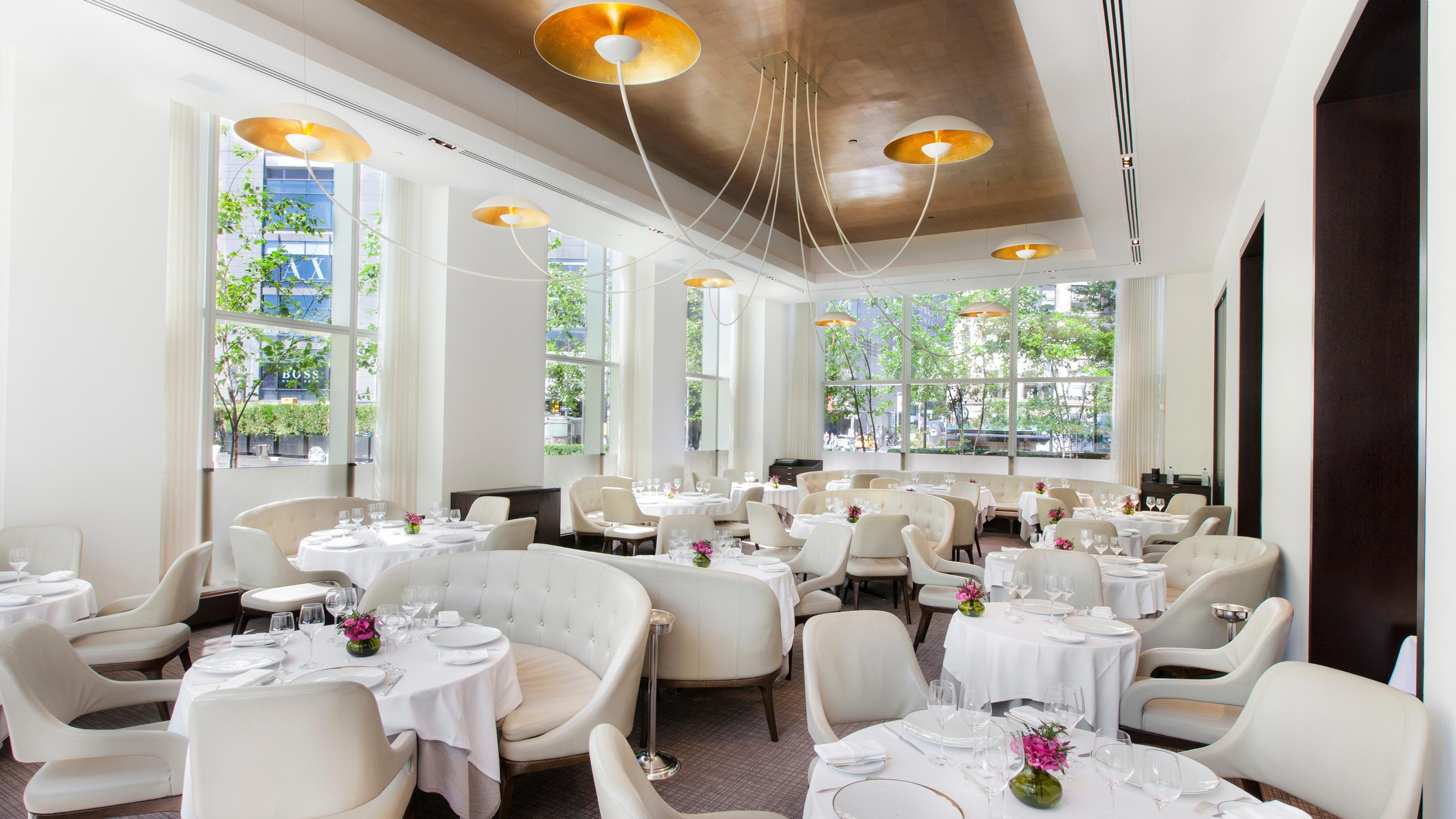
Bars in New York City
Browse all →
Hotels in New York City
Browse all →




At a Glance
- Lively
- Ornate
- Energetic
- Group Dining
- Casual Hangout
- Celebration
- Private Event
- Private Dining
- Open Kitchen
- Beer Program
Current opening hours
- Monday
- 11 AM–1 AM
- Tuesday
- 11 AM–1 AM
- Wednesday
- 11 AM–1 AM
- Thursday
- 11 AM–1 AM
- Friday
- 11 AM–1 AM
- Saturday
- 11 AM–1 AM
- Sunday
- 11 AM–1 AM
Hours can change for holidays and private events. Last verified .
Ornate dining room with full bar and sidewalk café, creating an energetic and lively atmosphere for casual dining.