
Tabelog 100 #75
Our verdict
HAKUGA puts Nagoya’s creative-French current into a compact counter format in Sakae, with Tabelog 100 recognition for Innovative / Creative cuisine in 2025. The appeal is not spectacle but control: a small-room dinner built around French technique, seasonal Japanese ingredients, wine and sake, and the quieter end of the city’s premium dining culture.

Pearl is the En Primeur Club membership app, where members save venues, book tables and use the concierge.
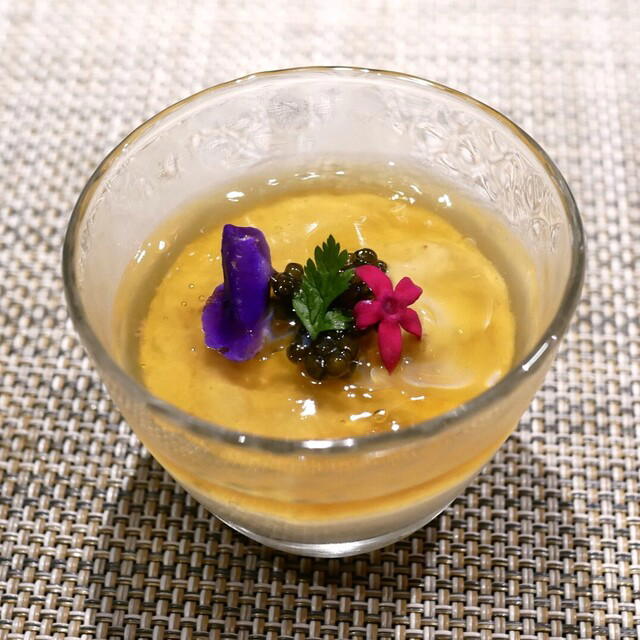
Nagoya changes character quickly after dark: department-store brightness gives way to side streets, upper-floor dining rooms, and the quieter rituals of the city’s serious dinner crowd. In that setting, HAKUGA belongs to a smaller category than the city’s izakaya, yakiniku, and unagi circuits. It is part of the innovative, creative, French tier, where the experience depends less on theatrical luxury than on timing, pacing, and the conversation between Japanese ingredients and French structure.
Nagoya is often read through its regional staples, but its premium dining scene has a parallel language: focused restaurants, carefully paced menus, and a willingness to absorb French technique without losing the city’s practical temperament. HAKUGA’s selection for Tabelog 100 Innovative / Creative cuisine in 2025 matters because that list separates restaurants working outside standard genre labels from the broader fine-dining field. The category is useful here. This is not classical French transplanted into Aichi, and it is not kaiseki with French garnish. It sits in the middle ground where produce, sauces, temperature, and plating carry equal weight.
A focused reading of Nagoya's creative-French scene
The concentrated setting changes how creative cuisine is judged. In broader dining rooms, atmosphere can blur the work on the plate; in a more deliberate room, every transition feels more exposed. That emphasis places HAKUGA closer to Nagoya’s specialist restaurants than to grand hotel dining rooms, with the meal framed as a considered evening rather than a broad, multipurpose occasion.
The restaurant’s stated categories, Innovative, Creative, French, are broad, but they point to a genuine Nagoya pattern: French technique used as a framework rather than a costume. The city has enough affluent regulars to support high-touch restaurants, yet it is less driven by international trophy dining than Tokyo or Kyoto. That produces a different kind of pressure. A restaurant in this tier has to satisfy repeat local diners as much as visitors hunting awards, and the format rewards precision over noise.
Price also places it in a defined bracket. HAKUGA’s dinner range of JPY 15,000 to JPY 19,999 sits above casual Nagoya dining and alongside higher-commitment restaurants such as Hanamaru Kichijitsu and Koran, while remaining clearly separate from more flexible everyday dinner choices such as Tori Yakiniku Toriichi Sakae joshidai ten and kawaramachi hisaya ukiyo banare. Sumiyaki Chicken Kababu offers another Nagoya comparison point below that higher-commitment threshold. The comparison is not about genre; it is about decision-making. This is the point where dinner becomes a planned evening rather than a flexible stop between drinks.
French technique without the hotel-dining register
Creative French in Japan often works because it can borrow discipline from two traditions at once. French cooking brings sauces, reductions, pastry logic, and a vocabulary of courses; Japanese dining brings seasonality, restraint, and an acute sensitivity to temperature. HAKUGA’s Innovative, Creative, French listing reinforces that hybrid reading, suggesting a kitchen concerned with acidity, umami, and texture rather than staying inside a single inherited doctrine.
The sensory character of this kind of room is usually quieter than the category name suggests. The cues are small: the rhythm of plates, the reduced distance between preparation and diner, and the subdued choreography of a restaurant that does not need to hide behind scale. Focused dining also changes the social register. It can make a premium meal feel less formal, but it also makes the diner more aware of timing and attention. In Nagoya, where dining culture is often direct and regular-driven, that balance is a strength.
The 2025 Tabelog 100 recognition gives the restaurant an external marker, but it should not be mistaken for the whole argument. Awards identify the category; they do not explain the appeal. The stronger reason to pay attention is the convergence of signals: a creative-French identity, a Nagoya setting, and a price level that puts it in conversation with the city’s more deliberate dinner rooms. HAKUGA is useful for travellers who already understand that Nagoya’s food culture is broader than miso katsu and hitsumabushi, and for local diners looking beyond single-genre luxury.
Where it fits in a Nagoya itinerary
For a broader city read, start with Our full Nagoya restaurants guide, then place this meal against the city’s drinking and hotel geography through Our full Nagoya bars guide and Our full Nagoya hotels guide. Travellers building a longer food-focused route can also cross-reference Our full Nagoya experiences guide and Our full Nagoya wineries guide, especially if the evening is part of a wider Aichi stay rather than a single dinner booking.
Within EP Club’s wider Japan and dining coverage, useful contrasts include other Nagoya dining rooms across different formats and price points. For a wider sense of how Japanese dining formats travel across cities, compare HAKUGA with unnamed restaurants in other dining destinations, where the same questions of format, pacing, and value play out in different local contexts.
The editorial case is clear: choose this for a controlled Nagoya dinner where French technique meets Japanese seasonality without the formality of a grand dining room. It is not the right frame for a casual Nagoya night out, and it is not trying to be. Its value lies in concentration: a focused creative category, a defined dinner budget, and enough recognition to make the room relevant beyond regular local dining patterns.
Frequently asked questions
Where is HAKUGA in Nagoya?
Nagoya.
What should I budget for a meal at HAKUGA?
Pricing at HAKUGA is listed as JPY 15,000 - JPY 19,999.
When can I go to HAKUGA?
Check directly with HAKUGA for current opening times before arranging a visit.
What's HAKUGA best at?
HAKUGA is strongest as an Innovative, Creative, French restaurant in Nagoya. The restaurant was selected for Tabelog 100 in 2025, which fits its JPY 15,000–19,999 dinner range.
What if I have allergies at HAKUGA?
Allergies should be flagged when arranging the booking through the restaurant. The contact number listed is +81-52-898-5018, and the team can confirm what can be adjusted before the meal.
How It Stacks Up
Comparable venues at a glance for context.
| Venue | Cuisine | Price | Awards | Notes |
|---|---|---|---|---|
| HAKUGAThis venue (the venue you are viewing) | Creative French-Japanese Fine Dining | Not listed | Tabelog 100 #75 | Not listed |
| フランス惣菜と串カツ マルブラード | French Prepared Dishes and Kushikatsu | $20–30 | Tabelog 100 #74 | Naka |
| kibi | Wood-fire Modern Italian & Fusion | $100–150 | Tabelog 100 #86 | Naka |
| Yakiniku Asahi | Private-room Wagyu Yakiniku | $50–100 | Tabelog 100 #46 | Higashi |
| Yanagiyanishiki | Gifu Regional Cuisine | $100–150 | Not listed | Naka |
| Shoya Meieki | Yakiniku (Japanese BBQ) | $30–50 | Tabelog 100 #54 | Nakamura |
Recognition history
Dated appearances from independent guides and award organizations, with the underlying list record or original source where available.
Tabelog 100 #75 · No. 75
Tabelog · Tabelog 100 - Innovative / Creative cuisine - 2025
Continue exploring
More in Nagoya
Restaurants in Nagoya
All restaurants in Nagoya →
Details
- Elegant
- Sophisticated
- Intimate
- Quiet
- Date Night
- Celebration
- Special Occasion
- Group Dining
- Standalone
- Extensive Wine List
- Prix Fixe
- Wine
Current opening hours
- Monday
- 5:30–10 PM
- Tuesday
- 5:30–10 PM
- Wednesday
- 5:30–10 PM
- Thursday
- 5:30–10 PM
- Friday
- 5:30–10 PM
- Saturday
- 5:30–10 PM
- Sunday
- Closed
Hours can change for holidays and private events. Hours as of .
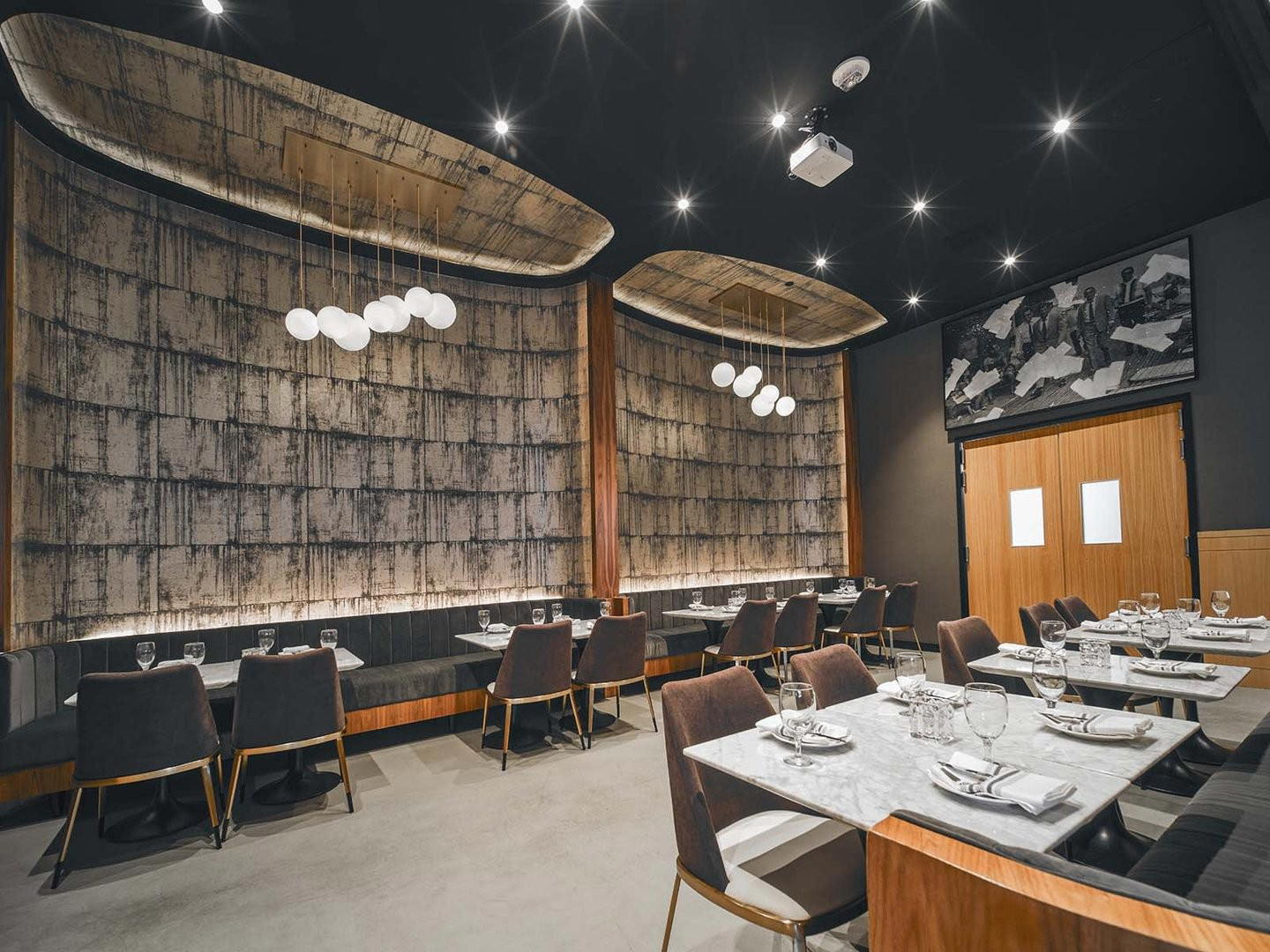
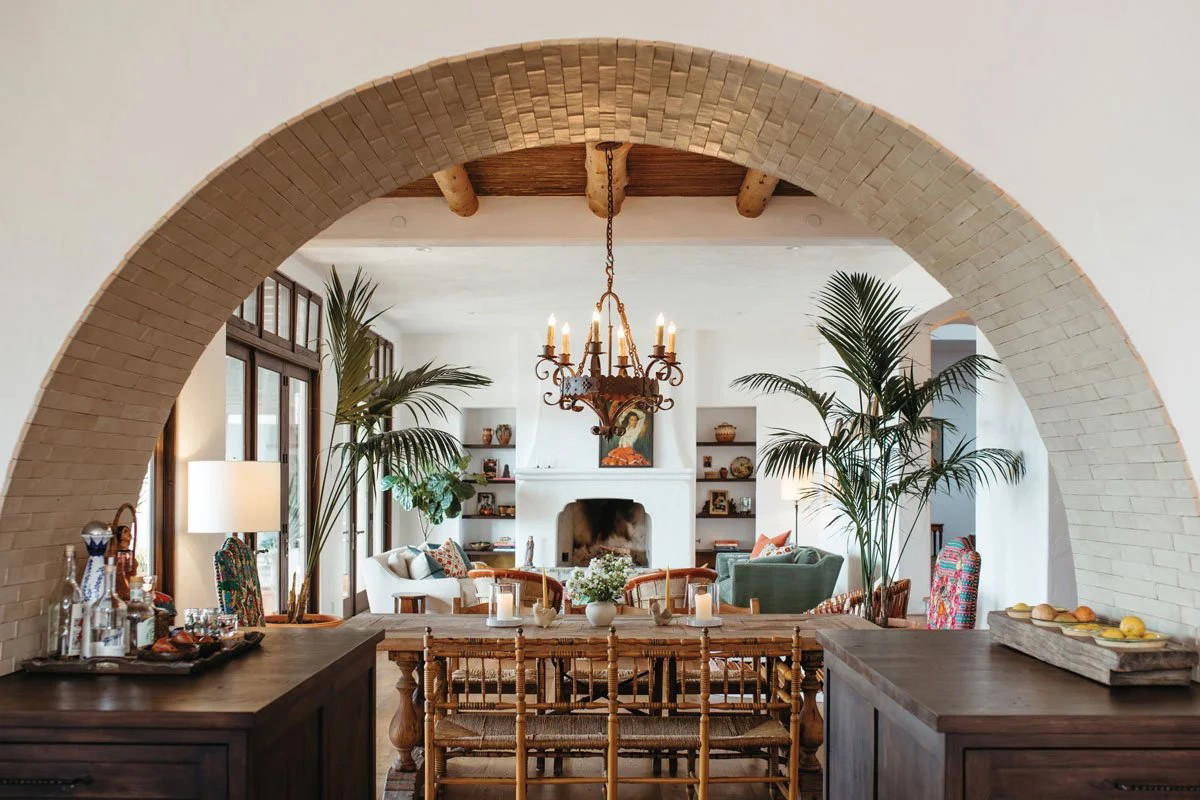
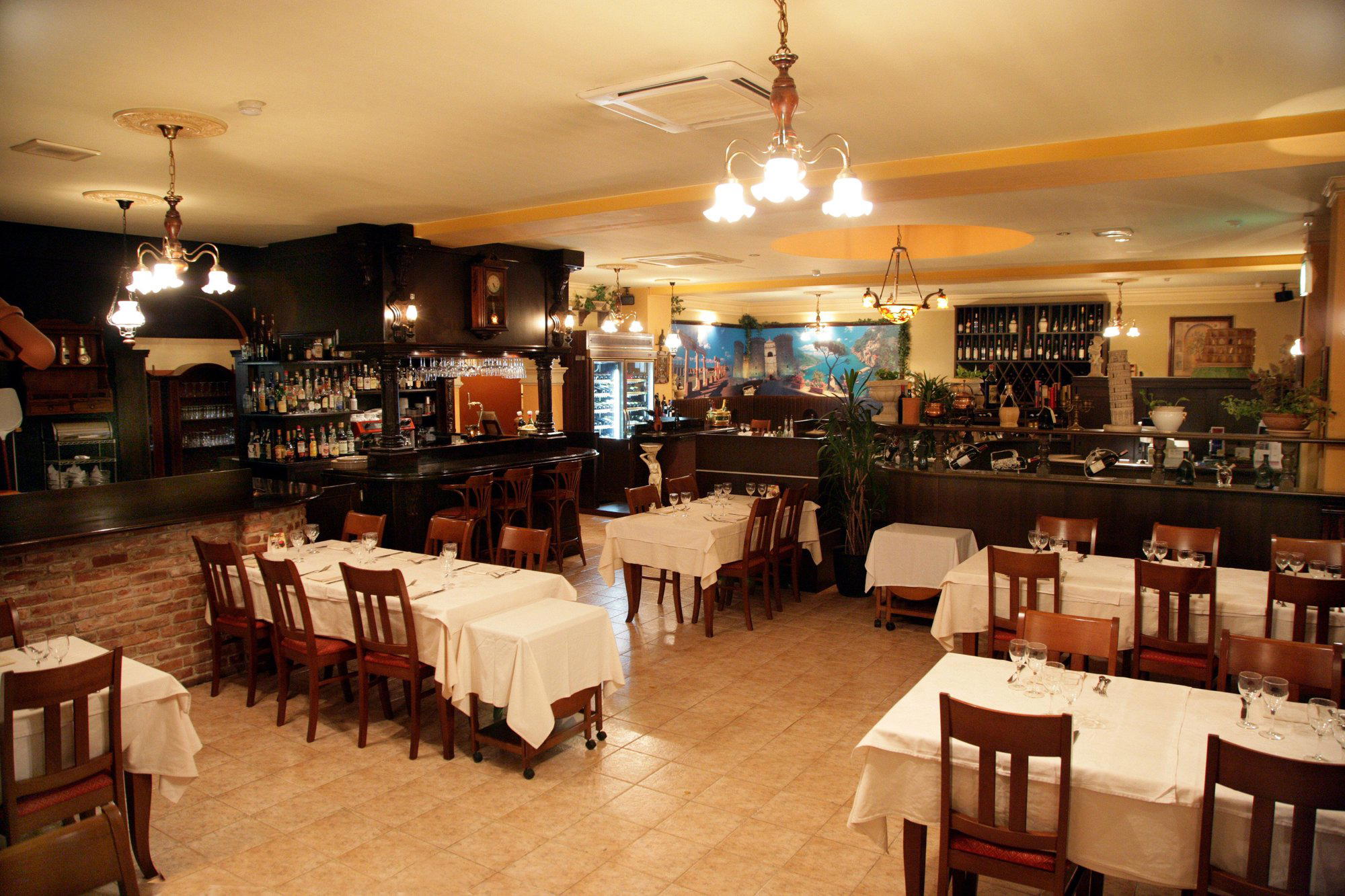
An adult-oriented, calm dining space set away from the bustle of central Sakae, with a refined and reserved atmosphere suited to special meals.