
Tabelog 100 #26
Our verdict
Hagakure belongs to Tokyo’s serious everyday-dining tier: small, inexpensive, and recognized by Tabelog 100 for udon in East Japan. In Akasaka-Mitsuke, the appeal is less ceremony than discipline, with udon, curry udon, izakaya drinking, and a compact room that rewards diners who understand Tokyo’s lunch-and-after-work rhythm.

Pearl is the En Primeur Club membership app, where members save venues, book tables and use the concierge.
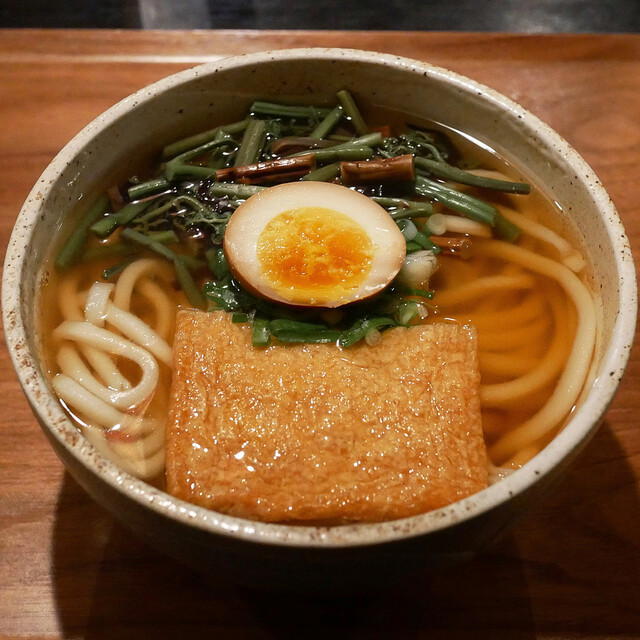
Tokyo has a particular kind of everyday dining energy: office workers moving fast between subway exits, side streets dropping into dining rooms, and restaurants that do not need theatrical signage to feel purposeful. Hagakure sits in that register as a Tokyo address defined by a direct, practical dining proposition. This is not the luxury-counter Tokyo that sells silence and scarcity. It is the city’s sharper everyday grammar: wheat noodles, quick decisions, modest spend, and a format where pacing matters.
Tokyo’s udon culture is often less internationally decoded than sushi or ramen, but the city treats it with the same taxonomy. There are regional styles, curry-led shops, standing counters, drinking-room hybrids, and specialist addresses that draw attention because the fundamentals are difficult to fake. Hagakure’s selection for Tabelog 100 Udon EAST 2024 places it inside that specialist conversation, not because it is expensive, but because Tokyo’s noodle hierarchy has room for low-ticket restaurants that execute with consistency. Its Tabelog score of 3.65 gives the place a clear signal in a category where regulars, office crowds, and noodle obsessives all vote with frequency.
Tokyo udon with izakaya instincts
The useful way to read the format is as udon first, izakaya-adjacent second. The category listing covers udon, curry udon, and izakaya, and that combination says plenty about how Tokyo eats around busy urban dining pockets. Lunch can be functional and compressed; evening can stretch into a more relaxed meal, with noodles as the anchor rather than a formal tasting sequence. The izakaya listing pushes the restaurant beyond a pure noodle listing without turning it into a bar with incidental food.
That hybrid matters in Tokyo. The city’s restaurant culture often needs to handle solo diners, pairs, and small groups without changing identity. Hagakure’s appeal is easiest to understand through that flexible category logic: kitchen output, table turnover, and floor timing all matter when the core product is expected to arrive quickly and consistently. In larger restaurants, weak coordination can sometimes hide behind space. In this kind of specialist format, it cannot.
Tokyo’s lower-priced specialist restaurants are often misunderstood by visitors who equate cost with ambition. A listed spend of - JPY 999 - JPY 999 does not mean casual in the careless sense. It means the restaurant competes in a demanding local category where repetition is the test. Udon shops have to manage texture, broth or sauce balance, serving temperature, and speed across service, while also staying accessible enough for weekday use. The recognition attached to this address is useful precisely because it points to craft in a price band that travelers often under-research.
The room works because the format is tight
Small Tokyo restaurants create a different kind of hospitality from hotel dining rooms or international fine dining. Service is not always built around long explanations; it is often built around reading the flow. Noodle dining suits solo diners, while casual restaurant formats can also suit friends or colleagues who want a contained meal rather than a long evening. Hagakure reads as a focused specialist stop, not a family-style banquet room and not a venue designed around a formal tasting-menu arc.
The kitchen-and-floor relationship is the quiet story in this category. An udon restaurant with izakaya instincts has to run on handoffs: bowls, orders, payment, and table reset. The presence of curry udon also widens the audience, because curry udon in Tokyo functions as comfort food, lunch food, and drinking-session closer depending on hour and company. That versatility is the restaurant’s editorial point. Hagakure is not trying to sit in the same decision set as Kizaki for sushi, Raimon for yakiniku, or Bar Tiare for higher-spend cocktails. It belongs to a different Tokyo economy: the specialist address with a narrow core product and enough range to make sense at both lunch and dinner.
For travelers building a Tokyo eating map, that distinction is useful. A city itinerary that only chases reservations at sushi counters and formal rooms misses the places where Tokyo residents compress quality into routine. Udon is especially good for this because it reveals how much technique can sit inside a brief meal. The award signal helps separate a serious noodle address from a random convenient stop, while the price band keeps the decision low-risk. The trade-off is that the experience is likely to feel local in tempo; diners who need extended guidance or leisurely pacing may prefer a different format.
Where it fits in a Tokyo itinerary
Tokyo is an efficient dining city because it connects easily across districts and has enough restaurant density to support flexible plans. Hagakure works as a focused noodle stop rather than the centrepiece of a full evening. Pair it with a bar elsewhere, or use it as a counterpoint to more expensive meals on the same trip. A traveler comparing Tokyo’s casual depth could look at curry, skewers, café culture, and meat-led nights through other Tokyo dining rooms, while keeping Hagakure in mind as the udon-focused entry in the mix.
The broader lesson is that Tokyo dining should be planned across categories, not just prestige levels. Use Our full Tokyo restaurants guide for restaurants, then widen the trip with Our full Tokyo hotels guide, Our full Tokyo bars guide, Our full Tokyo wineries guide, and Our full Tokyo experiences guide. For a wider Japan-and-beyond comparison of specialist formats, consider other small-format dining rooms in Japan and beyond, then return to Hagakure for the kind of low-ticket noodle meal that shows how much precision Tokyo can compress into an everyday restaurant.
Frequently asked questions
Can I bring kids to Hagakure?
Hagakure is best understood as a Tokyo udon and izakaya-style venue. Travelers with children should check directly with the restaurant before visiting.
What's the overall feel of Hagakure?
Expect a focused Tokyo udon venue rather than a formal dining-room experience. The udon-plus-izakaya category makes it feel suited to a direct meal, whether solo or with a small group.
What's the price range at Hagakure?
Pricing at Hagakure is listed as - JPY 999 - JPY 999.
Where is Hagakure in Tokyo?
Tokyo.
How hard is it to get a table at Hagakure?
Hagakure is a specialist venue, and its Tabelog Udon EAST 2024 selection adds to its visibility. Table access may be limited at busy times.
What's the signature at Hagakure?
Udon is the anchor here, with curry udon also listed among the categories. The 2024 Tabelog Udon EAST selection reinforces that the noodle side of the menu is the reason to come.
How It Stacks Up
Comparable venues at a glance for context.
| Venue | Cuisine | Price | Awards | Notes |
|---|---|---|---|---|
| HagakureThis venue (the venue you are viewing) | Udon and curry udon izakaya | $10–20 | Tabelog 100 #26 | Not listed |
| Oniyanma Shimbashi ten | Stand-up Sanuki Udon | $1–10 | Tabelog 100 #91 | Minato |
| Kitchen Nankai Chiyoda kanda jinbou ten | Japanese Yoshoku | $1–10 | Tabelog 100 #88 | Chiyoda |
| Fukuo Shoten | Traditional Japanese sweets and agar jelly shop | $1–10 | Tabelog 100 #61 | Chiyoda |
| Takemura | Traditional Japanese sweets café (kanmi-dokoro) | $1–10 | Tabelog 100 #6 | Chiyoda |
| Uoriki | Traditional Japanese fish set-meal diner (teishoku) | $10–20 | Tabelog 100 #89 | Shibuya |
Recognition history
Dated appearances from independent guides and award organizations, with the underlying list record or original source where available.
Tabelog 100 #26 · No. 26
Tabelog · Tabelog 100 - Udon - EAST - 2024
Continue exploring
More in Tokyo
Restaurants in Tokyo
All restaurants in Tokyo →
Bars in Tokyo
All bars in Tokyo →
Details
- Cozy
- Solo
- After Work
- Casual Hangout
- Group Dining
- Standalone
- Sake Program
- A La Carte
- Counter Dining
- Sake
- Shochu
- Wine
- Cocktails
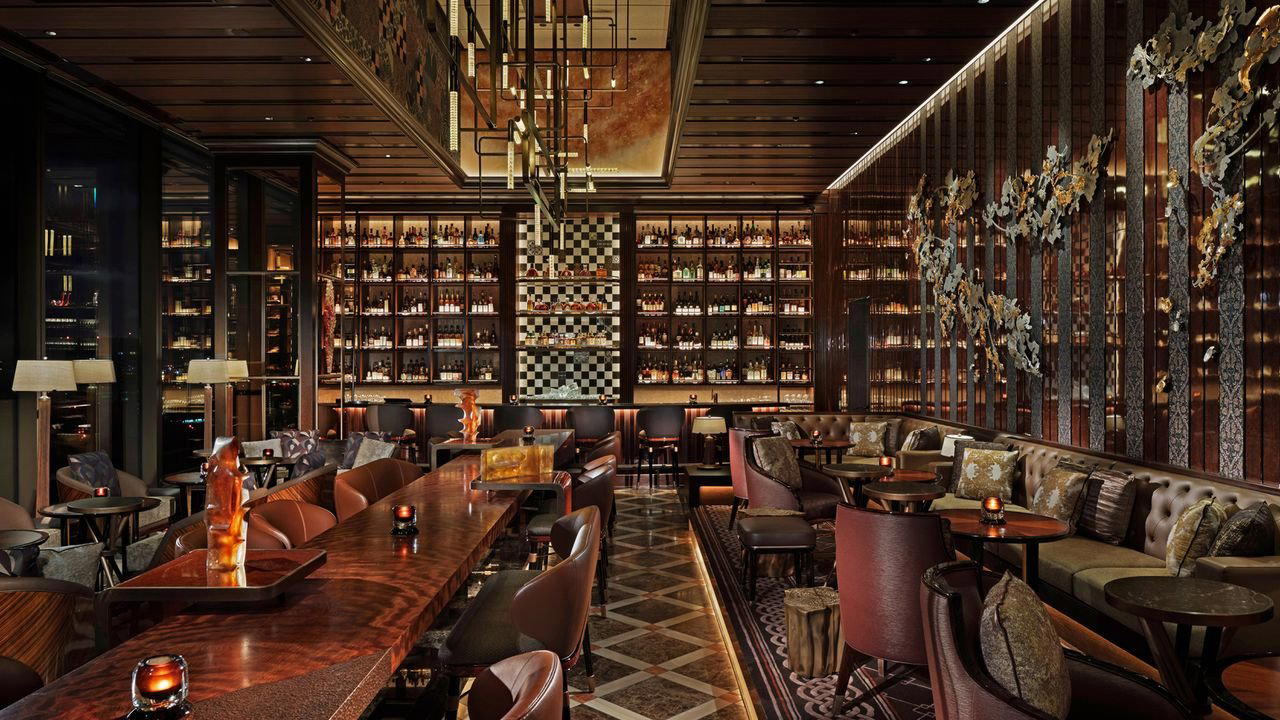
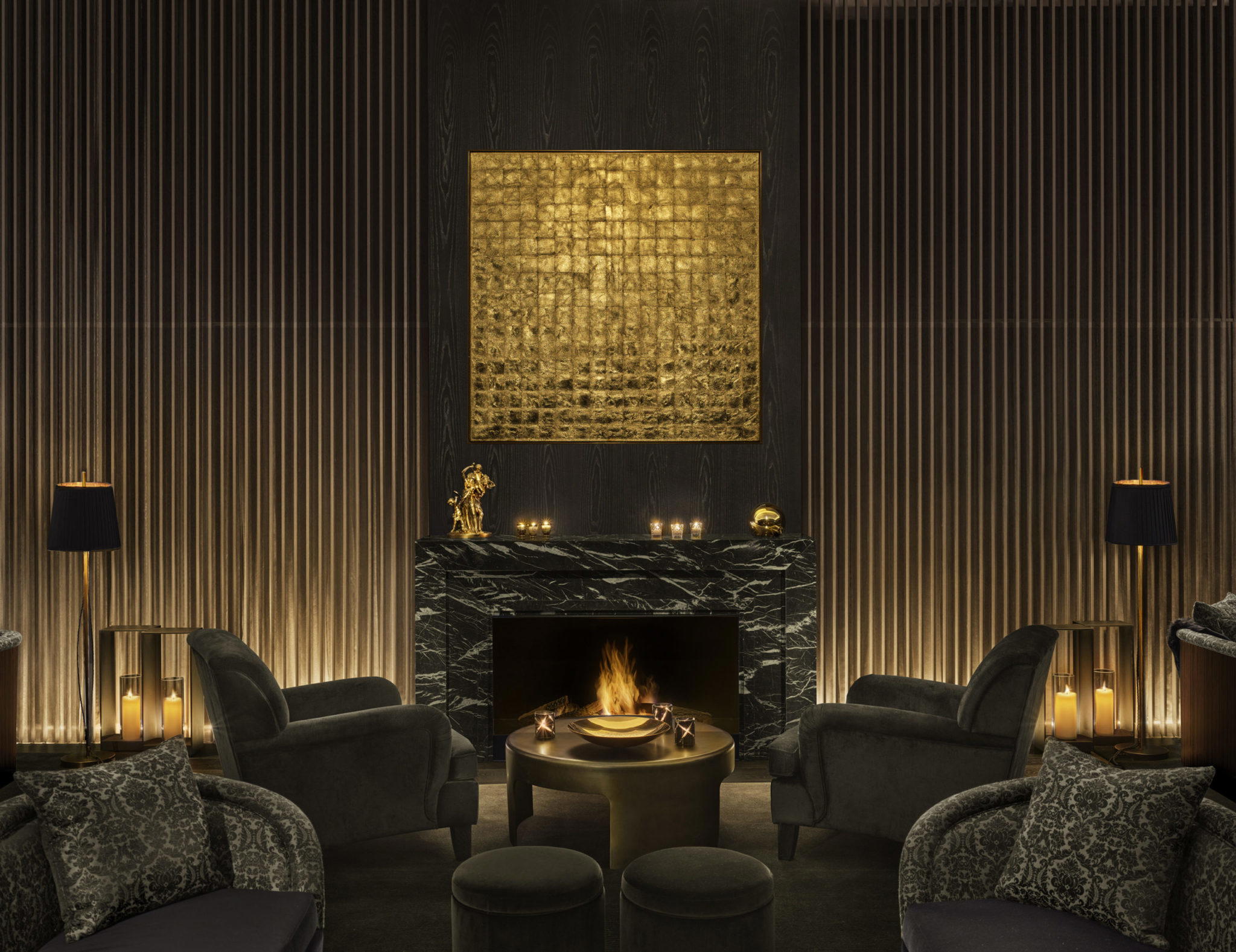
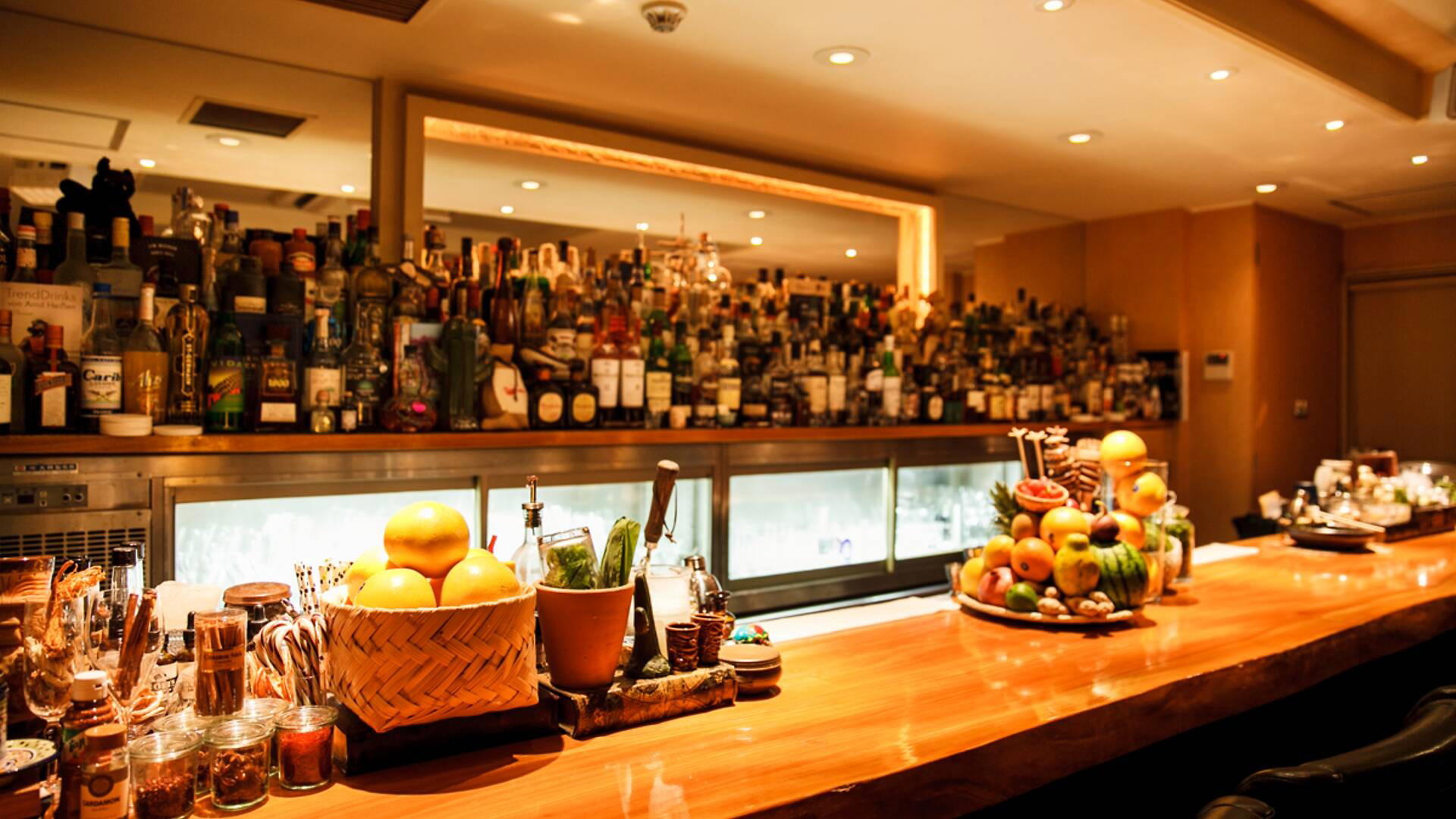
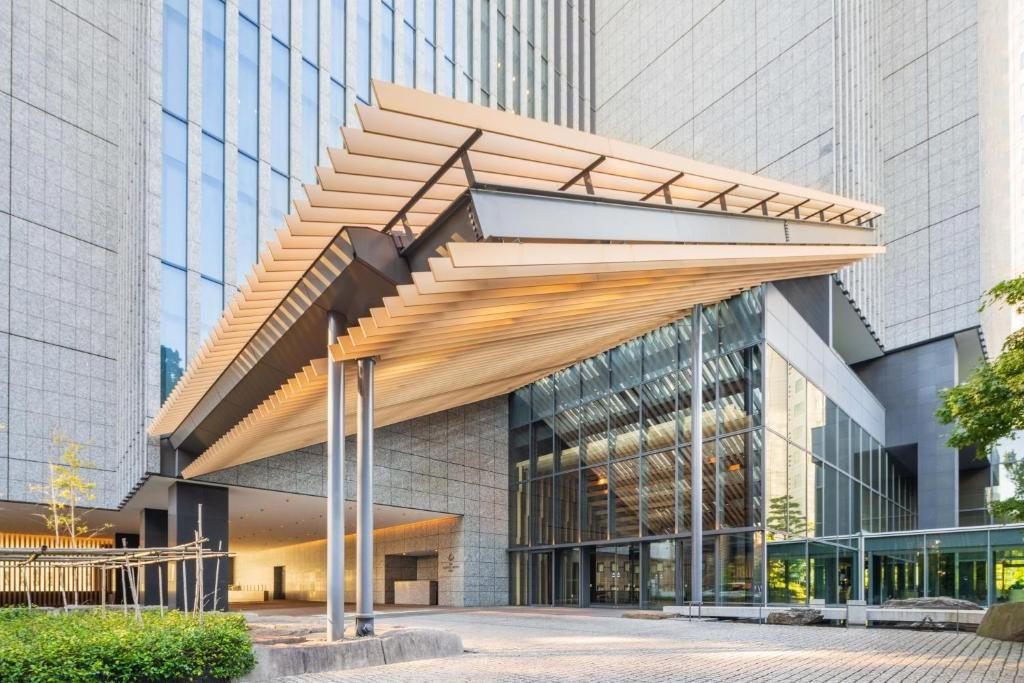
A small basement hideout near Akasaka-mitsuke Station with a relaxed, low-key izakaya feel, counter and table seating, and a casual atmosphere suited to solo diners and after-work visits rather than families with small children.