
Tabelog 100 #89
Our verdict
Uoriki puts Tokyo’s everyday fish-meal tradition in sharper focus than many higher-priced counters. In Kamiyamacho, its cafeteria, seafood, and izakaya format connects set-meal pragmatism with fish-shop discipline, with Tabelog 100 Diner selection in 2026 and earlier recognition in the set-meal category giving the room a clear credential beyond neighborhood loyalty.

Pearl is the En Primeur Club membership app, where members save venues, book tables and use the concierge.
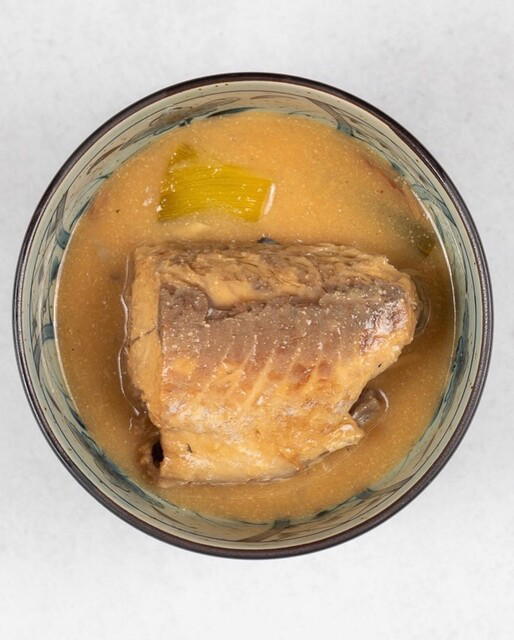
The menu
What to order
- Saba miso-ni (mackerel simmered in miso)
- Grilled fish teishoku
- Assorted sashimi set
- Gindara miso-ni (black cod simmered in miso)
Tokyo can sit at a useful remove from its louder dining circuits: broad enough to reward walking past the obvious options and into everyday dining formats. Uoriki belongs to a Tokyo category travelers often underread: a venue listed across cafeteria, seafood, and izakaya-style dining, where format matters as much as polish. This is not best framed as the ritualized theatre of a destination counter, but as a tighter, meal-led format built around seafood and the confidence of a place that knows its purpose.
Tokyo’s international dining reputation can make seafood feel synonymous with high-formality reservations, but the city’s fish culture is broader and more democratic. Everyday seafood dining is where category, budget, and service rhythm become the point. Uoriki’s recognition in Tabelog’s 2026 Hyakumeiten, in the cafeteria, seafood, and izakaya field, matters because recognition lands in a category where consistency and repeat-use value count more than luxury signaling. Its Tabelog score of 3.71 places it in a tier where local evaluation has accumulated around a specific promise, not spectacle.
Fish, format, and the disciplined grammar of the cafeteria menu
The category architecture tells the story. Cafeteria, seafood, and izakaya are often treated as separate labels, but in Tokyo they can overlap: one format supplies the meal logic, another the fish vocabulary, the third the casual dining register. Uoriki works inside that overlap. Seafood is the anchor, not an occasional detail, and the structure points toward a practical meal rather than a prestige performance. The broader point is categorical: this is seafood made legible as everyday Tokyo dining.
That distinction matters against other Tokyo options. Sushi Rizaki Shibuya sits in a different register, where diners may be thinking about counter pacing and chef-controlled sequence. FUGLEN TOKYO and Theobroma Shibuya honten answer different urban needs, from coffee to patisserie. Uoriki’s lane is narrower and more grounded: seafood for lunch or dinner, supported by the practical rhythm of a casual Tokyo dining room rather than a long luxury conversation. The case for going is not that it competes with expensive seafood rooms, but that it represents the parallel seafood culture those rooms can obscure.
The fish-led identity adds credibility without needing extra mythology. Tokyo has long made room for specialist and everyday dining formats to sit beside high-formality restaurants. When a seafood-focused cafeteria works from a clear category, the proposition can stay concise because the listing supplies the logic: seafood first, casual usability close behind. Where luxury seafood can become performance, this format keeps the transaction legible.
Why this Tokyo address reads differently from a destination counter
Tokyo changes how a meal like this lands. The city has room for restaurants built on repetition, practical routines, and diners willing to travel for a specific format. That geography fits a cafeteria and seafood restaurant: the pleasure is not a rarefied sequence, but being fed with clarity.
The room should be read through that practical lens. Uoriki is not best understood as a private, ceremonial destination, but as a place where the category does much of the work. Accessibility does not have to mean anonymity. In a city where seafood can split sharply between formal counters and casual chains, this kind of restaurant gives travelers a different point of entry.
Timing follows the format. Lunch and dinner seafood meals in Tokyo reward decisiveness: choose the fish-led category, eat with purpose, and leave lingering to other parts of the city’s dining scene. That rhythm distinguishes Uoriki from more elastic izakaya nights, where ordering can unfold at a different pace. The meal remains the center. For travelers trying to understand Tokyo beyond omakase, ramen queues, and convenience-store mythology, this is a clean lesson in how residents can use seafood restaurants.
The editorial read: value comes from category, not ceremony
Uoriki’s strongest argument is category precision. In Tokyo, a modestly priced seafood meal with recognized local standing can reveal more than another expensive counter reservation. The 2026 Tabelog Hyakumeiten recognition identifies the restaurant within a competitive everyday field, not as a trophy stop. The listed budget of JPY 1,000 - JPY 1,999 for lunch and dinner sharpens the point: this is a place to understand seafood and cafeteria formats as serious urban food, not consolation prizes below sushi.
That makes it a useful counterweight in a Tokyo dining itinerary. Pairing a fish-focused cafeteria with higher-formality meals gives the city more texture. A traveler might look to other Tokyo dining rooms for different seafood registers, casual dining rhythms, or everyday lunch logic. For contrast rather than equivalence, the city’s casual formats show how wide Tokyo’s dining range can run.
The same logic applies beyond Tokyo. Broader comparisons clarify what this restaurant is not trying to be: other dining categories operate by different expectations, and Japanese formats outside Japan can shift in pace, choice, and service style. Uoriki is best understood on its own terms, inside Tokyo’s practical seafood culture.
For the wider trip, use Our full Tokyo restaurants guide to place Uoriki among the city’s dining categories, then cross-check the scene through Our full Tokyo hotels guide, Our full Tokyo bars guide, Our full Tokyo wineries guide, and Our full Tokyo experiences guide. The better Tokyo itineraries do not chase only prestige dining. They balance ceremony with the meal formats that keep the city fed.
A Pricing-First Comparison
Comparable options at the same price tier.
| Venue | Cuisine | Price | Awards | Notes |
|---|---|---|---|---|
| UorikiThis venue (the venue you are viewing) | Traditional Japanese fish set-meal diner (teishoku) | $10–20 | Tabelog 100 #89 | Not listed |
| Uogashi Nihon-ichi (魚がし日本一) | Standing Sushi Bar | $10–20 | Not listed | Shibuya, Standing Sushi Bar |
| Higashi Shinjuku Sanrasa | Japanese Curry | Not listed | Tabelog 100 #13 | Shinjuku, Japanese Curry |
| Ramen Jiro Mita honten | Japanese Ramen | Not listed | Tabelog 100 #86 | Minato, Japanese Ramen |
| Kanmi Okame Yuurakuchou ten | Traditional Japanese sweets cafe (wagashi & kakigori) | $10–20 | Tabelog 100 #99 | Chiyoda, Traditional Japanese sweets cafe (wagashi & kakigori) |
| Sabouru 2 | Yoshoku & Napolitan Pasta Kissaten | $10–20 | Tabelog 100 #49 | Chiyoda, Yoshoku & Napolitan Pasta Kissaten |
Recognition history
Dated appearances from independent guides and award organizations, with the underlying list record or original source where available.
Tabelog 100 #89 · No. 89
Tabelog · Tabelog 100 - Diner - 2026
Continue exploring
More in Tokyo
Restaurants in Tokyo
All restaurants in Tokyo →
Bars in Tokyo
All bars in Tokyo →
Details
- Classic
- Cozy
- Lively
- Solo
- Family
- Casual Hangout
- After Work
- Group Dining
- Standalone
- Historic Building
- Local Sourcing
- Sustainable Seafood
- Set Menu
- A La Carte
- Sake
- Beer
- Pescatarian Friendly