Haandi

A Knightsbridge fixture on Cheval Place, Haandi has held a place on Opinionated About Dining's Casual Europe list for three consecutive years, reaching #531 in 2024 and #596 in 2025. The kitchen draws on North Indian cooking traditions, with a focus on the clay-pot techniques that give the restaurant its name. Open seven days a week from 1pm, it sits a short walk from Hyde Park and the South Kensington museum quarter.

Knightsbridge's Quiet Indian Counter-Argument
London's Indian restaurant scene has long been divided between two registers: the formal, tasting-menu tier exemplified by Amaya and Benares, and the neighbourhood staple that earns loyalty through repetition and consistency rather than occasion-dressing. Haandi, on Cheval Place in SW7, operates firmly in the second register — and has done so long enough that Opinionated About Dining has tracked its standing for three consecutive years, placing it at #531 in their 2024 Casual Europe ranking and #596 in 2025. That kind of sustained, indexable recognition is different from a single-year spike; it reflects a dining room that a broad base of regular visitors continues to recommend.
The address situates it precisely: Cheval Place runs behind the Brompton Road, a few minutes from Harrods and the constellation of embassies and residential mansion blocks that define this part of SW7. The neighbourhood draws an international residential crowd, and the restaurants that survive here over the long term tend to be those that function as reliable local options rather than destination-driven spectacles. Haandi belongs to that category. It is not a place you visit because a PR campaign reached you; it is a place you return to because the food held up the last time.
The Clay-Pot Tradition Behind the Name
The haandi — a rounded, narrow-necked vessel used across the subcontinent , is central to a style of slow cooking that predates the tandoor's dominance in British Indian restaurant culture. Dishes prepared in a haandi develop differently from those finished in the intense dry heat of a clay oven: the moisture circulates internally, the spices integrate over time rather than charring, and the result tends toward depth over drama. That technique sits within a broader North Indian culinary framework that prizes slow-cooked dals, rich meat gravies, and restrained spicing where individual aromatics , cumin, cardamom, dried fenugreek , remain identifiable rather than merging into a generic heat.
Editorial angle here is not that Haandi is the only place in London using this technique; it is that the technique itself explains something about the restaurant's character and its place in the market. Where Trishna has built its identity around coastal Keralan and Konkan flavours , kokum, coconut, curry leaf, tamarind , and where Ambassadors Clubhouse positions itself within the South Asian social dining tradition, Haandi anchors itself in the clay-pot register of the North. That is a different flavour logic: less acid and coconut fat, more ghee and slow-rendered spice pastes. Readers who arrive expecting the coastal spice profile of a South Indian or Goan kitchen will find something quieter and more interior in character.
Where South Indian Coastal Cooking Fits the Wider London Picture
London's engagement with regional Indian cooking has expanded significantly over the past decade. The city now has credible representations of Keralan seafood, Goan Catholic cooking, Tamil vegetarian traditions, and Andhra heat , styles that were largely absent from mainstream restaurant culture as recently as the early 2010s. The coastal spice pantry , tamarind for souring, kokum as an alternative acid, coconut in both fat and liquid form, curry leaf as the aromating agent that defines a dish's regional identity , has become more legible to London diners than it once was. Babur in Forest Hill has been one of the longer-running addresses engaging with this regional breadth; Trishna in Marylebone has brought Mangalorean and Keralan seafood into the premium tier.
Haandi does not sit in that coastal tradition, but understanding where it does not operate helps clarify what it offers. The North Indian clay-pot kitchen is the counterpart to the coastal school , equally specific, equally regional, but built on different geography and different ingredients. For diners who have moved through the coastal tier and want to map the fuller range of Indian cooking traditions available in London, Haandi represents a distinct coordinate on that map rather than a variation on familiar territory.
For those planning a wider sweep of London's Indian restaurants, our full London restaurants guide covers the range from neighbourhood staples to Michelin-rated dining rooms. The city also has enough depth across other categories that it warrants looking at our full London bars guide and our full London hotels guide when planning a stay in the area. And for those with a broader itinerary that extends across the UK, addresses such as The Fat Duck in Bray, L'Enclume in Cartmel, Moor Hall in Aughton, Gidleigh Park in Chagford, Hand and Flowers in Marlow, and hide and fox in Saltwood offer reference points across the premium British dining spectrum.
For Indian cooking at a format level above the casual register, Trèsind Studio in Dubai and Opheem in Birmingham represent what the modern fine-dining Indian kitchen looks like when the format is fully formalized. Haandi is a different proposition: it is the restaurant you go to when you want the cooking itself to carry the experience, without the apparatus of a tasting menu or wine pairing around it. See also our full London wineries guide and our full London experiences guide for further planning context.
Planning a Visit
Haandi is open Monday through Saturday from 1pm to 11pm, and Sunday from 1pm to 10:30pm. The address is 7 Cheval Place, London SW7 1EW, placing it within easy reach of Knightsbridge and South Kensington stations. Google reviewers rate it 4.1 across 654 reviews, a score that reflects broad satisfaction without the polarization that often accompanies higher-risk cooking. Opinionated About Dining's three-year run of recognition , Recommended in 2023, #531 in 2024, #596 in 2025 , anchors it clearly in the casual tier of their Europe ranking rather than the fine-dining index, which is an accurate signal of what the restaurant delivers and what it asks of you.
Quick reference: 7 Cheval Place, SW7 1EW. Open daily from 1pm (closing 11pm Mon–Sat, 10:30pm Sun). OAD Casual Europe #596 (2025). Google: 4.1 / 654 reviews.
Budget and Context
A compact comparison to help you place this venue among nearby peers.
| Venue | Price | Awards | Notes |
|---|---|---|---|
| Haandi | Opinionated About Dining Casual in Europe Ranked #596 (2025); Opinionated About… | This venue | |
| The Ledbury | ££££ | Michelin 3 Star | Modern European, Modern Cuisine, ££££ |
| Sketch, The Lecture Room and Library | ££££ | Michelin 3 Star | Modern French, ££££ |
| CORE by Clare Smyth | ££££ | Michelin 3 Star | Modern British, ££££ |
| Restaurant Gordon Ramsay | ££££ | Michelin 3 Star | Contemporary European, French, ££££ |
| Dinner by Heston Blumenthal | ££££ | Michelin 2 Star | Modern British, Traditional British, ££££ |
Continue exploring
More in London
More from Chef Various
Browse all →Restaurants in London
Browse all →Bars in London
Browse all →Hotels in London
Browse all →At a Glance
- Classic
- Cozy
- Elegant
- Group Dining
- Business Dinner
- Special Occasion
- Open Kitchen
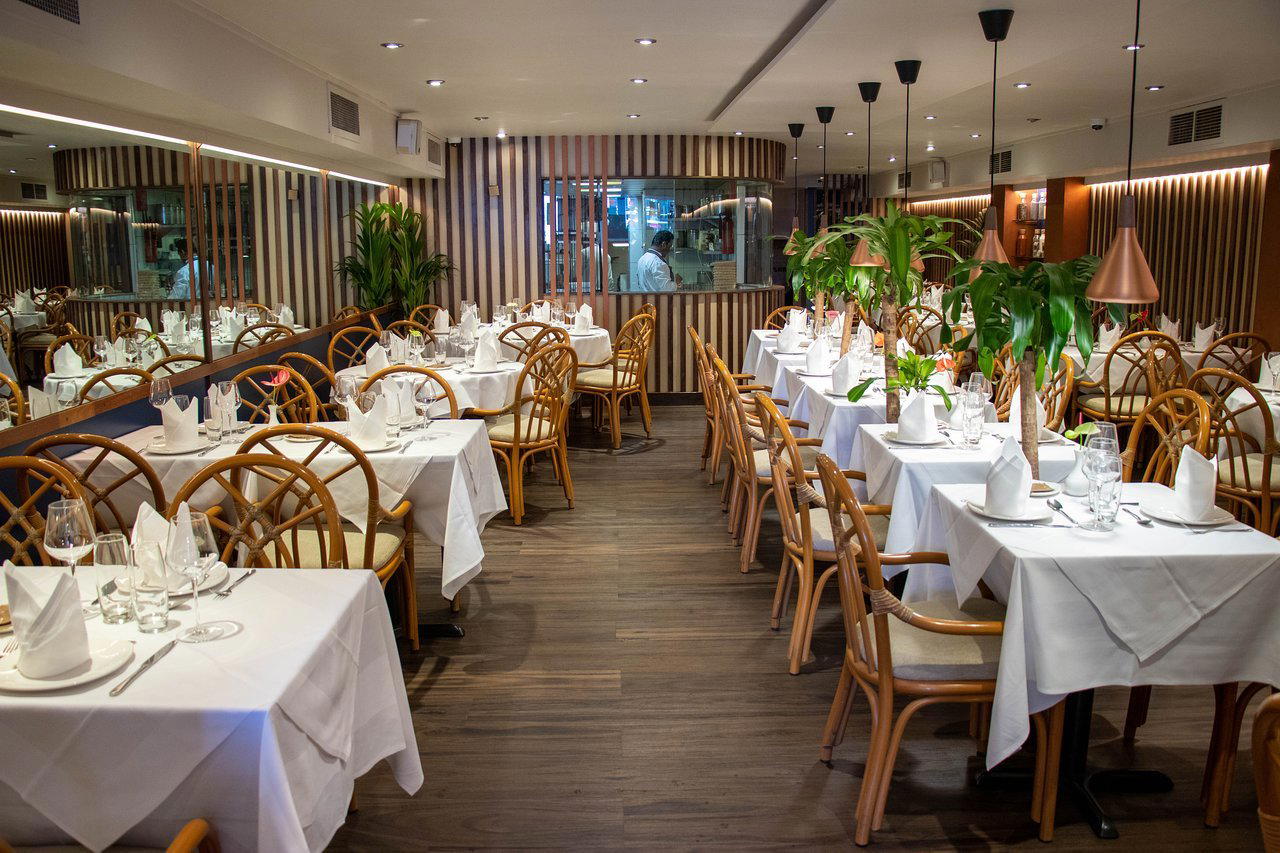
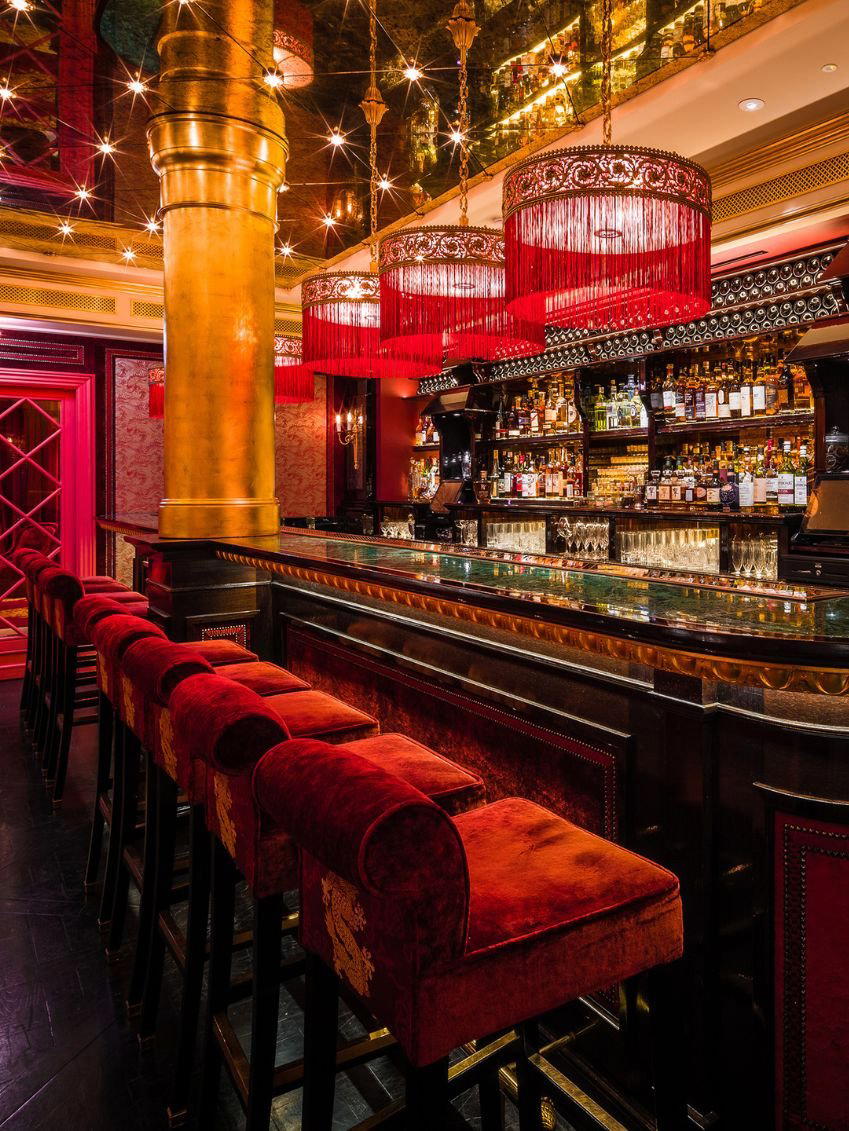
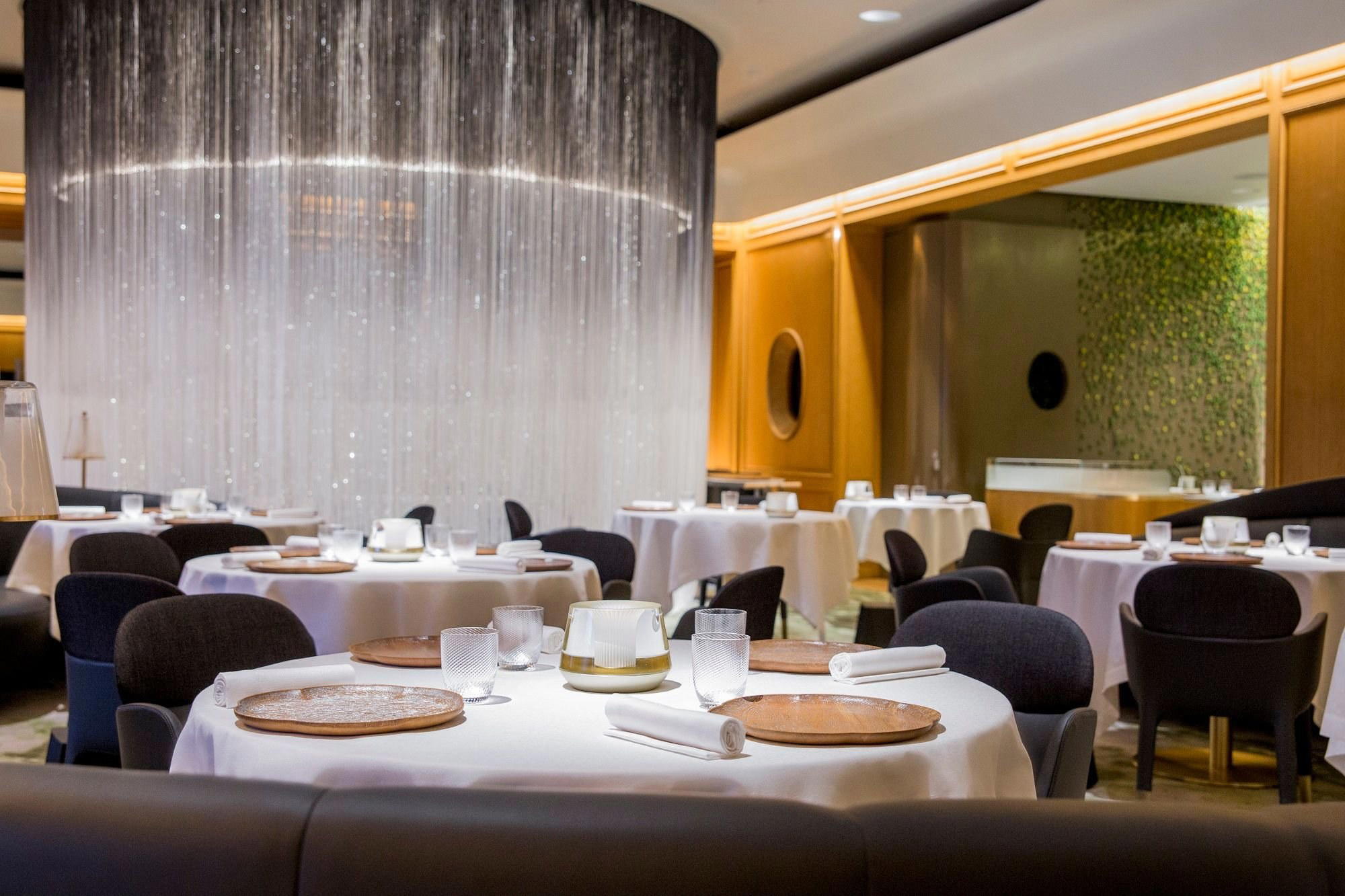
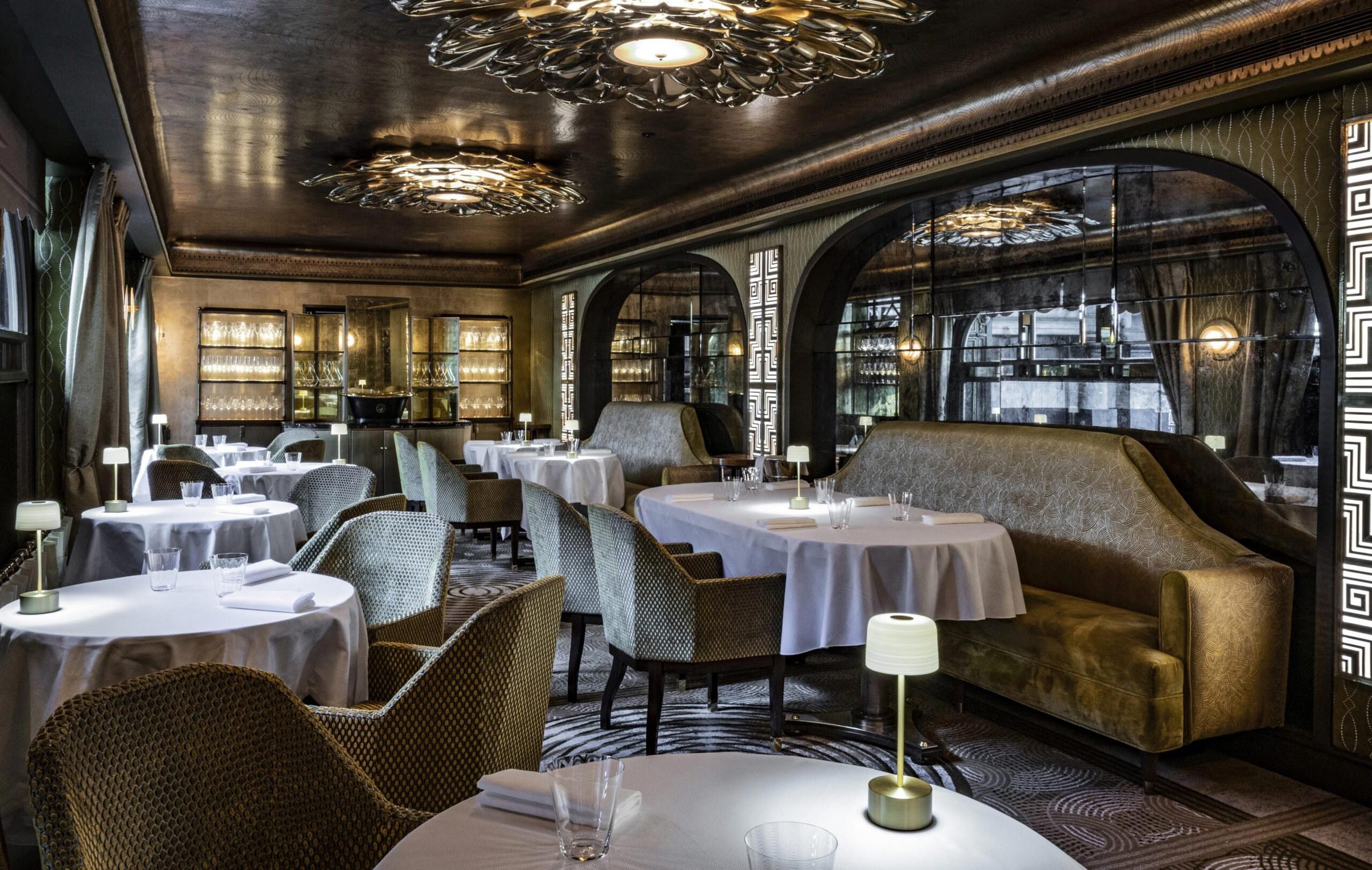
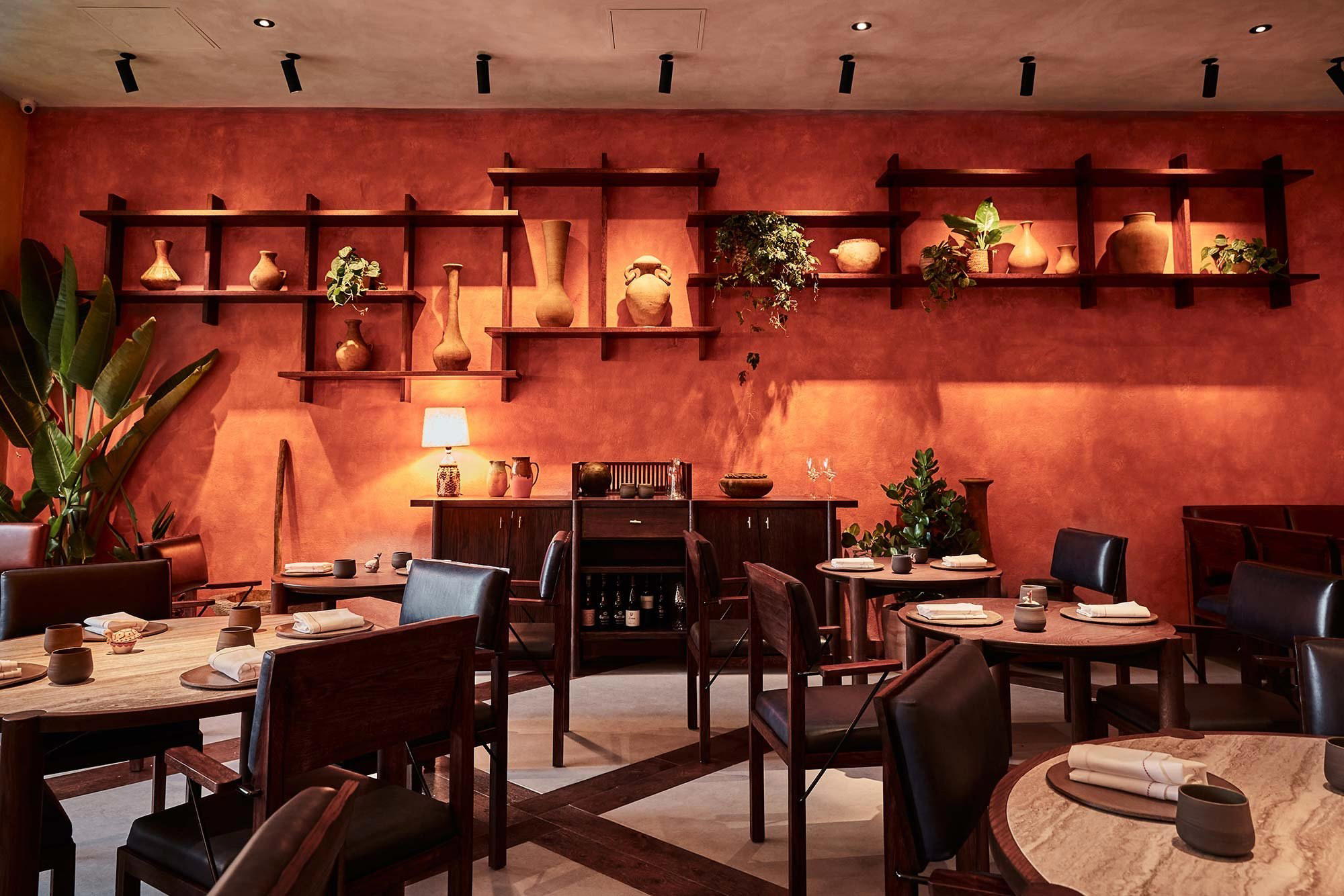
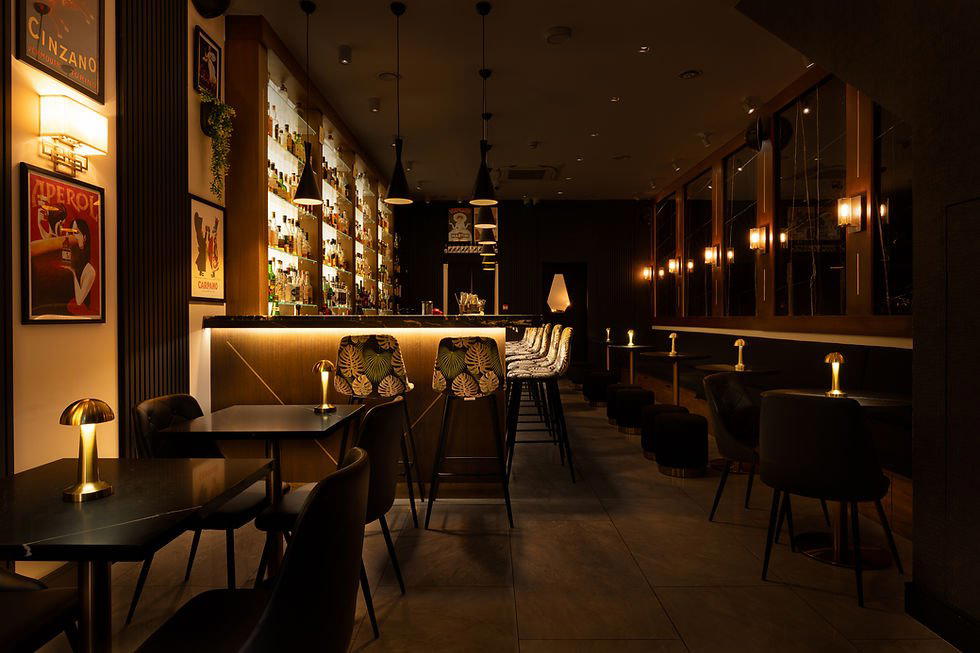
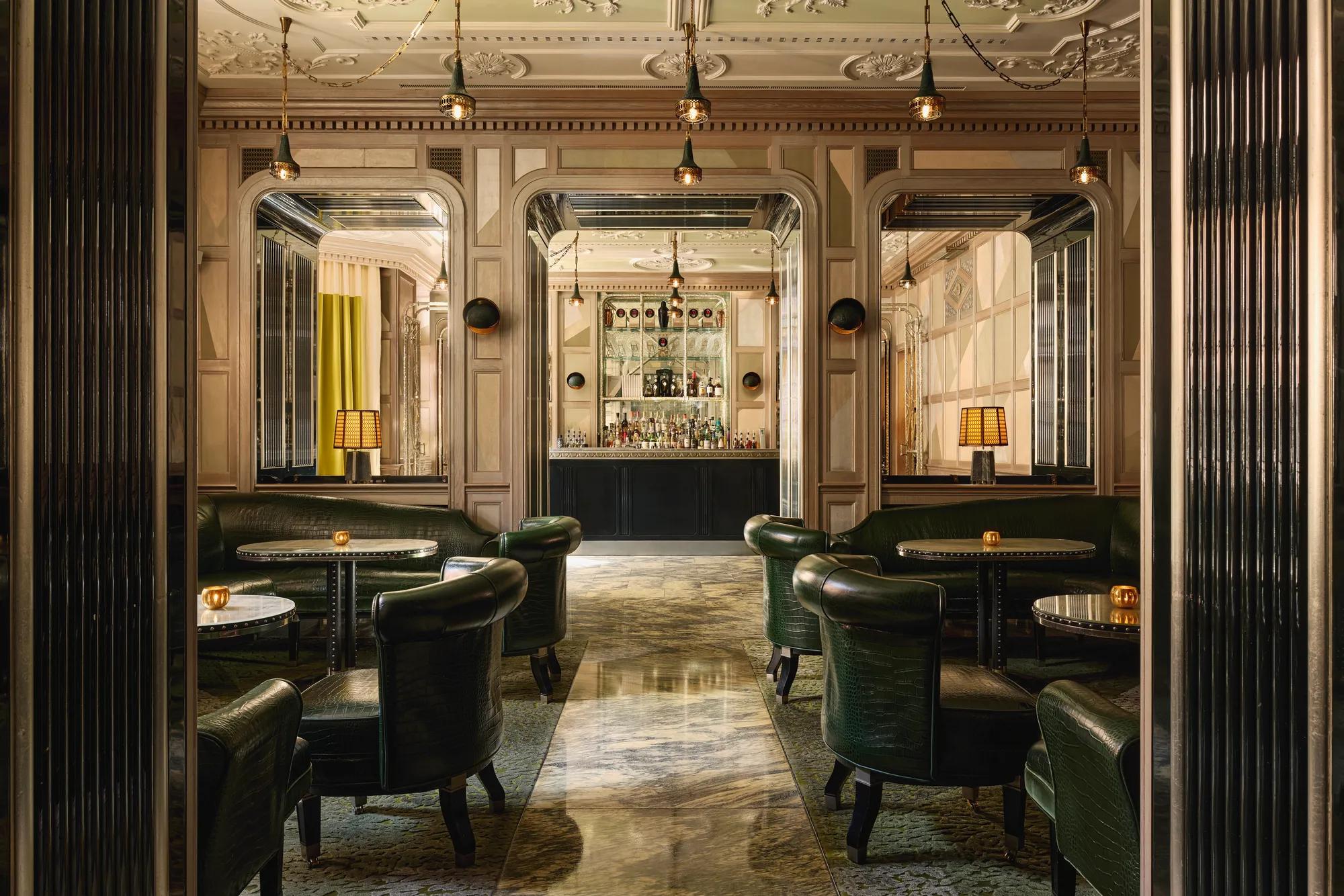
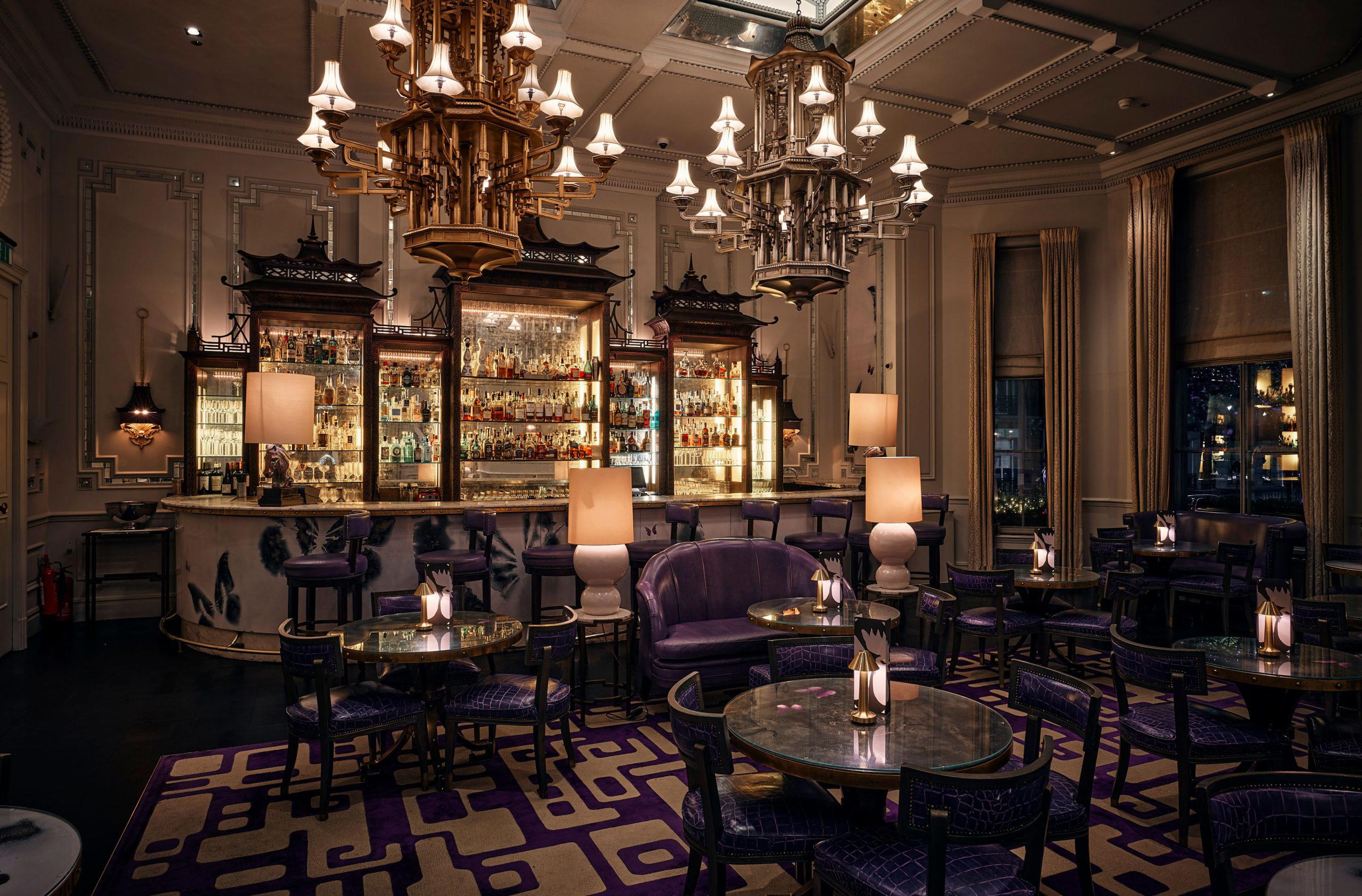
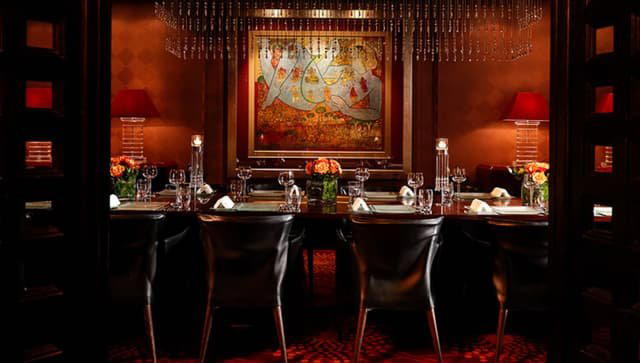
Elegant neutral golds and creams with a narrow dining room offering views into the active kitchen, creating a cozy and dramatic atmosphere.