Trishna





1 Michelin Star · Star Wine List · We're Smart World 4 Radishes
Our verdict
Trishna has held a Michelin star since 2012 and remains one of London's most coherent arguments for India's southwest coastal kitchen. The menu draws from Cochin, Kerala and Mangalore, with seafood as the anchor and spicing that ranges from clean and aromatic to deeply layered. The wine list, assembled with producers from lesser-known regions, is among the more thoughtfully matched in London's Indian dining tier.

Pearl is the En Primeur Club membership app, where members save venues, book tables and use the concierge.
The menu
What to order
- Dorset Brown Crab
- Hariyali Bream
- Aloo Tokri Chaat
Southwest Coast Cooking in a Marylebone Dining Room
London's Indian restaurant scene has, over the past two decades, sorted itself into recognisable tiers. At one end sit the broad-church neighbourhood curries; at the other, a tighter cohort of Michelin-recognised kitchens working regional cuisine with the kind of precision more commonly associated with European fine dining. Trishna has occupied that upper tier since it opened on Blandford Street in 2008, and since receiving its Michelin star, has remained one of the more consistent addresses in the city for southwest Indian coastal cooking specifically, not Indian cuisine as a catch-all category.
That distinction matters. The cooking at Trishna draws primarily from Cochin, Kerala and Mangalore: a strip of coastline where seafood preparation is shaped by coconut milk, curry leaf, black pepper and tamarind rather than the ghee-rich sauces of the north. The result is food that reads lighter and more acidic on the palate than much of London's Indian offer, with heat that arrives through aromatics rather than brute chilli volume.
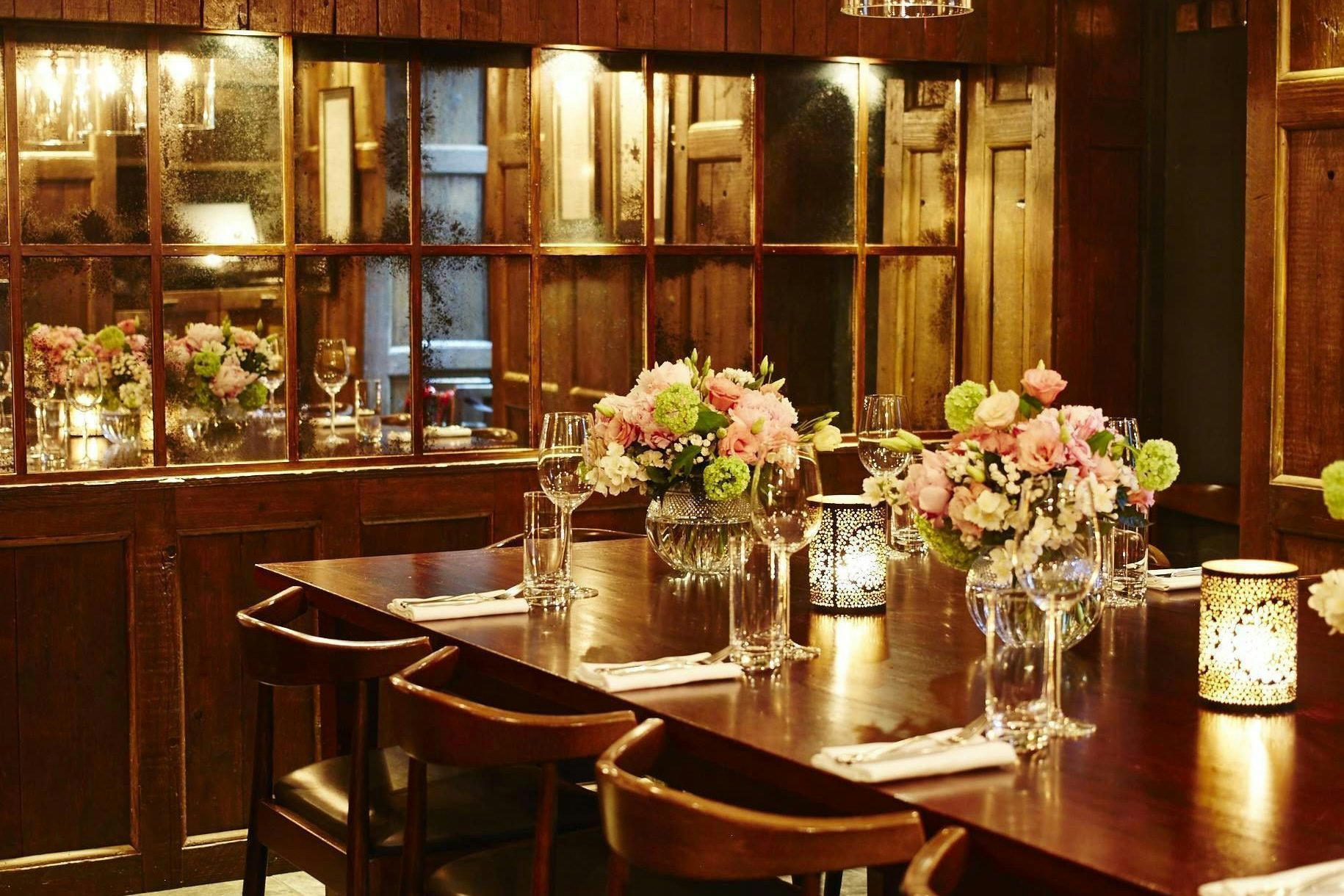
The restaurant sits at 15-17 Blandford St, London W1U 3DG, in a part of Marylebone that has slowly accumulated a strong independent dining identity. A light refurbishment in early 2025 updated the interior, but the aesthetic remains deliberately restrained: whitewashed brickwork, bare café-style tables, Air India posters and a jazz-inflected soundtrack. The room does not attempt grandeur. The food carries the ambition instead.
The Architecture of Layered Spice
The editorial angle that most rewards attention at Trishna is not any single dish but the way the kitchen constructs flavour in successive layers, a technique that shares its logic, if not its format, with the dum method of biryani. In classical dum cooking, rice and meat are sealed together under pressure, each layer absorbing the other's aromatics over low, sustained heat. Trishna's kitchen works differently (the menu is built around individual preparations rather than rice-sealed assemblies), but the underlying discipline is the same: no component should arrive at the table with a single, flat flavour note. Spicing moves from front to back, from a first impression through a middle register to a long finish.
Dorset brown crab preparation illustrates this. The dish, directly descended from the butter-and-red-chilli version made famous by the original Trishna in Mumbai, uses the richness of crab and butter as the base layer, then applies chilli heat as a second register that only fully registers after the sweetness of the crab has settled. It is one of the more technically deliberate dishes in London's Indian dining tier and, according to multiple reviews, functions as the clearest statement of what the kitchen is doing.
Elsewhere, the soft-shell crab with green chilli and tomato chutney builds in the opposite direction: acidity and vegetable brightness first, followed by heat. The Hariyali bream from the tandoor takes the high, dry char of the grill and uses the green marinade to provide a herbaceous counterpoint. Quail pepper fry and duck seekh kebabs with pineapple chutney extend this approach to the meat section. The Hyderabadi subzi kofta (paneer, cashews and almonds with saffron) does the same for vegetarians. None of these dishes read as simple spiced proteins; each has a clear structural logic.
The Koliwada vegetarian menu has drawn its own specific praise: Michelin has noted that its dishes produce richness and depth that might surprise those who assume vegetable cooking in this register is automatically lighter than meat-based alternatives. The paneer tikka with raw mango, mint, corn and pomegranate chaat is the kind of preparation that appears direct in description but demands balance across five distinct flavour components on the plate.
Where Trishna Sits in London's Indian Dining Tier
London's Michelin-starred Indian restaurants now form a distinct competitive set. Amaya works the grill format almost exclusively, with a menu organised around the tandoor, sigri and tawa. Benares takes a more pan-Indian approach with classical French influences in the technique. Bombay Bustle leans into the Irani café and railway dining heritage of Mumbai. Ambassadors Clubhouse draws from the subcontinent's colonial-era club culture. Trishna's distinction within this group is its geographic specificity: the menu is not a survey of Indian regional cooking but a focused study of one coastal corridor.
That specificity has a cost in breadth and a dividend in depth. Diners who arrive expecting the full range of Indian regional cooking will find the menu narrower than competitors. Diners who engage with the southwest coastal tradition on its own terms will find the kitchen's command of that tradition more concentrated than almost anywhere else in London.
For a broader sense of where Trishna sits against London's wider high-end dining scene, including addresses like The Fat Duck in Bray, L'Enclume in Cartmel, Moor Hall in Aughton, Gidleigh Park in Chagford, Hand and Flowers in Marlow and Le Manoir aux Quat' Saisons, a Belmond Hotel in Great Milton, see our full London restaurants guide. Those interested in how the coastal Indian format translates to other cities will find Trèsind Studio in Dubai and Opheem in Birmingham relevant points of comparison. Babur in Honor Oak also merits attention for those interested in regional Indian cooking at a more accessible price point in London.
The Wine List as a Pairing Exercise
Southwest Indian coastal cooking presents a genuine pairing problem. The flavour profiles, coconut acidity, curry leaf, black pepper, tamarind, tend to flatten the fruit in conventional red wines and collide with high-extract whites. Trishna's response, overseen by co-owner Sunaina Sethi, has been to build a list around lower-intervention, higher-acidity producers from regions that rarely appear on London wine lists.
The logic is sound: aromatic whites from emerging European regions (certain Slovenian, Georgian and southern Italian producers, for instance) tend to carry enough textural weight to sit alongside oily fish preparations without fighting the spice. The list is available by glass and carafe as well as bottle, which allows exploration without committing to a full bottle pairing. The restaurant also maintains a tea library for those who prefer to approach the spicing problem without alcohol, though this is listed among the menu alternatives rather than as a formal tasting format.
Opinionated About Dining ranked Trishna at #617 in Europe in 2025 and noted the restaurant among its recommended new entries for Europe in 2023, which is an unusual dual appearance that suggests consistent rather than merely momentary recognition., a signal that the quality holds across a large and varied sample of diners rather than a specialist audience.
Seasonal Menus and the Festival Calendar
One of the more rewarding reasons to time a visit carefully is the kitchen's practice of staging special menus around India's festival and seasonal calendar. These are not decorative additions to the main menu; they represent a genuine shift in focus, often surfacing dishes from the regional tradition that do not appear in the standard format. The spring and summer months, when British seafood is at its most consistent, also tend to produce the strongest versions of the crab and bream preparations.
The lunch service runs Wednesday through Sunday (noon to 2:30 PM), with dinner service operating Tuesday through Sunday (5 PM to 10:15 PM, closing slightly earlier at 9:45 PM on Sundays). Monday is dinner-only (5 PM to 10:15 PM).
Know Before You Go
Address: 15-17 Blandford St, London W1U 3DG
Price range: £££ (mid-to-upper tier; comparable peers in London's Michelin Indian set are similarly priced)
Hours: Mon 5–10:15 PM | Tue 5–10:15 PM | Wed–Fri 12–2:30 PM & 5–10:15 PM | Sat 12–2:30 PM & 5–10:15 PM | Sun 12–2:30 PM & 5–9:45 PM
Awards: Michelin 1 Star (2024); Opinionated About Dining Leading Restaurants in Europe #617 (2025)
Chef: Sajeev Nair
Note: Look for festival and seasonal special menus, which surface dishes not available on the standard menu. Tasting menus are available and have been cited by critics as the most complete way to read the kitchen's range.
Explore More in London
- Our full London restaurants guide
- Our full London hotels guide
- Our full London bars guide
- Our full London wineries guide
- Our full London experiences guide
Frequently asked questions
What's the best thing to order at Trishna?
The Dorset brown crab is the dish critics return to most consistently, drawing a direct line to the original Trishna in Mumbai and representing the kitchen's coastal focus at its clearest. The Michelin inspectors specifically flag India's southwest coast preparations, and the Hariyali bream from the tandoor draws equal attention for its technique. The kitchen also runs special menus tied to India's festival calendar, which can shift what to prioritise on a given visit.
What's the pricing like at Trishna?
Pricing at Trishna is listed as £££.
Comparable Options
| Venue | Cuisine | Price | Awards | Notes |
|---|---|---|---|---|
| TrishnaThis venue (the venue you are viewing) | Coastal Indian | $50–100 | 1 Michelin Star · Star Wine List | Not listed |
| The Ledbury | Modern British Fine Dining | $300–500 | 3 Michelin Stars · World's 50 Best #42 | Modern European, Modern Cuisine |
| Sketch, The Lecture Room and Library | Modern French Fine Dining | $200–300 | 3 Michelin Stars · World's 50 Best #18 | Modern French |
| CORE by Clare Smyth | Modern British Fine Dining | $150–200 | 3 Michelin Stars · World's 50 Best #97 | Modern British |
| Restaurant Gordon Ramsay | French Fine Dining | $200–300 | 3 Michelin Stars · World's 50 Best #13 | Contemporary European, French |
| Dinner by Heston Blumenthal | Historic British Fine Dining | $200–300 | 2 Michelin Stars · World's 50 Best #45 | Modern British, Traditional British |
Recognition history
Dated appearances from independent guides and award organizations, with the underlying list record or original source where available.
Michelin 1 Star
Michelin
Star Wine List
Star Wine List
Opinionated About Dining Top Restaurants in Asia Recommended
Opinionated About Dining
The Good Food Guide GFG Good
The Good Food Guide
We're Smart World 4 Radishes
We're Smart World
Full recognition history (10 entries)
Opinionated About Dining Top Restaurants in Europe Recommended
Opinionated About Dining
Michelin 1 Star
Michelin
Opinionated About Dining Top Restaurants in Europe Ranked #617
Opinionated About Dining
Michelin 1 Star
Michelin
Opinionated About Dining Top New Restaurants in Europe Recommended
Opinionated About Dining
Continue exploring
More in London
Restaurants in London
All restaurants in London →
Bars in London
All bars in London →
Hotels in London
All hotels in London →




Details
- Cozy
- Intimate
- Elegant
- Classic
- Date Night
- Business Dinner
- Special Occasion
- Open Kitchen
- Extensive Wine List
- Sommelier Led
- A La Carte
- Tasting Menu
- Small Plates
- Vegetarian Friendly
Current opening hours
- Monday
- 5–10:15 PM
- Tuesday
- 5–10:15 PM
- Wednesday
- 12–2:30 PM, 5–10:15 PM
- Thursday
- 12–2:30 PM, 5–10:15 PM
- Friday
- 12–2:30 PM, 5–10:15 PM
- Saturday
- 12–2:30 PM, 5–10:15 PM
- Sunday
- 12–2:30 PM, 5–9:45 PM
Hours can change for holidays and private events. Hours as of .
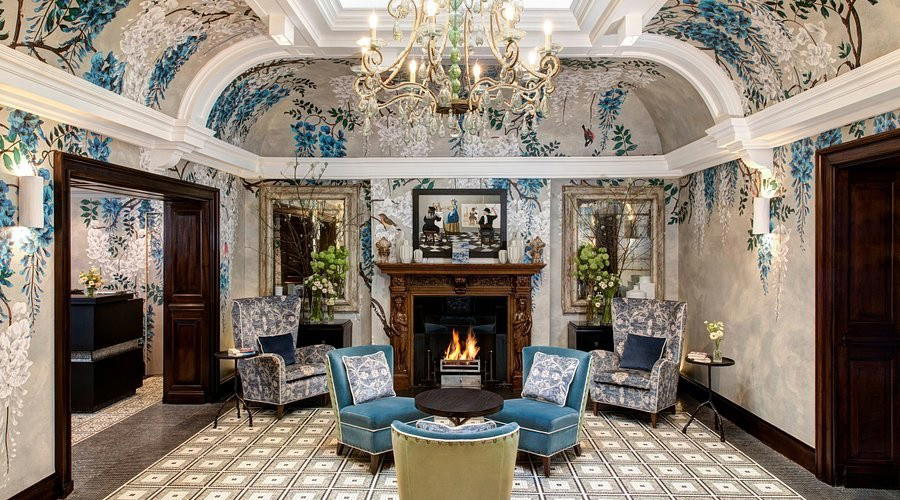
Cozy, intimate cottage-like space with chic modern touches, antique mirrors, marble tables, and warm lighting creating an elegant yet comfortable atmosphere.