Ambassadors Clubhouse



1 Michelin Star · National Restaurant Awards Top 100 #94
Our verdict
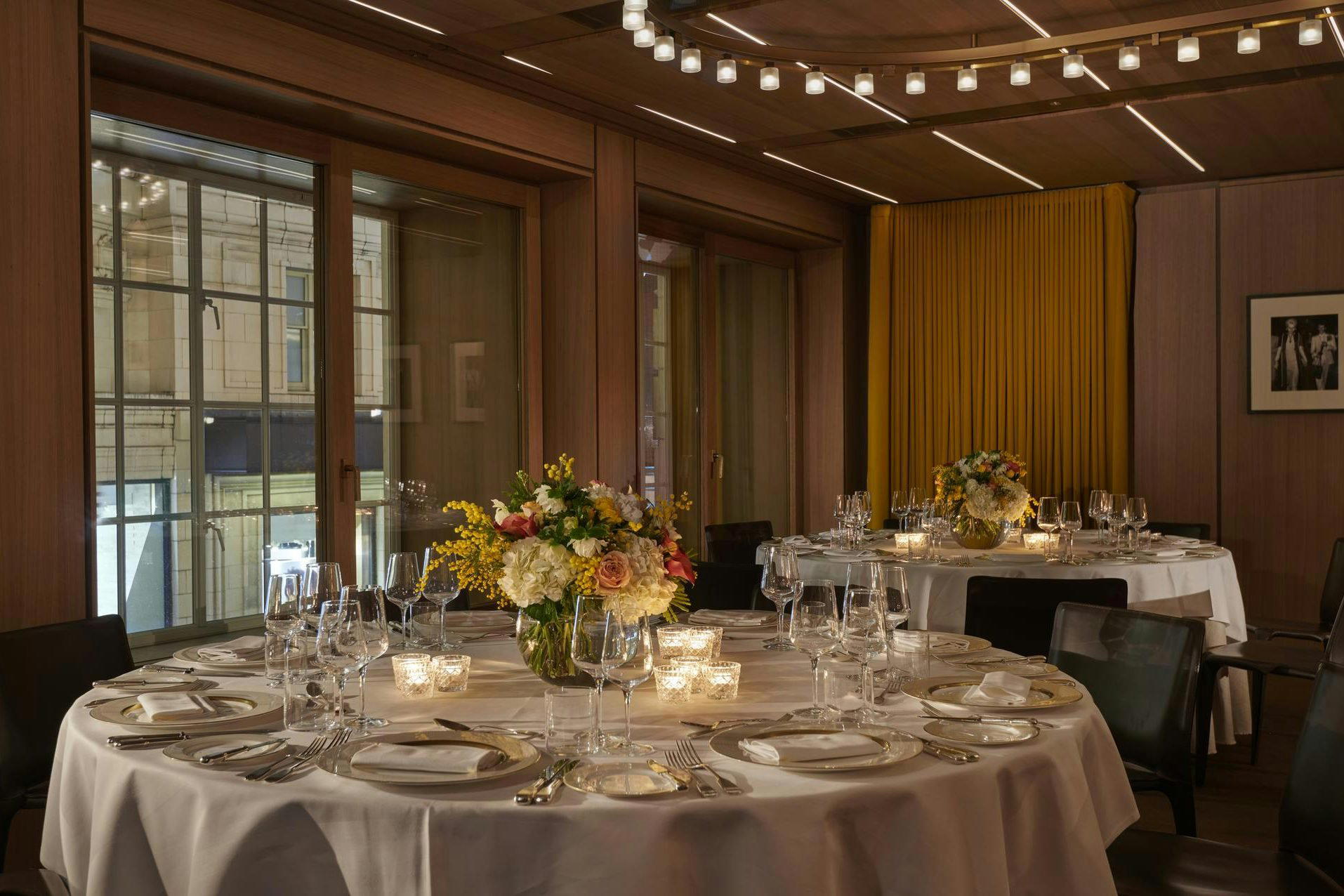
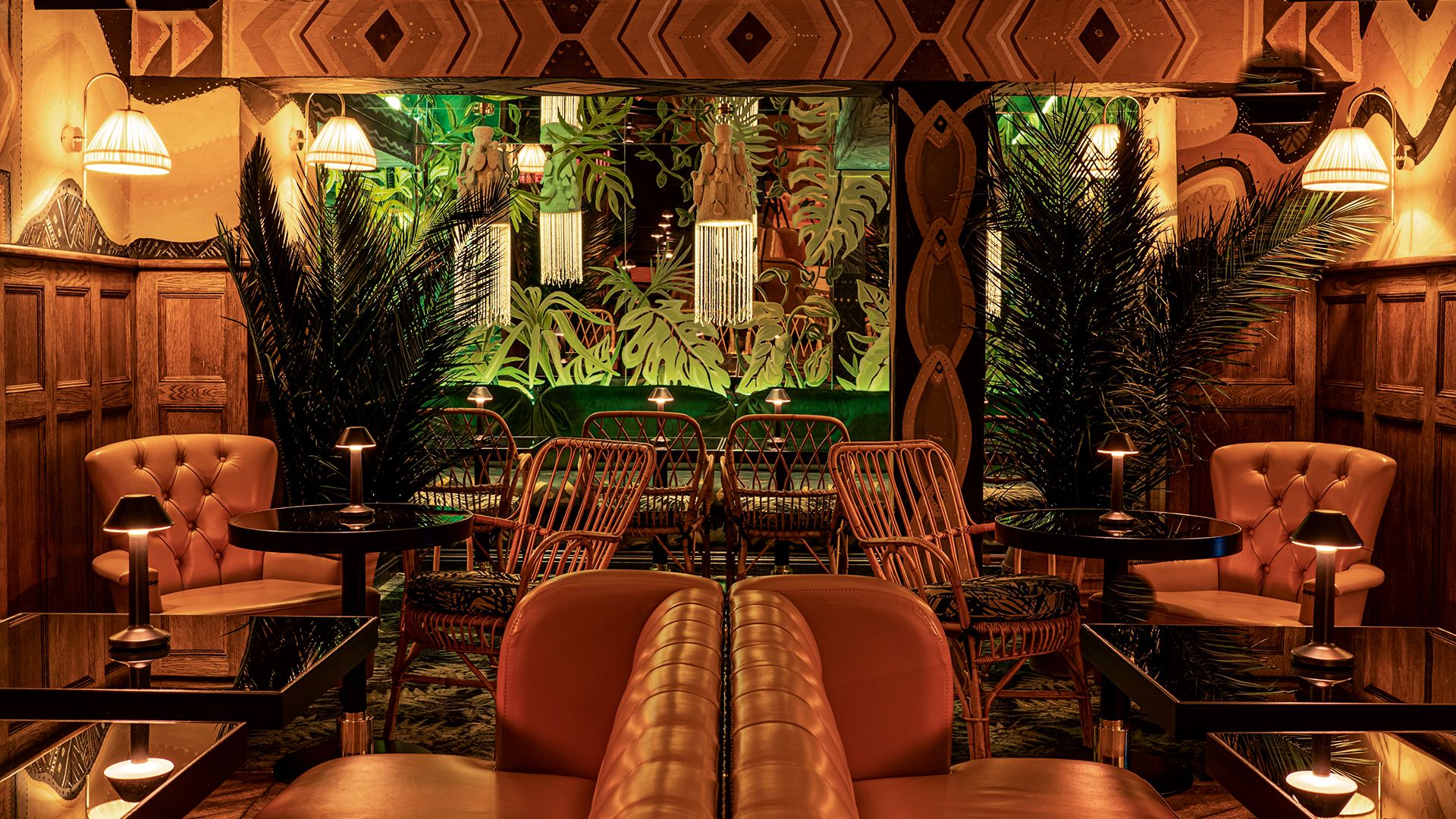
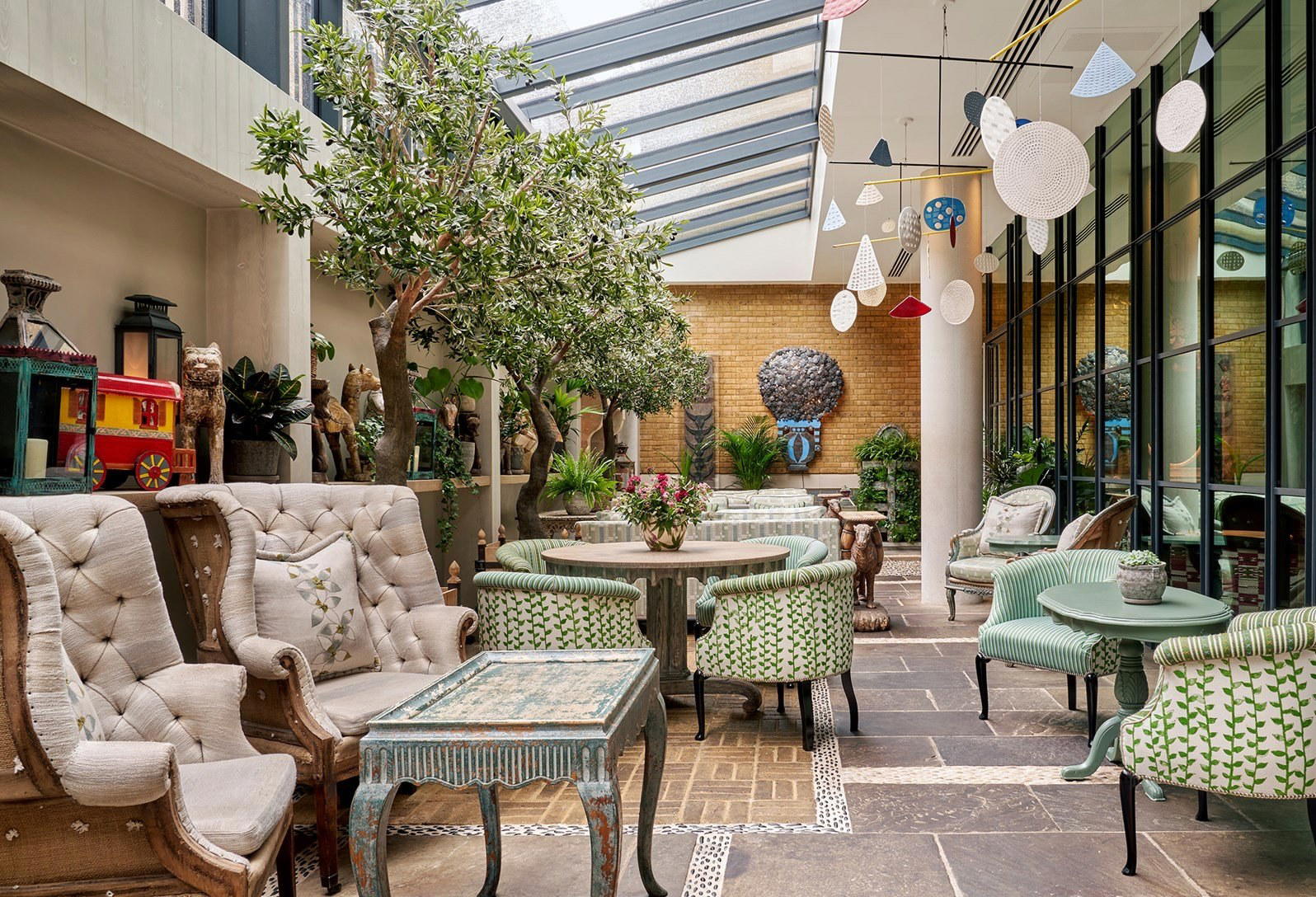
From the team behind Gymkhana, Ambassadors Clubhouse on Heddon Street channels the 'party mansions' of undivided Punjab through wood panelling, sigri-fired cooking, and a late-night basement that pulls in guest DJs spinning Punjabi and British dance music. The Michelin Plate (2024) and a ranking of #269 in Opinionated About Dining's Top Restaurants in Europe 2025 position it firmly within London's serious Indian dining tier.

Pearl is the En Primeur Club membership app, where members save venues, book tables and use the concierge.
The menu
What to order
- Butter chicken chops
- Lamb biryani
- Shahi patiala tandoori masala lamb chops
A Mayfair Room That Answers Punjab
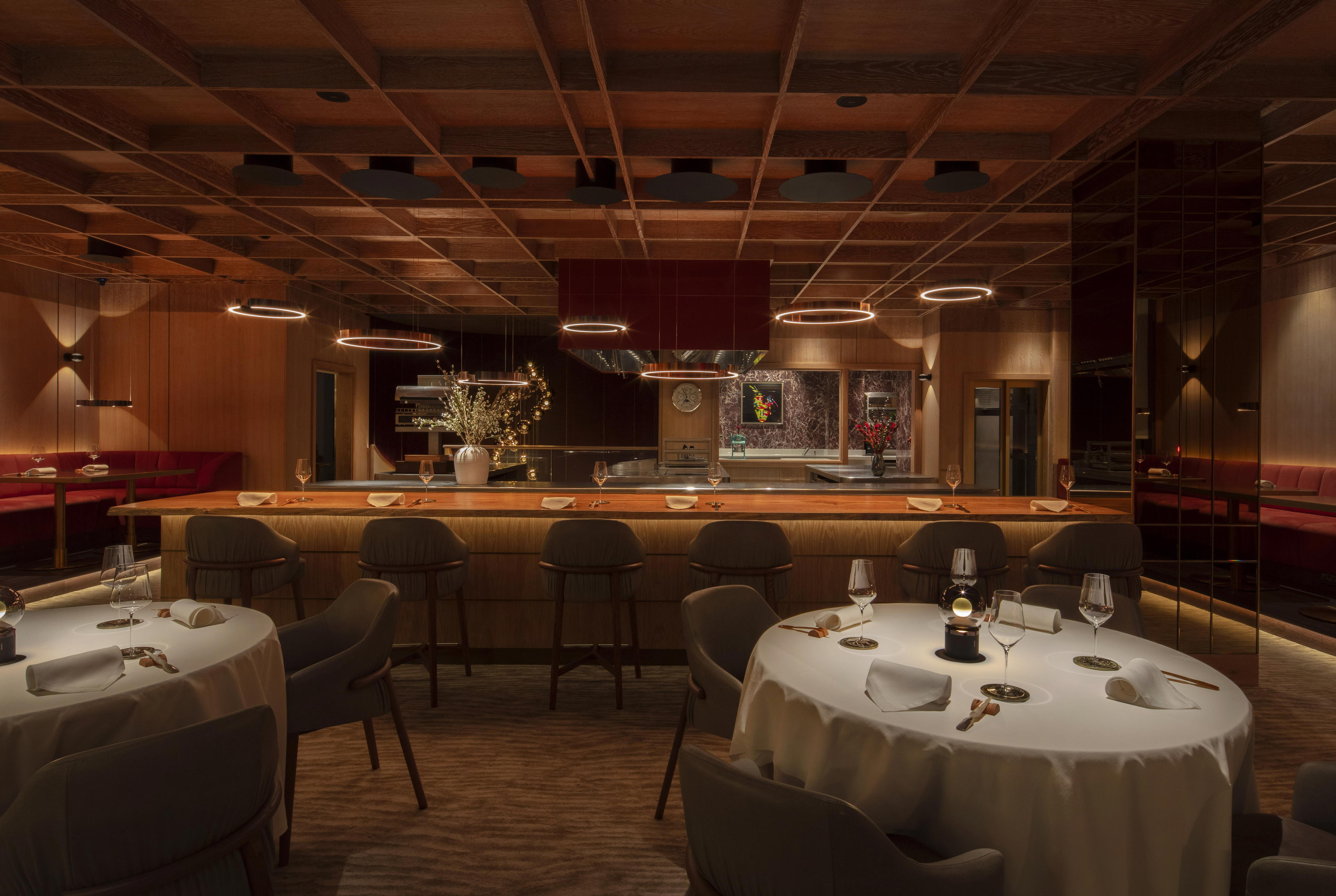
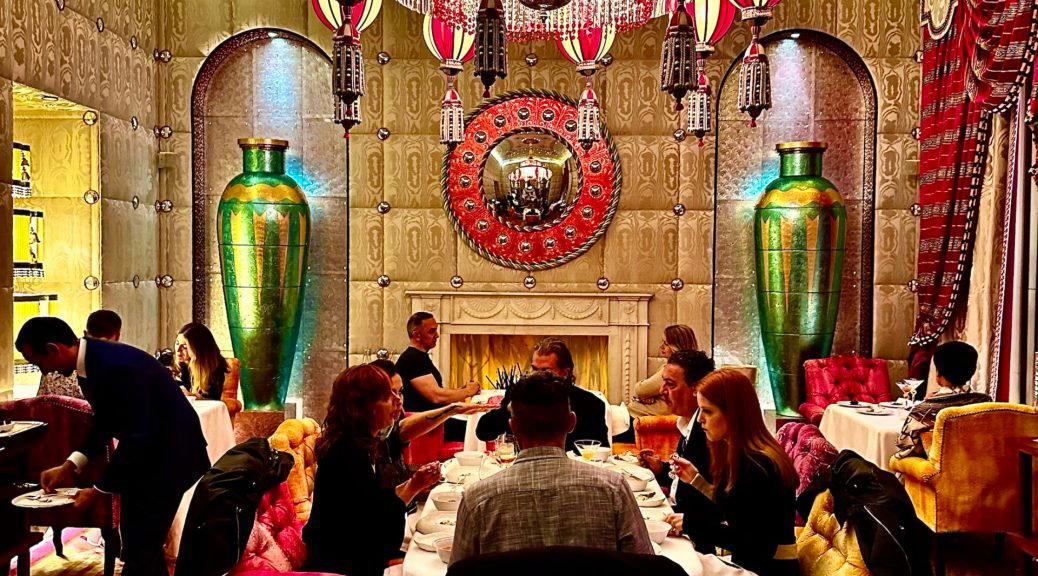
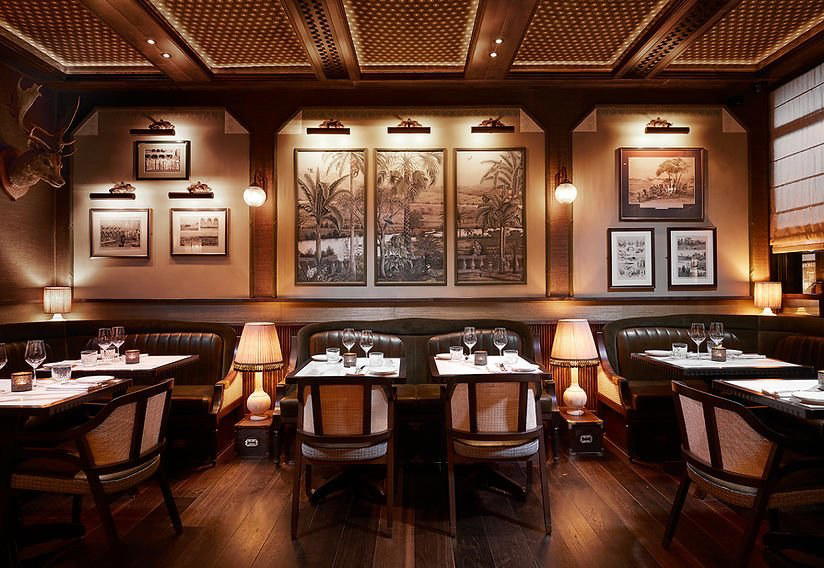
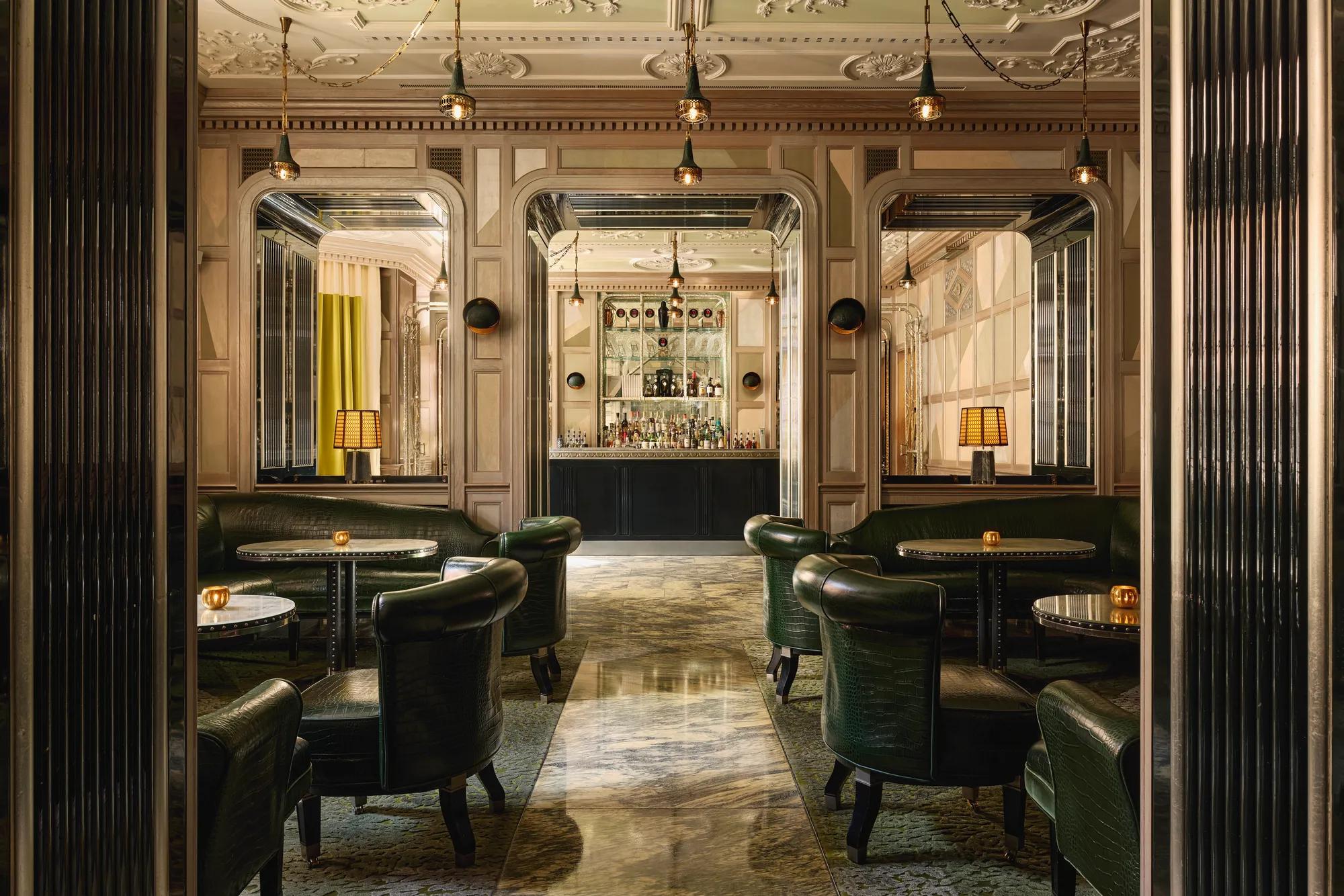
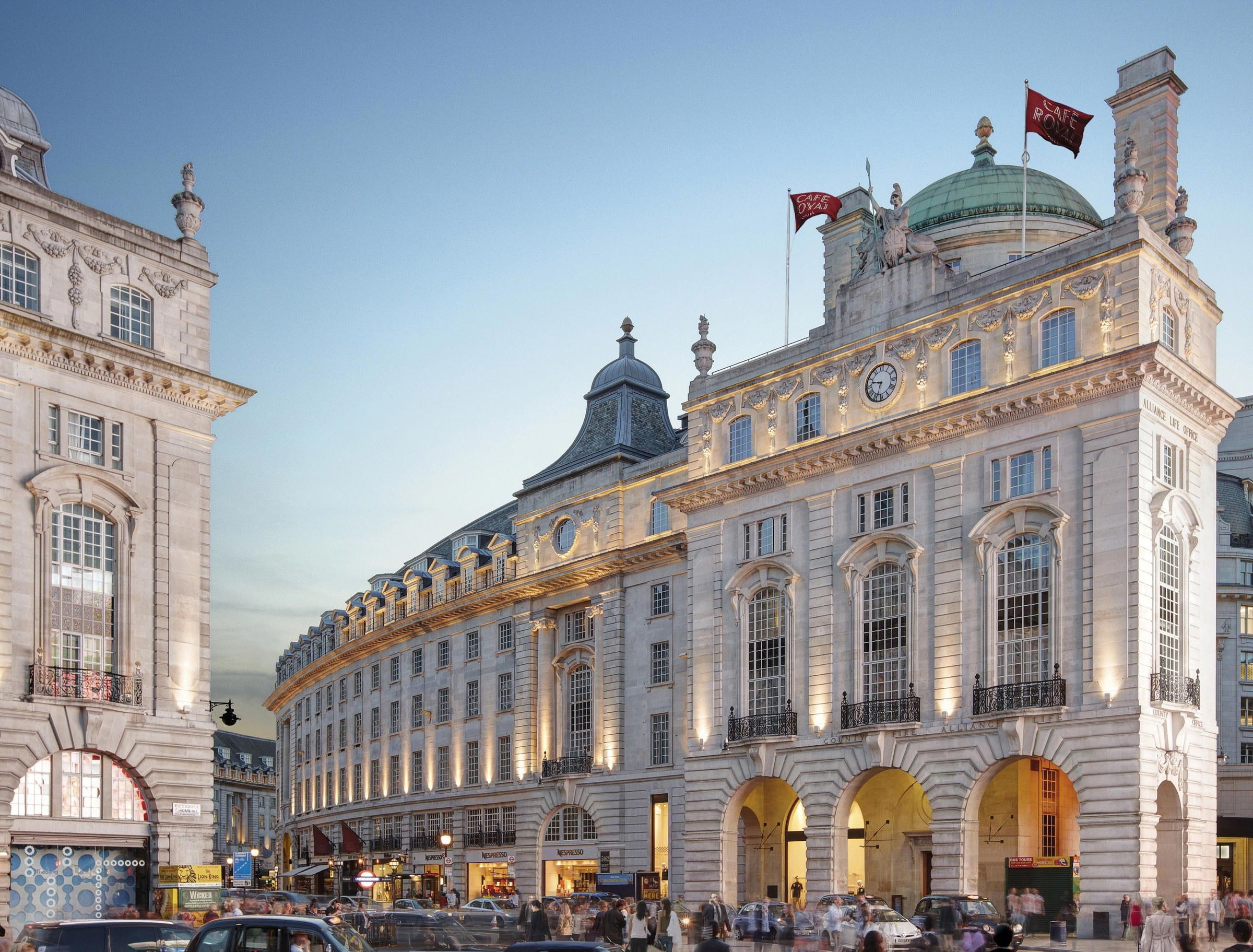
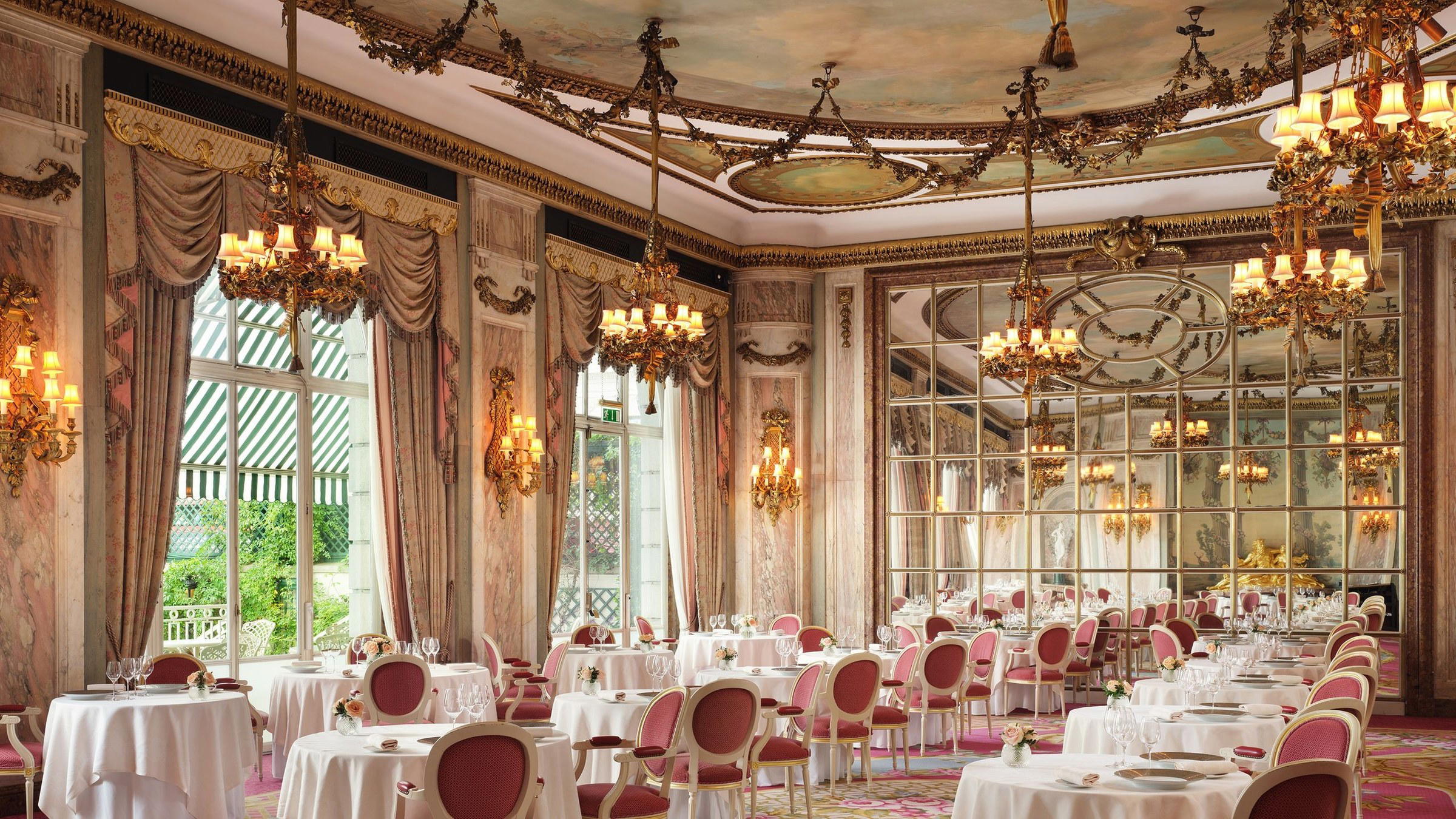
Heddon Street runs off Regent Street at a quiet angle that most visitors miss entirely, and it is precisely this slight remove from the main commercial drag that allows Ambassadors Clubhouse to read as a destination rather than a drop-in. The room announces itself through layered décor: wood panelling, soft lighting, and colour choices that reference the 'party mansions' of the former undivided Punjab. This is not the stripped-back, white-tablecloth register that Mayfair's European dining rooms have long preferred. The visual language is deliberately heavier, more charged, more committed to the idea that a meal here is a social event with its own architecture.
London's premium Indian dining has expanded considerably over the past decade, splitting between two broad tendencies. One cohort works in the idiom of refinement and restraint, lighter sauces, European plating conventions applied to subcontinental ingredients. The other takes a more expansive route, drawing on the communal, celebratory traditions of the subcontinent's party culture, where volume and generosity are virtues, not flaws. Ambassadors Clubhouse, from the same team responsible for Gymkhana on Albemarle Street, sits clearly in the second camp. It holds a Michelin Plate (2024) and ranked #269 in the Opinionated About Dining Leading Restaurants in Europe for 2025, placing it in a competitive tier alongside London peers such as Amaya, Benares, and Trishna, each of which pursues a distinct register of the same broad ambition.
The Northern Tradition on the Plate
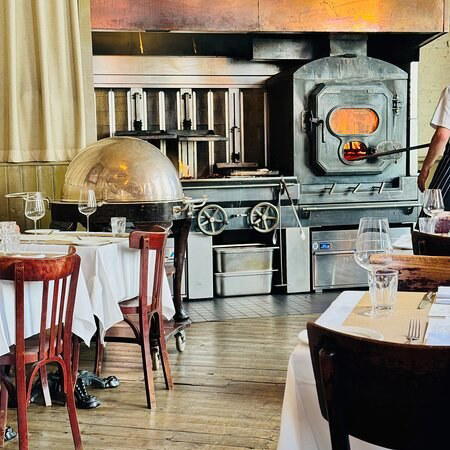
The cooking draws from northern India and Pakistan, a regional scope that shapes both the technique and the temperament of what arrives at the table. This is a tradition built on slow fire, strong spicing, and cooking methods that reward patience: the tandoor, the sigri, the dum pot. Of these, the sigri is the one most likely to be unfamiliar to diners whose Indian restaurant experience runs through Mayfair's more European-inflected venues. The sigri is a flat grill of Pakistani origin, used at low, steady heat for fish and meat, producing a char that is subtle rather than aggressive.
The mooli methi bream cooked on the sigri illustrates the kitchen's approach. Mooli (white radish) and methi (fenugreek leaves) are paired in a combination that appears frequently in the Punjab's home cooking, where bitterness and pungency are used to cut through rich proteins rather than soften them. Cooking the bream over sigri heat rather than in a sauce or a tandoor keeps the fish's texture intact while allowing the aromatics to work at the surface. The result is a dish that reads as confident about its own tradition rather than anxious to translate it.
The Craft of Dum: Biryani as a Discipline
Dum method sits at the structural centre of northern Indian cooking in a way that few Western diners fully appreciate. Biryani made by dum is not a one-pan rice dish. It is a layered construction: par-cooked rice placed over a base of spiced meat or vegetables, the vessel sealed with dough or foil, then cooked over low heat so that steam circulates internally, finishing both components simultaneously while keeping them distinct. The technique requires timing and proportion to be calibrated carefully. Too much moisture and the rice collapses into the meat layer. Too little and the bottom scorches before the steam can rise.
In the Punjab specifically, biryani leans toward the Mughal lineage: saffron, whole spices, and caramelised onion as recurring structural elements, with the rice grains expected to arrive long, separate, and carrying flavour without being saturated by it. This places Punjabi biryani in a different category from the wetter Kolkata version or the Hyderabadi kacchi style, where raw meat and rice cook together from the start. What Ambassadors Clubhouse does with this tradition is rooted in the menu's broader emphasis on produce quality and technical execution, the two qualities Michelin inspectors specifically called out in their Plate citation.
For diners comparing this northern approach to what venues like Bombay Bustle or Babur offer across London's Indian dining spectrum, the geographic emphasis matters. Bombay Bustle works in a western Indian idiom, Babur in south London with southern and eastern references. Ambassadors Clubhouse is specifically committed to the northwest, and that specificity shows up in spice selection, cooking method, and the general orientation toward fire and smoke rather than sauce.
Ambassy: When the Restaurant Becomes a Room
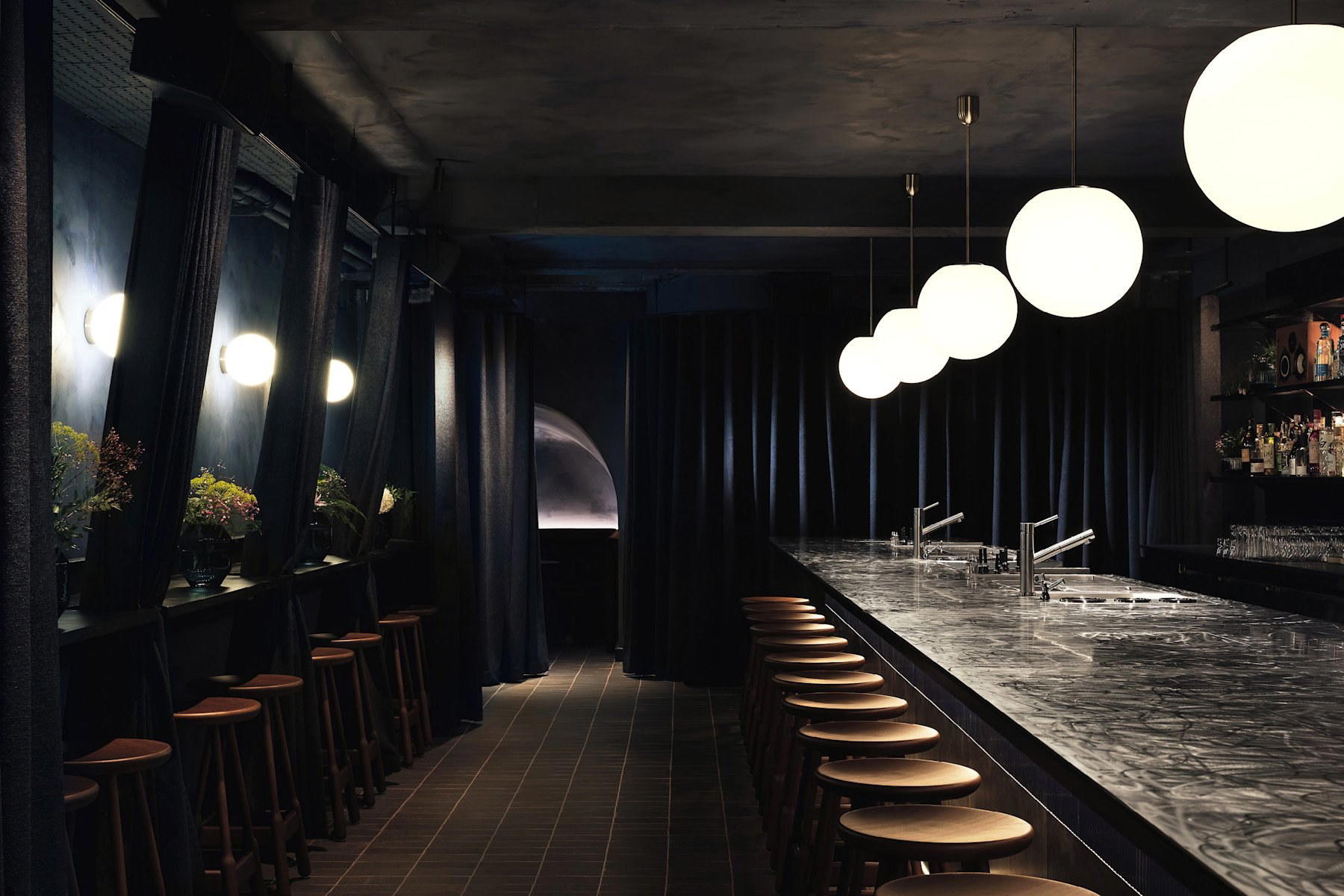
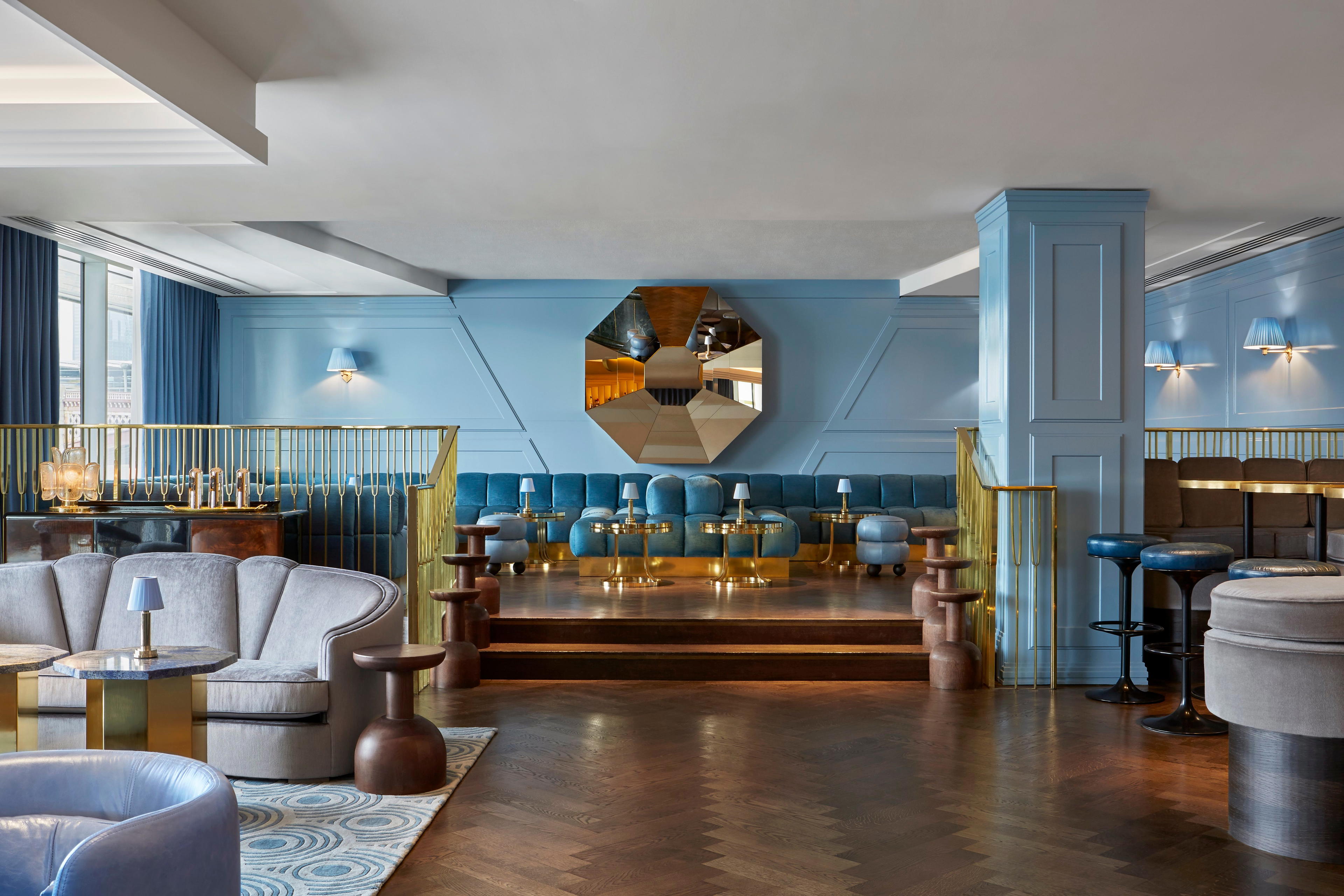
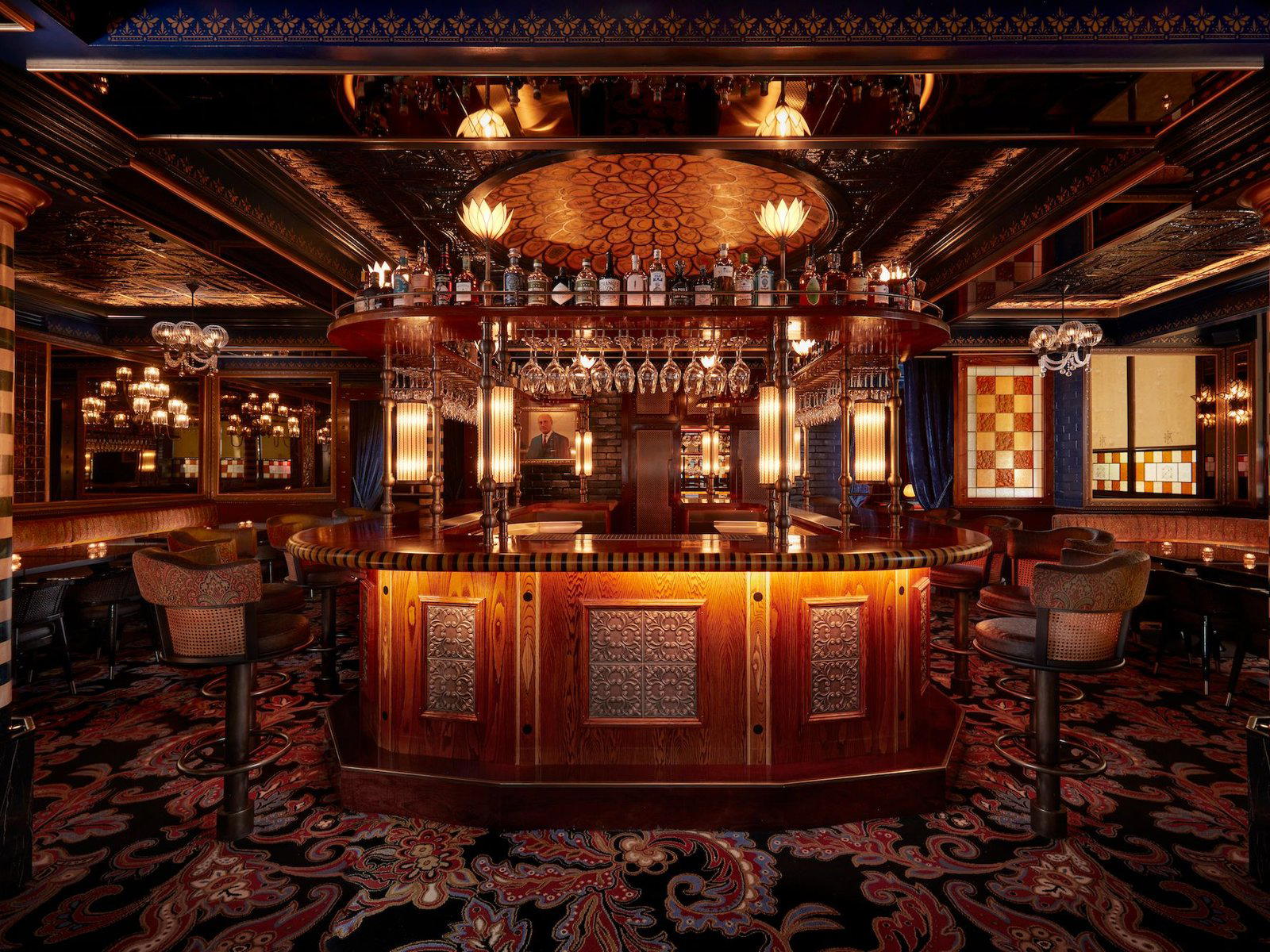
The lower level, Ambassy, shifts the register entirely. Guest DJs programme a late-night rotation of Punjabi and British dance music, a combination that mirrors the restaurant's broader positioning: rooted in one cultural tradition, functioning fluently in another. This is not an unusual model in London's high-end dining. Venues in this price tier increasingly use basement or bar programming to extend the evening and deepen the social occasion. What distinguishes Ambassy is the degree to which the musical programming is tied to the restaurant's stated cultural reference points rather than generic club fare.
For visitors building a longer London stay, the full breadth of the city's dining options, from The Fat Duck in Bray to L'Enclume in Cartmel, is covered in our full London restaurants guide. Those extending into hotels and bars will find separate guides at our full London hotels guide and our full London bars guide, with our full London experiences guide and our full London wineries guide rounding out the city's coverage.
Placing Ambassadors Clubhouse in a Wider Frame
The Gymkhana team's decision to anchor this restaurant so explicitly in Punjabi party culture, rather than the more neutral 'modern Indian' framing that several London peers use, is a positioning choice with real consequences. It sets expectations around occasion, energy, and formality, or the deliberate lack of it. Venues like Opheem in Birmingham or Trèsind Studio in Dubai pursue subcontinental fine dining through different means: modernist technique in Birmingham, tasting-menu theatrics in Dubai. Ambassadors Clubhouse is doing something else, an argument that the highest expression of a cuisine can come from doubling down on a specific regional tradition rather than abstracting it upward.
Among the venues comparable in standing across other British dining contexts, including Moor Hall in Aughton, Gidleigh Park in Chagford, Hand and Flowers in Marlow, and hide and fox in Saltwood, the common thread is cooking that is identifiably rooted in a place rather than assembled from global influences. Ambassadors Clubhouse belongs to that tendency, even if its specific tradition is the Punjab rather than the British countryside.
Planning Your Visit
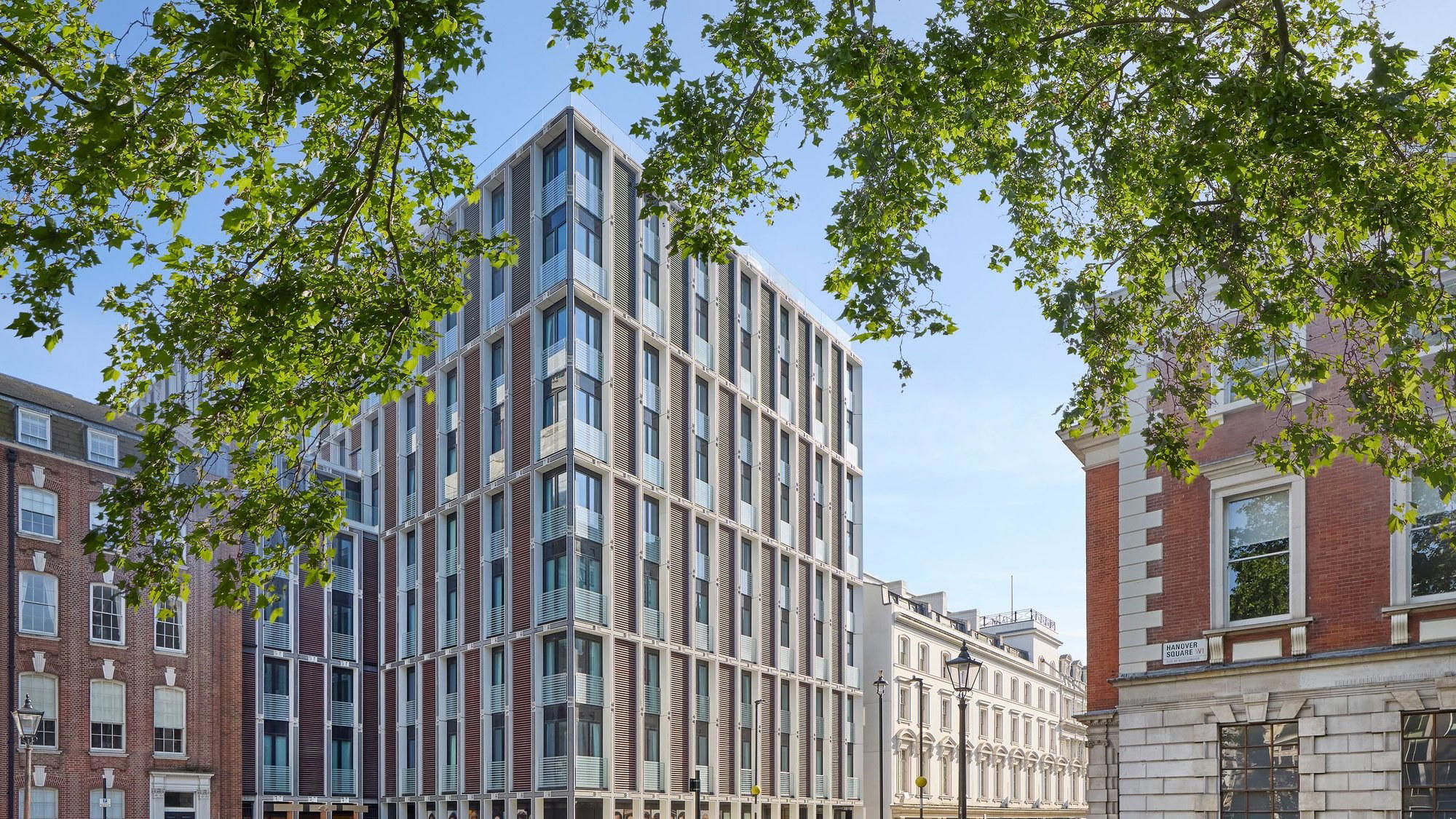
Ambassadors Clubhouse is located at 25 Heddon Street, W1B 4BH, a short walk from Oxford Circus or Piccadilly Circus underground stations. The price range sits at £££, placing it in the same bracket as most of London's recognised Michelin-level Indian restaurants, below the ££££ tier of Modern British tasting menus like those at CORE by Clare Smyth or Restaurant Gordon Ramsay, but clearly positioned as a destination dinner rather than a casual stop. Given that the restaurant carries both Michelin recognition and a top-300 European ranking, booking ahead is advisable, particularly for weekend evenings when the Ambassy programme is likely to increase demand.
Frequently asked questions
Is Ambassadors Clubhouse award-winning?
Ambassadors Clubhouse has received recognition including: There’s opulence to spare at this lavishly furnished, no-expense-spared restaurant from the team behind Gymkhana. Soft lighting, wood panelling and colourful décor all add to the atmosphere, which takes its cues from the ‘party mansions’ of….
Where is Ambassadors Clubhouse in London?
Ambassadors Clubhouse is located at 25 Heddon St, London W1B 4BH, United Kingdom, London.
What do people recommend at Ambassadors Clubhouse?
The mooli methi bream cooked on the sigri stove is cited specifically in Michelin's 2024 assessment as evidence of the kitchen's technical range. The menu draws from northern India and Pakistan, so dishes built around dum technique and quality regional produce are central to what the kitchen does, those are the items worth prioritising. Chefs Manmeet Shasuna and Pasanjeet Oberoi put produce quality and craft at the front of the menu rather than novelty.
What type of food is Ambassadors Clubhouse known for?
What price level is Ambassadors Clubhouse?
Pricing at Ambassadors Clubhouse is listed as £££.
Who is the chef or culinary lead at Ambassadors Clubhouse?
The chef associated with Ambassadors Clubhouse is Manmeet Shasuna & Pasanjeet Oberoi.
How far ahead should I plan for Ambassadors Clubhouse?
Ambassadors Clubhouse holds a Michelin Plate (2024) and an Opinionated About Dining ranking of #269 in Europe (2025), which puts it in a tier where weekend tables at the £££ price point move quickly. Booking at least two to three weeks ahead for a Friday or Saturday evening is a reasonable baseline; the lower-level Ambassy space adds late-night demand. Check availability directly via the restaurant, as walk-in options on quieter weeknights at 25 Heddon Street, W1B 4BH, are more realistic.
Nearby-ish Comparables
| Venue | Cuisine | Price | Awards | Notes |
|---|---|---|---|---|
| Ambassadors ClubhouseThis venue (the venue you are viewing) | Modern Punjabi Fine Dining | $50–100 | 1 Michelin Star · National Restaurant Awards Top 100 #94 | Not listed |
| The Ledbury | Modern British Fine Dining | $300–500 | 3 Michelin Stars · World's 50 Best #42 | Modern European, Modern Cuisine |
| Sketch, The Lecture Room and Library | Modern French Fine Dining | $200–300 | 3 Michelin Stars · World's 50 Best #18 | Modern French |
| CORE by Clare Smyth | Modern British Fine Dining | $150–200 | 3 Michelin Stars · World's 50 Best #97 | Modern British |
| Restaurant Gordon Ramsay | French Fine Dining | $200–300 | 3 Michelin Stars · World's 50 Best #13 | Contemporary European, French |
| Dinner by Heston Blumenthal | Historic British Fine Dining | $200–300 | 2 Michelin Stars · World's 50 Best #45 | Modern British, Traditional British |
Recognition history
Dated appearances from independent guides and award organizations, with the underlying list record or original source where available.
Michelin 1 Star
Michelin
National Restaurant Awards Top 100 #94 · No. 94
National Restaurant Awards · 2026 National Restaurant Awards Top 100
Opinionated About Dining Top Restaurants in Europe Recommended
Opinionated About Dining
Full recognition history (6 entries)
Michelin Plate
Michelin
Opinionated About Dining Top Restaurants in Europe Ranked #269
Opinionated About Dining
Michelin Plate
Michelin