Haandi
Our verdict
Haandi at 1222 W Broad St anchors Falls Church's South Asian dining corridor with North Indian cooking that draws on subcontinental spicing traditions rather than the diluted register common across the DC suburbs. The kitchen's reputation rests on slow-cooked preparations that reward the kind of attention most fast-casual Indian stops in the area don't invite. For the Washington metro area's broader Indian dining scene, it functions as a useful reference point.

Pearl is the En Primeur Club membership app, where members save venues, book tables and use the concierge.
The menu
What to order
- Butter Chicken
- Murgh Lababdaar
- Kaali Makhini Daal
- Hyderabadi Aloo Do Peezah
Where Falls Church's Indian Dining Corridor Earns Its Reputation
West Broad Street in Falls Church has become one of the more concentrated stretches of South and Central Asian restaurants in the Washington metro area, and the competition there is serious enough that longevity means something. The strip runs through a part of Northern Virginia that has absorbed successive waves of immigrant communities since the 1970s, and those communities brought with them culinary expectations that casual suburban Indian restaurants elsewhere in the region rarely have to meet. Haandi, at 1222 W Broad St, operates in that environment, where proximity to an informed, diaspora-adjacent customer base functions as both a standard and a filter. Neighbours along the corridor include Bamian, one of the area's better Afghan tables, and Bread & Kabob, which anchors the quick-service end of the same tradition. The contrast is instructive: this part of Falls Church rewards specificity over generalisation, and diners who frequent it tend to notice the difference.
The Ingredient Question in North Indian Cooking
North Indian cuisine as practised in the United States exists across a wide spectrum of sourcing and preparation fidelity. At one end, the model is assembly-based: pre-ground spice blends, cream-heavy sauces built for volume, proteins that arrive portioned and frozen. At the other end, kitchens grind their own masalas, source whole spices in smaller quantities, and treat slow-cooking as a non-negotiable rather than an efficiency to route around. The falls church corridor, given its customer base, skews toward the latter expectation. The foundational dishes of North Indian restaurant cooking, dal makhani, rogan josh, korma, biryani, are not forgiving of sourcing shortcuts, because the spice work is cumulative: whole cardamom and clove toasted in clarified butter at the start of a preparation read differently in the finished dish than pre-ground equivalents added late. This is the frame within which Haandi's kitchen should be evaluated, rather than against the broader suburban Indian restaurant median. For diners familiar with that median, the distinction becomes apparent quickly.
The broader Washington DC metro area has a reference tier for ingredient-serious dining that extends to full-format restaurants like The Inn at Little Washington, where sourcing is foregrounded as part of the editorial identity of the restaurant. South Asian cooking at the level Haandi occupies operates on different economics and format assumptions, but the underlying principle, that where ingredients come from and how they are handled determines what ends up in the bowl, is not category-specific. It holds at Blue Hill at Stone Barns and it holds in a Falls Church dal. The scale differs; the logic does not.
Falls Church's dining options beyond the South and Central Asian corridor include 2941, which operates at a different price point and format register, and Clare & Don's Beach Shack and Dolan Uyghur Restaurant, which together illustrate how varied the city's table has become. Haandi's competitive set, though, is specifically the North Indian and Pakistani kitchens operating on and around Broad Street, where the question is not which restaurant has the most elaborate format but which kitchen produces the most consistent, spice-literate food. Within that set, a kitchen that sources whole spices, manages its clarified butter correctly, and does not rush its slow-cook preparations occupies a different tier than one optimised for throughput. The DC metro area has enough reference points in the broader American fine-dining conversation, Le Bernardin in New York City, Alinea in Chicago, The French Laundry in Napa, that the notion of ingredient discipline as a quality signal is not exotic. It simply manifests differently at a West Broad Street price point.
Ordering and What to Expect
North Indian menus at this level of the market tend to be long, which makes them navigable only if you have a working understanding of what the kitchen is likely to do well. The slow-cooked preparations, lentil dishes that have been on heat for hours, braised lamb or goat, breads baked to order in a tandoor, are where sourcing fidelity shows most clearly, and where the difference between a kitchen that takes those preparations seriously and one that doesn't is most legible. Tandoor-cooked breads, in particular, are an efficient diagnostic: the dough, the heat management, and the timing are all visible in the finished product.
For context beyond the local scene: the kind of spice discipline and slow-cook technique that defines the upper end of North Indian restaurant cooking in the US has close analogues in what sourcing-led kitchens like Single Thread Farm in Healdsburg or Providence in Los Angeles apply to their own ingredients. The frame is different but the commitment to provenance as a quality driver is parallel.
Planning a Visit
Haandi sits at 1222 W Broad St, Falls Church, VA 22046, in a stretch of the corridor that is leading accessed by car from the DC side, with parking generally available in the shared lots along Broad Street. As with most independently operated restaurants in this part of Northern Virginia, calling ahead or arriving at off-peak hours is a practical hedge during busy weekend dinner periods, when the South Asian dining corridor draws traffic from across the metro area. For a fuller picture of what else the city offers, the full Falls Church restaurants guide covers the range from the corridor's Afghan and Central Asian kitchens to the broader suburban dining options in the area. Diners coming specifically for North Indian cooking would do well to have a clear sense of what they want to order before arriving, given how long these menus typically run.
Frequently asked questions
What's the address for Haandi?
Haandi is located at 1222 W Broad St, Falls Church, VA 22046, Falls Church.
How does Haandi compare to other Indian restaurants on West Broad Street in Falls Church?
The distinction between venues on this corridor typically comes down to regional cuisine focus, preparation method, and sourcing rather than price alone. Haandi's North Indian orientation places it in a specific lane within that corridor, separate from South Indian or Bangladeshi specialists operating nearby.
What's the best thing to order at Haandi?
North Indian menus at this level of the Falls Church corridor tend to run long, covering kebabs, curries, and breads across multiple regional registers. The most reliable approach is to anchor your order around the kitchen's clay-oven preparations, which distinguish this style of cooking from steam-table operations. Ask staff which proteins are made fresh that day rather than working down the menu top to bottom.
Is Haandi reservation-only?
Reservation policy is not formally documented for this location. Given Haandi's position on the W Broad St corridor in Falls Church, where foot traffic from the surrounding South and Central Asian dining stretch can fill rooms quickly on weekends, calling ahead is the more practical approach than walking in on a Friday or Saturday evening.
What has Haandi built its reputation on?
Haandi's standing on West Broad Street comes from its place within one of the more concentrated South and Central Asian restaurant corridors in the Washington metro area. Consistency over time, rather than a single award or critical moment, is the currency that matters in this corridor.
What if I have allergies at Haandi?
North Indian cooking at this category routinely involves ghee, cream, nut-based sauces, and wheat in breads, so allergy communication at the point of ordering is essential rather than optional. Staff at Falls Church corridor restaurants are generally accustomed to fielding these questions given the diversity of the local customer base. Be specific about your allergy when ordering rather than relying on menu descriptions alone, as preparation conditions vary by dish.
Comparison Snapshot
Comparable venues nearby, for context on price, style, and recognition.
| Venue | Cuisine | Price | Notes |
|---|---|---|---|
| HaandiThis venue (the venue you are viewing) | Authentic North Indian & Hyderabadi Cuisine | $20–30 | Not listed |
| Dolan Uyghur Restaurant | Authentic Uyghur & Central Asian | $10–20 | Falls Church |
| Bamian | Authentic Afghan Cuisine | $20–30 | Falls Church |
| Miu Kee Cantonese Cuisine | Hong Kong-Style Cantonese | $20–30 | Falls Church |
| Elephant Jumps | Authentic Thai | $20–30 | Merrifield |
| Lazy Mike's Delicatessen | New York-Style Deli | $10–20 | Falls Church |
Continue exploring
More in Falls Church
Restaurants in Falls Church
All restaurants in Falls Church →
Bars in Falls Church
Browse all →
Details
- Cozy
- Classic
- Casual Hangout
- Family
- Group Dining
- Standalone
- A La Carte
- Vegetarian Friendly
- Vegan Options
- Gluten Free Options
Current opening hours
- Monday
- 11:30 AM–2 PM, 5–9:30 PM
- Tuesday
- 11:30 AM–2 PM, 5–9:30 PM
- Wednesday
- 11:30 AM–2 PM, 5–9:30 PM
- Thursday
- 11:30 AM–2 PM, 5–9:30 PM
- Friday
- 11:30 AM–2:30 PM, 5–9:30 PM
- Saturday
- 11:30 AM–2:30 PM, 5–9:30 PM
- Sunday
- 11:30 AM–2 PM, 5–9:30 PM
Hours can change for holidays and private events. Hours as of .
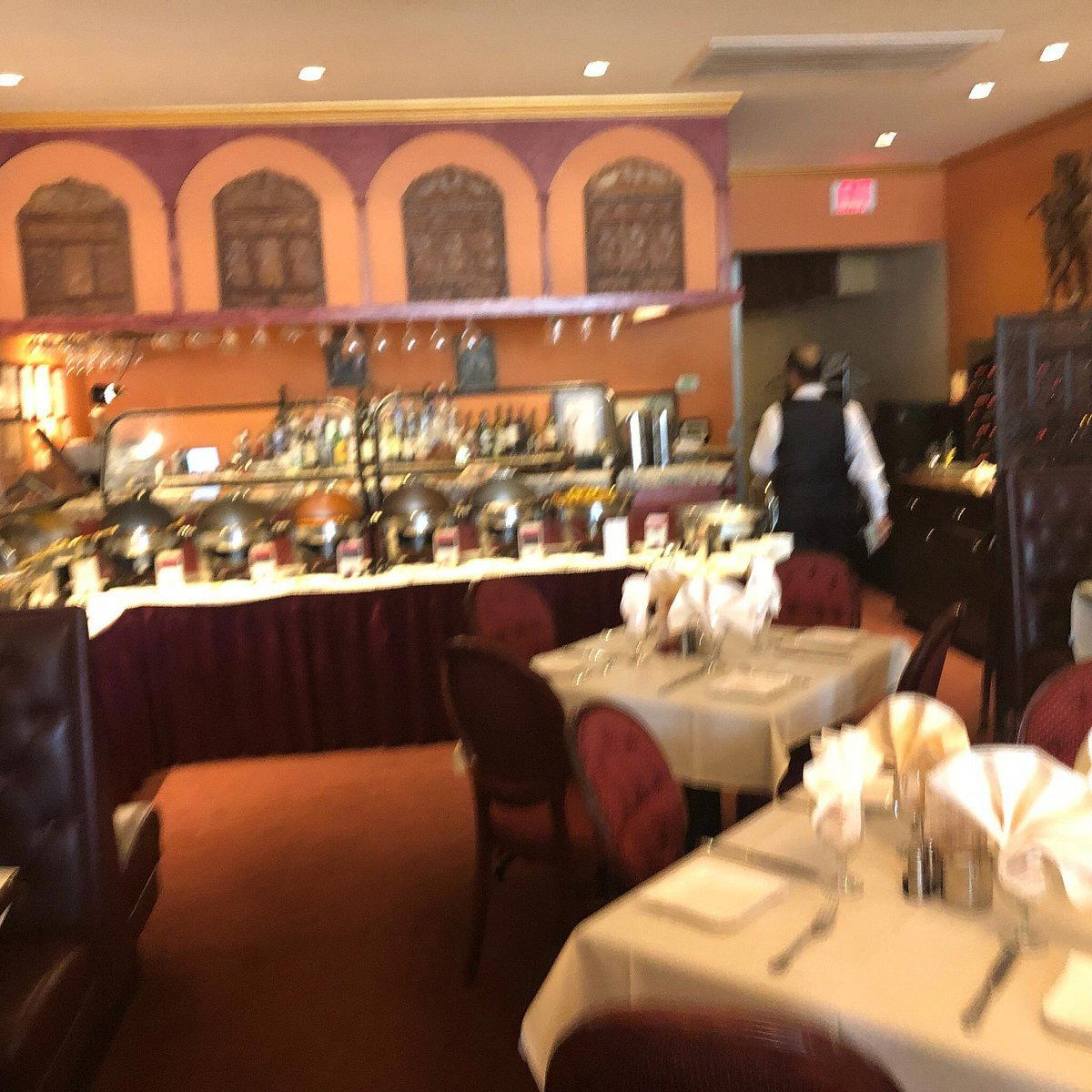
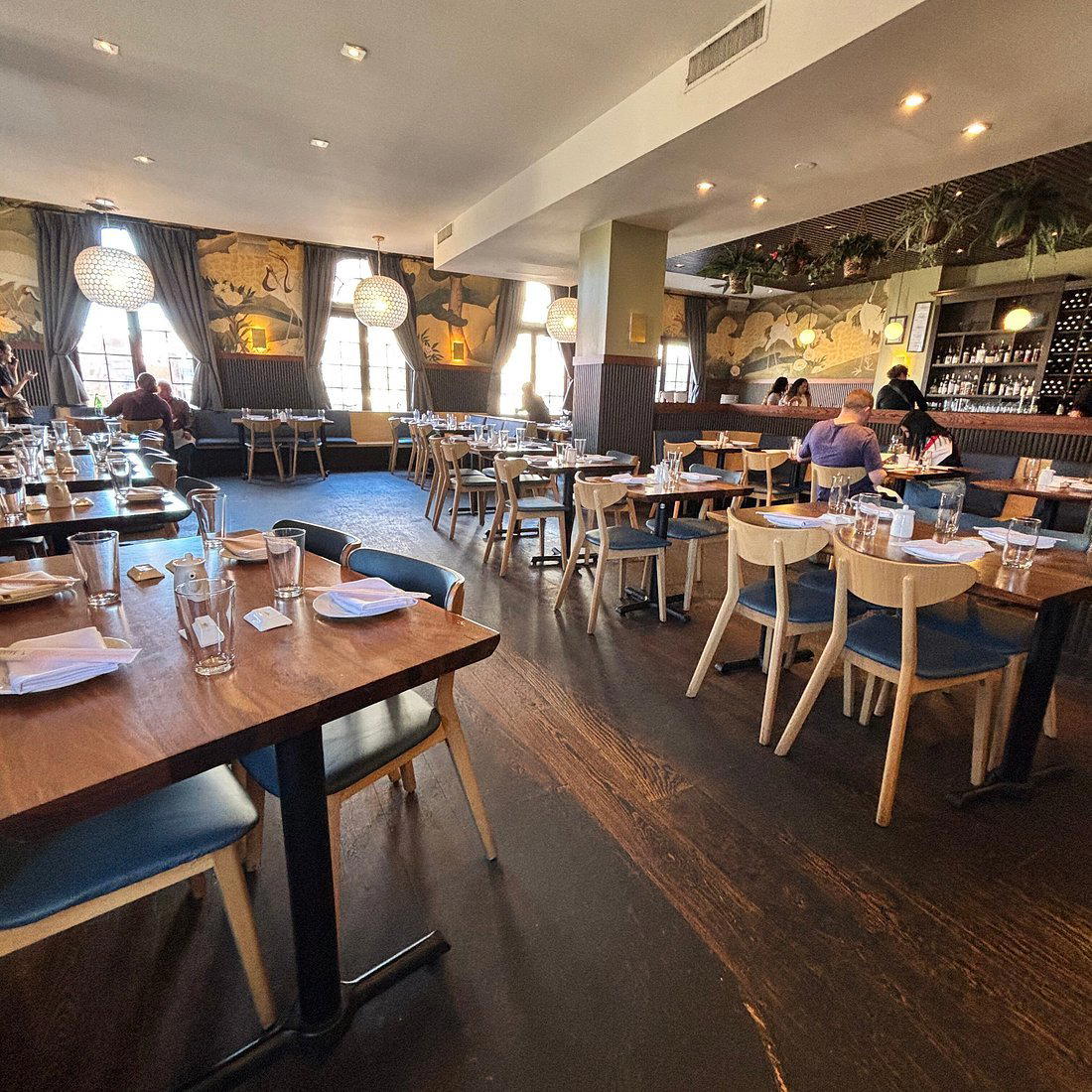
Warm and welcoming atmosphere with attentive service that makes guests feel valued and comfortable.