On Portland Street in Toronto's Fashion District, Gusto 101 occupies a converted warehouse space that has anchored the neighbourhood's shift toward casual Italian dining done seriously. The room draws a consistent crowd across lunch and dinner, and the wine list has long been one of the more considered in its price tier. A reliable neighbourhood institution with broader appeal than its postcode might suggest.
Pearl is the En Primeur Club membership app — saves, bookings, and concierge access live there. Same editors, same standards.
- Address
- 101 Portland St, Toronto, ON M5V 2N3, Canada
- Phone
- +14165049669
- Website
- gusto101.com
- Directions
- Get directions
 Saves & bookings on Pearl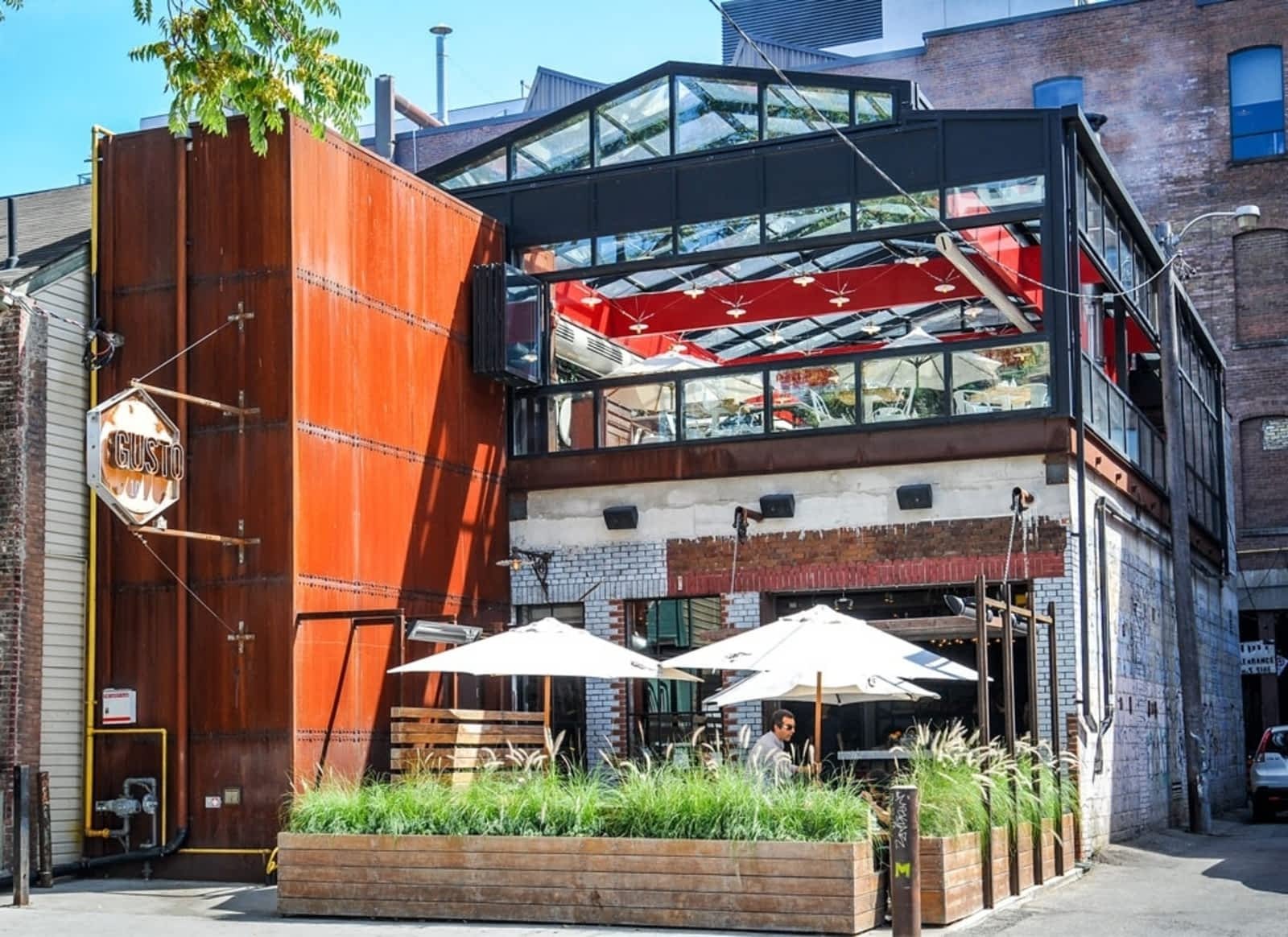
Portland Street and the Italian Casual Tier
Toronto's Fashion District did not become a dining destination by accident. The stretch of Portland Street running south from Queen West accumulated restaurants gradually, as converted industrial buildings offered the kind of square footage and ceiling height that mid-market operators needed to seat enough covers to make rent work. Within that context, the Italian-casual format proved particularly well-suited: communal energy, wine-friendly food, accessible price points without sacrificing ambition. Gusto 101 is a Toronto restaurant serving Modern Southern Italian cuisine at 101 Portland St, with a casual dress code and recommended reservations.
The space itself does the first amount of persuading. Exposed brick, high ceilings, and warm lighting create the kind of environment that reads as relaxed without being indifferent, a combination harder to calibrate than it looks. The room operates at a volume that signals energy rather than chaos, and the sightlines from most tables keep you connected to the wider floor without feeling surveilled. It is the sort of space that fills easily on a Tuesday and fills completely on a Friday, which tells you something about how embedded it has become in the neighbourhood's dining rhythm.
The Wine Program as Editorial Statement
In the Italian-casual tier across Toronto, wine lists tend to fall into one of two camps: perfunctory house pours assembled by a distributor rep, or genuinely considered programs that treat the list as an extension of the kitchen's argument. Gusto 101 has operated closer to the second category. The list skews Italian, as you would expect, but the curation extends beyond obvious Chianti and Barolo anchors into regional producers that reflect genuine engagement with the peninsula's diversity.
Southern Italian producers, from Campania, Calabria, Basilicata, appear with more frequency here than at comparable casual Italian rooms in the city, which tend to cluster around Tuscany and Piedmont for safety. That choice reflects a curation philosophy rather than a pricing decision: bottles from these regions are not necessarily cheaper, but they are less familiar, which means the list requires a wine team willing to explain and advocate rather than simply pour. In a room that moves volume, that distinction matters.
The by-the-glass selection functions as a reasonable indicator of a list's ambition. Where lesser programs recycle the same six bottles through every daypart, a more intentional approach rotates the glass pours in line with seasonal menu movement and gives the floor team enough range to make actual recommendations. Toronto's more ambitious wine programs, the kind found at counters like Alo or the tasting menus at Aburi Hana, operate at a different investment level entirely, but the principle that a wine list should teach the diner something applies across price tiers.
For those interested in how Ontario's own wine region intersects with an Italian-leaning list, Restaurant Pearl Morissette in Lincoln offers a useful comparison point: a cellar built around restraint and place, applied to local fruit. The approach differs from Gusto 101's Italian focus, but the underlying commitment to curation over convenience is comparable.
What the Kitchen Is Doing
Italian-casual dining in Toronto has sharpened considerably over the past decade. The category used to mean red-sauce reliability and generous portions; it now includes wood-fired programs, house-made pasta with genuine technique behind it, and kitchens sourcing from Ontario producers with the same intentionality as their fine-dining counterparts. Gusto 101 sits within that evolution rather than outside it. The menu reads as familiar without being complacent: pizza and pasta as anchors, supplemented by antipasti and secondi that give the kitchen room to move with the season.
Wood-fired cooking appears across the menu in ways that go beyond the novelty of the technique. The char on a pizza base, the caramelisation on roasted vegetables, the texture of proteins that have seen direct flame, these outcomes require equipment and temperature management that not every kitchen in the format invests in properly. The presence of a wood-burning oven as an active production tool rather than a decorative backdrop places the restaurant in a specific sub-tier of Toronto's casual Italian category.
For comparison, Toronto's fine-dining Italian end is anchored by rooms like DaNico and Don Alfonso 1890, both operating at the $$$$ tier with tasting formats and cellar depth to match. The restaurant is not competing in that bracket; it is occupying the middle ground where the cooking is serious enough to satisfy the same diner on a different night and budget.
Toronto's Casual Italian in Broader Context
Canada's Italian-casual dining scene does not operate in isolation from the country's wider restaurant culture. Montreal has its own strong tradition of neighbourhood Italian, and places like Jérôme Ferrer's Europea in Montreal represent the upper register of that city's European-inflected dining. Vancouver's mid-market scene, anchored by rooms like AnnaLena, shows how the casual-but-serious format translates across Canadian cities with different demographic profiles and ingredient access.
Within Ontario specifically, the regional dining picture extends well beyond Toronto. Eigensinn Farm in Singhampton and The Pine in Creemore represent a rurally-rooted approach to serious cooking that shares the same underlying seriousness about sourcing, even if the format and cuisine type differ entirely. The casual Italian room in a Fashion District warehouse and the farm-to-table operation on the escarpment are, in a meaningful sense, responding to the same shift in how Canadian diners think about where their food comes from.
Internationally, the standard against which serious wine programs at casual Italian rooms get quietly measured is set by New York operations. Le Bernardin and Atomix operate in entirely different categories, but they define what wine-program seriousness looks like at the summit of the market, and that definition filters down through every tier.
Planning Your Visit
The restaurant sits at 101 Portland Street in Toronto's Fashion District, walkable from Osgoode and St. Andrew subway stations. The room operates across lunch and dinner service, and given its consistent occupancy, booking ahead is advisable for weekend evenings in particular. The Fashion District is also accessible by streetcar on Queen Street West, making it direct to combine with programming elsewhere in the neighbourhood.
City Peers
Comparable venues nearby, for context on price, style, and recognition.
| Venue | Cuisine | Price | Notes |
|---|---|---|---|
| Gusto 101This venue — the venue you are viewing | Modern Southern Italian | $$ | Not listed |
| Trattoria Taverniti North | Authentic Calabrian Italian Trattoria | $$ | Dovercourt-Wallace Emerson-Junction |
| 7 Numbers DANFORTH | Authentic Southern Italian Family-Style | $$ | Playter Estates |
| Pizzeria Badiali | New York-Style Pizza | $$ | Trinity Bellwoods |
| Amano Italian Kitchen | Modern Italian | $$ | Financial District |
| Vivo Avanti | Refined Italian Pizza and Pasta | $$ | High Park North |
Continue exploring
More in Toronto
Restaurants in Toronto
Browse all →
Bars in Toronto
Browse all →
Hotels in Toronto
Browse all →

At a Glance
- Rustic
- Modern
- Lively
- Industrial
- Warm
- Casual Hangout
- Group Dining
- After Work
- Brunch
- Standalone
- Open Kitchen
- Beer Program
Current opening hours
- Monday
- 11:45 AM–10 PM
- Tuesday
- 11:45 AM–10 PM
- Wednesday
- 11:45 AM–10 PM
- Thursday
- 11:45 AM–10 PM
- Friday
- 11:45 AM–11 PM
- Saturday
- 11 AM–11 PM
- Sunday
- 11 AM–10 PM
Hours can change for holidays and private events. Last verified .
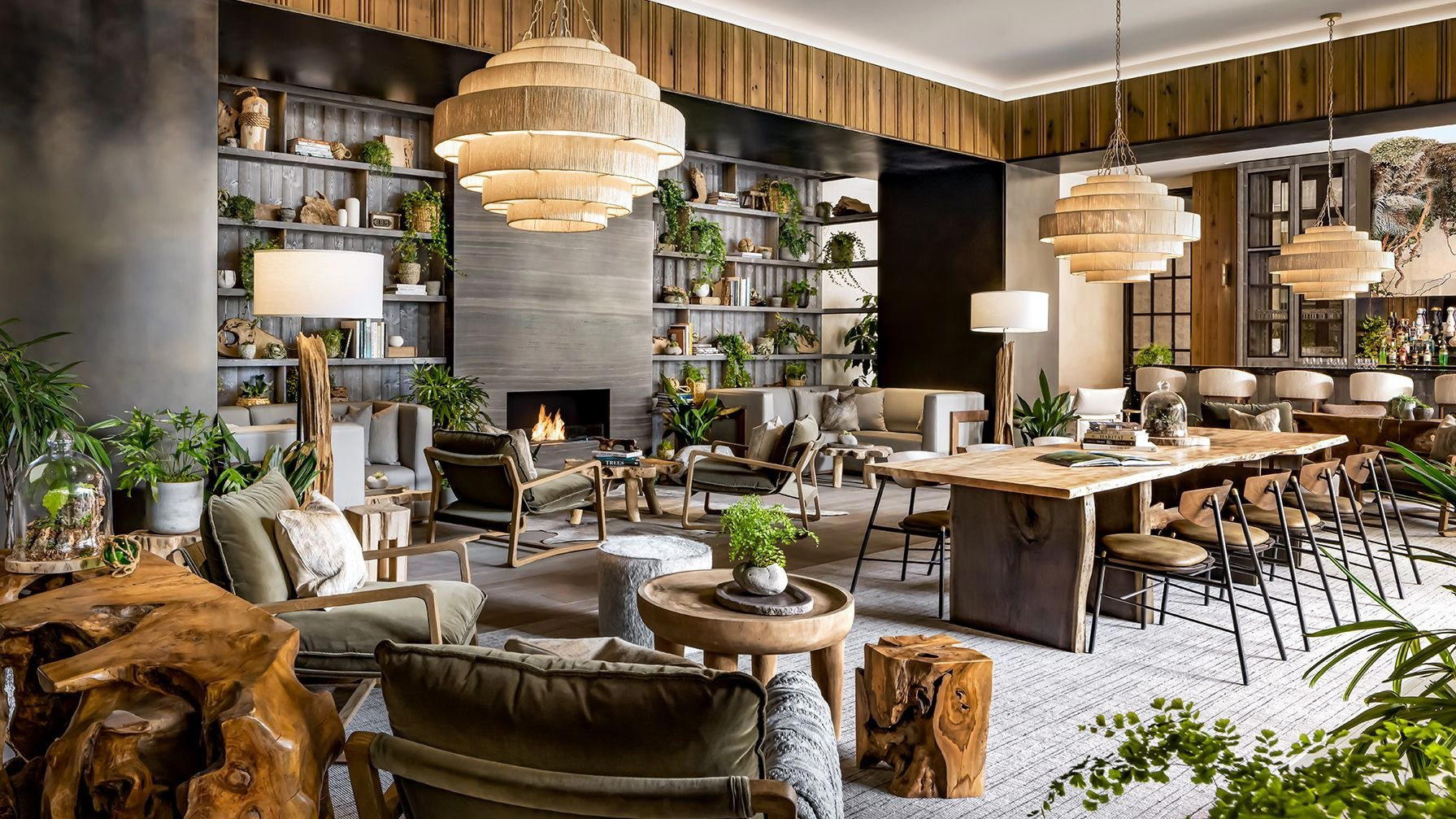
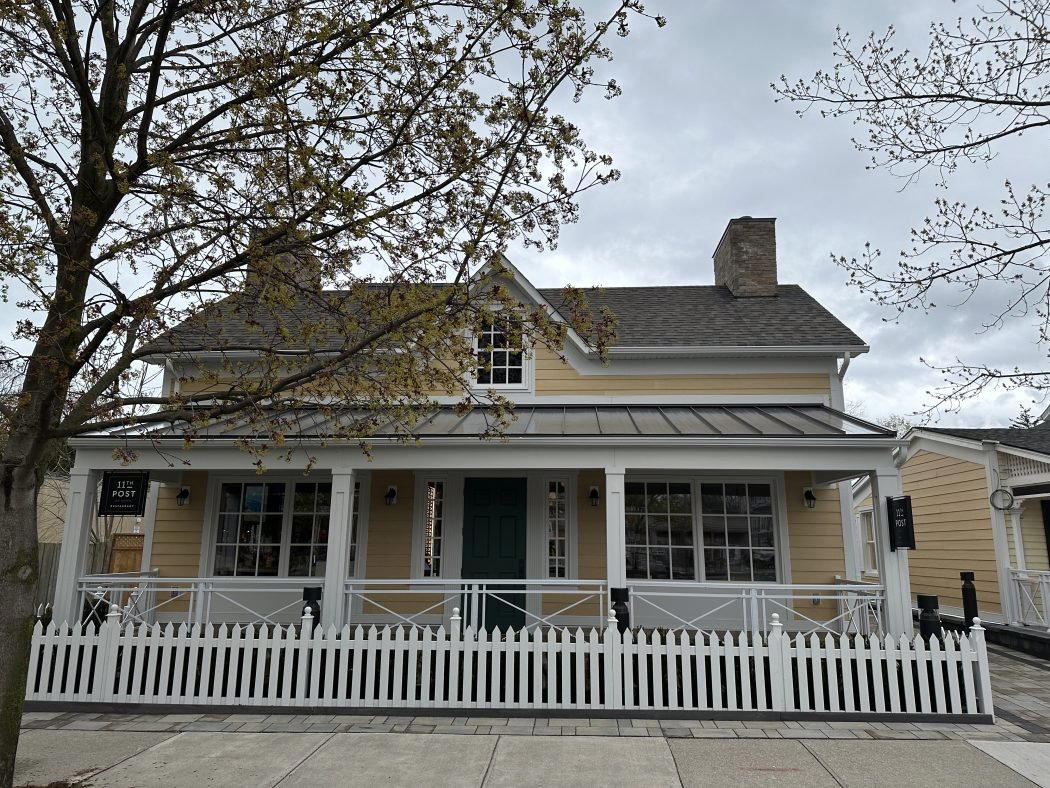
Rustic and contemporary with black steel windows, polished concrete, exposed brick, and metal and wood accents creating an inviting blend of mechanical downtown aesthetic and modern comfort.