7 Numbers Danforth sits on one of Toronto's most established Italian-leaning dining strips, where neighbourhood character runs deeper than any single restaurant. The Danforth address places it inside a long tradition of accessible, communal Italian dining east of the Don Valley, a counterpoint to the high-format Italian rooms concentrated downtown.
Pearl is the En Primeur Club membership app — saves, bookings, and concierge access live there. Same editors, same standards.
- Address
- 307 Danforth Ave, Toronto, ON M4K 1N7, Canada
- Phone
- +14164695183
- Website
- sevennumbers.com
- Directions
- Get directions
 Saves & bookings on Pearl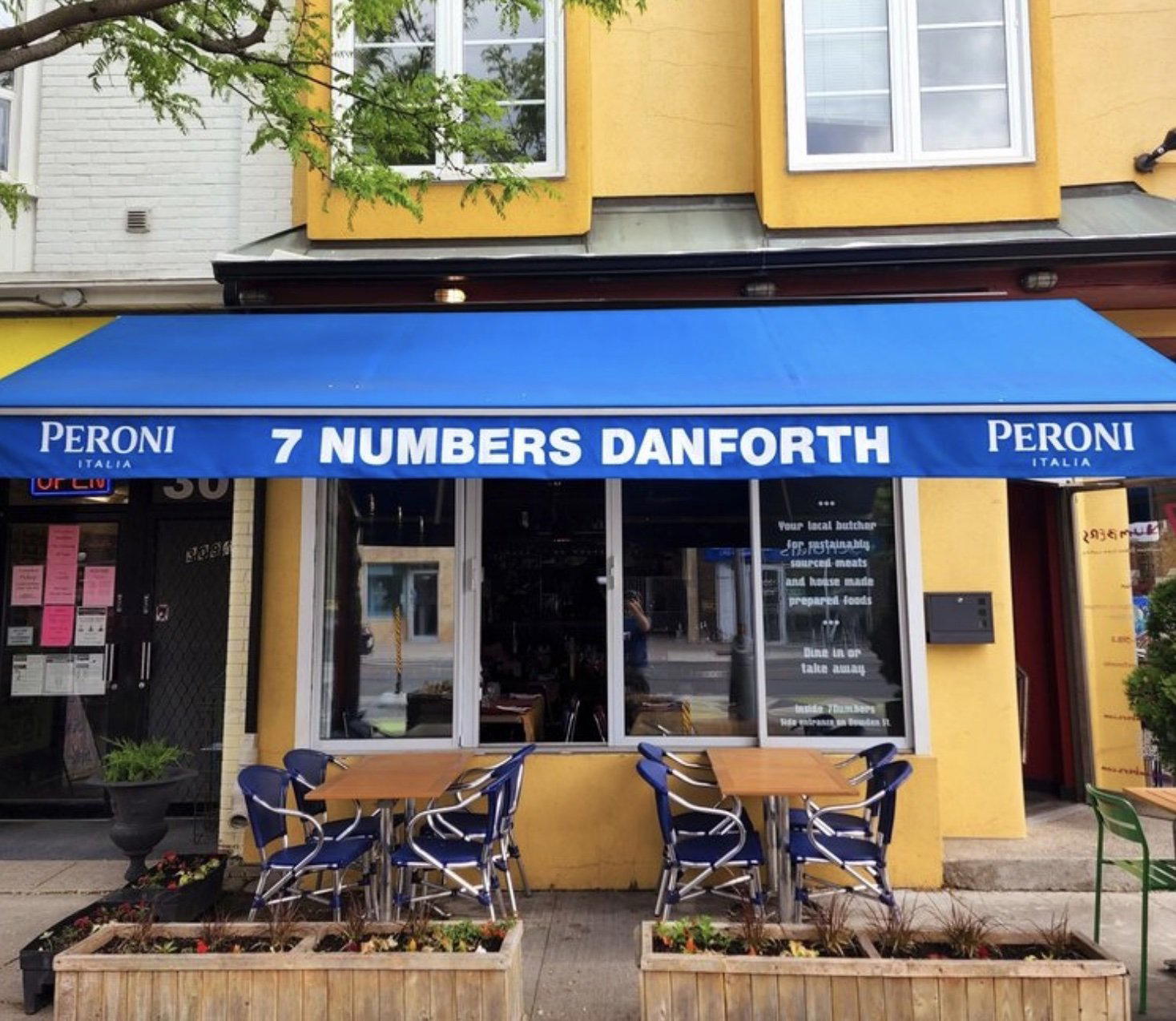
The Danforth Dining Tradition and Where Italian Fits Into It
Toronto's Danforth Avenue has carried an Italian identity since mid-twentieth century immigration shaped the strip east of the Don Valley Viaduct. That identity has evolved considerably: the neighbourhood now holds a broader spread of cuisines, but the Italian thread remains a reference point for how the street positions itself against downtown alternatives. The Danforth corridor has historically offered a more accessible format, one built around regulars and repeat visits rather than occasion dining.
7 Numbers Danforth, at 307 Danforth Ave, is a casual Toronto restaurant serving authentic Southern Italian family-style cooking at about $35 per person. The address sits within a walkable residential context and a dining room that operates as a community fixture.
This matters for how to frame a visit. Toronto diners choosing between the Danforth and downtown Italian rooms are not comparing like with like. They are choosing between two different relationships with the city, and 7 Numbers Danforth represents the version rooted in neighbourhood continuity rather than formal prestige.
Sustainability and Sourcing on the Danforth
Kitchens in Quebec City at Tanière³, in Vancouver at AnnaLena, and across Ontario at producers like Eigensinn Farm in Singhampton and Restaurant Pearl Morissette in Lincoln have embedded ethical sourcing into their core identity, not as a marketing layer but as an operating constraint that shapes menus.
Neighbourhood Italian restaurants face a different version of this challenge. High-format kitchens can absorb the cost premiums of certified organic produce and hyper-local supply chains because the price-per-cover supports it. Mid-market rooms on streets like Danforth operate on tighter margins, which makes sourcing decisions harder and the choices more telling. The restaurants that have earned neighbourhood loyalty on this street tend to be those that treat the kitchen's relationship with suppliers as a long-term commitment rather than a seasonal talking point.
Italian cuisine, in its foundational logic, is already predisposed toward what contemporary sustainability discourse calls whole-ingredient cooking: the tradition of using every part of the animal, building stocks from vegetable trimmings, and letting seasonal availability dictate the menu rather than the other way around. That alignment between traditional Italian kitchen practice and current environmental thinking is one reason Italian restaurants sit comfortably inside this conversation without having to retrofit a green identity onto a format that wasn't built for it.
How the Danforth Sits in Toronto's Wider Eating Map
Toronto's restaurant geography rewards specificity. The city's premium dining concentration clusters in the downtown core and midtown corridors. The Danforth occupies a different kind of authority: not Michelin-tier formality, but a depth of neighbourhood tenure that the downtown rooms cannot replicate by definition.
Visitors approaching Toronto's eating map from outside the city sometimes underestimate how much the east-end strips differ from the King West and Yorkville corridors in atmosphere and function. Danforth dining rooms fill with locals across the week. That regularity produces a different kind of kitchen rhythm and a different relationship between front-of-house and guest.
Barra Fion in Burlington operates within a comparable neighbourhood-anchored logic, while Quebec's traditions of regional ingredient use, visible at Aux Anciens Canadiens and at Narval in Rimouski, speak to how Canadian kitchens have developed distinctive local identities within European-derived frameworks.
Jérôme Ferrer at Europea in Montreal has articulated a Canadian fine-dining version of the same argument. For the neighbourhood Italian room on Danforth, the standard is necessarily different, but the underlying logic of supply chain integrity and waste-conscious cooking applies across price tiers.
Planning a Visit: What to Know Before You Go
307 Danforth Ave is accessible by TTC via the Broadview or Chester stations on the Bloor-Danforth line, putting it within a short walk for riders coming from downtown or the west end. The Danforth strip rewards arriving on foot or by transit rather than by car: parking in the immediate area is limited during peak evening hours, and the neighbourhood's character is better absorbed at street level.
7 Numbers Danforth is recommended for reservations, and its regular hours are Tuesday to Sunday from 5 to 10 PM, with Monday closed.
A Pricing-First Comparison
Comparable venues nearby, for context on price, style, and recognition.
| Venue | Cuisine | Price | Notes |
|---|---|---|---|
| 7 Numbers DANFORTHThis venue — the venue you are viewing | Not listed | $$ | Not listed |
| North of Brooklyn Pizzeria | Not listed | $$ | West Queen West, NYC-Style Thin Crust Pizza |
| Campagnolo | Little Italy, Modern Italian | $$ | Not listed |
| La Piazza | Not listed | $$ | Yorkville, Casual Italian Pizza & Shareables |
| Occhiolino | Harbord Village, Handmade Italian Pasta | $$ | Not listed |
| Birroteca-Eataly Yorkville | Not listed | $$ | Yorkville, Italian Birroteca with Craft Beer |
Continue exploring
More in Toronto
Restaurants in Toronto
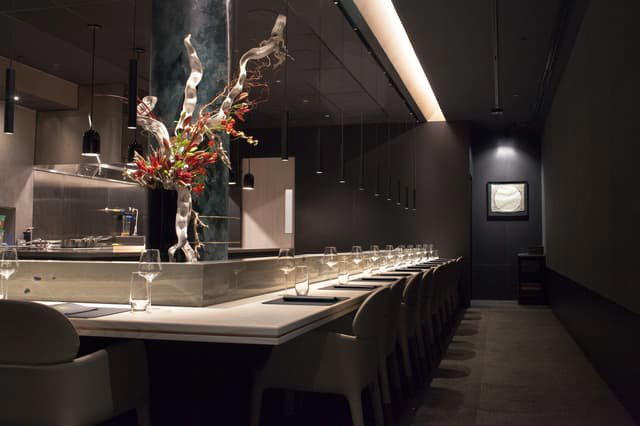
Browse all →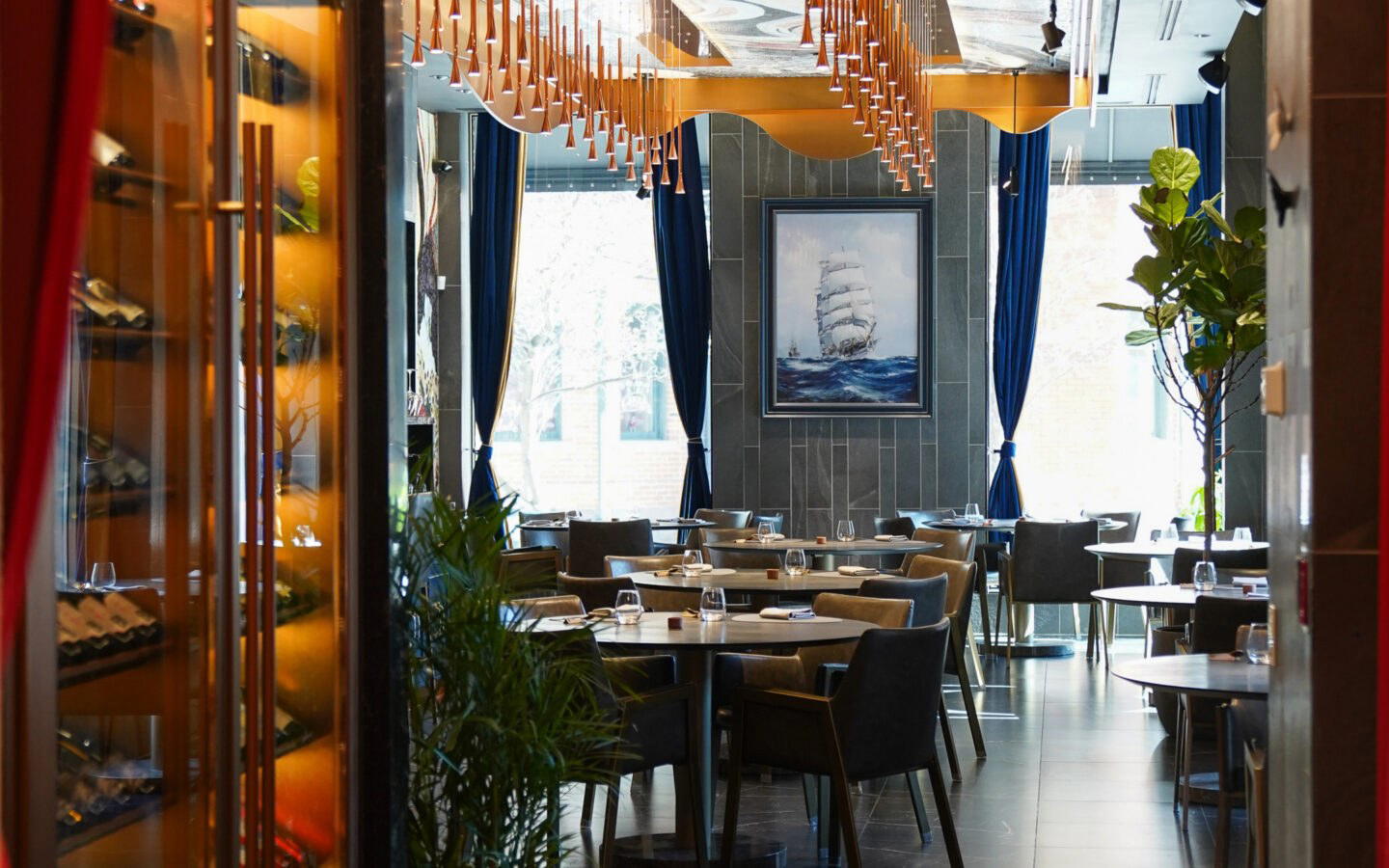
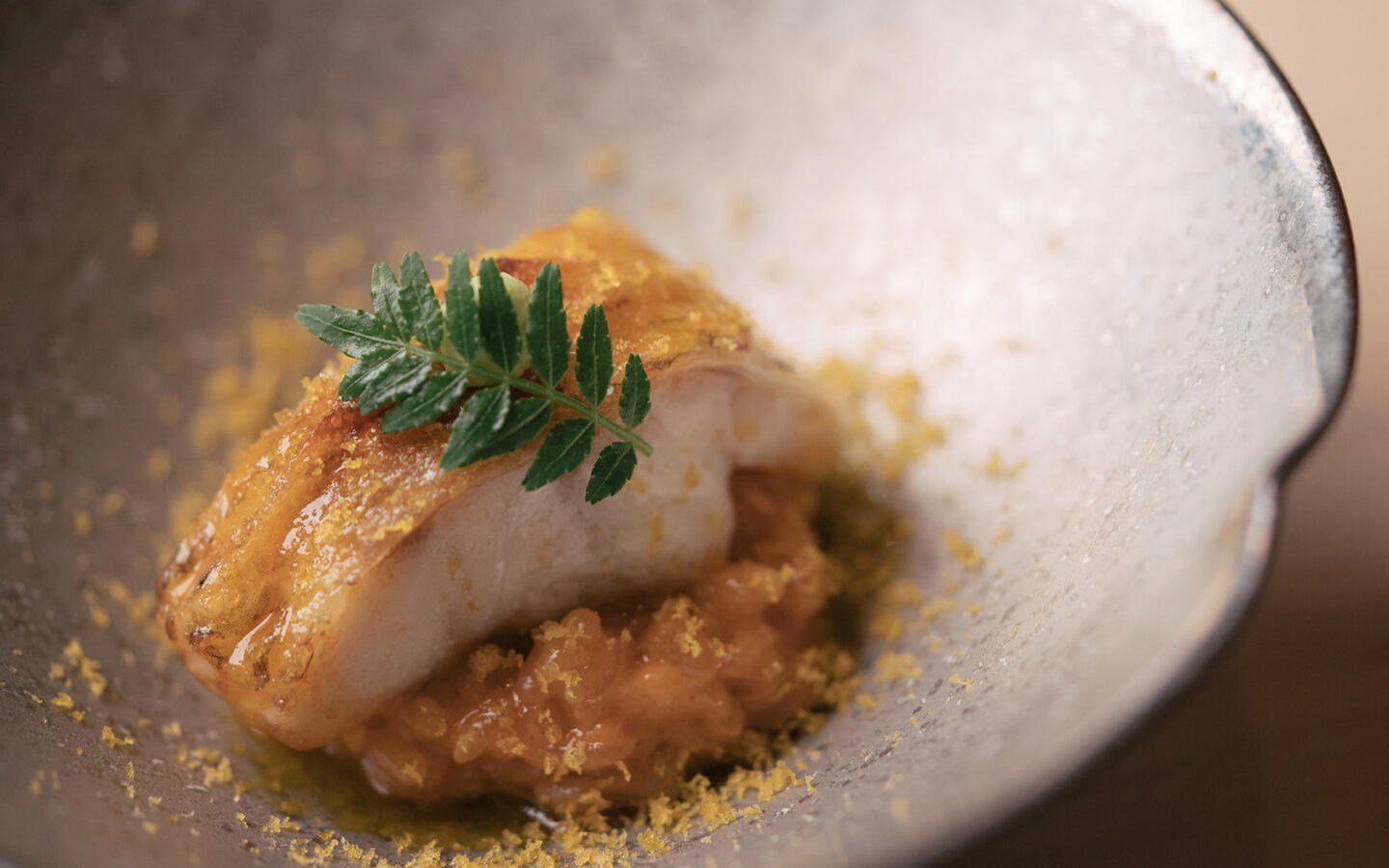
Bars in Toronto
Browse all →
Hotels in Toronto
Browse all →

At a Glance
- Cozy
- Rustic
- Lively
- Classic
- Group Dining
- Family
- Celebration
- Casual Hangout
- Open Kitchen
- Private Dining
Current opening hours
- Monday
- Closed
- Tuesday
- 5–10 PM
- Wednesday
- 5–10 PM
- Thursday
- 5–10 PM
- Friday
- 5–10 PM
- Saturday
- 5–10 PM
- Sunday
- 5–10 PM
Hours can change for holidays and private events. Last verified .
Cozy, warm space with wine bottle candelabras and an inviting, intimate atmosphere that emphasizes community and family dining.