
In the flatlands of Lomellina, Guallina occupies a small house in an outlying hamlet outside Mortara, serving seasonal local cuisine that draws directly from the surrounding countryside. A Michelin Plate holder in both 2024 and 2025, it offers a mid-range price point with a wine list that consistently draws praise. It holds genuine local standing.
Pearl is the En Primeur Club membership app — saves, bookings, and concierge access live there. Same editors, same standards.
- Address
- Via Molino di Faenza, 19, 27036 Guallina, PV, Italy
- Phone
- +39 0384 91962
- Website
- trattoriaguallina.it
- Directions
- Get directions
 Saves & bookings on Pearl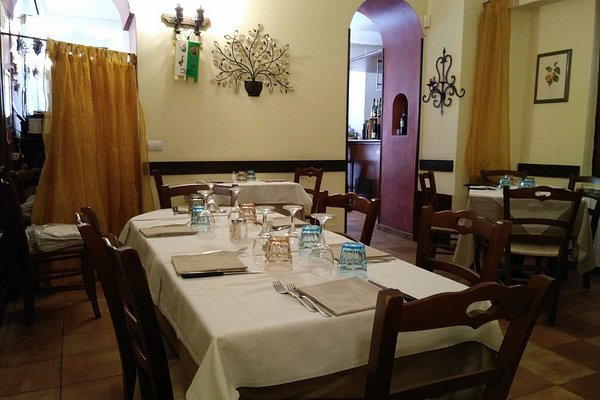
Where the Padano Plain Sets the Menu
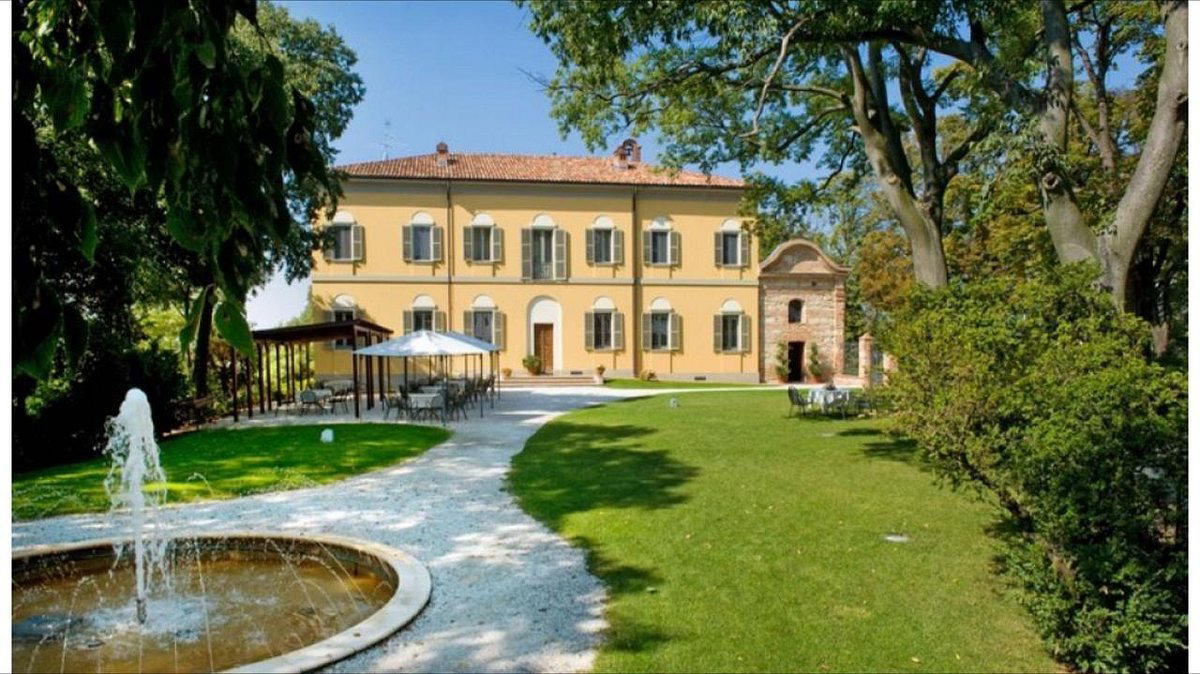
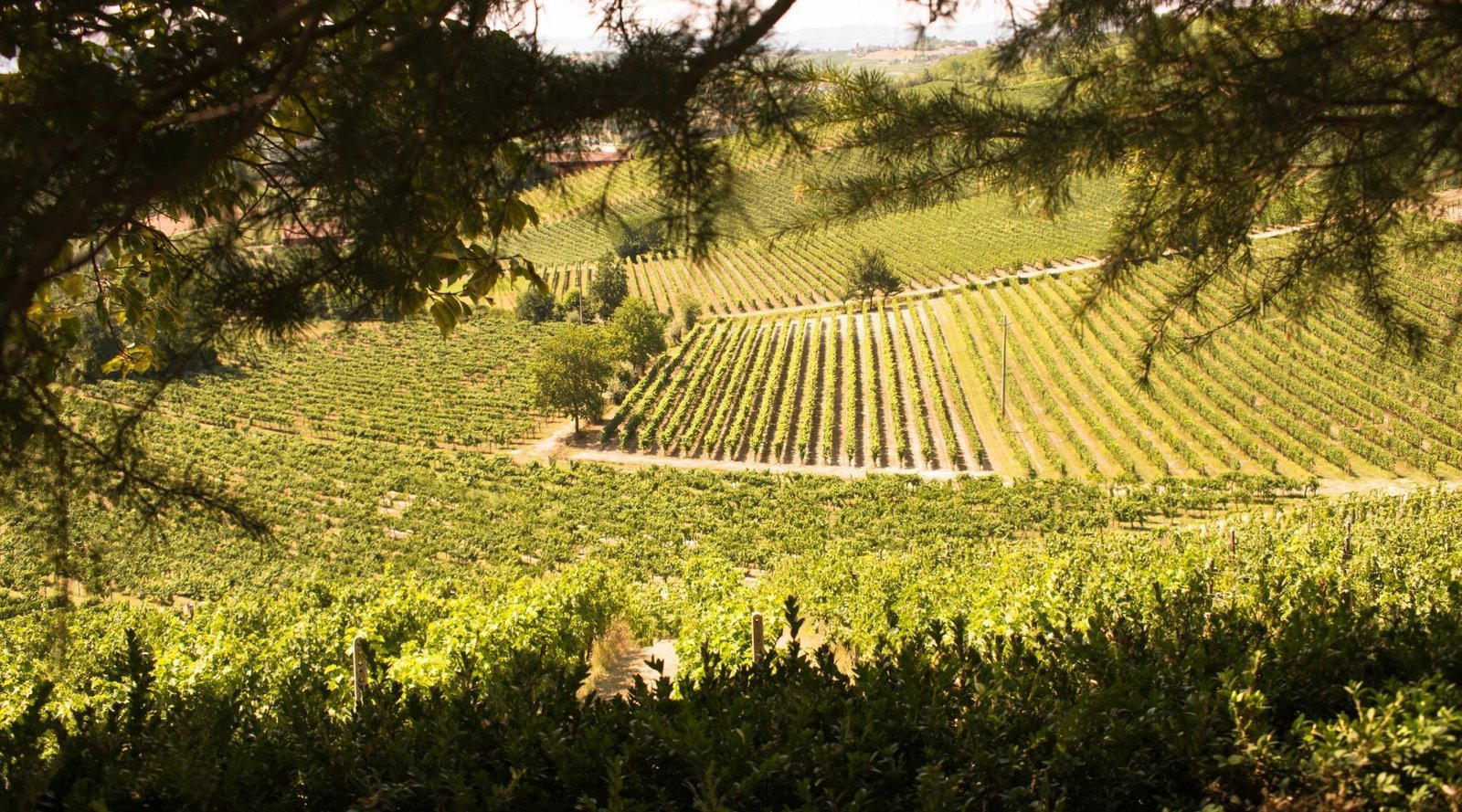
The road to Guallina does not announce itself. You leave Mortara on a flat provincial road, pass through a countryside of rice paddies and irrigation canals, and arrive at a small house in the hamlet that shares the restaurant's name, on Via Molino di Faenza. There is no design statement, no curated facade. What you find is a building that reads as exactly what it is: a place where people in this part of Lomellina have been eating for some time. The surrounding landscape does most of the storytelling before you step inside.
That physical context is not incidental. In this corner of the Po Valley, the food on the table is a direct consequence of what grows, grazes, and swims within a short radius. Lomellina produces some of Italy's most important rice, and the wetland network that sustains it also supports a wildlife and agricultural ecology that feeds a distinct regional kitchen. Restaurants in this mode, where the menu moves with the season and the supply chain is local by default rather than by marketing, occupy a different position in Italy's dining culture than the tasting-menu houses further along the Michelin ladder. For context on what Italy's most technically ambitious kitchens look like, Osteria Francescana in Modena or Le Calandre in Rubano represent the opposite pole. Guallina operates in quieter register, and that is precisely the point.
Seasonal and Local as Operational Reality
The Michelin Plate recognition Guallina received in both 2024 and 2025 is a specific designation worth clarifying. It does not carry stars, but it signals Michelin's acknowledgment of good cooking at an accessible price point. The Guide's own framing for Guallina describes seasonal local cuisine, excellent wines, and an inviting atmosphere in a small countryside house. That framing aligns with how ingredient-led country cooking functions across northern Italy: the menu is a record of what the season allows, not a fixed statement of a chef's signature repertoire.
In Lomellina specifically, that means rice dishes prepared in the local tradition, freshwater fish from the canal system, game when the season permits, and vegetables and fungi drawn from the agricultural belt around the Po. This is not the performative localism of urban restaurants that badge their menus with farm names. In a place like Guallina, the sourcing is a function of geography and relationship. The kitchen cooks what is available and proximate because that is how this kind of restaurant has always operated in rural northern Italy.
Comparable country cooking traditions exist elsewhere in the region. 21.9 in Piobesi d'Alba and Andrea Monesi at Locanda di Orta in Orta San Giulio both work within a similar framework: serious, place-rooted cooking that does not require a destination-restaurant context to make sense. The common thread is that the ingredients carry the narrative rather than the technique or the plating.
The Wine Dimension
Michelin's note on Guallina specifically calls out the wines, and that detail is worth attention. In the Oltrepò Pavese, which sits just south of Mortara, one of Lombardy's most under-discussed wine zones produces Pinot Nero, Barbera, Bonarda, and whites of varying character. A country restaurant at this price point with a strong enough cellar to earn Michelin's mention is positioning its wine program as a genuine part of the offer rather than an afterthought. For visitors exploring the wider region, our full Mortara wineries guide provides further context on what the local production looks like.
The €€ price range places Guallina in a bracket where a complete meal with wine stays well inside what comparable seasonal cooking costs in Milan or in the starred houses of the broader Po Valley. Dal Pescatore in Runate and Enoteca Pinchiorri in Florence occupy the €€€€ tier; Guallina's price-to-quality equation functions on a completely different axis. That is not a criticism of either end of the spectrum. They are answering different questions about what a meal in Italy can be.
Critical Standing and Peer Context
6 across 437 reviews represents a durable signal rather than a spike of early enthusiasm. Volume at that level, in a village restaurant drawing largely from a local and regional audience, indicates consistent performance over time. Mortara's dining scene is not large, and a restaurant that accumulates this volume of positive responses is doing so on repeat visits and word of mouth rather than tourism traffic.
Within the broader conversation about where Italy's most compelling food happens, there is a persistent and well-founded argument that the leading eating often occurs at places like this: modest in scale, anchored to place, and not performing for a global audience. Piazza Duomo in Alba, Reale in Castel di Sangro, and Uliassi in Senigallia have all made international names by rooting themselves in specific Italian terroirs. Guallina works at a different scale but within the same cultural logic: the place and its ingredients are the argument.
For those building a wider itinerary around northern Italian dining, Enrico Bartolini in Milan, Atelier Moessmer Norbert Niederkofler in Brunico, Casa Perbellini 12 Apostoli in Verona, and Quattro Passi in Marina del Cantone represent the technical and creative range of what Italy is doing at the leading end. Guallina sits outside that conversation by design, which is what gives it a distinct place in any honest account of how people actually eat well in this country.
Planning a Visit
Mortara is accessible by road from Milan in under an hour, making Guallina viable as a day trip or a stop on a longer circuit through Lomellina and the Oltrepò Pavese. The restaurant is in the hamlet of Guallina itself, outside the town centre, so arriving by car is the practical approach. Given its small size and local following, booking ahead is advisable, particularly at weekends. No website or phone number is listed in current records; direct contact details are leading sourced locally or through updated listings.
For those spending more time in the area, our full Mortara restaurants guide covers the broader dining picture, while our Mortara hotels guide, bars guide, and experiences guide round out the full picture of what the town and its surroundings offer.
Quick Comparison
Comparable venues nearby, for context on price, style, and recognition.
| Venue | Cuisine | Price | Awards | Notes |
|---|---|---|---|---|
| GuallinaThis venue — the venue you are viewing | Traditional Italian Trattoria with Goose Specialties | $$ | Michelin Plate | Not listed |
| Cravero - Osteria Contemporanea | Modern Piedmontese Osteria | $$ | Michelin Plate | Caltignaga |
| La Cucina de' Mibabbo | Modern Tuscan Trattoria | $$ | Michelin Plate | Pta Romana |
| Tre Scalini | Contemporary Northern Italian | $$ | Michelin Plate | Novara |
| Antica Osteria del Mare | Sardinian Seafood Osteria | $$ | Michelin Plate | Tibaldi |
| La Fortuna | Modern Italian Trattoria | $$ | Michelin Plate | Campagnola Cremasca |
Recognition history
Dated appearances from independent guides and award organizations, with the underlying list record or original source where available.
Michelin Plate
Michelin
Michelin Plate
Michelin
Michelin Plate
Michelin
At a Glance
- Cozy
- Rustic
- Intimate
- Family
- Group Dining
- Special Occasion
- Standalone
- Extensive Wine List
- Local Sourcing
Current opening hours
- Monday
- Closed
- Tuesday
- Closed
- Wednesday
- 12–1:30 PM, 7:30–9:30 PM
- Thursday
- 12–1:30 PM, 7:30–9:30 PM
- Friday
- 12–1:30 PM, 7:30–9:30 PM
- Saturday
- 12–1:30 PM, 7:30–9:30 PM
- Sunday
- 12–1:30 PM, 7:30–9:30 PM
Hours can change for holidays and private events. Last verified .
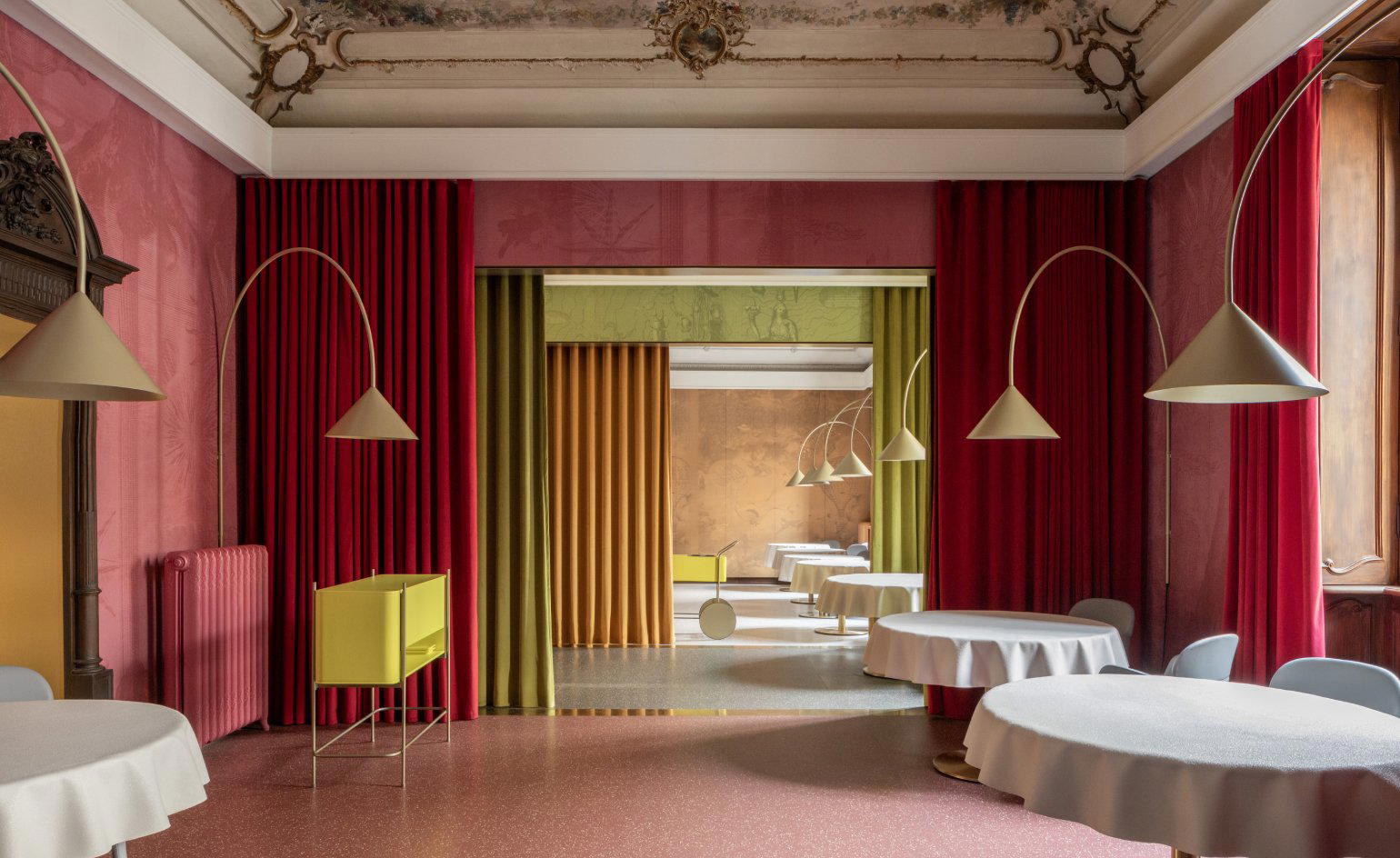
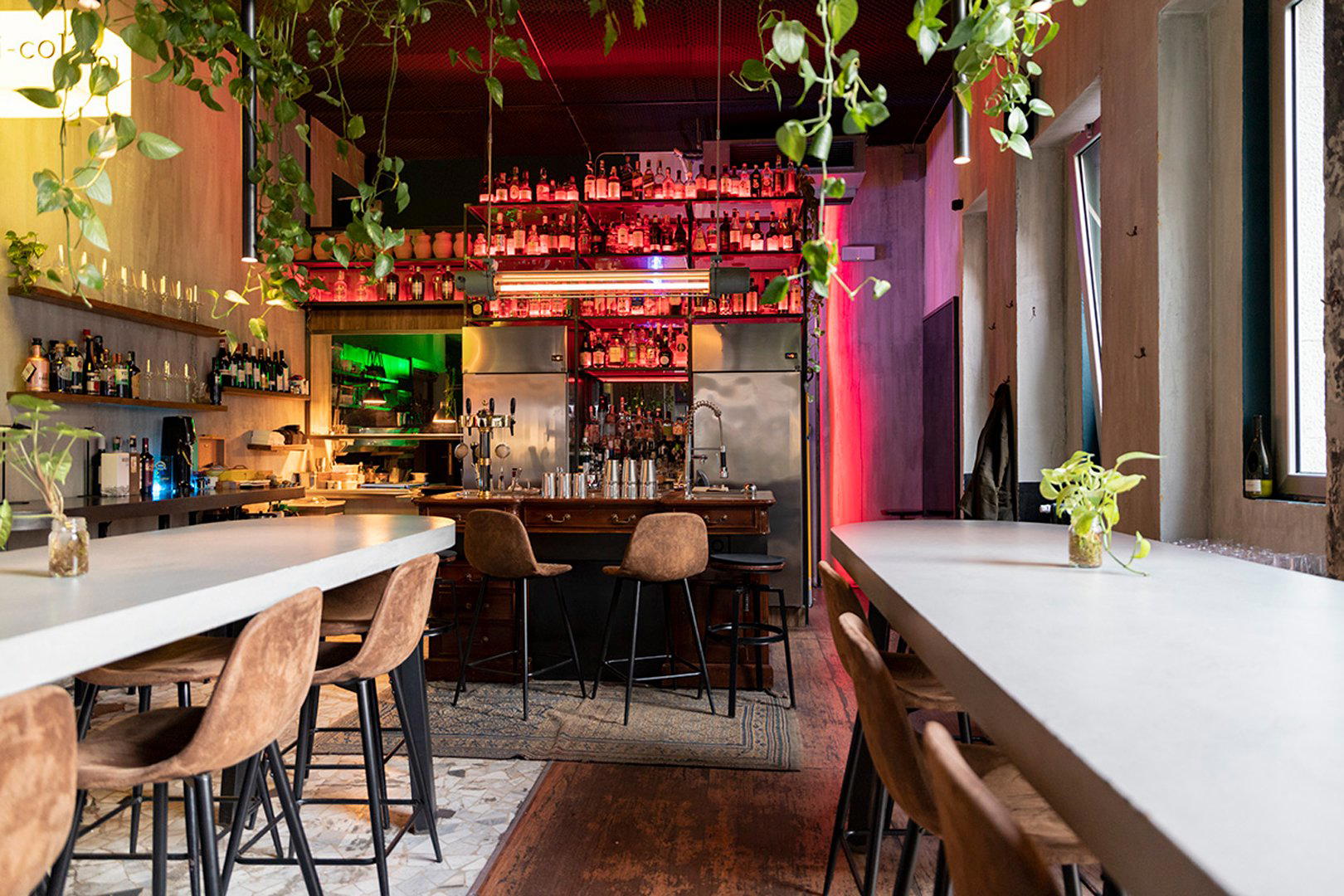
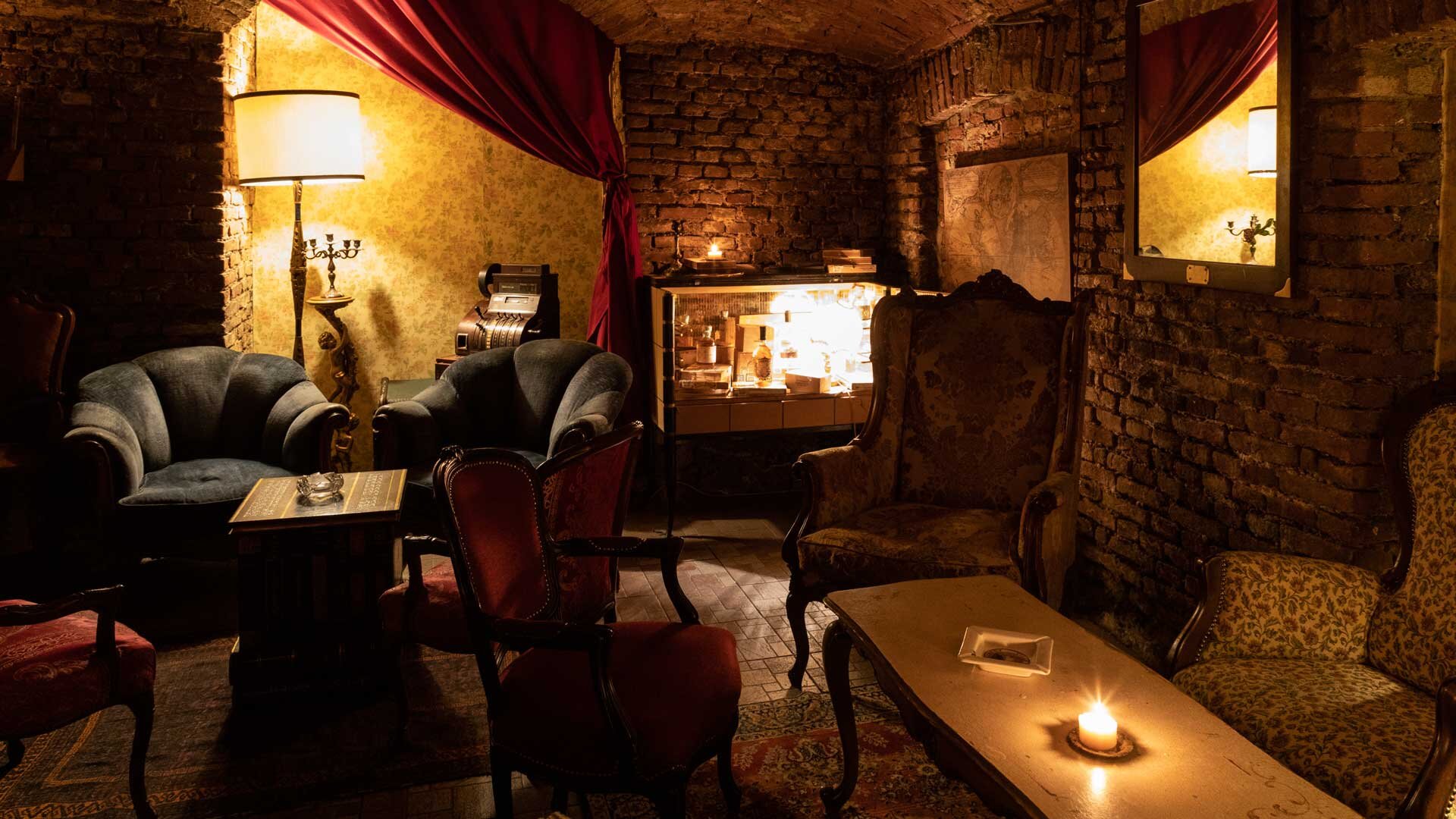
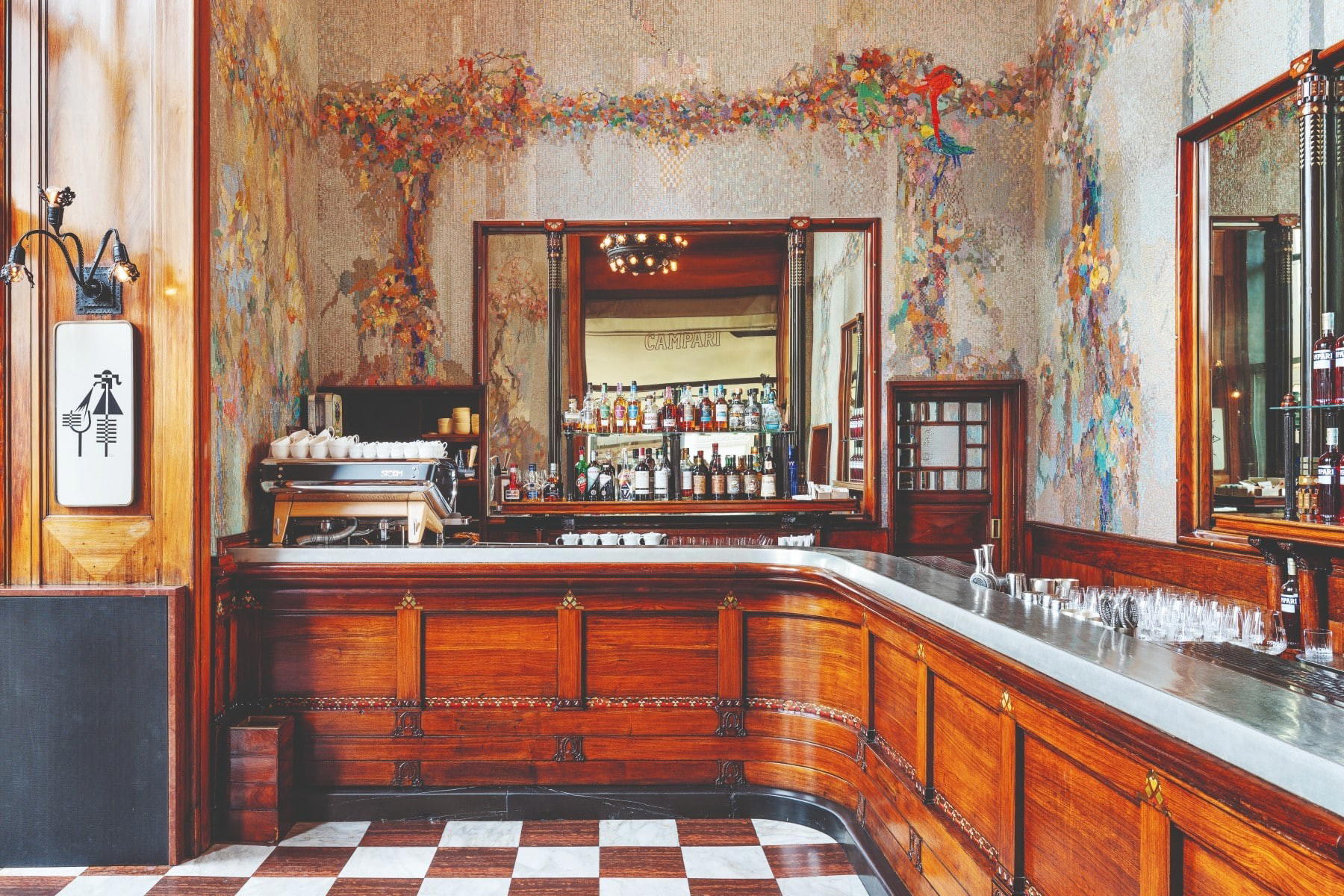
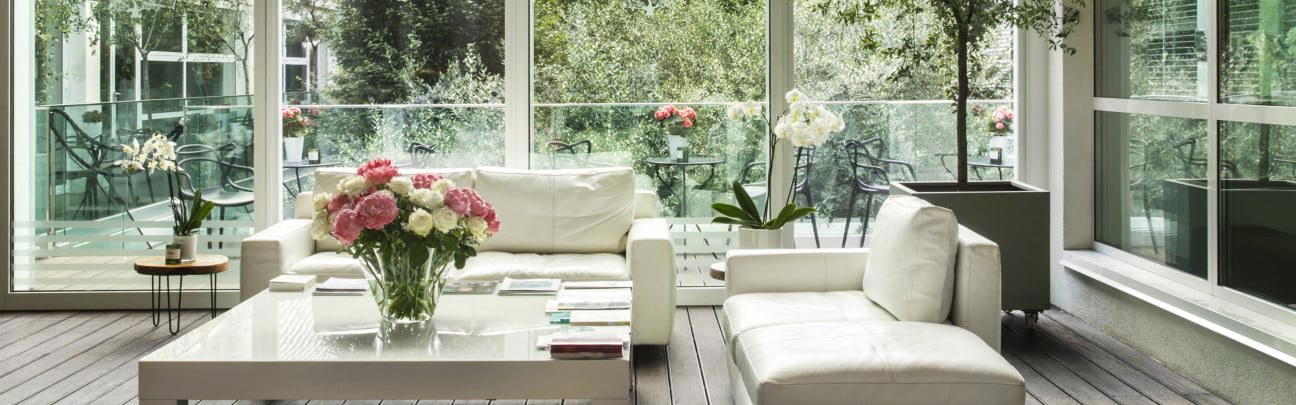
Cozy and inviting atmosphere in a simple countryside house with a pleasant, comfortable interior.