Our verdict
Gruta de Santo Antônio occupies a Centro address in Niterói, sitting within a city whose dining scene has long operated in the shadow of Rio de Janeiro across the bay.

Pearl is the En Primeur Club membership app, where members save venues, book tables and use the concierge.

The menu
What to order
- Bacalhau à Gruta Santo Antonio
- Bacalhau à Brás
- Bacalhau Gomes de Sá
- Cod Croquettes
- Pastéis de Nata
Niterói's Dining Scene and Where Gruta de Santo Antônio Fits
Niterói sits across Guanabara Bay from Rio de Janeiro, connected by ferry and bridge but functioning with its own civic identity. The city's restaurant culture has historically operated at a remove from the heavily documented Rio circuit, fewer international critics making the crossing, fewer Michelin inspectors filing reports from Centro side streets. That distance from the spotlight has produced something useful: a local dining scene that serves residents rather than performs for visitors, and where venues on streets like Rua Silva Jardim tend to build reputations through repetition and word of mouth rather than award cycles. Gruta de Santo Antônio, addressed at R. Silva Jardim, 148, sits inside that pattern. For a broader orientation to what Niterói's tables currently offer, our full Niteroi restaurants guide maps the city's range more completely.
The Setting: Centro Niterói as a Dining Context
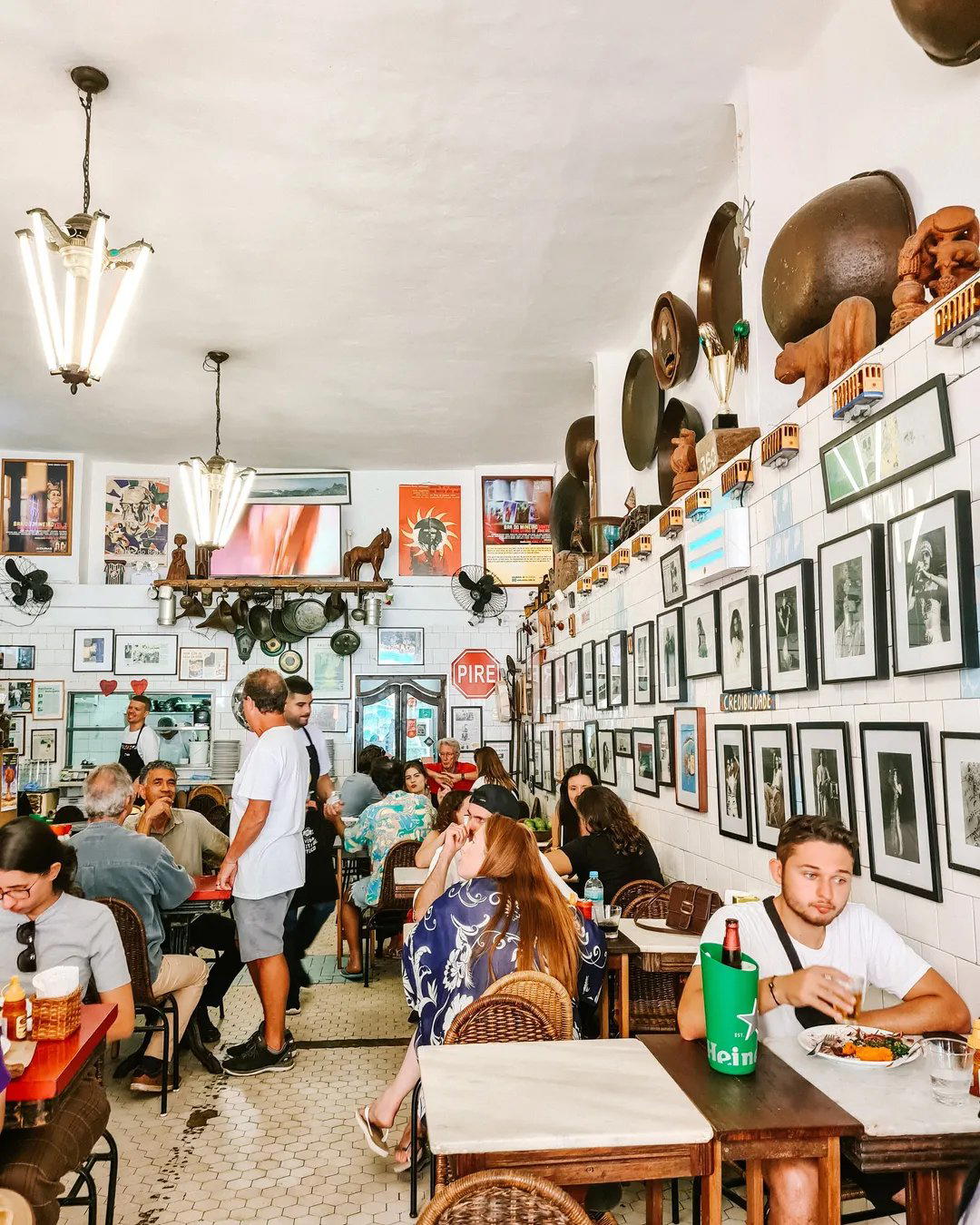
Centro Niterói is a working urban district, administrative buildings, commuter corridors, lunch-trade restaurants that open for the midday crowd and close before evening. Venues that survive long-term in this kind of environment do so by feeding a local constituency reliably, not by chasing tourism patterns. The address on Rua Silva Jardim places Gruta de Santo Antônio in this fabric. Approaching a Centro address in any Brazilian mid-sized city, you typically encounter a compressed streetscape: low-rise commercial buildings, occasional colonial-era facades, and the ambient noise of a city moving through its workday. The name itself, gruta, meaning cave or grotto in Portuguese, signals an interior that likely trades on enclosure and shelter from that street-level bustle, a format common to older Brazilian restaurant traditions where the dining room functions as a retreat rather than a stage.
Ingredient Sourcing and the Rio de Janeiro State Food System
Rio de Janeiro state's food supply draws from a layered geography. The lowland coast produces fish and shellfish; the Serra fluminense, the mountainous interior stretching toward Petrópolis and Teresópolis, supplies vegetables, dairy, and small-producer specialty goods. Niterói, as a coastal city with direct access to Guanabara Bay's fishing trade and proximity to the serra producers, sits in a reasonably favorable sourcing position for restaurants that choose to use it. Brazilian dining at the serious end of the spectrum has moved steadily toward traceability over the past decade, a shift visible in venues like Lasai in Rio de Janeiro, which has built its identity around direct producer relationships and seasonal Brazilian ingredients. At D.O.M. in São Paulo, the sourcing logic extends to Amazonian ingredients integrated into a fine-dining format. These are the high-visibility reference points for ingredient-led Brazilian cooking. Centro Niterói restaurants operate at a different register, closer to daily-trade, community-embedded dining, but the sourcing questions that define quality at any price tier remain the same: how close is the supply chain, and how much does the kitchen's identity depend on what arrives fresh versus what comes pre-processed.
The Broader Brazilian Restaurant Landscape
Brazil's restaurant culture is more geographically distributed than its international reputation suggests. Considerable culinary activity happens outside São Paulo and Rio in cities that rarely generate international press coverage. Bistro Fitz Carraldo in Manaus operates in the Amazon basin context; Cantina Pozzobon in Santa Maria reflects the Gaucho south's Italian immigrant food traditions; Madê in Santos sits in the São Paulo coastal corridor. Each of these venues carries a local logic that doesn't translate easily onto a national ranking. Niterói fits that pattern: a city with genuine culinary character, underrepresented in the critical literature, where places like Gruta de Santo Antônio accumulate local standing without attracting the kind of documentation that would make them legible to an outsider searching from abroad. Separately, Restaurante Guacamole Taqueria in Niterói represents another facet of the city's current offer, a different format and cuisine type that illustrates how varied the local scene has become.
What the Absence of Public Data Signals
Gruta de Santo Antônio does not appear in the major award databases, does not carry a documented star rating, and has no published chef name or tasting format in current circulation. That absence is itself information. In the current Brazilian dining ecosystem, venues that pursue Michelin recognition or 50 Best adjacency generate a paper trail, press features, chef interviews, booking platform profiles. Venues that don't pursue that recognition tend to operate on direct community trust. The comparison is instructive: Le Bernardin in New York City and Atomix in New York City exist at the documented, credentialed end of a very long spectrum. Gruta de Santo Antônio sits at the other end, not as a lesser venue, but as a different kind of institution, one whose value proposition is legibility to locals rather than visibility to international critics. That positioning is common across Brazilian mid-market dining and is not a flaw; it simply changes what kind of research a visiting reader needs to do before arriving.
Planning a Visit
The address, R. Silva Jardim, 148, Centro, Niterói, is the most reliable navigation anchor currently available. Centro Niterói is accessible from Rio by the ferry crossing to Praça Araribóia, which is a practical and time-efficient route for visitors coming from the Rio side of the bay. Phone, website, and hours are not in public record at the time of writing, which means confirming current operation requires either a direct visit during likely lunch-trade hours or inquiry through local channels. Given the Centro location and the type of venue the name and address suggest, the highest-probability service window is the weekday midday period, a characteristic of the lunch-trade restaurant format common to Brazilian urban centers. Walk-in is the logical approach given the absence of a documented booking system.
Frequently asked questions
Is Gruta de Santo Antônio okay with children?
Nothing in the available record for Gruta de Santo Antônio, located at R. Silva Jardim, 148 in Centro Niterói, rules out families. Centro Niterói operates primarily as a working urban district with lunch-trade restaurants, which tend toward informal, all-ages settings. Calling ahead before visiting with children is advisable given the absence of published hours or booking details.
What kind of setting is Gruta de Santo Antônio?
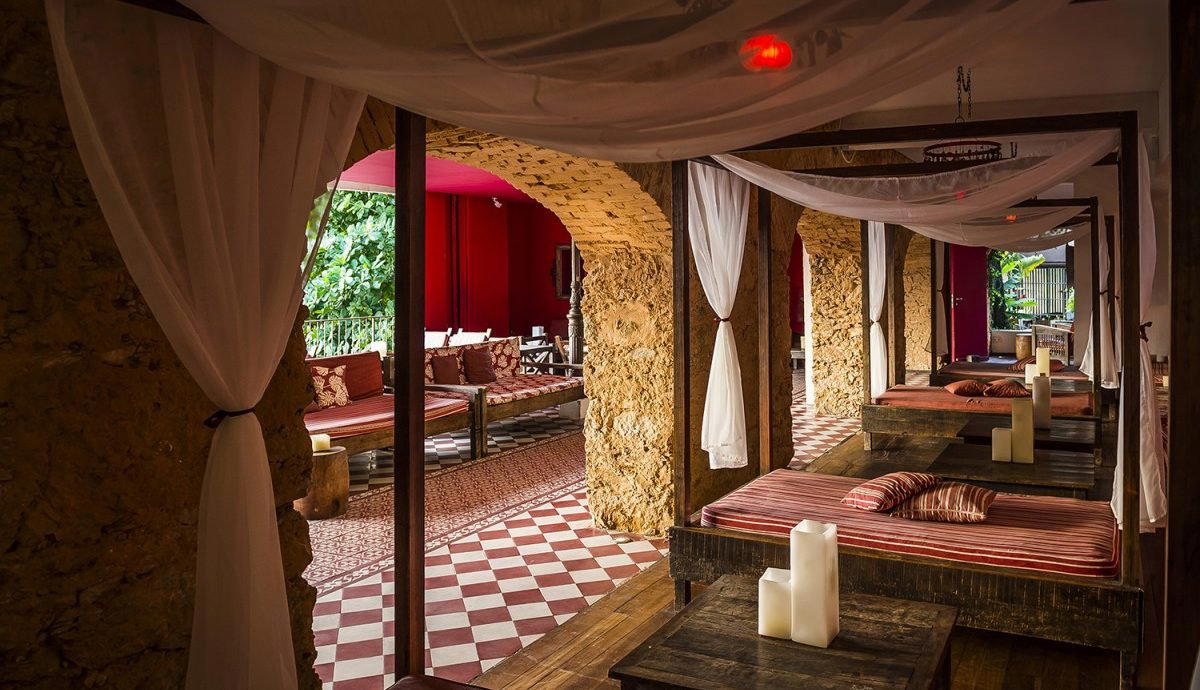
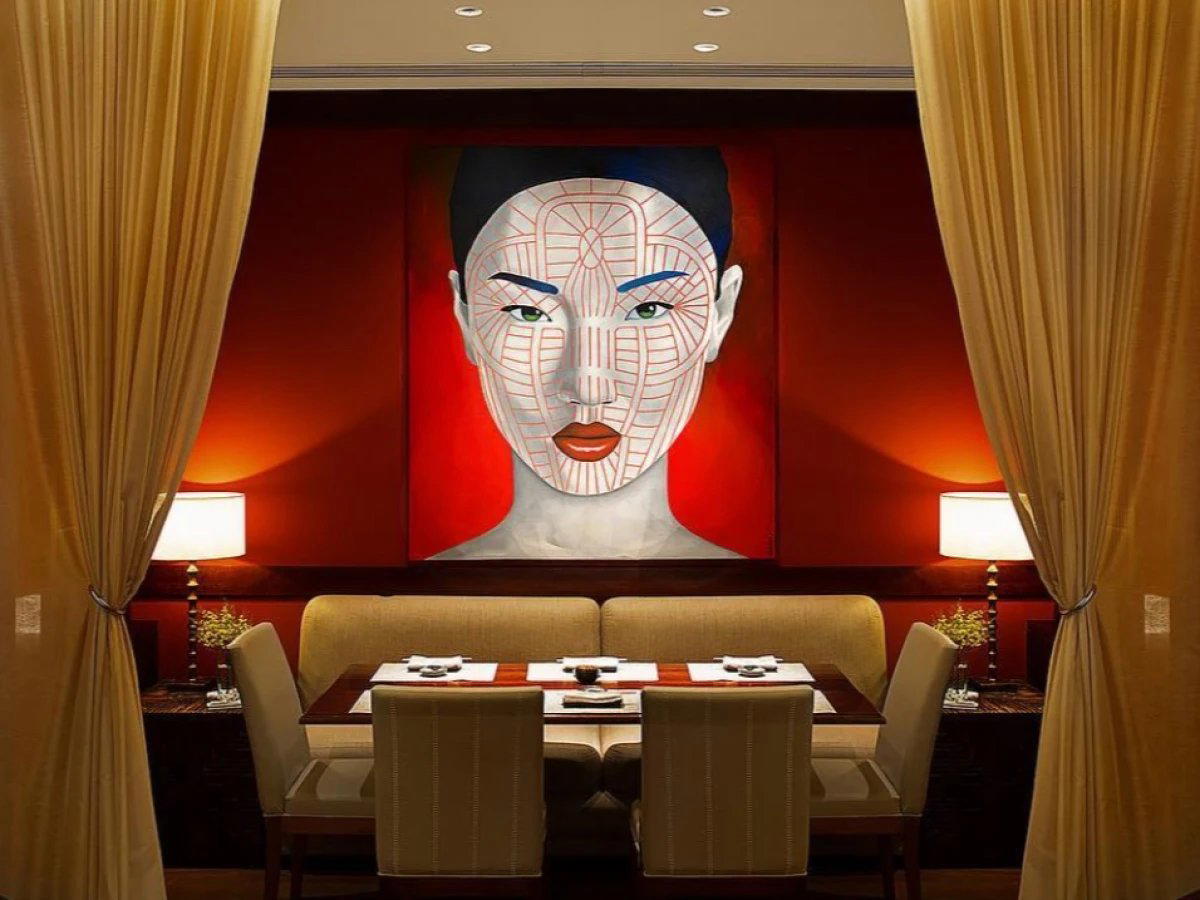
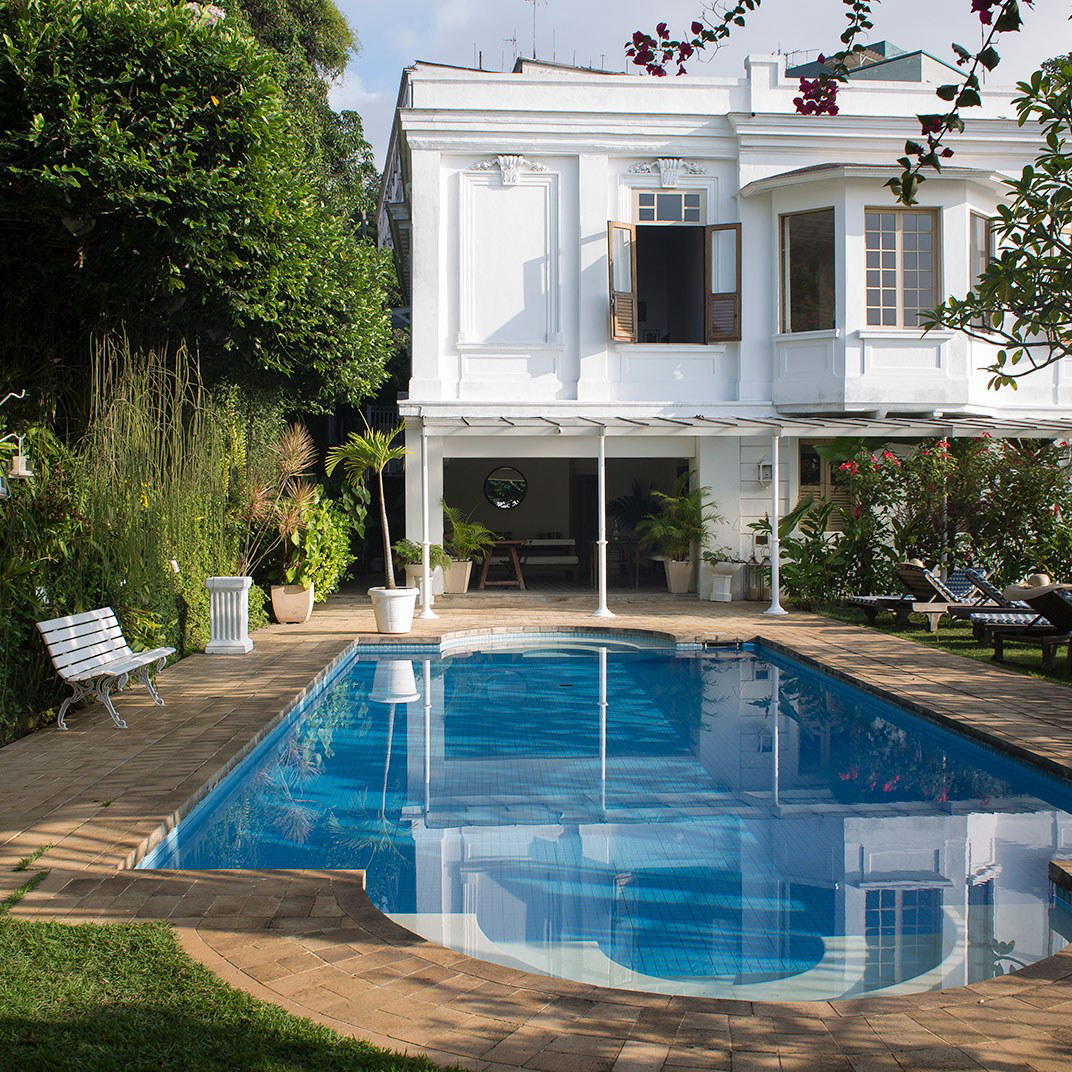
The address places it in Centro Niterói, a district of administrative buildings and commuter corridors where most restaurants function around the midday trade. That context points toward a practical, daytime-oriented setting rather than a destination dining room. No décor details or seating configuration are currently documented for the venue.
Where exactly is Gruta de Santo Antônio in Niterói and how do you get there?
The venue is at R. Silva Jardim, 148, Centro, Niterói, RJ 24030-005, in the administrative core of the city. Centro Niterói is directly accessible from Rio de Janeiro via the ferry crossing to Niterói's terminal or via the Presidente Costa e Silva bridge, with the address reachable by local bus or rideshare from either arrival point.
What's the signature dish at Gruta de Santo Antônio?
No menu, tasting notes, or signature dish have been published in any available record for Gruta de Santo Antônio. Rio de Janeiro state kitchens in this type of Centro district typically draw from the state's coastal fish, lowland shellfish, and Serra fluminense produce, but nothing venue-specific can be confirmed without current documentation.
Where exactly is Gruta de Santo Antônio?
Gruta de Santo Antônio is located at R. Silva Jardim, 148 - Centro, Niterói - RJ, 24030-005, Brazil, Niteroi.
Do they take walk-ins at Gruta de Santo Antônio?
No booking policy is documented for Gruta de Santo Antônio. Restaurants operating in Centro Niterói's lunch-trade circuit commonly accommodate walk-ins during midday service, but this can change for this address at R. Silva Jardim, 148. No phone number or website is currently listed to check in advance. Check the venue's official channels for the latest details.
What has Gruta de Santo Antônio built its reputation on?
Gruta de Santo Antônio does not appear in major award databases and carries no documented star rating or published chef name, which places it outside the formal recognition circuit. Its standing in Centro Niterói appears to rest on local, neighbourhood-level presence rather than editorial or competitive credentials. That profile is consistent with working-district restaurants that sustain through regular trade rather than destination-dining attention.
Fast Comparison
Comparable venues nearby, for context on price, style, and recognition.
| Venue | Cuisine | Price | Notes |
|---|---|---|---|
| Gruta de Santo AntônioThis venue (the venue you are viewing) | Traditional Portuguese Seafood | $50–100 | Not listed |
| Restaurante Guacamole Taqueria - Niterói | Mexican Taqueria | $10–20 | Icaraí |
| Olympe | French-Brazilian Fine Dining | $100–150 | Humaitá |
| Fogo de Chão | Brazilian Churrasco Steakhouse | $50–100 | Botafogo |
| Bráz | Pizza Paulistana | $20–30 | Jardim Botânico |
| Celeiro | Organic Brazilian Buffet | $20–30 | Leblon |
Continue exploring
More in Niteroi
Restaurants in Niteroi
All restaurants in Niteroi →

Bars in Niteroi
Browse all →

Details
- Classic
- Elegant
- Intimate
- Rustic
- Business Dinner
- Group Dining
- Family
- Special Occasion
- Standalone
- Historic Building
- Extensive Wine List
- Beer Program
- Local Sourcing
- Sustainable Seafood
- A La Carte
- Family Style
- Portuguese Wine
- Beer
- Pescatarian Friendly
Current opening hours
- Monday
- 11:30 AM–4 PM
- Tuesday
- 11:30 AM–4 PM
- Wednesday
- 11:30 AM–4 PM
- Thursday
- 11:30 AM–4 PM
- Friday
- 11:30 AM–4 PM
- Saturday
- 11:30 AM–4 PM
- Sunday
- 11:30 AM–4 PM
Hours can change for holidays and private events. Hours as of .
Warm, welcoming family atmosphere with traditional Portuguese decor; intimate setting near the historic fish market area with personal attention from the owner.