Cuisino
Cuisino sits at the Kleßheim address in Wals-Siezenheim, a locality that places it within easy reach of Salzburg's western edge and the broader Salzburger Land dining circuit. The venue occupies a distinct position in a region where Austrian hospitality traditions run deep and the sourcing of local Alpine produce shapes menus across price tiers. For context on how Cuisino fits the wider scene, our full Wals Siezenheim restaurants guide sets out the competitive picture.
Pearl is the En Primeur Club membership app — saves, bookings, and concierge access live there. Same editors, same standards.
- Address
- Kleßheim 1, 5071 Wals, Austria
- Phone
- +436628544550
- Website
- casinos.at
- Directions
- Get directions
 Saves & bookings on Pearl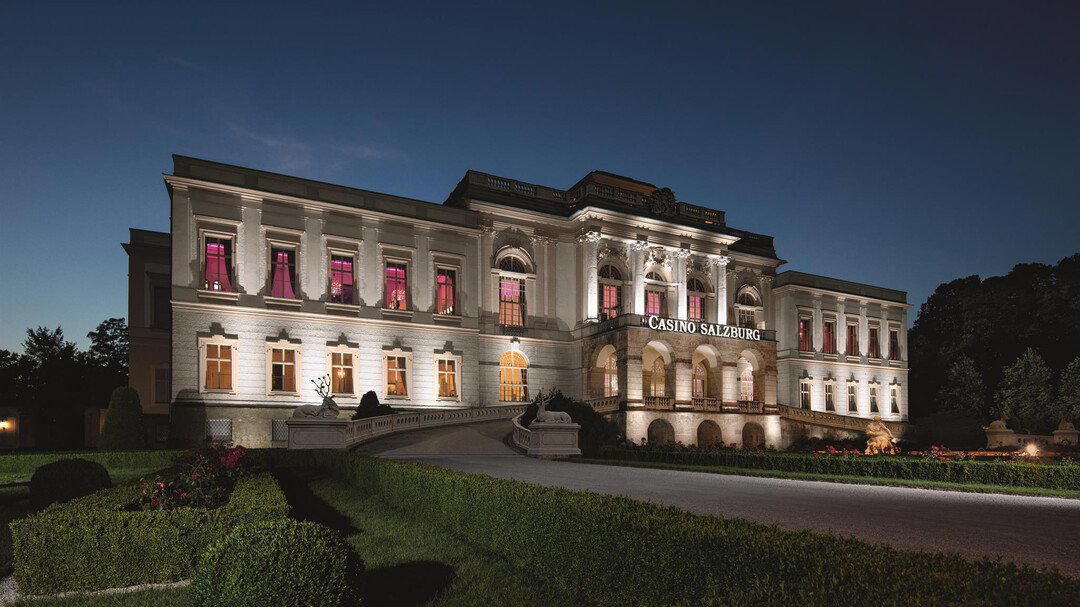
The Setting: Kleßheim and the Context It Creates
Cuisino is a restaurant in Wals, Austria, serving Modern Austrian & International cuisine. The road to Kleßheim 1 runs through a corner of greater Salzburg that most visitors pass without stopping. Wals-Siezenheim sits on the city's western fringe, administratively separate but functionally linked to Salzburg's cultural and gastronomic orbit. Arriving at the Kleßheim address, the surrounding landscape carries the character of the Salzburger Flachgau: flat agricultural land giving way to the first ridges of the Alps, with the kind of proximity to farmland and dairy country that shapes what serious Austrian kitchens can put on the plate. That geography is not incidental. In the broader Austrian restaurant context, where sourcing from the immediate region has become a defining credential for kitchens operating above the mid-market tier, a Kleßheim address carries implicit promise about what the larder looks like.
Cuisino operates in a region where the competition for serious dining is substantive. Within the Salzburg corridor, kitchens like Ikarus in Salzburg have built international reputations, while the wider Salzburger Land circuit extends to Obauer in Werfen and Döllerer in Golling an der Salzach, both of which have defined what contemporary Alpine cooking looks like at the leading end. Cuisino's local peers in Wals-Siezenheim include Gruenauerhof and Walserwirt, each with their own relationship to the area's traditions.
Ingredient Sourcing in the Salzburger Land Tradition
Austrian fine dining has, over the past two decades, undergone a significant shift in how sourcing is framed and communicated. Where earlier generations of Austrian Gasthäuser and formal restaurants leaned on classical French technique as their primary credential, today's most discussed Austrian kitchens position regional provenance as the core argument. The conversation started at the leading: Steirereck im Stadtpark in Vienna built its reputation in part on an obsessive attention to Austrian producers, from freshwater fish sourced from named waterways to vegetables grown to specification. That influence has filtered outward across the country's restaurant culture.
In the Salzburg region specifically, the sourcing argument has a particular physical logic. The Flachgau's dairy farms supply milk and cheese that carry genuine terroir variation depending on whether cattle graze lowland pasture or are driven to higher summer Almen. The Salzach river and its tributaries have historically supported freshwater fish populations, and the Alpine foraging tradition, now formalised in many restaurant kitchens through relationships with specialist suppliers, produces herbs, mushrooms, and berries that appear in the cooking of kitchens from Werfen to Lech. Venues like Kräuterreich by Vitus Winkler in Sankt Veit im Pongau have made this herb-forward Alpine sourcing into a signature that reads clearly at the plate. Griggeler Stuba in Lech and Gourmetrestaurant Tannenhof in Sankt Anton am Arlberg reflect similar regional sourcing priorities in the western Austrian Alpenraum.
For a kitchen at Kleßheim, the access to this supply network is structural rather than aspirational. The question for any serious restaurant in this location is less whether local ingredients are available and more how deliberately the kitchen builds its identity around them, and how far that sourcing discipline extends down the menu into less expensive courses where shortcuts are easier to take.
Where Cuisino Sits in the Austrian Restaurant Spectrum
Austria's restaurant culture has a relatively defined structure at the upper end. A handful of kitchens in Vienna and in the major regional centers hold Michelin recognition, while a larger cohort of serious regional restaurants operates just below that tier, often with stronger local reputations than their international profiles would suggest. Landhaus Bacher in Mautern an der Donau and Taubenkobel in Schützen am Gebirge represent this regional seriousness, as does Ois in Neufelden further north. In the mountain resort context, Stüva in Ischgl demonstrates how Alpine settings can support cooking that competes with urban fine dining benchmarks.
Cuisino's position within this spectrum is not fully defined by available public data, which means any comparative ranking would be speculative. What the Kleßheim address suggests is a venue that operates within the Salzburg metropolitan catchment area, drawing guests from the city as well as from visitors to the wider region. That catchment includes a travelling audience familiar with the kind of cooking on offer at kitchens with international recognition, including destinations well outside Austria. Venues like Le Bernardin in New York City and Lazy Bear in San Francisco represent the kind of benchmark that internationally mobile diners carry with them when they sit down in a regional European restaurant. That context shapes expectations even in a locality as specific as Wals-Siezenheim.
The Austrian fine dining segment has also been shaped by the emergence of kitchens that combine classical discipline with a clear regional identity, rather than defaulting to French technique as the default reference point. Restaurant 141 by Joachim Jaud in Mieming and Schwarzer Adler in Hall in Tirol reflect this broader shift toward kitchens that are legible as specifically Austrian rather than generically European.
Planning a Visit
Cuisino is located at Kleßheim 1, 5071 Wals, Austria, a short drive from Salzburg's city centre and accessible from the motorway network that connects the city to Munich and to the Alpine resort towns to the south. Visitors arriving from Salzburg by car should allow roughly ten to fifteen minutes depending on traffic conditions near the city's western edge. The Kleßheim area, known in part for the Baroque palace grounds nearby, is most easily reached by private transport; public connections from central Salzburg exist but require a transfer. Reservations are recommended, and Cuisino is open Wednesday through Sunday from 5 to 10 PM.
Comparable Venues
Comparable venues nearby, for context on price, style, and recognition.
| Venue | Cuisine | Price | Notes |
|---|---|---|---|
| CuisinoThis venue — the venue you are viewing | Modern Austrian & International | $$$ | Not listed |
| Walserwirt | Traditional Austrian | $$ | Wals-Siezenheim |
| Gruenauerhof | Traditional Austrian with Modern Influences | $$$ | Wals-Siezenheim |
| ARX Restaurant | Modern Austrian with Experimental Twists | $$$ | Rohrmoos-Untertal |
| Restaurant Panorama | Modern Regional Austrian Fine Dining | $$$ | Obertauern |
| Walter Restaurant | Austrian Grill & Burgers | $$ | Gröbming |
Continue exploring
More in Wals Siezenheim
Restaurants in Wals Siezenheim
Browse all →
Bars in Wals Siezenheim
Browse all →
At a Glance
- Elegant
- Sophisticated
- Classic
- Special Occasion
- Business Dinner
- Historic Building
- Hotel Restaurant
Current opening hours
- Monday
- Closed
- Tuesday
- Closed
- Wednesday
- 5–10 PM
- Thursday
- 5–10 PM
- Friday
- 5–10 PM
- Saturday
- 5–10 PM
- Sunday
- 5–10 PM
Hours can change for holidays and private events. Last verified .
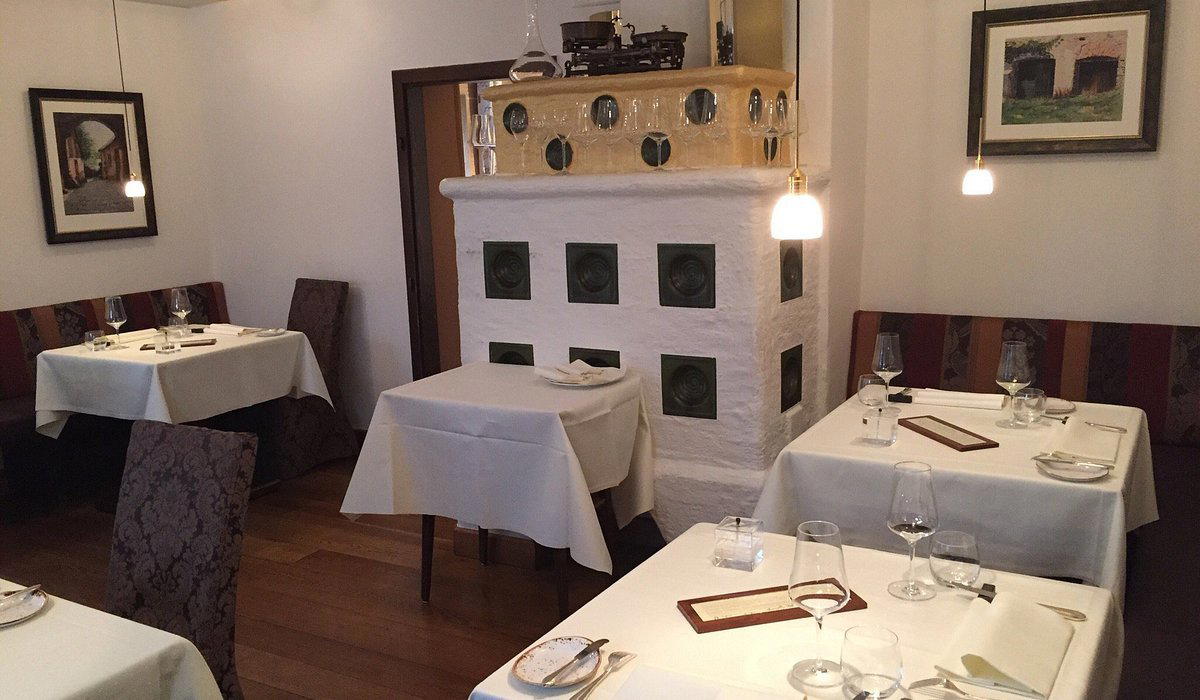
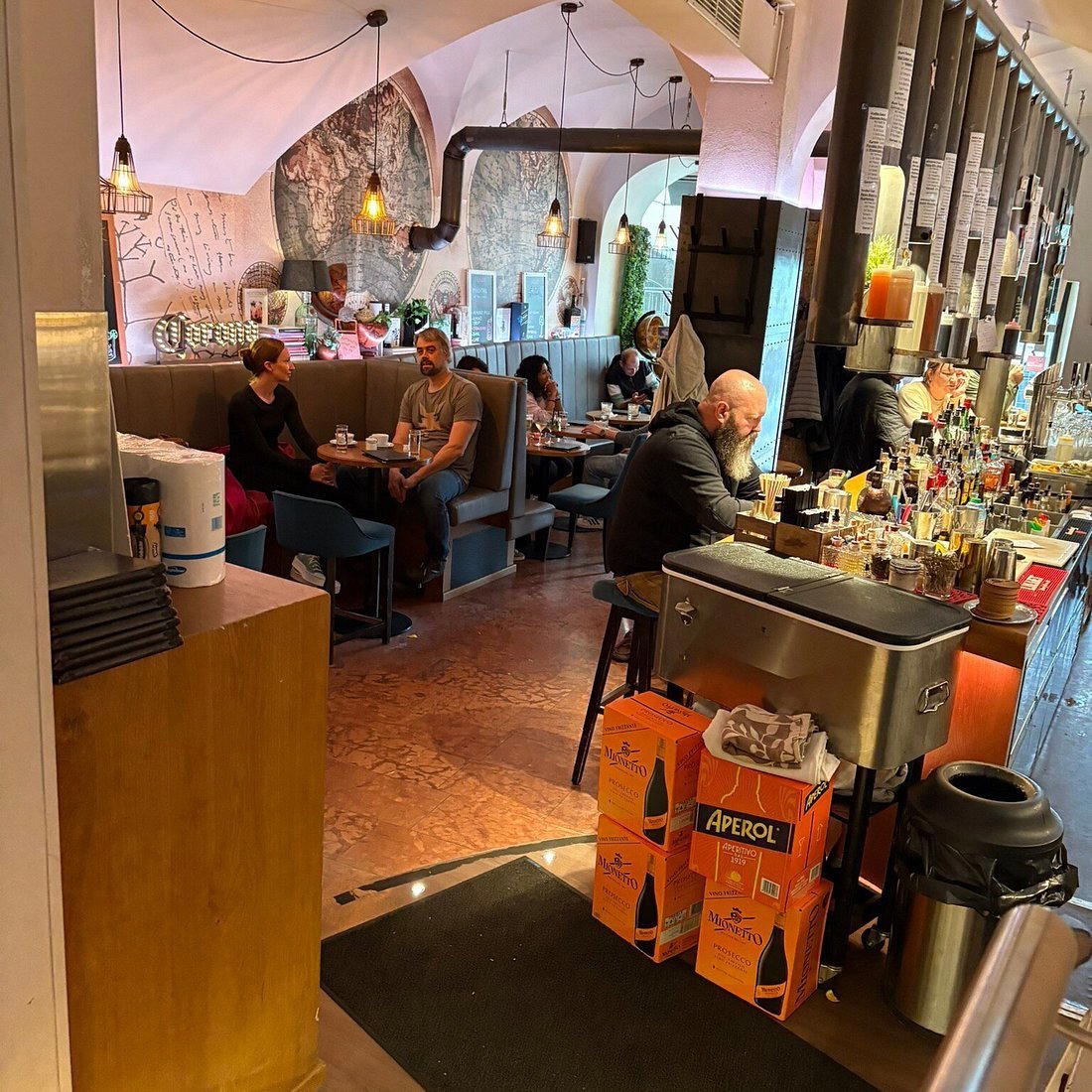
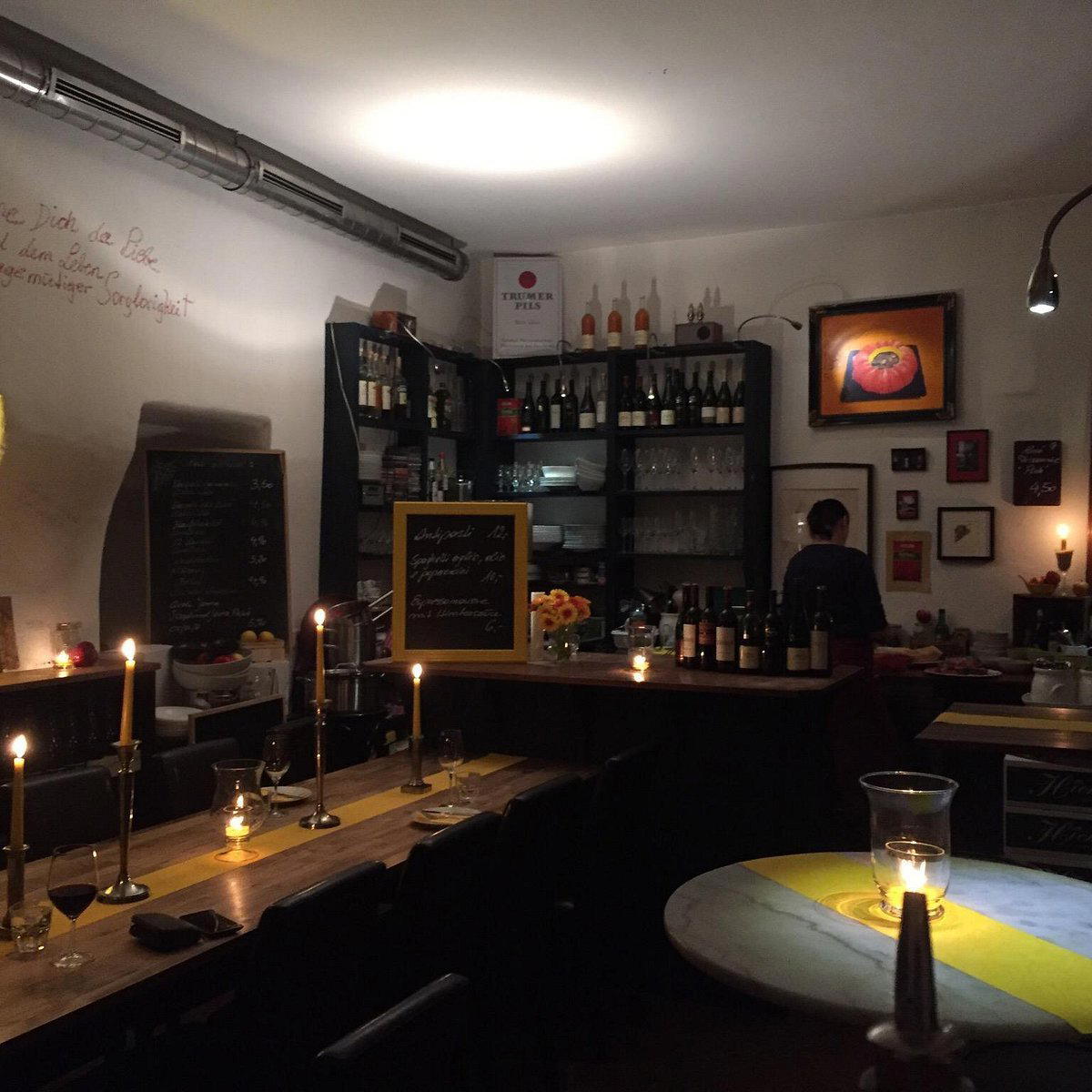
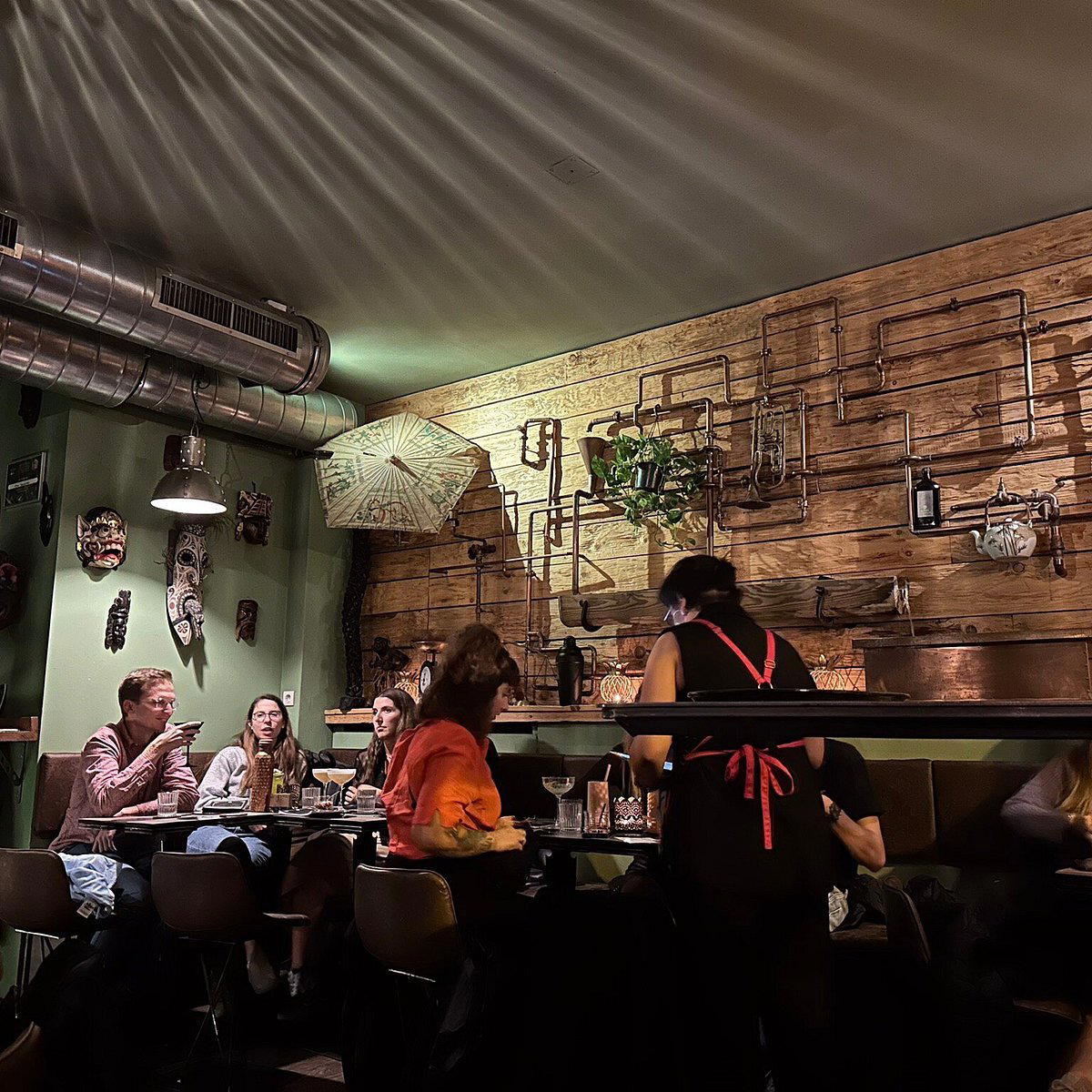
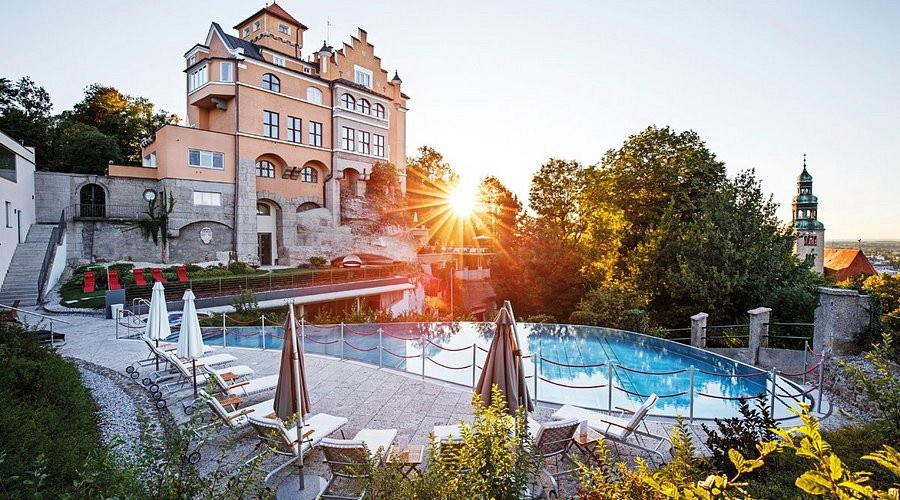
Sophisticated and elegant ambiance in a historic castle setting.