Our verdict
Grosso Napoletano brings Neapolitan pizza to Calle Amaya in central Pamplona, holding its own in a city more often associated with Navarrese pintxos and modern Spanish tasting menus. The format is direct: proper dough, sourced ingredients, and a wood-fired approach that the broader Grosso Napoletano chain has built its Spanish reputation on. For pizza in Pamplona, it occupies a specific and largely uncontested slot.

Pearl is the En Primeur Club membership app — saves, bookings, and concierge access live there. Same editors, same standards.
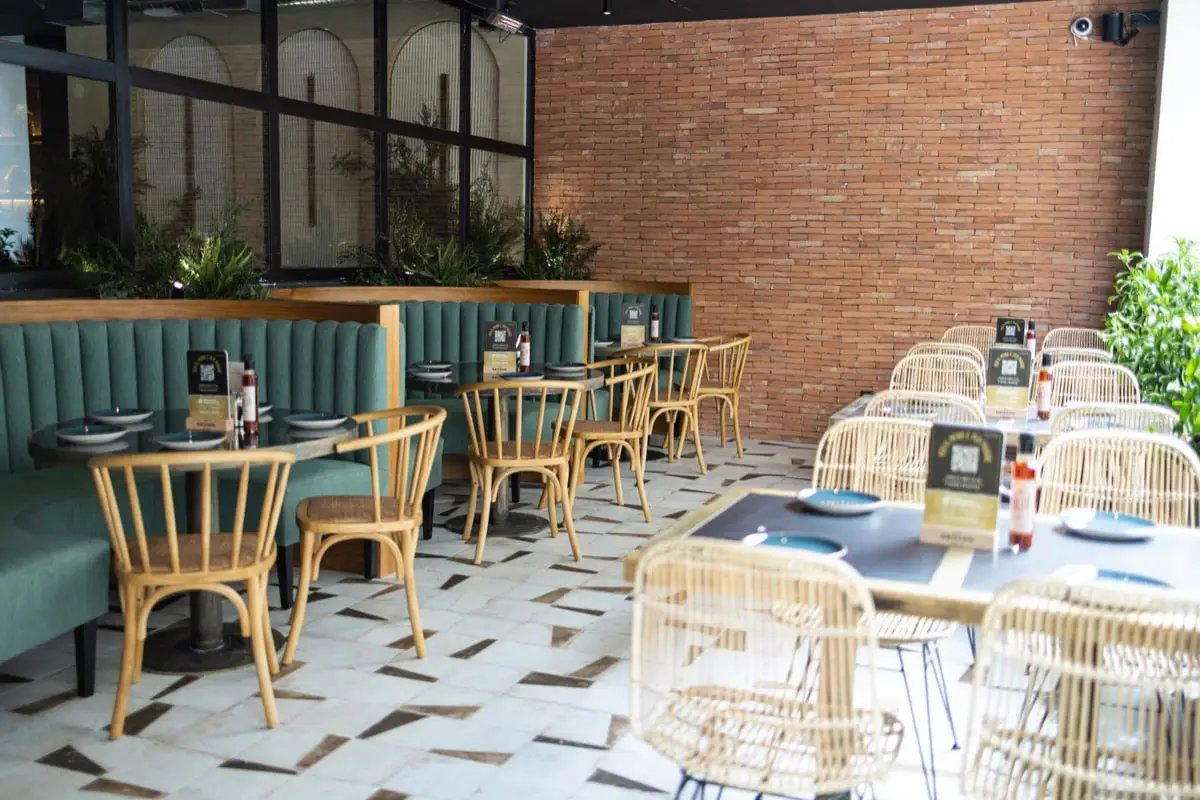
Pizza on Calle Amaya: Where Neapolitan Tradition Lands in Navarre
Pamplona's dining conversation tends to open and close with Navarrese produce. The white asparagus of the Ebro valley, the peppers of Lodosa, the lamb of the local hills: this is a city that eats what the land around it produces, and its restaurants, from the pintxo bars of the Casco Antiguo to the tasting rooms at Rodero, build their identity around that regional rootedness. Against that backdrop, a Neapolitan pizzeria on Calle Amaya reads as a deliberate counterpoint. Grosso Napoletano is not pretending to be Navarrese. It is importing a tradition from 1,500 kilometres south and east, betting that the discipline of that tradition — the specific flour, the long fermentation, the high-temperature wood-fired bake — justifies the transplant.
The street address, Calle Amaya 5, places the restaurant inside the old town's residential fringe, a few minutes from the busier pintxo corridors. The approach is quieter than the bar strips around Calle Estafeta, which during San Fermín in early July become one of Spain's most compressed pedestrian circuits. Outside festival season, Calle Amaya operates at a different register: local errands, neighbourhood lunch, a pace that suits a sit-down pizza format rather than stand-and-eat bar culture.
The Sourcing Logic Behind Neapolitan Pizza
The editorial case for Grosso Napoletano in Pamplona is really an argument about ingredient sourcing and why it matters in pizza specifically. Neapolitan pizza is among the most ingredient-sensitive formats in European cooking. The margin between a good result and a poor one comes down to a short list of variables: the protein content and milling of the flour, the live culture used in fermentation, the water temperature during mixing, the provenance of the tomatoes, the fat content and salting of the fior di latte or buffalo mozzarella, and the temperature curve of the oven. Remove any one of those variables from its correct range and the product degrades in ways that are immediately legible to anyone who has eaten the format in Naples itself.
Grosso Napoletano, as a Spanish chain with locations across Madrid and other major cities, has built its market position on controlling those variables consistently. The tomatoes sourced for the base are San Marzano-style, grown in volcanic Campanian soil that gives the sauce its characteristic low acidity. The mozzarella supply chain matters as much as any other input: the difference between ambient-temperature fior di latte pulled the same day and refrigerated product shipped cross-country shows up immediately on the finished pizza. These are not marginal considerations. They are the actual product.
For Pamplona specifically, this sourcing discipline sits in interesting contrast to the local produce culture. Navarre's agricultural identity is built on appellation-level vegetables and protected-origin lamb. The city has restaurants at every price point that trade on Navarrese sourcing as a primary credential, from the Alhambra's traditional register to the contemporary reinterpretations at Kabo and Europa. Grosso Napoletano makes a different argument: that fidelity to a non-local tradition, executed with the same ingredient rigour, produces a result worth seeking out on its own terms.
Pizza in a Pintxo City: Reading the Format
Spain's relationship with pizza has historically been ambivalent. The country's bar culture and the dominance of tapas and pintxo formats created a dining rhythm that pizza, as a sit-down, full-plate format, did not naturally fit. Madrid changed that equation over the last decade. A cluster of serious Neapolitan operators arrived, imported the format with genuine fidelity to the Associazione Verace Pizza Napoletana standards, and built a customer base that understood what they were eating. Grosso Napoletano was part of that cohort.
Pamplona is a different market. The city's population of roughly 200,000 supports a dining scene that punches above its weight in the Spanish context, partly because of proximity to the Basque Country and its food culture, partly because the festival calendar generates significant visitor spend, and partly because Navarrese produce gives local chefs a genuinely strong raw material base. But the city has not historically been a destination for Italian formats the way Madrid or Barcelona have. Grosso Napoletano's presence on Calle Amaya is a bet that the appetite for properly made Neapolitan pizza has diffused far enough through Spain's food culture to sustain the format in a mid-sized regional capital.
The comparison set in Pamplona for this kind of casual sit-down dining runs through venues like Bar Gorriti at the informal end and toward the lower price tier of the contemporary Spanish operators. Grosso Napoletano occupies the middle of that range, offering a format that is more structured than pintxo grazing but less formal than the tasting menus at Pamplona's upper tier. For the broader Spanish fine dining context, the city sits within reach of some of the most decorated kitchens in Europe: Arzak in San Sebastián, Martin Berasategui in Lasarte-Oria, and Azurmendi in Larrabetzu are all within two hours. That regional constellation means Pamplona diners are generally well-calibrated for quality, which raises the bar for any format claiming to do something specific well.
Planning a Visit
Grosso Napoletano sits at Calle Amaya 5, in Pamplona's old town, walkable from the central Plaza del Castillo and the main pintxo streets. The format is a casual sit-down pizzeria, which means weekday lunches tend to be more accessible than weekend evenings or any period during San Fermín (the first two weeks of July), when central Pamplona's capacity constraints apply across the board. Visitors planning around the festival should factor in significantly reduced table availability across the entire old town. Outside that window, the restaurant operates on the rhythm of a neighbourhood dining room rather than a tourist-circuit venue. For broader context on where this fits in Pamplona's dining picture, our full Pamplona restaurants guide maps the city's options from pintxo bars to the modern Spanish register.
For those building a wider Spanish itinerary around serious eating, the country's reference points span from El Celler de Can Roca in Girona and DiverXO in Madrid to coastal operators like Aponiente in El Puerto de Santa María and Quique Dacosta in Dénia. Further afield, Mugaritz in Errenteria, Ricard Camarena in València, and Cocina Hermanos Torres in Barcelona complete a picture of Spain's contemporary range. Internationally, Le Bernardin in New York City and Atomix in New York City represent the kind of ingredient-rigour-at-scale approach that Grosso Napoletano, in its more casual register, also claims as its operating principle.
Frequently asked questions
What's the address for Grosso Napoletano?
Grosso Napoletano is located at C. Amaya, 5, 31002 Pamplona, Navarra, Spain, Pamplona.
Is Grosso Napoletano in Pamplona part of a larger Spanish chain, and does that affect quality?
Grosso Napoletano operates multiple locations across Spain, which raises a fair question about standardisation versus local adaptation. The brand's model is built on centralised sourcing of Neapolitan-specification ingredients — the same Italian flour and San Marzano tomato supply used across sites — rather than local improvisation. For the Pamplona old town location on Calle Amaya 5, that means the pizza quality benchmark is set by the chain's sourcing discipline, not by a single chef's interpretation.
What do people recommend at Grosso Napoletano?
Grosso Napoletano is a Neapolitan pizza specialist, so the pizza is the central reason to visit. The chain has built its reputation across Spain on adherence to Neapolitan sourcing standards — imported Italian flour, San Marzano tomatoes, and fior di latte — which means the dough-forward classics tend to be what returning guests point to. Specific current menu items are best confirmed directly at the Calle Amaya 5 location.
Do they take walk-ins at Grosso Napoletano?
Walk-in policy varies by time and day at the Pamplona location on Calle Amaya 5. As a sit-down pizza restaurant in Pamplona's old town, weekday lunches typically allow more flexibility than Friday or Saturday evenings, particularly during the city's busier seasons. Confirming ahead via the venue directly is advisable if your schedule is fixed.
What's Grosso Napoletano best at?
The format is focused: this is a Neapolitan pizza operation, not a broad Italian menu. Grosso Napoletano's strongest claim across its Spanish locations is consistency in dough quality — high-hydration, wood-fired preparation aligned with Neapolitan convention. In Pamplona, that focus sits in deliberate contrast to the surrounding pintxo and Navarrese produce culture, which gives the offer a clear identity.
How does Grosso Napoletano handle allergies?
Grosso Napoletano's pizza format does centre on wheat-based dough, which is relevant for gluten sensitivities. Contacting the Calle Amaya 5 location directly before visiting is the reliable step for anyone with dietary requirements.
Is Grosso Napoletano overpriced or worth every penny?
Pricing data for the Pamplona location has not been published in verifiable sources. Grosso Napoletano positions itself as a quality Neapolitan pizza operator — the sourcing argument (Italian imports, traditional flour and tomato specifications) typically places it above fast-casual pizza on price. Whether that premium is proportionate depends on how seriously you weight ingredient provenance in a pizza context.
Quick Comparison
Comparable venues nearby, for context on price, style, and recognition.
| Venue | Cuisine | Price | Awards | Notes |
|---|---|---|---|---|
| Grosso NapoletanoThis venue — the venue you are viewing | Authentic Neapolitan Pizza | $20–30 | Not listed | Not listed |
| Udon | Japanese Ramen & Noodle House | $20–30 | Not listed | Centro (Pamplona) |
| Café Iruña | Traditional Spanish Tapas & Café | $20–30 | Not listed | Plaza del Castillo |
| Churreria The Mañueta | Traditional Spanish Churros | Not listed | Not listed | historic district |
| Snob Cocktail&Food | Modern Spanish Tapas & Cocktails | Not listed | Guía Repsol 1 Sol | Buztintxuri |
| Baserriberri | Modern Basque Tapas & Pintxos | $30–50 | Macarfi 7.5 Food Rating · Guía Repsol 1 Sol | Casco Antiguo |
Continue exploring
More in Pamplona
Restaurants in Pamplona
All restaurants in Pamplona →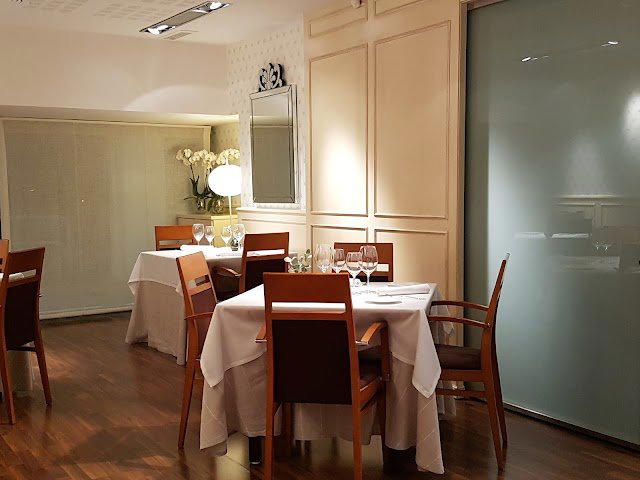
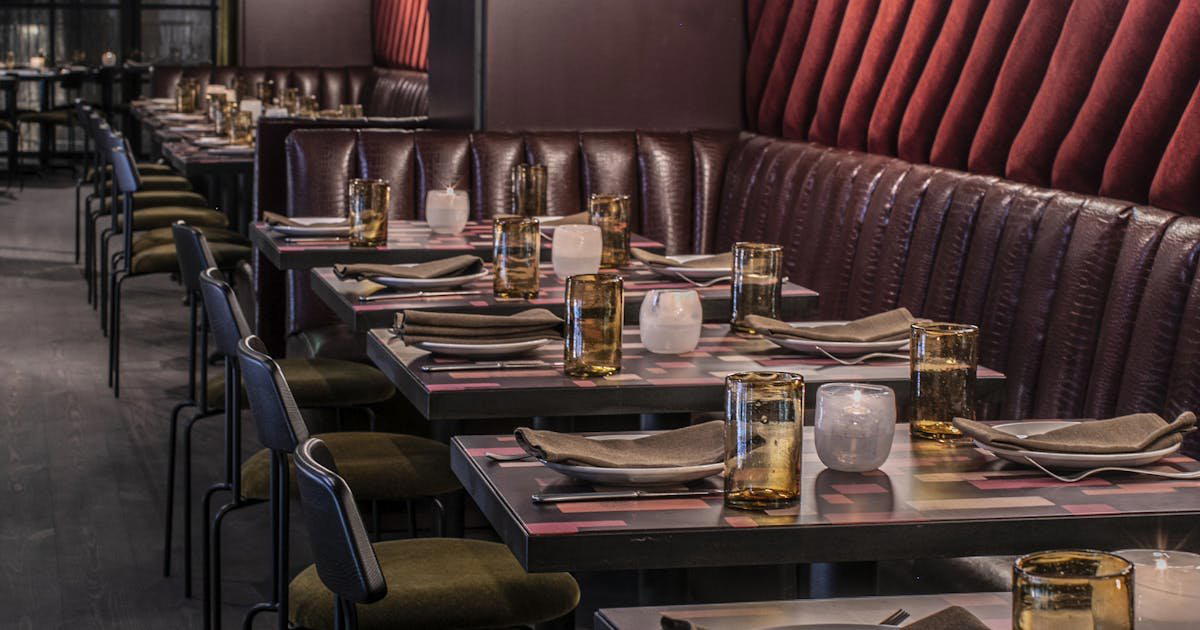
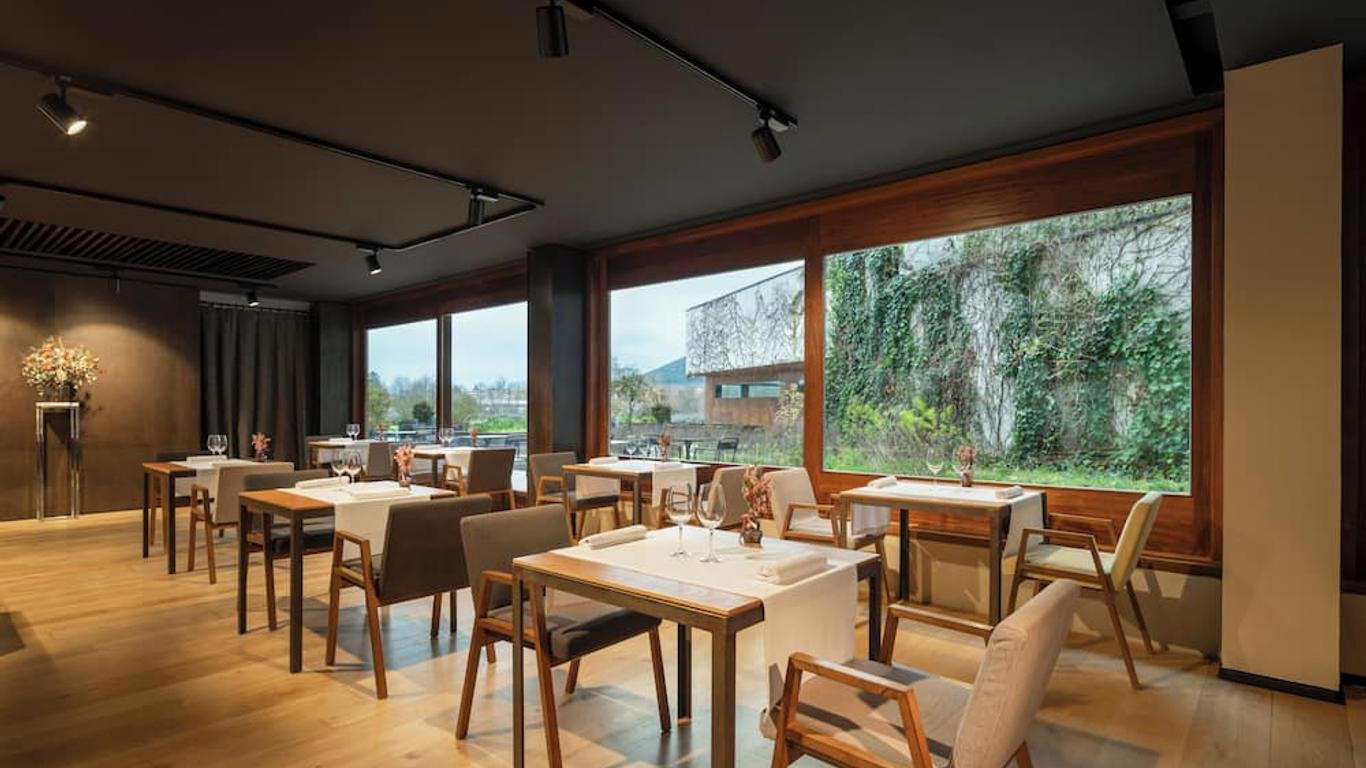
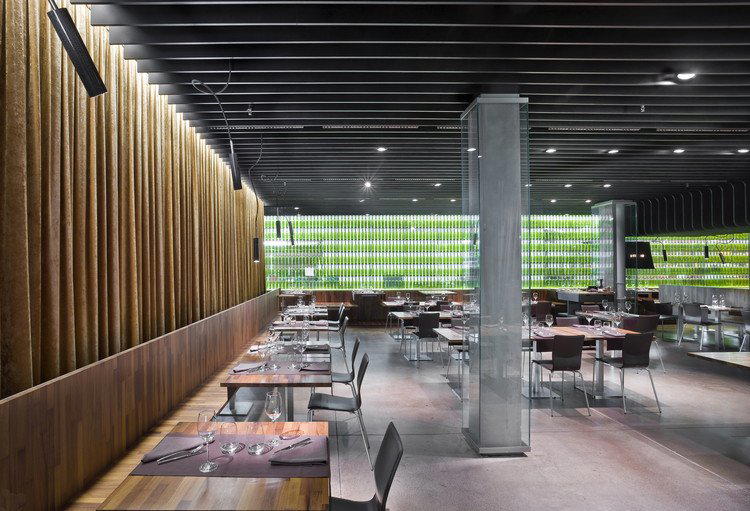
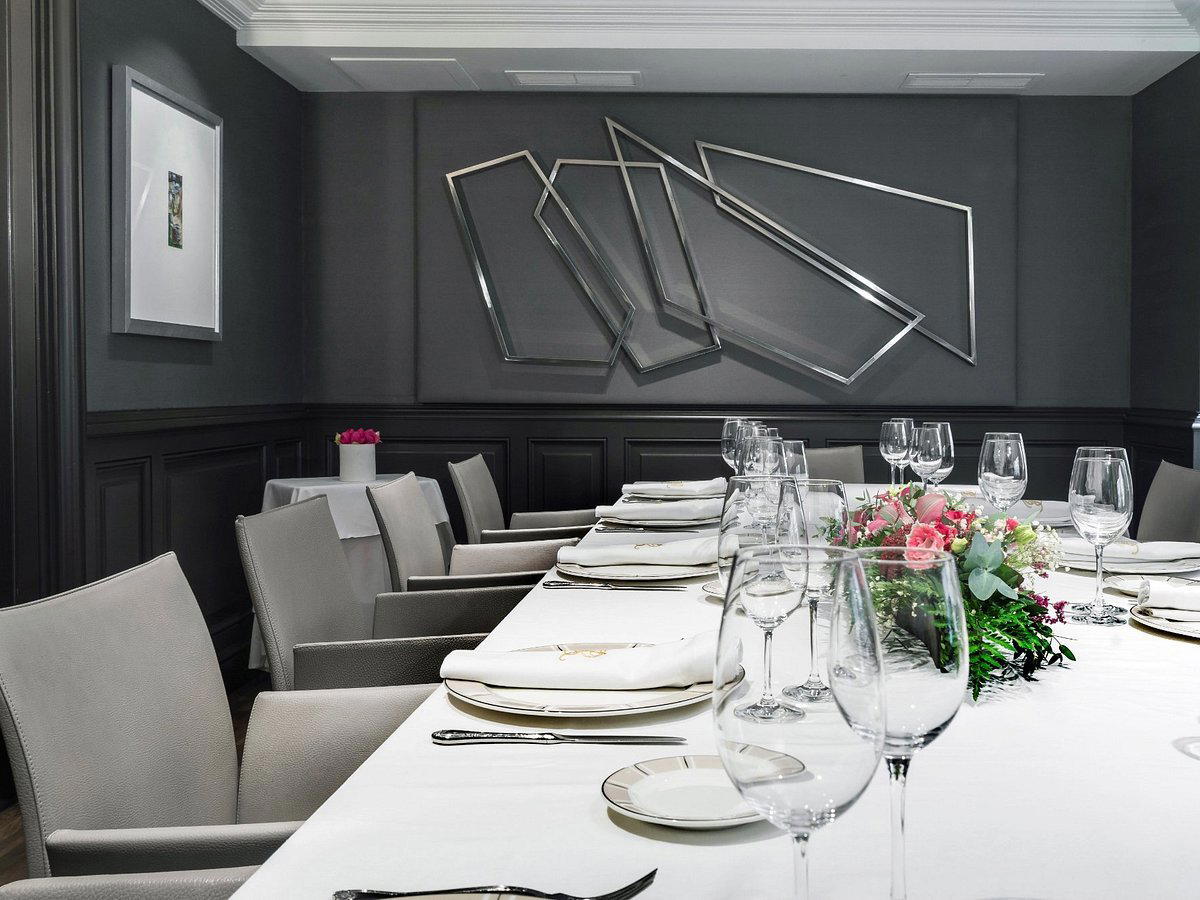
Bars in Pamplona
All bars in Pamplona →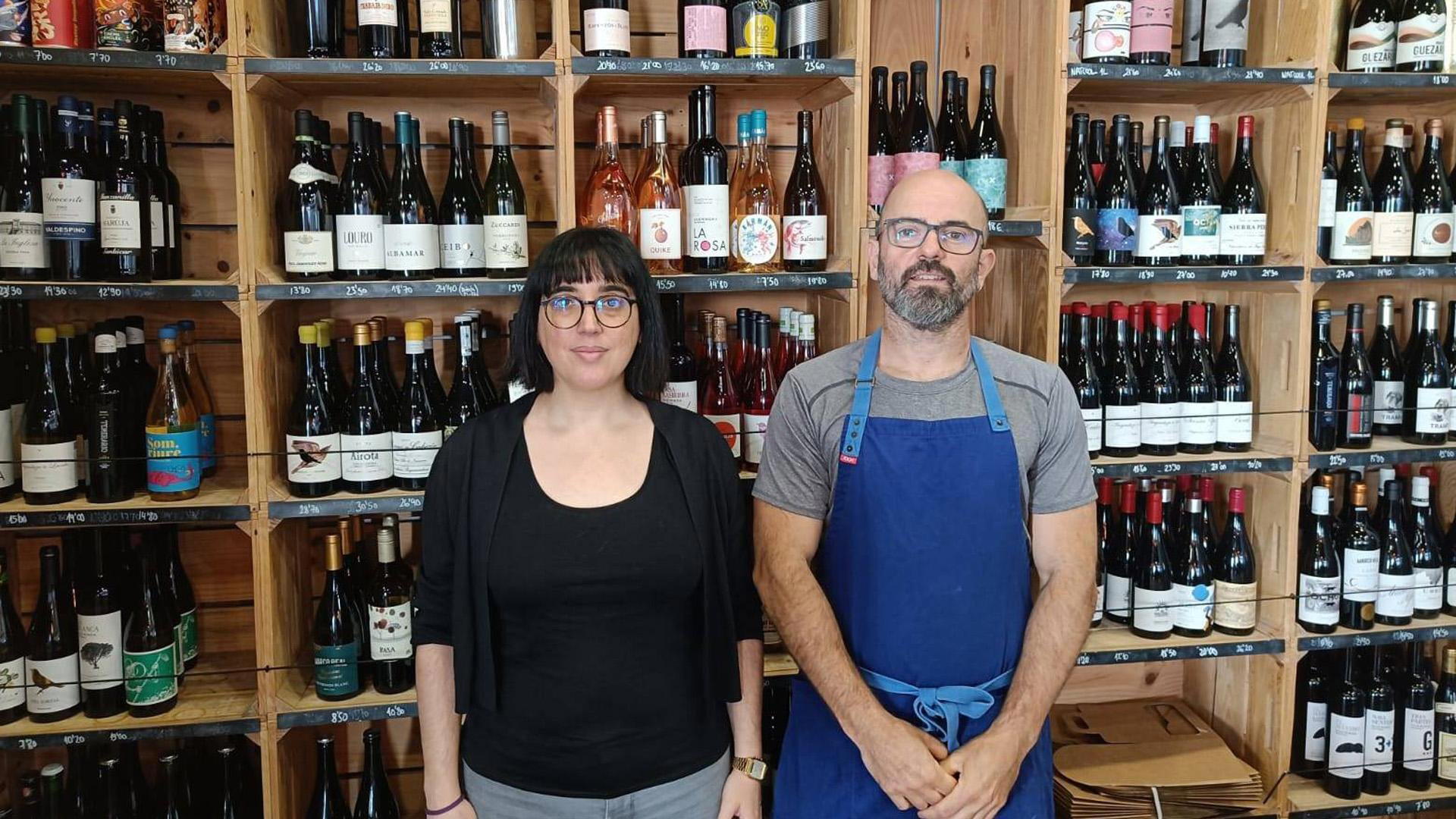
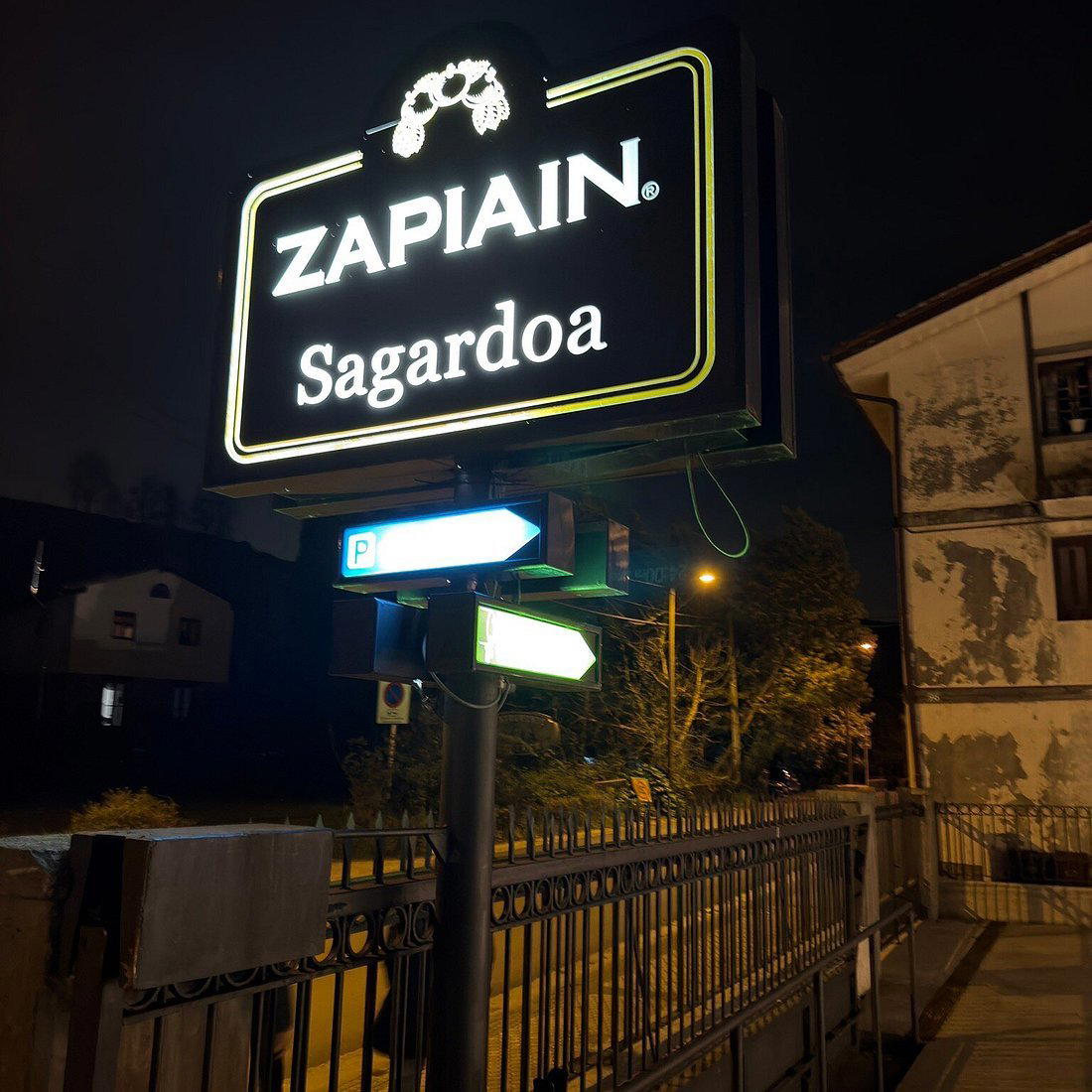




Grosso Napoletano
The wine
- Wine program
- Curated wine list
- Extensive wine list
Details
- Lively
- Industrial
- Trendy
- Casual Hangout
- Group Dining
- Family
- Open Kitchen
- Extensive Wine List
- Local Sourcing
- A La Carte
- Wine
- Cocktails
- Vegetarian Friendly
- Gluten Free Options
Current opening hours
- Monday
- 1–4 PM, 7:30–11 PM
- Tuesday
- 1–4 PM, 7:30–11 PM
- Wednesday
- 1–4 PM, 7:30–11 PM
- Thursday
- 1–4 PM, 7:30–11 PM
- Friday
- 1 PM–12 AM
- Saturday
- 1 PM–12 AM
- Sunday
- 1–11:30 PM
Hours can change for holidays and private events. Last verified .
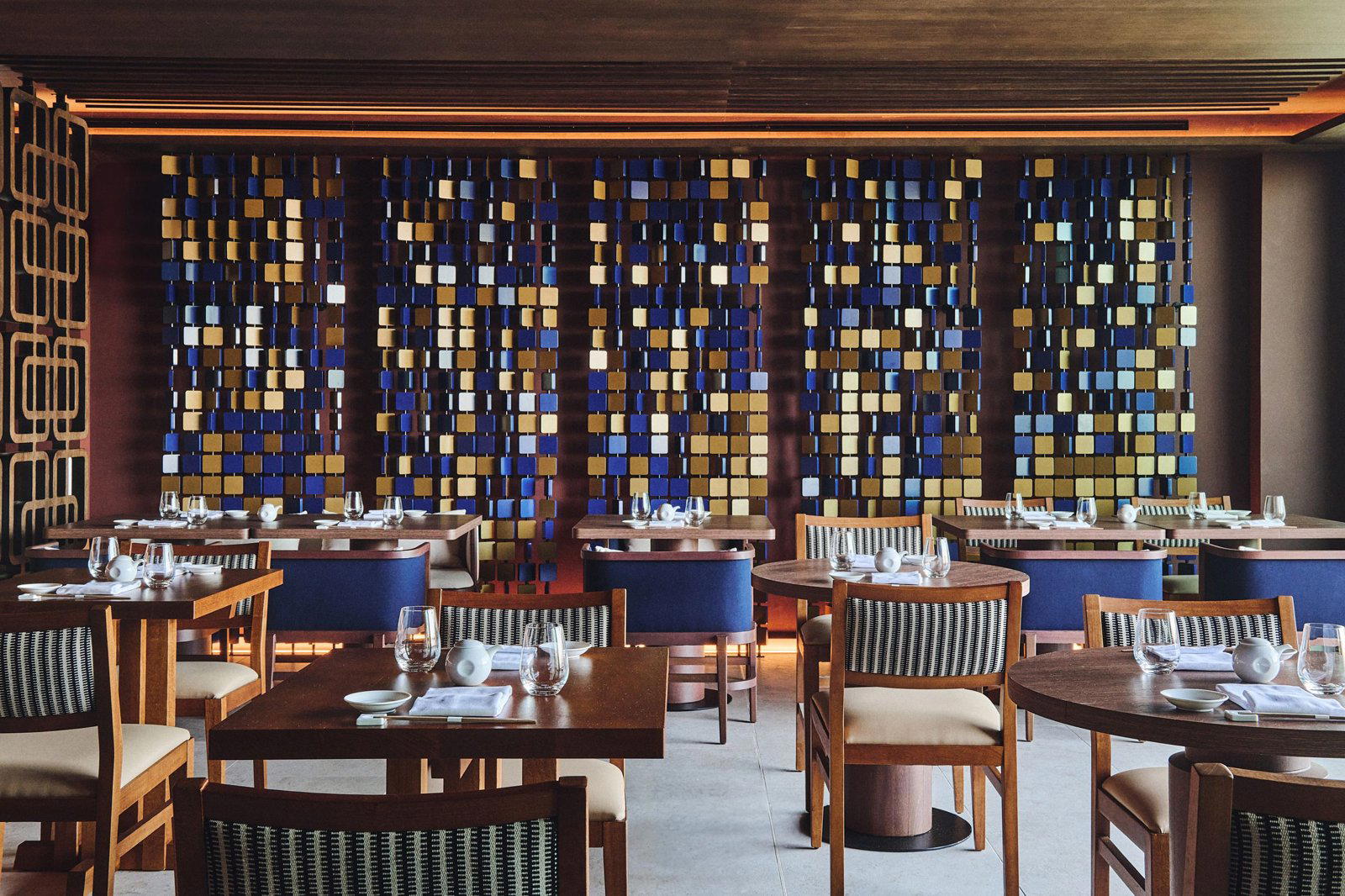
Simple décor with industrial and New York-style touches, offering a lively and lively atmosphere.