Amass

Amass occupied a former industrial site on Refshalevej, Copenhagen's post-industrial harbour fringe, and became one of the city's most discussed addresses for organic, waste-conscious Nordic cooking. Chef Matt Orlando, formerly of Noma, Per Se, Le Bernardin, and The Fat Duck, built a kitchen where 90 to 100% of ingredients were certified organic and an on-site garden supplied more than 80 plant varieties daily. The restaurant is now permanently closed.
- Address
- Refshalevej 154, 1432 Copenhagen, Denmark
- Website
- amassrestaurant.com
- Directions
- Get directions
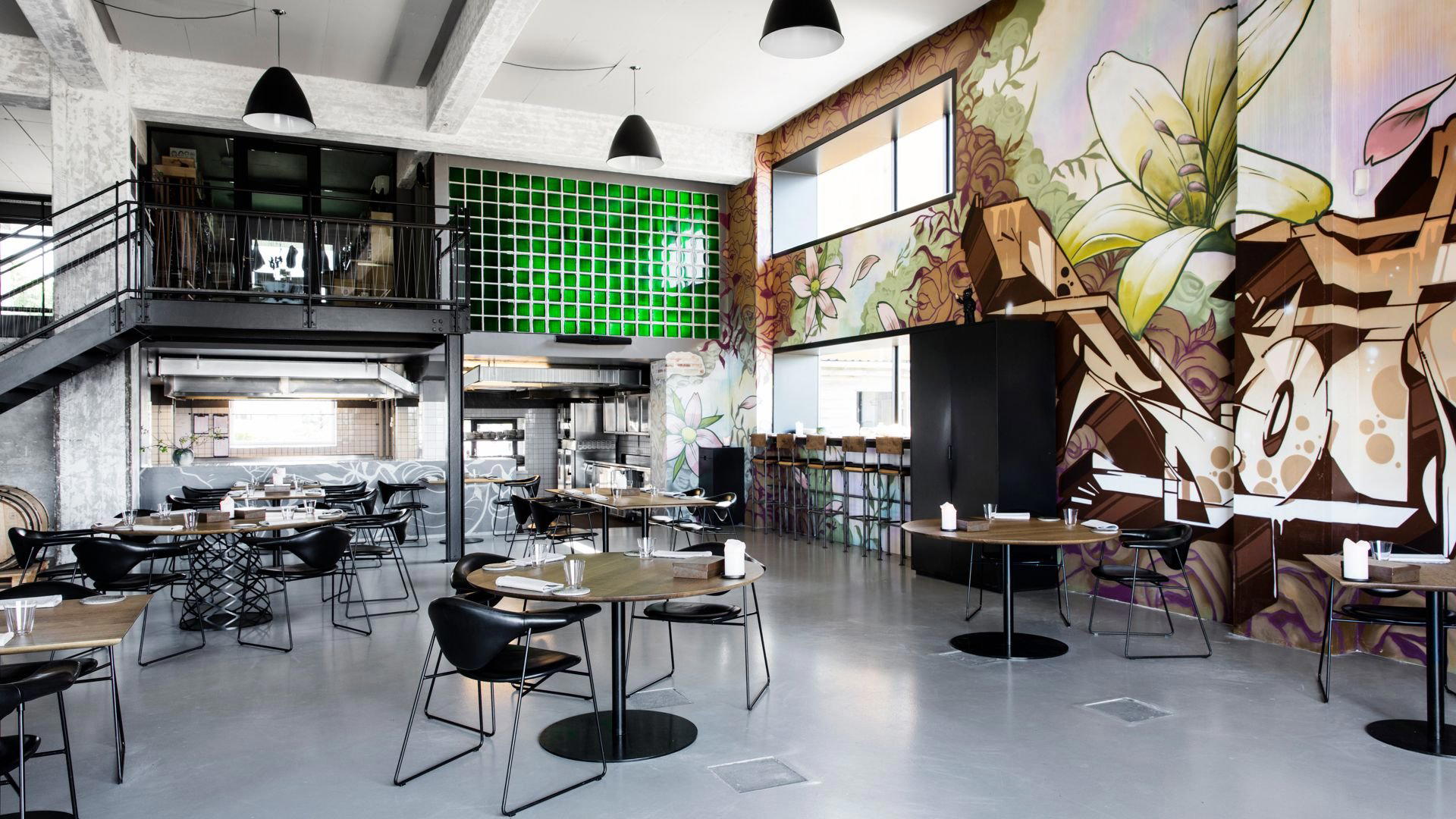
Copenhagen's Harbour Fringe and the Kitchen That Pushed Nordic Further
The walk to Amass told you something before you arrived. Refshalevej, a long, flat road running along Copenhagen's inner harbour past shipyard relics and corrugated warehouses, is not a dining neighbourhood in any conventional sense. Reaching the address meant choosing to go there: no passing foot traffic, no adjacent attractions pulling you in another direction. That deliberateness shaped the kind of restaurant Amass became and the kind of diner it attracted. It also placed the project firmly within a particular Copenhagen tradition: serious kitchens that prioritise practice over location, and that treat the working harbour as a more honest backdrop than the polished streets of Indre By.
Amass is now permanently closed, but its run on Refshalevej left a clear mark on how Copenhagen's fine-dining community thinks about organic sourcing, by-product cookery, and the relationship between a restaurant garden and a tasting menu. Understanding what it did, and where it sat relative to its peers, remains relevant for anyone mapping the city's creative dining history or following the chefs and ideas it seeded into other kitchens.
New Nordic's Sustainability Strand: Where Amass Fit In
Copenhagen's position in global fine dining rests substantially on the New Nordic movement, which Noma catalysed in the early 2000s. That movement produced several distinct strands: fermentation-led kitchens, hyper-local foraging programmes, theatre-driven experiences like Alchemist, and precision tasting formats like Geranium. Amass occupied the sustainability strand most explicitly. Between 90 and 100 percent of its food and beverage supply was organic, a figure that moves well beyond the selective organic sourcing common across the city's top tier, and the kitchen ran a formal programme of by-product use that turned leftover walnut pulp and lemon-peel miso into components rather than waste.
That commitment put Amass in a different competitive register from neighbours like Koan or Kadeau, both of which pursue rigorous sourcing but frame it differently. Where Kadeau's identity is rooted in Bornholm's specific terroir, Amass framed its identity around reduction: reducing chemical inputs, reducing waste, reducing the gap between what the garden produced and what the kitchen served. The on-site garden, stocked with more than 80 plant varieties including leafy vegetables, berries, herbs, and flowers, was not decorative. Varieties from it appeared on the menu daily, which meant the menu moved with the garden rather than the garden being sourced to match a fixed menu. That inversion is an editorial point worth sitting with: the growing conditions drove the cooking, not the other way around.
The Chef's Formation and What It Meant for the Food
Matt Orlando's kitchen career before opening Amass covered a set of reference points that map directly onto what the restaurant became. Training at Le Bernardin under Eric Ripert, working in Thomas Keller's Per Se, and a period at Heston Blumenthal's The Fat Duck provided the technical scaffolding. The formative stretch at Noma, where he served as sous-chef, provided the Nordic orientation and the philosophical shift away from classical European fine dining toward ingredient-first, season-first cooking.
That formation is relevant not as biography but as credential for the kitchen's ambition level. Kitchens that train across Keller, Ripert, and Blumenthal before landing in Copenhagen's fermentation-and-foraging culture tend to produce technically sharp menus with a conceptual overlay. At Amass, the overlay was sustainability, and it was applied with the same rigour those kitchens apply to technique. The sustainability practices were part of the restaurant's operating model.
The Menu's Logic: Vegetables as Architecture, Not Garnish
New Nordic kitchens in the €€€€ tier often feature vegetable-forward dishes, but they vary significantly in whether vegetables anchor the plate or decorate it. Amass belonged to the former category. The menu ran in both a standard and a fully vegetarian version, an unusual structural commitment for a tasting-format restaurant in this price bracket, since it requires the kitchen to maintain two complete menus simultaneously rather than offering vegetarian substitutions on request.
Dishes reported from the menu illustrate the kitchen's approach: a crunchy pancake with almonds, chestnut, and roasted oil; chicory with yoghurt whey, brown butter, and mustard seeds; a dessert built from carrots, pudding, honeycomb, and caramelised milk. These are not vegetable dishes that apologise for the absence of protein. They are constructions in which fermented dairy, roasted fats, and slow-processed sweetness do the structural work that animal products occupy in classical menus. That approach connects Amass to a wider shift in how Scandinavian kitchens think about the role of fermentation and transformation as flavour-building tools, a shift that restaurants from Jordnær in Gentofte to Frederikshøj in Aarhus each interpret differently.
Copenhagen's Creative Dining Network and Amass's Place In It
Denmark's fine-dining geography is worth mapping for context. Copenhagen holds most of the internationally recognised addresses, but kitchens outside the capital, Henne Kirkeby Kro, Alimentum in Aalborg, ARO in Odense, Domæne in Herning, draw from similar sourcing philosophies and often share kitchen alumni networks. Amass sat within Copenhagen's inner cluster, physically separated from Noma, Geranium, and Koan by harbour distance, but conceptually adjacent to all three in its commitment to organic sourcing and the broader New Nordic framework.
For diners building a Copenhagen itinerary, understanding that cluster matters. The city's leading creative kitchens do not repeat each other: Alchemist scales sensation and spectacle; Geranium pursues technical precision in a format closer to classical French structure; Koan fuses Nordic and Japanese kaiseki disciplines; Kadeau anchors everything to one island's produce. Amass, while it operated, added the sustainability-as-architecture angle, a kitchen where the reduction of waste and the primacy of the organic garden were as central to the dining proposition as any individual dish. That angle has not disappeared from Copenhagen's scene; it has been absorbed by other kitchens and continues to influence how the city's chefs think about the relationship between land use and menu design.
Planning a Copenhagen Creative Dining Visit
Since Amass is permanently closed, visitors planning a serious creative dining itinerary in Copenhagen should build around the kitchens that currently occupy the city's upper tier. For accommodation, the Copenhagen hotels guide maps properties close to the harbour zone and the city's main dining corridors.
The Refshalevej corridor, where Amass operated, has continued to develop as a destination in its own right, worth visiting for its industrial character and waterfront position even without a restaurant reservation anchoring the trip. Its proximity to the international dining references that shaped Orlando's career underlines how Copenhagen became, in the 2010s, a place where chefs trained across the world's most technically demanding kitchens chose to build something defined by restraint and accountability rather than scale or spectacle.
Booking and Cost Snapshot
Comparable venues nearby, for context on price, style, and recognition.
| Venue | Cuisine | Price | Notes |
|---|---|---|---|
| AmassThis venue — the venue you are viewing | Indre By, Modern Nordic Fine Dining | $$$$ | Not listed |
| MASH Frederiksberg | Not listed | $$$$ | Frederiksberg, Modern American Steakhouse |
| Keyser Social | Not listed | $$$ | Indre By, Asian-Nordic Fusion Social Dining |
| MASH Bredgade | Not listed | $$$$ | Indre By, Premium International Steakhouse |
| Rufino Osteria | Indre By, Traditional Roman Osteria | $$$ | Not listed |
| Cecconi's Copenhagen | Indre By, Northern Italian with Seafood | $$$$ | Not listed |
Recognition history
Dated appearances from independent guides and award organizations, with the underlying list record or original source where available.
We're Smart World 4 Radishes
We're Smart World
Continue exploring
More in Copenhagen
Restaurants in Copenhagen
Browse all →
Bars in Copenhagen
Browse all →
At a Glance
- Industrial
- Modern
- Minimalist
- Special Occasion
- Open Kitchen
- Natural Wine
- Farm To Table
- Local Sourcing
- Zero Waste
- Waterfront
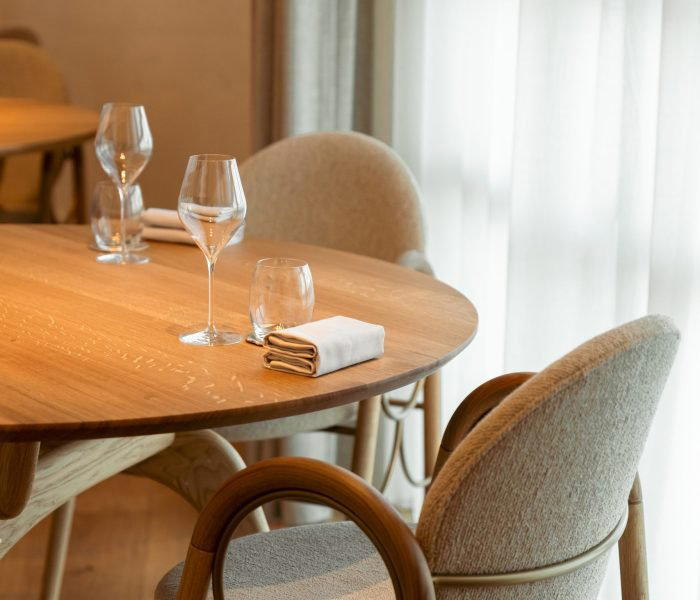
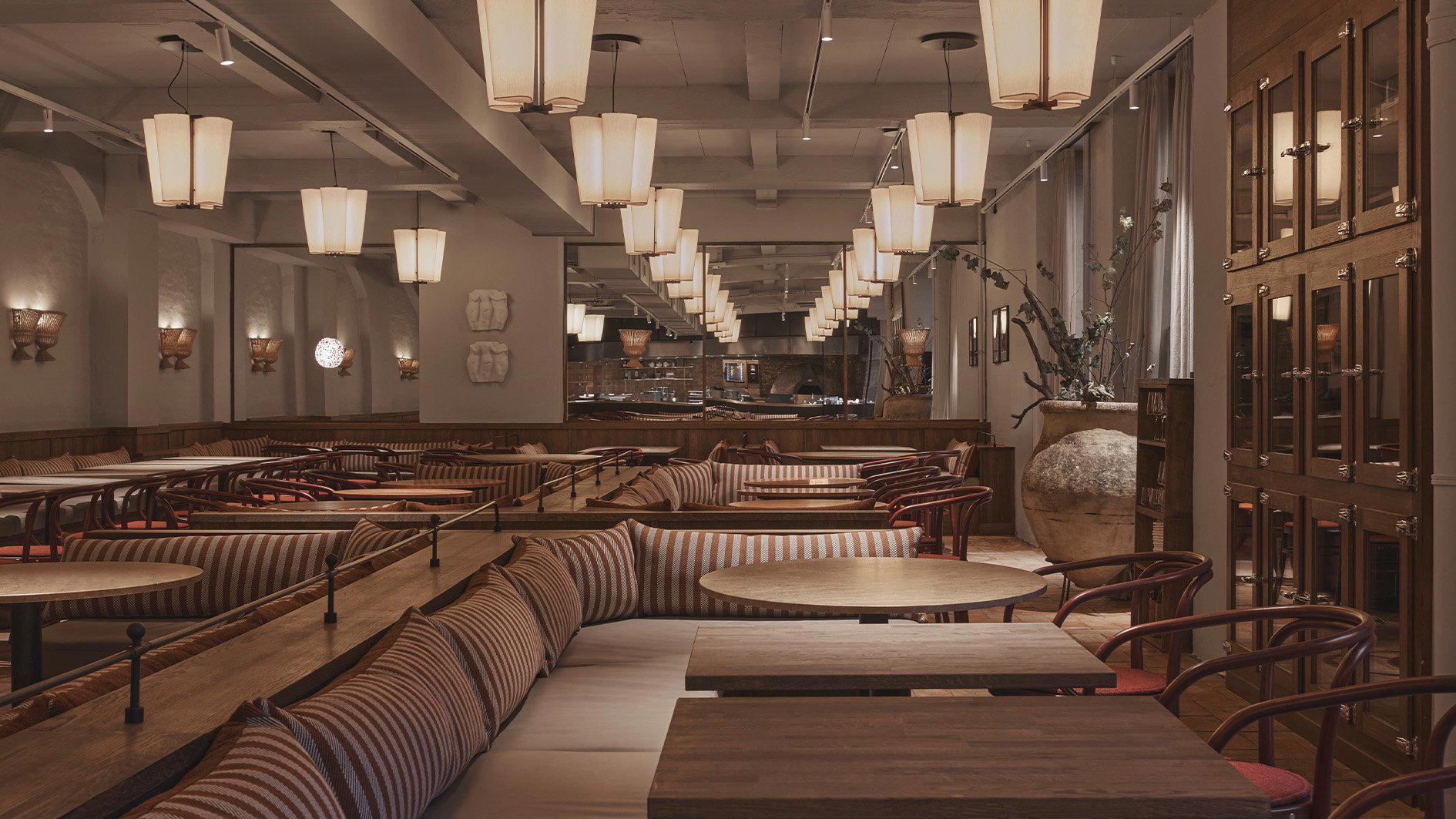
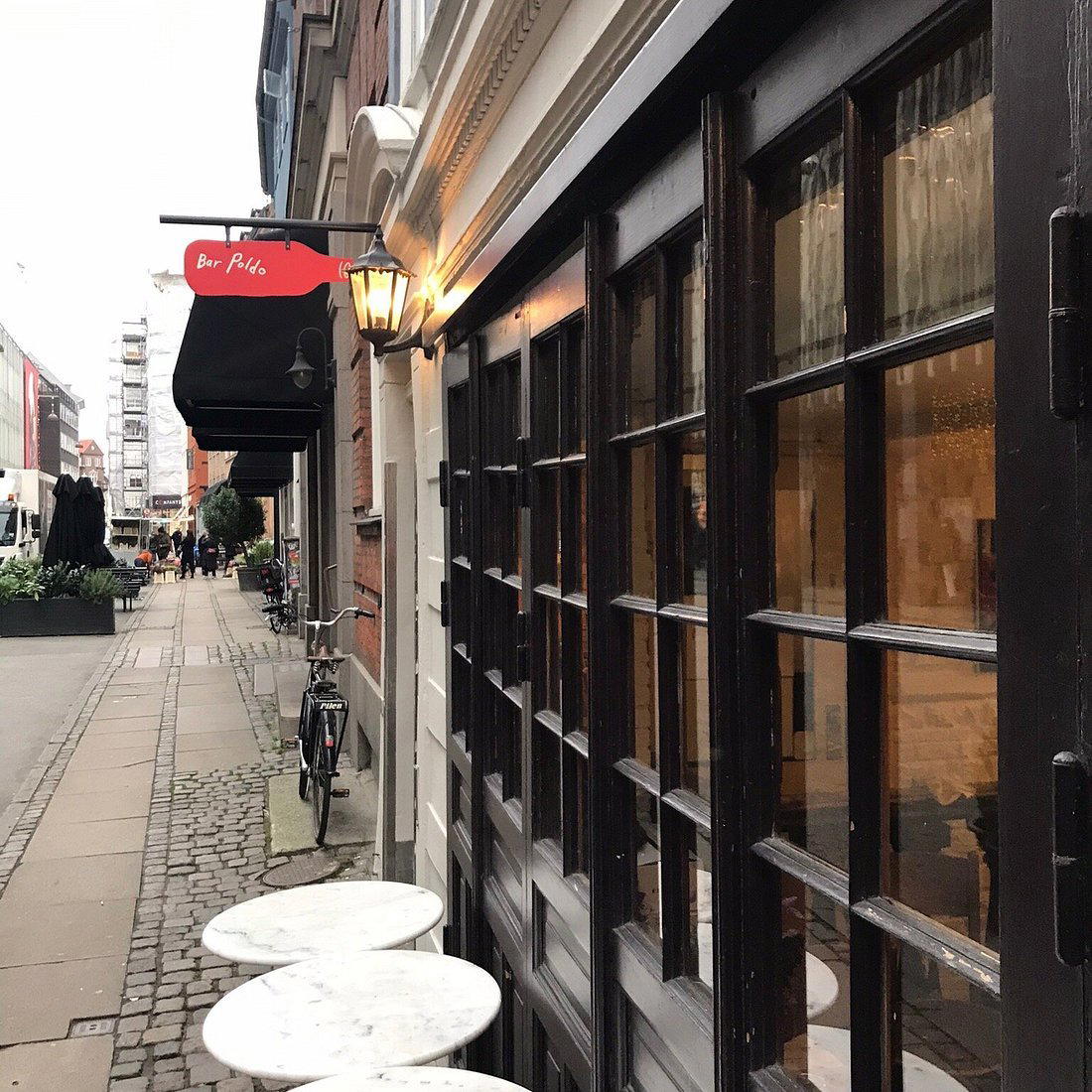
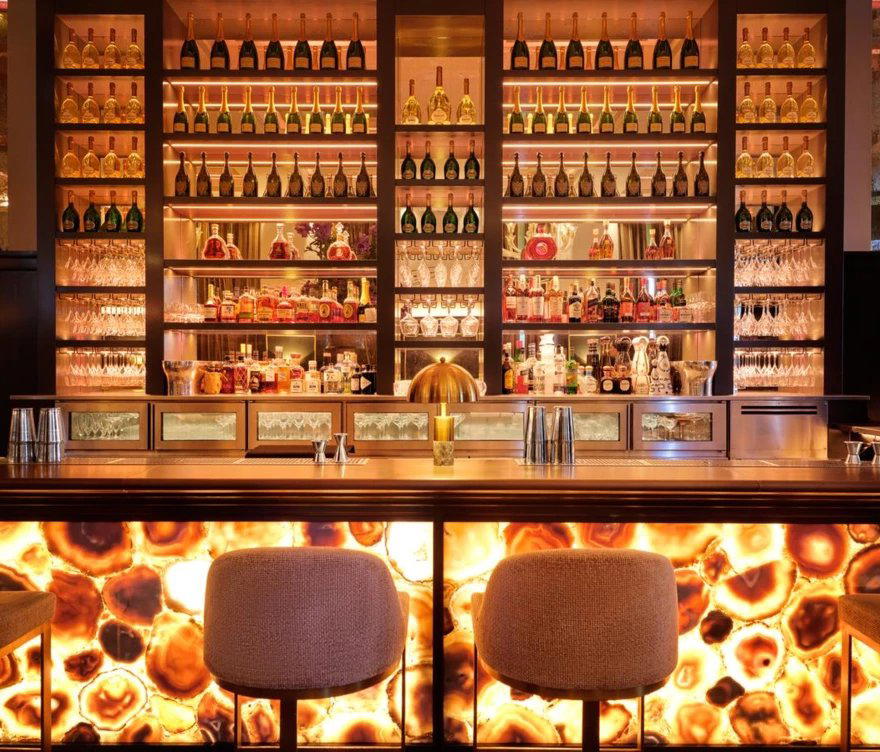
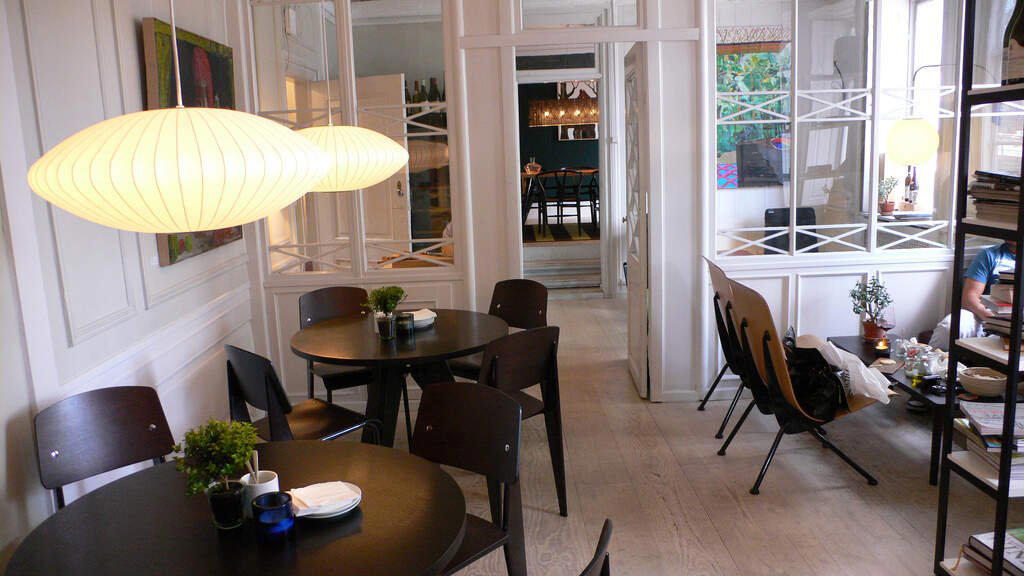
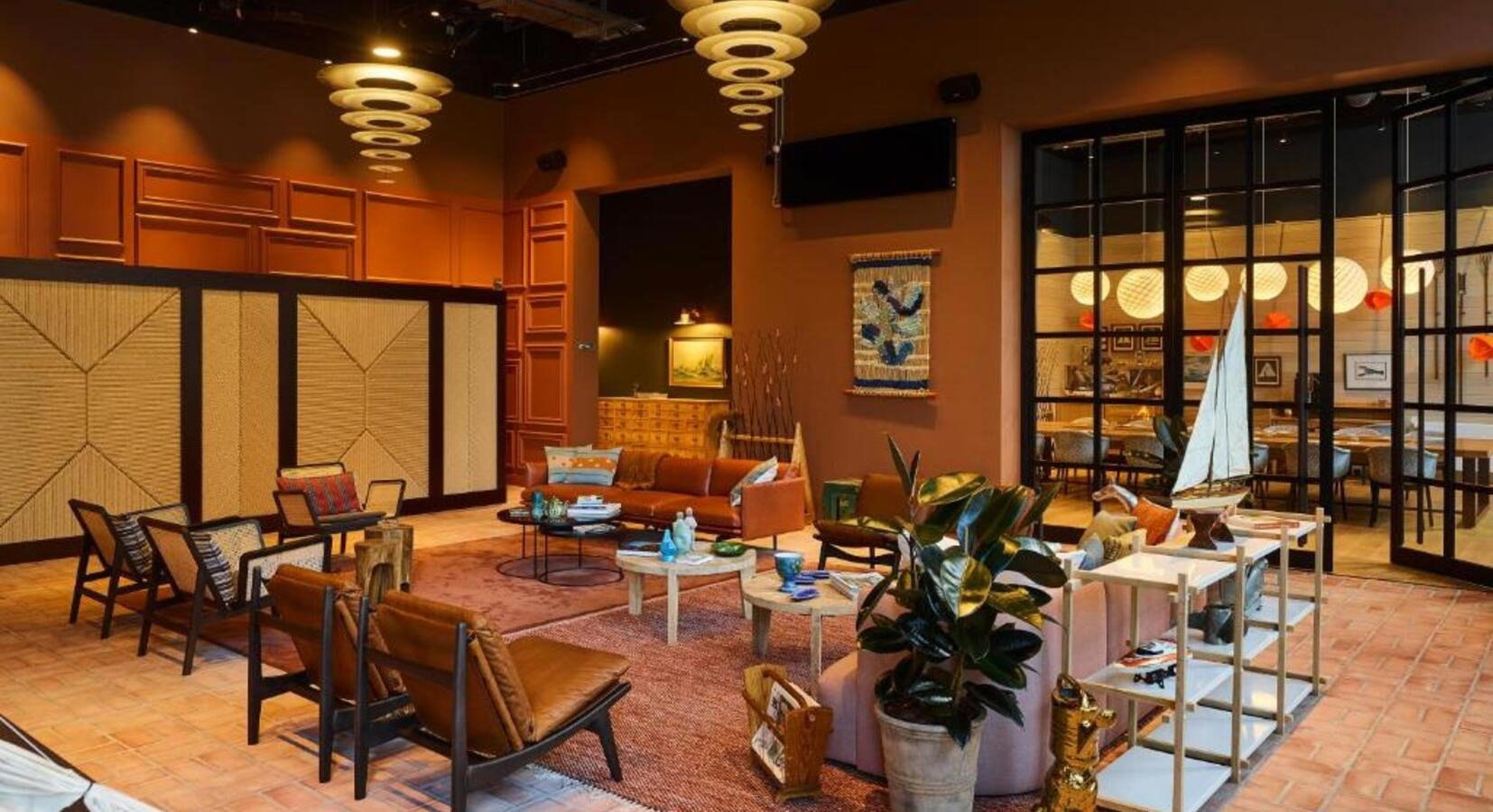
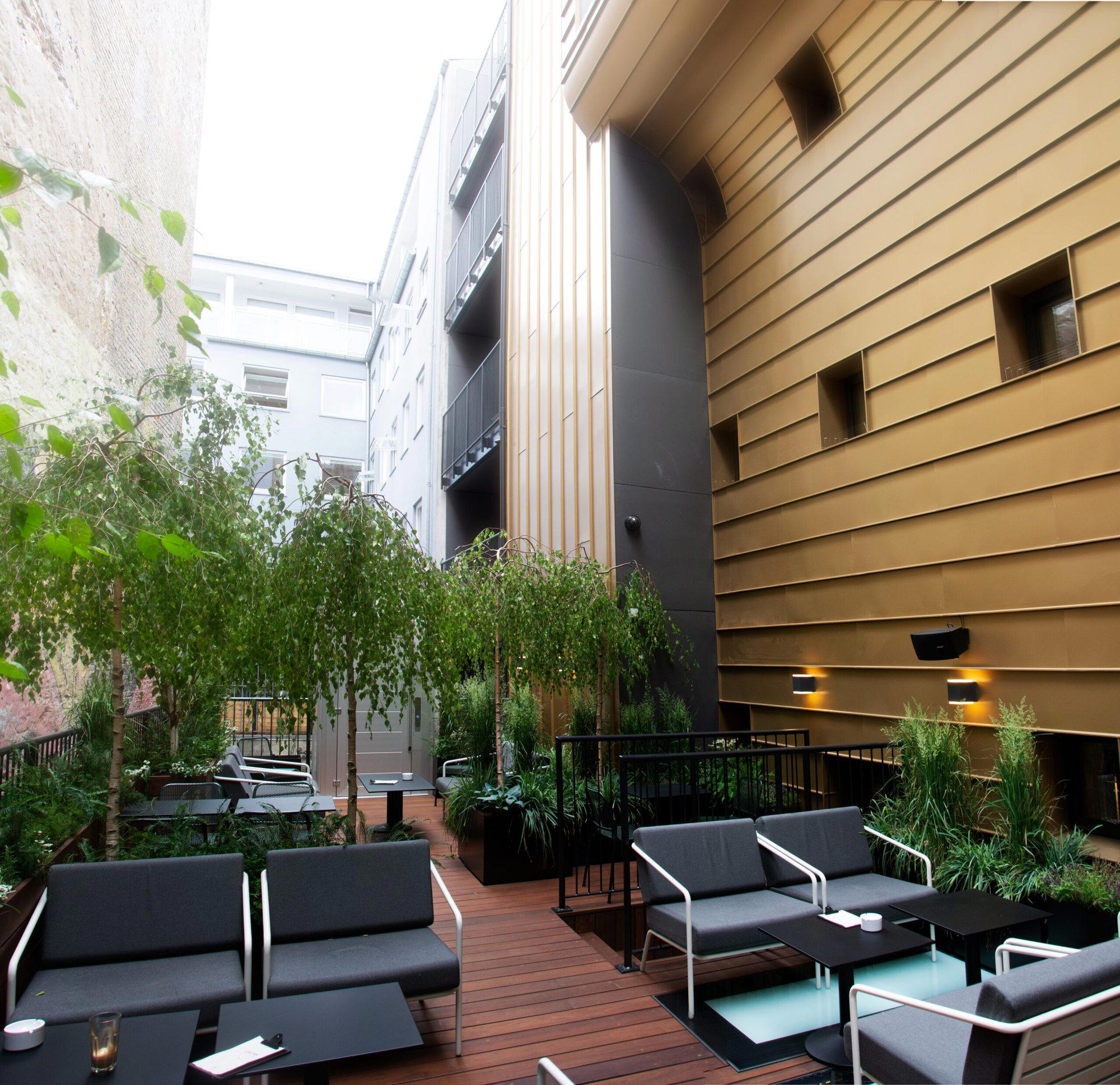
Industrial chic warehouse with large windows allowing natural light, creating a cool yet cozy atmosphere in a spacious, artistically designed hall.