


Vivanda Barcelona elevates traditional Catalan cuisine in the serene Sarrià district, where acclaimed chef Jordi Vilà's well-known ham croquettes and seasonal specialties unfold in a coveted garden terrace setting that has anchored the neighborhood's culinary identity for over four decades.
Pearl is the En Primeur Club membership app — saves, bookings, and concierge access live there. Same editors, same standards.
- Address
- Carrer Major de Sarrià, 134, Sarrià-Sant Gervasi, 08017 Barcelona, Spain
- Phone
- +34 932 03 19 18
- Website
- vivanda.cat
- Directions
- Get directions
 Saves & bookings on Pearl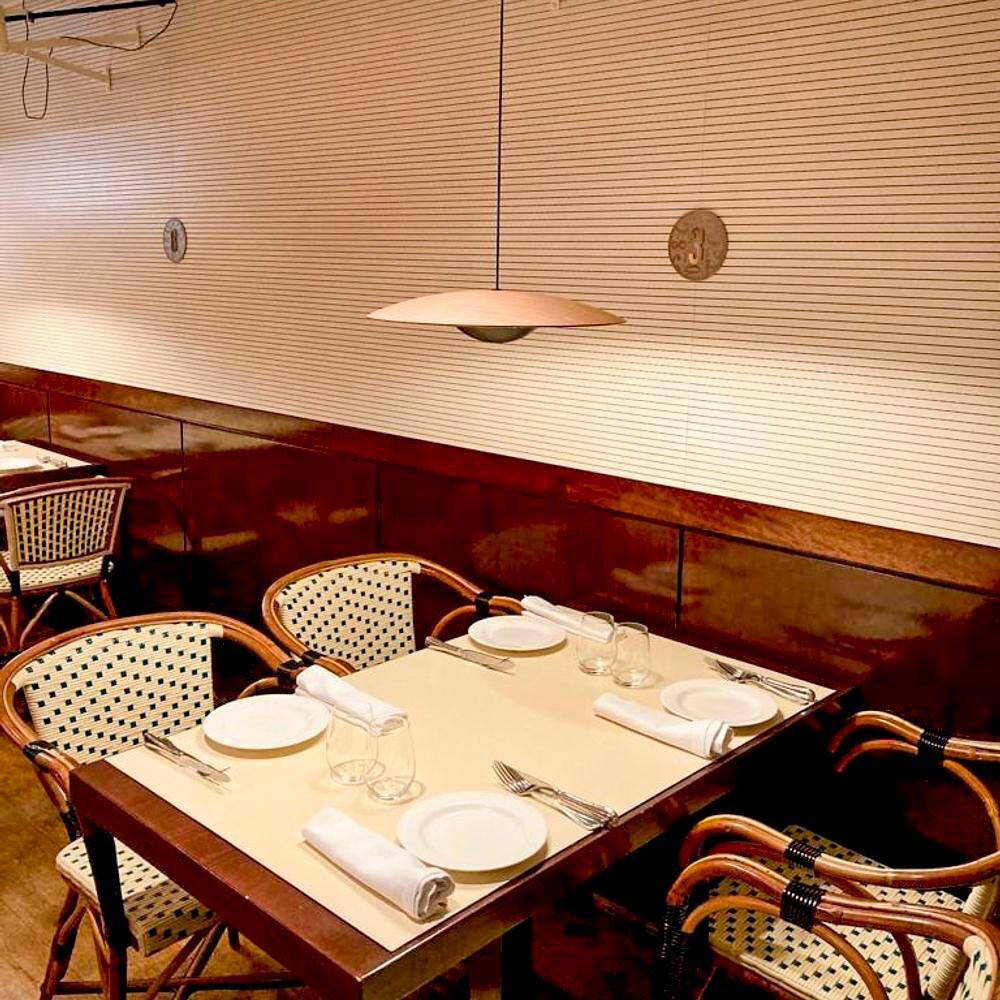
Where Sarrià Slows Down
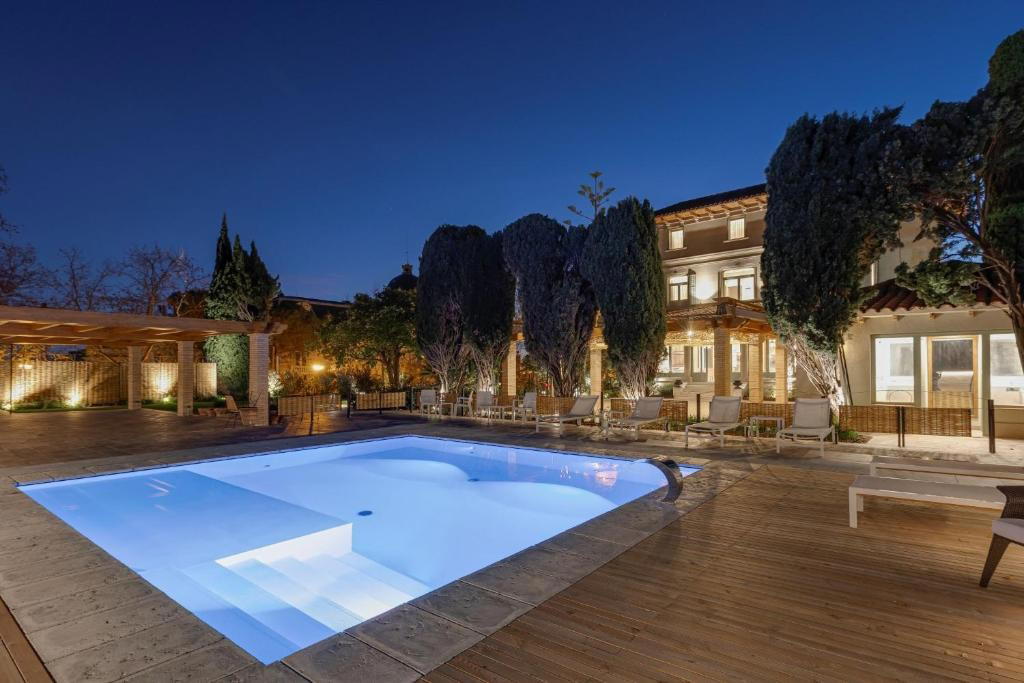
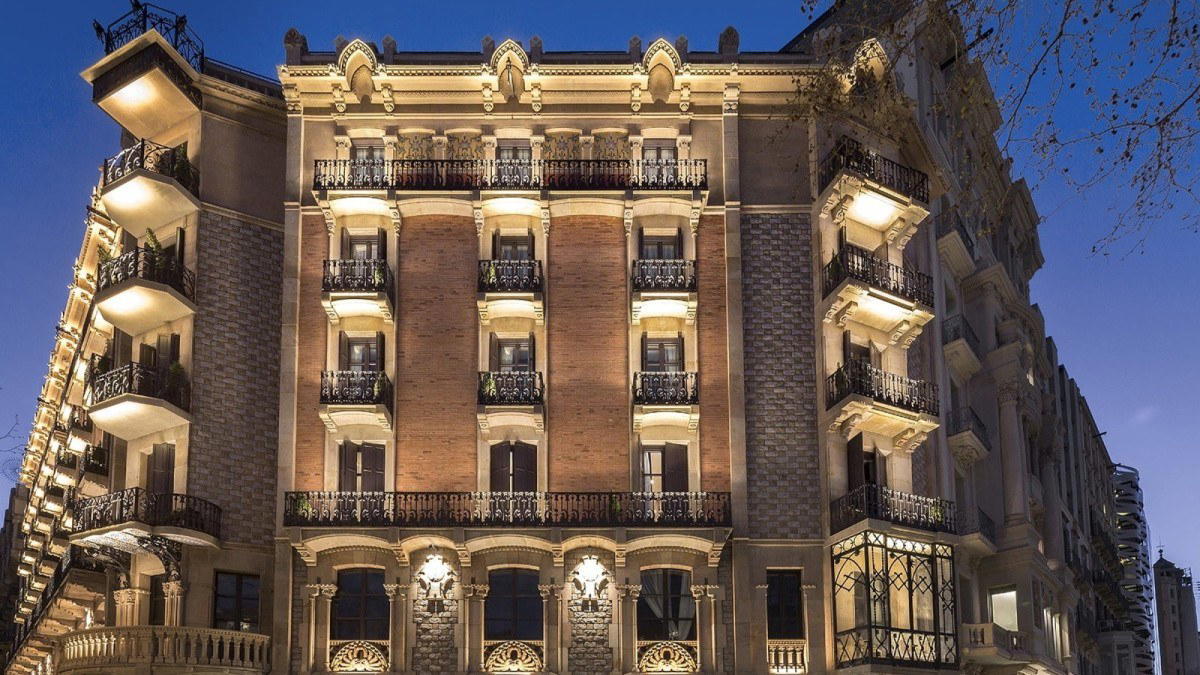
The upper residential quarter of Sarrià-Sant Gervasi operates at a different tempo from the tourist-heavy Eixample or the waterfront. Streets here are narrower and quieter, the architecture tilts toward early-twentieth-century townhouses, and the dining culture reflects a neighbourhood that feeds itself rather than performs for visitors. Carrer Major de Sarrià is the spine of this village-within-a-city, and Vivanda occupies a renovated house along it that reads, from the street, more like a private residence than a restaurant. That first impression holds indoors: high tables near the entrance suit a quick platillos session, full dining tables sit deeper in, and a tree-shaded patio-terrace with a retractable roof handles the bulk of demand through the warmer months. The format accommodates several different intentions inside a single visit.
Traditional Catalan Cooking and the Logic of Market Technique
Catalonia's culinary tradition has a long relationship with technique applied to locally sourced product, predating the avant-garde boom of the 1990s and 2000s by centuries. The region's market system, anchored by suppliers who work the Collserola hinterland and the Boqueria and Santa Caterina markets closer to the centre, has always supplied kitchens with ingredient calendars rather than fixed menus. At Vivanda, that tradition is formalised through a rotating structure built around platillos and a dishes-of-the-month program that deliberately revives older Catalan preparations. Chef Gabi Calzado uses modern technique not as an end in itself but as a means of clarifying or intensifying flavours that were already present in the recipe's original form. The result is a kitchen where contemporary skills serve the archive rather than replace it.
That intersection of imported method and indigenous product is particularly visible across Spain's more serious casual kitchens. Where restaurants at the €€€€ tier, such as Disfrutar, Cocina Hermanos Torres, Lasarte, ABaC, and Enigma, deploy technique at the level of spectacle and charge accordingly, Vivanda sits in a category where the technique is quieter and the price point correspondingly lower. The Michelin Bib Gourmand, awarded in 2024 and 2025, recognises exactly this: good cooking at a price that does not require forward planning about the bill. That signal places Vivanda in a comparable set built on value discipline rather than tasting-menu economics.
The Platillos Format and How It Works
Small-plate dining in Catalonia is not tapas in the Castilian sense. The platillos format carries its own local logic: portions are larger than pintxos, more composed than bar snacks, and designed to work as a meal when ordered across four or five rounds. At Vivanda, this structure allows the kitchen to rotate the product calendar directly onto the table without committing to a fixed tasting sequence. Diners who want to eat lightly around two or three plates can, and those who want a full progression through the menu can do that too. The flexibility is the point, and it explains why the format has sustained itself across different meal services.
The dishes-of-the-month element adds a second layer: these are preparations drawn from Catalan culinary history, remade with current technique. This approach connects Vivanda to a broader pattern visible across thoughtful regional kitchens in Spain, from Arzak in San Sebastián to El Celler de Can Roca in Girona, where historical recipe research informs the contemporary menu. The scale and price point differ enormously, but the underlying impulse to treat regional tradition as a living archive rather than a static reference is the same.
The Opinionated About Dining Signal
Michelin's Bib Gourmand is the more widely recognised credential here, but the Opinionated About Dining rankings provide a different kind of data point. OAD's methodology relies on votes from a community of frequent, serious diners rather than inspector visits, which means the rankings reflect cumulative real-world meals rather than a single assessment. A sustained presence on that list across three consecutive years suggests consistent execution rather than a single good period. For a neighbourhood restaurant operating at the €€ price tier, that longevity of recognition is a more meaningful signal than a single-year placement.
Spain's broader fine and serious-casual dining scene gives this context further weight. At the high end, kitchens like Quique Dacosta in Dénia, Aponiente in El Puerto de Santa María, Azurmendi in Larrabetzu, and DiverXO in Madrid occupy an internationally benchmarked tier comparable to Le Bernardin in New York or Atomix in terms of ambition and price. Vivanda does not compete in that space. It competes for the diner who wants serious Catalan cooking without the apparatus of a full tasting menu, and within that narrower frame it has accumulated credentials that justify the journey to Sarrià.
Patio Season and the Question of Timing
The tree-shaded terrace with its retractable roof is functionally the restaurant's main room for much of the year. Barcelona's climate allows outdoor dining well into the autumn, and the Sarrià location, slightly refined from the city centre, runs marginally cooler on summer evenings than the seafront. The terrace books out during the summer months with predictable speed. Lunch service runs until 3:30 pm Tuesday through Sunday, and dinner service closes at 10 pm on the five evenings the kitchen operates. Sunday is lunch-only; Monday is closed. Anyone planning around the patio specifically should book with more lead time than the midweek dining room typically requires.
The Neighbourhood as Context
Sarrià's restaurant culture is not built for tourism. The neighbourhood's dining rooms serve a local population with expectations shaped by daily market access and a preference for restaurants that function as regular tables rather than special-occasion venues. This creates a different dynamic than the Eixample, where many of Barcelona's better-known addresses operate with one eye on international reservation traffic. Vivanda fits the Sarrià pattern: the format suits repetition, the price point encourages it, and the dishes-of-the-month rotation gives regular visitors a reason to return without ordering identically each time. For visitors to Barcelona, it offers something the central dining scene does not: a working neighbourhood restaurant with genuine external validation, operating at a price that leaves room for wine.
Know Before You Go
- Address: Carrer Major de Sarrià, 134, Sarrià-Sant Gervasi, 08017 Barcelona
- Cuisine: Catalan, Traditional, platillos and dishes of the month
- Price range: €€
- Chef: Gabi Calzado
- Hours: Monday to Sunday 1 to 3:30 pm and 8 to 10 pm
- Awards: Michelin Bib Gourmand (2024, 2025); Opinionated About Dining Casual Europe Ranked #419 (2024), #471 (2025) 4 from 1,348 reviews
- Terrace: Tree-shaded patio with retractable roof; books out quickly in summer
What Should I Eat at Vivanda?
The kitchen's structure gives two clear entry points. The platillos rotation reflects whatever the market is producing at the time of your visit, so the specific options will vary, but the format rewards ordering broadly across four or five plates rather than treating it as a starter-and-main sequence. The dishes of the month are the more direct expression of the kitchen's editorial position: these are Catalan preparations chosen for historical resonance and remade with current technique by Chef Gabi Calzado. The ham croquettes and steak tartare are specifically noted in Vivanda's Bib Gourmand-recognised profile as dishes worth ordering, which makes them one evidence-backed choices on any visit. The croquettes in particular represent a preparation where the gap between a competent and a good version is immediately apparent, and their presence as a reference point in external commentary is a reasonable proxy for the kitchen's consistency with classics.
A Quick Peer Check
Comparable venues nearby, for context on price, style, and recognition.
| Venue | Cuisine | Price | Awards | Notes |
|---|---|---|---|---|
| VivandaThis venue — the venue you are viewing | Contemporary Catalan | $$$ | Bib Gourmand | Not listed |
| Petit Comitè | Refined Traditional Catalan Cuisine | $$$ | Michelin Plate | la Dreta de l'Eixample |
| Gresca | Modern Catalan Tapas | $$$ | Michelin Plate | l'Antiga Esquerra de l'Eixample |
| Bardeni-Caldeni | Modern Catalan Meat Bar | $$$ | Bib Gourmand | la Sagrada Familia |
| Paco Meralgo | Modern Spanish Tapas | $$$ | Michelin Plate | l'Antiga Esquerra de l'Eixample |
| a Restaurant | Traditional Catalan | $$ | Not listed | Barri Gotic |
Recognition history
Dated appearances from independent guides and award organizations, with the underlying list record or original source where available.
Macarfi 6.7 Food Rating
Macarfi
Michelin Plate
Michelin
Opinionated About Dining Casual in Europe Recommended
Opinionated About Dining
Michelin Bib Gourmand
Michelin
Opinionated About Dining Casual in Europe Ranked #471
Opinionated About Dining
Michelin Bib Gourmand
Michelin
Opinionated About Dining Casual in Europe Ranked #419
Opinionated About Dining
Opinionated About Dining Casual in Europe Recommended
Opinionated About Dining
Continue exploring
More in Barcelona
Restaurants in Barcelona
Browse all →
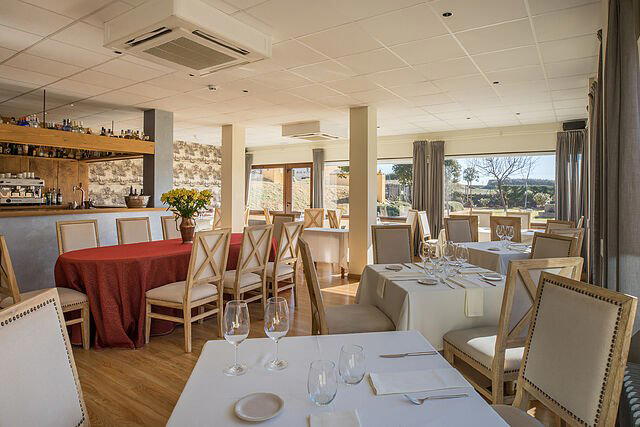
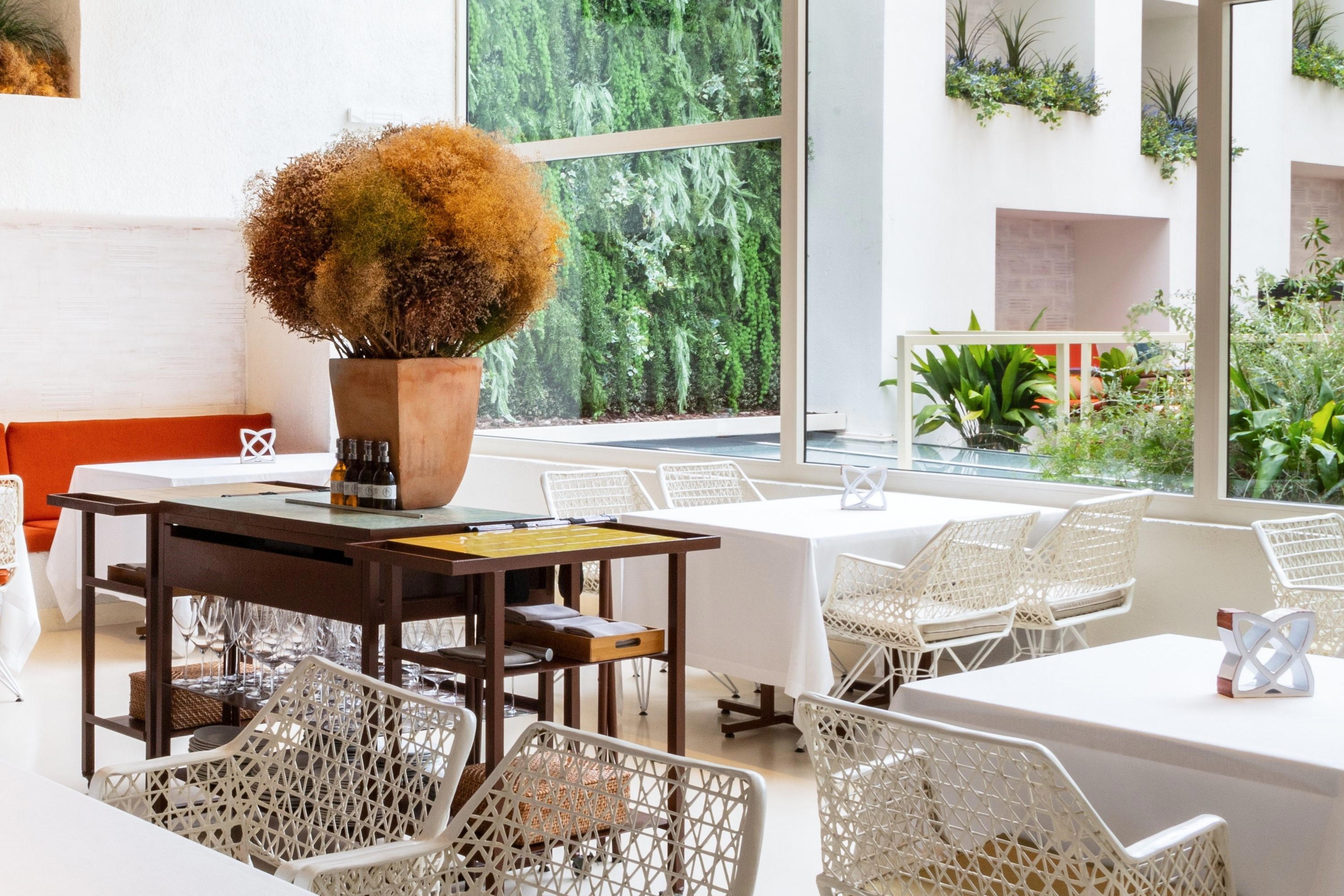
Bars in Barcelona
Browse all →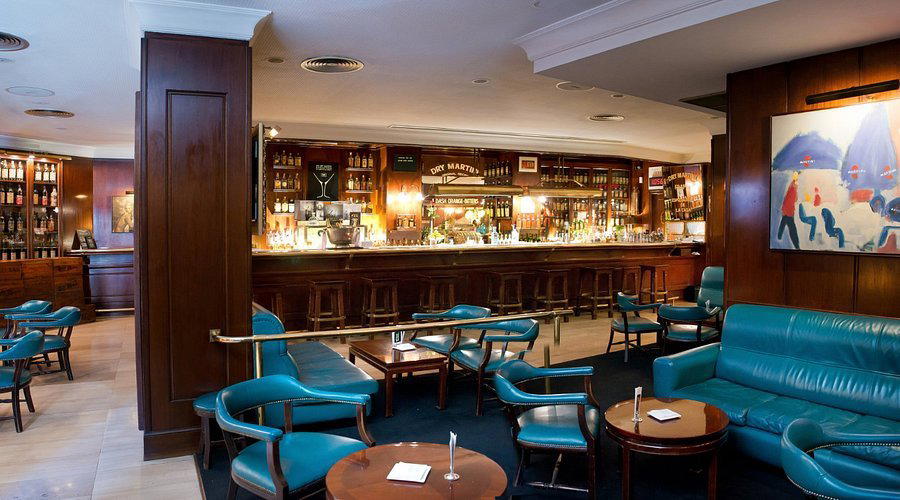
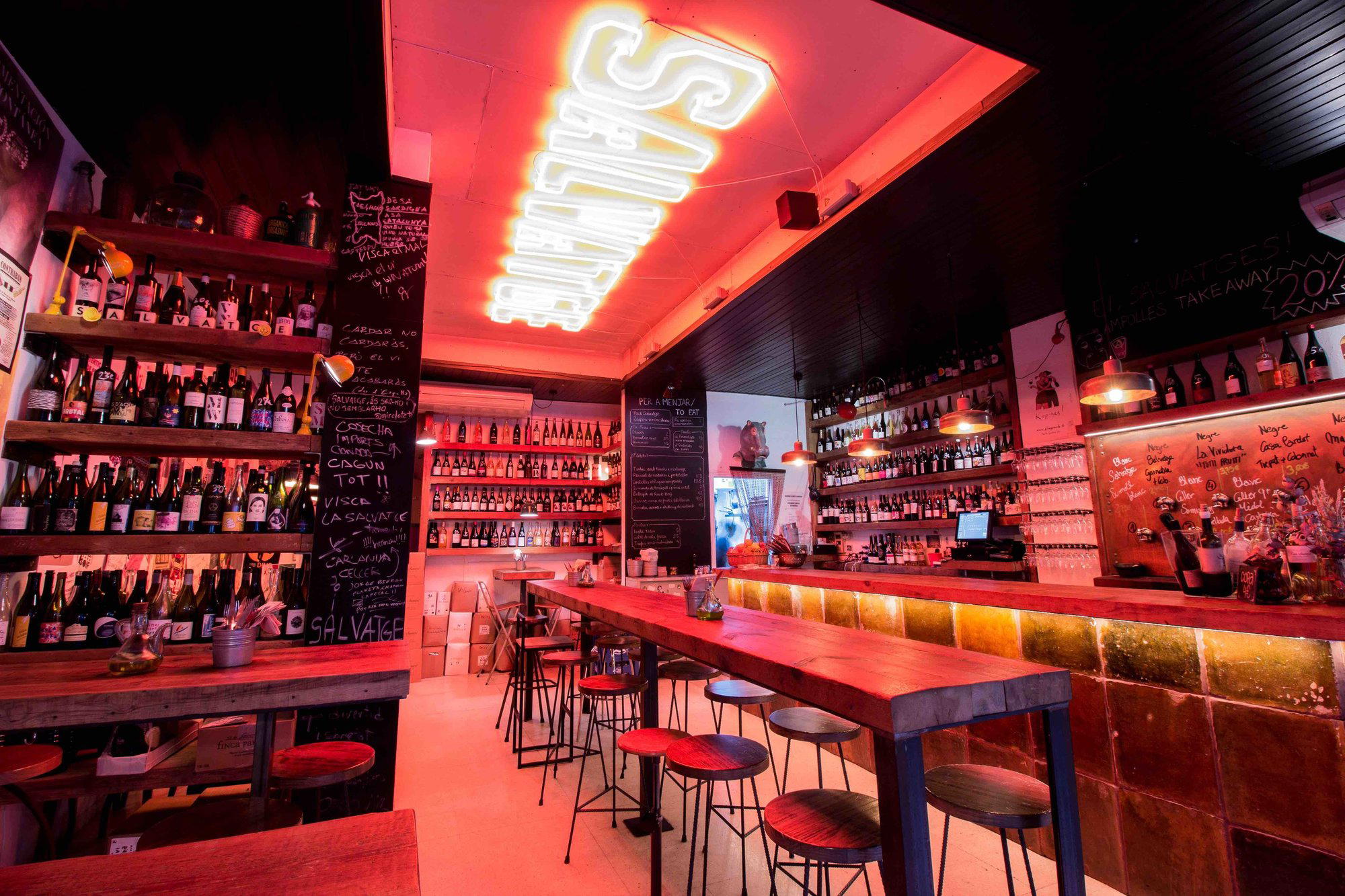
Hotels in Barcelona
Browse all →


At a Glance
- Elegant
- Cozy
- Modern
- Date Night
- Group Dining
- Special Occasion
- Terrace
- Garden
- Open Kitchen
- Extensive Wine List
- Local Sourcing
- Garden
Current opening hours
- Monday
- 1–3:30 PM, 8–10 PM
- Tuesday
- 1–3:30 PM, 8–10 PM
- Wednesday
- 1–3:30 PM, 8–10 PM
- Thursday
- 1–3:30 PM, 8–10 PM
- Friday
- 1–3:30 PM, 8–10 PM
- Saturday
- 1–3:30 PM, 8–10 PM
- Sunday
- 1–3:30 PM, 8–10 PM
Hours can change for holidays and private events. Last verified .
Elegant contemporary interior with high tables for tapas, restaurant-style dining, and a serene tree-shaded patio-terrace popular in summer.