Our verdict
Graziella occupies a distinctive position in Montreal's Old Port dining scene, where Italian-inflected cooking meets the kind of sourcing discipline that has defined the city's better independent tables. Positioned against Montreal's premium modern tier — think Toqué and Europea — it draws a crowd that expects serious kitchen work without the formality those rooms carry.

Pearl is the En Primeur Club membership app — saves, bookings, and concierge access live there. Same editors, same standards.
- Address
- 116 McGill St, Montreal, Quebec H2Y 2E5, Canada
- Phone
- (514) 876-0116
- Hours
- Mon ClosedTue–Fri 12–2:30 PM, 5:30–9:30 PMSat 5:30–9:30 PMSun Closed
- Website
- restaurantgraziella.ca
- Directions
- Get directions
- Booking
- Book on OpenTable
The menu
What to order
- Osso bucco
- Red-wine risotto
- Homemade pasta
Old Montreal's Italian Register
Old Montreal has always functioned as a kind of fault line in the city's dining geography. The neighbourhood's stone facades and narrow streets attract both the tourist trade and a local clientele that knows exactly where to go and where to avoid. The restaurants that survive and build genuine reputations here tend to do so by offering something the broader market doesn't replicate easily. Graziella, at 116 McGill Street, occupies that more credible tier. The address puts it close enough to the waterfront to catch the Old Port foot traffic but far enough from the most transient stretches that the room fills with a different kind of intention.
Montreal's Italian dining tradition has always sat in an interesting position relative to the city's French-dominant culinary identity. Where the French bistro tradition, represented at its most durable by rooms like Mastard, prizes restraint and adherence to classical form, the city's Italian tables have historically offered more latitude for warmth and generosity in both portion and spirit. Graziella sits within that tradition while tilting toward a more considered, produce-led approach — the kind of kitchen that treats sourcing as part of the cooking rather than a marketing line appended to the menu.
Sourcing as Practice, Not Positioning
Across Canada's better independent restaurants, the conversation around ethical sourcing has shifted from aspiration to expectation. At Tanière³ in Quebec City, hyper-local and foraged ingredients define the entire menu architecture. At Restaurant Pearl Morissette in Lincoln, the sourcing philosophy extends from the kitchen into the winery. Eigensinn Farm in Singhampton collapses the distance between farm and table entirely. These are not outliers — they represent a particular strand of Canadian fine dining that has made provenance its primary editorial argument.
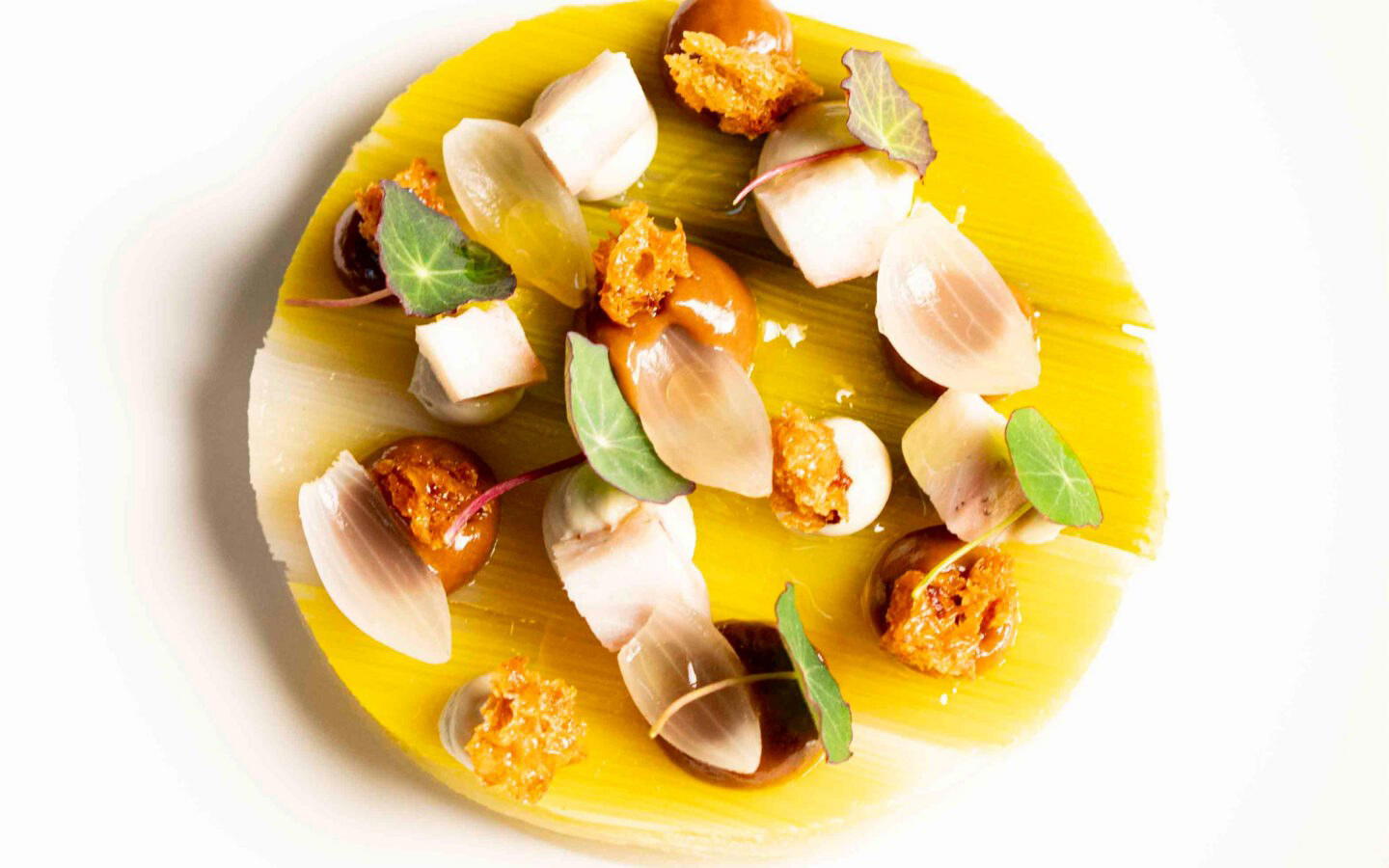
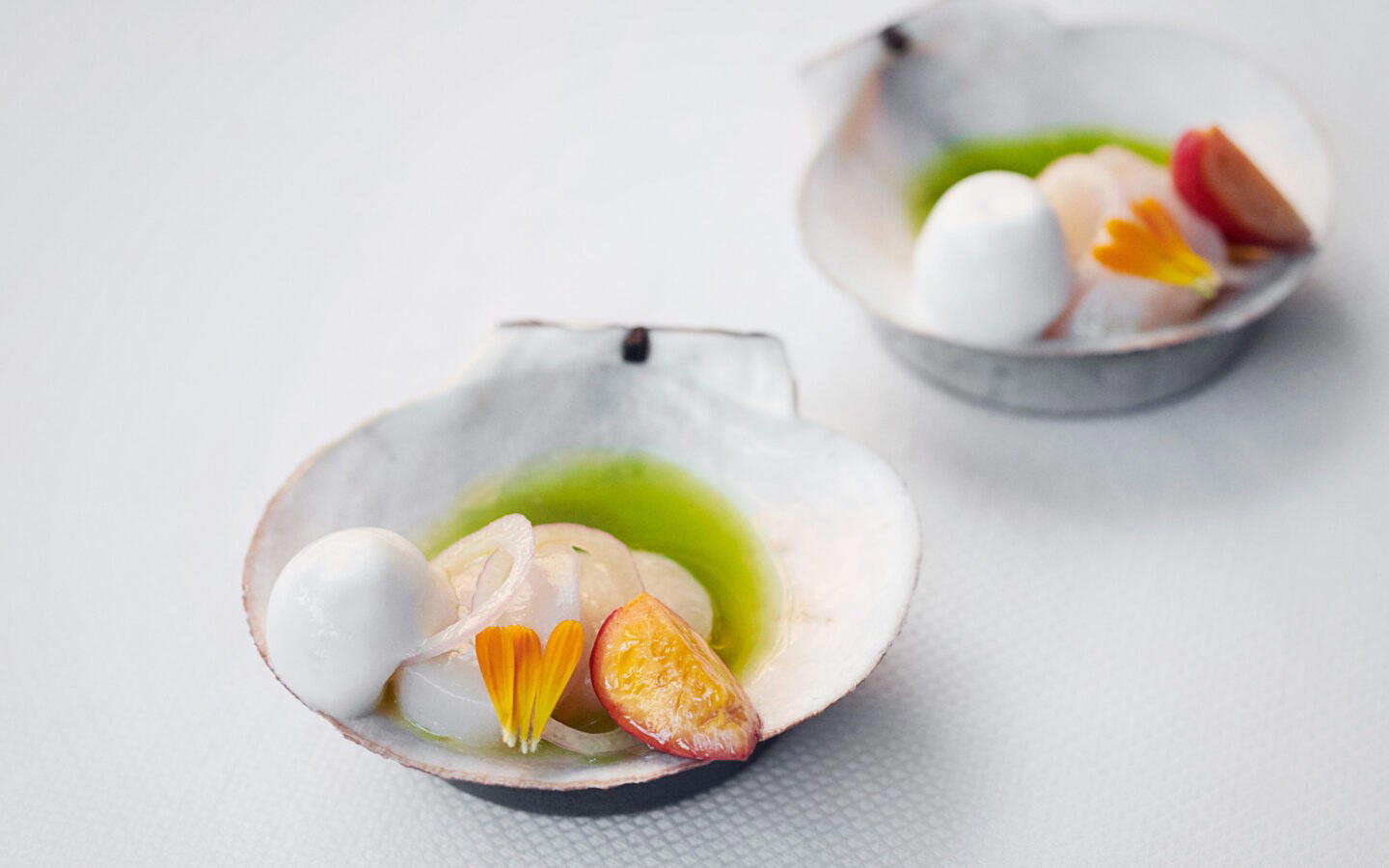
Graziella belongs to that conversation at the city level. In a neighbourhood where many kitchens operate on volume and margin pressure, the discipline required to maintain sourcing relationships with smaller Quebec producers is not incidental. It reflects a kitchen that has made decisions about what kind of restaurant it wants to be. Italian cuisine, at its most serious, has always been ingredient-driven: the quality of the olive oil, the age of the cheese, the provenance of the charcuterie matter more than technique concealment. A kitchen that takes that seriously in Montreal's Old Port is making an argument about value that runs counter to much of what surrounds it.
For context on where that argument lands in Montreal's premium tier, Toqué at the four-dollar-sign level has set the benchmark for Quebec-sourced, French-inflected fine dining for decades. Jérôme Ferrer - Europea operates in the same price bracket with a more theatrical approach to modern cuisine. Graziella's positioning is adjacent but distinct: the Italian frame gives the kitchen a different vocabulary, and the Old Port address creates a different social occasion around the meal.
The Room and What It Signals
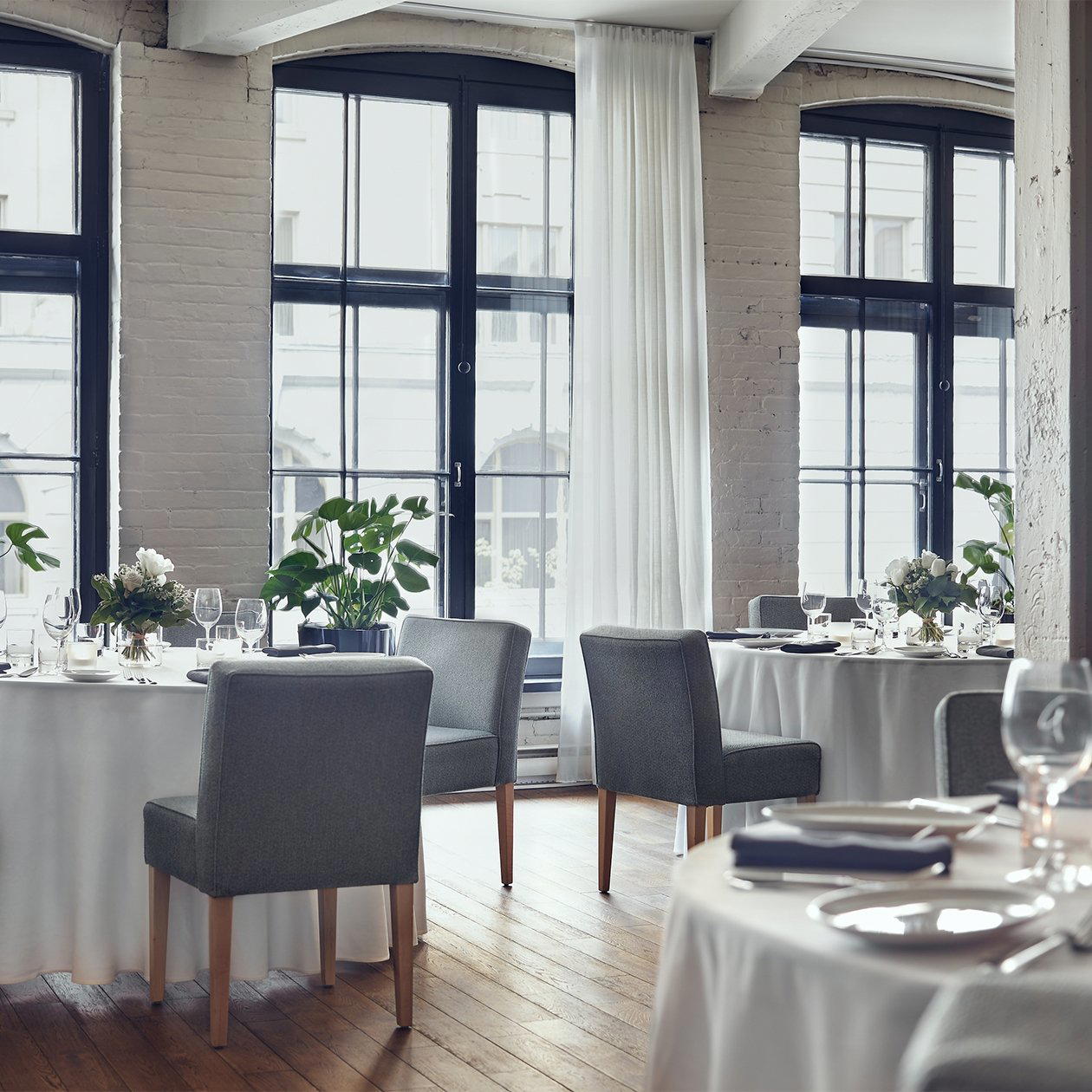
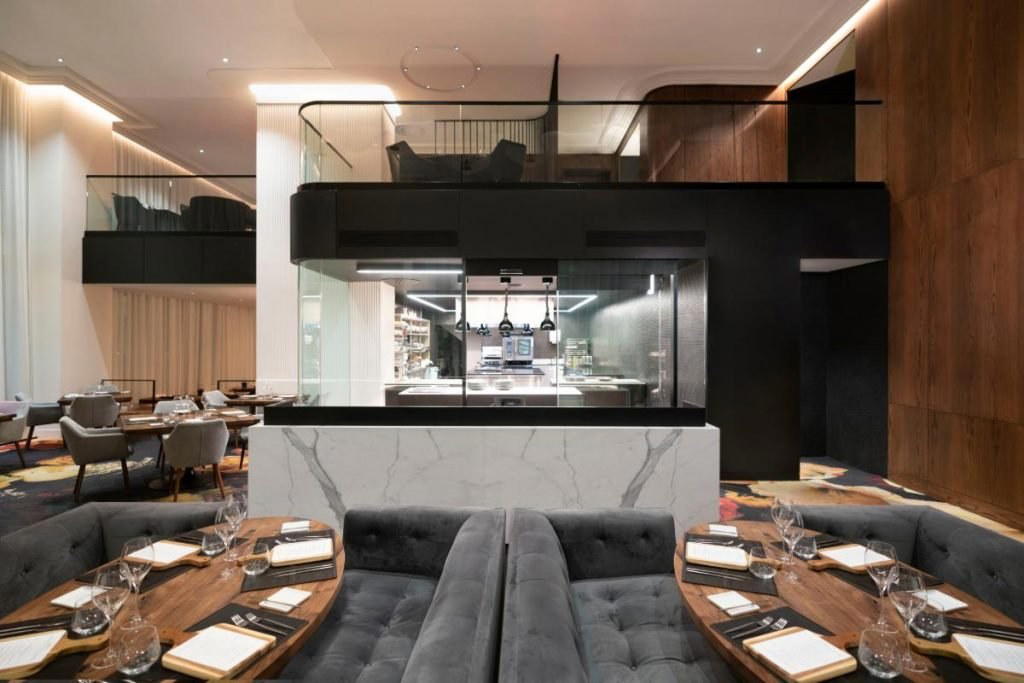
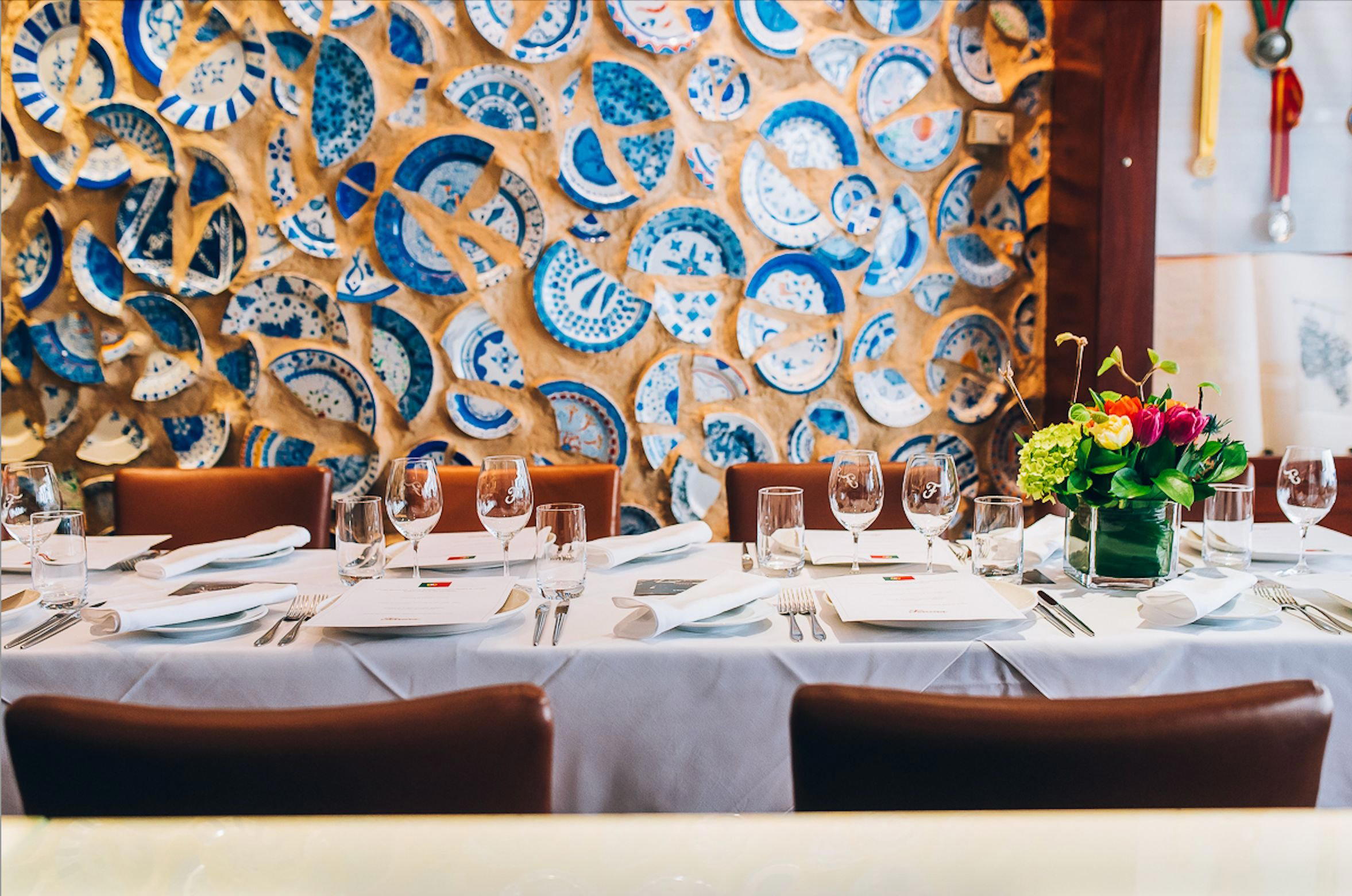
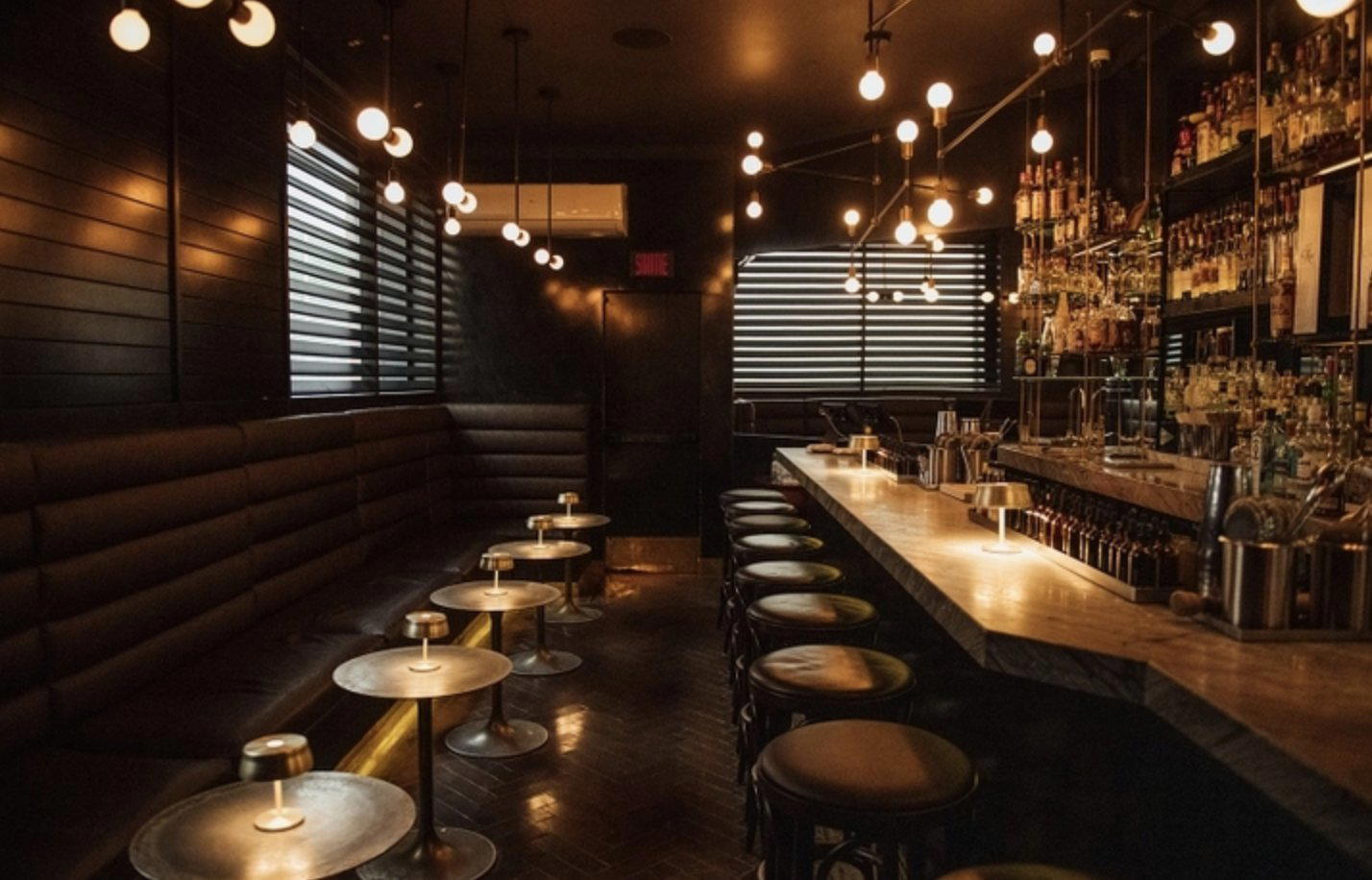
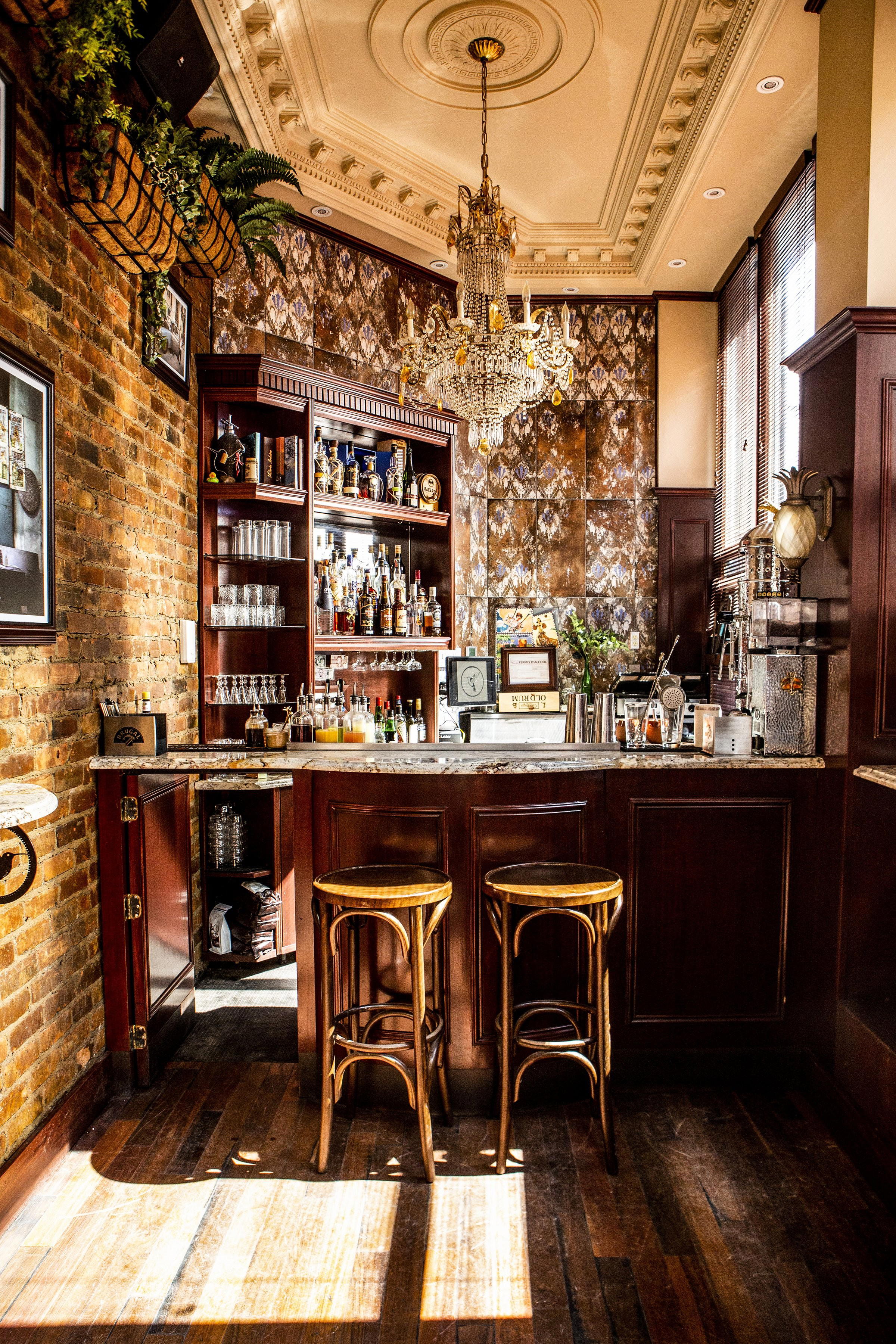
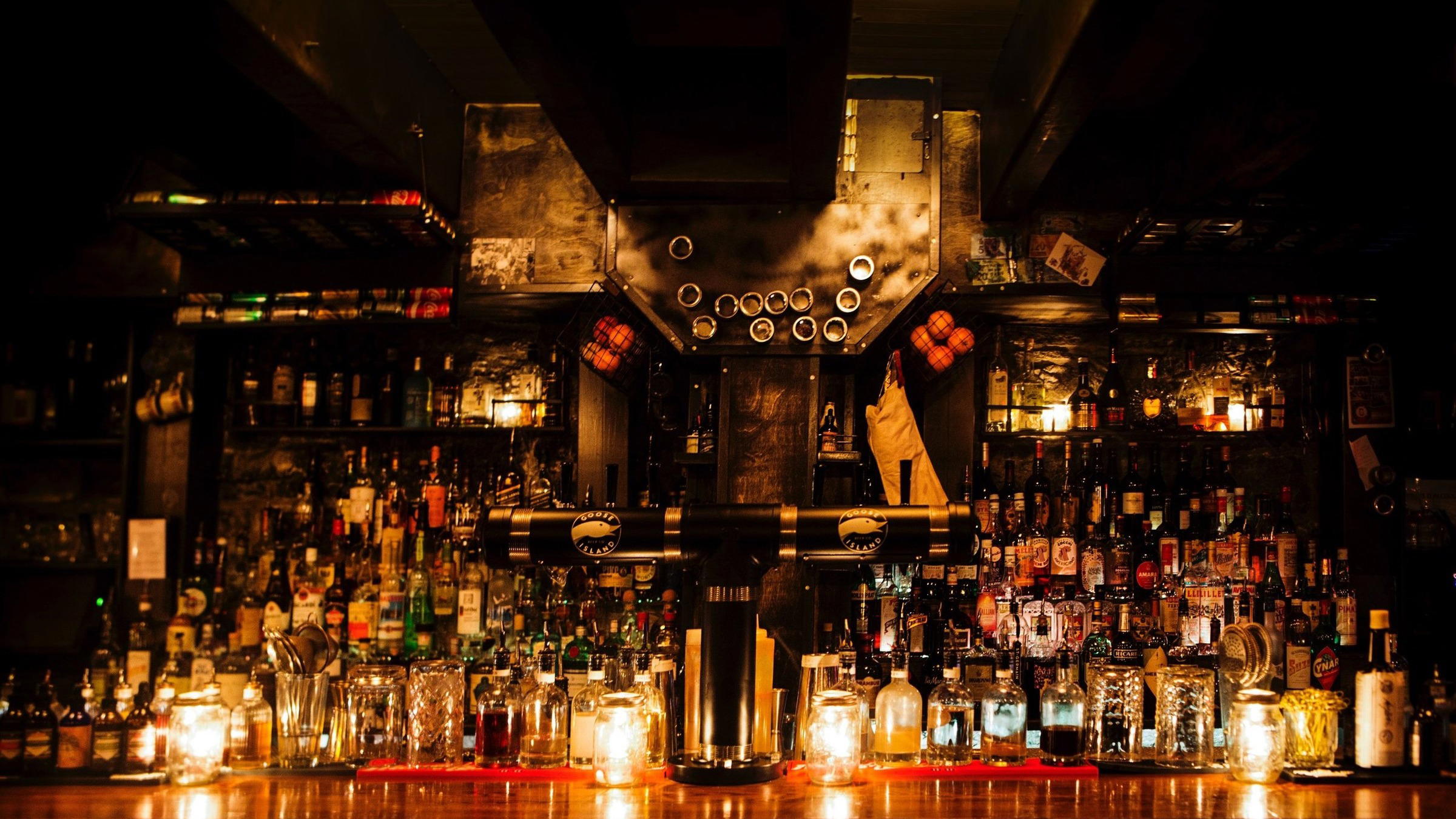
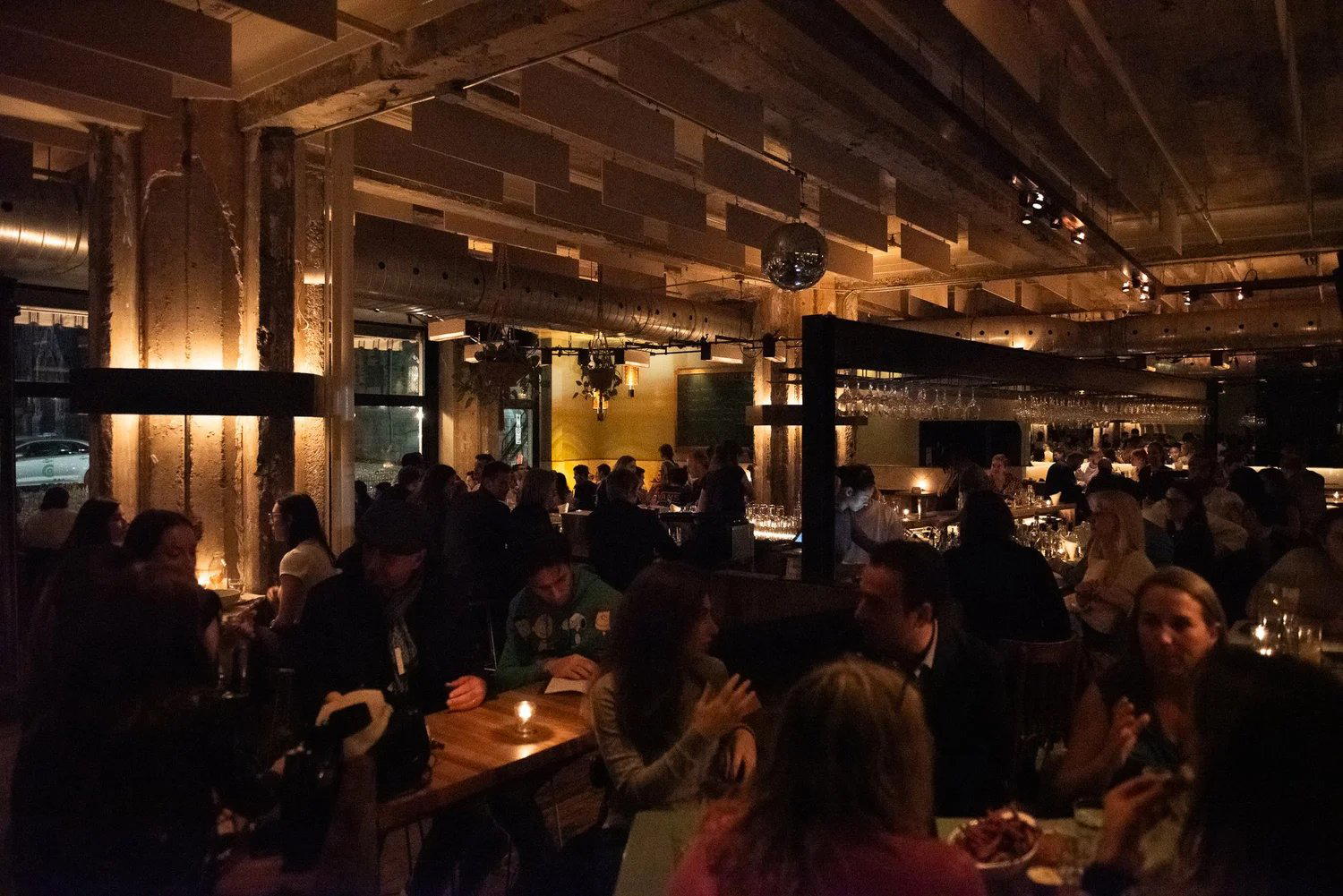
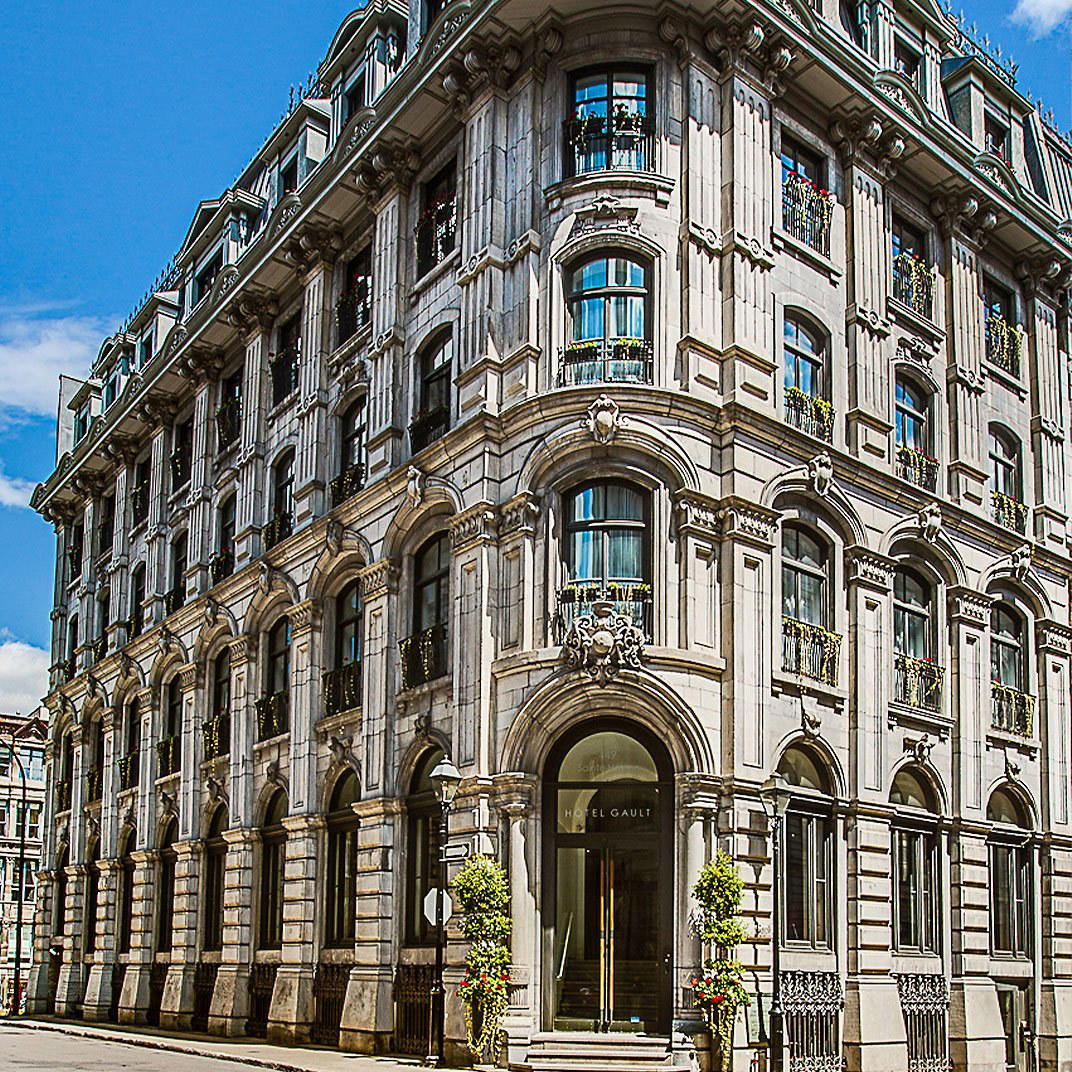
The physical experience of arriving at a restaurant in Old Montreal carries specific cues. The 116 McGill Street location sits within the neighbourhood's historic building stock, and the interior registers the kind of considered warmth that Italian-influenced rooms tend to favour: materials that age well, lighting calibrated for evening, a room that feels finished rather than designed. These are not neutral choices. A room that reads as settled and genuine in Old Montreal is one that has resisted the temptation to over-style for the tourist market.
The dining experience in this tier of Montreal restaurants tends toward a particular pacing. This is not a quick-turn room. The expectation is that you arrive with time, that the meal has structure, and that the kitchen is given space to express sequence. Compared to the more casual end of Montreal's Italian offer, Graziella occupies a register where the experience carries more formality without becoming stiff. That balance is harder to maintain than it looks, and it's what separates this kind of room from the broader neighbourhood competition.
For readers planning a Montreal dining sequence, Sabayon and 3 Pierres 1 Feu occupy adjacent positions in the city's modern dining conversation, while Abu el Zulof offers a different register entirely for those building a broader itinerary. A full orientation to the city's dining spread is available in our Montreal restaurants guide.
Montreal in a Canadian Fine Dining Frame
Understanding where Graziella sits requires some sense of where Montreal sits within Canada's broader restaurant conversation. Alo in Toronto and AnnaLena in Vancouver represent their cities' respective approaches to ingredient-led fine dining with European reference points. In each case, the kitchen's relationship to local sourcing is part of the identity claim. Montreal operates similarly, but the French cultural substrate gives the city's better kitchens a particular fluency with classical form that the Italian register at Graziella inflects differently.
Further afield, Narval in Rimouski and The Pine in Creemore demonstrate how the sourcing-led approach has migrated beyond major cities into smaller Canadian communities. That migration matters: it signals that ethical sourcing is now a baseline expectation at serious independent tables across the country, not a differentiator exclusive to urban fine dining. Graziella's position in Old Montreal is therefore part of a wider pattern rather than an exception to it.
For international reference points, the precision and sourcing discipline that defines rooms like Le Bernardin in New York City or the tasting-menu rigour of Atomix represent different expressions of the same underlying commitment to ingredient quality over technique spectacle. Montreal's better tables, Graziella among them, operate in conversation with that standard even if the scale and format differ. Closer to home, Aux Anciens Canadiens in Quebec and Barra Fion in Burlington show how heritage and place-specificity function as anchors in Canadian dining rooms. Graziella's Italian lineage performs a similar function: it gives the kitchen a culinary tradition deep enough to draw from without becoming nostalgic.
Planning Your Visit
Old Montreal restaurants at this level reward advance planning. The neighbourhood's most serious rooms do not operate on walk-in availability on weekends, and Graziella's position in the premium tier means demand tracks accordingly. For those building a Montreal itinerary around dining, the McGill Street address is a workable anchor point for an evening that combines the Old Port's waterfront character with a meal that earns the time investment. Visitors comparing options in the neighbourhood should weigh Graziella's Italian sourcing-led identity against the French-inflected modern cuisine at Toqué and Europea, which operate in the same general price territory with different culinary vocabularies. A dinner at Bearspaw Golf Club in Calgary may offer a different kind of evening, but within Montreal's Old Port specifically, Graziella represents a particular argument for what Italian cooking can be when it takes its ingredients seriously.
Frequently asked questions
Is Graziella okay with children?
Graziella's setting on McGill Street in Old Montreal reads as a grown-up dining room oriented toward a slower, more considered meal. Families with older children comfortable in that register will likely find it workable, but it is not a venue calibrated for young children or casual drop-in dining.
What's the overall feel of Graziella?
The 116 McGill Street address places Graziella within Old Montreal's stone-building corridor, where the neighbourhood's architectural texture sets a particular tone before you're through the door. Inside, the room operates in the register of serious Italian cooking rather than casual trattoria — composed, quiet, and focused on the plate.
How does Graziella compare to other Italian restaurants in Montreal's fine dining scene?
Montreal's Italian fine dining tier is anchored by a handful of independent rooms rather than chain operators, and Graziella on McGill Street in Old Montreal occupies that independent bracket. The Old Montreal location separates it geographically from the Italian options clustered elsewhere in the city, giving it a distinct neighbourhood context that shapes both the clientele and the pacing of an evening.
What's the must-try dish at Graziella?
The most reliable approach is to ask your server what the kitchen is running that week and follow that lead — it tends to reflect what the cooks are most engaged with.
How do I find Graziella?
Graziella is located at 116 McGill St, Montreal, Quebec H2Y 2E5, Canada, Montreal.
Do I need a reservation for Graziella?
Old Montreal restaurants operating at this level do not reliably accommodate walk-ins, particularly on weekend evenings when the neighbourhood draws visitors alongside locals. Booking ahead is the practical approach, and the further in advance the better for prime sittings.
What makes Graziella worth seeking out?
Within Montreal's Italian dining conversation, Graziella holds a specific position: an independent room in Old Montreal's most architecturally serious quarter, focused on Italian cooking at a register above what the neighbourhood's tourist-facing options deliver. For visitors already planning time in Old Montreal, the McGill Street location makes it a logical anchor for an evening.
The Quick Read
Comparable venues nearby, for context on price, style, and recognition.
| Venue | Cuisine | Price | Notes |
|---|---|---|---|
| GraziellaThis venue — the venue you are viewing | Northern Italian Fine Dining | $50–100 | Not listed |
| Sea Me | Modern Italian Coastal Cuisine | $50–100 | Golden Square Mile, Modern Italian Coastal Cuisine |
| Ristorante Da Vinci | Refined Italian Fine Dining | $50–100 | Golden Square Mile, Refined Italian Fine Dining |
| Ristorante Quattro | Contemporary Italian | Not listed | Vieux Montréal, Contemporary Italian |
| Restaurant Tbsp. | Mediterranean-inspired Modern Italian | Not listed | Quartier international de Montreal, Mediterranean-inspired Modern Italian |
| Jacopo | Rustic Roman Trattoria | Not listed | Vieux Montréal, Rustic Roman Trattoria |
Details
- Elegant
- Sophisticated
- Intimate
- Modern
- Date Night
- Special Occasion
- Business Dinner
- Historic Building
- Extensive Wine List
- Local Sourcing
- A La Carte
- Vegetarian Friendly
Current opening hours
- Monday
- Closed
- Tuesday
- 12–2:30 PM, 5:30–9:30 PM
- Wednesday
- 12–2:30 PM, 5:30–9:30 PM
- Thursday
- 12–2:30 PM, 5:30–9:30 PM
- Friday
- 12–2:30 PM, 5:30–9:30 PM
- Saturday
- 5:30–9:30 PM
- Sunday
- Closed
Hours can change for holidays and private events. Last verified .
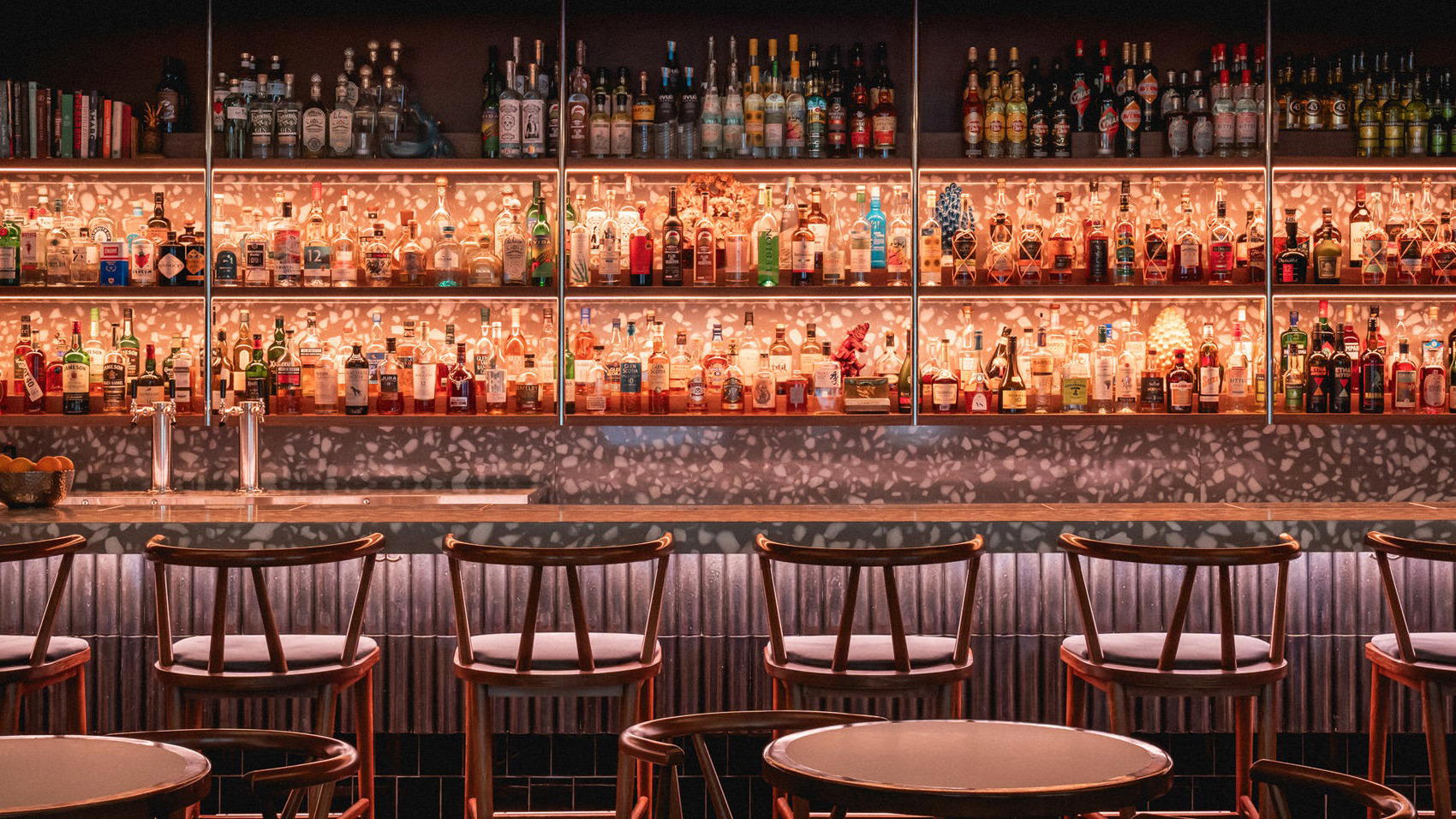
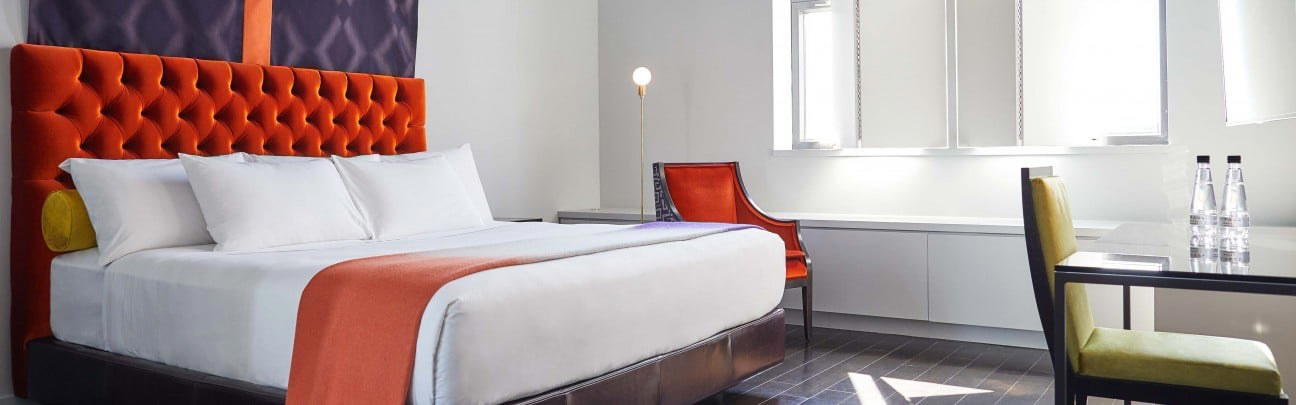
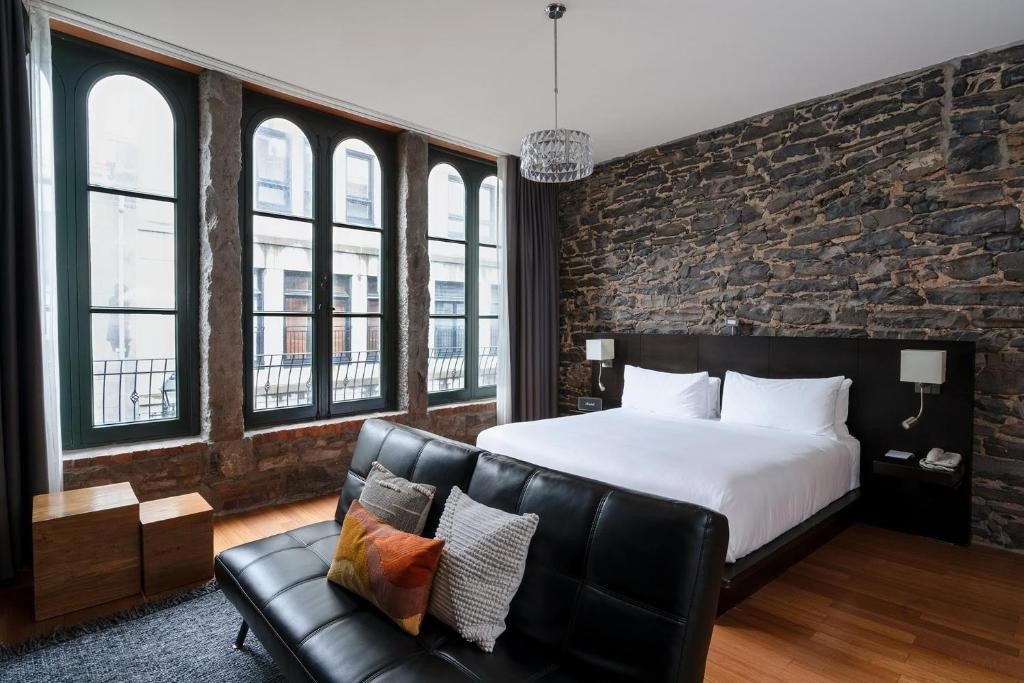
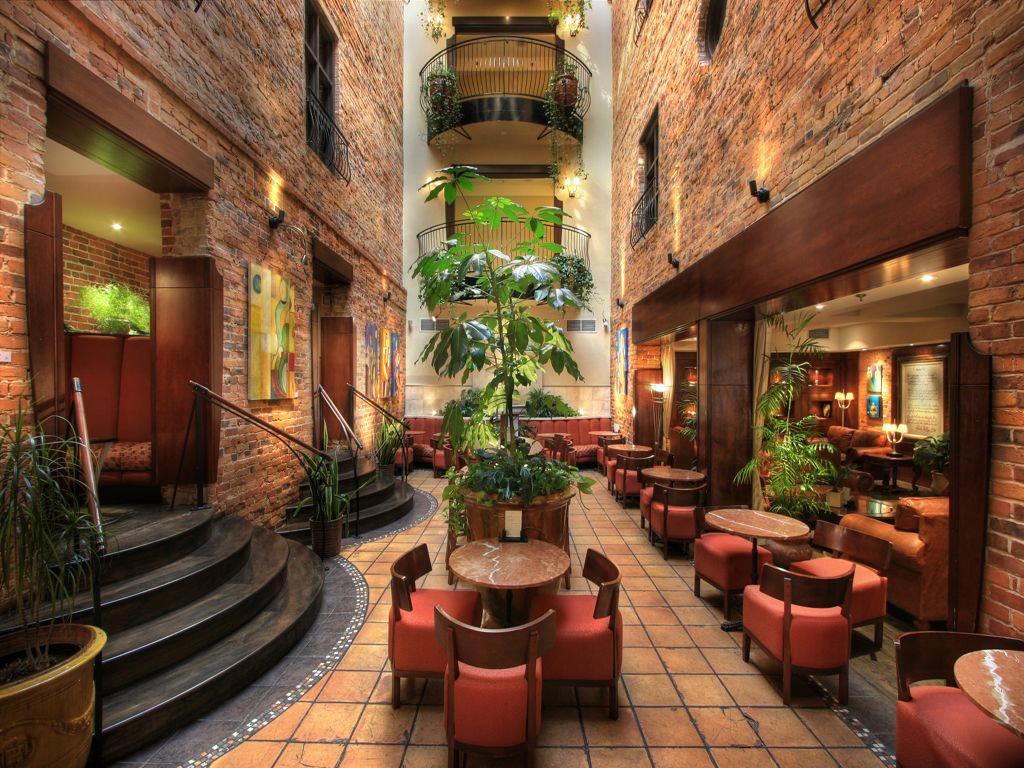
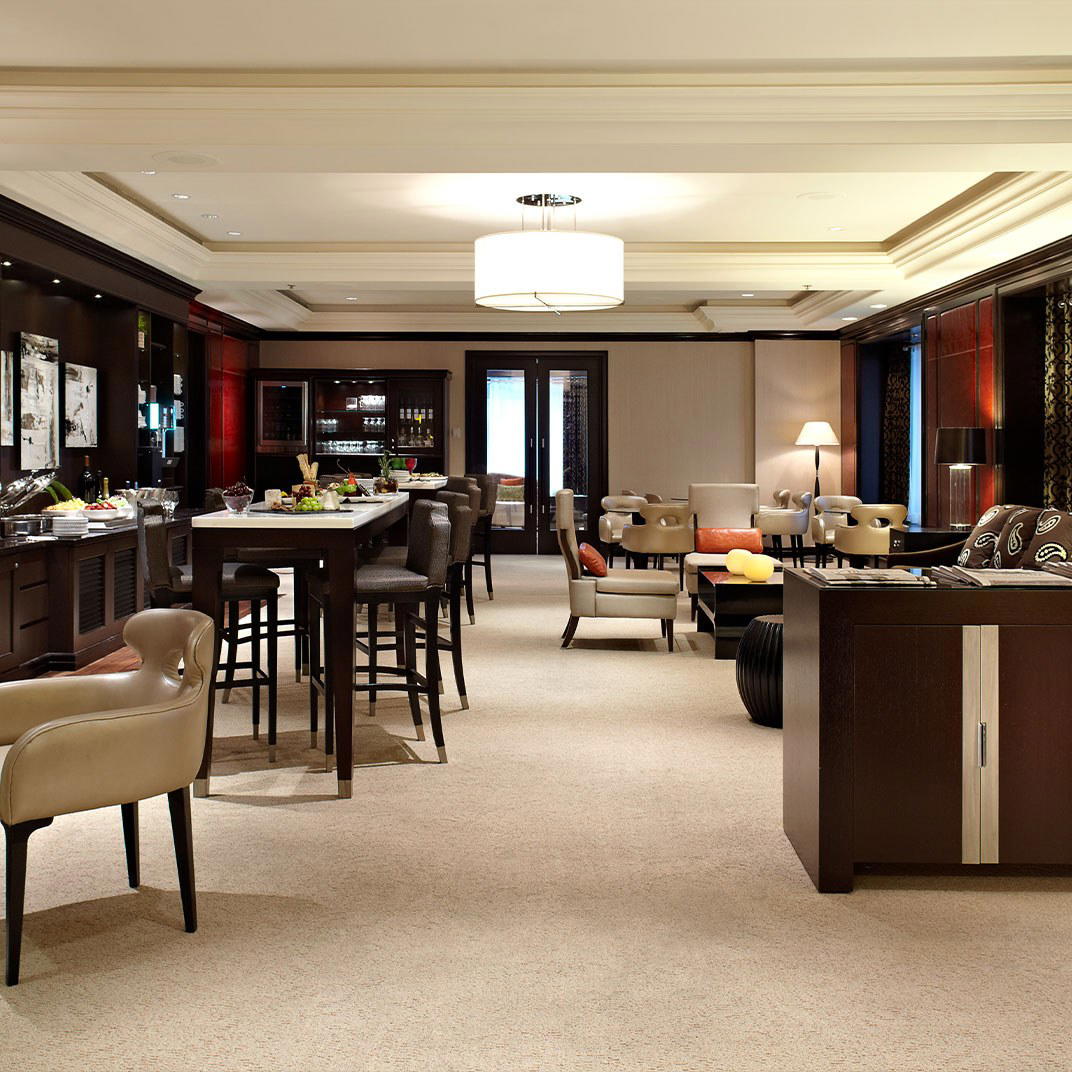
Minimalist modern yet warm interior in a chic, sober decor.