Gratin no Omise Dotsubodoru

Tabelog 100 #3
Our verdict
Gratin no Omise Dotsubodoru gives Takarazuka a focused yoshoku address built around gratin, vegetables, wine, and a low-key Sakasegawa setting rather than metropolitan theatrics. Its 2025 selection for Tabelog 100 Yoshoku WEST places it inside a regional conversation about Japanese-style Western cooking, with prices that keep it closer to daily dining than destination tasting-menu culture.

Pearl is the En Primeur Club membership app, where members save venues, book tables and use the concierge.
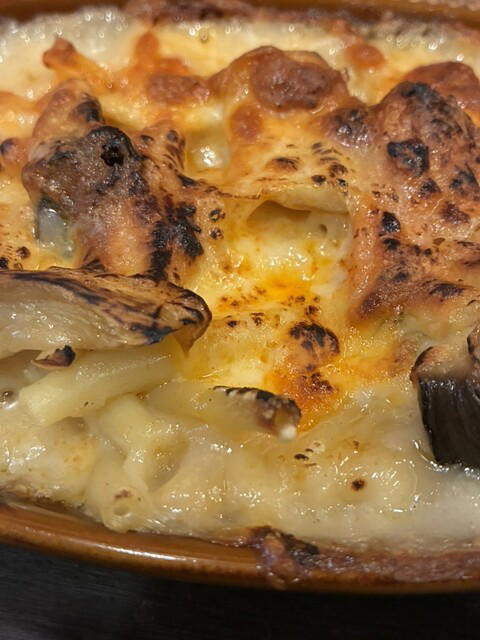
Approaching Takarazuka, the tempo shifts from commuter Hyogo to neighbourhood dining: compact streets, practical storefronts, and a room where everyday meals matter as much as destination dining. Gratin no Omise Dotsubodoru belongs to that register. The draw is quiet yoshoku: Japanese-style Western cooking, with a price band that keeps repeat local custom within reach.
Yoshoku is a translation cuisine, taking Western technique and reframing it through Japanese portioning, rice culture, seasonality, and dishes that feel familiar yet slightly ceremonious. In Kansai, it often sits between department-store nostalgia and small-room specialization. The stronger addresses are not imitating French restaurants; they understand that familiar Western-influenced plates can carry a distinctly Japanese comfort when handled with restraint.
That makes this Takarazuka address worth reading carefully. Its 2025 Tabelog Hyakumeiten recognition for yoshoku is a useful signal because the category is regional and crowded, not a niche invented for tourists. The restaurant’s Tabelog score of 3.55 and its place in that 2025 yoshoku recognition put it in a selective western-Japan bracket, while its stated average spend of JPY 1,000 to JPY 1,999 keeps it far below formal dining. Recognition without luxury pricing is a specific Japanese restaurant achievement.
Yoshoku built around everyday precision
Ingredient handling is the strongest editorial lens because the category lives or dies on small decisions: how much sweetness enters a sauce, whether components are garnish or structure, and whether richness stays balanced for a full meal. The restaurant is listed for yoshoku, a category that rewards restraint as much as abundance. Those details place it within Japanese Western cooking without needing the heavier image of fried plates and demiglace-laden comfort food to define it.
Yoshoku is especially revealing when treated as a focused local craft. In Japan, it is not just borrowed Western food, but a test of texture, heat, sauce control, and portion judgment. A specialist must make richness composed rather than blunt. When handled well, the meal reads less like simple comfort food and more like a small local argument for yoshoku as mature cuisine.
Takarazuka’s dining scene is useful for comparison because it need not perform like central Osaka or Kyoto. The city supports modestly priced specialists, confectionery counters, ramen shops, and family-friendly restaurants in a commuter-belt rhythm. Ramen Rocket Kaihatsu sits in the same stated price band, but ramen is faster and more single-purpose. Takara Kasho Sugaya Yamamoto ten occupies a lower sweets-led bracket. Against those references, Gratin no Omise Dotsubodoru reads as a sit-down yoshoku specialist rather than a quick stop or confectionery detour.
The broader Japan comparison is also instructive. Other dining rooms around the country may work from more codified Japanese traditions, while urban casual formats show how fragmented Japan’s dining field has become. Yoshoku sits differently: neither imported cuisine nor washoku, but a domestic language built from adaptation.
A small-room meal, not a destination performance
The appeal signals practical comfort rather than ceremony. Its public recognition does not turn it into a hushed special-occasion room; it remains part of Takarazuka’s local dining fabric. That is part of the point: a yoshoku restaurant can be serious without adopting the rituals or prices of formal dining.
The format reads as a flexible small-restaurant model rather than a segmented luxury dining room. In Japan’s suburbs, a restaurant’s value is often measured by how easily it fits real life: a family lunch, casual dinner, meal with friends, or quiet stop within the city.
The category itself is worth taking seriously. Yoshoku can become an afterthought when the food is treated only as comfort. Here, the recognition attached to Gratin no Omise Dotsubodoru supports the restaurant as a meal with adult structure rather than merely a nostalgic stop. That does not make the restaurant formal; it makes it more precise within its category.
For travellers building a wider Takarazuka itinerary, this works better as a city-context meal than a trophy booking. It shows how Hyogo’s smaller cities eat: less performative than tourist districts, less convenience-driven than station chains, and more dependent on focused independent operators. For the wider local map, use Our full Takarazuka restaurants guide, then round out the city through Our full Takarazuka hotels guide, Our full Takarazuka bars guide, Our full Takarazuka wineries guide, and Our full Takarazuka experiences guide.
Where it fits in Japan's casual specialist tier
The key distinction is price-to-recognition. Many award-listed restaurants in Japan ask diners to accept scarcity, ceremony, or a steep bill. This one operates differently: a 2025 Tabelog Hyakumeiten yoshoku recognition attached to a JPY 1,000 to JPY 1,999 average spend. For readers used to Michelin-style signalling, that may look modest. In Japan, it points to a deeper truth: some serious cooking happens in categories that do not announce themselves as luxury.
That specialist tier has many shapes. Across Japan, casual cooking can become narrow craft through counters, small rooms, and other focused formats. The common thread is not luxury, but concentration: a limited idea treated as enough, and a customer base that understands the value of a well-run everyday restaurant.
Gratin no Omise Dotsubodoru belongs in that conversation because it treats a narrow genre as enough. The appeal is not breadth, chef mythology, or luxury frame, but the confidence of a Takarazuka yoshoku room with local usability, with enough regional recognition to separate it from the ordinary neighbourhood rotation.
Frequently asked questions
Is Gratin no Omise Dotsubodoru child-friendly?
Check the venue's official channels for the latest family-use details.
What should I expect atmosphere-wise at Gratin no Omise Dotsubodoru?
Expect a practical yoshoku setting in Takarazuka. The 2025 Tabelog Hyakumeiten recognition signals quality, but the price band points to everyday dining rather than ceremony.
Is Gratin no Omise Dotsubodoru expensive?
Pricing at Gratin no Omise Dotsubodoru is listed as JPY 1,000 - JPY 1,999 for both lunch and dinner.
What is Gratin no Omise Dotsubodoru known for?
Gratin no Omise Dotsubodoru is known as a Takarazuka yoshoku restaurant with 2025 Tabelog Hyakumeiten recognition.
Quick Comparison
Comparable venues by cuisine and price in the same metro.
| Venue | Cuisine | Price | Awards | Notes |
|---|---|---|---|---|
| Gratin no Omise DotsubodoruThis venue (the venue you are viewing) | Japanese Western / Yoshoku | Not listed | Tabelog 100 #3 | Not listed |
| Takara Kasho Sugaya Yamamoto ten | Traditional Japanese Wagashi & Western Sweets | $1–10 | Tabelog 100 #26 | Yamamoto |
| Ramen Rocket Kaihatsu | Spicy Mapo Ramen Shop | $10–20 | Tabelog 100 #100 | Sakasegawa |
| レストラン横倉 | Western-Japanese Ski Resort Fare | Not listed | Not listed | Zao Onsen |
| Izakaya Kolha | Japanese Izakaya | Not listed | Not listed | Akakura |
| Cafe Naoshima Konichiwa | Japanese Café & Curry | $10–20 | Not listed | Honmura |
Recognition history
Dated appearances from independent guides and award organizations, with the underlying list record or original source where available.
Tabelog 100 #3 · No. 3
Tabelog · Tabelog 100 - Yoshoku - WEST - 2025
Continue exploring
More in Takarazuka
Restaurants in Takarazuka
All restaurants in Takarazuka →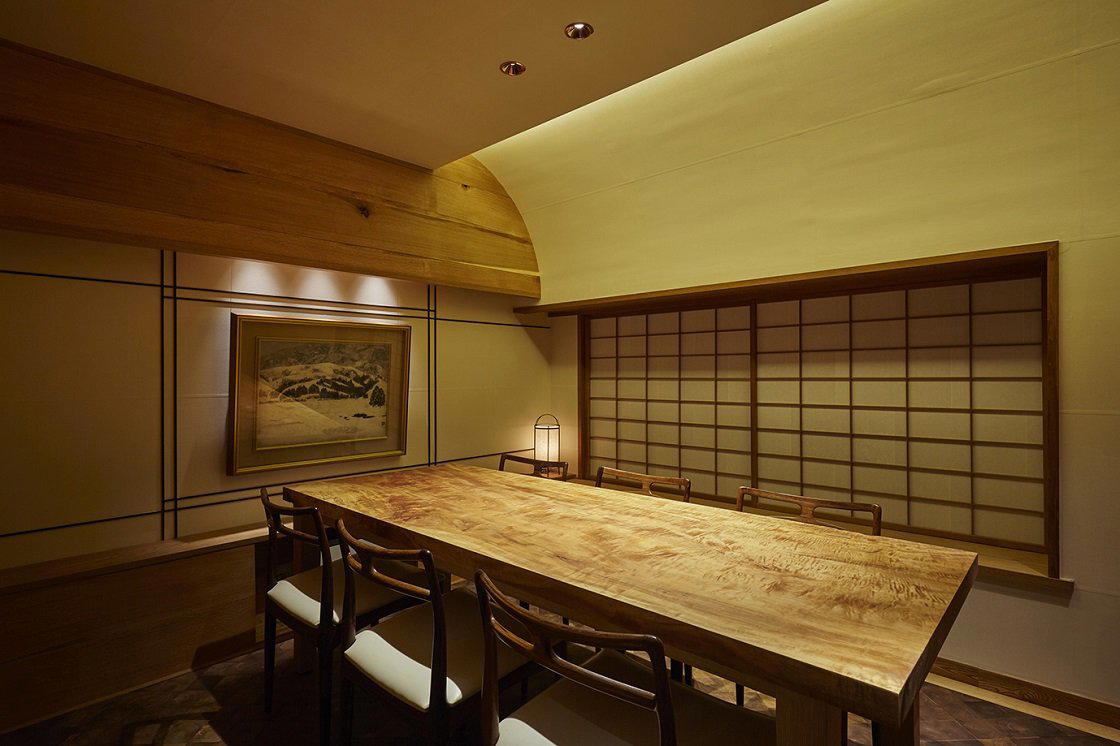




Bars in Takarazuka
Browse all →




Hotels in Takarazuka
Browse all →



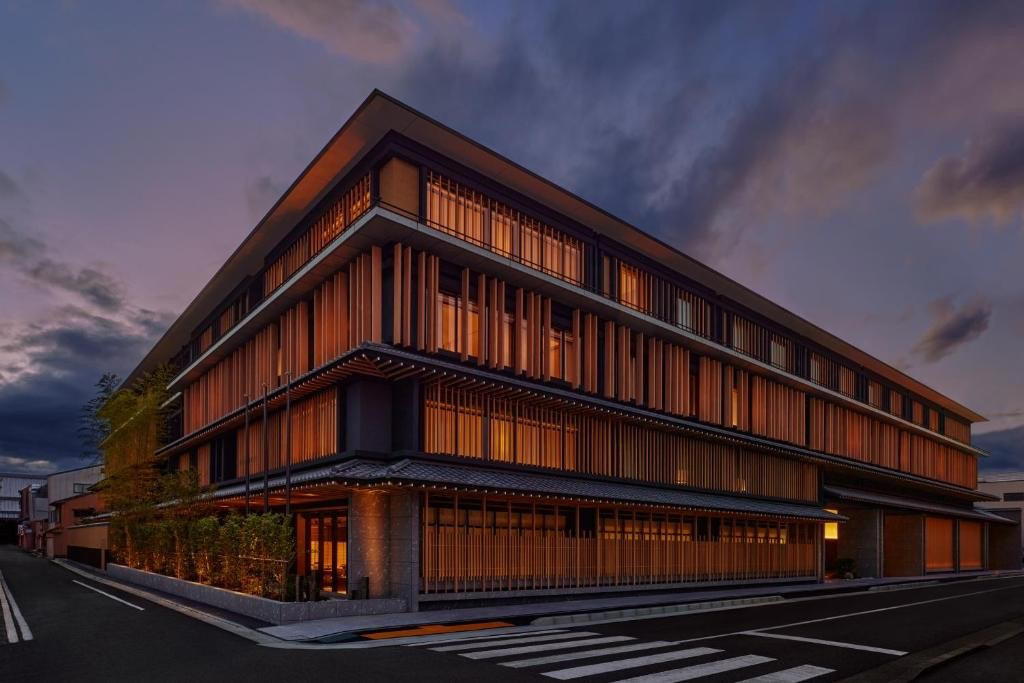
Wineries in Takarazuka
Browse all →
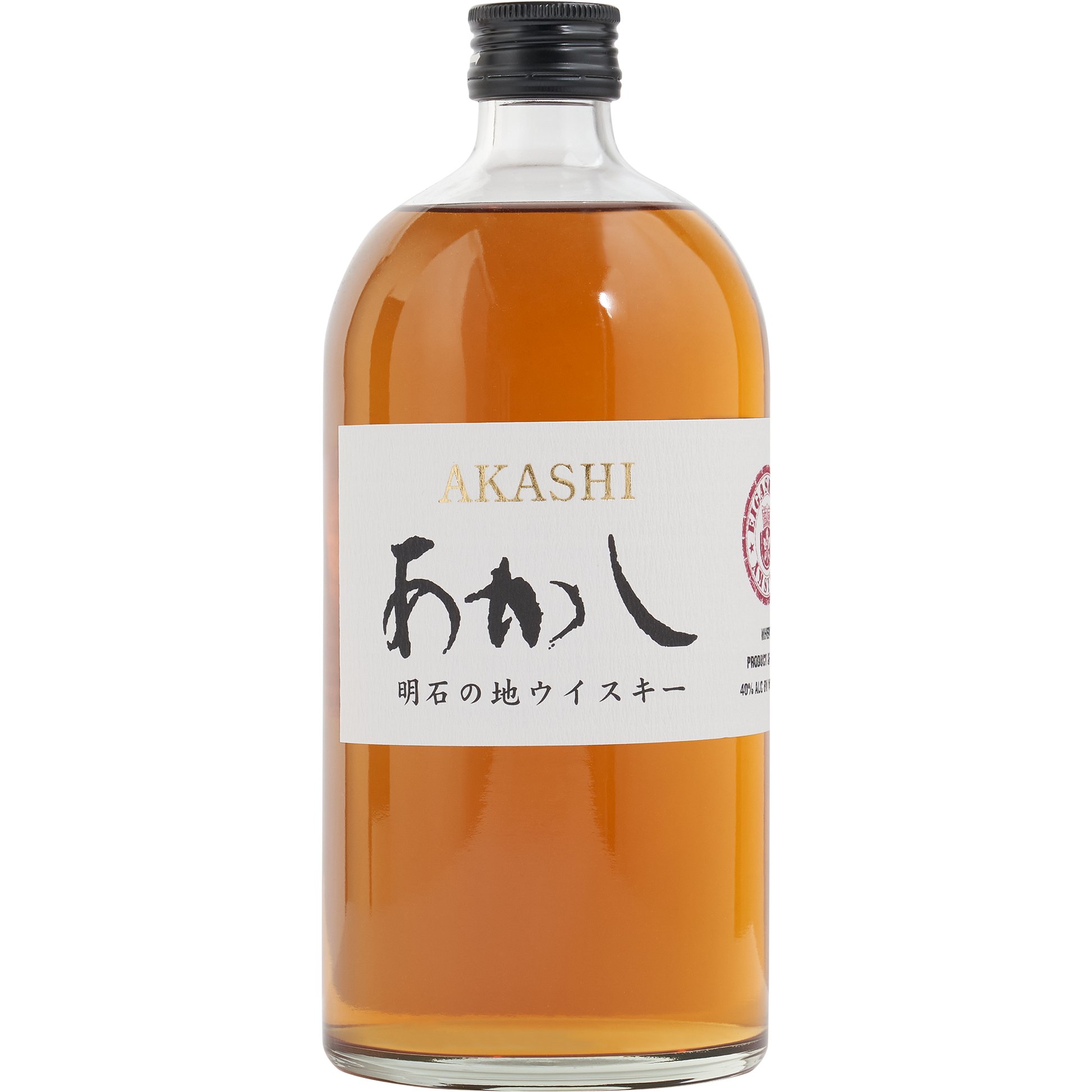
Details
- Classic
- Cozy
- Casual Hangout
- Family
- Solo
- Standalone
- A La Carte
Current opening hours
- Monday
- 11 AM–8:30 PM
- Tuesday
- Closed
- Wednesday
- Closed
- Thursday
- 11 AM–8:30 PM
- Friday
- 11 AM–8:30 PM
- Saturday
- 11 AM–8:30 PM
- Sunday
- 11 AM–8:30 PM
Hours can change for holidays and private events. Hours as of .
A Showa-era nostalgic interior with a warm, casual atmosphere centered on freshly baked gratin.