Gostilna Zorko sits in Boreci, a small settlement in the Prlekija region of northeastern Slovenia, where the Mura plain and the wine-growing hills of Ljutomer converge. This is the kind of village gostilna that anchors rural Slovenian food culture: rooted in what the surrounding land produces, shaped by seasons rather than trends, and removed from the urban dining circuit that draws most international attention to Slovenian cuisine.
Pearl is the En Primeur Club membership app — saves, bookings, and concierge access live there. Same editors, same standards.
- Address
- Boreci 5 H, 9242 Križevci pri Ljutomeru, Slovenia
- Phone
- +38641328377
- Website
- gostilna-zorko.si
- Directions
- Get directions
 Saves & bookings on Pearl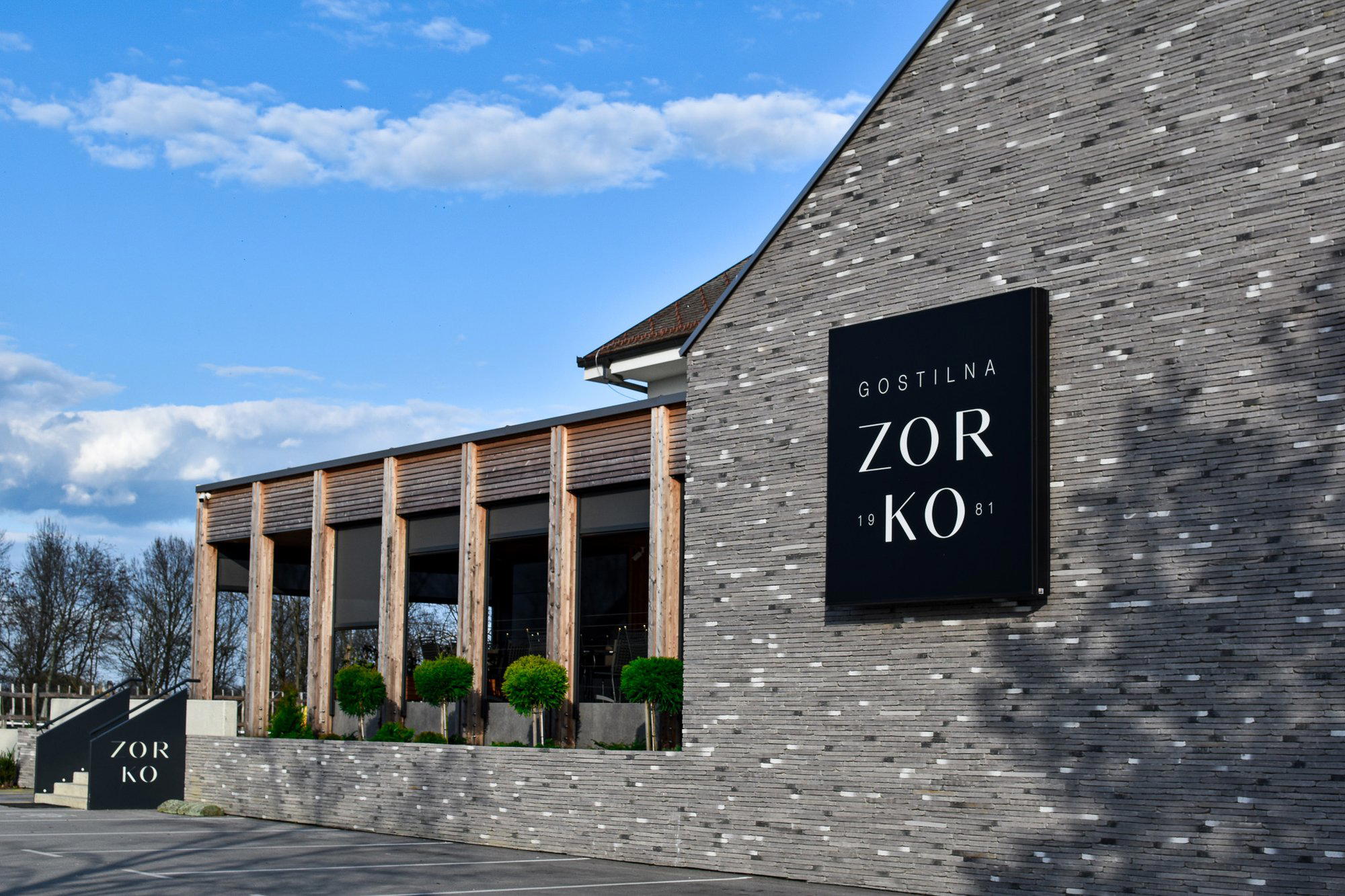
Where the Mura Plain Meets the Table
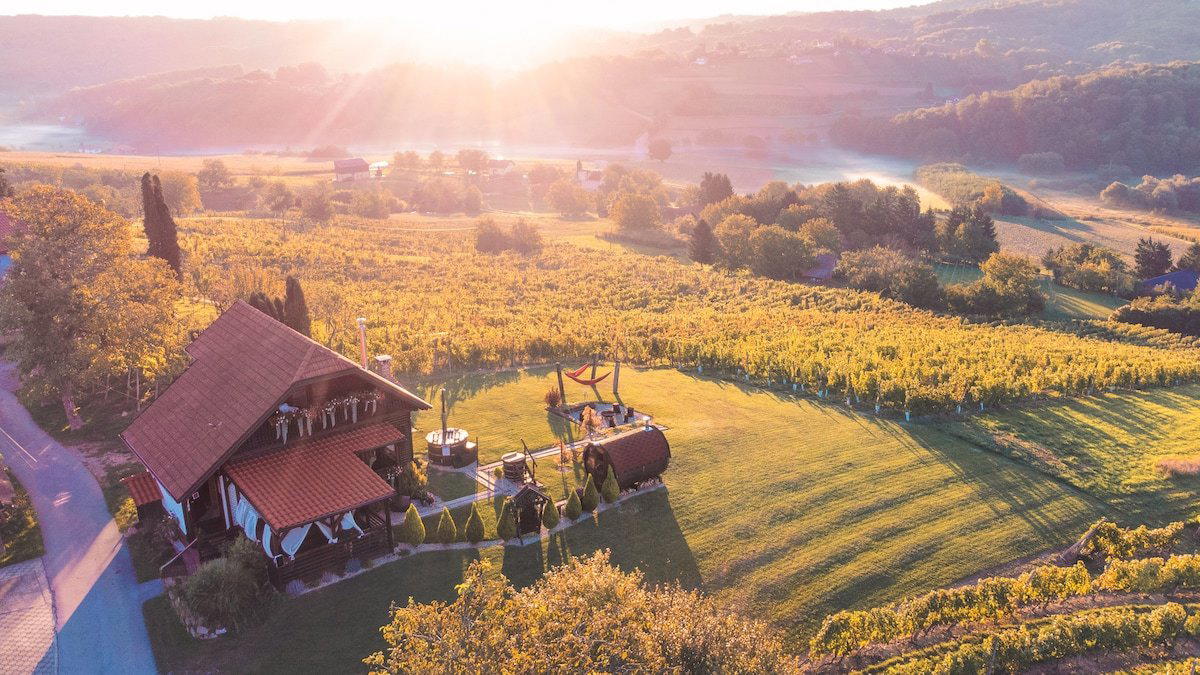
The road into Boreci runs through flat agricultural land that opens, as you approach the Ljutomer hills, into vine-covered slopes. Northeastern Slovenia's Prlekija sub-region is among the country's least-visited corners from a food and wine tourism perspective, even as the broader Slovenian dining scene has drawn sustained international attention over the past decade. That imbalance matters for understanding what Gostilna Zorko represents: a working gostilna in a landscape defined by its produce, operating at a distance from the cities and better-known wine roads that funnel most visitors toward western and central Slovenia.
The gostilna format itself carries weight in this part of the country. Unlike the urban restaurant, the Slovenian gostilna functions as a social institution, somewhere between a tavern, a dining room, and a community hall. In rural Prlekija, that format has historically meant direct ties to local agriculture: pork from nearby farms, freshwater fish from the Mura, wine from the Ljutomer-Ormož appellation that begins almost within sight of the village.
What the Prlekija Region Puts on the Plate
Ingredient sourcing in this part of Slovenia follows a logic that the farm-to-table movement has spent years trying to manufacture elsewhere. The Mura river basin produces freshwater fish, the plains support pig farming at a scale that makes pork the backbone of regional cooking, and the Ljutomer-Ormož wine region, one of Slovenia's oldest, provides a local wine pairing context that most rural restaurants in western Europe cannot replicate without importing from further afield.
Prlekija cuisine belongs to the broader Pannonian food tradition, which shares a gene pool with Hungarian and Croatian border cooking rather than the Alpine or Mediterranean influences that define the rest of Slovenia. That means richer preparations, heavier use of lard and pork fat, dishes built around fermented vegetables and cured meats, and a cooking register that is direct rather than decorative. This is not the register of Hiša Franko in Kobarid or Milka in Kranjska Gora, where tasting menus interpret Slovenian ingredients through a contemporary European lens. The rural gostilna operates differently: shorter supply chains, less elaboration, more reliance on the quality of the raw material itself.
The Ljutomer-Ormož wine zone, which surrounds the Križevci area, produces Welschriesling, Šipon (the local name for Furmint), and Muskat Ottonel at a volume and tradition that gives the region a distinct vinous identity. A gostilna in this postcode has access to that wine culture in a way that urban restaurants, sourcing from across Slovenia's wine map, rarely do. That proximity shapes the food in turn: the cooking tends to suit white wines with some weight and residual extract, and the two have evolved together over generations.
Situating Zorko in the Slovenian Rural Dining Tier
Slovenia's most-discussed restaurants operate in a different register entirely. Dam in Nova Gorica, Gostilna Pri Lojzetu in Vipava, and Grič in Šentjošt nad Horjulom all sit at the creative and farm-to-table end of Slovenian dining, with price points and tasting-menu formats that position them for a different audience. The rural gostilna tier, which includes venues like Turistična Kmetija Breg in Brda and Gostilna Pr'Bizjak in Preddvor, operates on a more accessible price register and serves a primarily local clientele alongside travelers who are actively seeking out the unreconstructed version of Slovenian cooking.
Within that tier, the Prlekija gostilna occupies a specific niche: more landlocked and Pannonian in character than the western and central Slovenian examples, and drawing on a wine region with a longer documented history than many of its Alpine counterparts. That specificity is what makes the detour worthwhile for a reader who has already seen Restavracija Strelec in Ljubljana or Hiša Denk in Zgornja Kungota and wants a different entry point into Slovenian food culture.
Planning a Visit
Križevci pri Ljutomeru sits in Slovenia's northeastern corner, roughly equidistant from the Austrian border and Maribor, the country's second city. The address at Boreci 5 H places Gostilna Zorko in a small settlement outside the town proper, which means a car is the practical approach. The broader Ljutomer wine region rewards a half-day or full-day circuit that combines a winery visit with a gostilna lunch, a pattern that local visitors follow throughout the growing season. For travelers coming from Ljubljana, the drive runs approximately two hours on the A1 and A5 motorways. Those building a broader northeastern Slovenia itinerary might pair a visit here with Pavus in Lasko, Hiša Linhart in Radovljica, or Gostilna Mlinar in Idrija as part of a wider Slovenian dining circuit.
Fast Comparison
Comparable venues nearby, for context on price, style, and recognition.
| Venue | Cuisine | Price | Notes |
|---|---|---|---|
| Gostilna ZorkoThis venue — the venue you are viewing | Traditional Slovenian Prlekija Cuisine | $$ | Not listed |
| Baščaršija | Traditional Bosnian Balkan | $$ | city centre |
| Turistična kmetija Puhan | Traditional Prekmurje Slovenian | $$ | Bogojina |
| Gostilna Oštirka | Modern Slovenian | $$ | Celje market |
| Vino & turizem Valdhuber | Traditional Slovenian with Modern Touch | $$ | Zgornja Kungota |
| Spica | Slovenian & Neapolitan Pizza | $$ | Lake Bled |
Continue exploring
More in Krizevci
Restaurants in Krizevci
Browse all →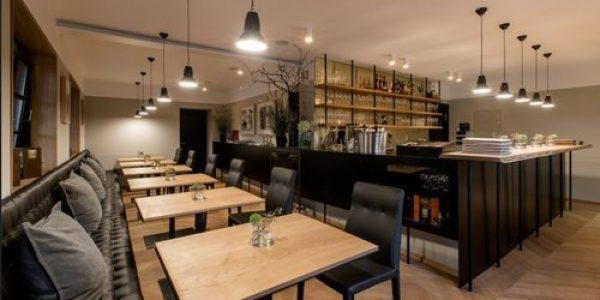
Bars in Krizevci
Browse all →
Hotels in Krizevci
Browse all →

At a Glance
- Rustic
- Cozy
- Classic
- Family
- Casual Hangout
- Standalone
- Historic Building
- Local Sourcing
Current opening hours
- Monday
- 9 AM–10 PM
- Tuesday
- 9 AM–10 PM
- Wednesday
- 9 AM–10 PM
- Thursday
- 9 AM–10 PM
- Friday
- 9 AM–10 PM
- Saturday
- 11 AM–10 PM
- Sunday
- Closed
Hours can change for holidays and private events. Last verified .
Pleasant atmosphere combining tradition with sincere hospitality in a country inn setting.