On the Ljubljanica riverbank at Ob Ljubljanici 24, Gostilna Krpan situates itself within Ljubljana's tradition of gostilna dining, the unpretentious, ingredient-led format that predates the city's modern restaurant scene. The address places it steps from the Old Town, where Slovenian regional cooking and locally sourced produce remain the editorial argument rather than European trend-chasing.
Pearl is the En Primeur Club membership app — saves, bookings, and concierge access live there. Same editors, same standards.
- Address
- Ob Ljubljanici 24, 1000 Ljubljana, Slovenia
- Phone
- +38615211220
- Website
- gostilna-krpan.si
- Directions
- Get directions
 Saves & bookings on Pearl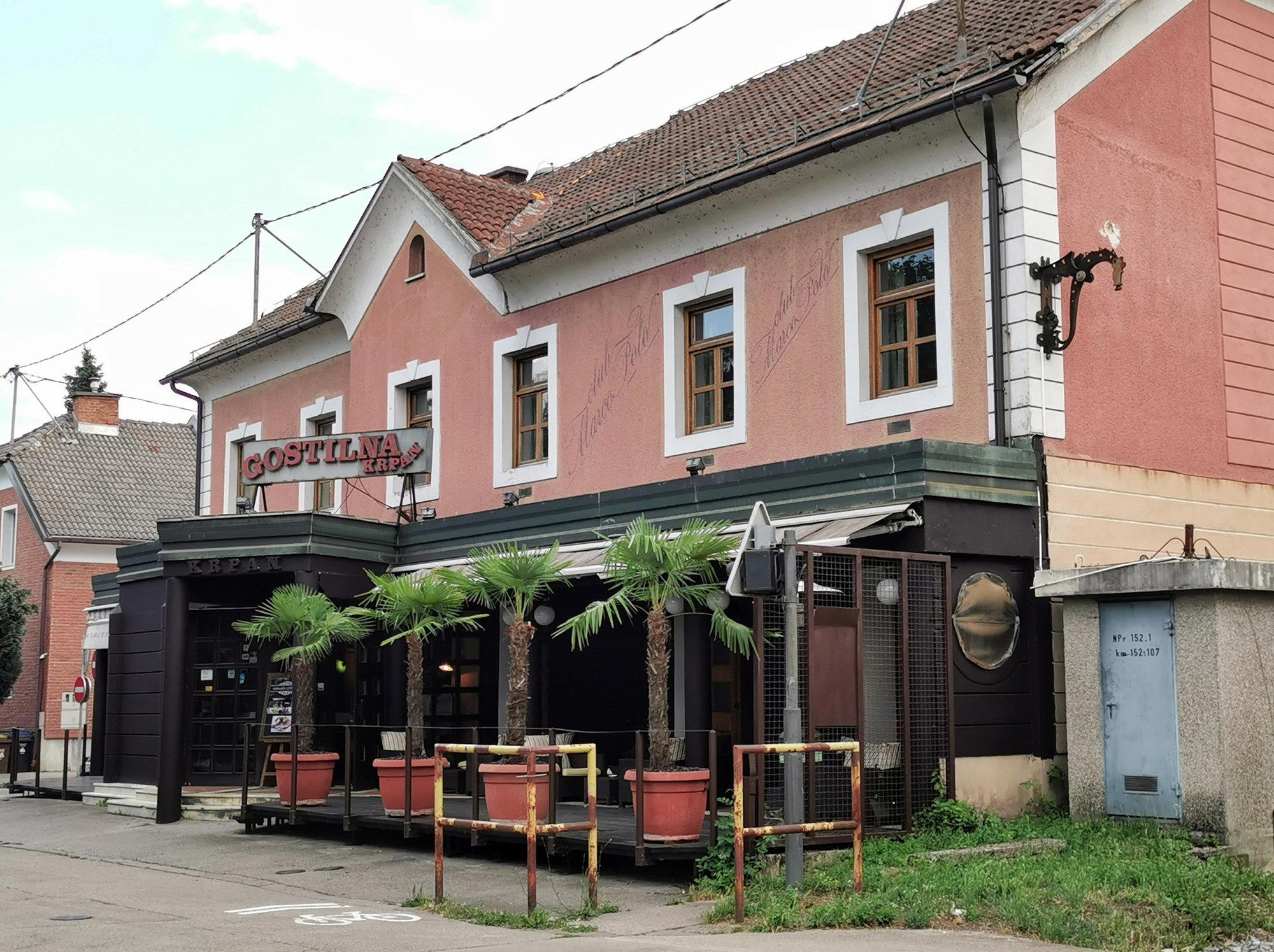
The Riverbank Table: Gostilna Dining in Ljubljana's Old Town
The Ljubljanica river moves slowly through the city centre, and the buildings along its banks carry a particular character, ground-floor gostilne with weathered signage, stone lintels, and the kind of permanence that newer restaurant formats rarely achieve. Gostilna Krpan, at Ob Ljubljanici 24, occupies this register. The address places it within walking distance of the Triple Bridge and the market halls of Pogačarjev trg. Ljubljana's Old Town dining scene has diversified considerably over the past decade, producing a range of formats from modern tasting menus at Restavracija Strelec to fast-casual plant-based counters like Abi Falafel. The gostilna format, a Slovenian institution somewhere between a village inn and a neighbourhood restaurant, sits apart from both poles, and Krpan belongs to that tradition.
What the Gostilna Format Actually Means for the Food
Slovenia's gostilna tradition is rooted in proximity. The format emerged from rural inns that served whatever the surrounding land and season produced, and the leading urban gostilne in Ljubljana have carried that logic into a city context. The central market at Pogačarjev trg, a short walk from Ob Ljubljanici, supplies the city's restaurants with produce from the Ljubljana Basin, the Karst region, and the Julian Alps foothills. This geography matters: Slovenia's compact size means a chef sourcing from domestic producers is drawing on at least four distinct micro-regions within a two-hour radius, each with different soil types, altitude, and seasonal rhythm.
That sourcing diversity is what gives traditional Slovenian cooking its range, buckwheat from the northeast, cured meats from the Karst, freshwater fish from the Sava and Soča river systems, dairy from Alpine pastures. The gostilna format places these ingredients at the centre of the menu rather than treating them as supporting material for imported technique. Ljubljana's current dining scene includes venues that have moved away from this approach in favour of Euro-contemporary menus; the continued presence of gostilne along the riverbank represents a counterargument, one grounded in the region's agricultural identity rather than international positioning. For editorial comparisons to how regional sourcing operates at the highest level of Slovenian cooking, Hiša Franko in Kobarid provides the reference point, a Michelin-starred operation that has made Soča Valley provenance the explicit foundation of its menu. Gostilna Krpan operates at a different scale and price point, but the underlying sourcing logic shares a lineage.
Ljubljana's River District and Where Krpan Sits in It
The stretch of Ob Ljubljanici from the Central Market to the Old Town bridges is among the more concentrated areas of restaurant and bar activity in the city. The evening pedestrian flow here is consistent across the warmer months. Ljubljana's climate produces a distinct seasonal split: the summer terrace season runs roughly May through September, with the riverbank at its most active during the July and August tourist peak.
The broader Old Town dining scene includes Allegria and AFTR for modern European formats, and Altrokè for regional cuisine at the accessible price tier. Gostilna Krpan's riverbank position, combined with its format, places it in a competitive set defined less by price tier than by cooking philosophy, traditional preparation methods, domestic sourcing, and the kind of menu that does not change dramatically quarter to quarter but does follow the agricultural calendar.
Slovenian Cooking Beyond Ljubljana: The Regional Context
Understanding what a Ljubljana gostilna does well requires some familiarity with the broader Slovenian dining geography. Gostilna Pri Lojzetu in Vipava anchors the wine-producing west; Milka in Kranjska Gora works with Alpine producers; Hiša Linhart in Radovljica connects to the Gorenjska agricultural tradition. Each of these venues operates from a sourcing position defined by what surrounds them.
Ljubljana gostilne draw from the same national larder but from an urban position, which means they depend on market relationships and supplier logistics rather than direct farm adjacency. The Central Market infrastructure is what makes this workable at scale. Venues outside the capital that operate within their immediate food geography include Gostilna Mlinar in Idrija, Pavus in Lasko, and Dam in Nova Gorica, each embedded in a distinct regional food tradition that feeds directly into their menus. Grič in Šentjošt nad Horjulom and Hiša Denk in Zgornja Kungota extend this pattern into Styria. Gostišče Karavla 297 in Trzic rounds out the regional picture from Gorenjska.
Planning a Visit: Practical Notes
Ob Ljubljanici 24 is reachable on foot from Ljubljana's main train and bus station in under fifteen minutes, which makes the Old Town riverbank a natural first or last evening destination for travellers moving through the city. The pedestrian zone along the Ljubljanica eliminates the parking complexity that applies to the wider city centre. For those building a wider dining programme in Ljubljana, the progression from a gostilna format like Krpan toward the modern-European end of the city's offer, represented by venues like Restavracija Strelec at the €€€ tier, is a useful structural approach: the traditional format provides the regional reference point against which the contemporary interpretations make more sense. Visitors arriving from cities with modern fine dining programmes will find Ljubljana's gostilna tradition a meaningful contrast in format philosophy rather than simply a lower price point.
Quick Comparison
Comparable venues nearby, for context on price, style, and recognition.
| Venue | Cuisine | Price | Notes |
|---|---|---|---|
| Gostilna KrpanThis venue — the venue you are viewing | Traditional Adriatic Seafood | $$ | Not listed |
| Restavracija Valentin | Seafood and Adriatic Classics | $$ | Center |
| Ribarnica Ribice | Fresh Seafood Market Bistro | $$ | Central Market |
| Osha | Thai & Vietnamese Street Food | $$ | Trubarjeva |
| Restavracija Most | Slovenian Mediterranean | $$ | Central Ljubljana |
| Cacao | Modern Cafe with Gelato & Patisserie | $$ | Center |
Continue exploring
More in Ljubljana
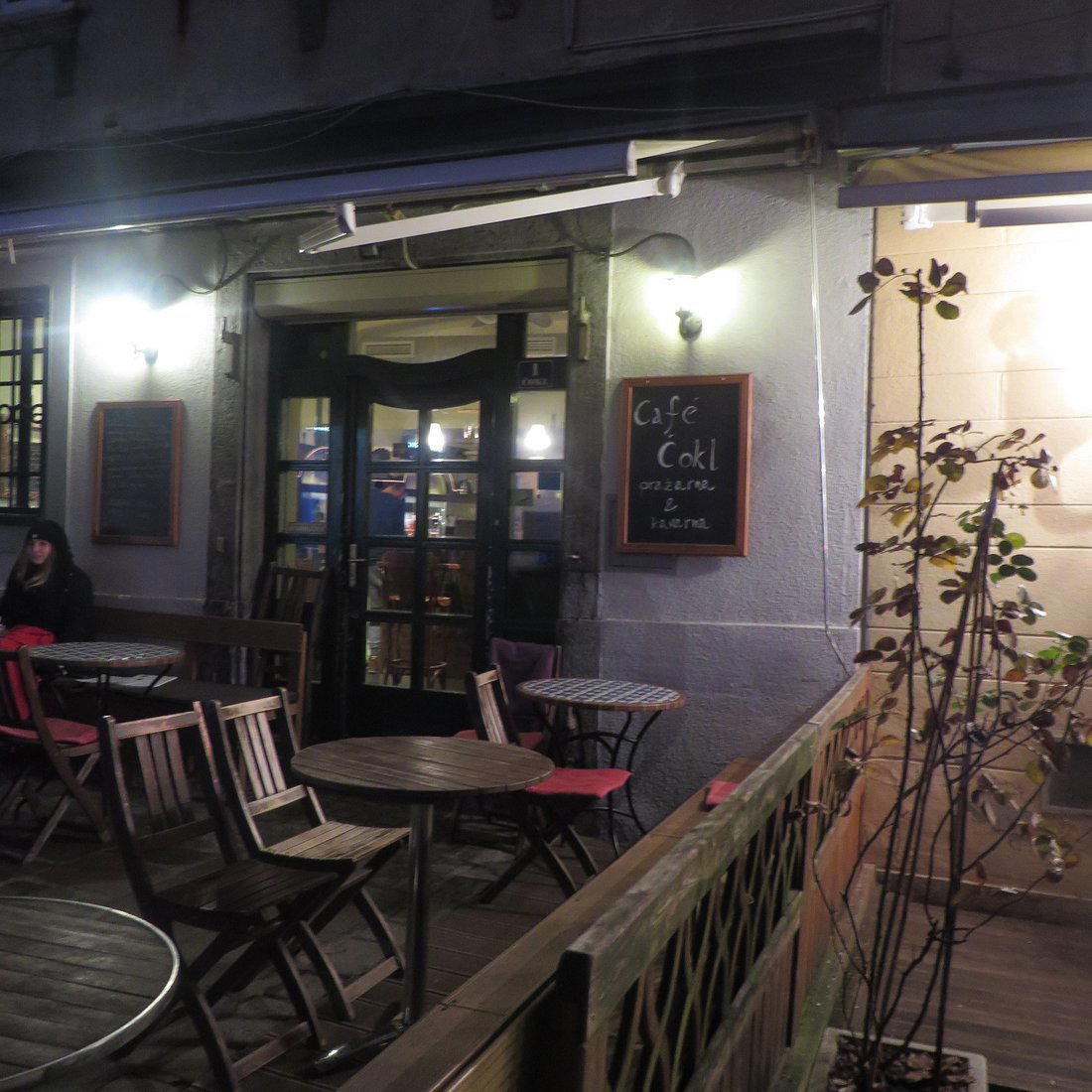
Restaurants in Ljubljana
Browse all →
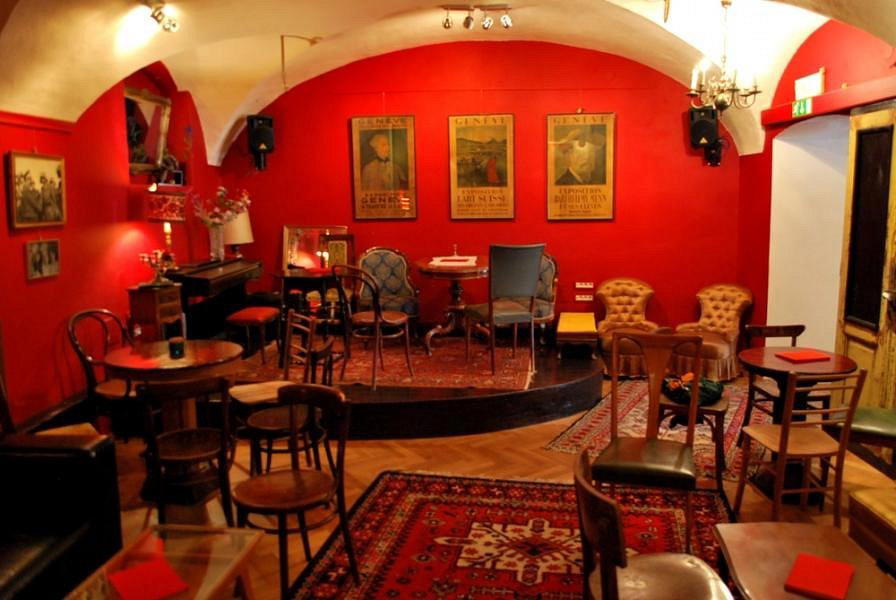
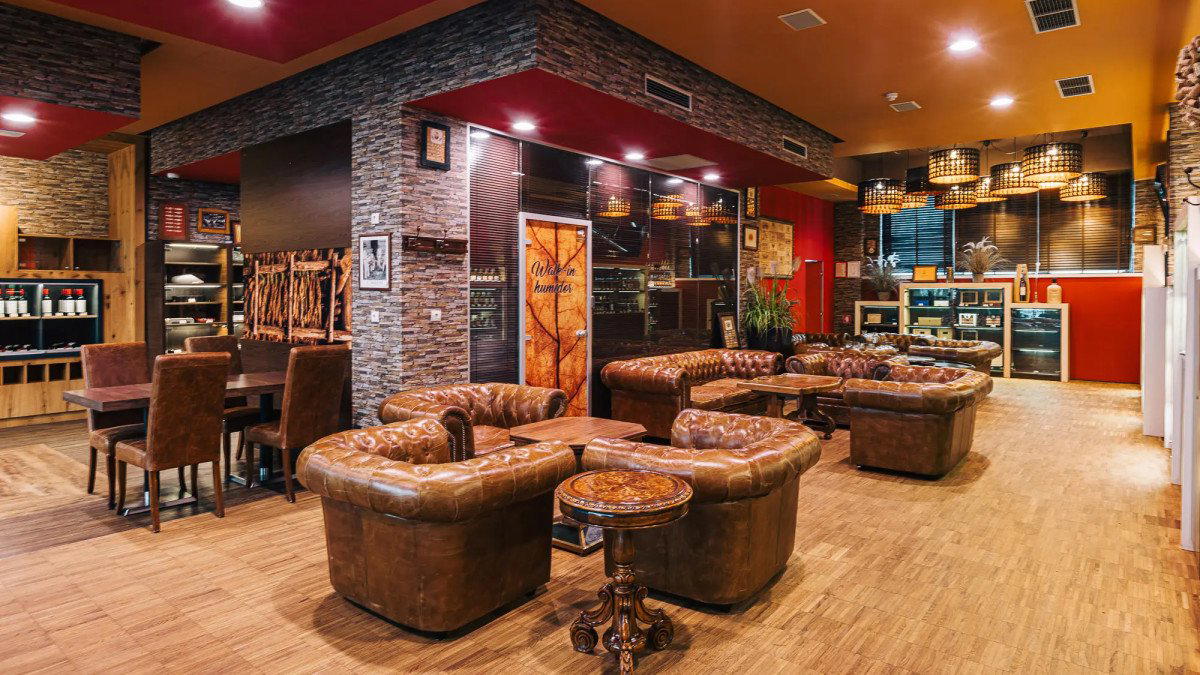
Bars in Ljubljana
Browse all →
Hotels in Ljubljana
Browse all →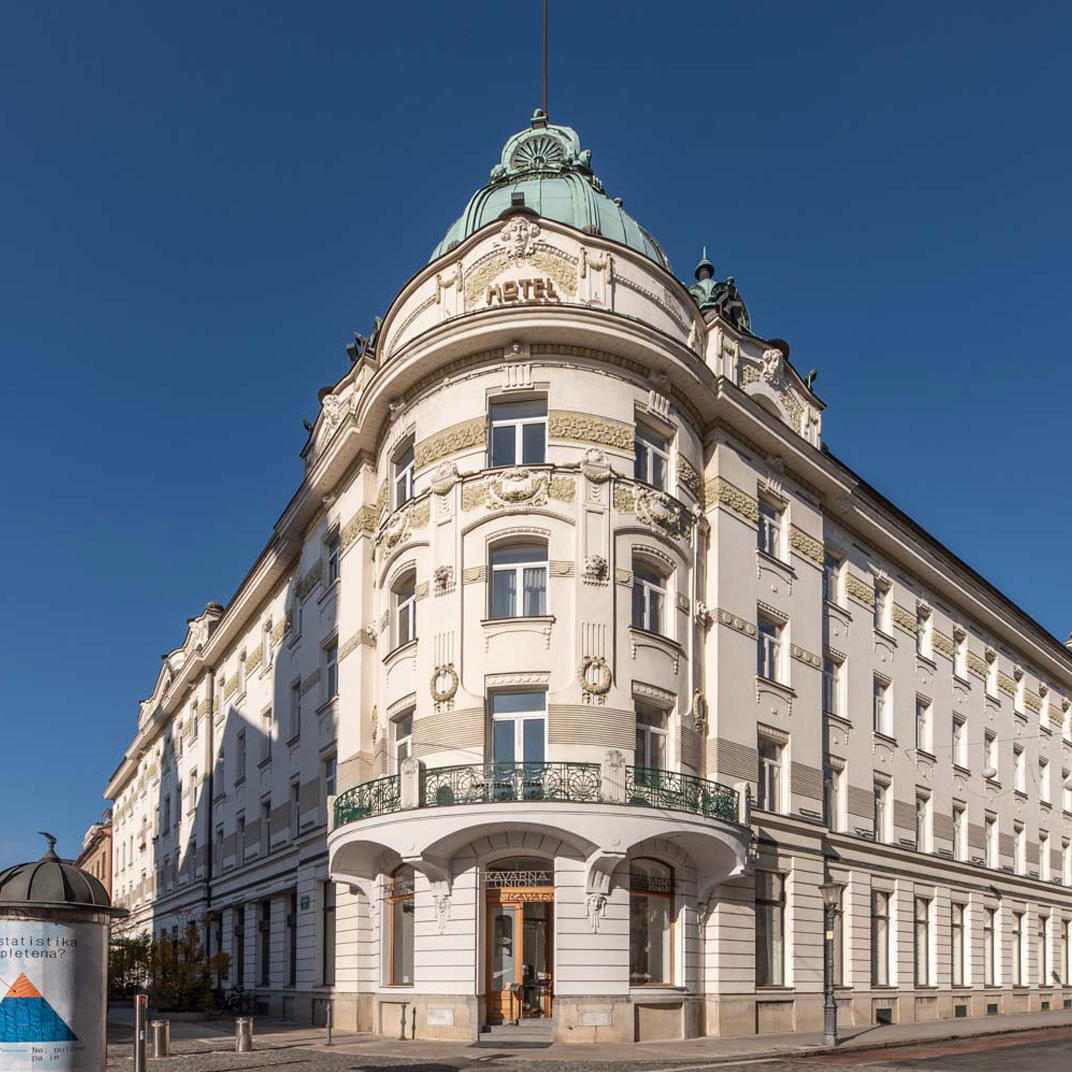

Wineries in Ljubljana
Browse all →
At a Glance
- Cozy
- Rustic
- Intimate
- Date Night
- Business Dinner
- Terrace
- Local Sourcing
Current opening hours
- Monday
- 11 AM–11 PM
- Tuesday
- 11 AM–11 PM
- Wednesday
- 11 AM–11 PM
- Thursday
- 11 AM–11 PM
- Friday
- 11 AM–11 PM
- Saturday
- 11 AM–11 PM
- Sunday
- Closed
Hours can change for holidays and private events. Last verified .
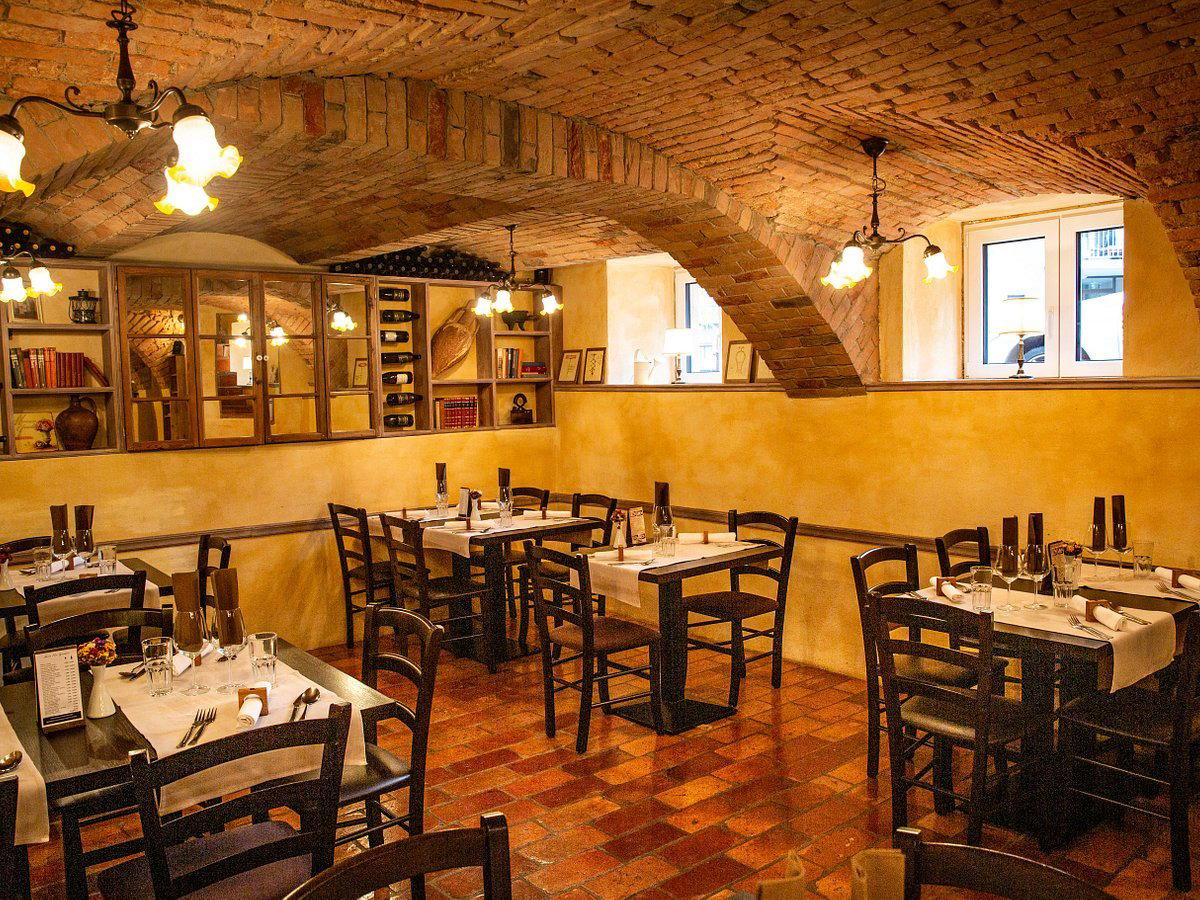
Cozy and serene atmosphere in a traditional small house along the river with elegant dining room and summer terrace.