Gostilna Javornik
Our verdict
Gostilna Javornik sits in the Dolenjska countryside outside Šentrupert, representing the kind of rural Slovenian gostilna where proximity to the land shapes what ends up on the table. In a country where ingredient sourcing has become the defining argument for its most talked-about restaurants, this address offers a grounded counterpoint to the fine-dining circuit — rooted in place rather than ambition for recognition.

Pearl is the En Primeur Club membership app — saves, bookings, and concierge access live there. Same editors, same standards.
The menu
What to order
- Homemade ravioli with cottage cheese
- Risotto with mushrooms
- Beef filet
- Italian-Slovenian gnocchi in fish sauce
- Sea bass with potatoes and vegetables
Where the Dolenjska Countryside Sets the Table
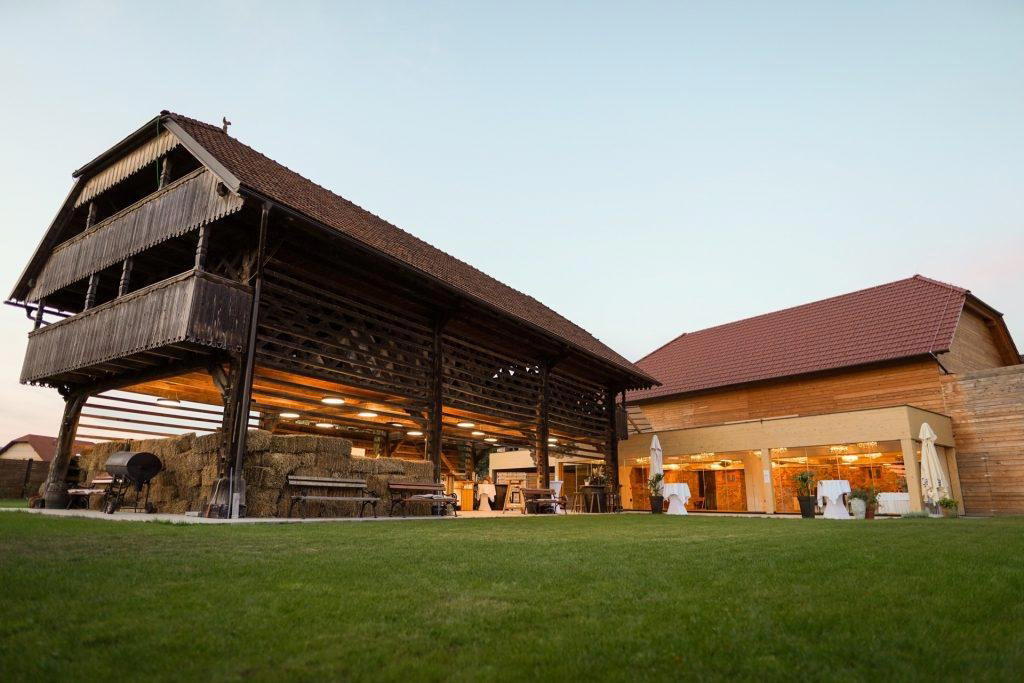
Approach Rakovnik pri Šentrupertu along the back roads that thread through southeastern Slovenia's softly rolling hills and you begin to understand the culinary logic before you arrive. This is Dolenjska: a region of orchards, forest edges, and farmsteads where the distance between a field and a kitchen is measured in metres rather than supply-chain kilometres. The gostilna as an institution in rural Slovenia has always operated this way, sourcing from what is immediately available and cooking to reflect what the season permits. Gostilna Javornik, sitting at address Rakovnik pri Šentrupertu 6, belongs to that tradition. The physical setting alone tells you something about the cooking philosophy: this is not a restaurant that positions itself against an urban backdrop. It is embedded in the countryside it draws from.
Slovenia's dining conversation has tilted heavily toward the west of the country in recent years. Hiša Franko in Kobarid and Milka in Kranjska Gora have carried the international narrative about Slovenian gastronomy, while Dam in Nova Gorica and Gostilna Pri Lojzetu in Vipava anchor the Primorska side. The Dolenjska interior, by contrast, operates largely outside the awards circuit and international press attention. That gap is not a reflection of quality so much as geography and marketing. Rural gostilne in this region have continued doing what they have always done: feeding the immediate community from local sources, without repackaging that practice for outside audiences.
Ingredient Sourcing as the Structural Argument
The broader shift in Slovenian fine dining toward hyperlocal sourcing has created an interesting dynamic. At the recognised end of the market, sourcing credentials have become a deliberate part of the identity: Grič in Šentjošt nad Horjulom operates on a farm-to-table framework, and Hiša Denk in Zgornja Kungota makes local provenance a formal part of its programme. But this is a formalisation of something rural gostilne in Slovenia never stopped doing out of necessity and habit. The gostilna format in areas like Dolenjska was built around whatever the surrounding land and season could offer, long before ingredient provenance became a marketing category.
Dolenjska itself is characterised by game, freshwater fish, foraged mushrooms and herbs, orchard fruit, and the kind of preserved preparations that reflect cold-month practicalities. Dishes in this tradition tend toward depth rather than delicacy: slow cooking, fermentation, and preservation techniques that were functional before they became fashionable. Comparing this baseline to what a traveller might expect at Hiša Linhart in Radovljica or Pavus in Lasko helps calibrate the difference between the gostilna tier and the premium contemporary tier. Both are drawing from Slovenian ingredients; the difference is in how explicitly that sourcing story is constructed and communicated.
The Gostilna Format and What It Offers
The word gostilna roughly translates as inn or tavern, but in practice it describes a specific social and culinary function that has no clean equivalent in English. A gostilna is not a restaurant in the formal sense, nor a pub in the British sense. It is the place where a community eats, where the menu follows the season and the cook's judgment, and where the format is shaped by hospitality rather than service protocol. The leading examples in rural Slovenia feel less like dining experiences and more like being admitted into a functioning household — one that happens to have a kitchen operating at a serious level.
For international visitors, the gostilna tier represents something that the internationally profiled segment of Slovenian dining cannot replicate: proximity to an unmediated version of the cuisine. At Restavracija Strelec in Ljubljana or at addresses reaching for international recognition, Slovenian ingredients are being shaped into a contemporary fine-dining grammar. At a gostilna like Javornik, that grammar does not apply. The cooking speaks in the vernacular of the region, which is both its limitation and its integrity.
Positioning Within the Slovenian Dining Spectrum
Travellers building a Slovenian itinerary around food tend to construct a route through the recognised addresses: the Soča Valley, the Karst, Vipava, Ljubljana. Šentrupert and the Dolenjska interior rarely appear on those routes, which means the gostilne operating there are almost entirely local in their clientele and reference points. This is worth noting for visitors who have already covered the headline circuit and are looking for the kind of low-profile, high-authenticity eating that the awards infrastructure has not yet reached. For comparison, consider how travellers return to addresses like Gostilna Mlinar in Idrija or Gostišče Karavla 297 in Trzic precisely because they sit outside the main tourism pull and operate with fewer concessions to visitor expectations.
The coastal and lakeside end of Slovenian dining has its own logic: Gostišče Neptun in Piran and Turistična Kmetija Breg in Brda operate in regions where tourism is the primary audience. In the Dolenjska interior, the dynamic inverts: the audience is local, the sourcing is proximate, and the cooking does not need to explain itself to anyone unfamiliar with it. That confidence is characteristic of the gostilna tier at its most grounded.
For those travelling down from Celje or across from Ljubljana, the drive to Šentrupert takes under ninety minutes from the capital. The area sits in a part of Slovenia that rewards slow travel rather than day-trip logistics. Pairing a visit to Gostilna Javornik with the wider Dolenjska countryside — the Krka River valley, the medieval towns of Novo Mesto and Žužemberk, gives the meal a context that a standalone restaurant visit cannot replicate. Similarly, visitors who have eaten at Gostilna Oštirka in Celje or Gostilna Pr'Bizjak in Preddvor will recognise the structural logic: a rural gostilna is always a product of its immediate surroundings, and understanding those surroundings sharpens what you taste.
Given the gostilna format and the rural setting, direct contact before visiting is advisable rather than optional. For a broader picture of eating in the region, our full Sentrupert restaurants guide maps the options across the area.
Frequently asked questions
Is Gostilna Javornik suitable for children?
The gostilna format in Slovenia is historically a family and community institution, and venues operating under this model in the Dolenjska countryside typically accommodate multigenerational groups. The rural setting at Rakovnik pri Šentrupertu, away from urban foot traffic, supports a relaxed pace that suits families. Confirm current arrangements directly with the venue before visiting.
What kind of setting is Gostilna Javornik?
Gostilna Javornik sits at Rakovnik pri Šentrupertu 6, in the softly rolling hills of southeastern Slovenia's Dolenjska region. The gostilna format is distinct from a restaurant or café: it functions as a social anchor for its locality, combining dining with a sense of community gathering. The surrounding landscape of back roads and agricultural land shapes the atmosphere as much as the interior does.
How far is Gostilna Javornik from Ljubljana, and is it worth the drive from the capital?
Šentrupert sits roughly 70 kilometres east of Ljubljana in the Dolenjska subregion, making it a feasible half-day excursion for travellers building a route through southeastern Slovenia. The Dolenjska countryside is underrepresented on standard food itineraries that cluster around the Karst and Vipava Valley, which means venues like Gostilna Javornik at Rakovnik pri Šentrupertu offer access to a less-trafficked regional tradition. Pair the visit with other Dolenjska stops to justify the journey from the capital.
What should I eat at Gostilna Javornik?
Gostilnas in the Dolenjska region typically anchor their menus to local production — seasonal vegetables, foraged ingredients, and meat from the surrounding area. The broader Slovenian inn tradition favours preparations that reflect the agricultural calendar rather than fixed year-round menus. Specific dishes are best confirmed with the venue, as menus shift with availability and season.
Comparable Venues
Comparable venues nearby, for context on price, style, and recognition.
| Venue | Cuisine | Price | Awards | Notes |
|---|---|---|---|---|
| Gostilna JavornikThis venue — the venue you are viewing | Traditional Slovenian & Mediterranean | $30–50 | Not listed | Not listed |
| Zlata ladjica | Modern Slovenian Fine Dining | $50–100 | Not listed | Ljubljana Old Town |
| Valvas'or | Modern Slovenian-Mediterranean | $30–50 | Not listed | Stari trg |
| Domačija Novak | Traditional Slovenian Farm-to-Table | $30–50 | Star Wine List | Sadinja vas pri Dvoru, Dvor |
| Špajza Restaurant | Mediterranean Slovenian Fine Dining | $50–100 | Not listed | Ljubljana Old Town |
| Papillon bistrot | Modern Mediterranean Bistro | $20–30 | Not listed | Center |
Continue exploring
More in Sentrupert
Restaurants in Sentrupert
All restaurants in Sentrupert →
Hotels in Sentrupert
Browse all →

Gostilna Javornik
The wine
- Wine program
- Curated wine list
- Beer program
Details
- Rustic
- Romantic
- Cozy
- Classic
- Date Night
- Group Dining
- Celebration
- Special Occasion
- Private Dining
- Open Kitchen
- Beer Program
- Local Sourcing
- A La Carte
- Set Menu
- Wine
- Beer
- Vegetarian Friendly
- Vegan Options
Current opening hours
- Monday
- Closed
- Tuesday
- Closed
- Wednesday
- Closed
- Thursday
- 12–10 PM
- Friday
- 12–10 PM
- Saturday
- 12–10 PM
- Sunday
- 12–5 PM
Hours can change for holidays and private events. Last verified .
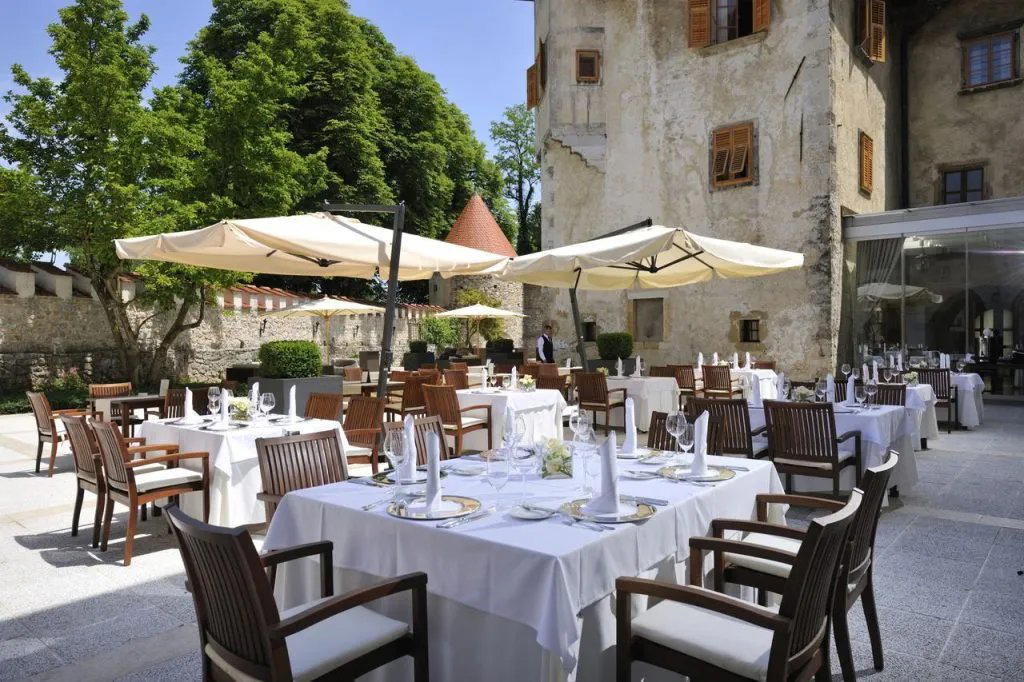
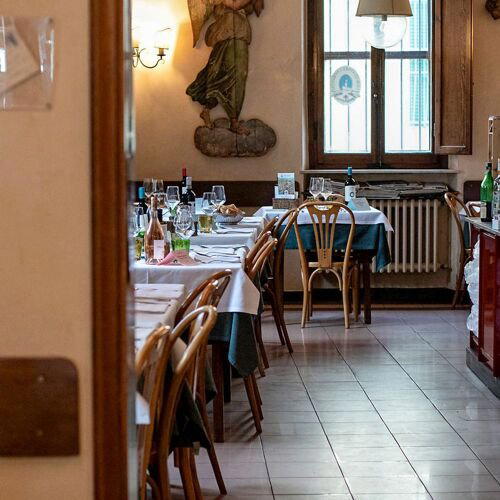
Rustic and intimate with an old-world charm; described as having an original environment that reflects its 30-year heritage, though some reviewers note the interior could use refreshment. Warm, welcoming atmosphere enhanced by family ownership and attentive service.