Good Vibes Cantina
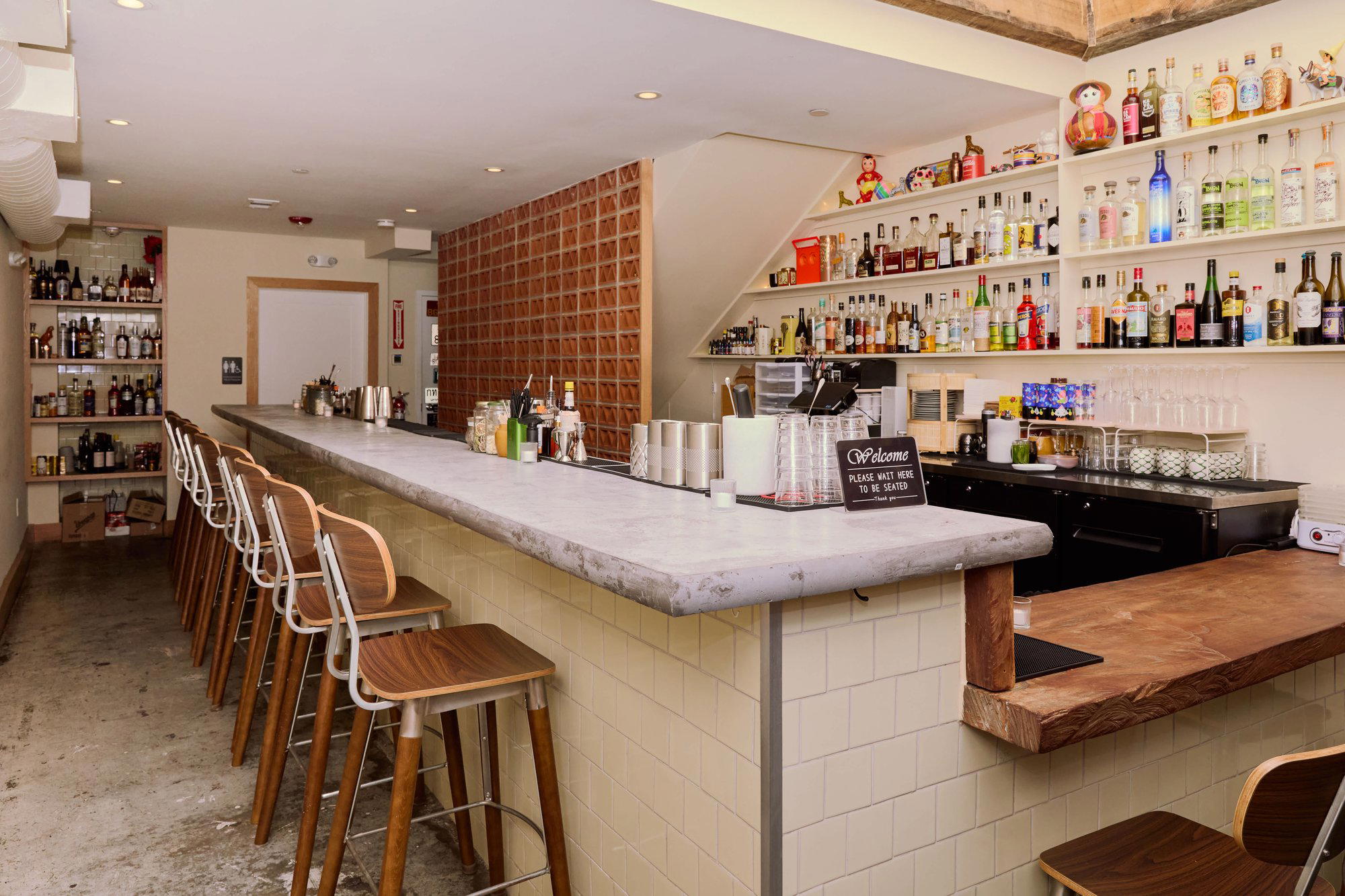
Good Vibes Cantina on O'Donnell Street sits inside Canton's tightest corridor of neighborhood dining, where the cooking draws on Mexican cantina tradition rather than Tex-Mex convention. The format suits a neighborhood that has moved steadily toward ingredient-conscious, casual-serious restaurants over the past decade. It occupies a position in Baltimore's Mexican dining conversation alongside Clavel, the city's other anchor in that space.
Pearl is the En Primeur Club membership app — saves, bookings, and concierge access live there. Same editors, same standards.
- Address
- 2903 O'Donnell St, Baltimore, MD 21224
- Phone
- +14434495410
- Website
- gvibescantina.com
- Directions
- Get directions
 Saves & bookings on Pearl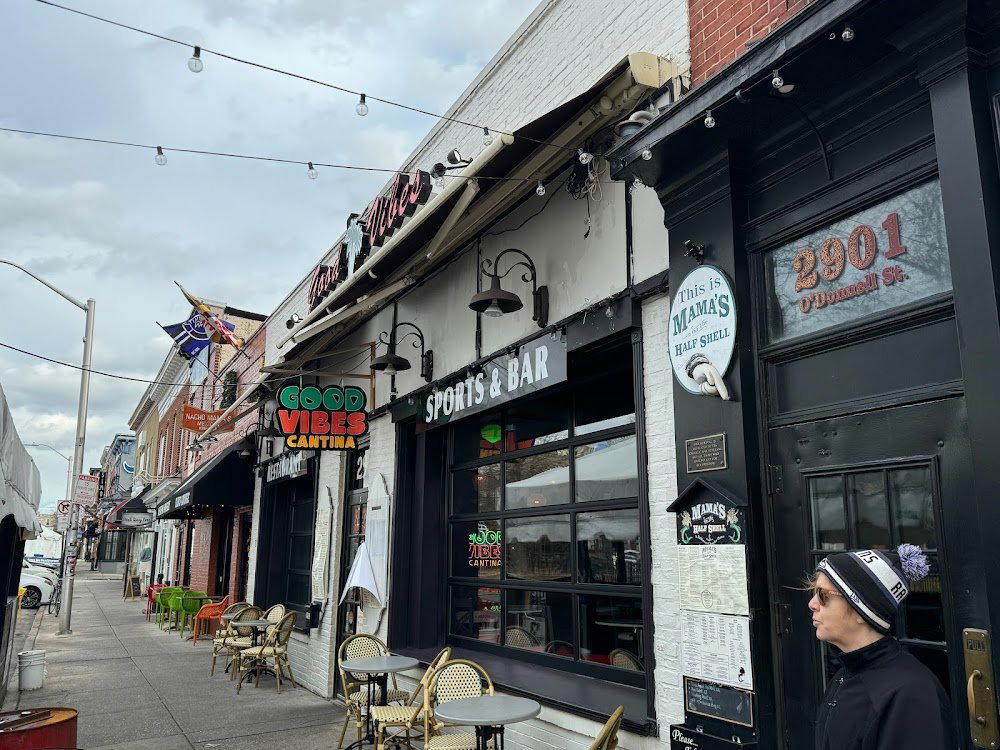
Canton's Cantina Moment
O'Donnell Street in Canton runs a compact stretch from the Square toward the waterfront, and the blocks between hold a concentration of neighborhood restaurants that has grown denser and more serious over the past ten years. The street now includes Turkish, Italian, Indian, and Mexican formats within walking distance of one another, a pattern that reflects Canton's shift from bar-heavy nightlife strip to a genuine dining corridor. Good Vibes Cantina at 2903 O'Donnell sits inside that shift, occupying space in a neighborhood where residents increasingly expect kitchens to put thought behind sourcing, not just price point.
Baltimore's Mexican dining scene has historically clustered around two poles: quick-service taquerias serving the city's significant Latin American population, and Americanized formats oriented toward chips, frozen margaritas, and combination plates. A smaller cohort of kitchens has worked in the space between those poles, closer to cantina and regional Mexican traditions. Within Canton specifically, Good Vibes Cantina operates as one of the few addresses where the Mexican format connects to a neighborhood audience that is paying attention to what is on the plate.
What the Cantina Format Signals About Sourcing
The word cantina carries specific weight in Mexican food culture. Unlike a taqueria, which organizes itself around speed and street-food economy, or a restaurante, which signals formality and plated courses, the cantina is traditionally a place where food and drink exist in genuine parity and where the kitchen draws on regional Mexican cooking rather than a nationalized greatest-hits menu. Chiles sourced by variety, not just heat level; tortillas made from masa rather than flour; proteins prepared using techniques tied to specific Mexican states. Whether Good Vibes Cantina executes those distinctions at the level of, say, the ingredient-obsessive kitchens at Blue Hill at Stone Barns in Tarrytown or Single Thread Farm in Healdsburg is a different question entirely. Those are farms-to-table formats operating at a different price tier and institutional scale than a neighborhood cantina. The relevant comparison is local: against Clavel on Maryland Avenue, which has built a following on mezcal depth and regional Mexican sourcing, Good Vibes Cantina occupies a parallel but geographically distinct position, serving the east-side neighborhoods rather than Remington.
Ingredient sourcing in the Mexican cantina context often goes underdiscussed because the format does not command the same critical attention as, say, the farm-driven tasting menus at Smyth in Chicago or Addison in San Diego. But the quality gap between a kitchen using commodity proteins and generic dried chiles versus one sourcing from Mexican-American specialty distributors is significant and legible on the plate. In Baltimore, where the supply chain for specialty Mexican ingredients has improved as the Latin American community in areas like Highlandtown has grown, kitchens on the east side have better access to those inputs than they did a decade ago.
Where It Sits in Baltimore's Dining Conversation
Baltimore's restaurant community has developed a tier of neighborhood-serious kitchens that do not carry Michelin recognition or 50 Best citations but maintain a committed local following. dede (Turkish) on the same O'Donnell corridor and Angeli's Pizzeria nearby both operate in that register: format-specific, neighborhood-embedded, not destination restaurants in the sense that Cindy Wolf's Charleston is for fine dining, but exactly where a resident goes on a Tuesday when they want something done with care. The restaurant belongs to that cohort. It is not competing with Le Bernardin in New York City or The French Laundry in Napa. It is competing for the attention of Canton residents who have choices within a ten-minute walk and will return somewhere regularly only if the kitchen earns it.
Other Baltimore comparisons worth holding in mind: Akbar has built long-term loyalty in the Indian format by staying consistent over years; 16 On The Park has developed a neighborhood following through format clarity. The pattern across these addresses is that longevity in Baltimore's mid-tier dining market comes from kitchen consistency more than concept novelty. For a cantina format, that means the tortillas stay made from scratch, the margarita program reflects actual agave quality, and the proteins change with what is available rather than locking into a static menu that ages poorly.
The Broader American Cantina Shift
The cantina format has gained traction in American cities over the past decade partly because it provides a genuine alternative to both fast-casual and fine-dining Mexican. Cities like Los Angeles, where Providence anchors the fine-dining end of a deeply varied restaurant market, and New Orleans, where Emeril's helped define what Gulf Coast serious dining could look like, both demonstrate how a city's dining scene stratifies across formats. Baltimore is doing a version of that stratification now, with Mexican food participating more fully in the serious-casual tier than it did when the only options were large Tex-Mex chains on the edges of the metro or taquerias oriented toward a different customer base than Canton's.
Korean tasting-menu formats at addresses like Atomix in New York City or the Alpine sourcing discipline at Atelier Moessmer Norbert Niederkofler in Brunico represent one end of the ingredient-sourcing conversation, where provenance is the explicit subject of the dining experience. The cantina format in a neighborhood like Canton operates closer to the other end: sourcing matters, but it is expressed through execution on the plate rather than through menu narration. That is a harder case to make to a customer, and the kitchens that make it successfully tend to build particularly durable followings.
Planning Your Visit
The restaurant is located at 2903 O'Donnell Street in Canton, Baltimore, MD 21224. The address is walkable from the Canton Square area and sits within the broader O'Donnell Street dining corridor that includes several other independently operated restaurants. Canton's dining strip draws a neighborhood crowd on weekday evenings and a broader east-side audience on weekends, so timing a visit during mid-week service tends to allow more attention from the kitchen. For context on how the restaurant fits into the wider Baltimore dining picture, including fine dining, neighborhood staples, and international formats, our full Baltimore restaurants guide covers the city's restaurant tiers in detail.
Recognition, Side-by-Side
Comparable venues nearby, for context on price, style, and recognition.
| Venue | Cuisine | Price | Notes |
|---|---|---|---|
| Good Vibes CantinaThis venue — the venue you are viewing | Lively Mexican Cantina | $$ | Not listed |
| Blue Agave Mexican Food | Authentic Mexican Tequileria | $$ | Federal Hill |
| Clavel | Authentic Sinaloan Taqueria & Mezcaleria | $$ | Remington |
| Mama's on the Half Shell | Classic Baltimore Seafood | $$ | Canton |
| Captain James Landing | Maryland Seafood Crabhouse | $$ | Canton |
| Kona Grill - Baltimore | American Grill with Sushi | $$ | Inner Harbor |
Continue exploring
More in Baltimore
Restaurants in Baltimore
Browse all →
Bars in Baltimore
Browse all →

At a Glance
- Lively
- Trendy
- Energetic
- Casual Hangout
- Group Dining
- After Work
- Live Music
- Open Kitchen
- Craft Cocktails
- Beer Program
Current opening hours
- Monday
- Closed
- Tuesday
- 4 PM–12 AM
- Wednesday
- 4 PM–1 AM
- Thursday
- 4 PM–1 AM
- Friday
- 3 PM–2 AM
- Saturday
- 12 PM–2 AM
- Sunday
- 2 PM–1 AM
Hours can change for holidays and private events. Last verified .
Lively and relaxed with bold flavors in a welcoming space, though music can be loud making conversation challenging.