On Bear Street in the heart of Banff, The Bison Restaurant & Terrace occupies a position that balances mountain informality with considered cooking rooted in Canadian ingredients. The menu architecture signals a kitchen that takes regional sourcing seriously, placing it in a different tier from the resort-adjacent steakhouses and tourist-facing pub menus that define much of the town's dining offer.
Pearl is the En Primeur Club membership app — saves, bookings, and concierge access live there. Same editors, same standards.
- Address
- 211 Bear St # 213, Banff, AB T1L 1E4, Canada
- Phone
- +1 403 762 5550
- Website
- thebison.ca
- Directions
- Get directions
 Saves & bookings on Pearl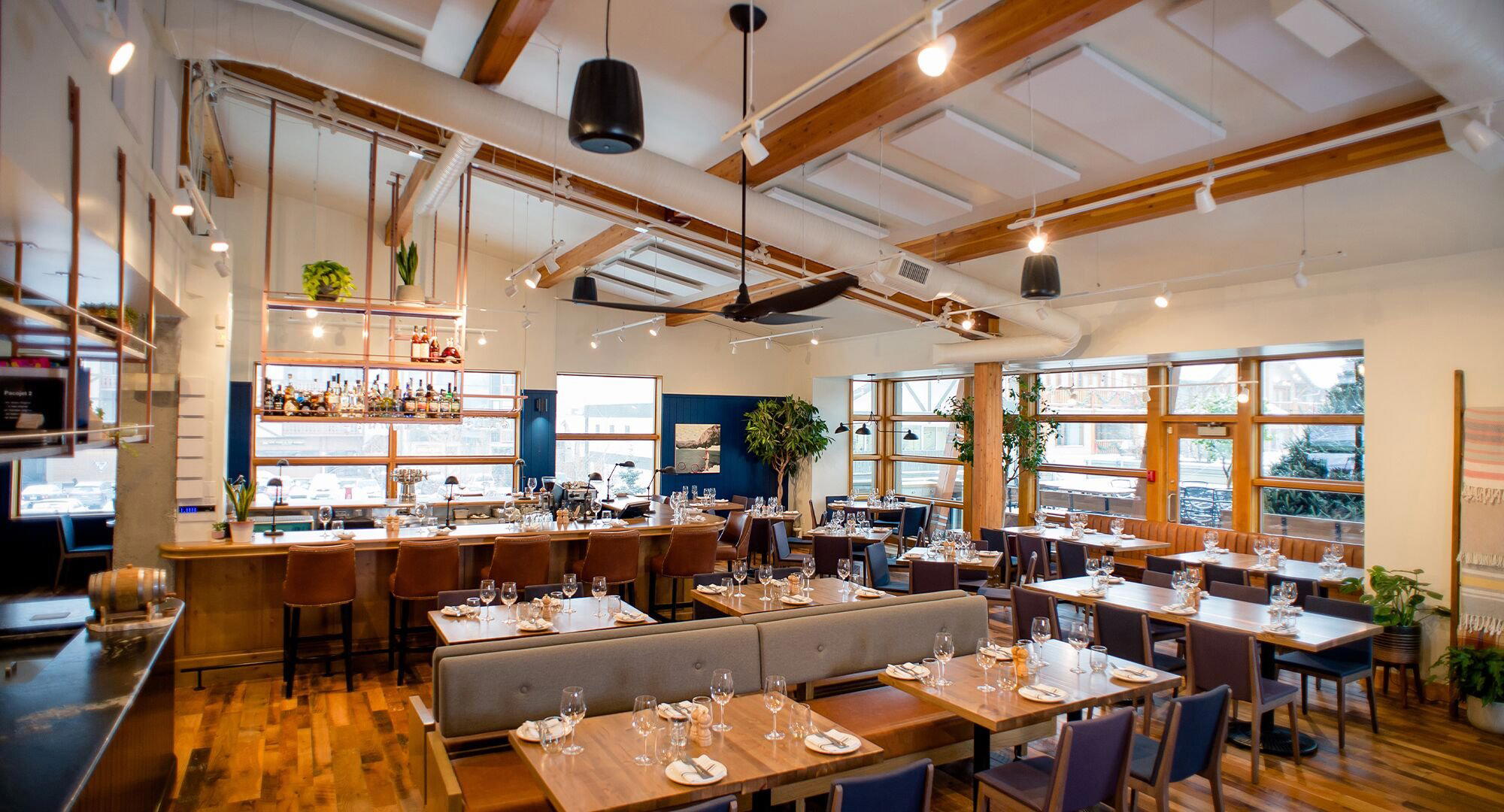
Bear Street and the Logic of a Mountain Dining Room
Banff's restaurant scene divides along a familiar axis. On one side sit the large hotel dining rooms — places like 1888 Chop House, where the Rimrock Resort's elevation and formal setting shape the experience as much as the food does. On the other, a tier of street-level spots on Bear Street has gradually developed a more independent identity, drawing from the national parks crowd and the growing number of visitors who arrive looking for something that reads less like a convention-hotel dinner and more like a considered Canadian meal. The Bison Restaurant and Terrace sits in that second category, at 211 Bear Street, in a space that announces its intentions without theatrical effort.
Bear Street itself has become the more locally-oriented corridor in a town that can feel overwhelmingly touristic. Bear Street Tavern anchors the casual end; Banff Social pulls a younger crowd. The Bison occupies a different register — more deliberate, more invested in what goes on the plate, less interested in the volume-dining format that sustains many Banff operations through peak season.
How the Menu Is Built, and What That Tells You
In Canadian mountain towns, menu architecture tends to follow one of two templates. The first is the broad-tent approach: steaks, burgers, pasta, and a few token local items that gesture toward place without committing to it. The second is a tighter, ingredient-led framework where the sourcing story is structural rather than decorative. The Bison belongs to the second type. The name itself signals a commitment to regional protein, bison being one of the foundational ingredients of Prairie and foothills cooking, and the broader menu logic extends that principle across the card.
This kind of menu architecture has become a defining feature of the better Canadian regional kitchens. Restaurants like The Pine in Creemore and Restaurant Pearl Morissette in Lincoln have built their reputations on exactly this discipline, treating Canadian ingredients as the subject of the menu rather than its backdrop. The Bison applies a version of that logic to an Alpine context, which means navigating the supply realities of a national park town while maintaining enough consistency to support a reputation built over years of operation.
What distinguishes a menu structured this way from a purely trend-driven approach is the coherence it creates across courses. When a kitchen commits to regional sourcing as an organizing principle, the relationships between dishes carry more internal logic. A bison preparation doesn't sit in isolation; it connects to the broader ecosystem of Alberta ranching and foothills agriculture. That coherence is harder to achieve than it sounds, particularly in a resort market where supplier relationships are often secondary to volume and speed.
Banff's Dining Tier in a Canadian Context
It is worth situating Banff dining within the wider Canadian restaurant conversation. Banff is a different proposition. The town's isolation inside a UNESCO World Heritage Site means supply chains are shorter and less flexible. Restaurants that manage to hold a serious culinary standard in that environment deserve more credit than they typically receive from critics oriented toward the country's major cities.
The comparison tier in Banff sits between the high-end hotel rooms and the more casual street operators. Añejo Restaurant handles Mexican-influenced food at the more casual end; Balkan Mediterranean Restaurant occupies a different cuisine category entirely. The Bison's positioning as a Canadian regional kitchen makes it relatively specific within that set, less about cuisine category competition and more about a particular philosophy of what mountain dining should be. Further afield in Canadian dining, the tradition of place-rooted cooking at remote or nature-adjacent sites has produced some of the country's most compelling restaurants, including Fogo Island Inn Dining Room in Joe Batt's Arm and Eigensinn Farm in Singhampton. The Bison isn't operating at that altitude of ambition, but it shares the underlying premise that geography should shape what you serve.
The Terrace Question
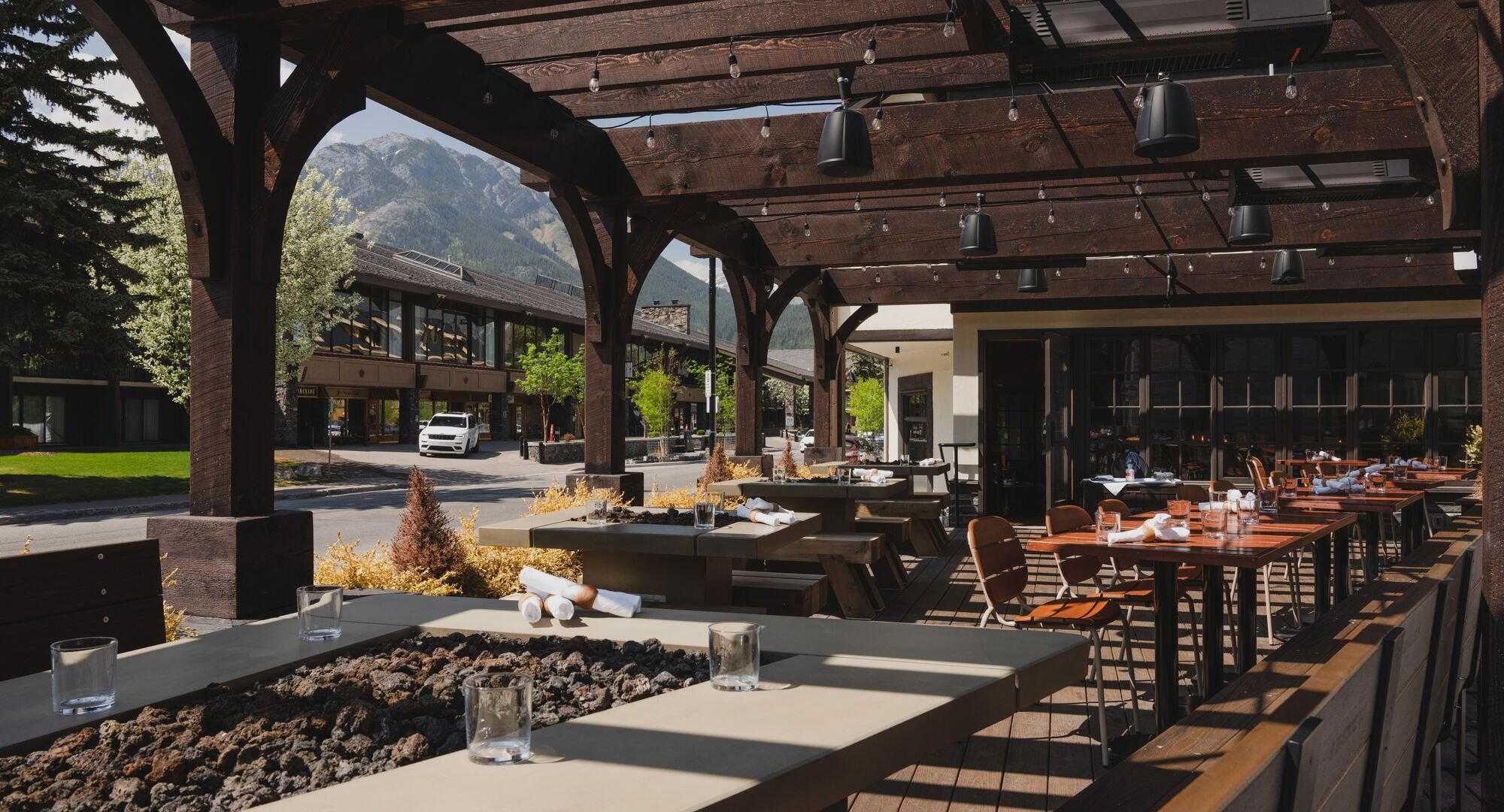
The terrace component matters in a town where summer dining outdoors is a primary draw. Banff's short warm season concentrates outdoor seating demand between late June and early September, and a terrace in this market is not a secondary amenity, it is, during peak months, often the primary reason a table is requested. Venues with outdoor capacity in Banff during summer operate under significant booking pressure, and the Bison's terrace positioning on Bear Street, refined slightly from street level, captures both the mountain sightlines and the pedestrian energy of the town's most independently-minded dining corridor.
For international visitors used to urban terrace dining in cities like New York or San Francisco, where places like Le Bernardin or Lazy Bear anchor entirely different expectations, Banff's outdoor dining culture operates on a different logic. The setting compensates for what the city lacks in density. Mountain air, the Rocky Mountain backdrop, and the particular quality of light at altitude in the early evening make a terrace table here a materially different experience from urban patio dining, regardless of what arrives on the plate.
Planning Your Visit
Banff operates on compressed seasonal rhythms. Summer (July and August) is the period of maximum demand, and any restaurant with a terrace will see weekend tables fill weeks ahead. If visiting between late June and Labour Day, securing a reservation, particularly for terrace seating, requires planning at least two to three weeks out, and often more. Shoulder season, particularly September and early October, offers better availability and the specific reward of fall light on the surrounding peaks. Winter brings a different crowd: ski-season visitors who tend to book around mountain schedules rather than restaurant calendars, which can create mid-week openings that summer rarely provides. For anyone building a broader Banff dining itinerary, the full Banff restaurants guide maps the town's dining options across cuisine type and price register.
Where the Accolades Land
Comparable options at a glance, pulled from our tracked venues.
| Venue | Cuisine |
|---|---|
| The Bison Restaurant & TerraceThis venue — the venue you are viewing | Not listed |
| Eden - The Rimrock Resort | Canadian Cuisine |
At a Glance
- Elegant
- Scenic
- Rustic
- Sophisticated
- Date Night
- Special Occasion
- Celebration
- Open Kitchen
- Terrace
- Live Music
- Hotel Restaurant
- Craft Cocktails
- Extensive Wine List
- Local Sourcing
- Mountain
Current opening hours
- Monday
- 5–9 PM
- Tuesday
- 5–9 PM
- Wednesday
- 5–9 PM
- Thursday
- 5–9 PM
- Friday
- 4:30–9 PM
- Saturday
- 4:30–9 PM
- Sunday
- 5–9 PM
Hours can change for holidays and private events. Last verified .
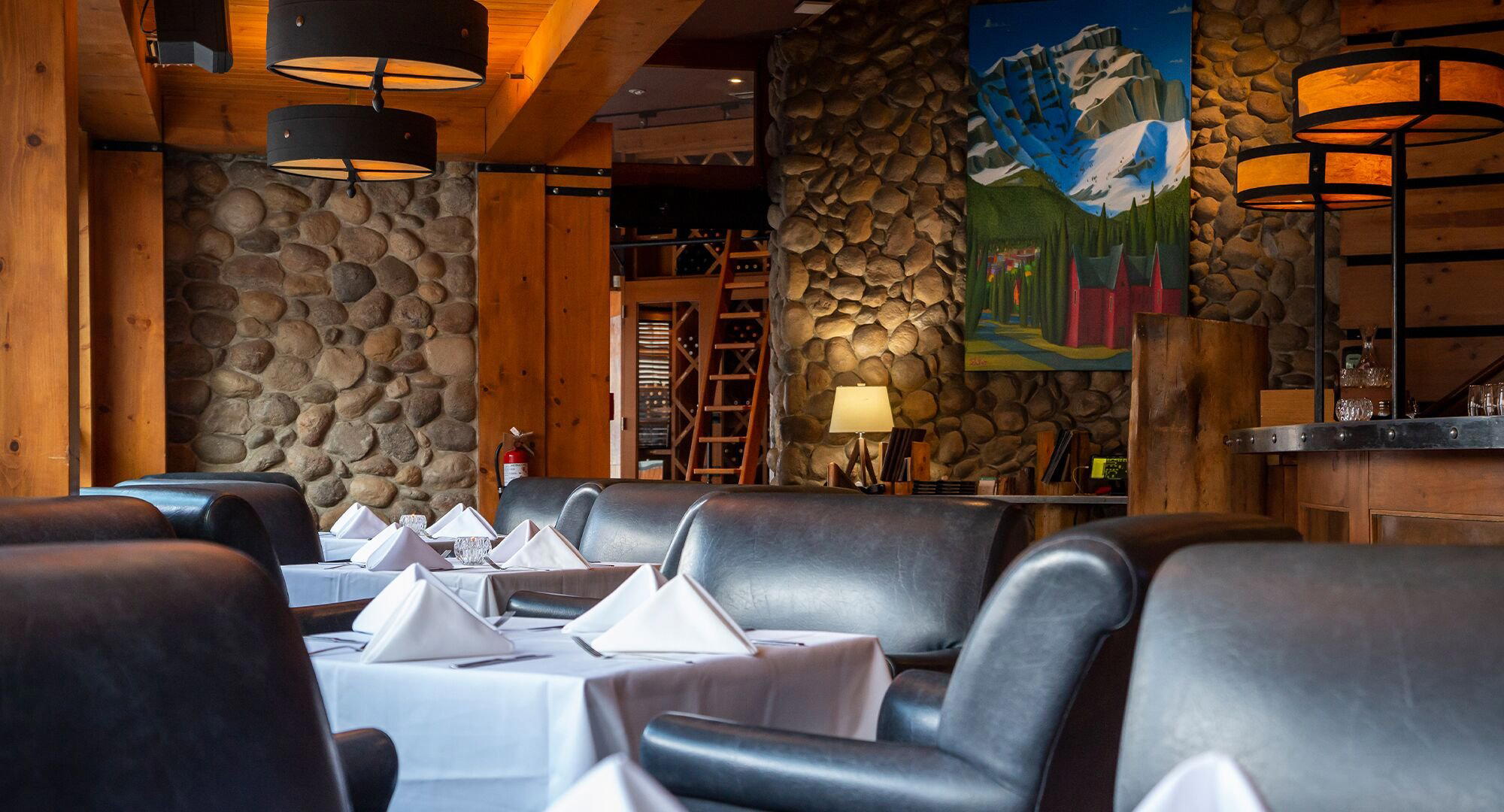
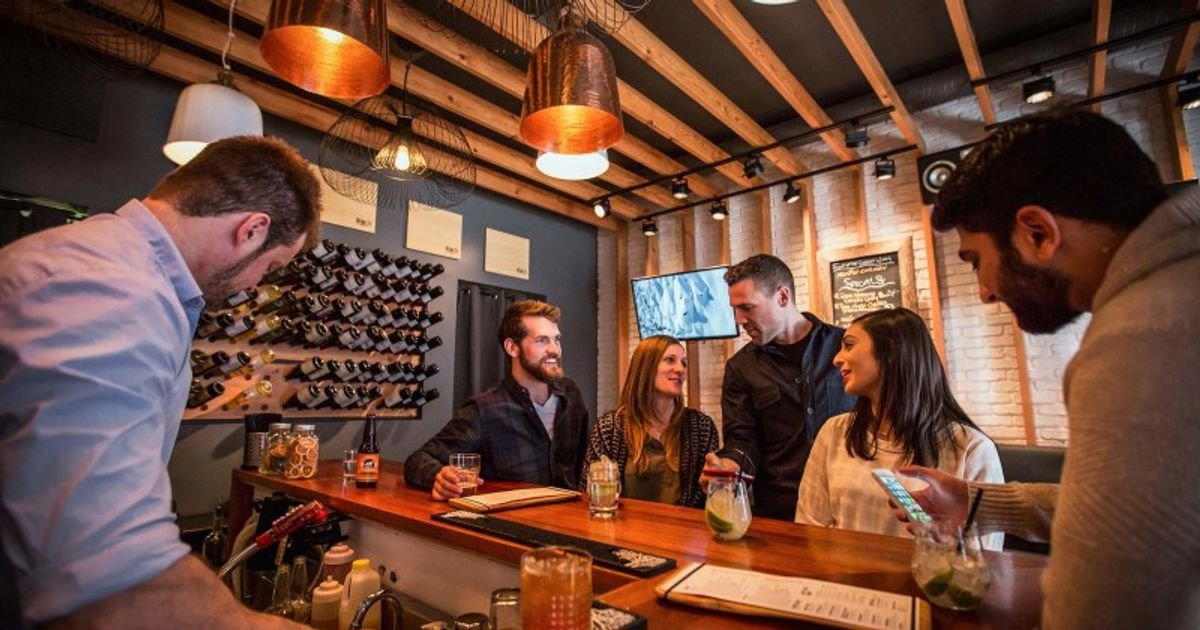
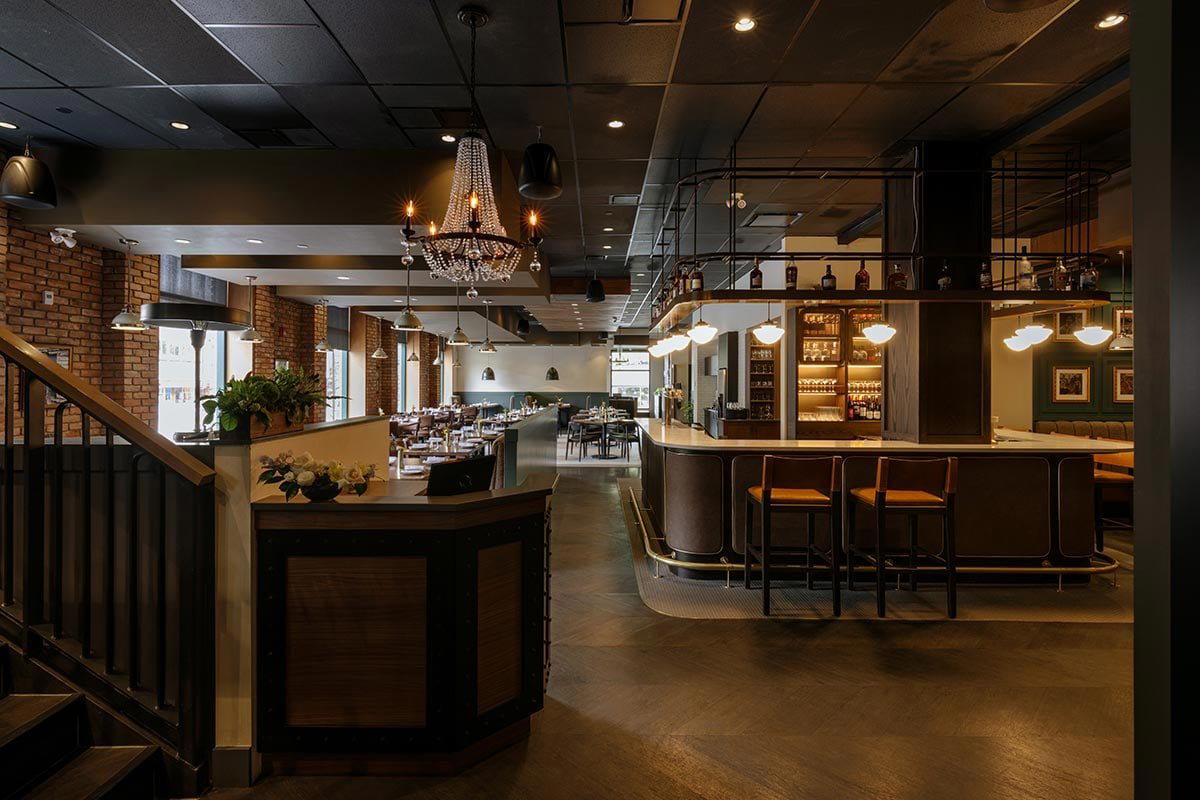
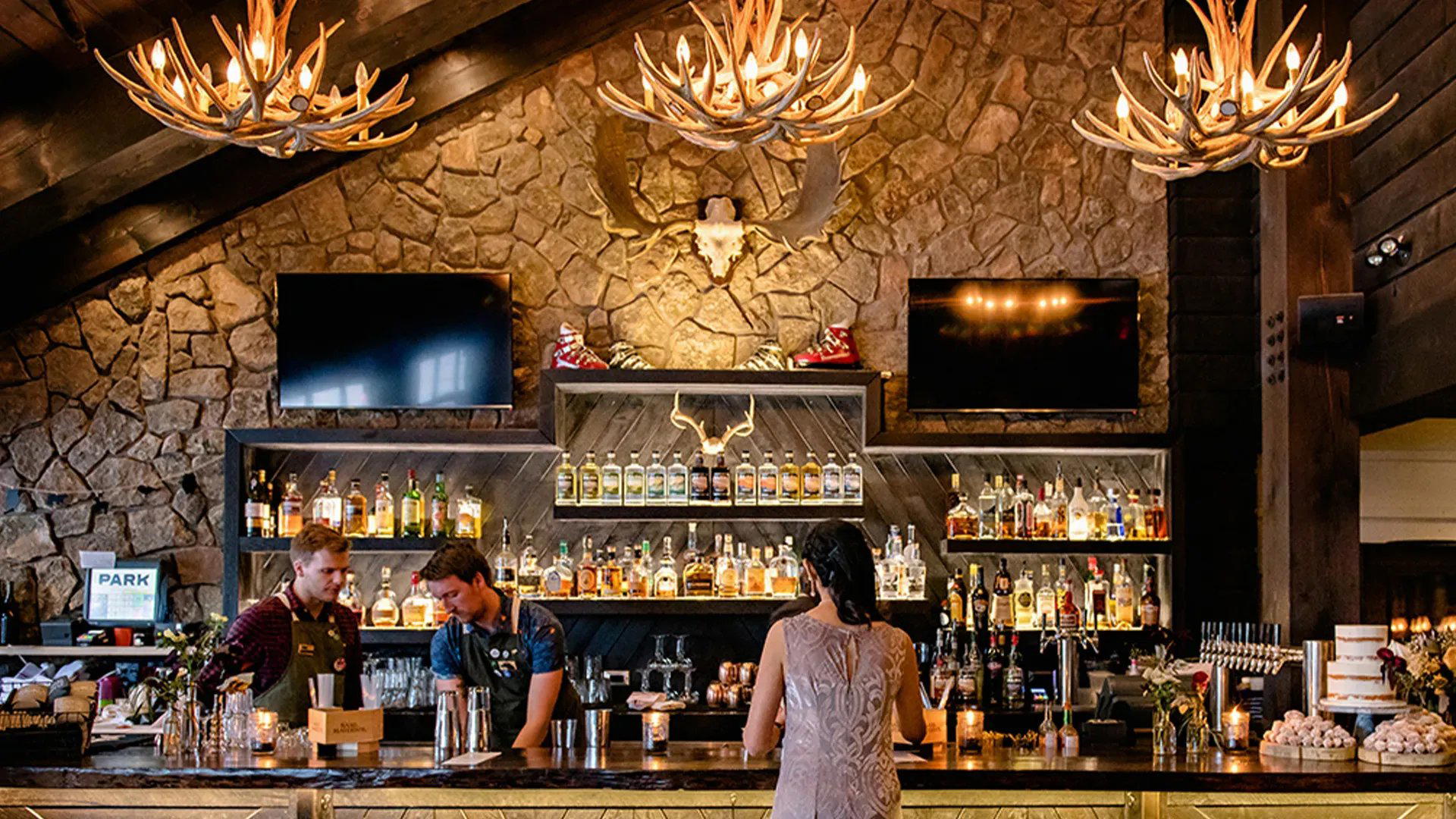
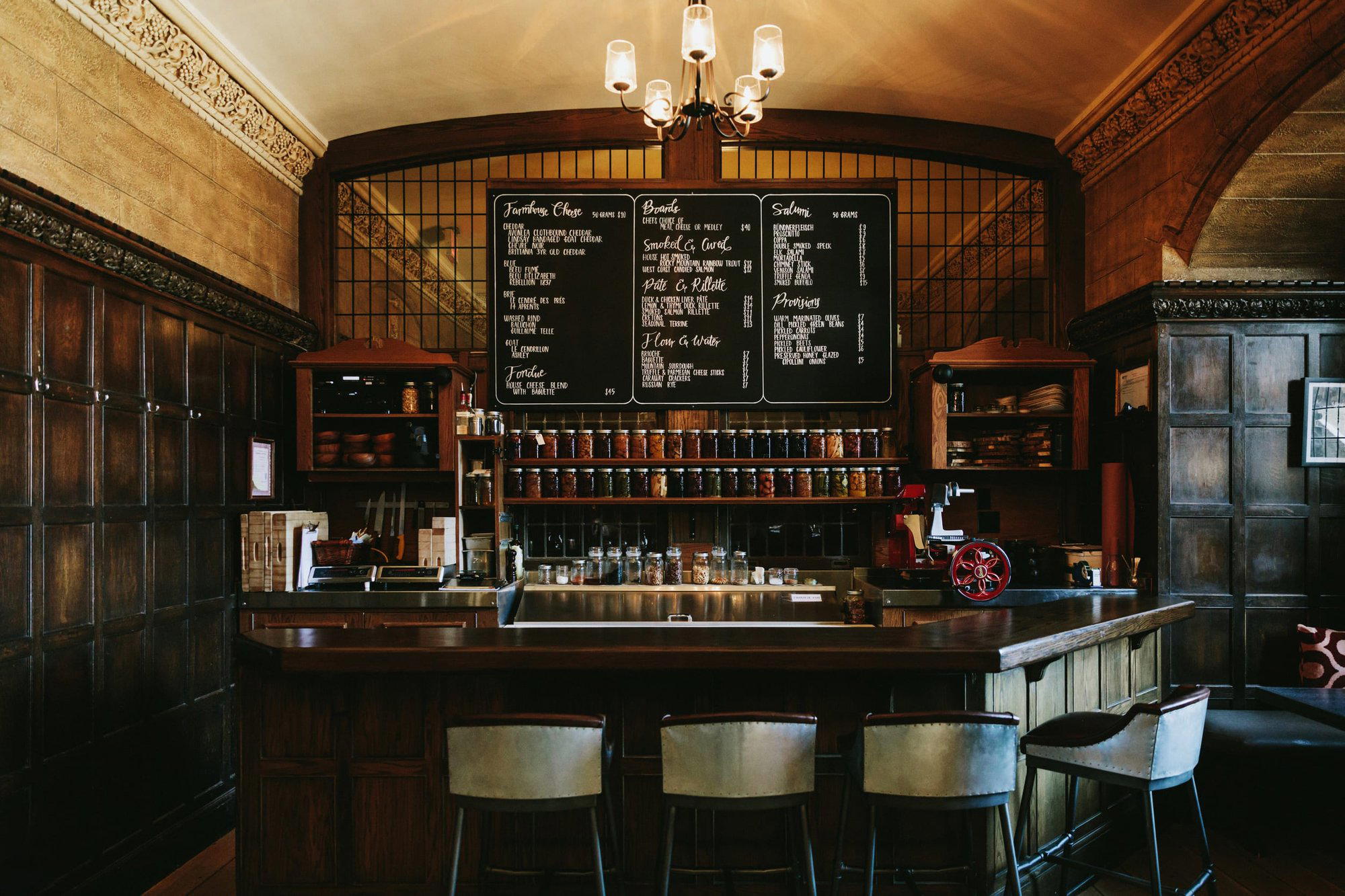
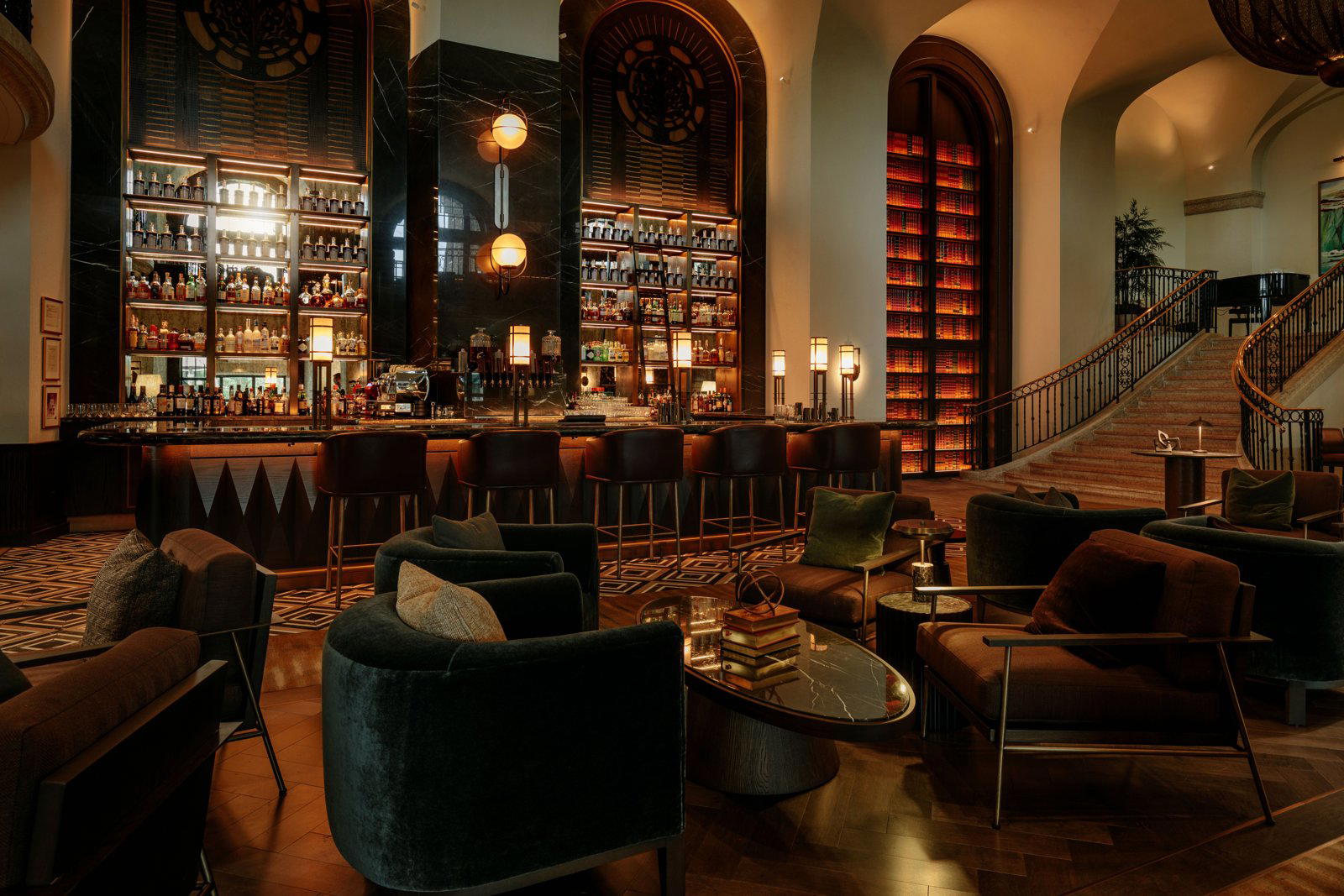
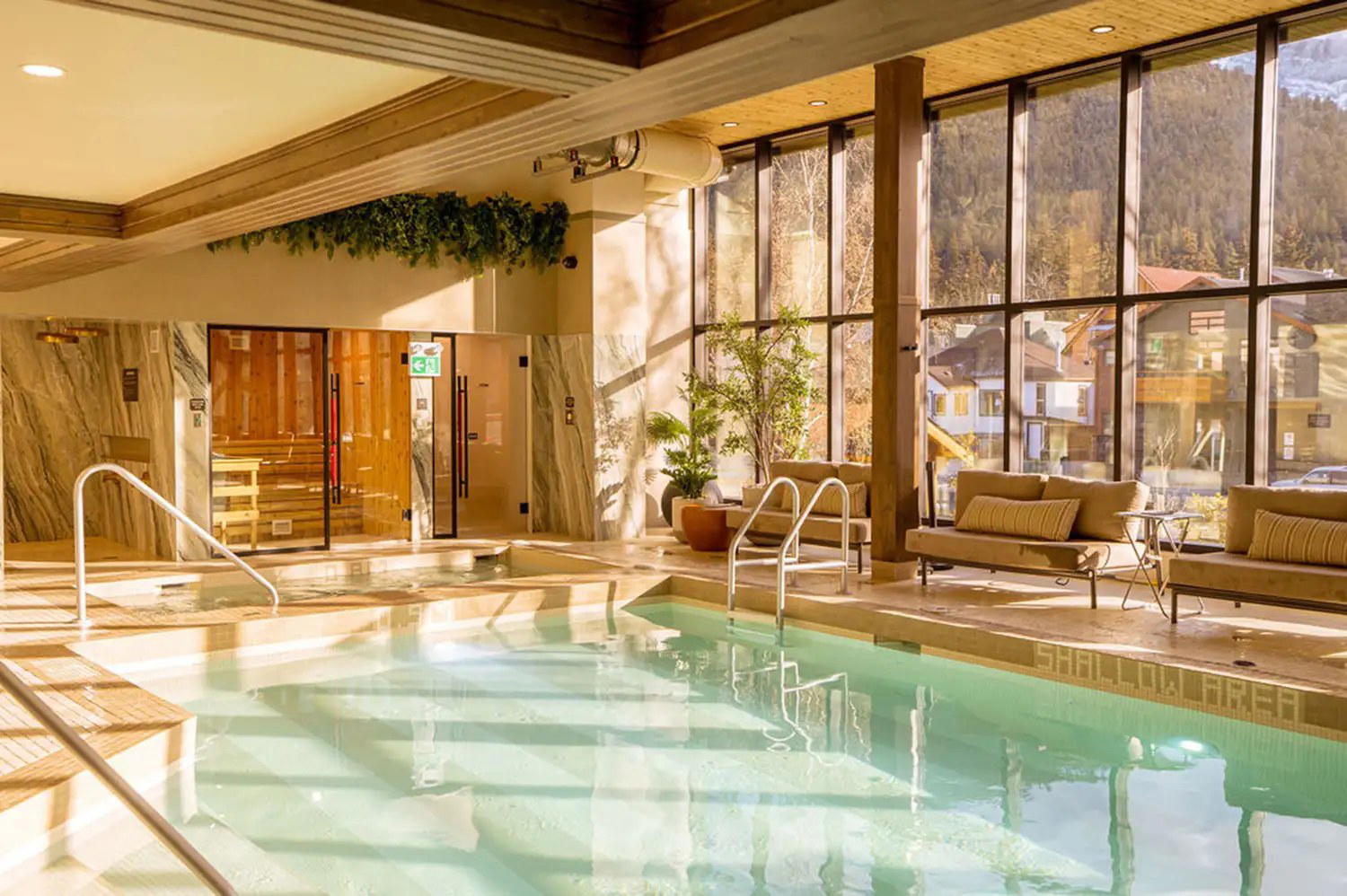
Elegant atmosphere with high ceilings, large windows, mountain views, and a lively yet conversational buzz enhanced by background jazz and an open kitchen.
Know Before You Go
- Getting there
- 211 Bear St # 213, Banff, AB T1L 1E4, Canada