Good Catch
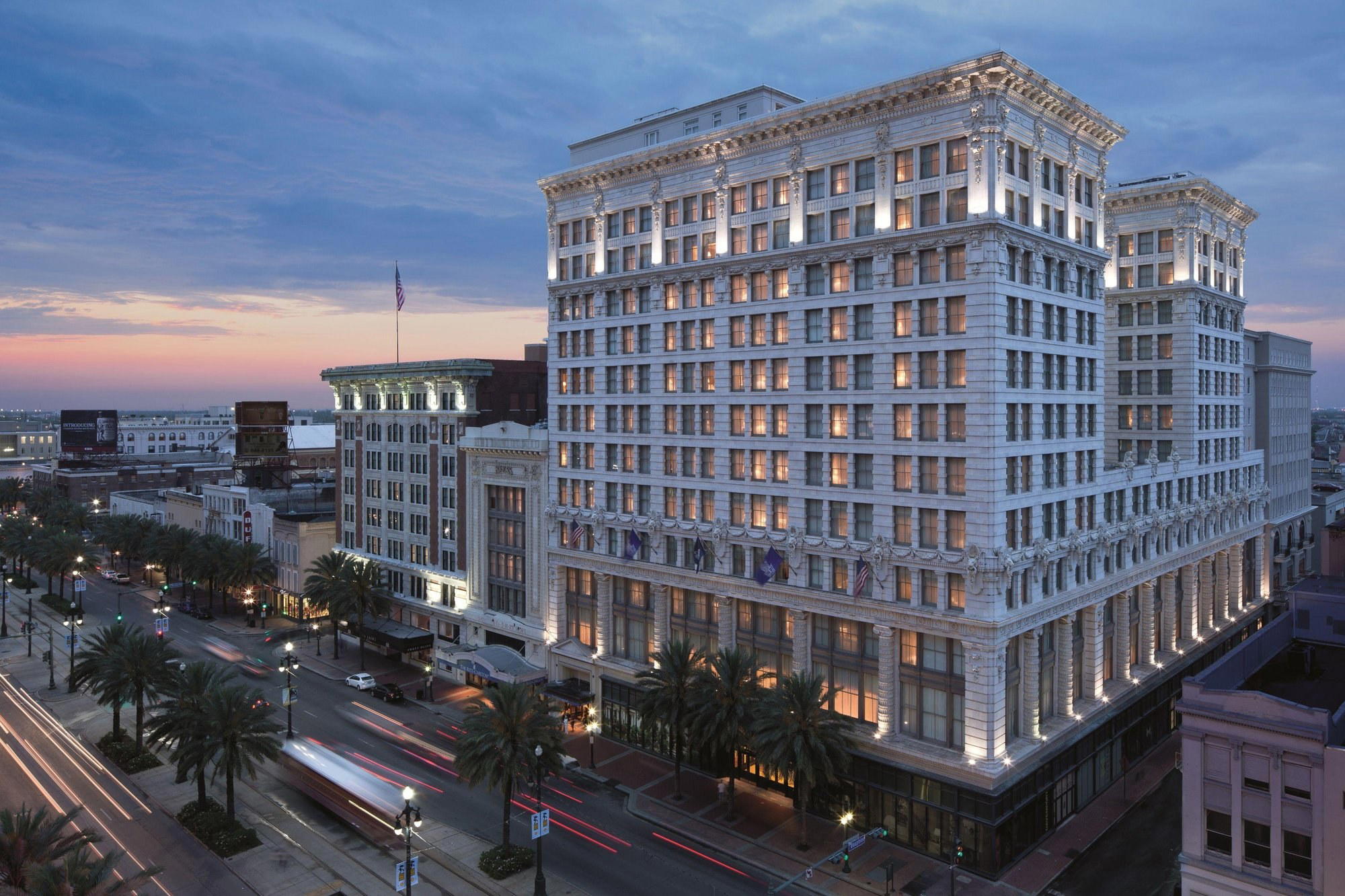
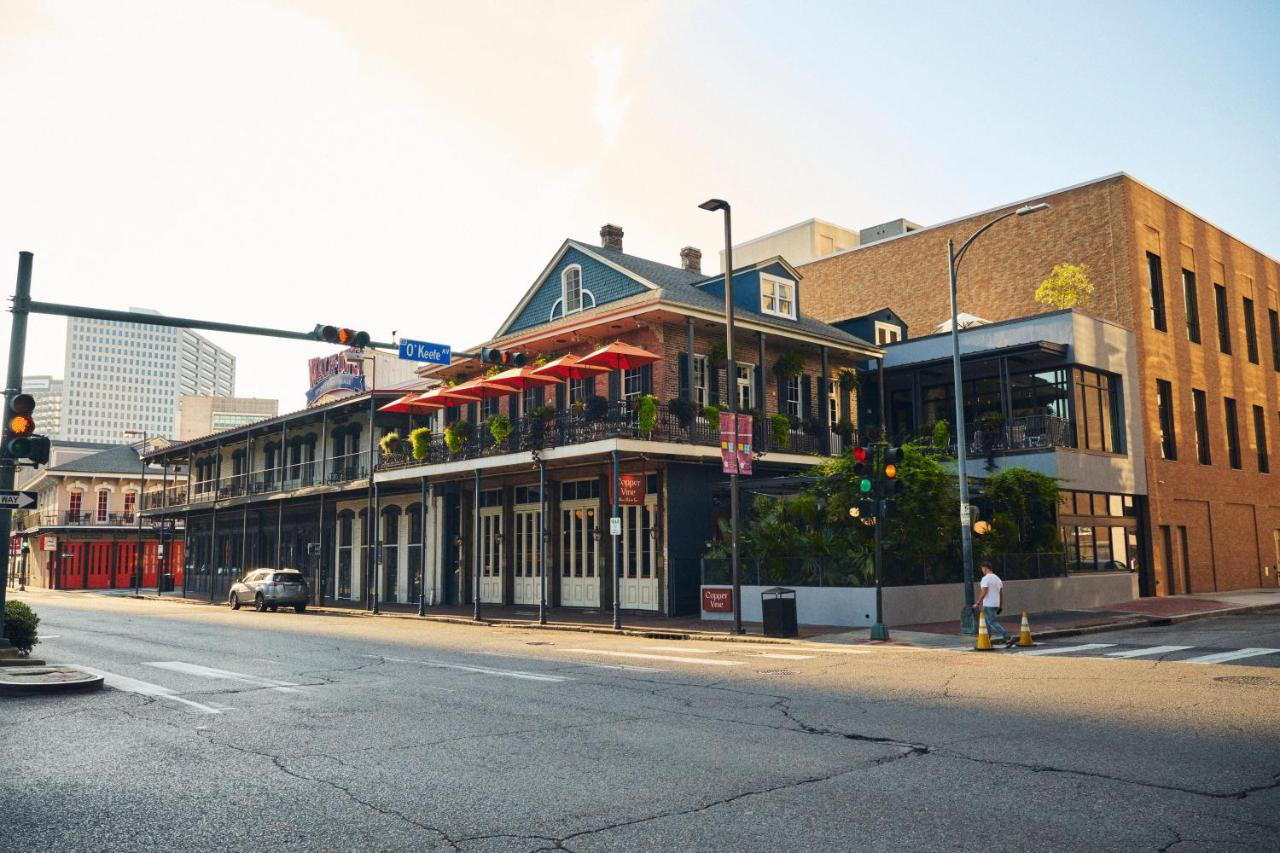
Good Catch occupies a spot on Gravier Street in the heart of New Orleans' Central Business District, where the city's deep tradition of Gulf seafood cooking meets a dining room that draws from the same sourcing instincts that have defined Louisiana coastal cuisine for generations. The address places it squarely among a tier of CBD restaurants serving a mix of business diners and seafood-focused visitors who know that proximity to the Gulf is not a marketing point here, it is a supply chain.
Pearl is the En Primeur Club membership app — saves, bookings, and concierge access live there. Same editors, same standards.
- Address
- 828 Gravier St, New Orleans, LA 70112
- Phone
- +15045812205
- Website
- goodcatchnola.com
- Directions
- Get directions
 Saves & bookings on Pearl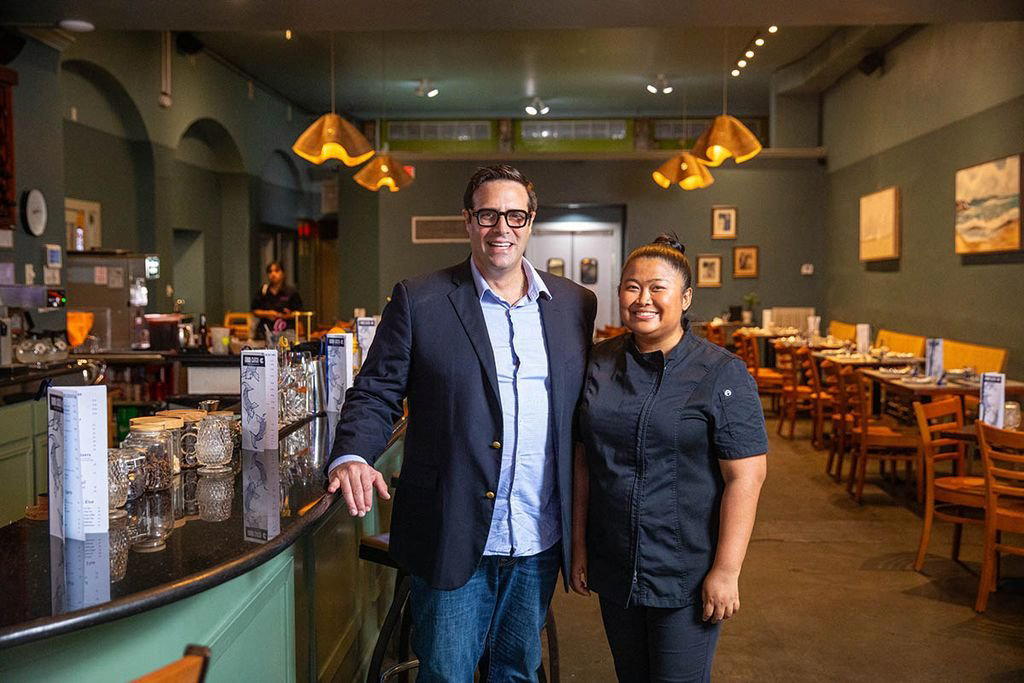
Gulf Proximity as a Kitchen Philosophy
New Orleans has always eaten close to the water. The Gulf of Mexico sits near enough that the question of where a restaurant sources its shrimp, oysters, or redfish is less a sustainability talking point than a practical matter of freshness and cost. In a city where Cajun seafood traditions at places like Emeril's have kept Gulf provenance central for decades, and where Bayona built a New American identity partly on Louisiana regional ingredients, the sourcing question is foundational, not decorative. Good Catch is a Thai Urban Bistro with Gulf Seafood at 828 Gravier Street in New Orleans, with a $35 per person price point.
The CBD dining tier has shifted over the past decade. Where the neighborhood once leaned heavily on expense-account steakhouses and hotel dining rooms, a generation of more ingredient-forward restaurants has moved into the district, drawing on the same Gulf fisheries that supply the French Quarter's longer-established kitchens. The address on Gravier places Good Catch in a corridor that sees steady foot traffic from the Superdome area and the central business blocks, a mixed audience of local professionals and visitors who arrive with some knowledge of what Louisiana seafood can be at its source.
What Gulf Sourcing Means in Practice
Louisiana's seafood supply chain is among the more direct in the country. Brown shrimp from the Barataria Bay estuaries, oysters from the Atchafalaya Basin and Lake Borgne, speckled trout and redfish pulled from inshore waters, these are not imported to New Orleans, they are native to the regional economy. The state's seafood industry lands roughly 25 to 30 percent of the total domestic seafood harvest in most years, a volume that gives Gulf Coast kitchens access to a daily catch cycle that inland restaurants cannot replicate. For a restaurant whose name frames the sourcing act itself, that proximity to the supply is a meaningful structural advantage.
Across the American fine-dining tier, sourcing credentials have become a consistent differentiator. Blue Hill at Stone Barns in Tarrytown built an entire identity around farm-to-table provenance. Single Thread Farm in Healdsburg integrates its own cultivation with the kitchen program. Le Bernardin in New York City has anchored its reputation for forty years on the premise that treating seafood with technical precision and supply chain discipline produces results that cannot be faked. New Orleans kitchens operate from a different starting position: the raw material is often notable before the kitchen touches it, which raises the bar for what the cooking must add.
The CBD Seafood Context
The Central Business District is not the first neighborhood visitors associate with New Orleans' seafood tradition. The French Quarter carries more of that historical weight, and the Warehouse District has attracted the contemporary restaurant scene. But the CBD's density of office workers and hotel guests creates a lunch and dinner market that rewards accessible, ingredient-led cooking. Within a short walk of Gravier Street, the dining options span from the contemporary ambition of Saint-Germain at the higher price tier to the American contemporary register of Zasu. Re Santi e Leoni brings a contemporary European approach to the same general district. Good Catch sits within that constellation, positioned by its name and address toward a more focused seafood brief.
For visitors building a longer New Orleans itinerary, the CBD's walkability to the French Quarter and the Warehouse District makes Gravier Street a practical base for evening dining before or after other stops. The sourcing-led seafood category occupies a specific niche in the city's restaurant map: it is distinct from the Creole-coded legacy dining of Commander's Palace, distinct from the Cajun-inflected bar food of Frenchmen Street, and closer in spirit to the Gulf-centric cooking that defines places like Pêche Seafood Grill in the Warehouse District, which built its reputation on wood-fire technique applied to regionally sourced fish.
Placing Good Catch in the Wider Seafood Conversation
American seafood restaurants at the serious end of the spectrum have developed along two rough tracks over the past fifteen years. The first is the technically ambitious fine-dining approach, represented by Providence in Los Angeles or the tasting menu formats at Addison in San Diego. The second is the regional and sourcing-led model, where the argument is about the fish itself rather than the transformation applied to it. New Orleans, by geography and tradition, has always favored the second track. The Cajun and Creole foundations of the city's seafood cooking are built on the premise that Gulf ingredients at their freshest require less intervention, not more.
Internationally, the comparison points are different in character but similar in logic. 8 1/2 Otto e Mezzo Bombana in Hong Kong operates from a European-luxury premise applied to an Asian sourcing context. Atomix in New York City uses Korean culinary tradition as a sourcing and technique frame. In each case, the argument is that provenance shapes the cooking vocabulary. On Gravier Street, the provenance is Gulf, and the vocabulary follows from that.
For readers cross-referencing American restaurants with strong sourcing programs, our broader guides to Lazy Bear in San Francisco, Alinea in Chicago, The French Laundry in Napa, The Inn at Little Washington, and Bacchanalia in Atlanta offer useful comparative context on how American kitchens with serious sourcing commitments position themselves against their regional comparable venues.
Planning a Visit
The restaurant sits at 828 Gravier Street, accessible on foot from most CBD hotels and a short cab or rideshare from the French Quarter. The restaurant is recommended for reservations and is open daily from 11 AM to 3 PM and 4:30 to 9:30 PM. New Orleans' CBD restaurants generally see their heaviest covers at weekday lunch and Friday and Saturday dinner, with shoulder availability on Sunday and Monday evenings.
At-a-Glance Comparison
Comparable venues nearby, for context on price, style, and recognition.
| Venue | Cuisine | Price | Notes |
|---|---|---|---|
| Good CatchThis venue — the venue you are viewing | Thai Urban Bistro with Gulf Seafood | $$ | Not listed |
| Rock 'n' Sake | Modern Japanese Sushi & Sake Bar | $$ | Arts District |
| The Company Burger | Classic American Burgers | $$ | Freret |
| Rosedale | Contemporary Louisiana & Cajun Cuisine | $$ | Navarre |
| Hana | Neighborhood Sushi Bar | $$ | Riverbend |
| Legacy Kitchen Craft Tavern | Modern American Gastropub with Cajun & Creole Influences | $$ | Arts District |
Continue exploring
More in New Orleans
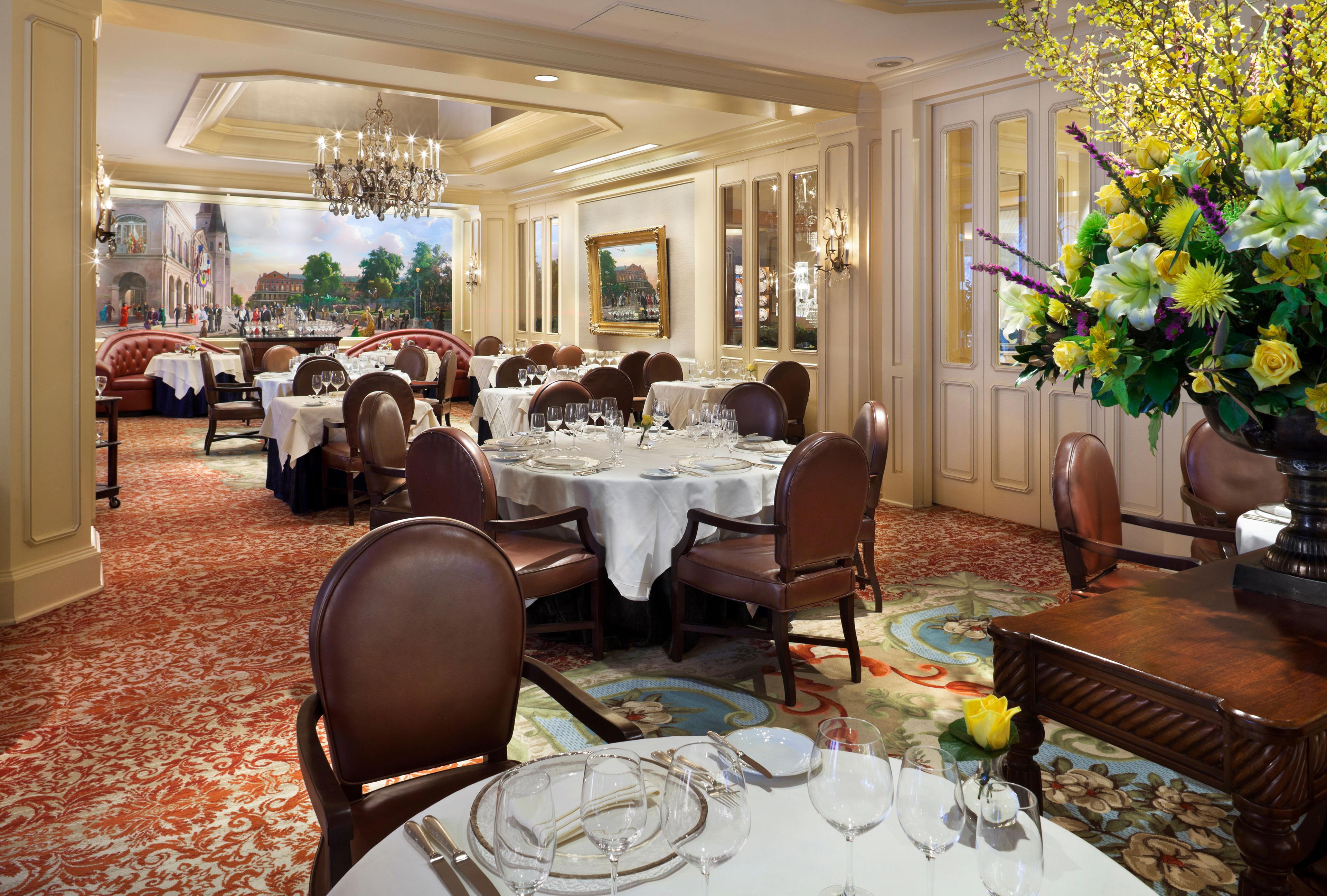
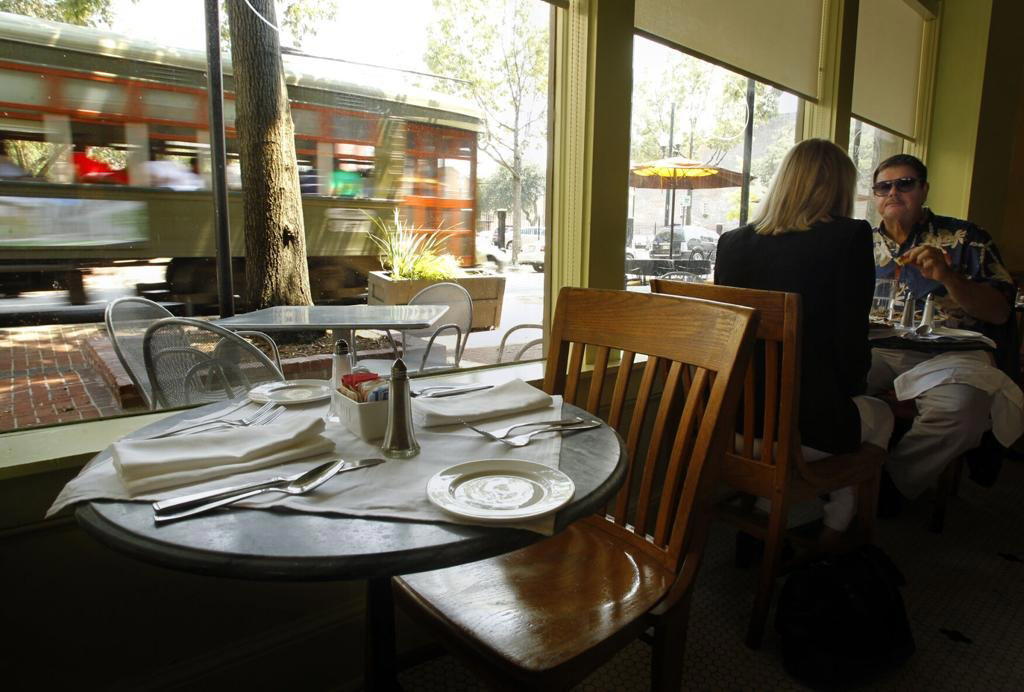
Restaurants in New Orleans
Browse all →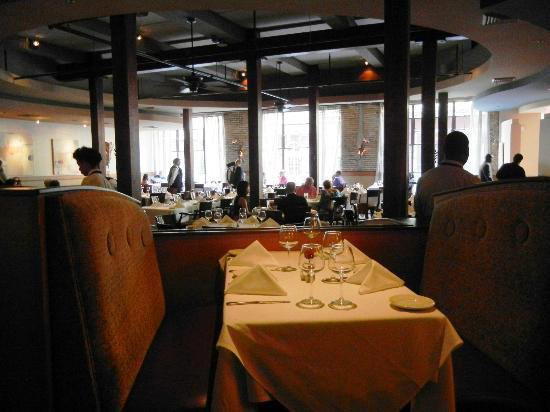
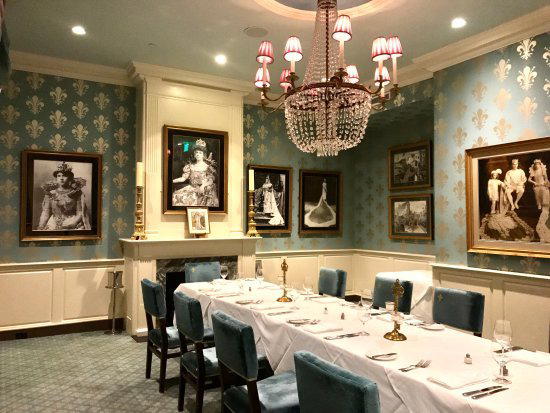
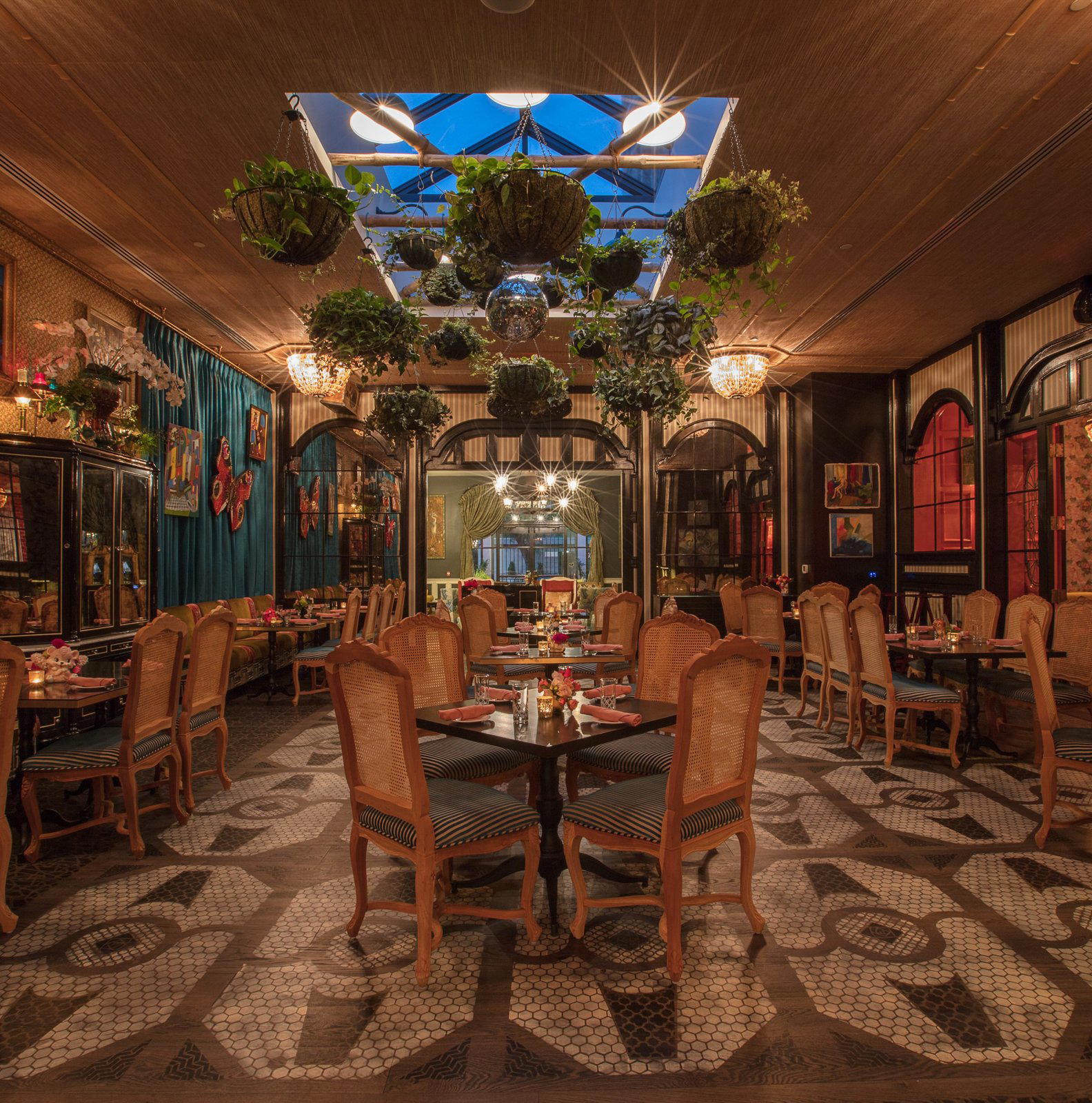
Bars in New Orleans
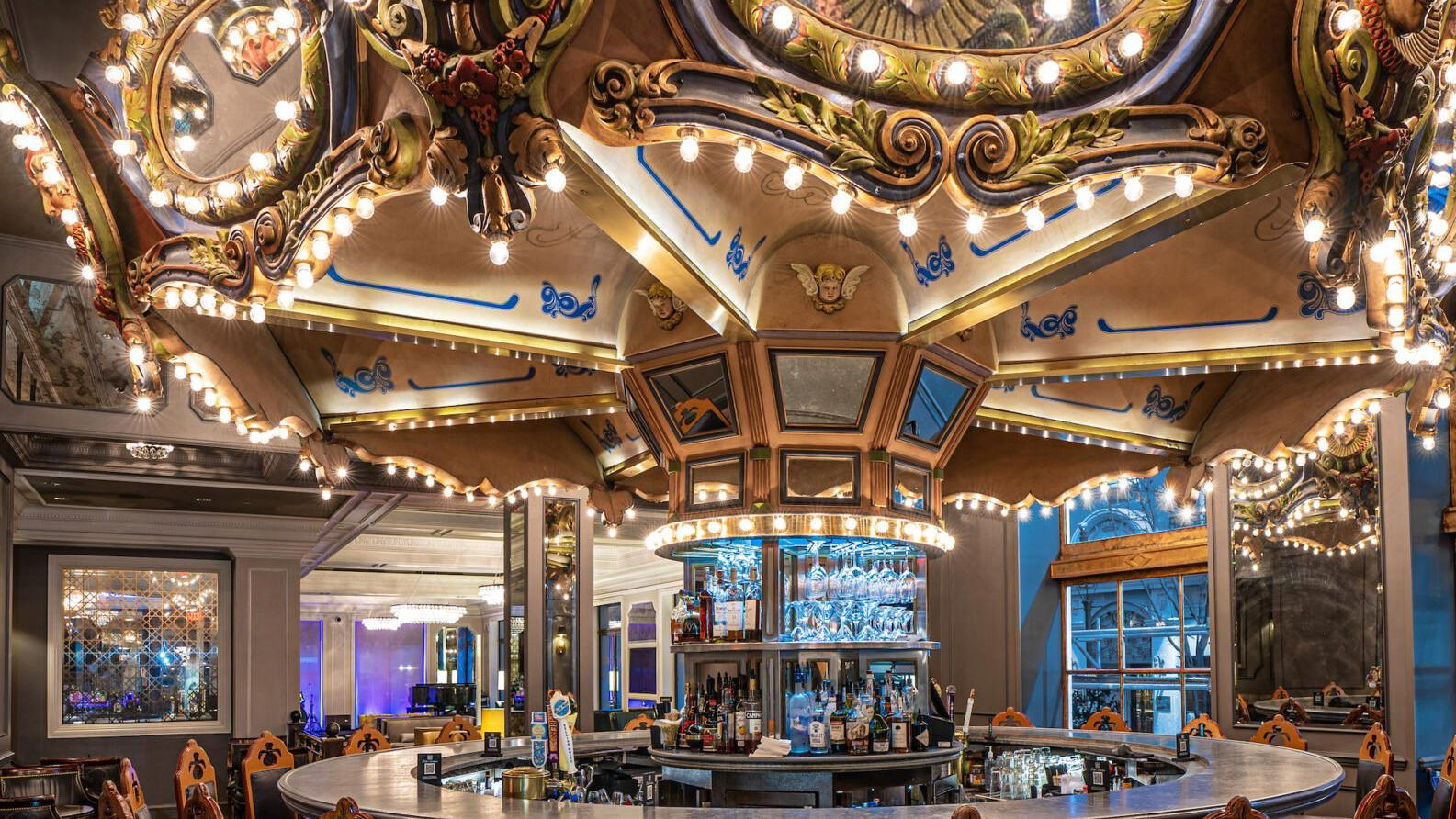
Browse all →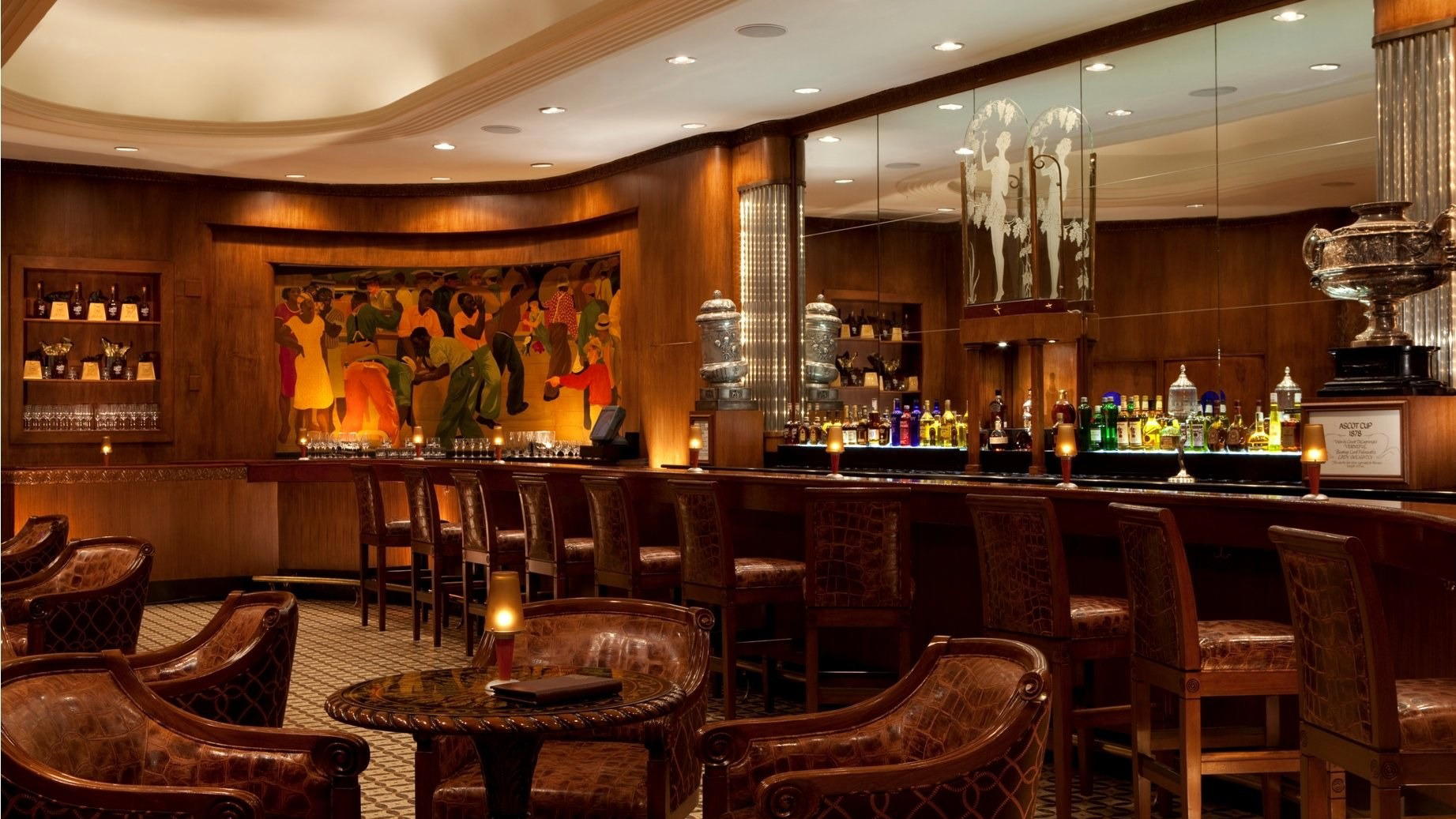
At a Glance
- Trendy
- Modern
- Cozy
- Date Night
- Casual Hangout
- Group Dining
- Open Kitchen
- Craft Cocktails
- Sustainable Seafood
- Local Sourcing
Current opening hours
- Monday
- 11 AM–3 PM, 4:30–9:30 PM
- Tuesday
- 11 AM–3 PM, 4:30–9:30 PM
- Wednesday
- 11 AM–3 PM, 4:30–9:30 PM
- Thursday
- 11 AM–3 PM, 4:30–9:30 PM
- Friday
- 11 AM–3 PM, 4:30–9:30 PM
- Saturday
- 11 AM–3 PM, 4:30–9:30 PM
- Sunday
- 11 AM–3 PM, 4:30–9:30 PM
Hours can change for holidays and private events. Last verified .
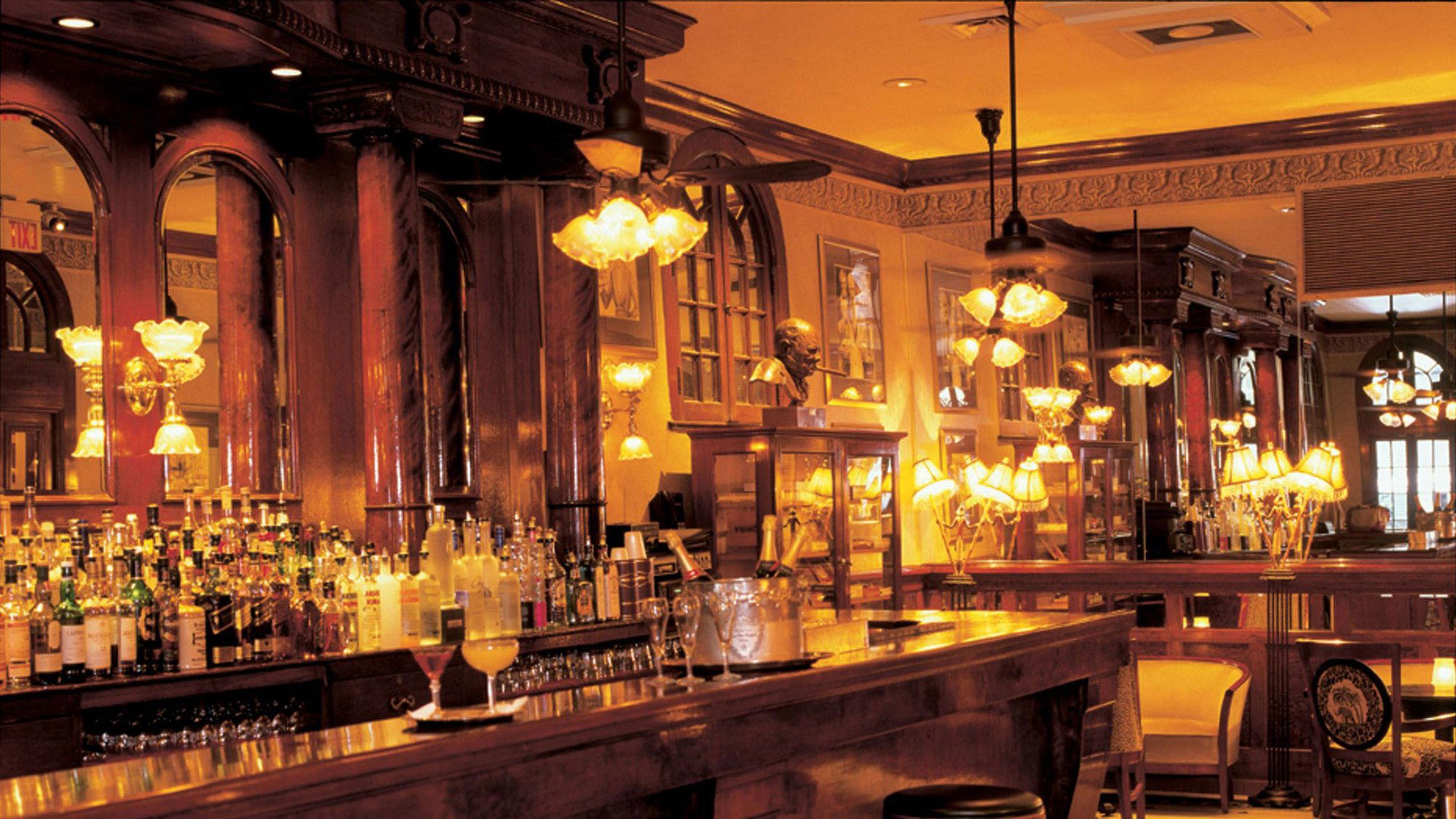
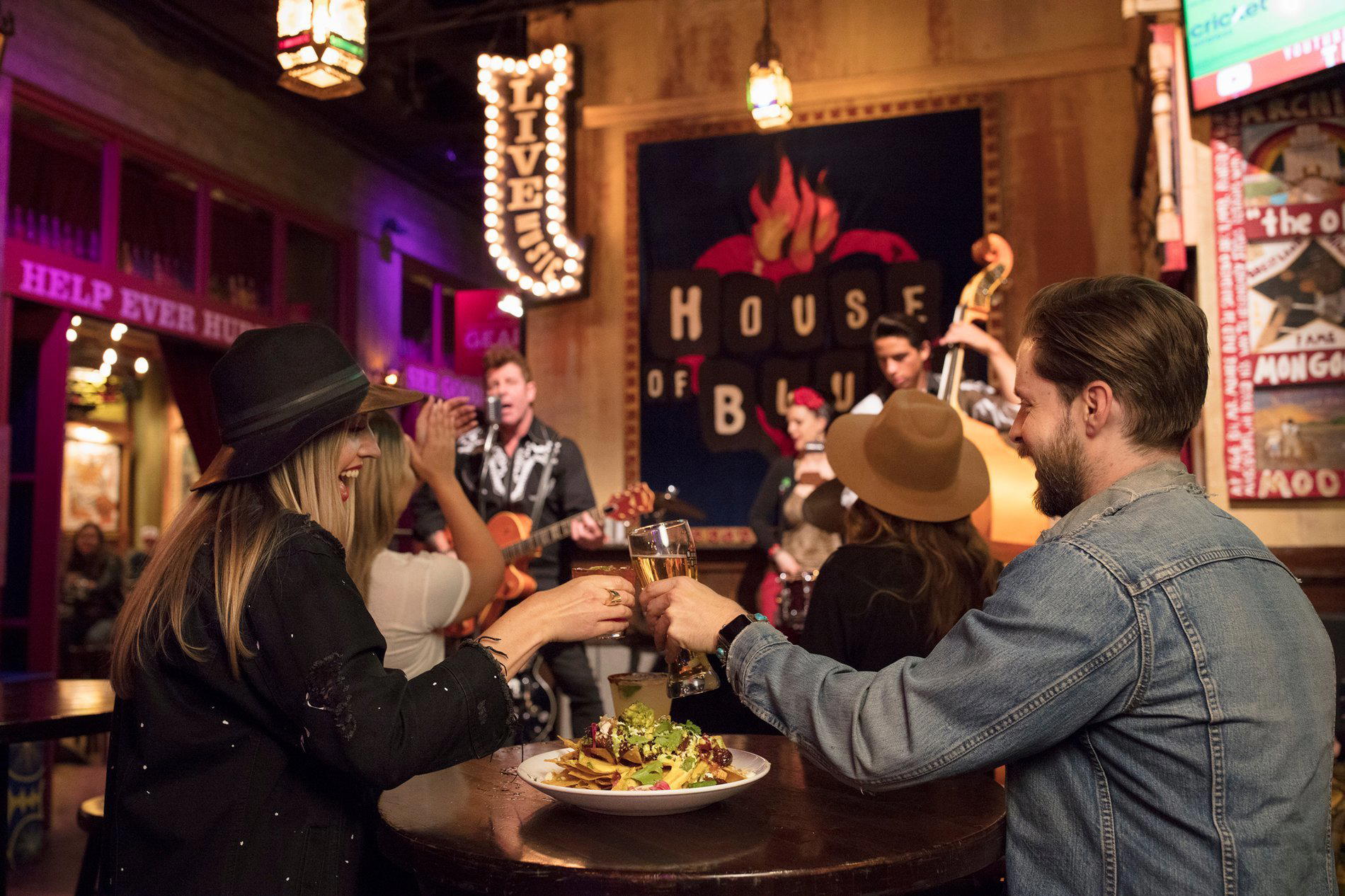
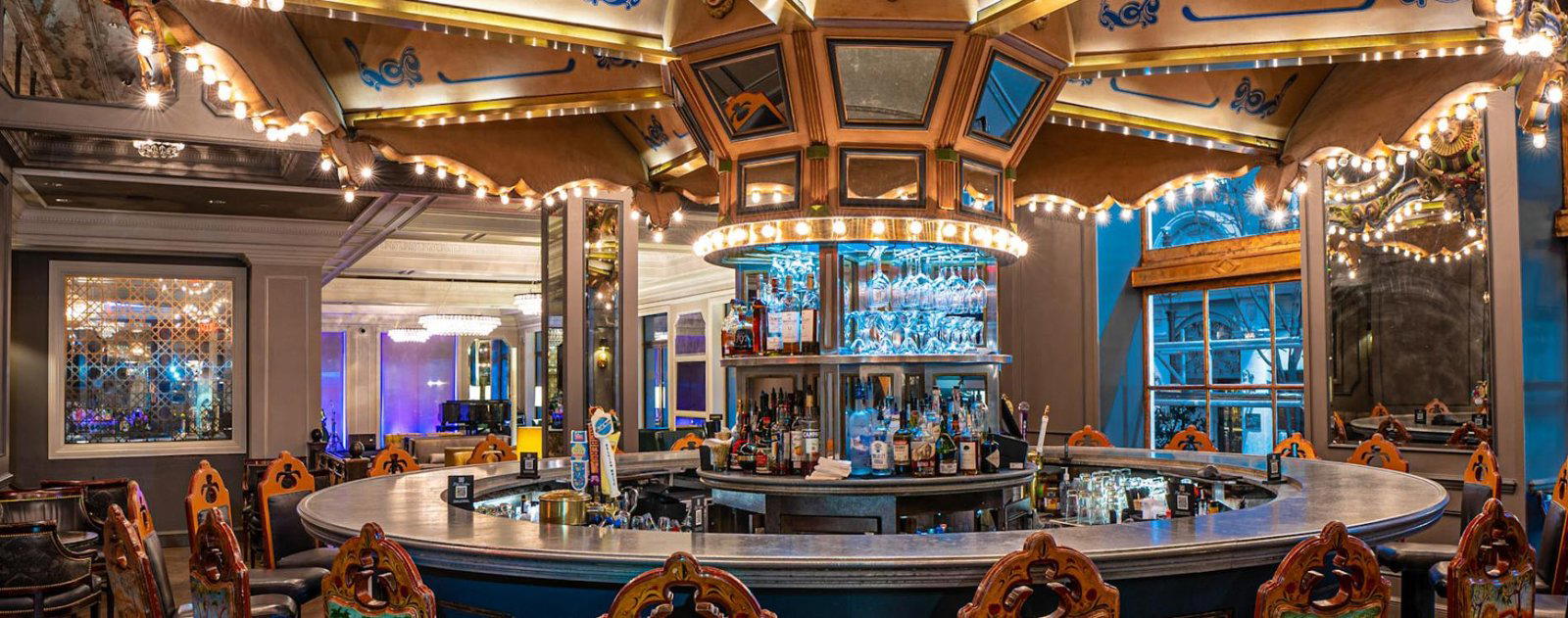
Lively and coastal-inspired atmosphere serving as a refreshing oasis in the bustling Central Business District.