Rock 'n' Sake
Rock 'n' Sake on Fulton Street occupies a particular niche in New Orleans dining: a Japanese-inflected concept operating in a city where Creole and Cajun traditions dominate the conversation. The address places it in a part of the CBD that has seen considerable reinvention over the past decade, making it a useful marker for how New Orleans is absorbing global cuisine formats alongside its deeply rooted local ones.
Pearl is the En Primeur Club membership app — saves, bookings, and concierge access live there. Same editors, same standards.
- Address
- 823 Fulton St, New Orleans, LA 70130
- Phone
- +15045817253
- Website
- rocknsake.com
- Directions
- Get directions
 Saves & bookings on Pearl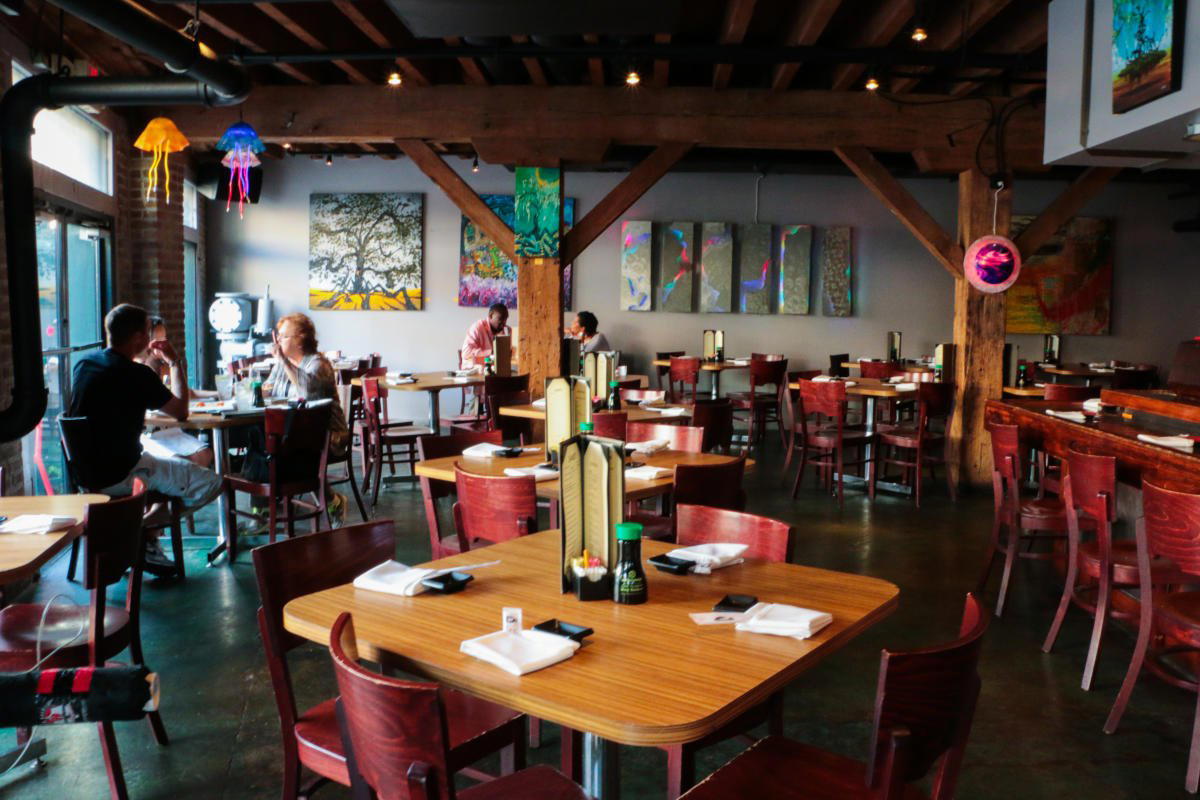
Fulton Street and the Shifting Gravity of New Orleans Dining
New Orleans has always absorbed outside culinary influences slowly, on its own terms. The city's French, Spanish, African, and Caribbean inheritances fused over centuries into a canon so internally coherent that newcomers, whether chefs or cuisines, tend to either assimilate or remain peripheral. What's changed in the past fifteen years is the pace at which global formats are finding stable footing alongside that canon. Japanese-influenced dining, in particular, has moved from novelty to fixture in several American cities, and New Orleans is no exception to that shift, even if its version of the story runs at a characteristically different tempo.
Rock 'n' Sake is a modern Japanese sushi and sake bar at 823 Fulton St in New Orleans, with. It sits inside that broader pattern. Fulton Street itself occupies a stretch of the Central Business District that has functioned as a testing ground for concepts that don't fit neatly into the French Quarter's tourist economy or the Magazine Street neighbourhood dining circuit. For a venue operating at this address to sustain relevance, it has to hold its own against both the gravitational pull of Creole tradition, represented at the serious end by addresses like Bayona and Emeril's, and the rising bar set by contemporary formats such as Saint-Germain and Zasu.
The Evolution of Japanese Fusion in a Creole City
The trajectory of Japanese fusion dining in American cities follows a recognisable arc. The first wave arrived in the 1990s, positioning sushi and Japanese-adjacent flavours as a cosmopolitan counterpoint to whatever the local tradition happened to be. The second wave, through the 2000s, pushed harder on the fusion seam: Louisiana hot sauce meeting ponzu, Gulf seafood reframed through Japanese technique. What characterises the current phase is a greater willingness to let both traditions breathe rather than forcing them into constant collision.
In New Orleans specifically, this evolution matters because the city's own culinary identity is unusually possessive. Diners here carry strong opinions about what belongs. A concept importing Japanese structure into a Creole seafood context has to earn its place through execution rather than novelty alone. The novelty phase for Japanese-Southern crossover has passed. The question now is whether a venue can make that combination feel considered rather than convenient, and that's a harder standard than the one that applied when Rock 'n' Sake first established itself on Fulton Street.
For context on how demanding the upper tier of American dining has become, it's useful to benchmark against what's happening nationally. Venues like Atomix in New York City have demonstrated how Korean fine dining can hold its own at the highest credential level, while Le Bernardin in New York City and Providence in Los Angeles show what sustained seafood-focused excellence looks like over decades. Rock 'n' Sake operates in a different register than those addresses, but the broader point stands: fusion concepts that endure do so because they develop a culinary logic of their own, not because the initial concept was interesting.
What the CBD Location Tells You
Address context matters more in New Orleans than in most American cities. The French Quarter concentrates tourist spend and heritage-format restaurants. The Garden District and Uptown hold a different, more residential dining culture. The CBD, by contrast, is where New Orleans stages its experiments with contemporary formats, places that need foot traffic from a mixed audience of convention visitors, local professionals, and the kind of traveller who reads beyond the standard recommendations.
Fulton Street in particular has a history of hosting venues that are trying to do something that doesn't fit neatly elsewhere. That creates both opportunity and exposure: there's no established neighbourhood identity to borrow authority from, which means the venue has to generate its own. For the restaurant, that has meant building recognition over time through consistency and a format that reads legibly to a wide audience without collapsing into the generic.
The wider New Orleans dining picture shows a city increasingly comfortable holding multiple culinary traditions simultaneously. Contemporary formats like Re Santi e Leoni are finding audiences alongside the Creole and Cajun anchors. That pluralism is what makes a Japanese-inflected concept at this address viable in 2024 in a way it might not have been in 2004.
How It Fits the American Fine-Casual Japanese Category
Across the United States, Japanese-influenced dining has bifurcated sharply. At one end sit omakase counters with four-figure price points and multi-month booking windows, operating in the same credential tier as The French Laundry in Napa, Alinea in Chicago, or Single Thread Farm in Healdsburg. At the other end sits a large casual segment that uses Japanese aesthetics and ingredients as surface texture without much underlying discipline. The more interesting middle ground, Japanese-influenced concepts with genuine technique and a sense of place, is smaller and harder to sustain.
The restaurant's longevity on Fulton Street suggests it has found a workable position in that middle register, serving an audience that wants Japanese flavours and Gulf Coast ingredients without the ceremony or price point of a full omakase experience. That's a real market in New Orleans, and filling it consistently is not a trivial achievement in a city that cycles through restaurant concepts at a high rate.
The comparisons that matter for understanding where the restaurant sits nationally are more about how Japanese-American fusion concepts have evolved from novelty plays into durable neighbourhood anchors. On that measure, a multi-year presence in the CBD counts for something.
Know Before You Go
Address: 823 Fulton St, New Orleans, LA 70130
Neighbourhood: Central Business District, near the French Quarter boundary
Cuisine type: Japanese-influenced; fusion with Gulf Coast elements
Timing: The CBD dining scene is active during convention season (late winter through spring); expect higher demand during Jazz Fest and Mardi Gras periods
What to know: Fulton Street is accessible on foot from both the French Quarter and the Convention Center; the block has a mix of visitor and local trade
Price Lens
Comparable venues nearby, for context on price, style, and recognition.
| Venue | Cuisine | Price | Notes |
|---|---|---|---|
| Rock 'n' SakeThis venue — the venue you are viewing | Not listed | $$ | Not listed |
| Dante's Kitchen | Not listed | $$ | Riverbend, Modern Louisiana Farm-to-Table |
| Mayas | Not listed | $$ | Lower Garden District, Latin American with Caribbean influences |
| Nirvana Indian Cuisine | Touro, Authentic Indian Cuisine | $$ | Not listed |
| Crabby Jack's | Jefferson, Cajun Po'boys & Fried Seafood | $$ | Not listed |
| Alma Café Mid-City | Not listed | $$ | Mid-City, Honduran-inspired all-day brunch and Latin American cafe |
Continue exploring
More in New Orleans
Restaurants in New Orleans
Browse all →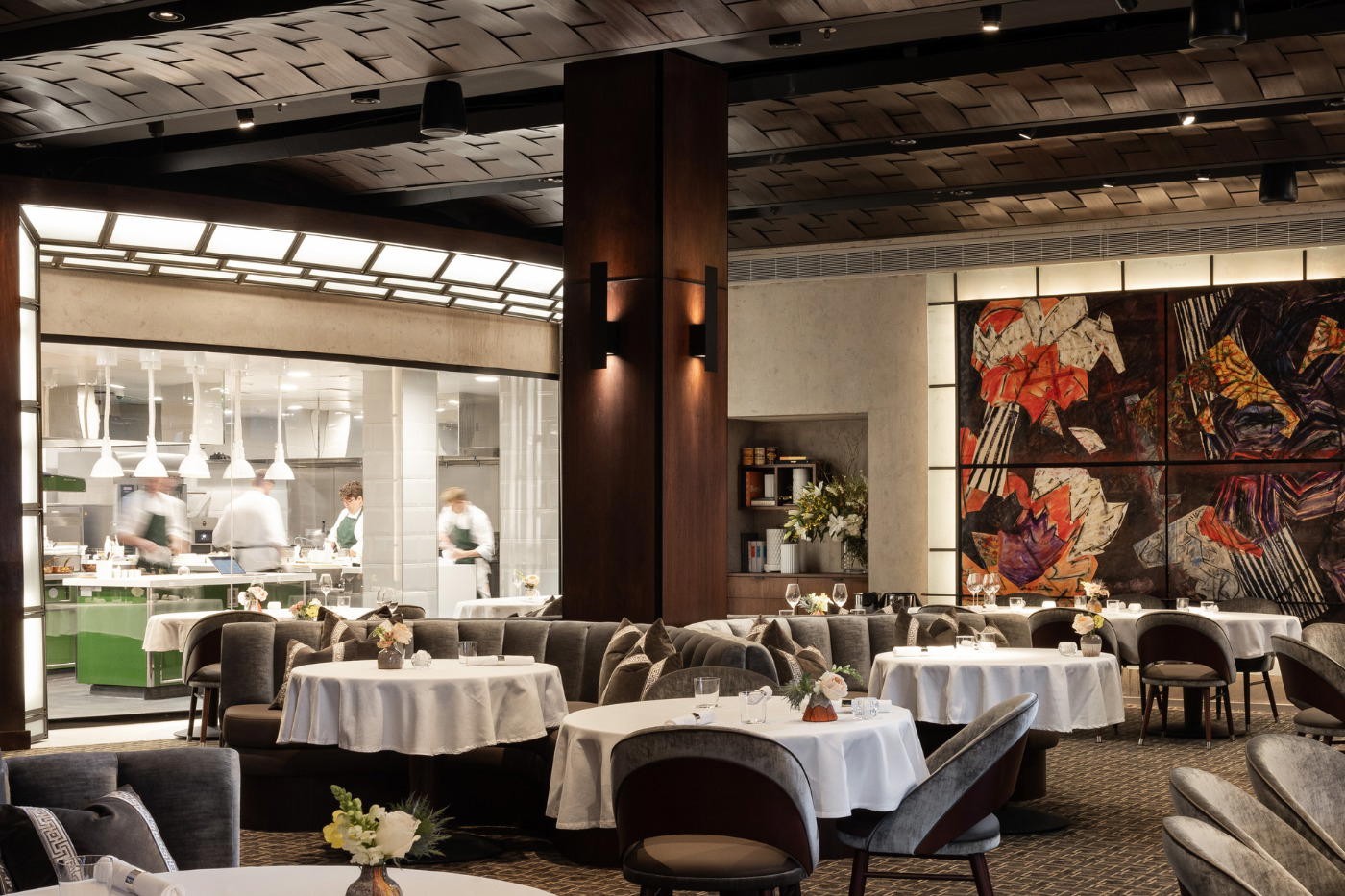
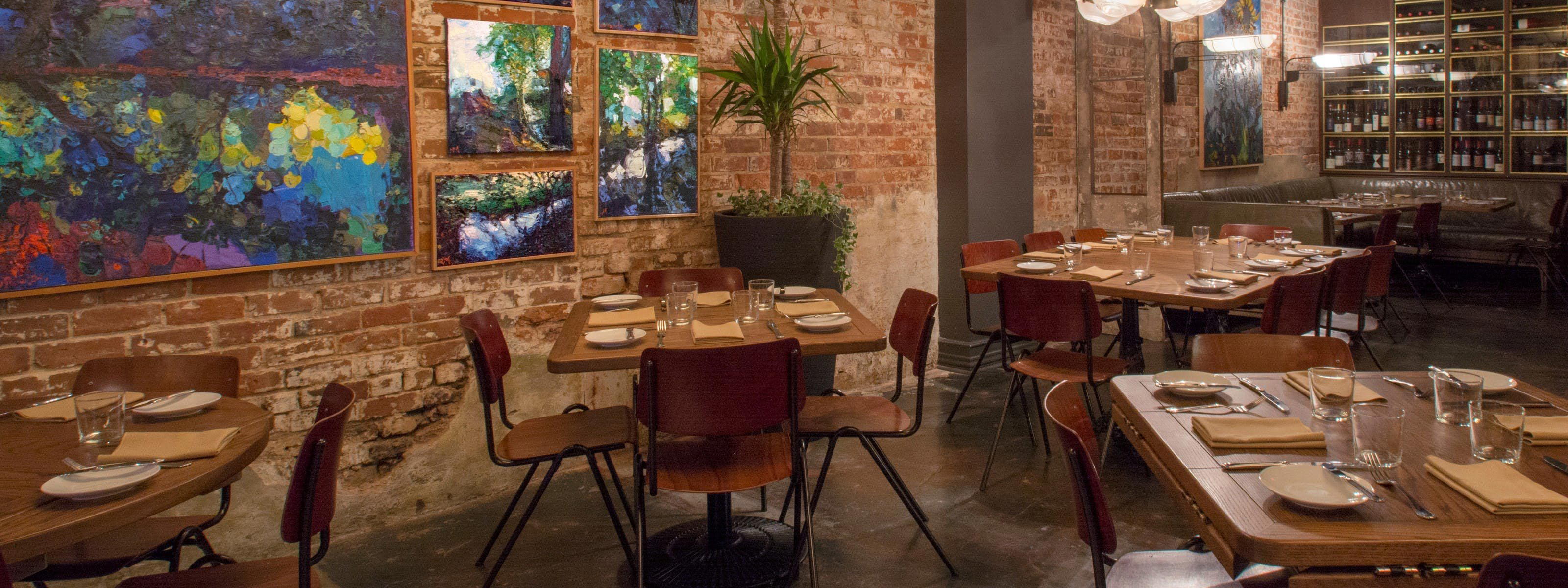
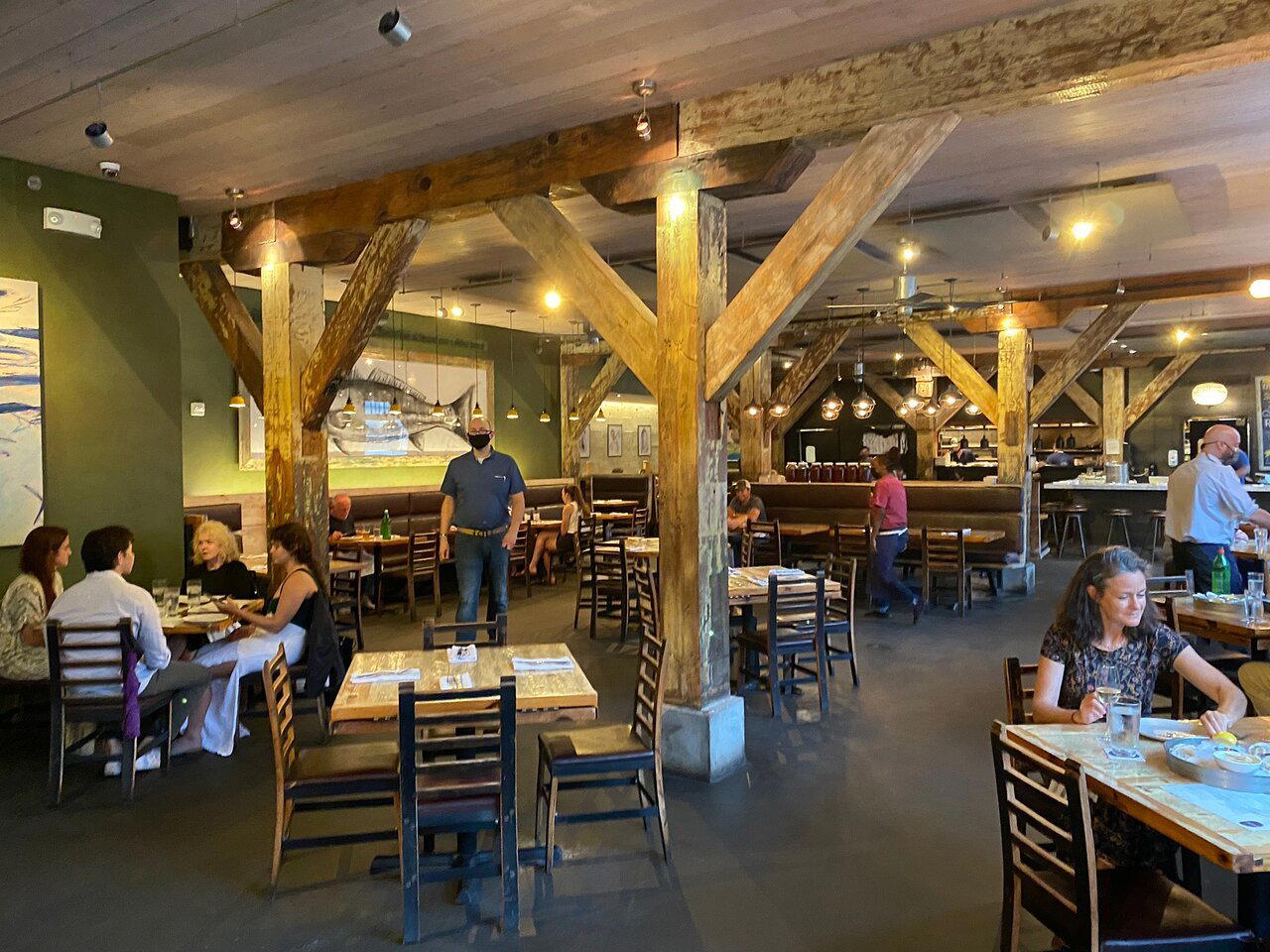
Bars in New Orleans
Browse all →
At a Glance
- Lively
- Trendy
- Energetic
- Modern
- Casual Hangout
- Group Dining
- After Work
- Celebration
- Open Kitchen
- Private Dining
- Sake Program
- Craft Cocktails
- Beer Program
- Sustainable Seafood
Current opening hours
- Monday
- Closed
- Tuesday
- 5–10 PM
- Wednesday
- 5–10 PM
- Thursday
- 5–10 PM
- Friday
- 11:30 AM–3 PM, 5–11 PM
- Saturday
- 5–11 PM
- Sunday
- 5–10 PM
Hours can change for holidays and private events. Last verified .
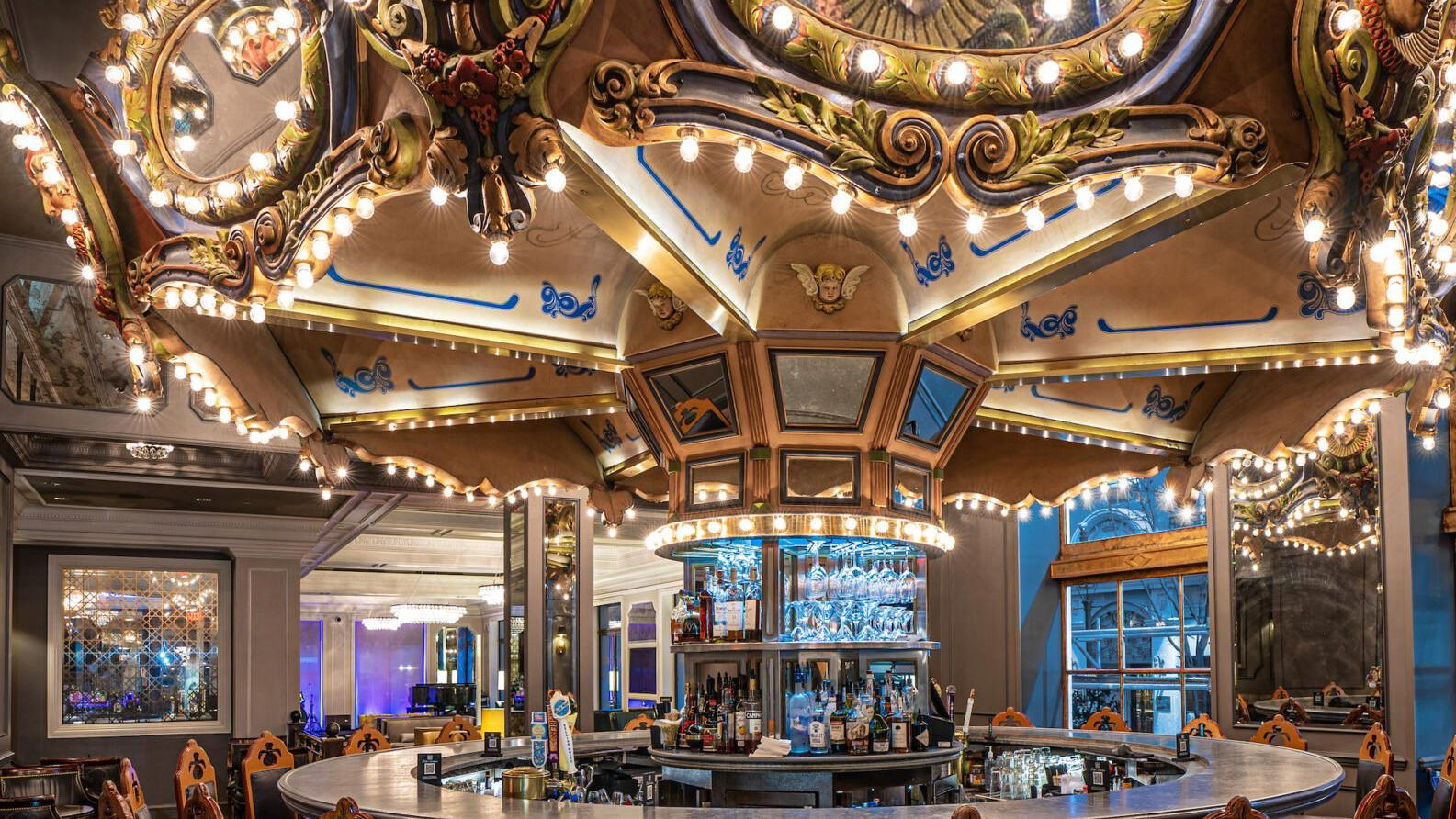
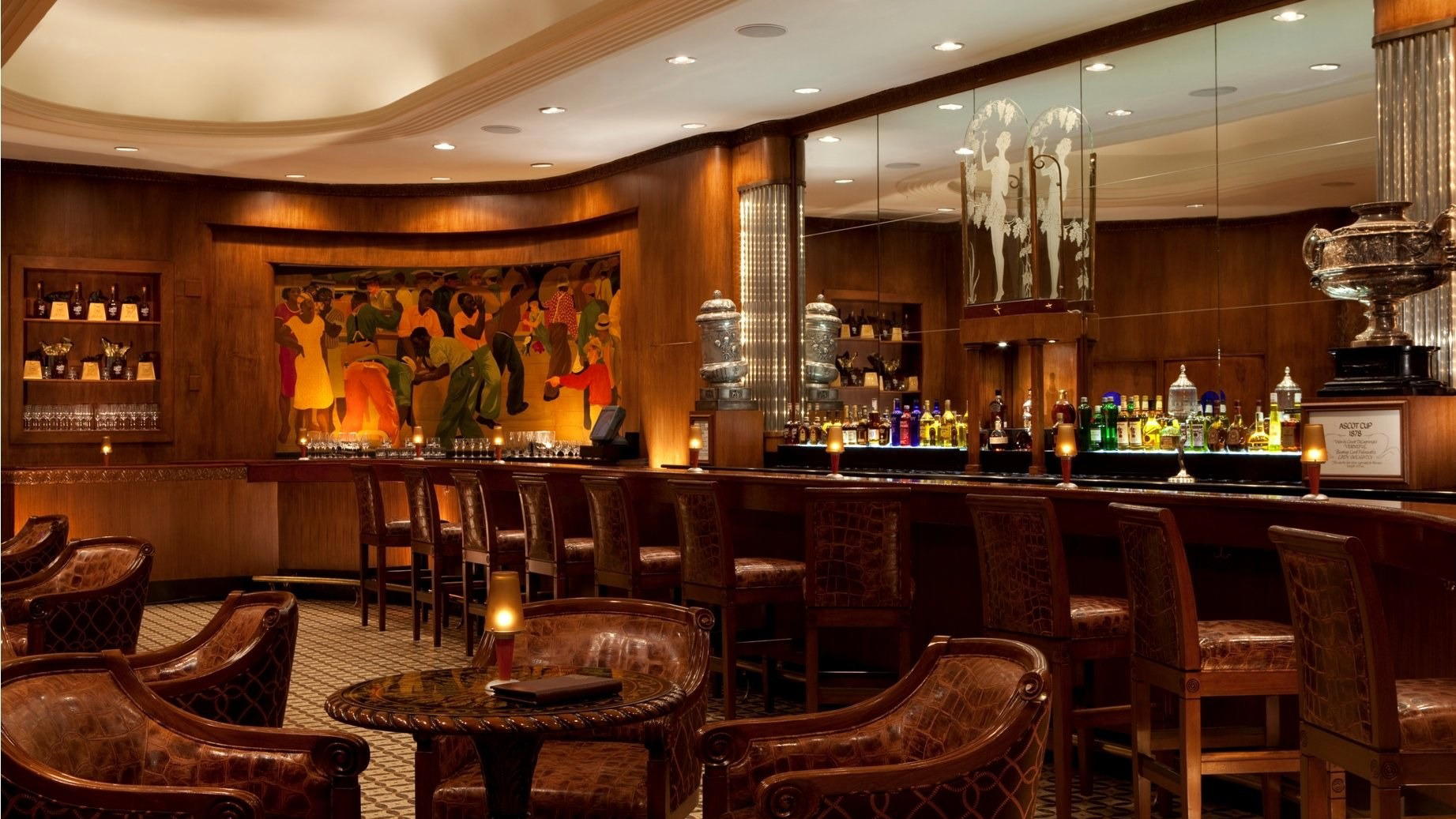
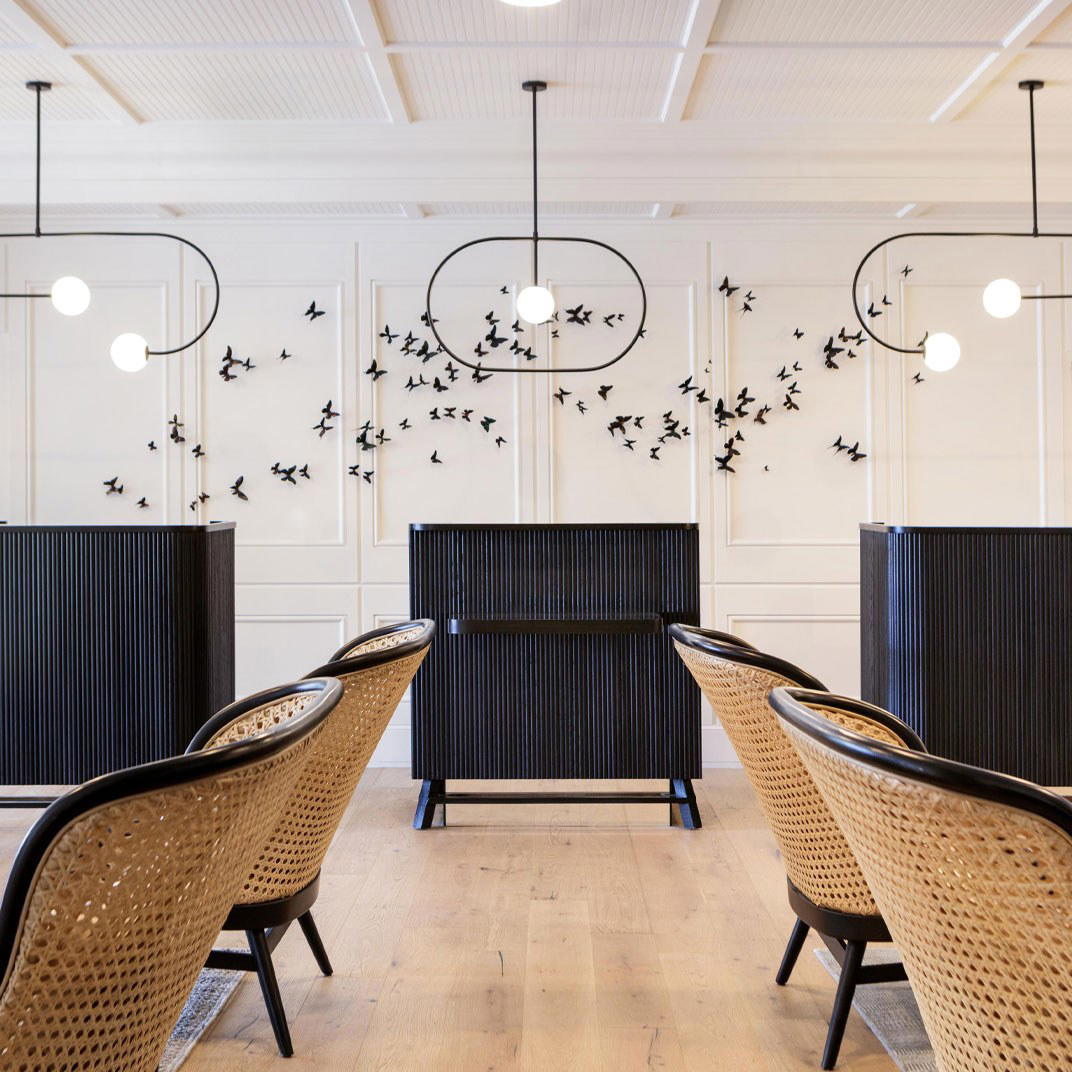
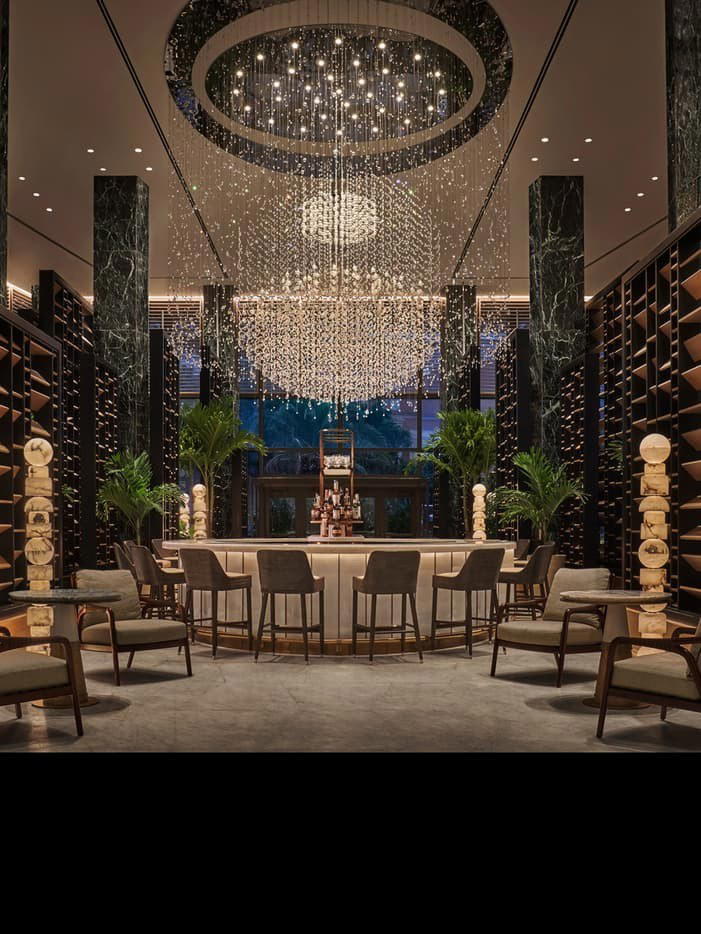
Upbeat and energetic with high-quality presentation; described as urban hip with rockin' music creating a lively yet relaxing atmosphere.