Goldfinch Tavern

Wine Spectator Award of Excellence
Our verdict
Goldfinch Tavern occupies a pointed address on Union Street in Seattle's waterfront district, where the Pike Place Market supply chain meets the hotel dining room format. The restaurant operates within a broader Seattle movement toward ingredient-driven, Pacific Northwest sourcing, placing it alongside the city's more deliberately sourced dining options at a price point that reflects both the location and the kitchen's ambitions.

Pearl is the En Primeur Club membership app, where members save venues, book tables and use the concierge.

The menu
What to order
- Beet & Dungeness Crab Salad
- Goldfinch Burger
- Half-Shell Oysters
- Rigatoni
Where the Waterfront Meets the Market Supply Chain
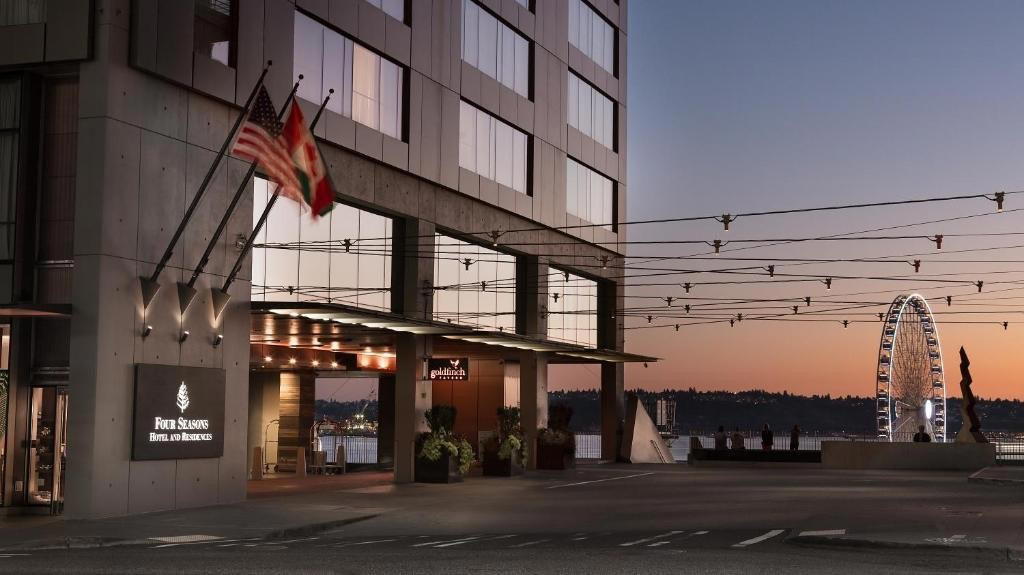
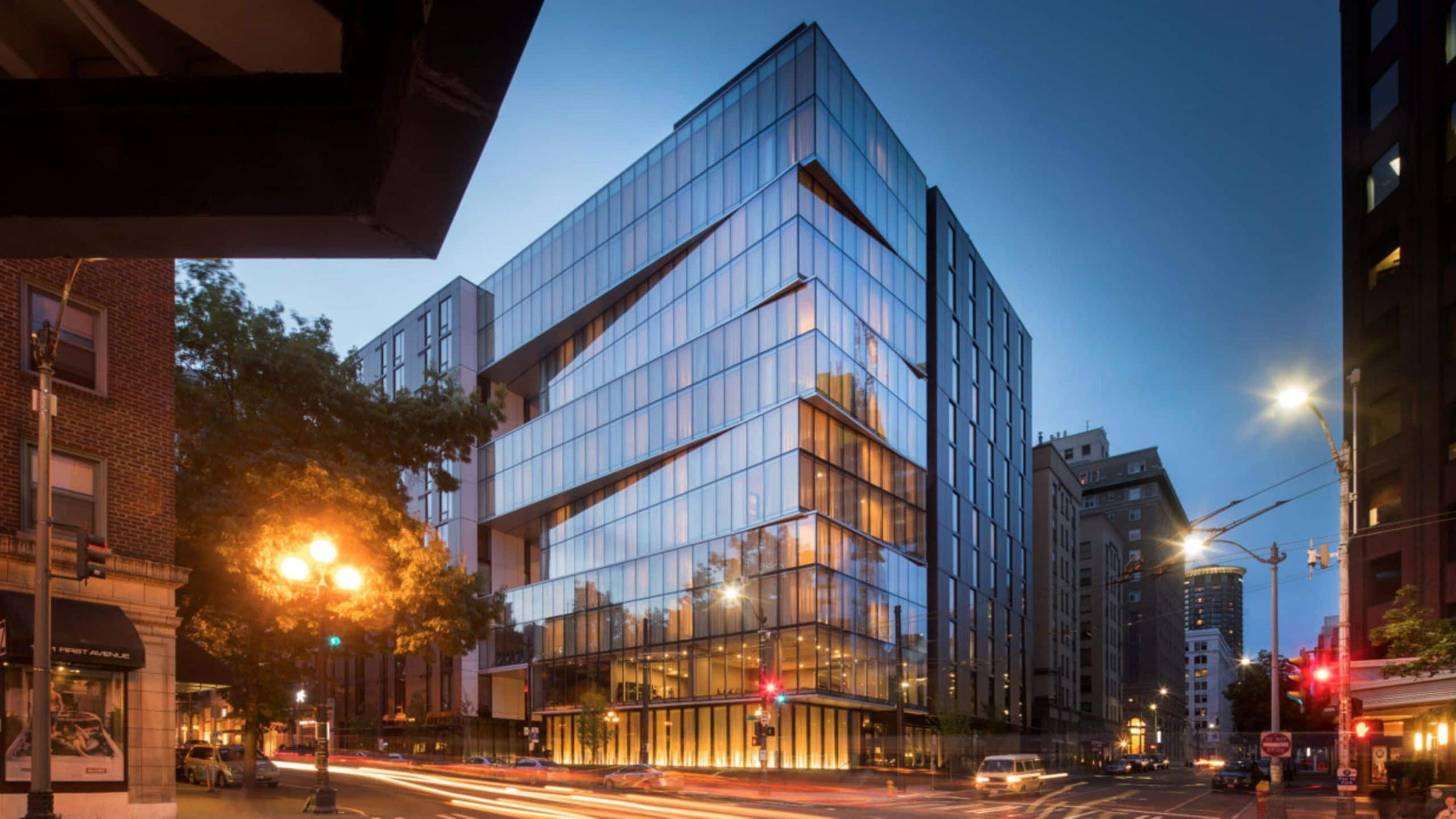
Union Street's lower block, where the Four Seasons Seattle sits above Elliott Bay, belongs to a particular register of Seattle dining: hotel restaurants that draw as much from the city's professional class and visiting business traveler as from the destination-dining crowd. Goldfinch Tavern occupies this position, with views across the water and a sourcing posture that looks north and east toward the farms and fisheries that define Pacific Northwest cooking at its most deliberate. The room's relationship to place, physically refined above the waterfront, logistically tethered to the region's agricultural calendar, shapes the experience more than any single dish or format decision.
That relationship to place is not incidental. Seattle's better hotel restaurants have, over the past decade, increasingly had to answer the same question that standalone kitchens answer: where does the food come from, and can you prove it? The city's proximity to Puget Sound fisheries, the Skagit Valley's vegetable farms, and the broader Washington and Oregon agricultural corridor gives a kitchen like Goldfinch Tavern the raw material to make a credible case. The question is always whether the supply chain is genuinely embedded or cosmetically labeled, a distinction Seattle diners, shaped by years of Pike Place Market culture, tend to notice.
Sourcing as Structure, Not Decoration
The sustainability conversation in American fine dining has bifurcated sharply. At one end, you have destination properties where ethical sourcing is the entire editorial premise, places like Blue Hill at Stone Barns in Tarrytown or Single Thread Farm in Healdsburg, where the farm-to-table relationship is architectural, not optional. At the other end, you have hotel dining rooms where seasonal language appears on menus but sourcing decisions are driven more by contract and volume than by relationship. Goldfinch Tavern sits between these poles, in a category where the hotel infrastructure enables consistency but the Pacific Northwest geography imposes a genuinely local supply logic.
What distinguishes Seattle's position in this conversation is the density of the local supply network. Dungeness crab from the Sound, geoduck from tidal flats, salmon across multiple wild species and seasons, and a vegetable-growing culture in the Skagit and Willamette valleys that gives Pacific Northwest kitchens more seasonal range than their coastal latitude might suggest, these are not interchangeable inputs. A kitchen that uses them well produces food that reads as distinctly regional rather than generically upscale. When Seattle restaurants get this right, the result lands closer to the sourcing discipline of Providence in Los Angeles or Le Bernardin in New York City, kitchens where the seafood program is a serious editorial commitment rather than a menu section.
The waste-reduction dimension of this equation matters as well. Pacific Northwest kitchens with genuine fishery relationships tend to use whole-fish and secondary-cut thinking more naturally than those buying through conventional distribution, because the supply relationships make it practical. Whether Goldfinch Tavern's kitchen operates at that level of integration is something the menu and sourcing documentation would confirm, but the geography creates the conditions for it, and the hotel format provides the kitchen volume to make whole-animal and whole-catch approaches economically viable in ways they are not at smaller covers.
Seattle's Hotel Dining Tier: How Goldfinch Tavern Fits
Seattle's restaurant scene has a clear top tier of standalone restaurants, Canlis, the city's long-running benchmark for occasion dining, and Joule among the more technically ambitious mid-scale operators, and a separate hotel dining category where the competitive set is defined as much by consistency and accessibility as by culinary ambition. Goldfinch Tavern competes in the latter group, where the Four Seasons address anchors a certain expectation of execution and service without requiring the advance planning that the city's tightest reservation windows demand.
For the full picture of where Seattle's dining options sit relative to each other, our full Seattle restaurants guide maps the city's neighborhoods and price tiers with editorial specificity. Within the waterfront and downtown corridor, the relevant comparison set includes 1415 1st Ave and options along the 1744 NW Market St axis near the Market itself. Further south, 2963 4th Ave S represents the kind of neighborhood-rooted dining that contrasts with the hotel format's geographic logic.
Nationally, the hotel restaurant format has produced some of the more interesting sustainability-forward kitchens in recent years. Addison in San Diego and The Inn at Little Washington demonstrate that the hotel or resort format is no barrier to serious sourcing practice. Smyth in Chicago and Lazy Bear in San Francisco show what happens when the sourcing philosophy is the structural premise. Emeril's in New Orleans and Atomix in New York City occupy different points on the same spectrum of intent and execution. Atelier Moessmer Norbert Niederkofler in Brunico represents the European apex of the alpine-sourcing model, a useful reference point for what full supply-chain commitment looks like at the fine dining tier. The French Laundry in Napa remains the California benchmark against which Pacific Coast hotel dining is still implicitly measured.
Planning Your Visit
Goldfinch Tavern's address at 99 Union St places it within easy walking distance of Pike Place Market and the Seattle waterfront, making it a practical choice for visitors already oriented toward the city's central tourist and business district. The Four Seasons building provides the parking, valet, and concierge infrastructure that standalone restaurants at this price tier typically cannot.
| Venue | Format | Location | Booking Complexity | Primary Sourcing Signal |
|---|---|---|---|---|
| Goldfinch Tavern | Hotel restaurant | Downtown / Waterfront | Standard reservation | Pacific Northwest regional |
| Canlis | Standalone fine dining | Queen Anne | Advance booking required | New American, seasonal |
| Joule | Standalone, mid-scale | Fremont | Moderate | New Asian fusion |
| Walrus & Carpenter | Oyster bar | Ballard | Walk-in or early queue | Pacific Northwest seafood |
Frequently asked questions
Can I bring kids to Goldfinch Tavern?
Goldfinch Tavern sits inside the Four Seasons Seattle, which typically accommodates families with children alongside business and leisure guests. The Union Street address is walkable from Pike Place Market, making it a practical stop for families already exploring the waterfront. Check directly with the restaurant on seating arrangements, as hotel dining rooms at this tier often have flexibility for younger guests.
What's the vibe at Goldfinch Tavern?
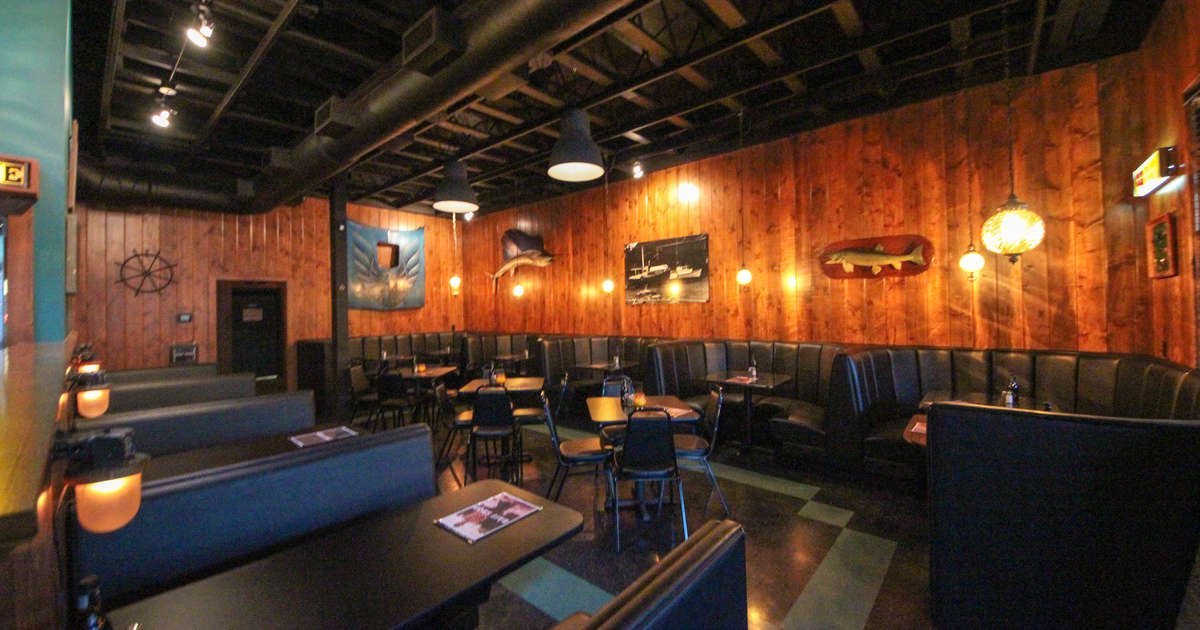
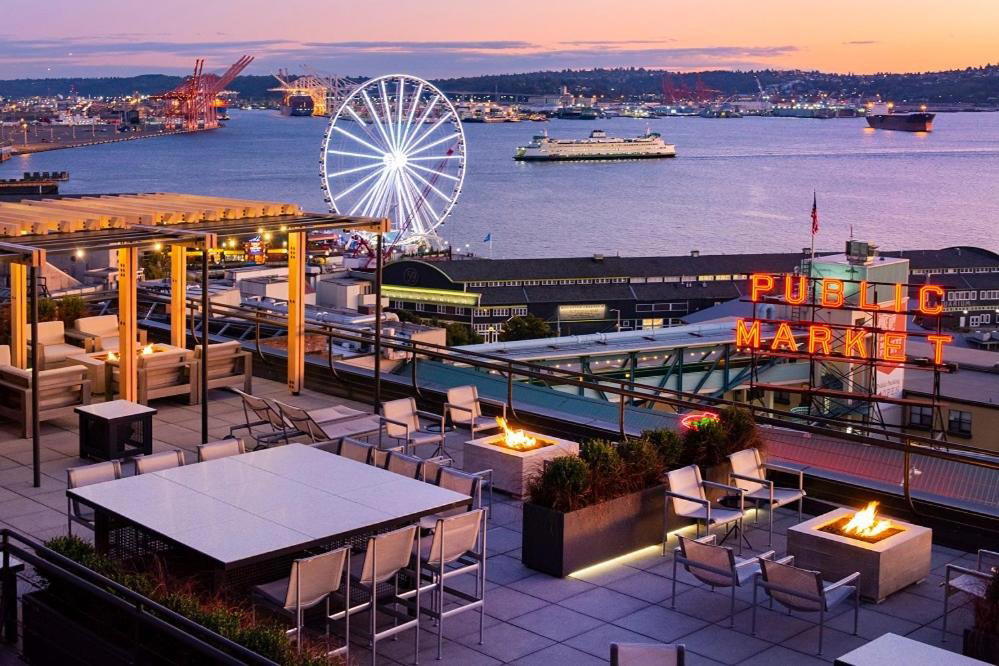
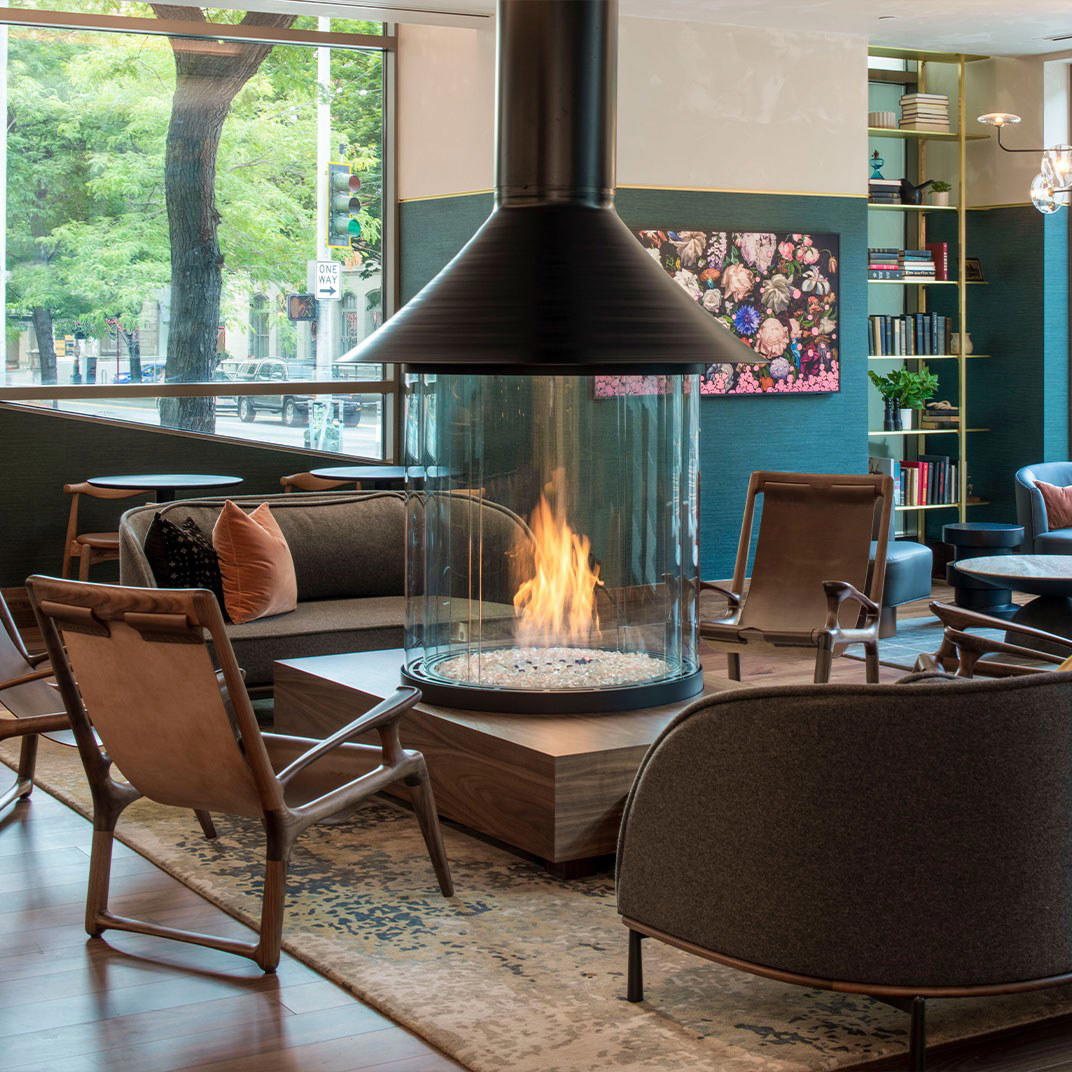
The setting at 99 Union St places the room above Elliott Bay, with the waterfront as a consistent visual backdrop. As the restaurant of the Four Seasons Seattle, the tone is polished but not stiff, hotel dining at this level in Seattle typically draws a mix of business lunches, pre-theatre dinners, and out-of-town visitors using it as a reliable anchor. It occupies a different register from the city's standalone destination restaurants like Canlis, leaning into comfort and consistency over culinary provocation.
Is Goldfinch Tavern a good option for dining near Pike Place Market in Seattle?
At 99 Union St, Goldfinch Tavern is one of the closest full-service restaurant options to both Pike Place Market and the Seattle waterfront, sitting inside the Four Seasons Seattle on the lower block of Union Street. That proximity is more than geographical, the kitchen's sourcing is directly tied to the market supply chain that defines Pacific Northwest hotel dining in Seattle. For visitors anchoring a day around the market and waterfront, it functions as a credible sit-down option rather than a detour.
What should I order at Goldfinch Tavern?
Goldfinch Tavern's editorial identity is built around Pacific Northwest sourcing, which in Seattle means proximity to serious shellfish, cold-water fish, and a tight regional farm network fed by the Pike Place Market supply chain a short walk up the hill. Dishes rooted in that local sourcing framework are where the kitchen has the clearest point of view. Specific current menu items are best confirmed directly with the restaurant before your visit.
Cuisine and Recognition
Comparable venues nearby, for context on price, style, and recognition.
| Venue | Cuisine | Price | Awards | Notes |
|---|---|---|---|---|
| Goldfinch TavernThis venue (the venue you are viewing) | Modern Pacific Northwest Seafood | $30–50 | Wine Spectator Award of Excellence | Not listed |
| Carlile Room | Modern American Bar & Grill | $50–100 | Not listed | Central Business District |
| Queen Anne | Cajun-Creole | $50–100 | Not listed | Uptown |
| House of Eve | Modern American | Not listed | Not listed | Denny Triangle |
| The Shambles | Contemporary American Steakhouse | $30–50 | Not listed | Roosevelt |
| Toulouse Petit | Cajun-Creole with French Influences | $50–100 | Not listed | Lower Queen Anne |
Recognition history
Dated appearances from independent guides and award organizations, with the underlying list record or original source where available.
Wine Spectator Award of Excellence
Wine Spectator